The RTA has not published the current theory-test format in a form PassDriveTest could confirm. It is most often reported as 35 multiple-choice questions in about 30 minutes. This practice test uses 35 questions with 28 correct to pass (80%), a little stricter than the reported pass mark. Your driving institute will confirm the format when you book. Below is every Dubai sign we cover, with its official image and meaning. After the signs: the sign groups, a short quiz and study tips.
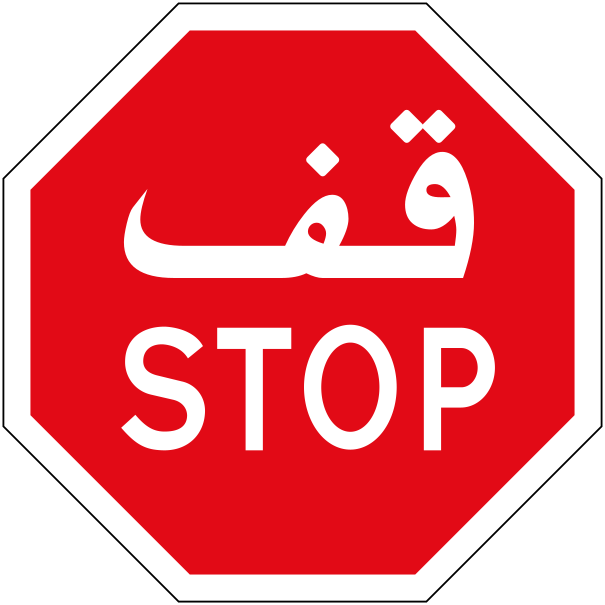
Stop Stop completely at the line. Stop, then go only when the road is clear.
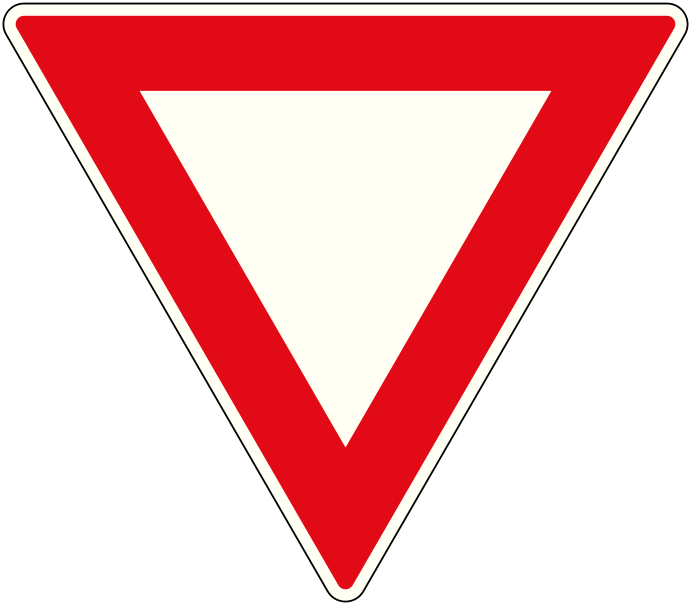
Give way Give way to traffic on the main road. Slow down and stop if needed.
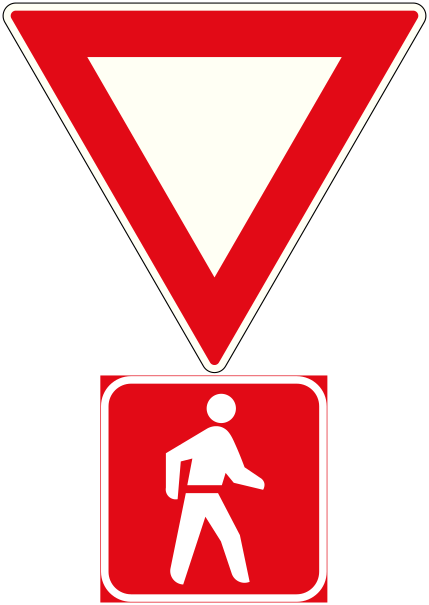
Give way to pedestrians Give way to pedestrians crossing. Stop for anyone on or stepping onto the crossing.
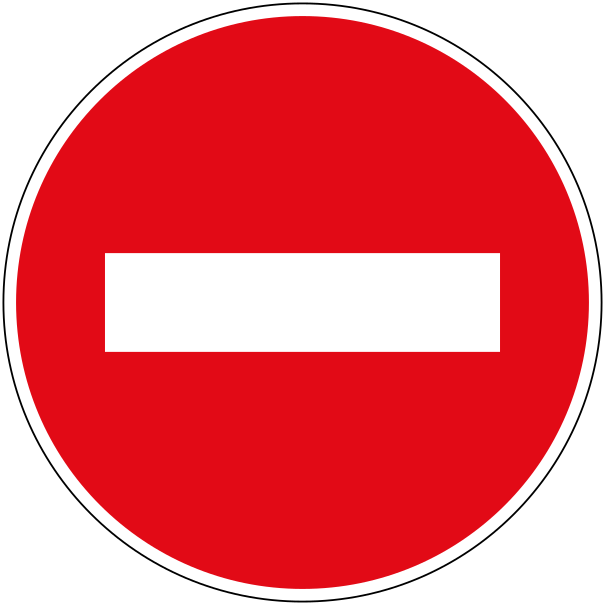
No entry No entry for vehicles. Do not drive past this sign.
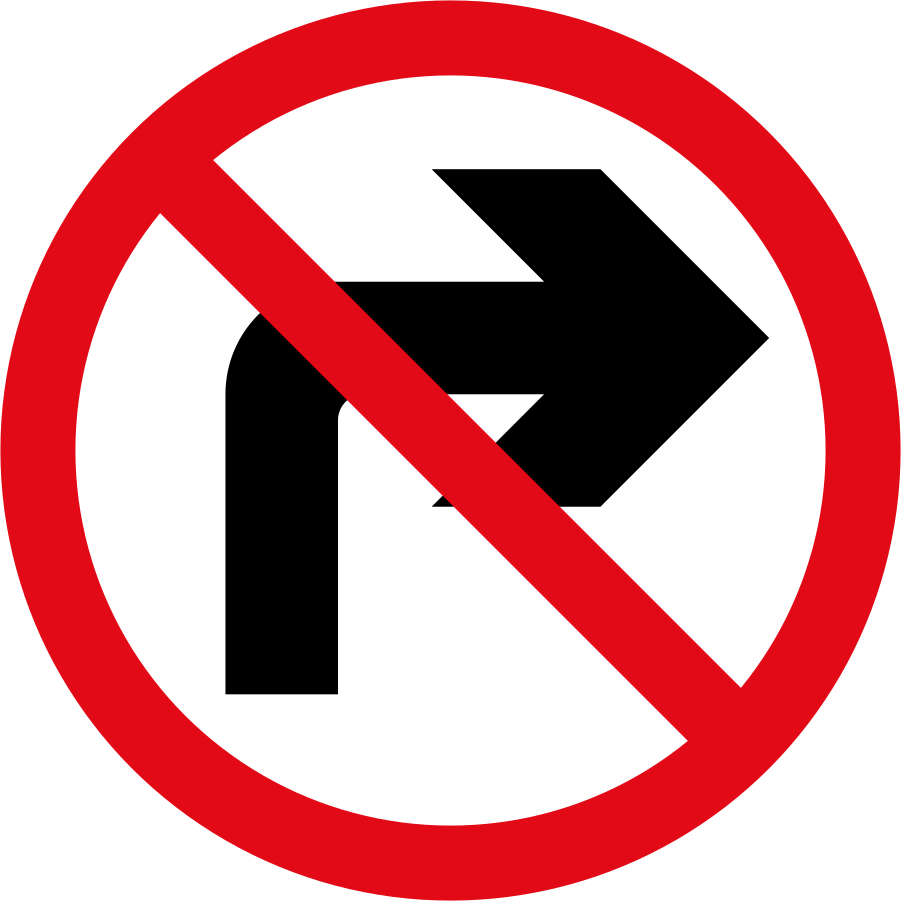
No right turn You must not turn right. Go straight or turn left.
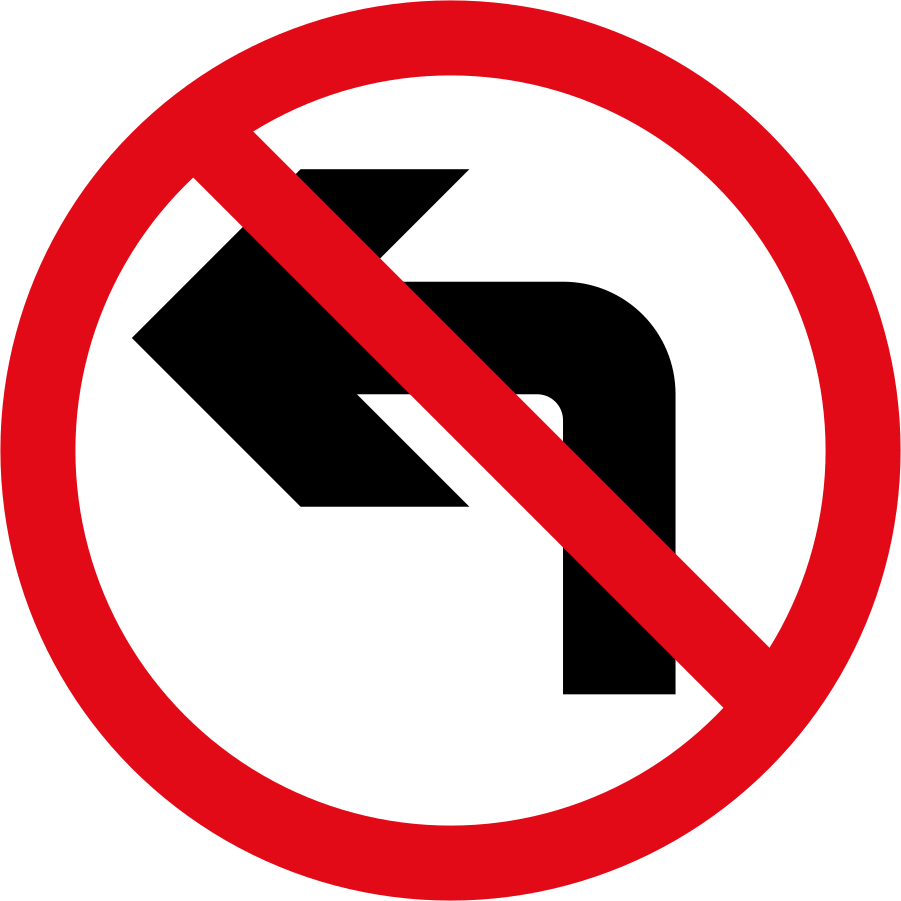
No left turn You must not turn left. Go straight or turn right.
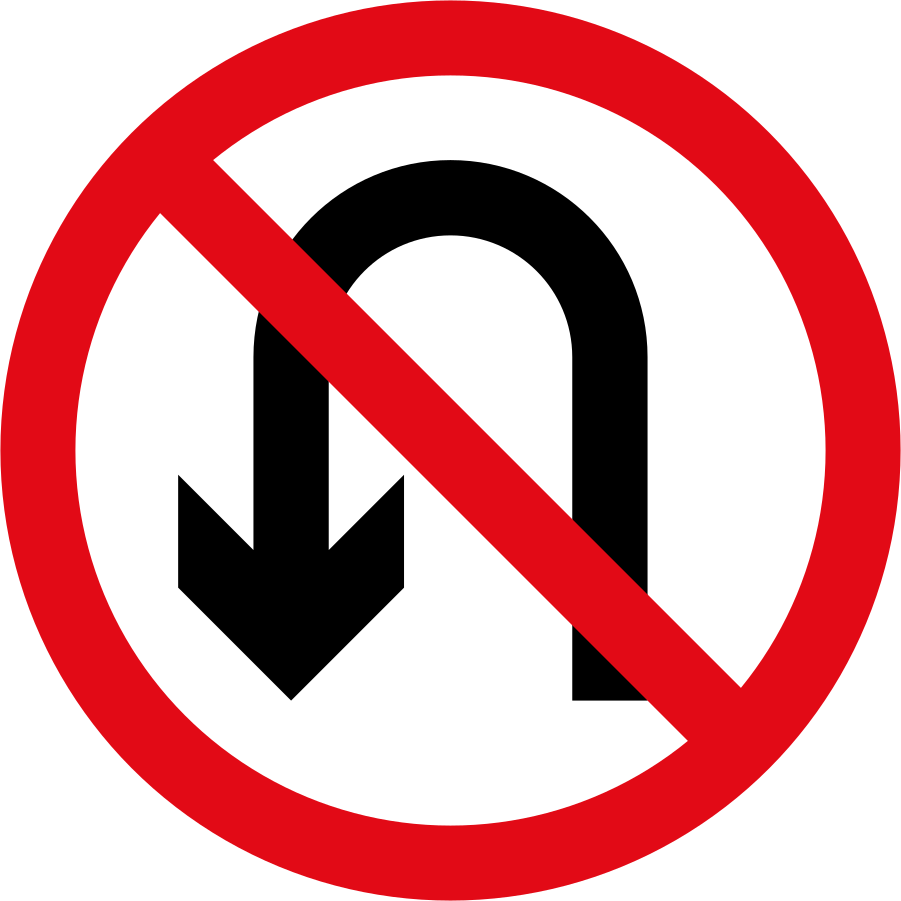
No U-turn U-turns are not allowed. Continue to a junction where U-turns are allowed.
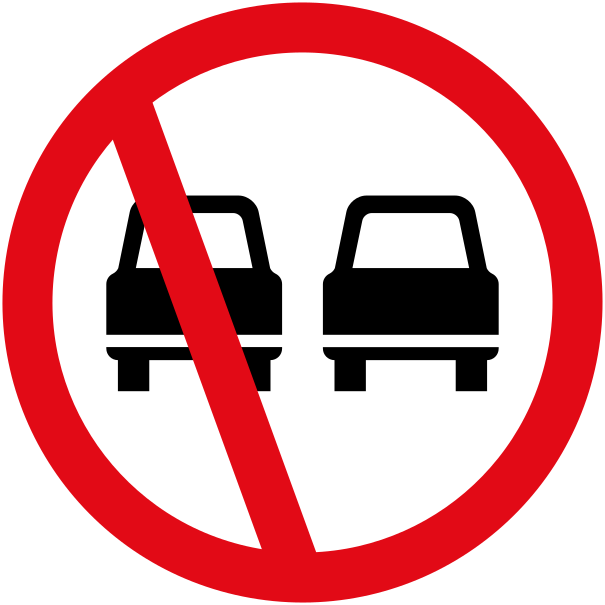
No overtaking Do not overtake. Stay behind the vehicle ahead.
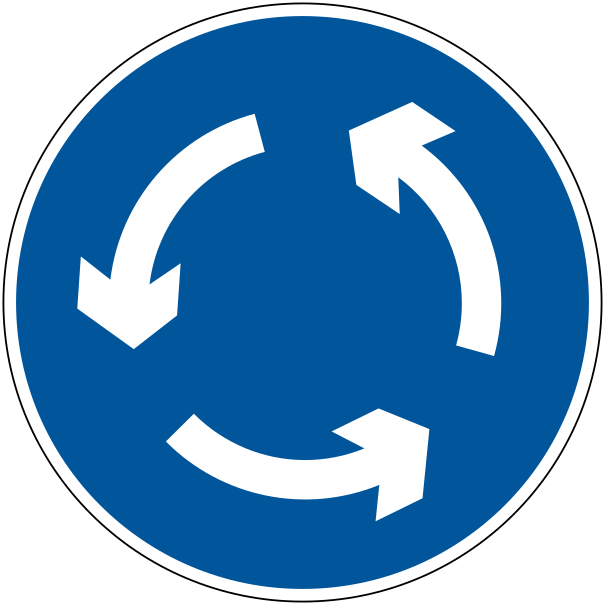
Roundabout Roundabout: drive around in the direction of the arrows. In the UAE traffic goes anticlockwise; give way to vehicles already on the roundabout.
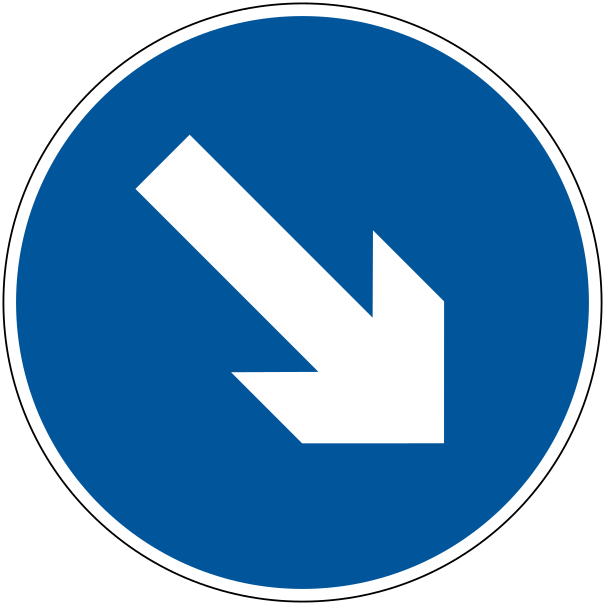
Keep right Pass on the right of the island or obstruction. Follow the arrow.
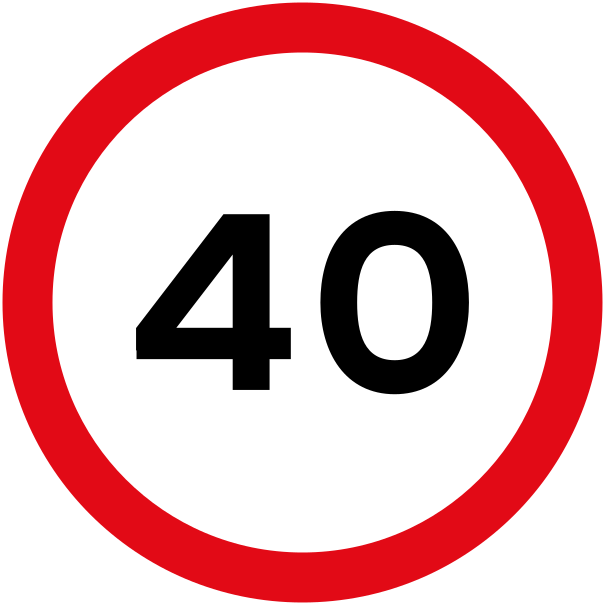
Speed limit 40 Maximum 40 km/h. Keep to or below 40 km/h.
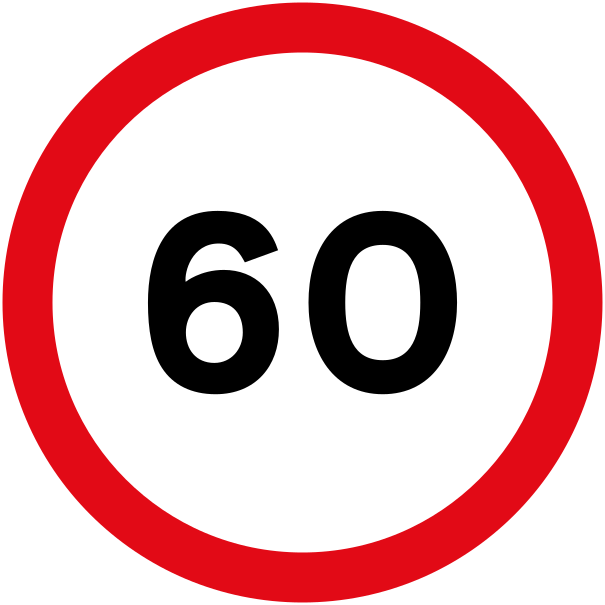
Speed limit 60 Maximum 60 km/h. Keep to or below 60 km/h.
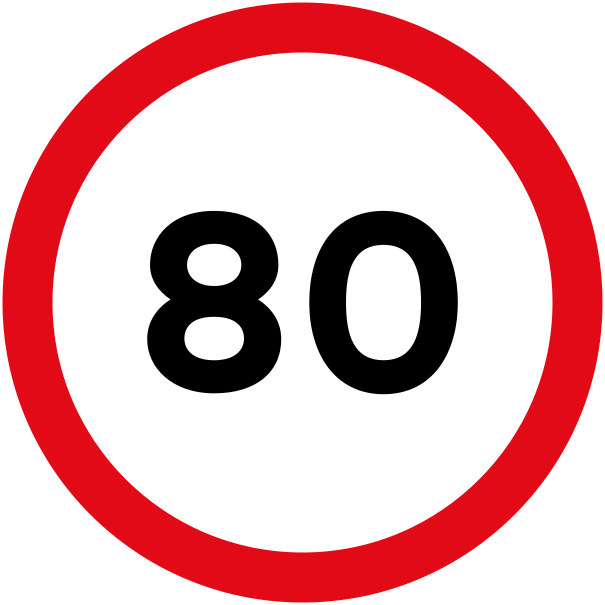
Speed limit 80 Maximum 80 km/h. Keep to or below 80 km/h.
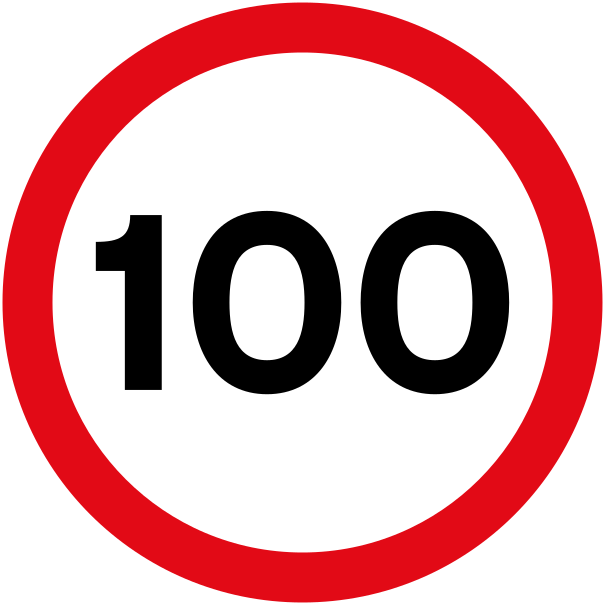
Speed limit 100 Maximum 100 km/h. Keep to or below 100 km/h.
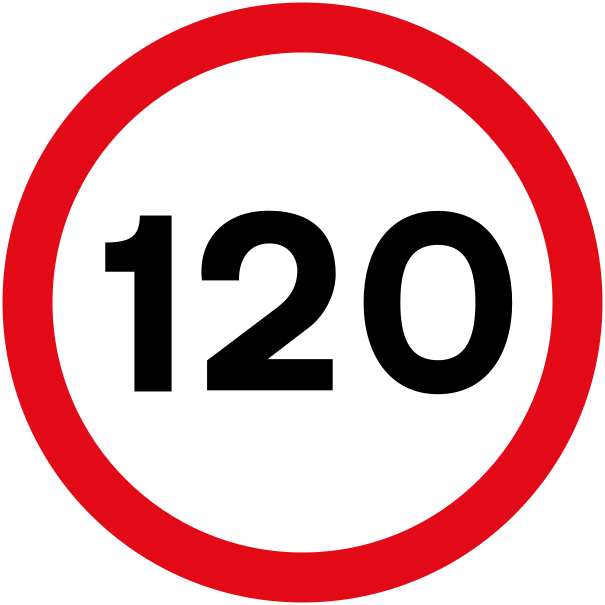
Speed limit 120 Maximum 120 km/h. Keep to or below 120 km/h.
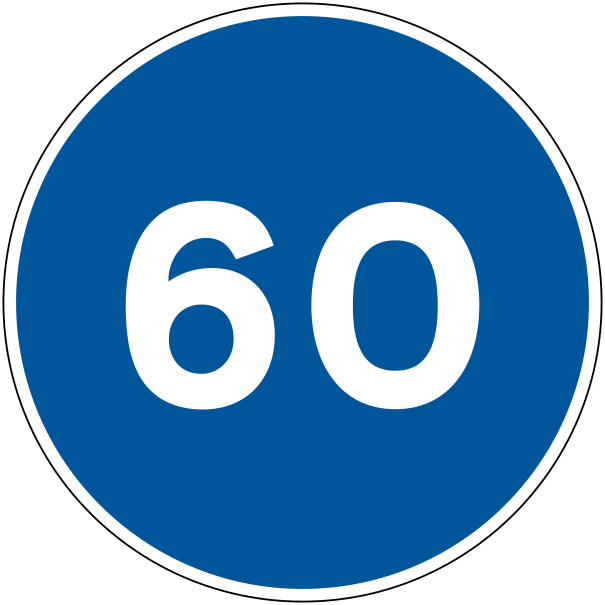
Minimum speed Minimum speed: you must not drive slower than the number shown (60 km/h) in normal conditions. Keep up with traffic in that lane; driving too slowly can also be fined.
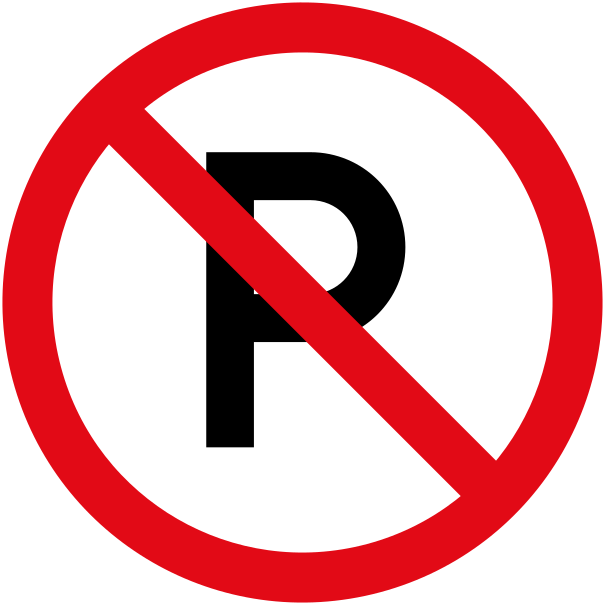
No parking Parking is not allowed. Do not park here.
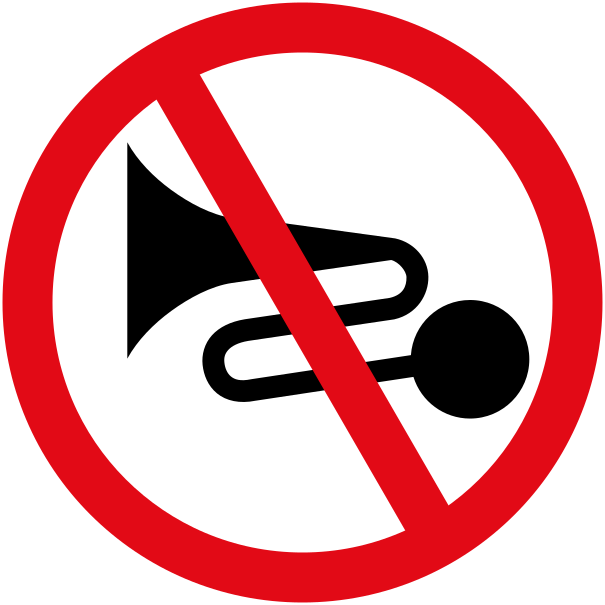
No horns Do not use your horn. Use the horn only in an emergency.
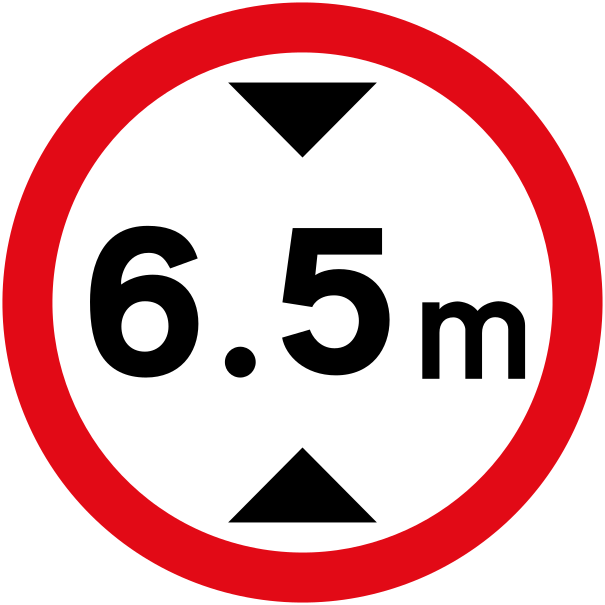
Maximum height Vehicles taller than shown may not pass. Know your vehicle's height.
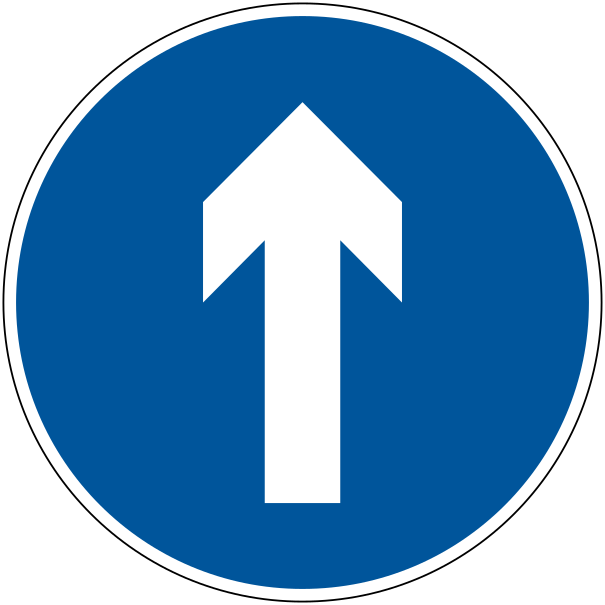
Ahead only You must go straight ahead. Blue circles show actions you must take.
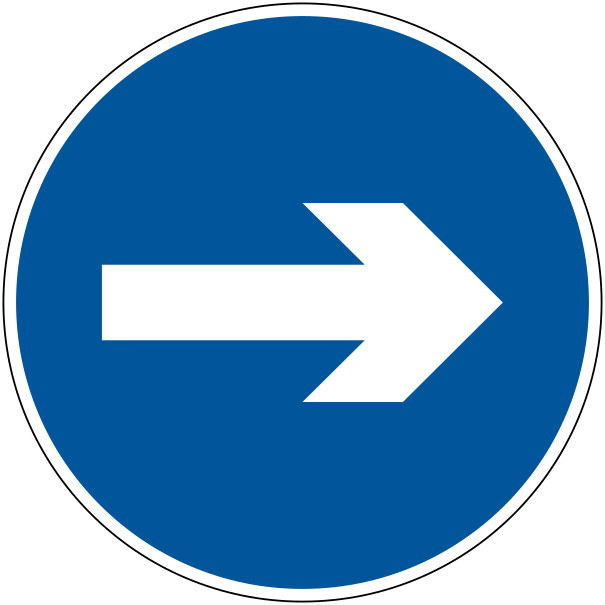
Turn right You must turn right. Blue circles show actions you must take.
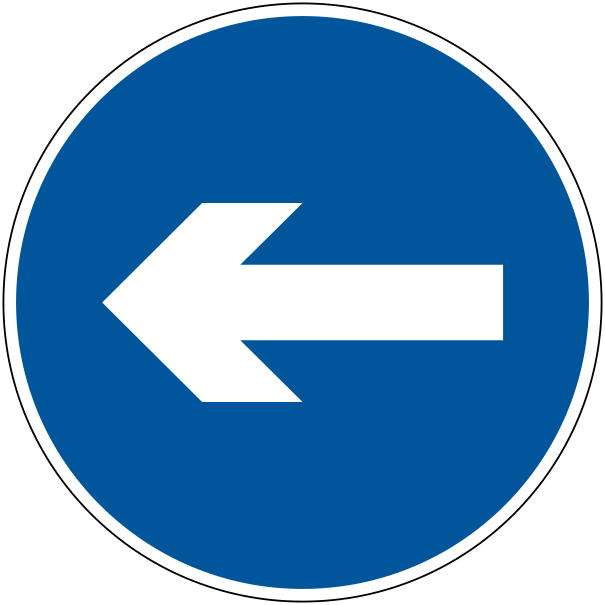
Turn left You must turn left. Blue circles show actions you must take.
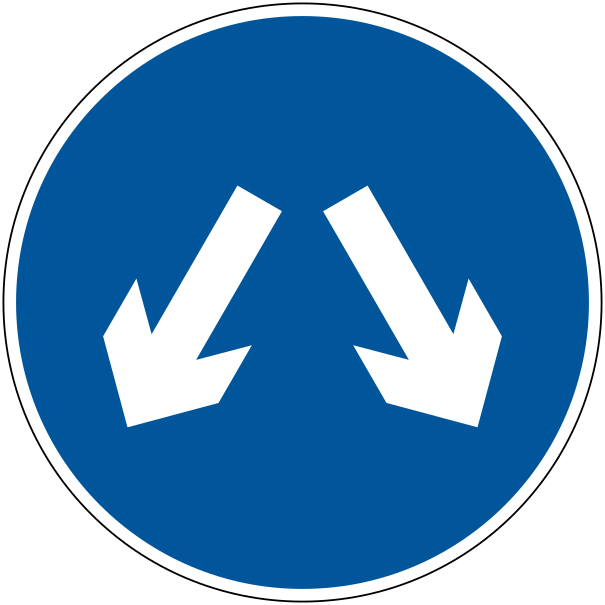
Pass either side You may pass on either side of the obstruction. Blue circles show actions you must take.
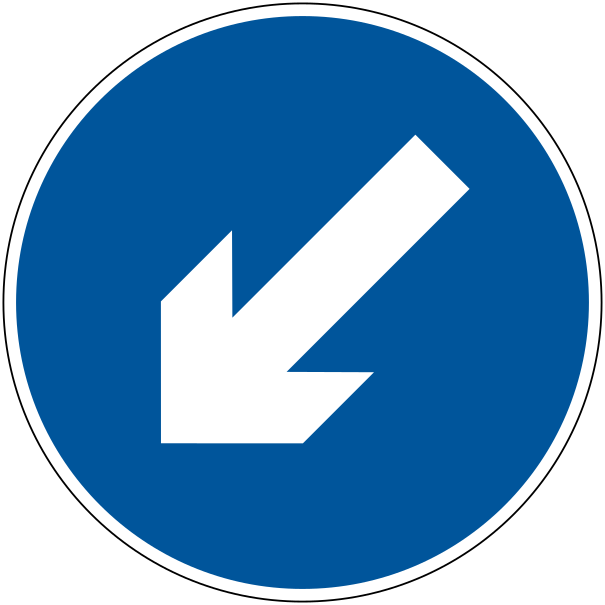
Keep left Keep to the left of the island or obstruction. Blue circles show actions you must take.
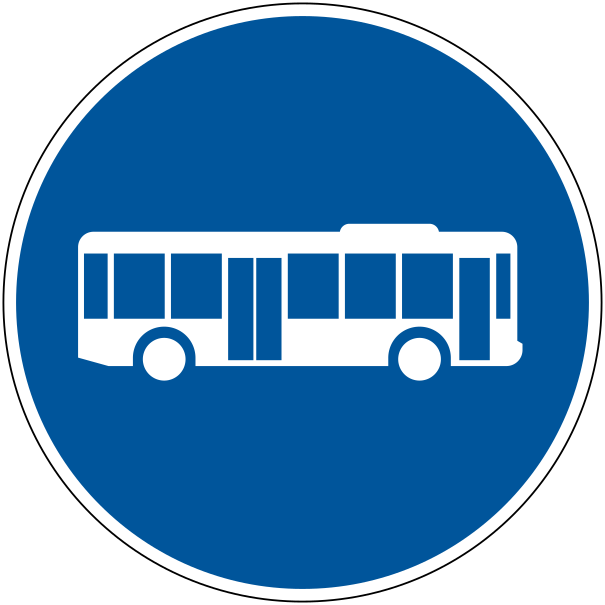
Buses only The road or lane is reserved for buses. Other vehicles must not use it.
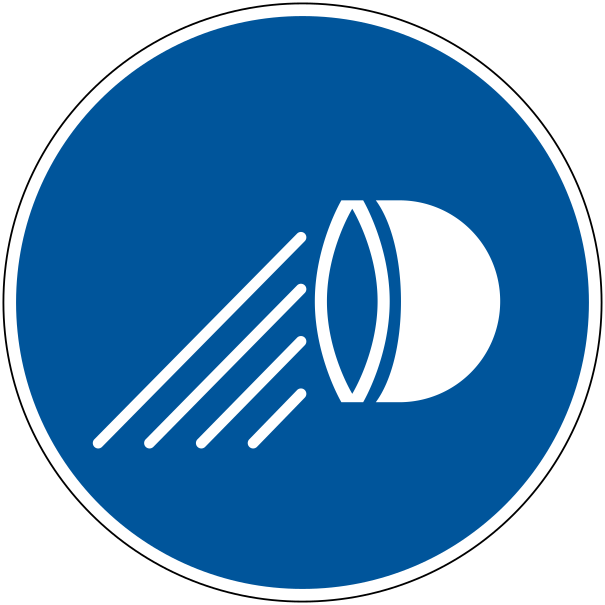
Switch headlamps on You must switch on your headlights. Often before tunnels and underpasses.
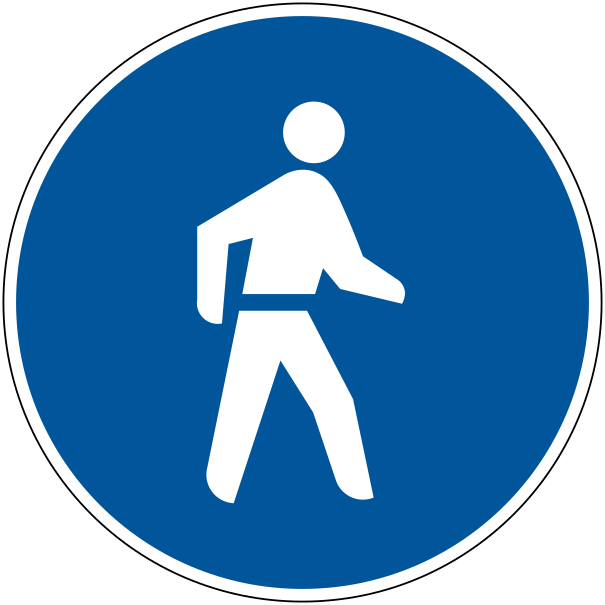
Pedestrians only The path is for pedestrians only. Vehicles must not enter.
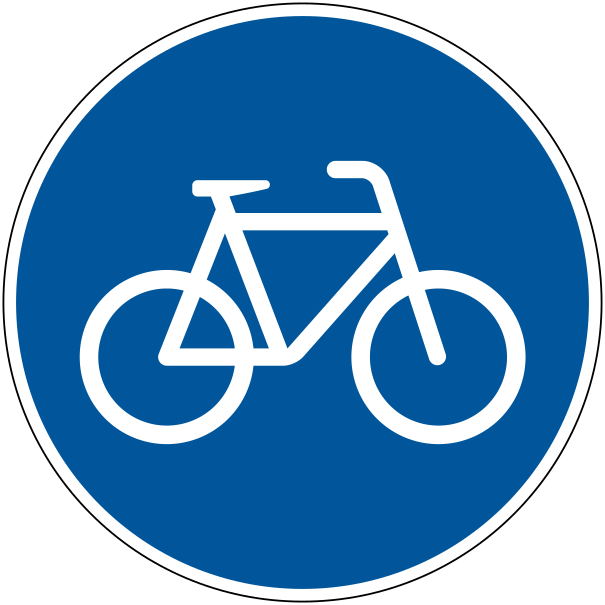
Cyclists only The track is for cyclists only. Vehicles must not enter.
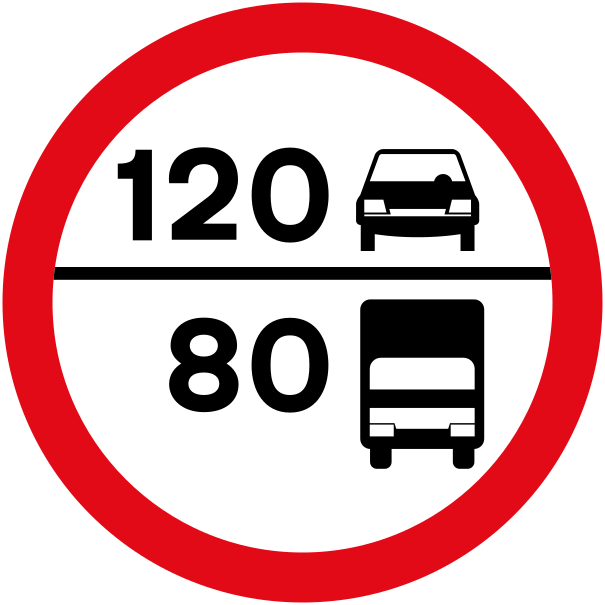
Speed limits by vehicle type Different speed limits apply to cars and to heavy vehicles. Obey the limit for your type of vehicle.
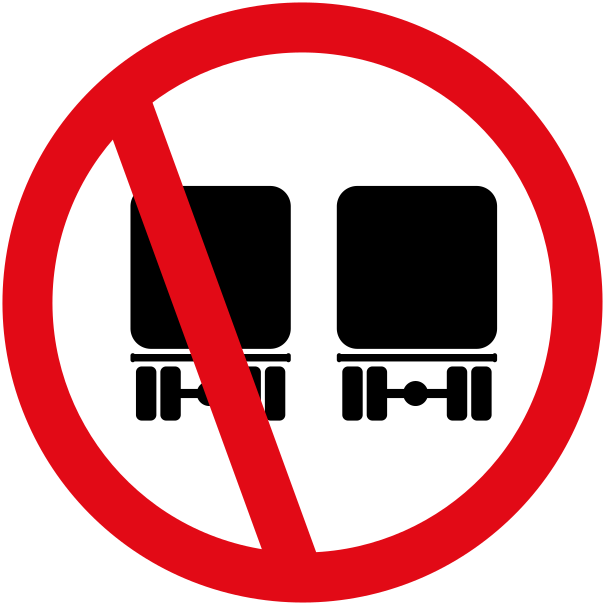
No overtaking by trucks Trucks must not overtake. Cars may still overtake where it is safe and allowed.
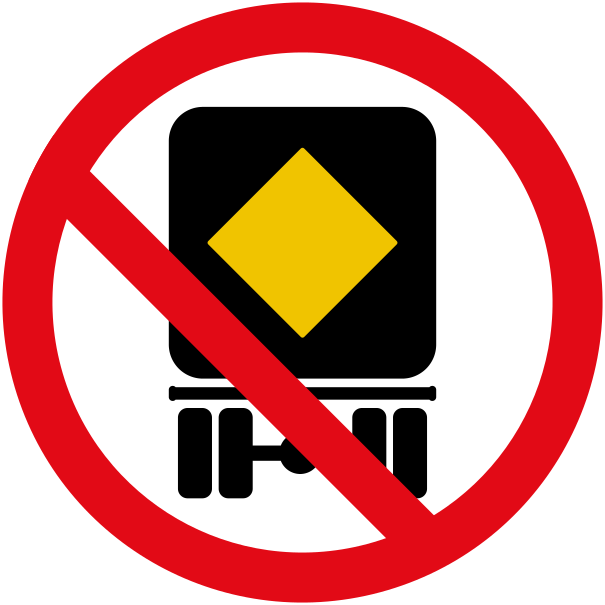
No hazardous materials Vehicles carrying hazardous materials must not enter. Often at tunnels.
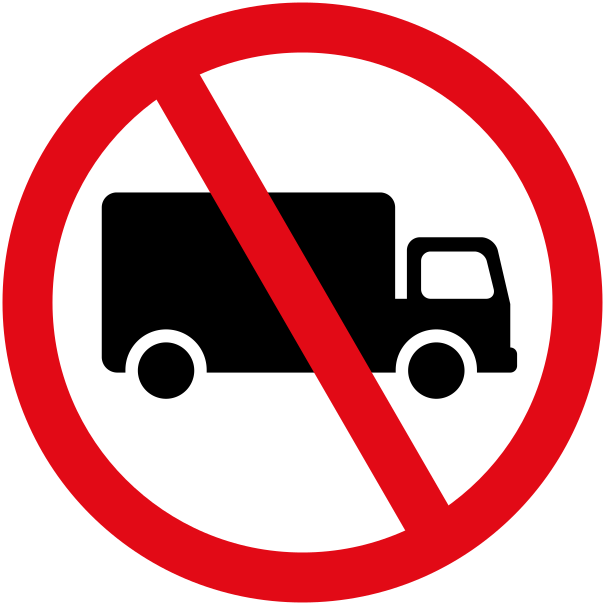
No goods vehicles Goods vehicles must not enter. Cars may continue.
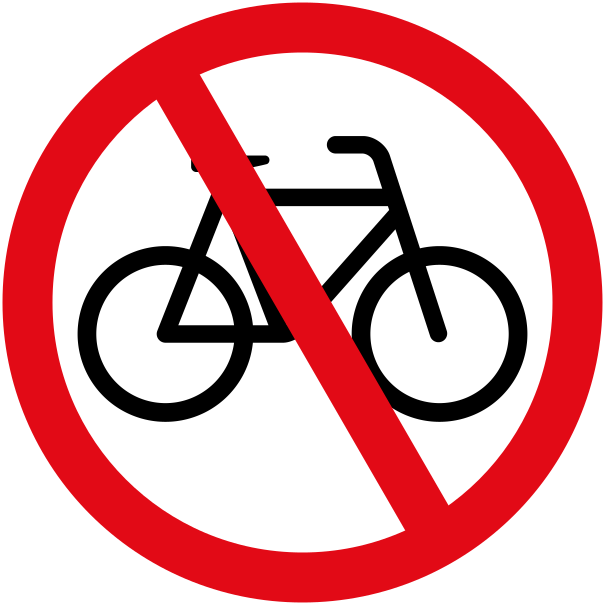
No cyclists Bicycles must not be ridden here. The red circle means prohibited.
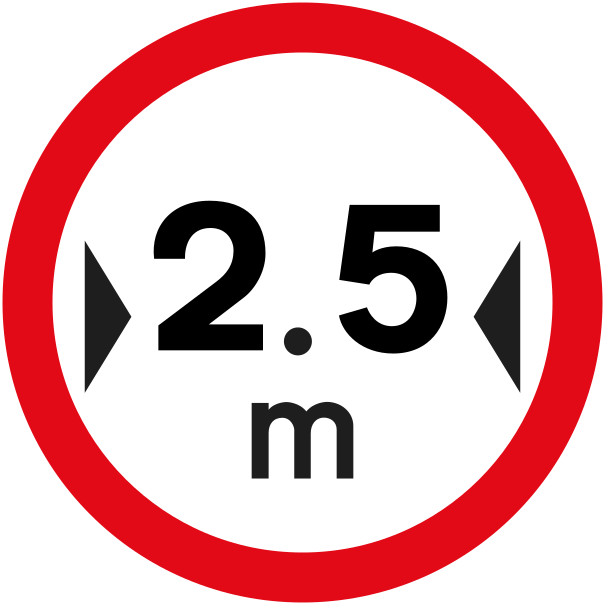
Maximum width Vehicles wider than the width shown must not enter. Know the width of your vehicle.
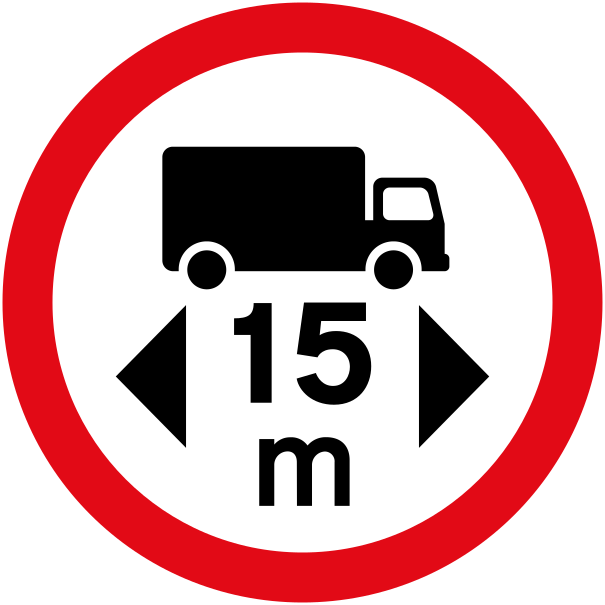
Maximum length Vehicles longer than the length shown must not enter. Know the length of your vehicle and any trailer.
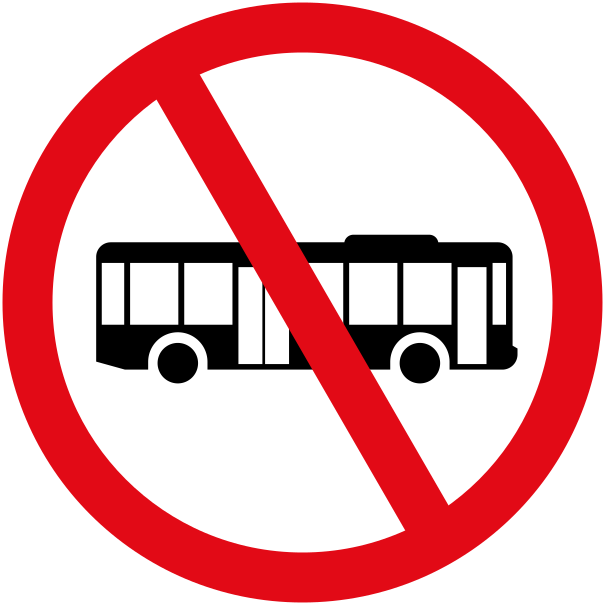
No entry for buses Buses must not enter. Other vehicles may continue.
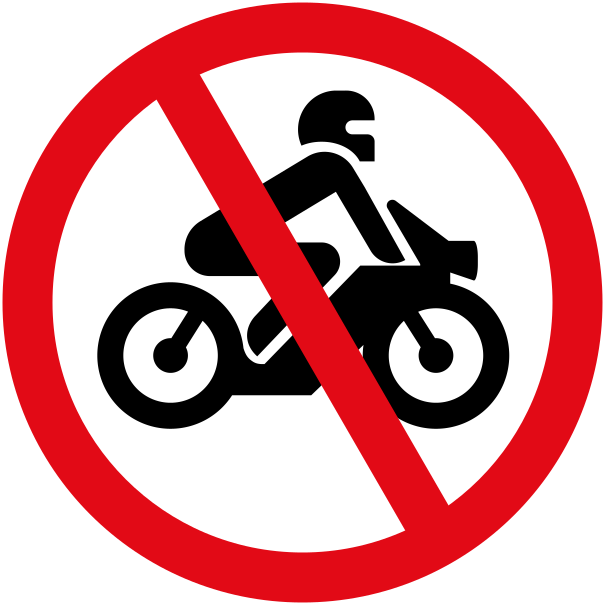
No motorcycles Motorcycles must not enter. The red circle means prohibited.
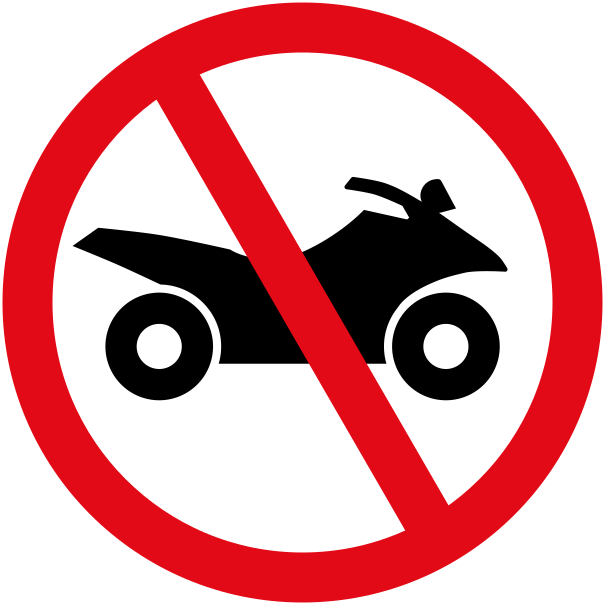
No quad bikes Quad bikes (ATVs) must not use this road. Common near desert recreation areas.
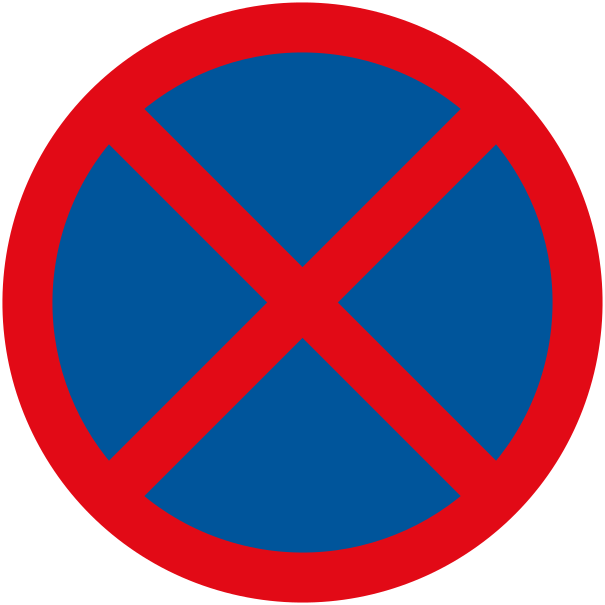
No stopping You must not stop here at any time. This applies even if you stay in the vehicle.
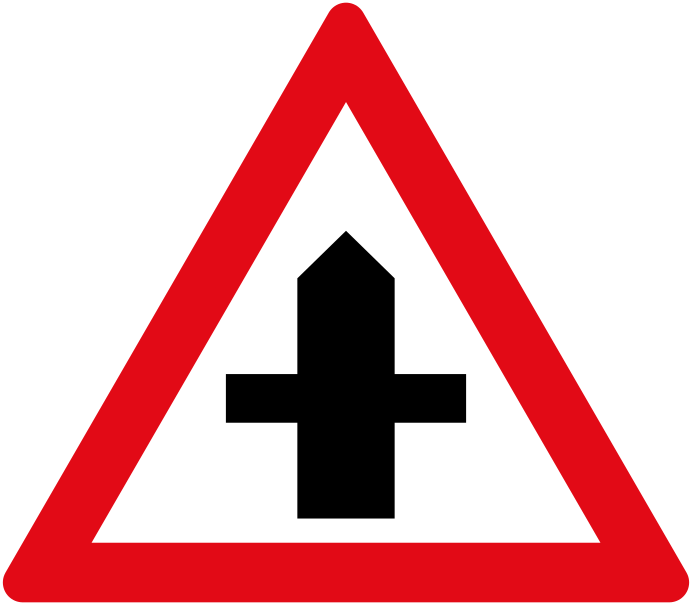
Crossroads ahead A crossroads is ahead. Slow down and watch for traffic.
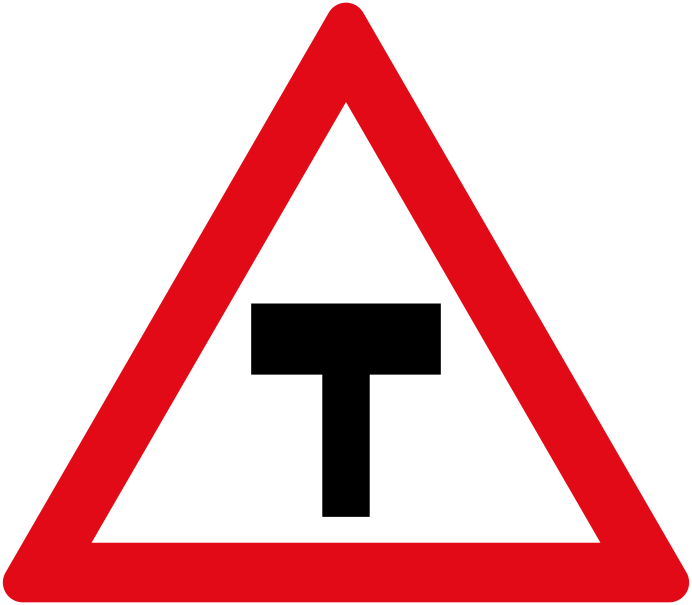
T-junction ahead A T-junction is ahead. Slow down and be ready to give way.
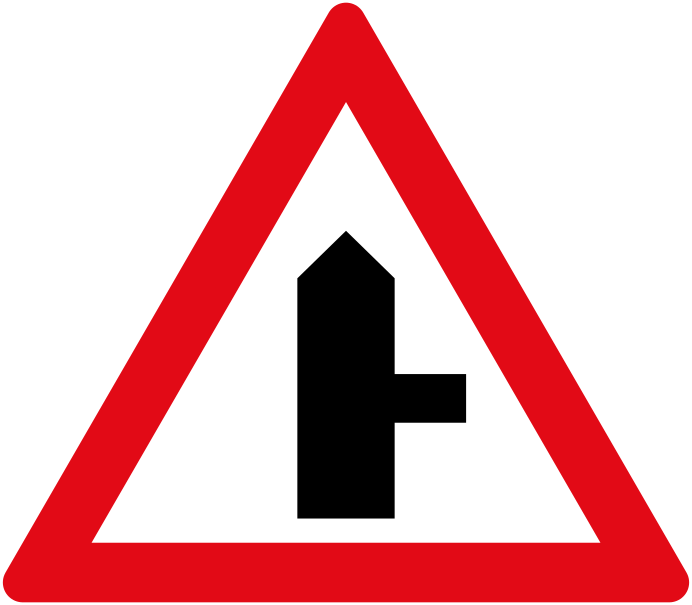
Side road ahead A side road joins ahead. Watch for vehicles pulling out.
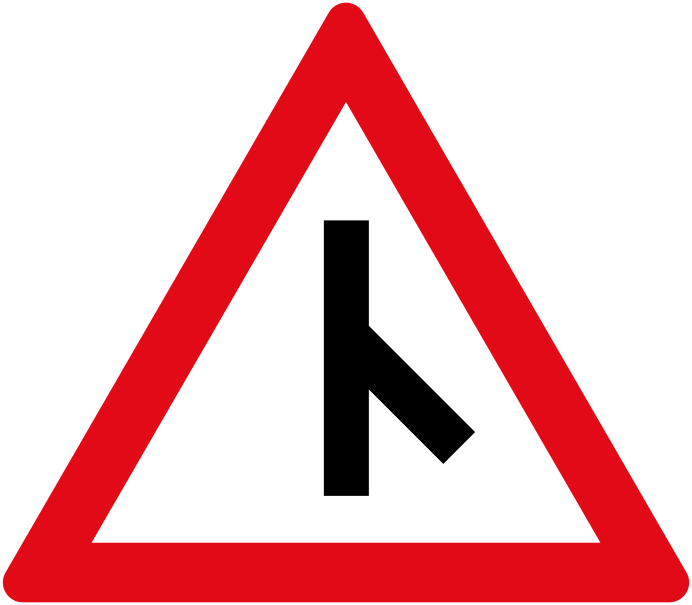
Merging traffic Traffic merges ahead. Adjust speed and leave space for merging vehicles.
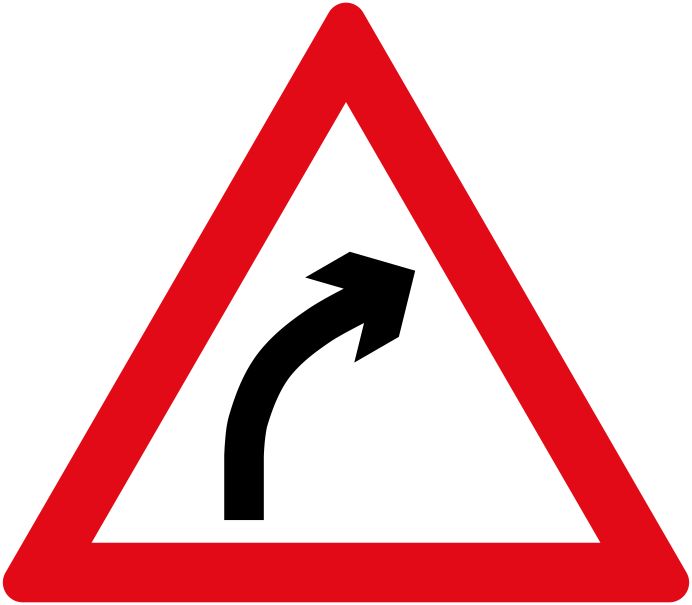
Bend to the left Bend to the left ahead. Slow down before the bend.
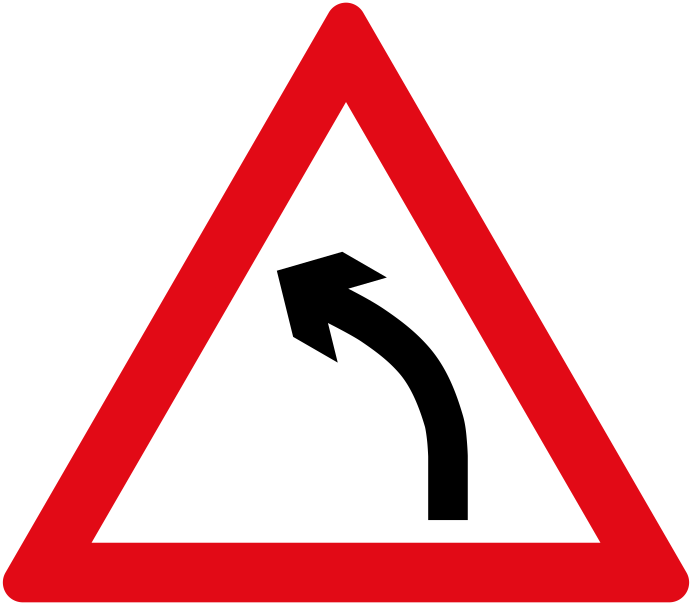
Bend to the right Bend to the right ahead. Slow down before the bend.
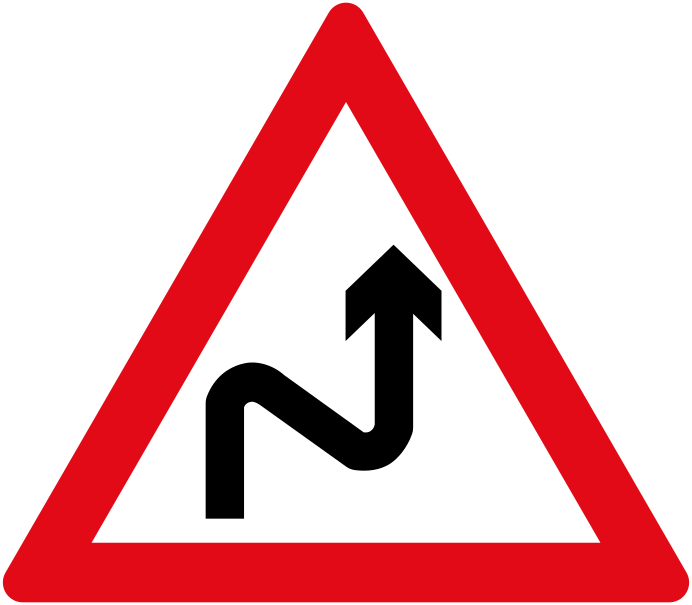
Series of bends A series of bends ahead. Slow down and do not overtake.
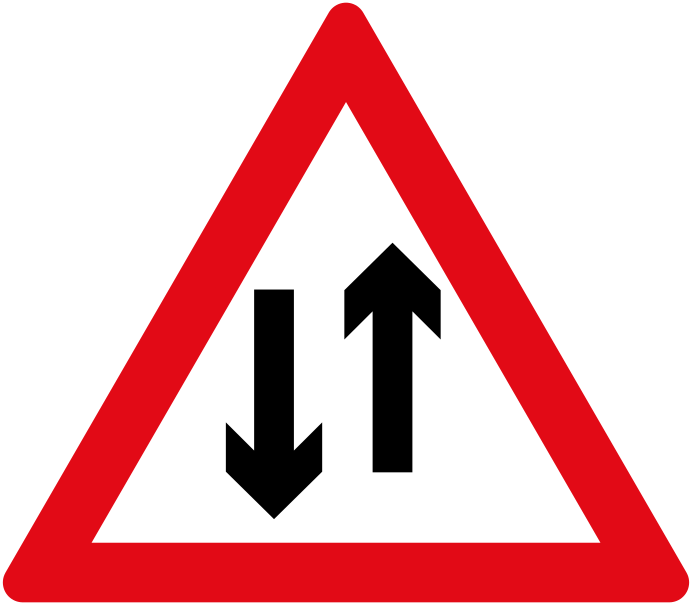
Two-way traffic Two-way traffic ahead. Keep right; traffic comes towards you.
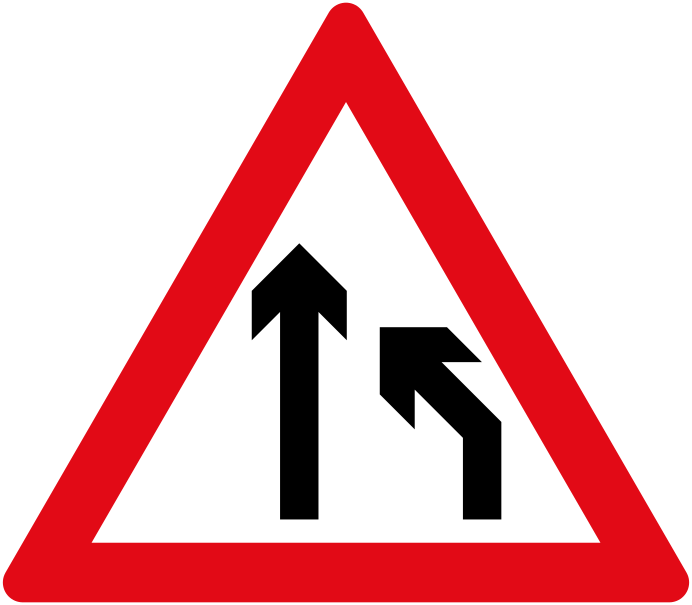
Lane ends A lane ends ahead. Merge early and smoothly.
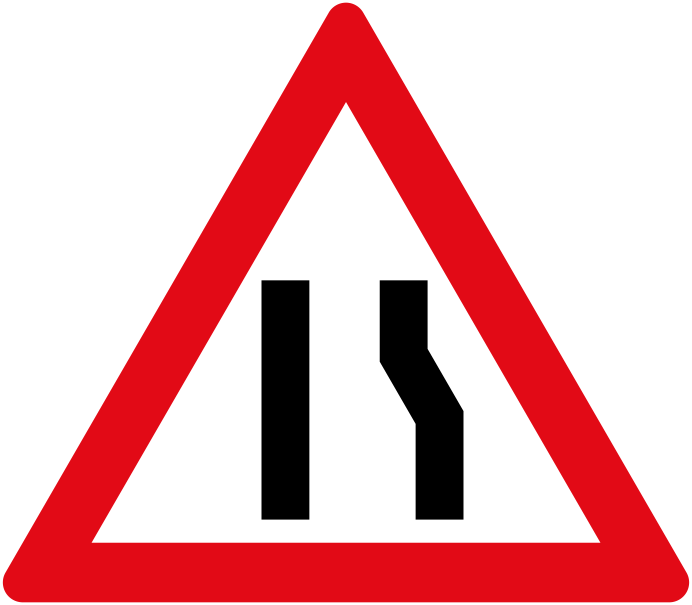
Road narrows The road gets narrower ahead. Slow down.
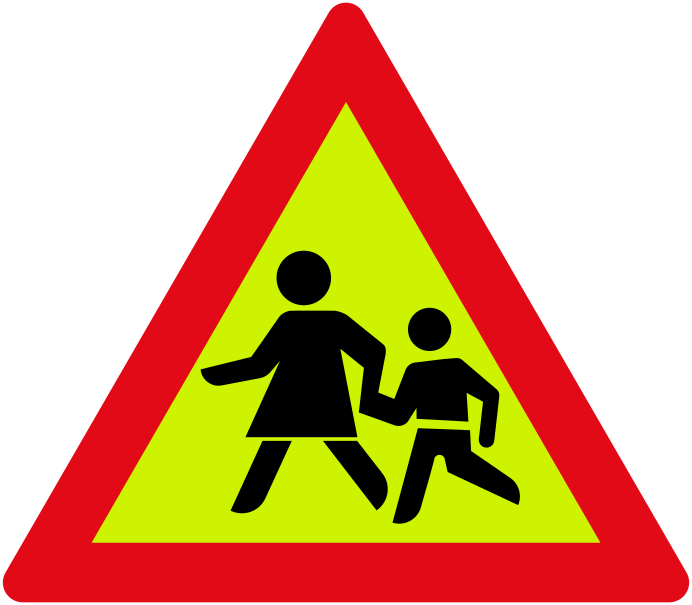
Children Children may be near the road (school). Slow down and watch for children.
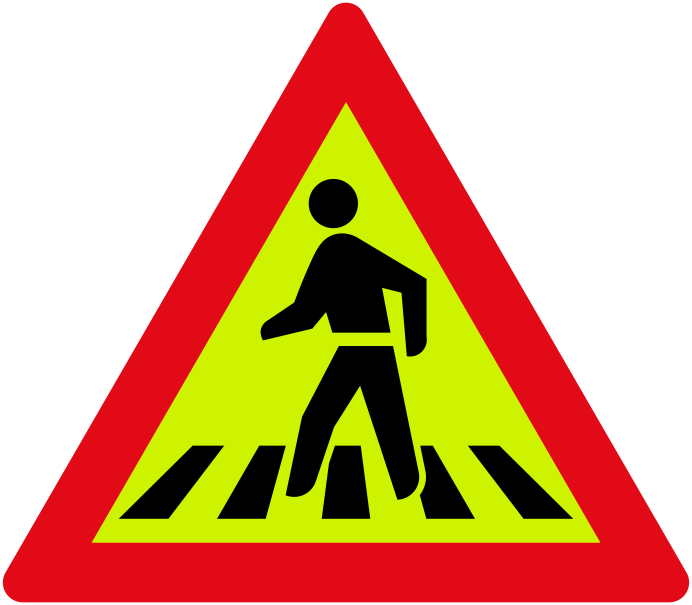
Pedestrian crossing ahead A pedestrian crossing is ahead. Slow down and be ready to stop.
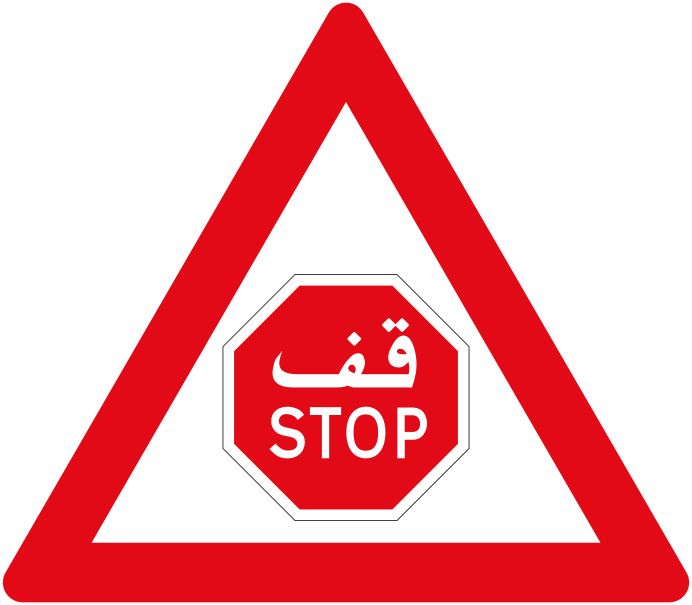
Stop sign ahead A stop sign is ahead. Be ready to stop.
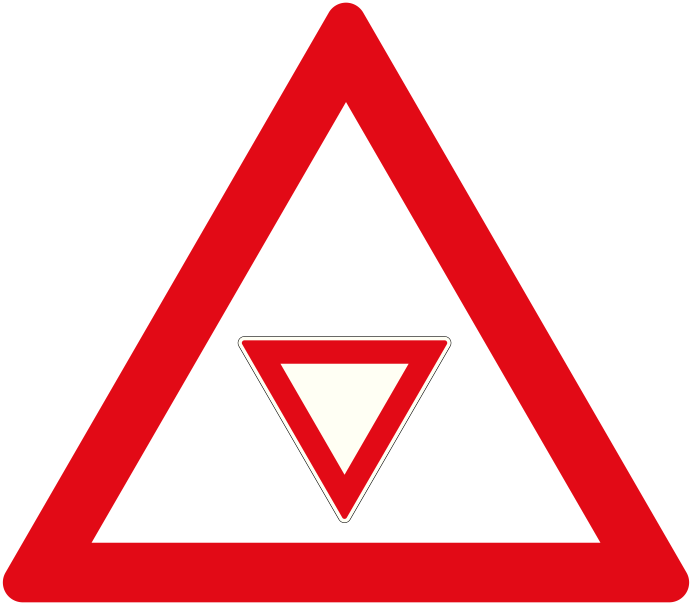
Give way ahead A give-way sign is ahead. Be ready to give way.
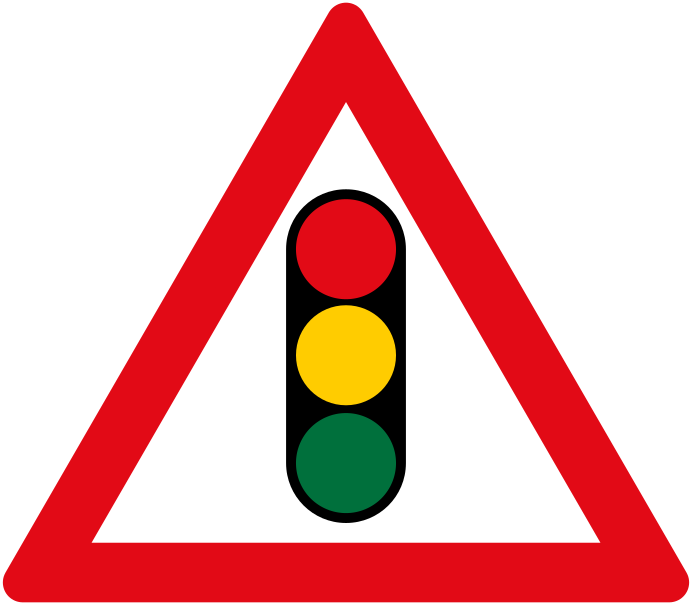
Traffic signals ahead Traffic lights ahead. Slow down and be ready to stop.
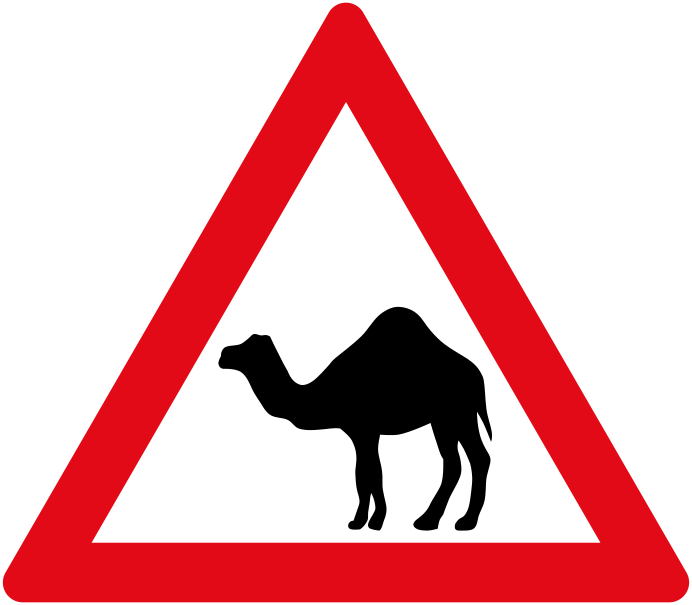
Animals (camels) crossing Animals such as camels may be on the road. Slow down, especially at night; a camel is very tall and heavy.
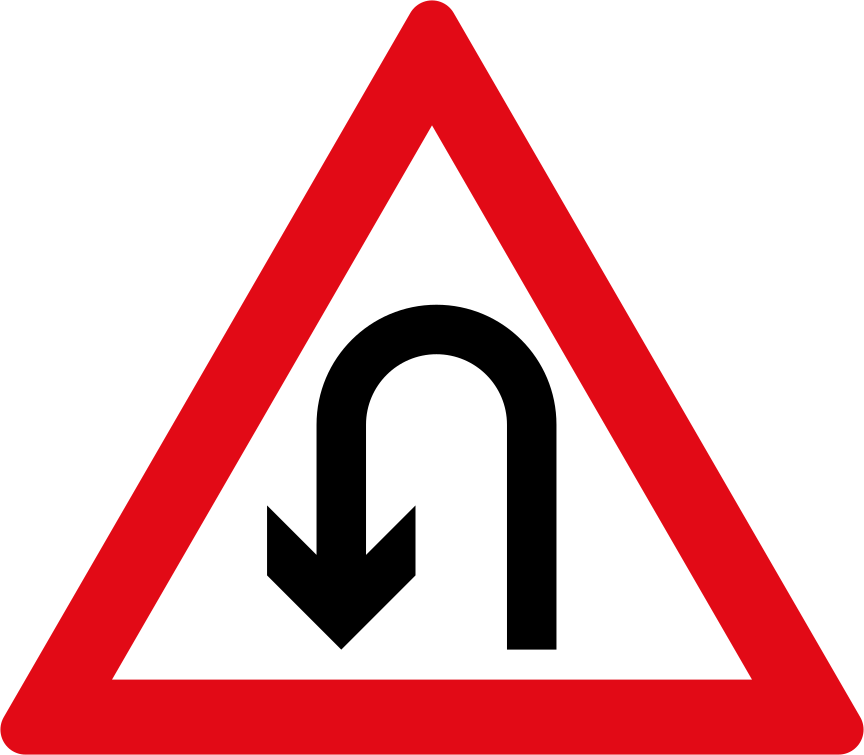
U-turn ahead A U-turn opening is ahead. Watch for vehicles slowing to turn.
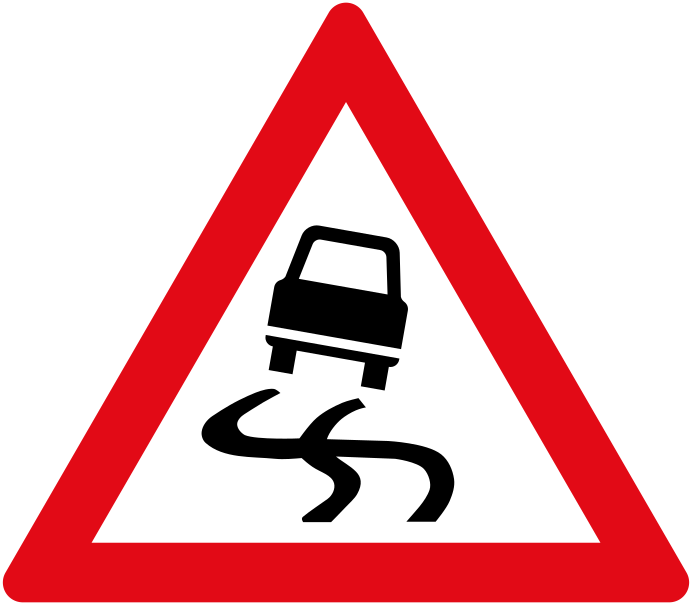
Slippery road The road may be slippery. Slow down; roads are slippery after the first rain.
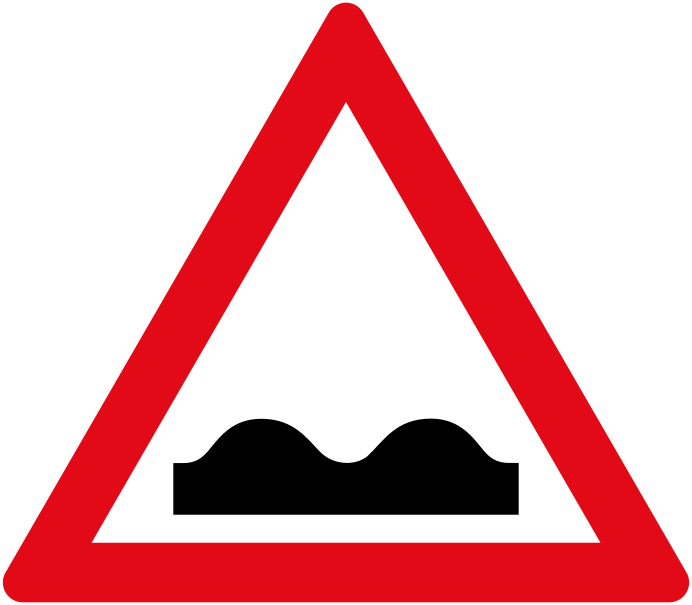
Uneven road Rough or uneven surface ahead. Slow down.
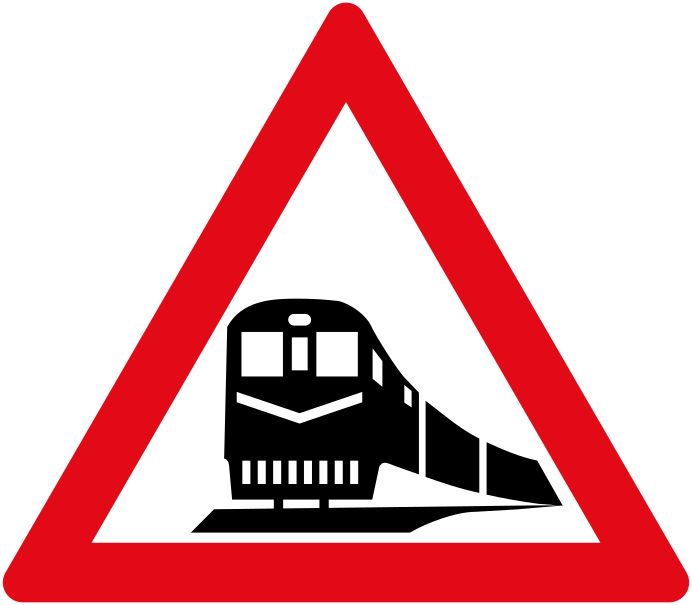
Railway crossing A railway crossing is ahead. Slow down and be ready to stop.
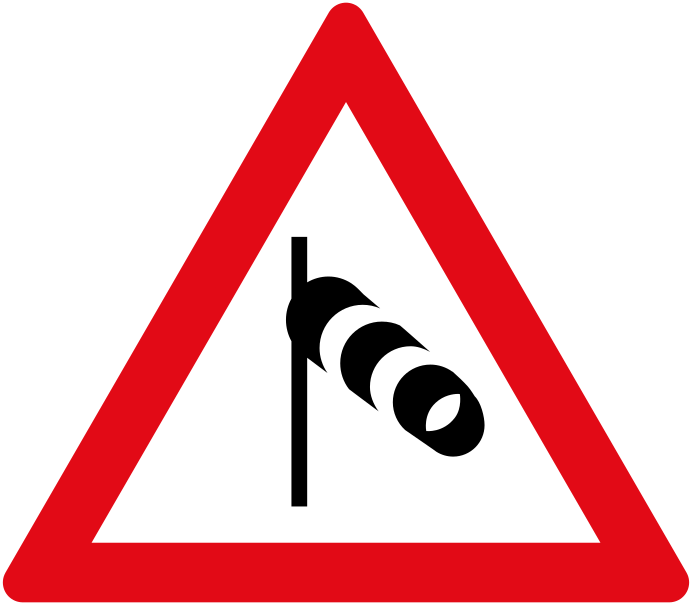
Crosswind Strong side winds may blow across the road. Hold the steering firmly and slow down.
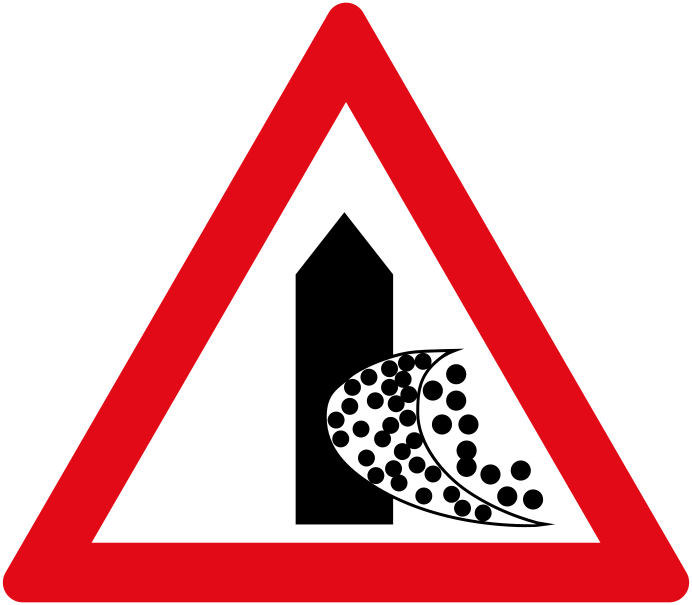
Sand dunes Sand may drift onto the road. Slow down; sand reduces grip and visibility.
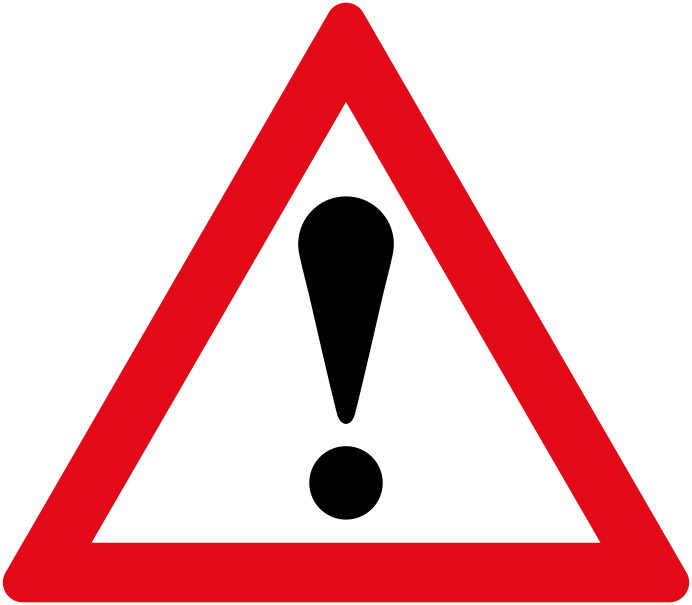
Other danger A hazard that has no special sign is ahead. Slow down and look for the danger.
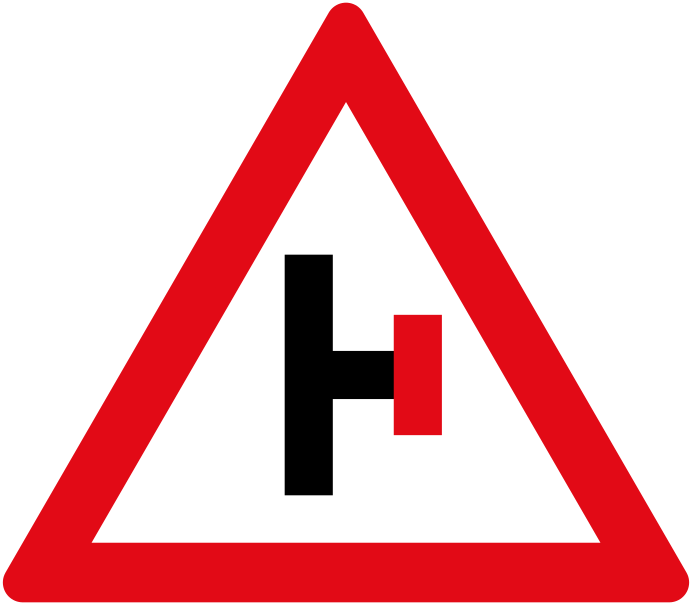
Staggered junction Side roads join from both sides, one after the other. Slow down and watch for traffic from both sides.
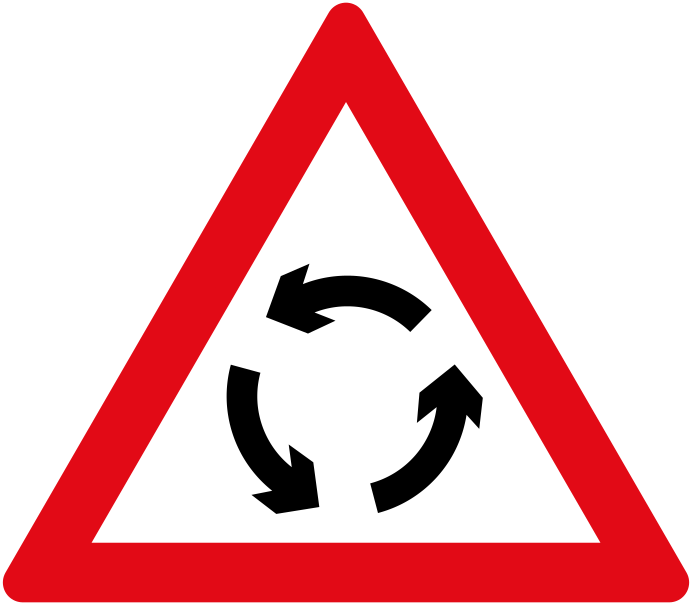
Roundabout ahead A roundabout is ahead. Slow down and get into the correct lane.
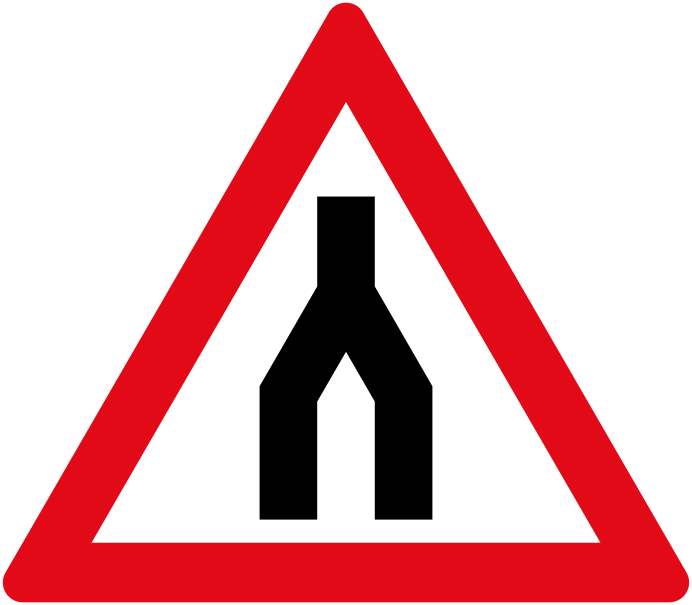
Dual carriageway ends The dual carriageway ends; beware of oncoming traffic. Two-way traffic follows without a divider.
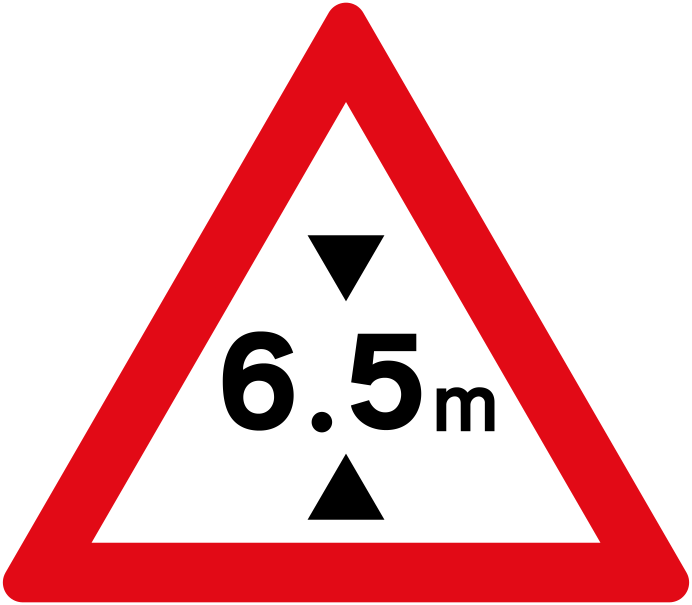
Maximum headroom ahead Low headroom ahead; the clearance is shown. Taller vehicles must not pass.
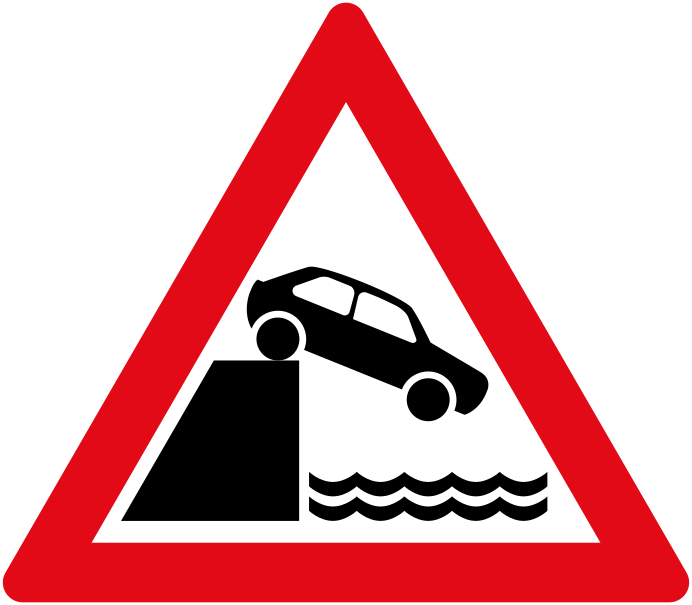
Quayside or river bank The road runs beside a quay or water's edge. Take care, especially at night.
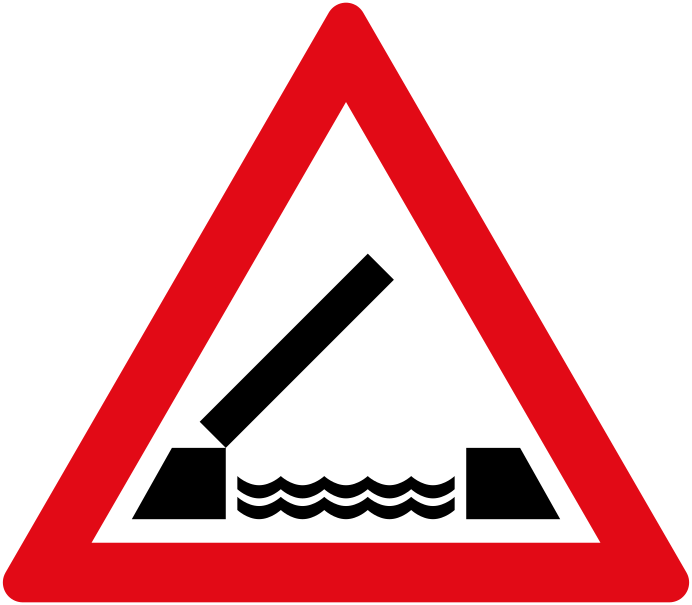
Opening bridge A bridge that opens is ahead. Be ready to stop when it is open.
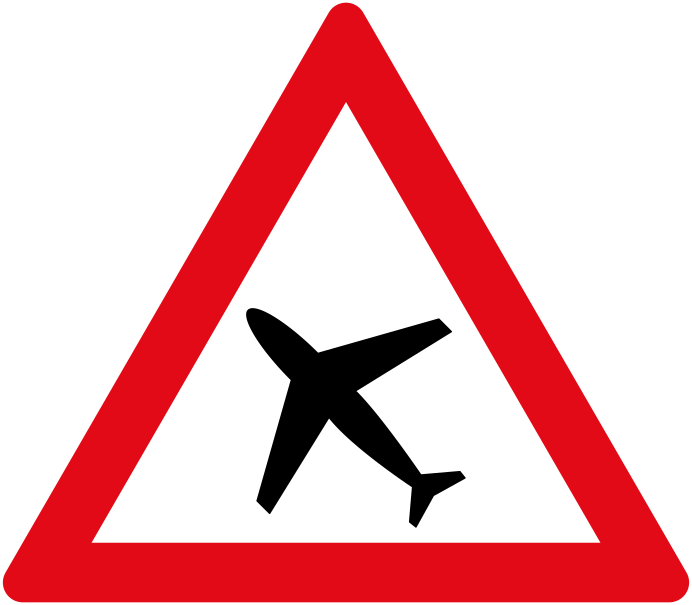
Low flying aircraft Low-flying aircraft may be overhead. Do not be distracted by them.
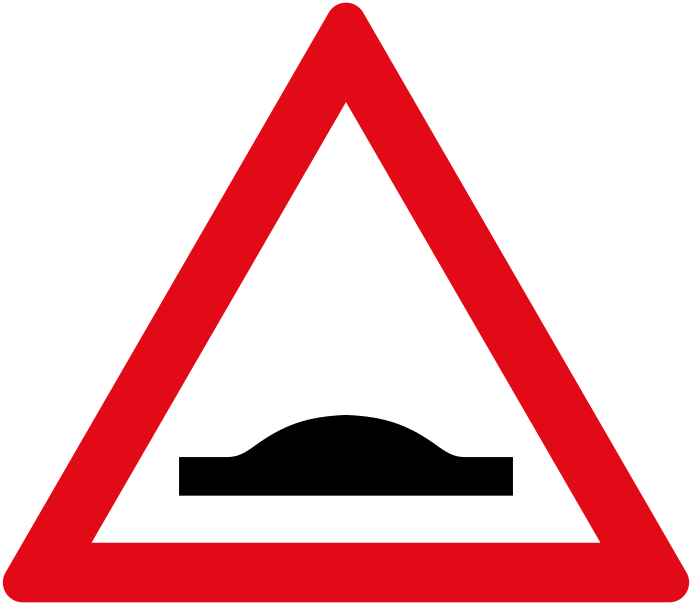
Road hump A speed hump is ahead. Slow down before it.
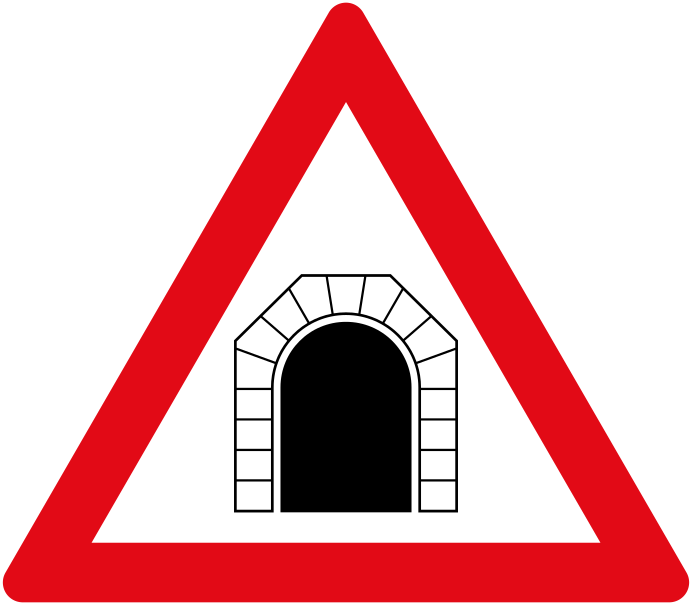
Tunnel ahead A tunnel is ahead. Switch on your headlights before entering.
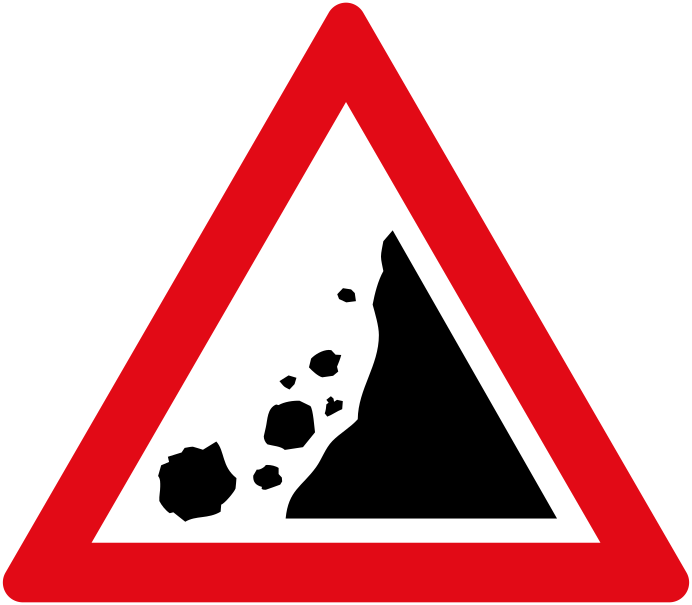
Risk of falling rocks Rocks may fall onto the road ahead. Watch for debris and do not stop under cliffs.
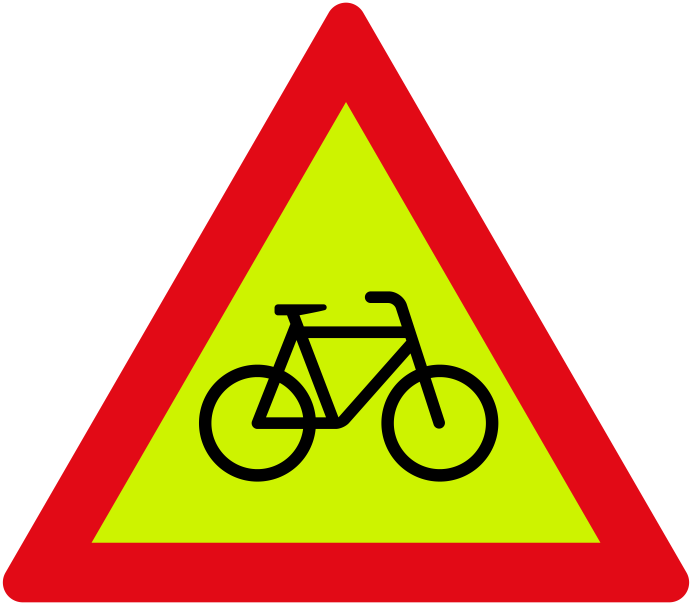
Bicycles crossing Cyclists may be crossing ahead. Slow down and give them room.
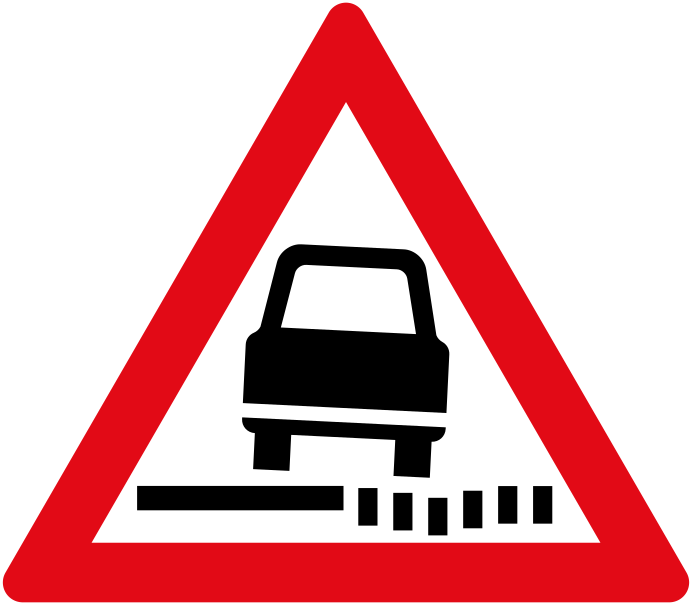
Soft road edge The edge of the road is soft. Keep off the edge; a vehicle can sink or slide.
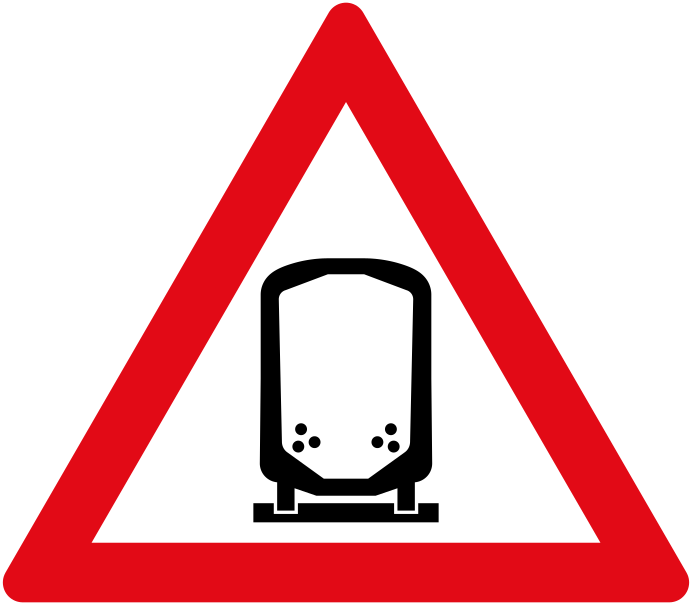
Tram crossing Trams cross the road ahead. Give priority to trams.
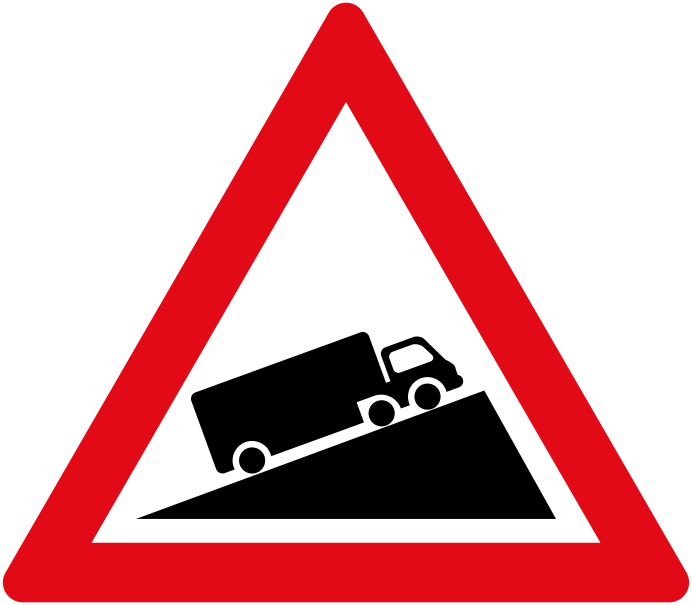
Steep descent A steep downhill slope is ahead. Use a lower gear to control your speed.
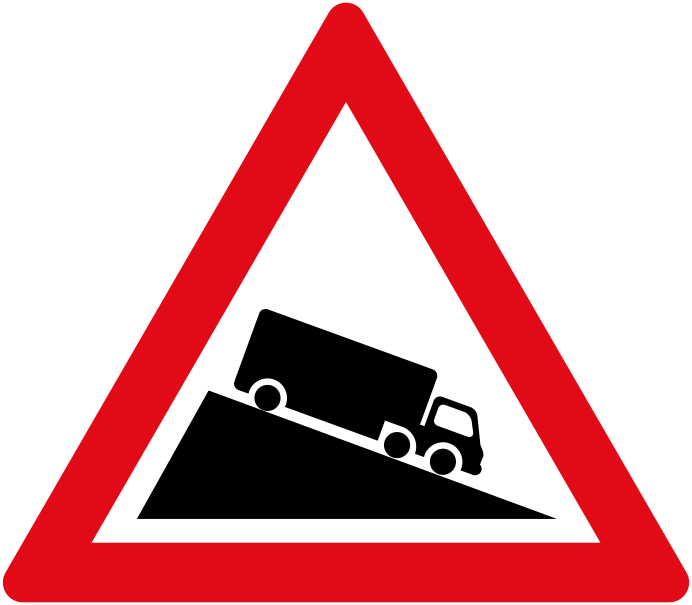
Steep ascent A steep uphill slope is ahead. Slow vehicles may be ahead.
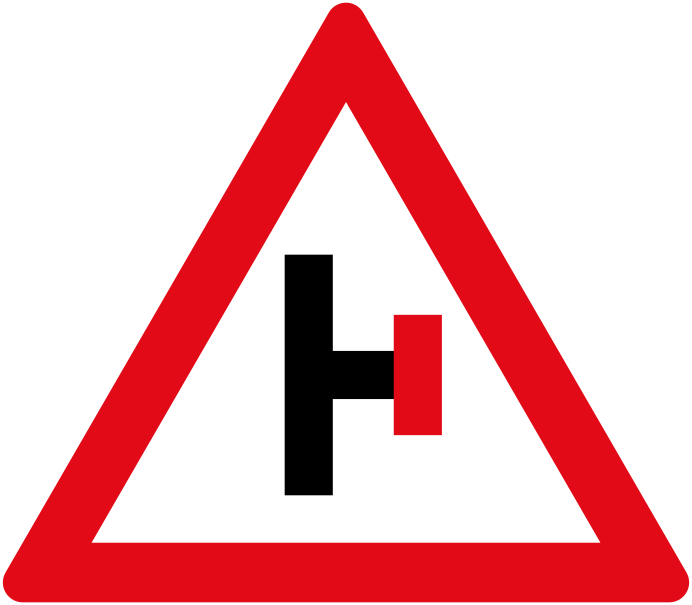
No through side road The side road ahead is a dead end. Do not turn in unless you need to.
Signs are easier to remember by group: the shape and colour tell you the kind of message before you read it. The Dubai signs on this page fall into these groups:
Pick an answer, then open "Show answer" to check it. For the real test format, take a free RTA practice test.
Turn on JavaScript to take the interactive mock tests.