The RSA driver theory test for cars has 40 multiple-choice questions and you need at least 35 correct (87.5%) within 45 minutes. A pass is valid for 2 years, and you need it before you can apply for a learner permit. Below is every Ireland sign we cover, with its official image and meaning. After the signs: the sign groups, a short quiz and study tips.
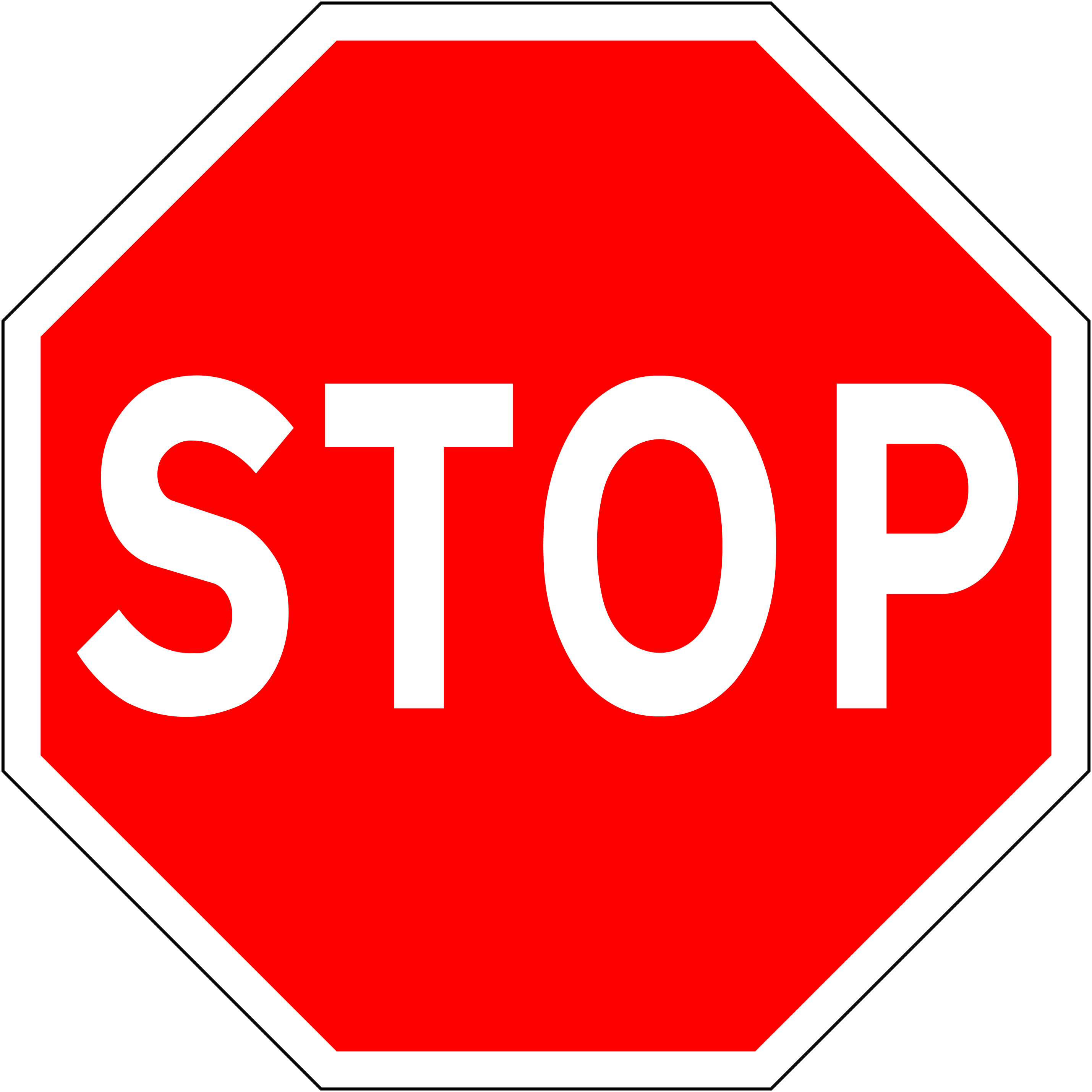
Stop Stop completely at the stop line. Stop, then go only when the road is clear.
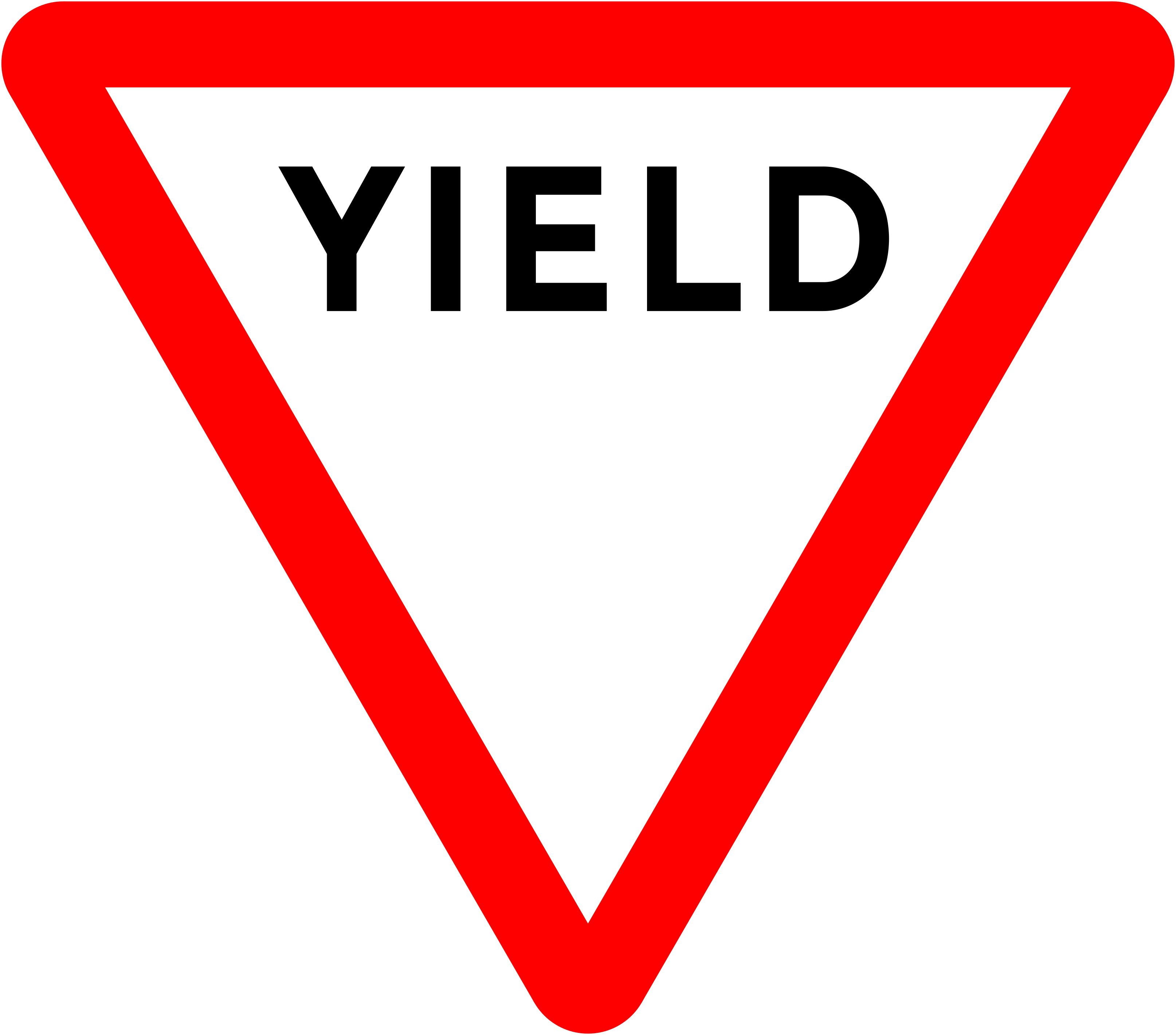
Yield Yield: give way to traffic on the major road. Slow down and stop if you need to; go only when it is safe.
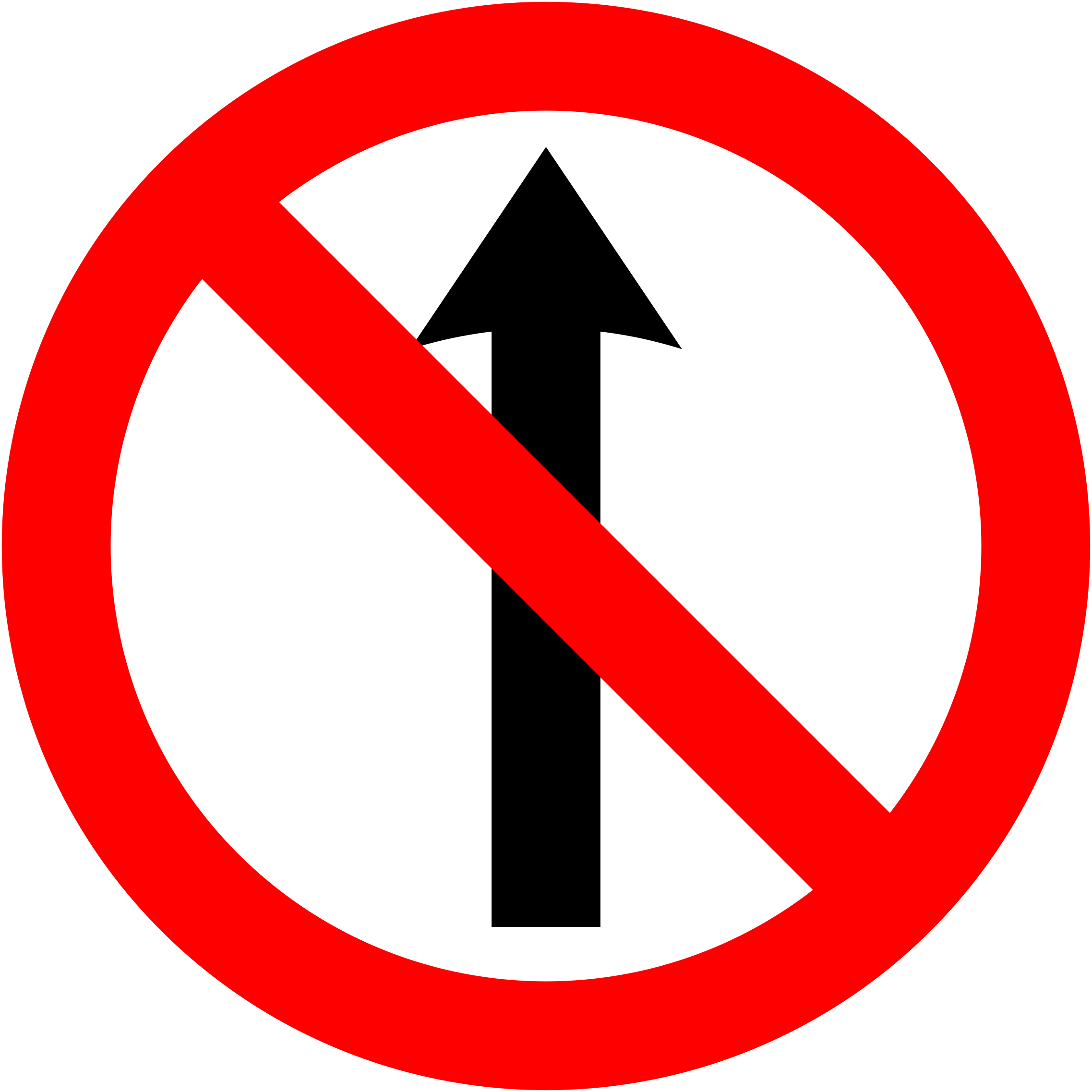
No entry No entry for vehicles. Do not drive past this sign.
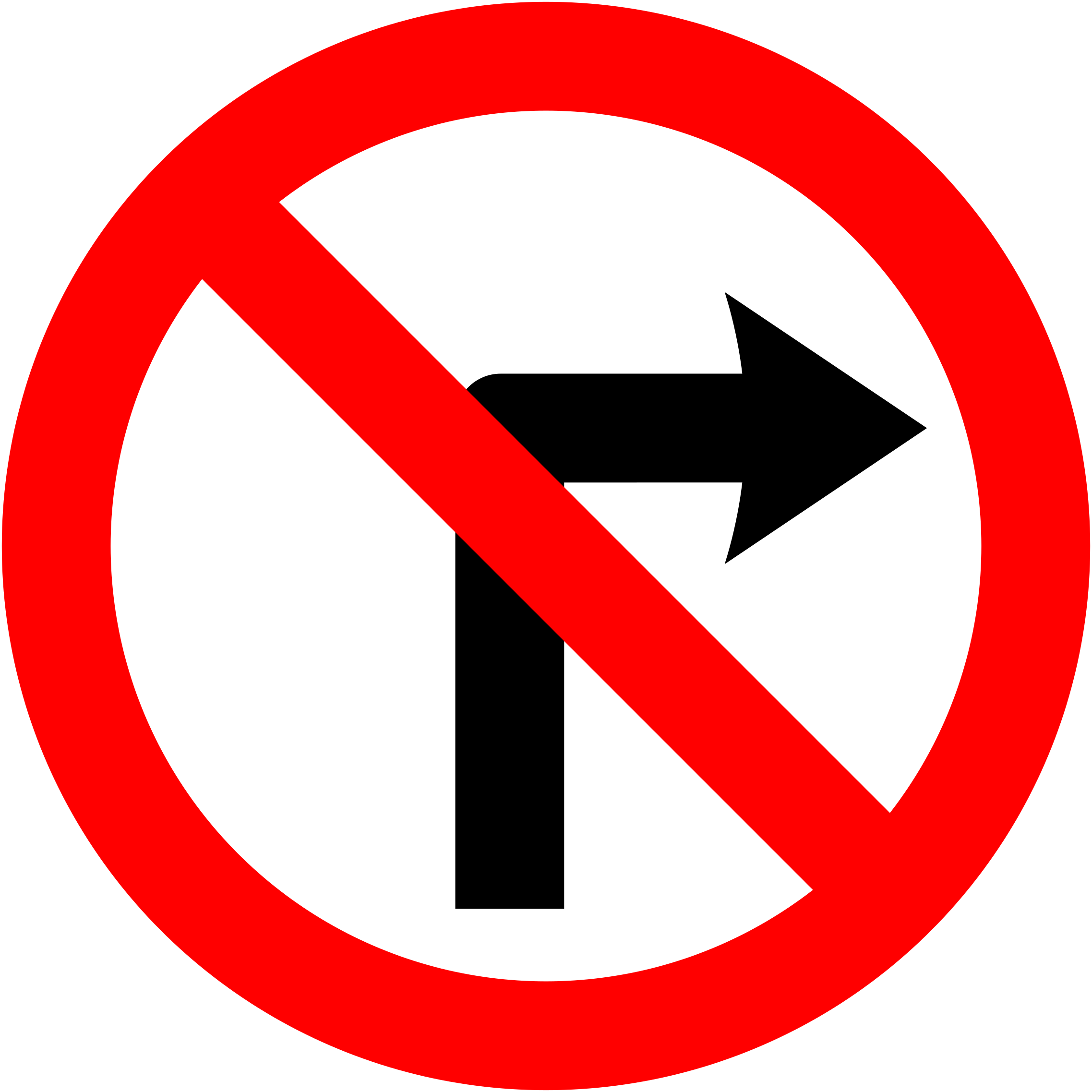
No right turn You must not turn right. Go straight or turn left.
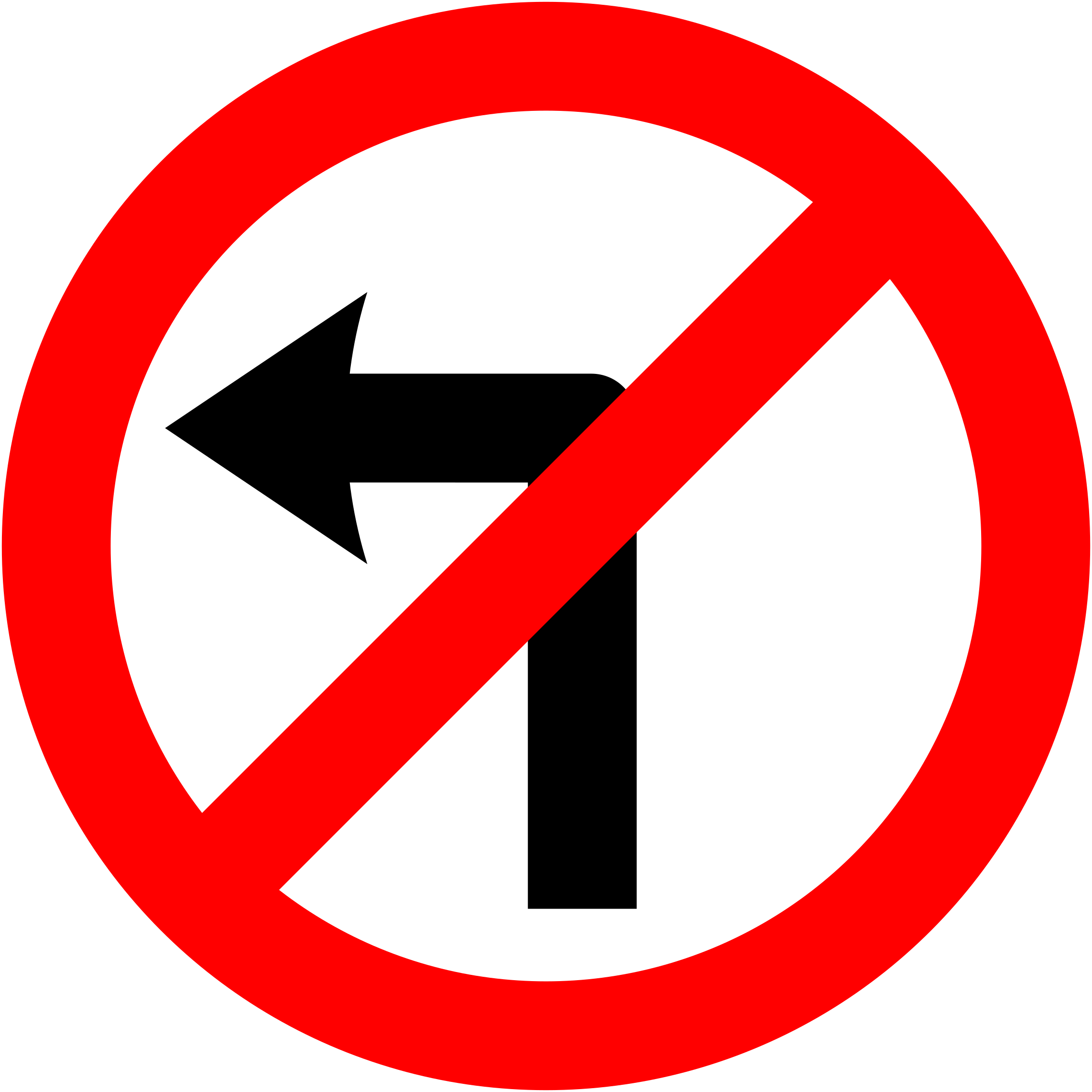
No left turn You must not turn left. Go straight or turn right.
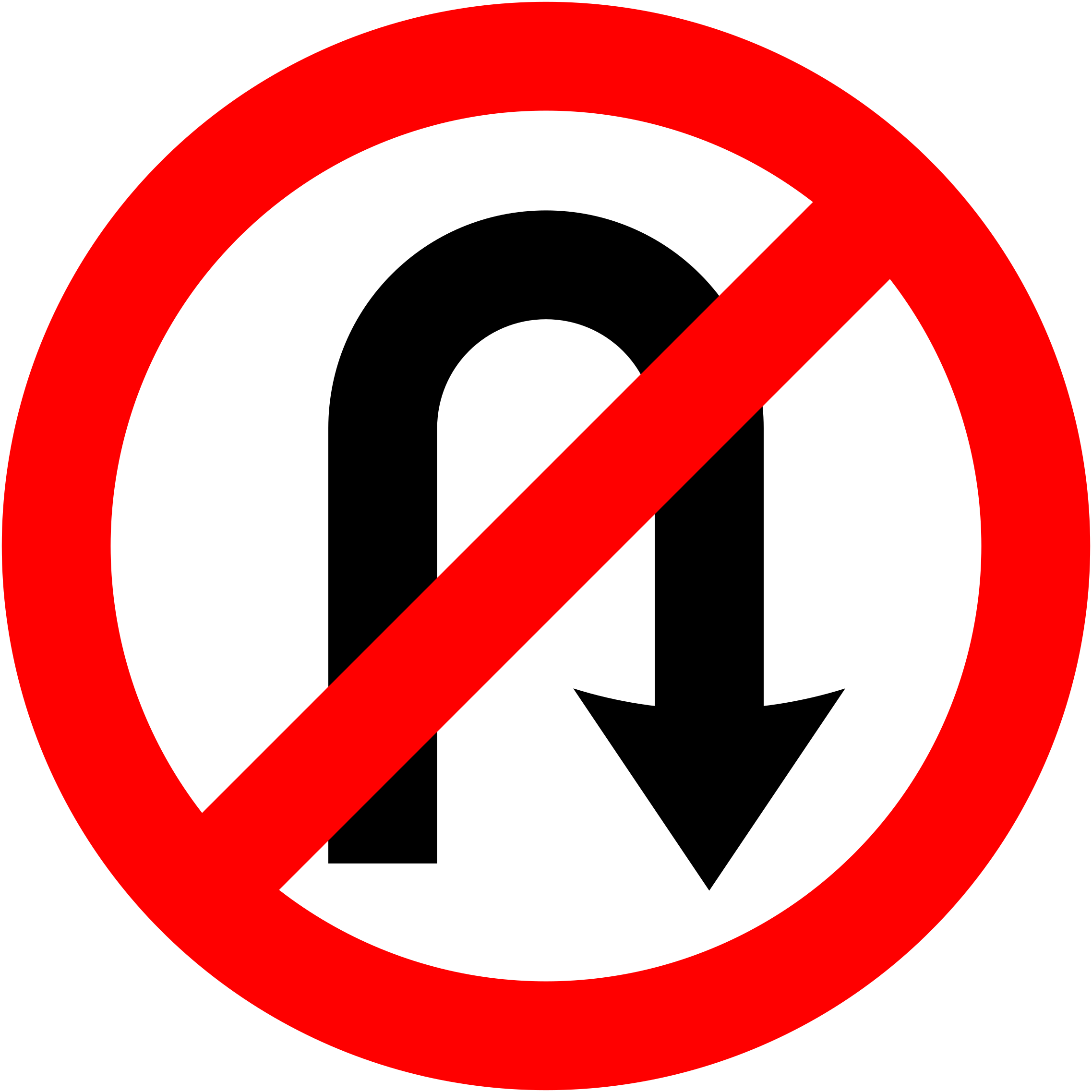
No U-turn U-turns are not allowed. Continue and turn safely elsewhere.
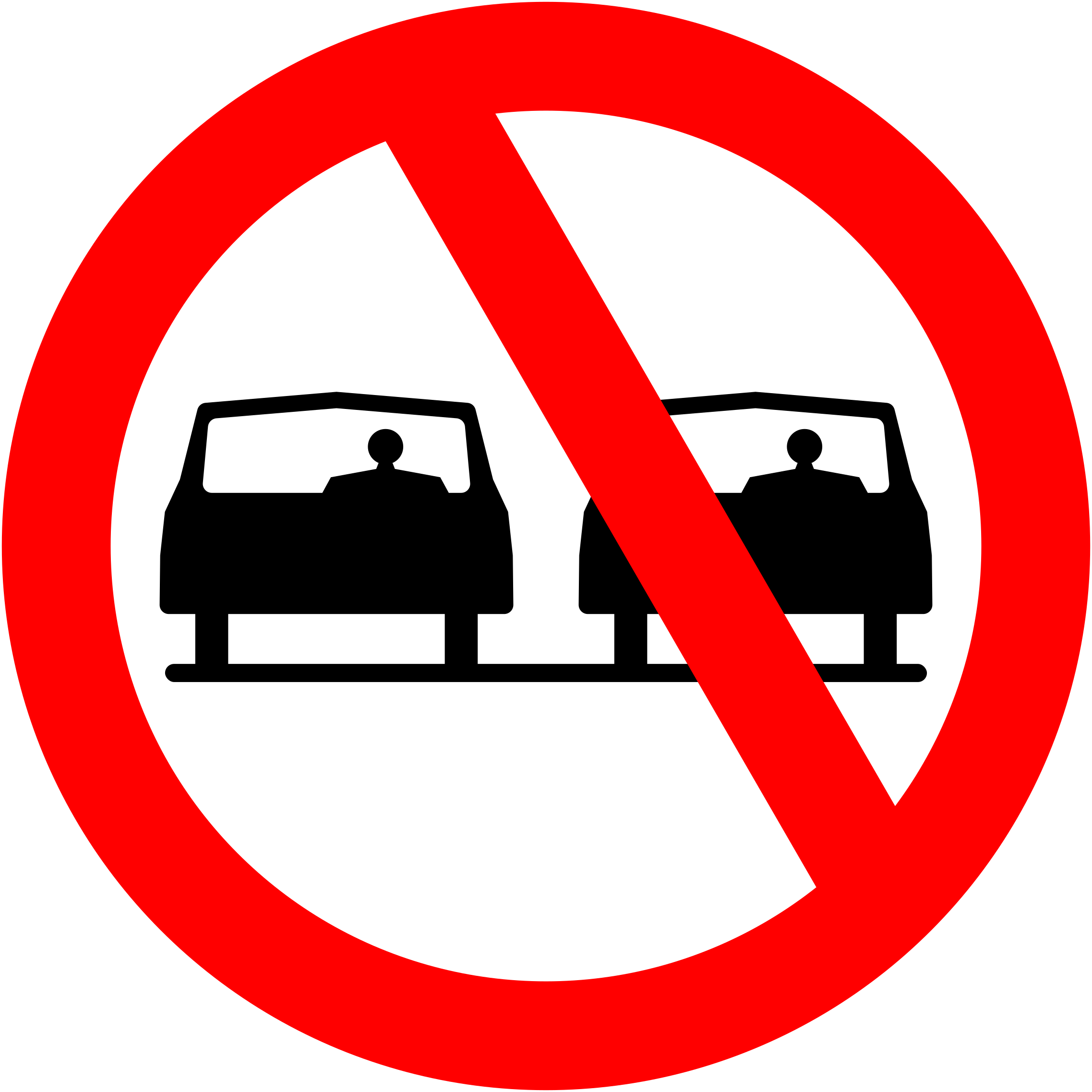
No overtaking Do not overtake. Stay behind the vehicle in front until the restriction ends.
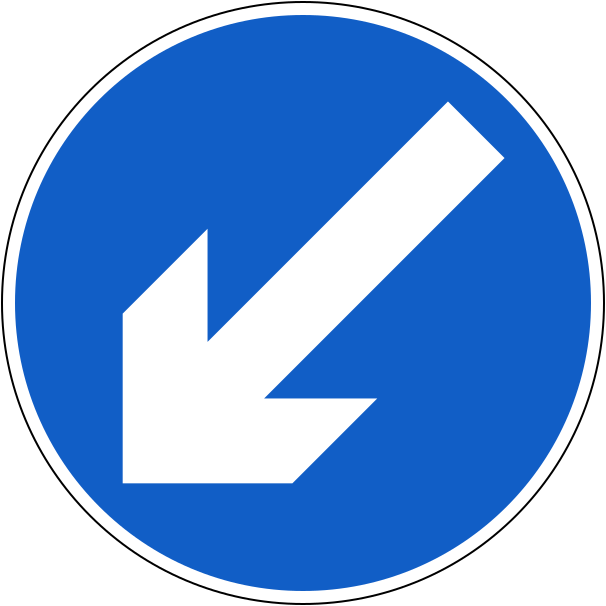
Keep left Pass on the left of the island or obstruction. Follow the arrow.
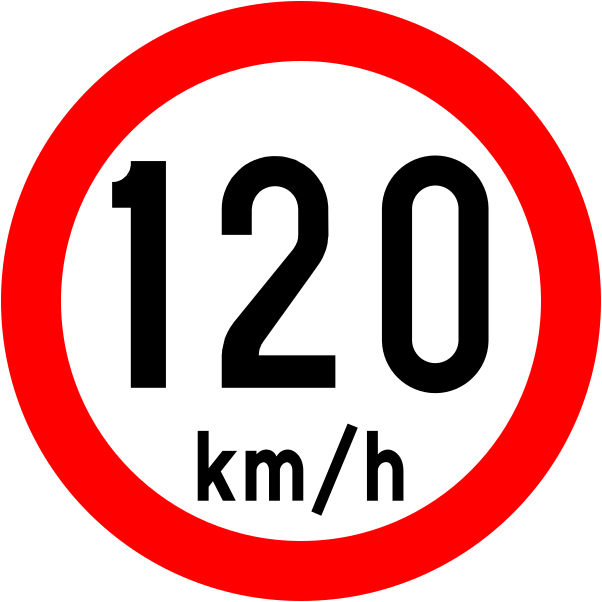
Speed limit 120 Maximum 120 km/h. Keep to or below 120 km/h.
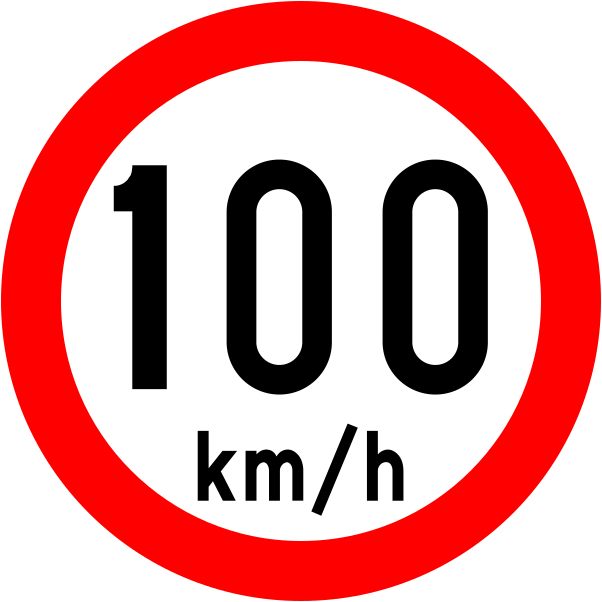
Speed limit 100 Maximum 100 km/h. Keep to or below 100 km/h.
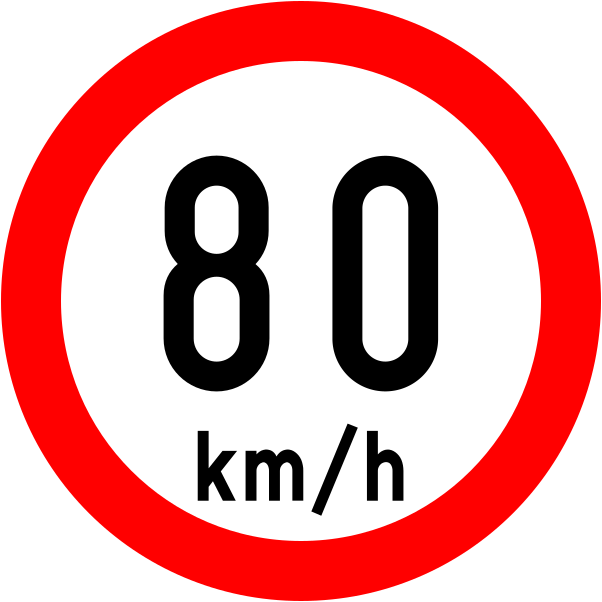
Speed limit 80 Maximum 80 km/h. Keep to or below 80 km/h.
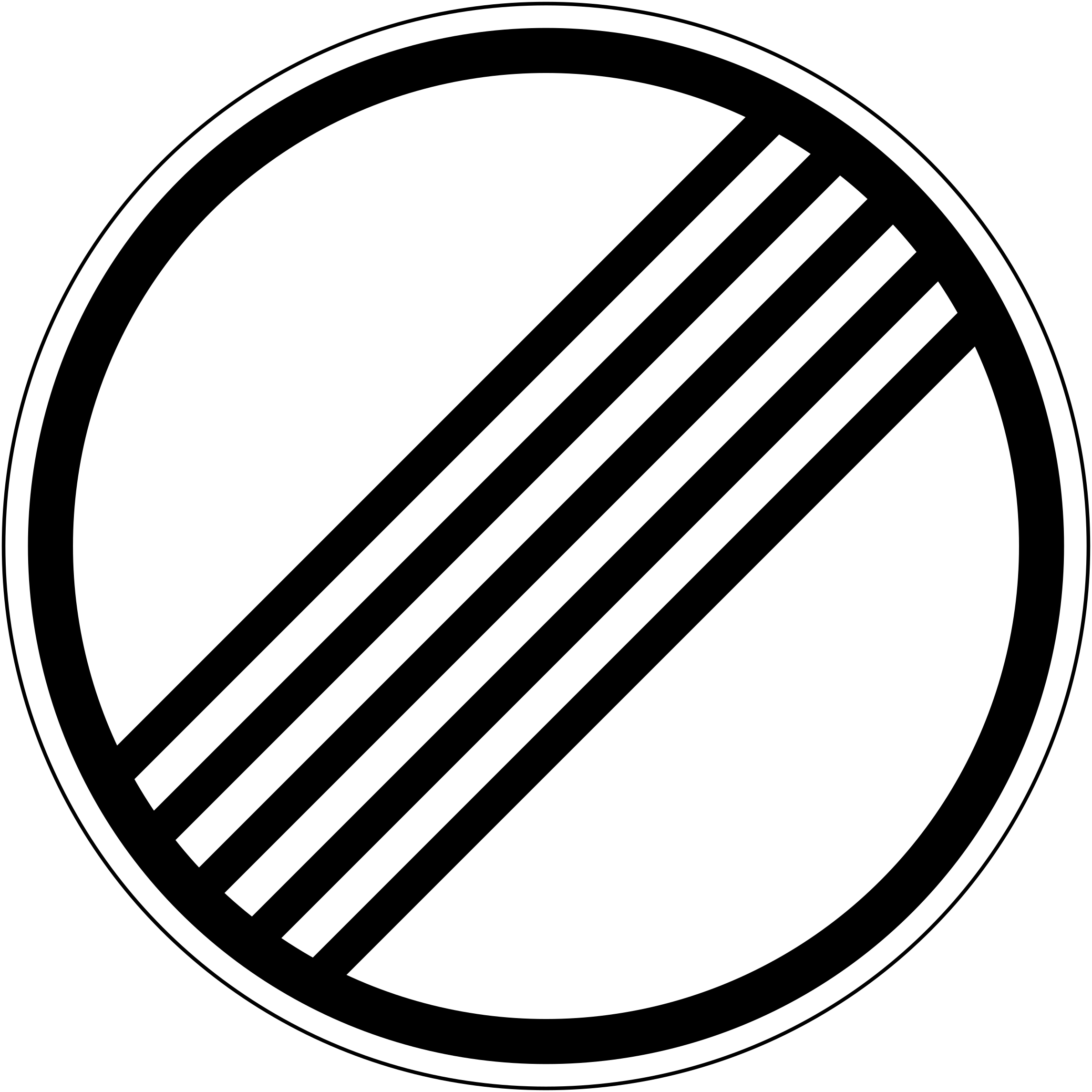
Rural speed limit Rural speed limit sign: the maximum is the default for that road (60 km/h on rural local roads), and you must drive to the conditions. Never drive faster than is safe; on narrow local roads that is often well below 60.
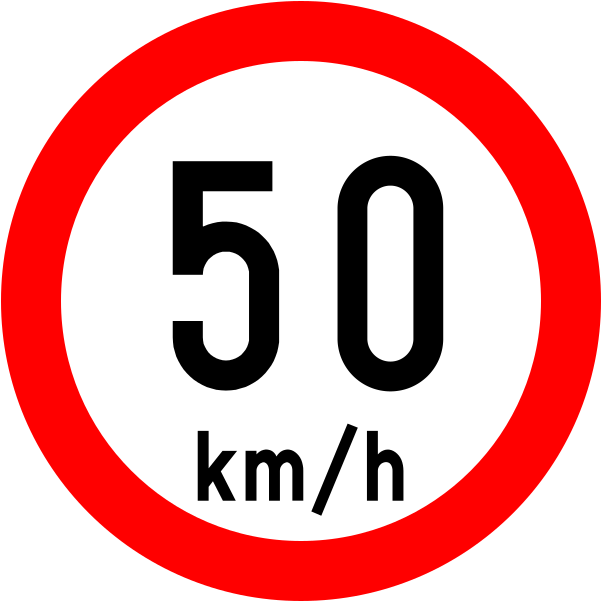
Speed limit 50 Maximum 50 km/h. Keep to or below 50 km/h.
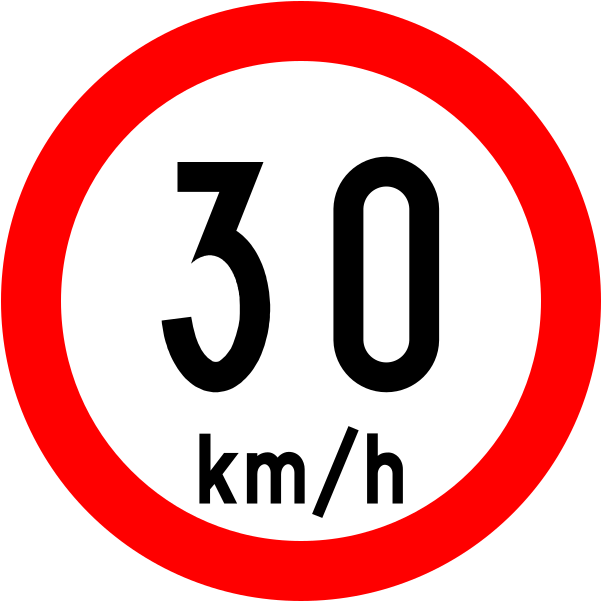
Speed limit 30 Maximum 30 km/h. Keep to or below 30 km/h.
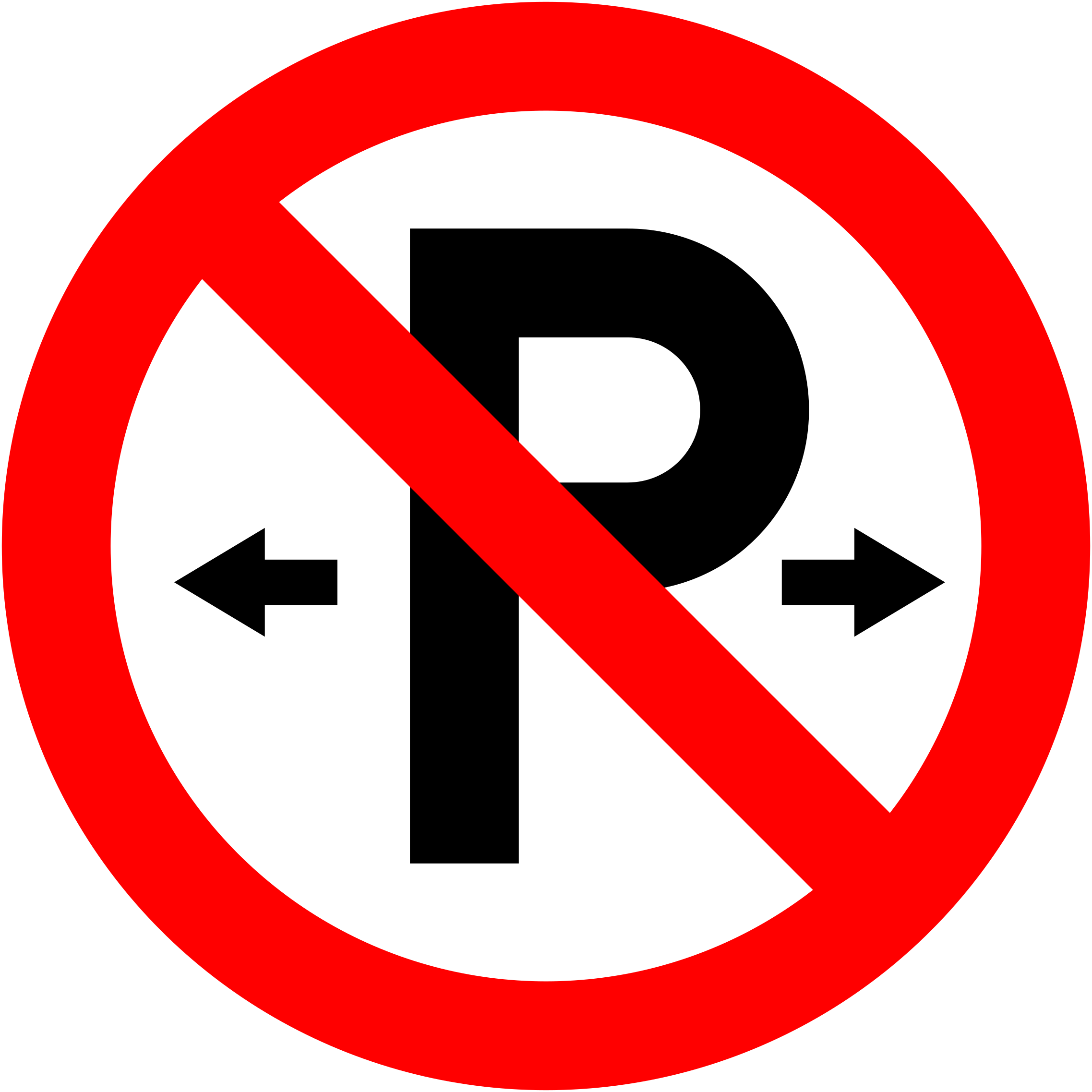
No parking Parking is not allowed. Do not park here during the times shown.
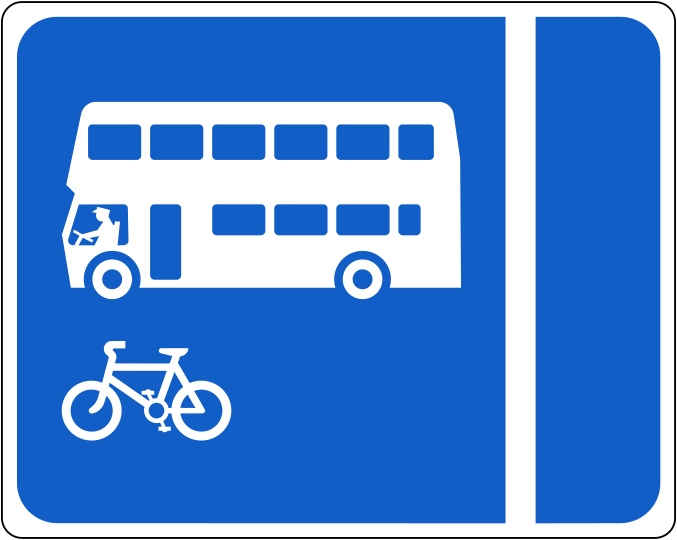
Bus lane A with-flow bus lane on the left. Do not drive in it during its hours, except to cross it to turn.
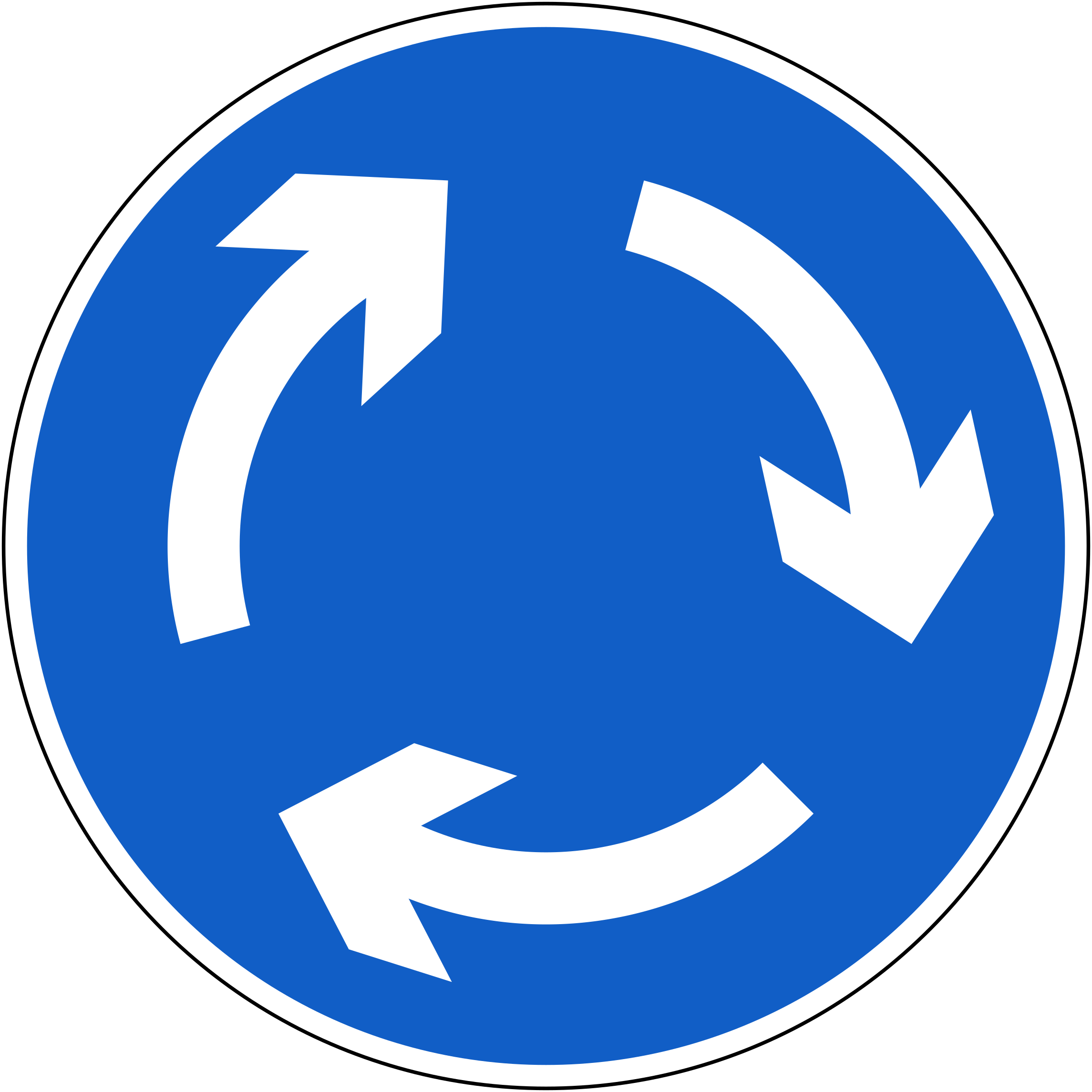
Mini-roundabout Mini-roundabout: go clockwise around the central marking. Give way to traffic from your right.
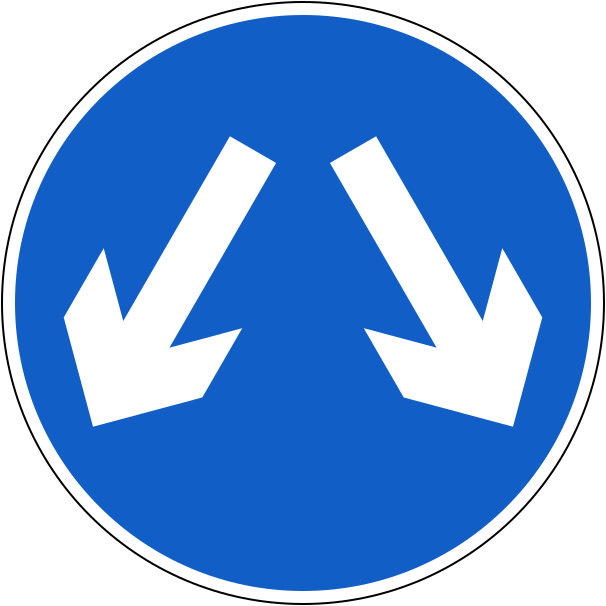
Pass either side You may pass on either side of the island or obstruction. Blue circles give an instruction you must follow.
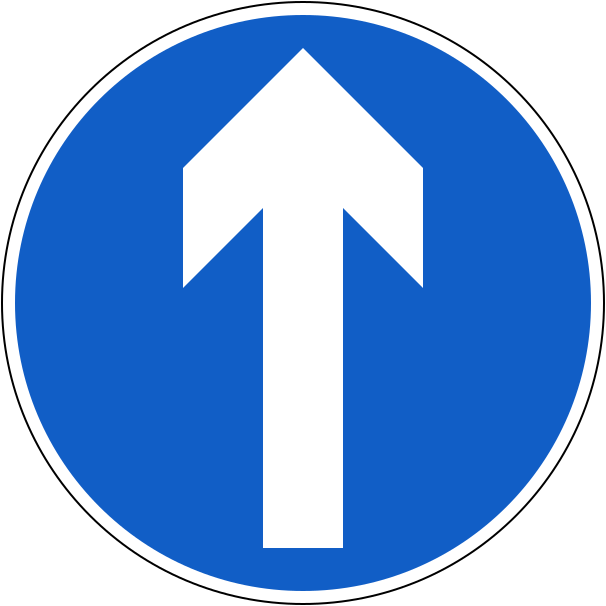
Straight ahead only You must go straight ahead. Turning left or right is not allowed.
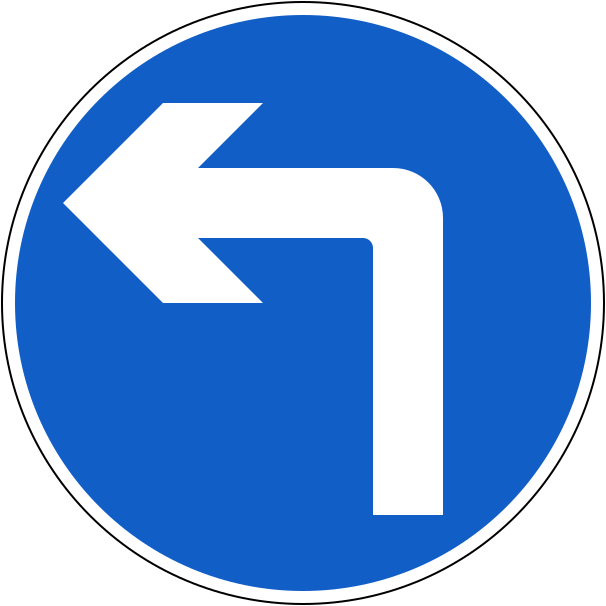
Turn left You must turn left. Get into the correct lane in good time.
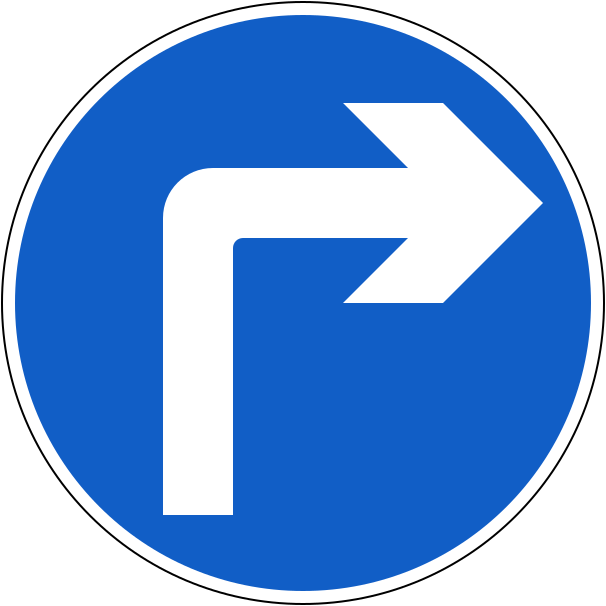
Turn right You must turn right. Get into the correct lane in good time.
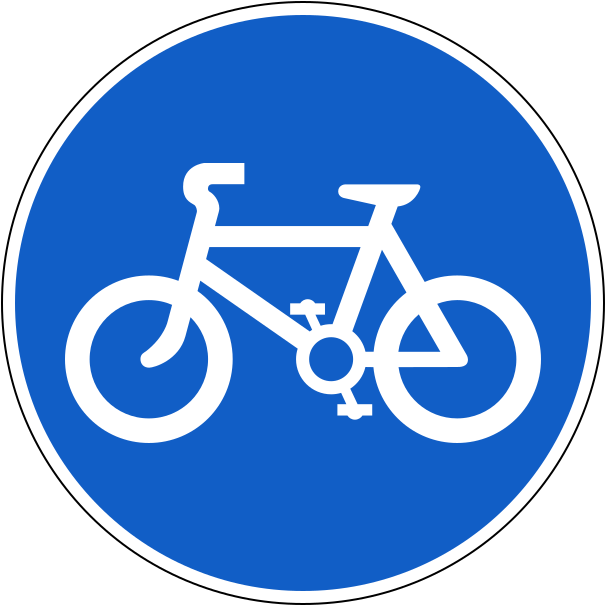
Cycle track A track reserved for cyclists. Drivers must not drive or park on it.
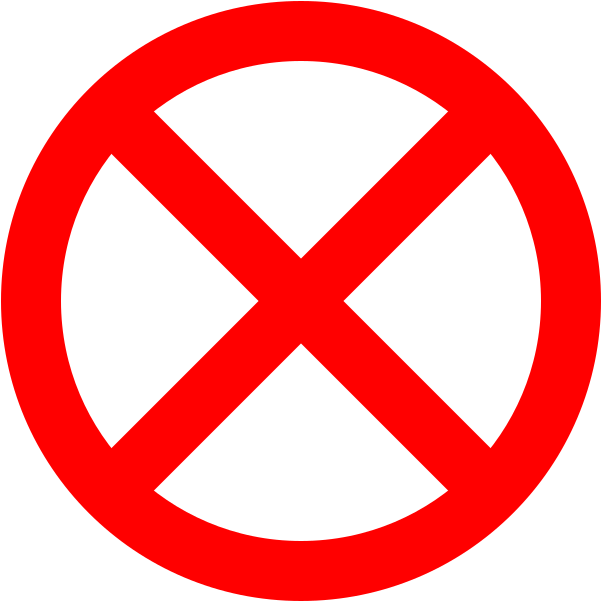
Clearway No stopping or parking during the times shown. You may stop only while waiting in a line of traffic.
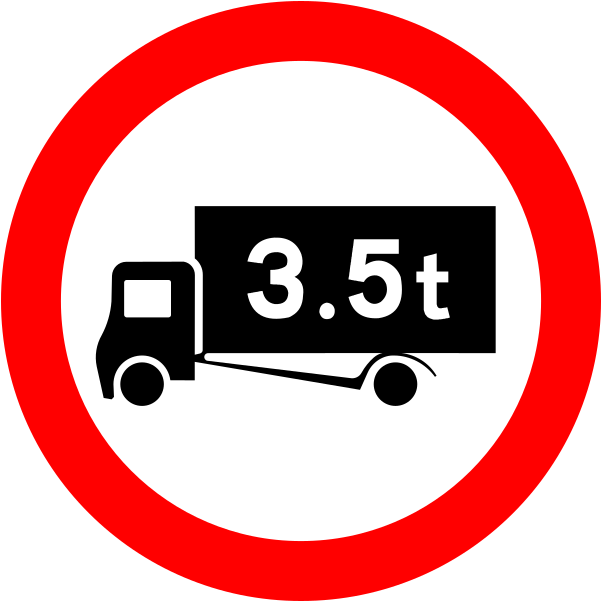
No goods vehicles over the weight shown Goods vehicles over the weight shown must not enter. Cars may continue.
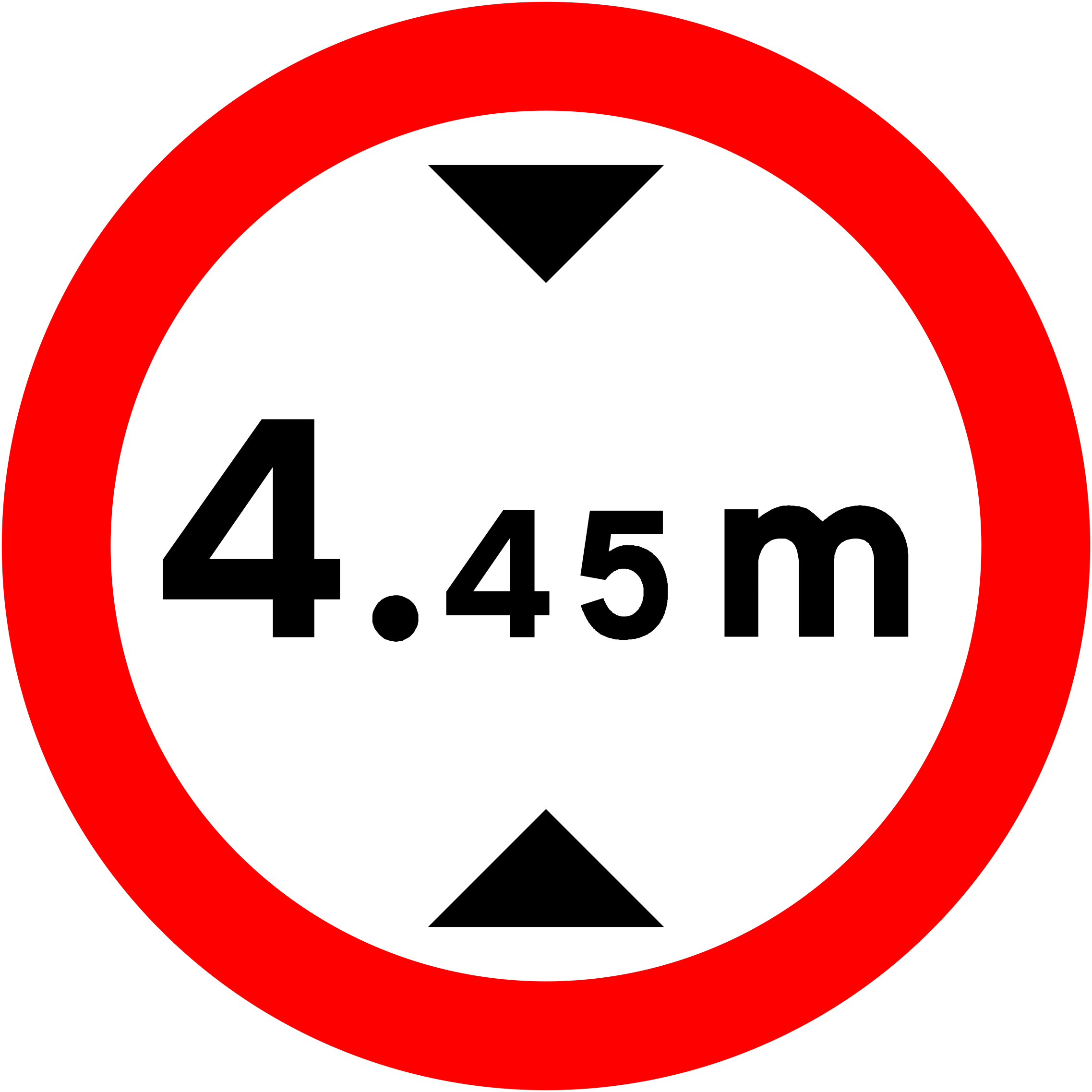
Maximum height Vehicles higher than the height shown must not pass. Know the height of your vehicle and its load.
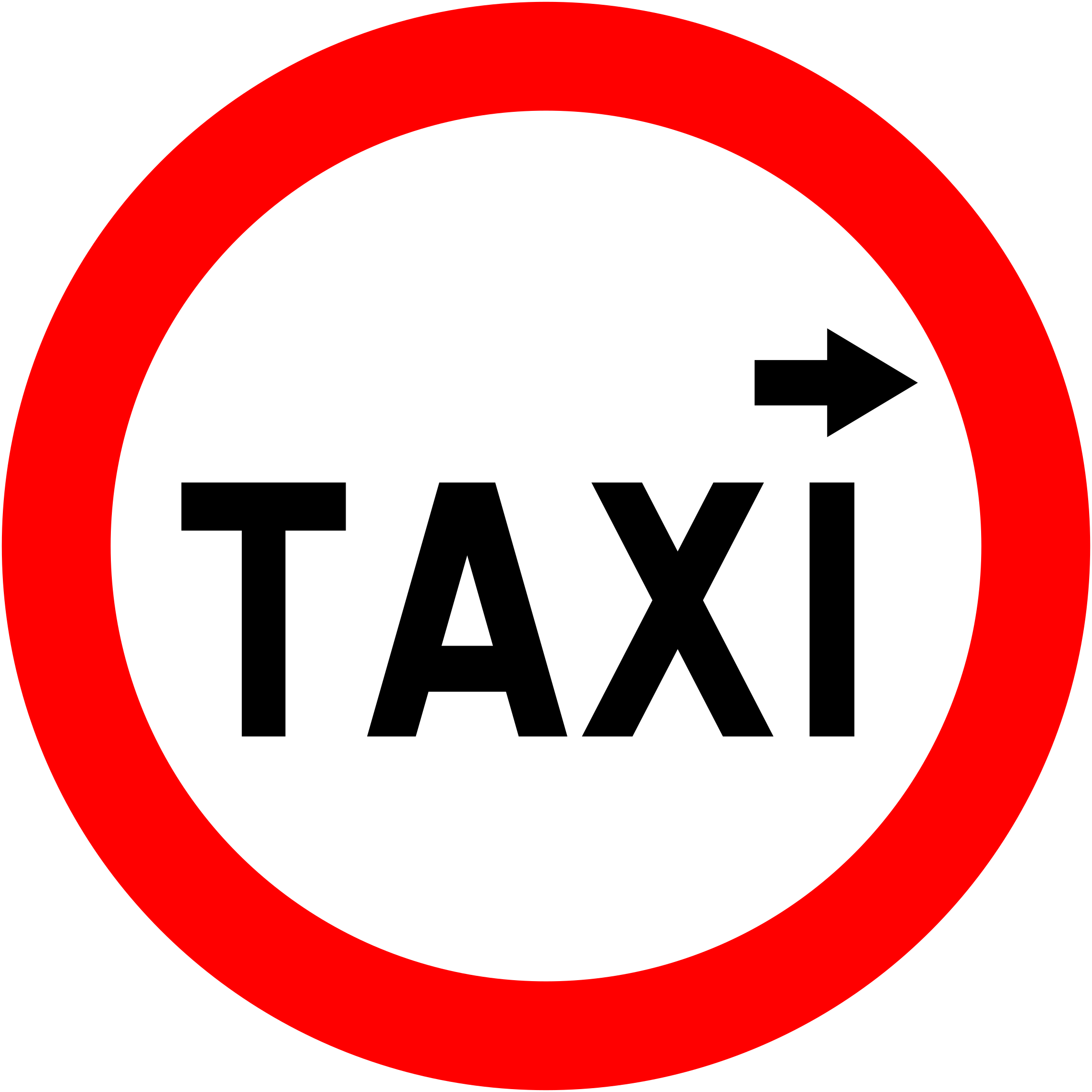
Taxi rank The area is reserved for taxis. Other vehicles must not park there.
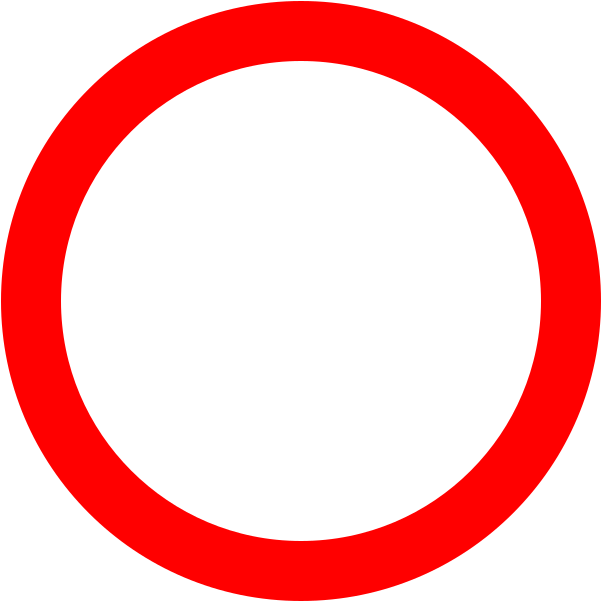
No vehicles No vehicles may enter, except where a plate allows. Often used for pedestrianised streets.
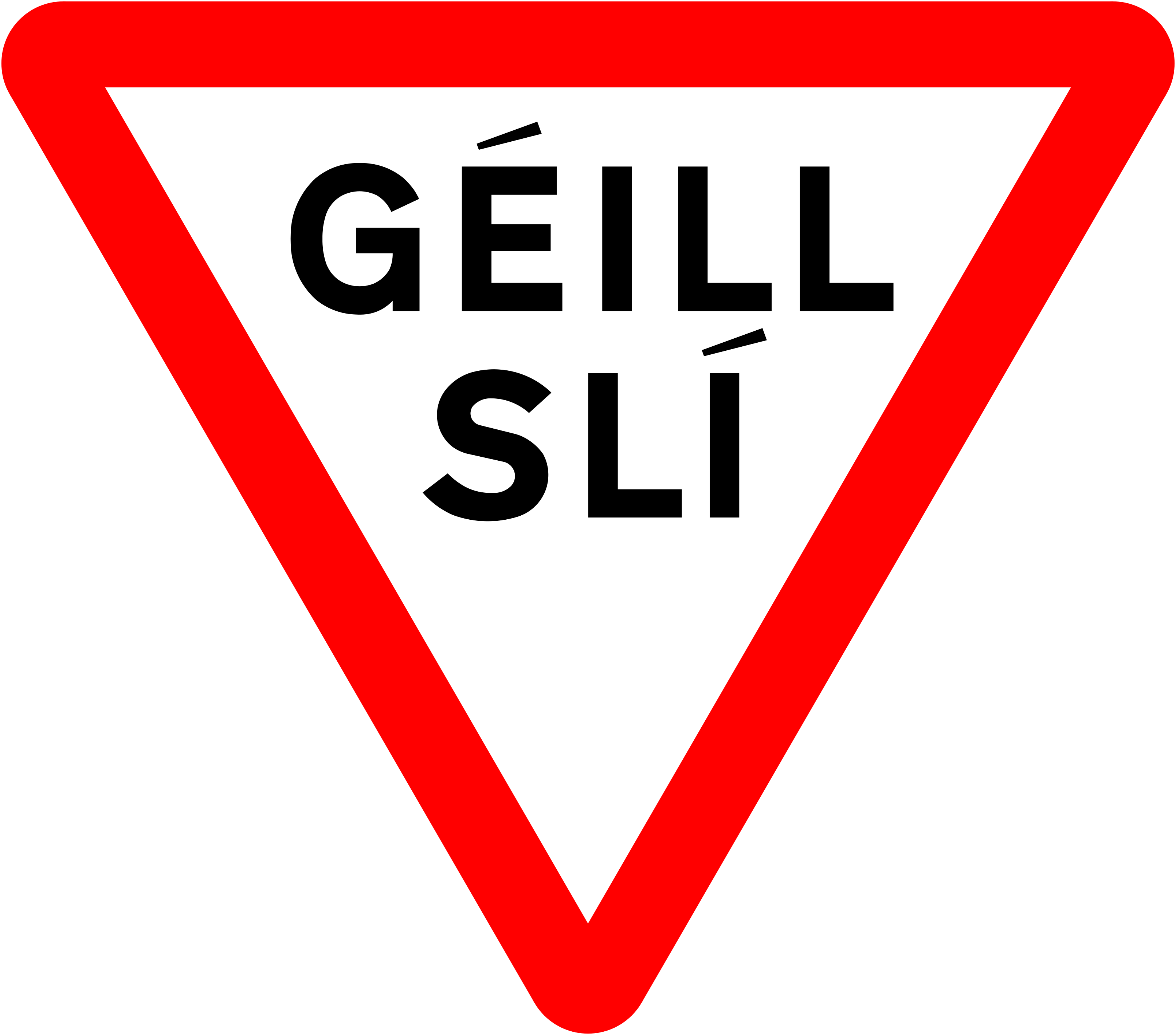
Yield (Irish language) Yield ('Géill slí'): give way to traffic on the major road. The same as the English YIELD sign.
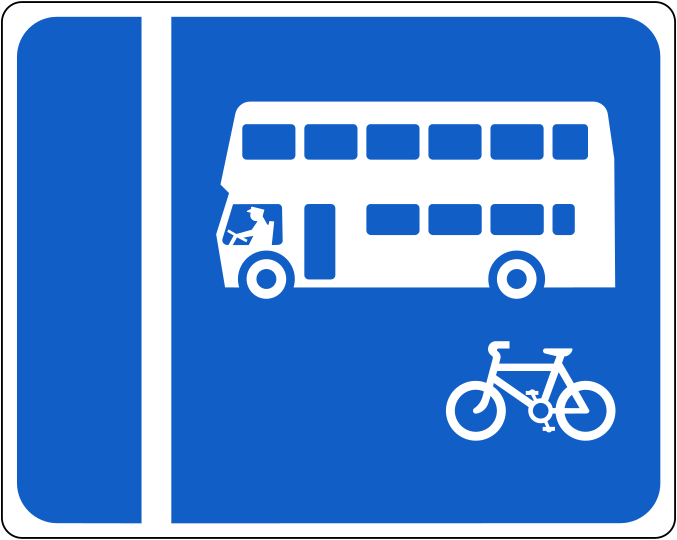
With-flow bus lane A bus lane on the left, running the same way as traffic. Do not drive or park in it during its hours.
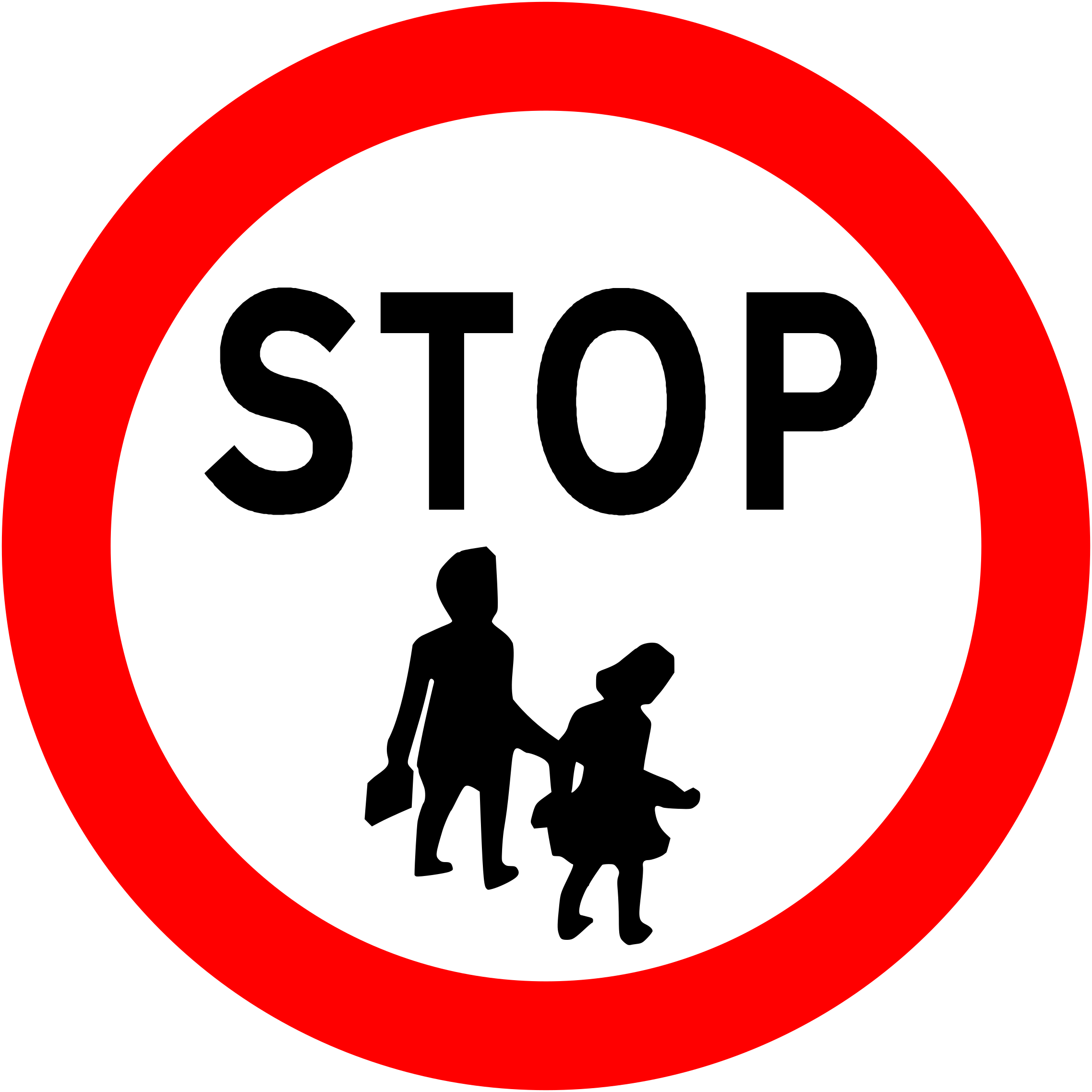
School warden stop sign Stop: a school warden is helping children cross. Stay stopped until the warden has left the road.
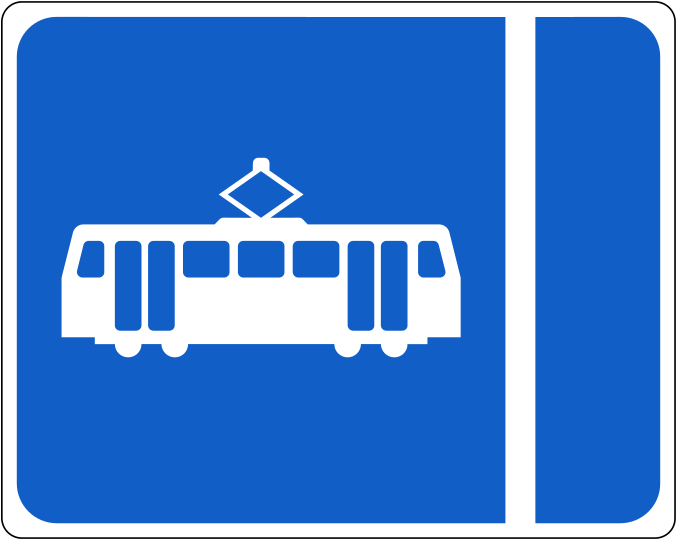
Tram lane A tram lane runs beside the traffic lane ahead. Enter it only to overtake, or where signs allow.
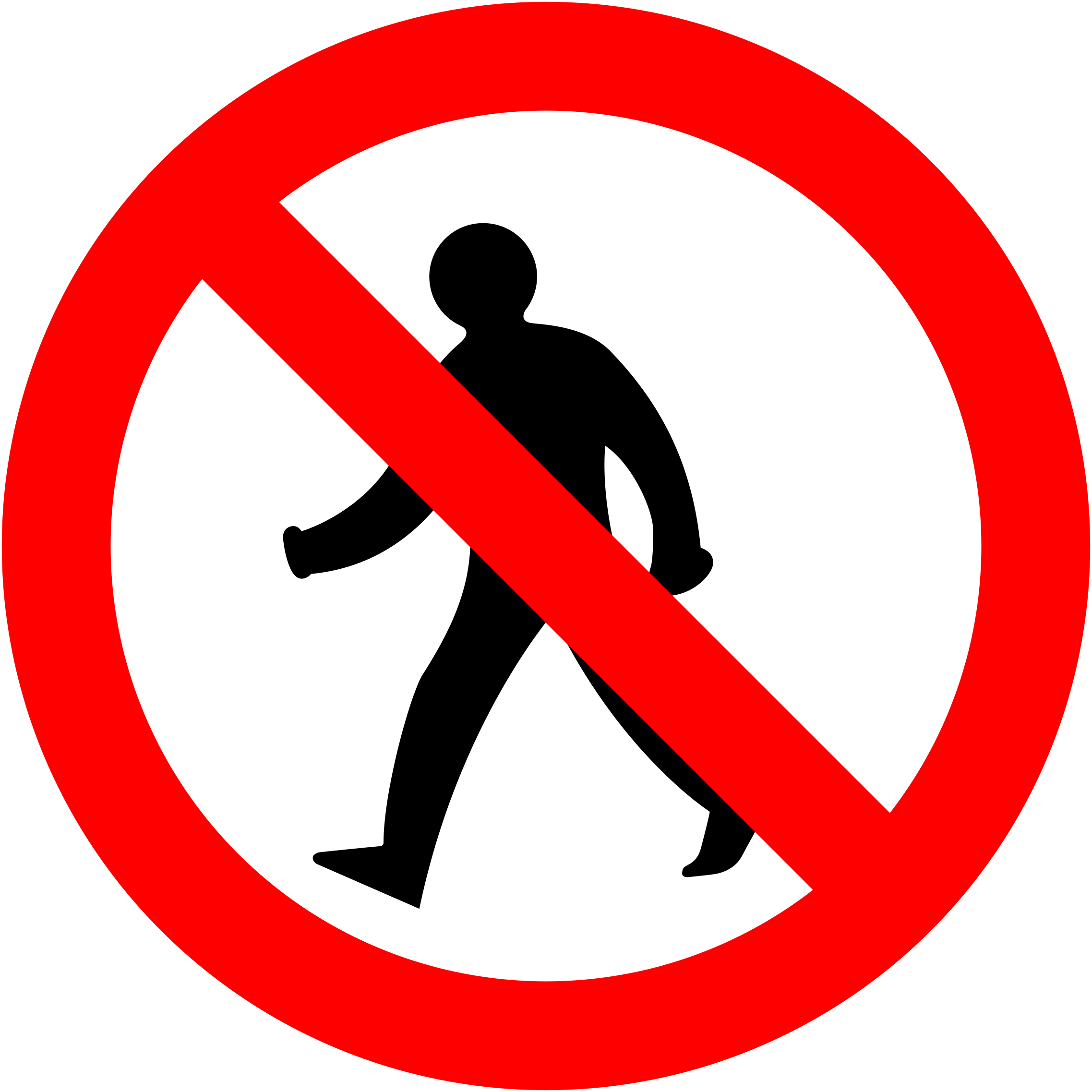
No pedestrians Pedestrians must not enter. Often at motorways and tunnels.
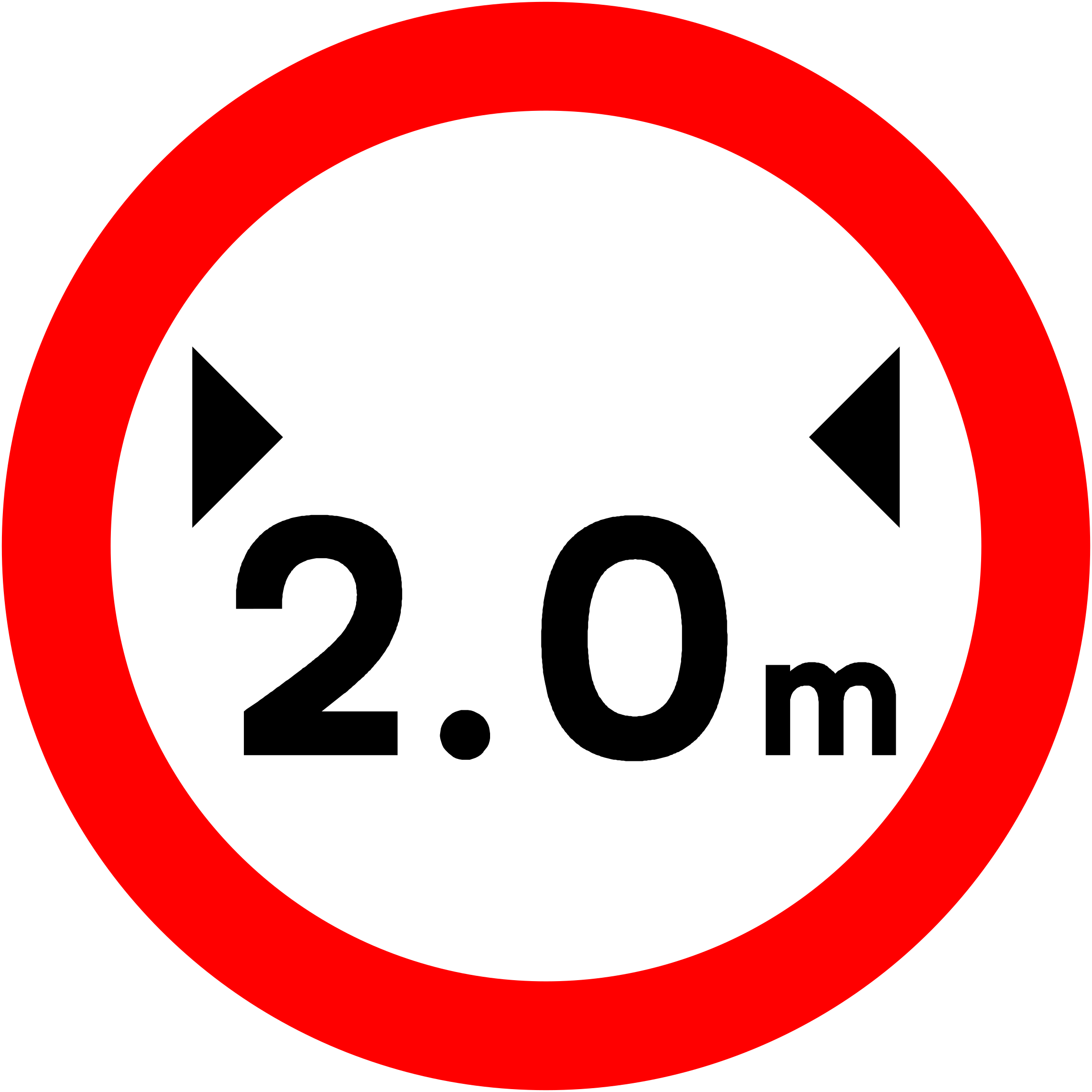
Maximum width Vehicles wider than the width shown must not enter. Know the width of your vehicle.
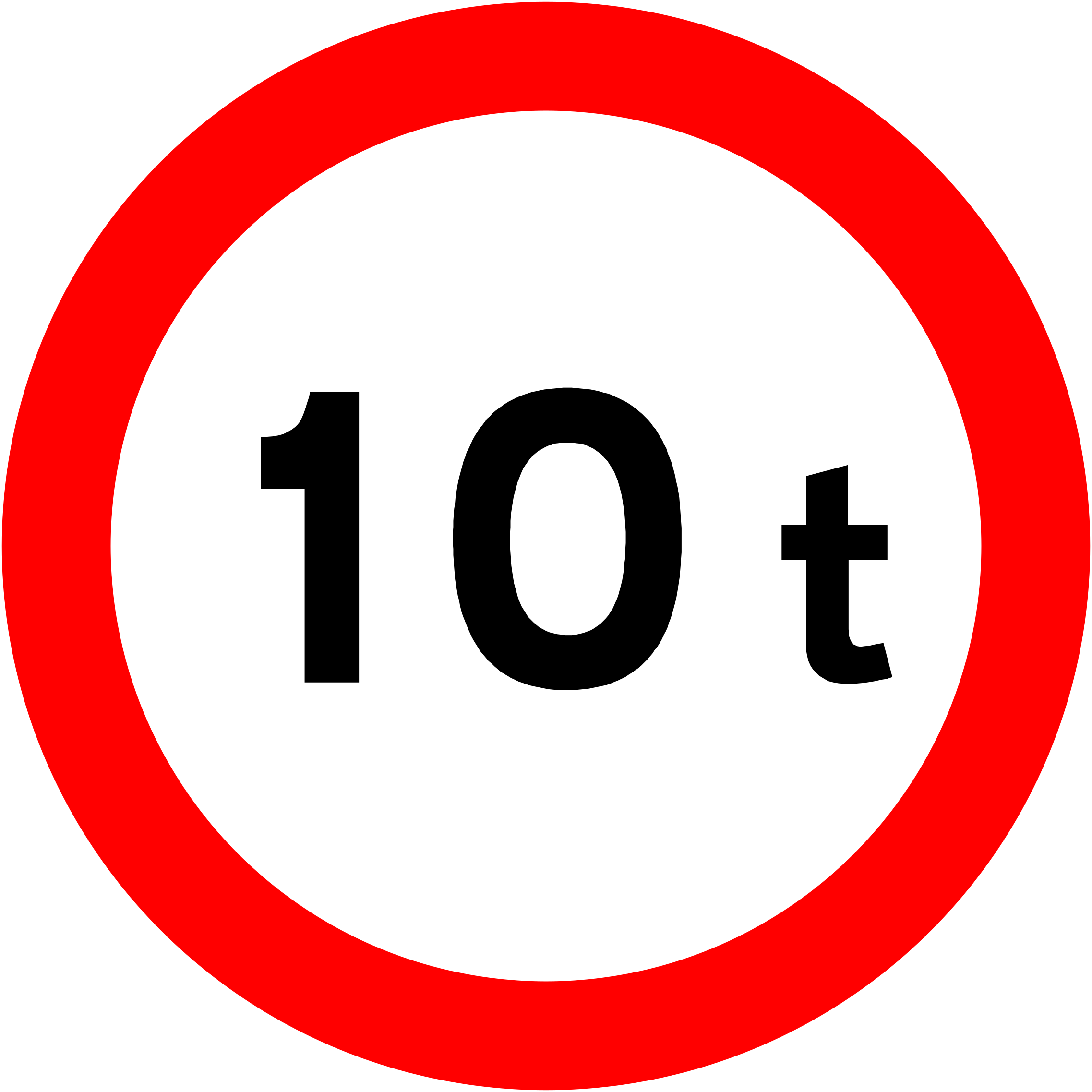
Maximum weight Vehicles heavier than the weight shown must not enter. Common at weak bridges.
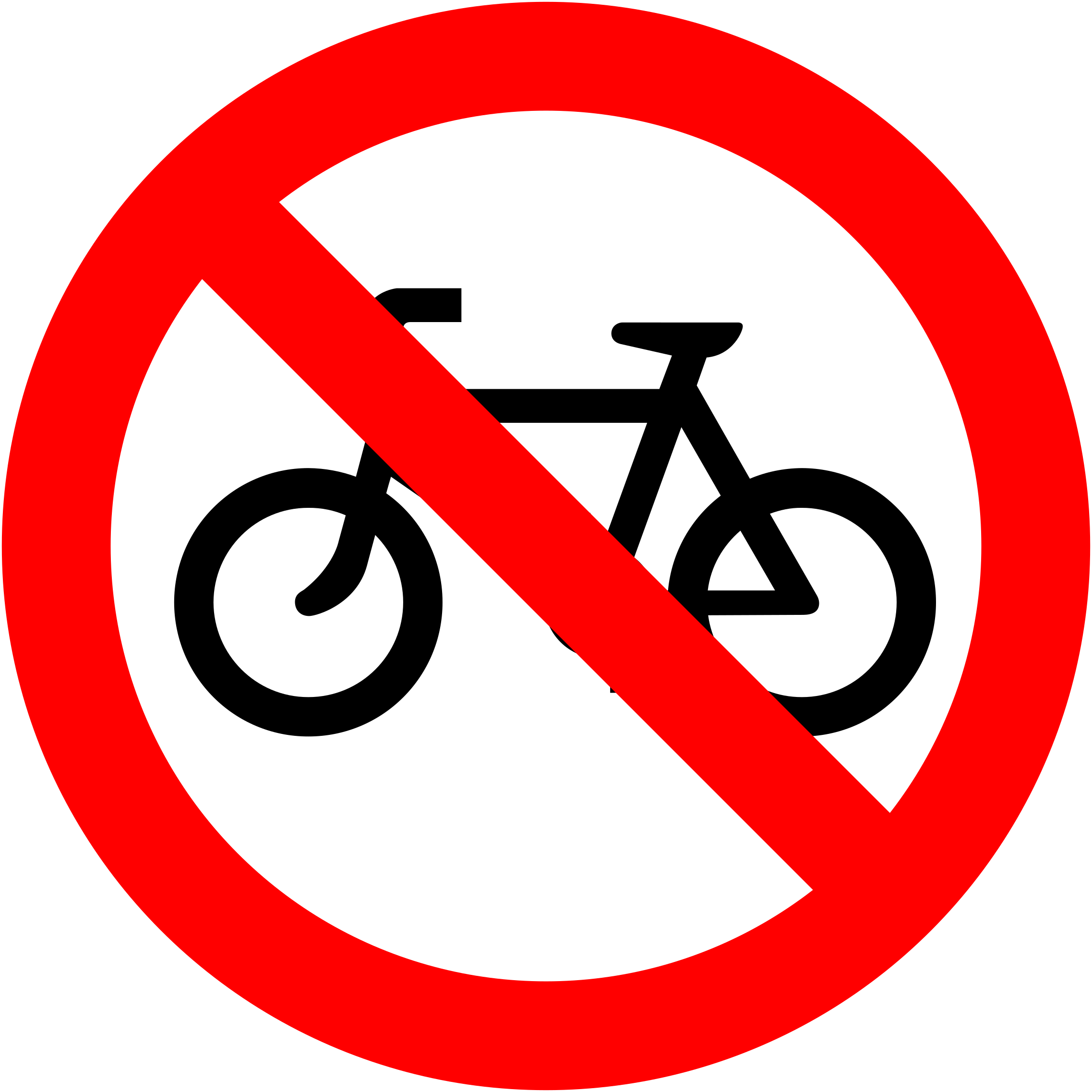
No cycling Bicycles must not be ridden here. The red circle with a slash means not allowed.
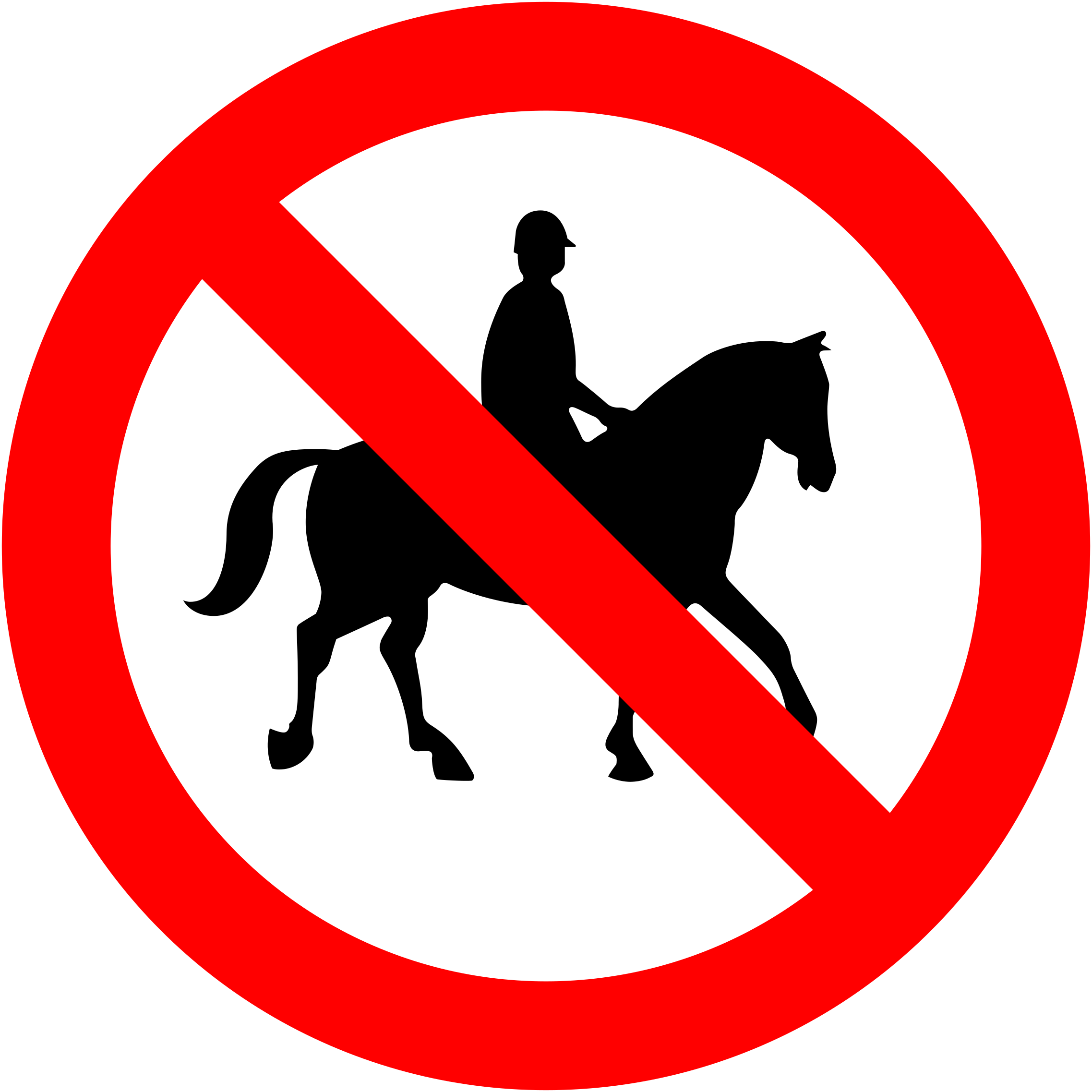
No horses Horses must not be ridden or led here. The red circle with a slash means not allowed.
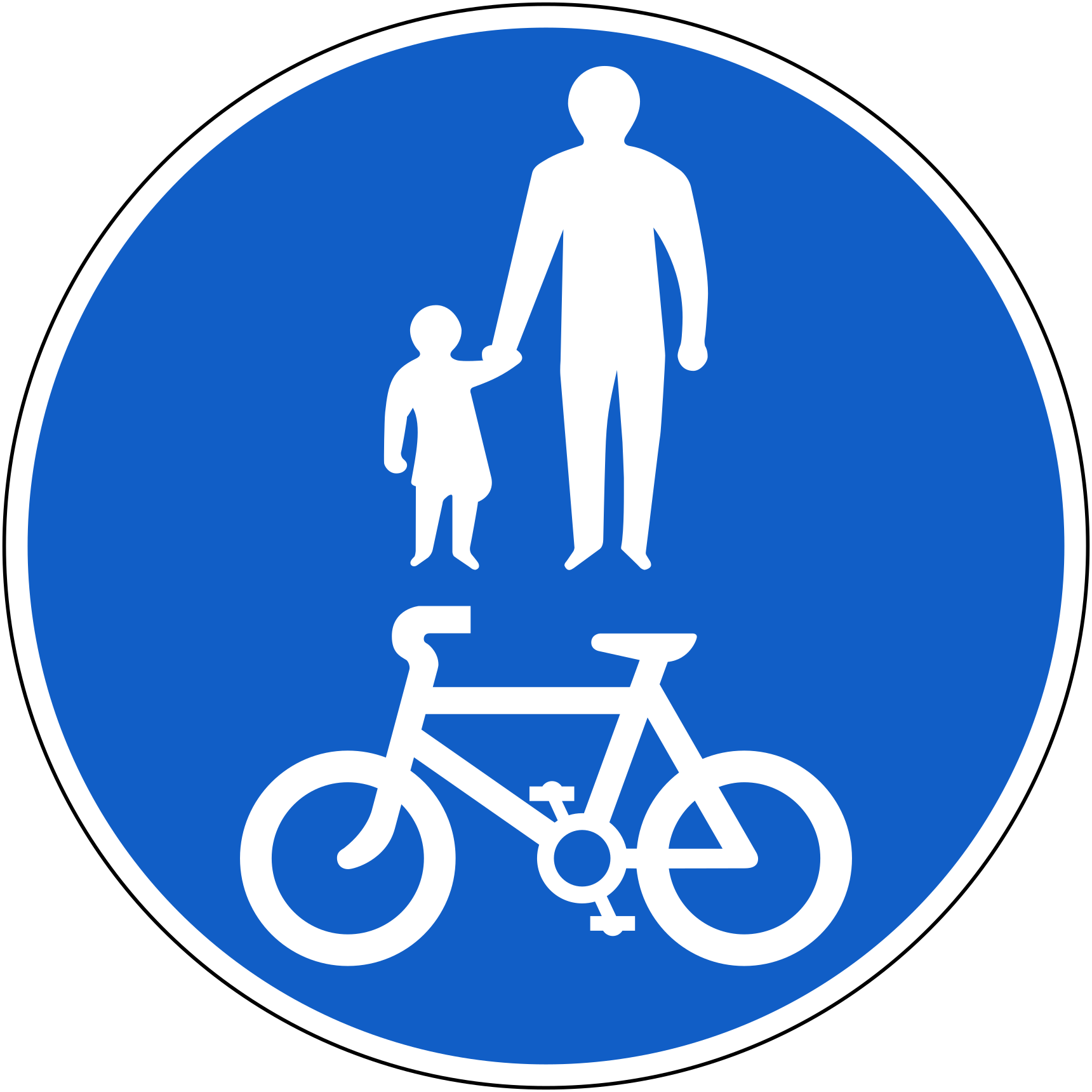
Shared pedestrian and cycle track A track for both pedestrians and cyclists. Drivers must not drive or park on it.
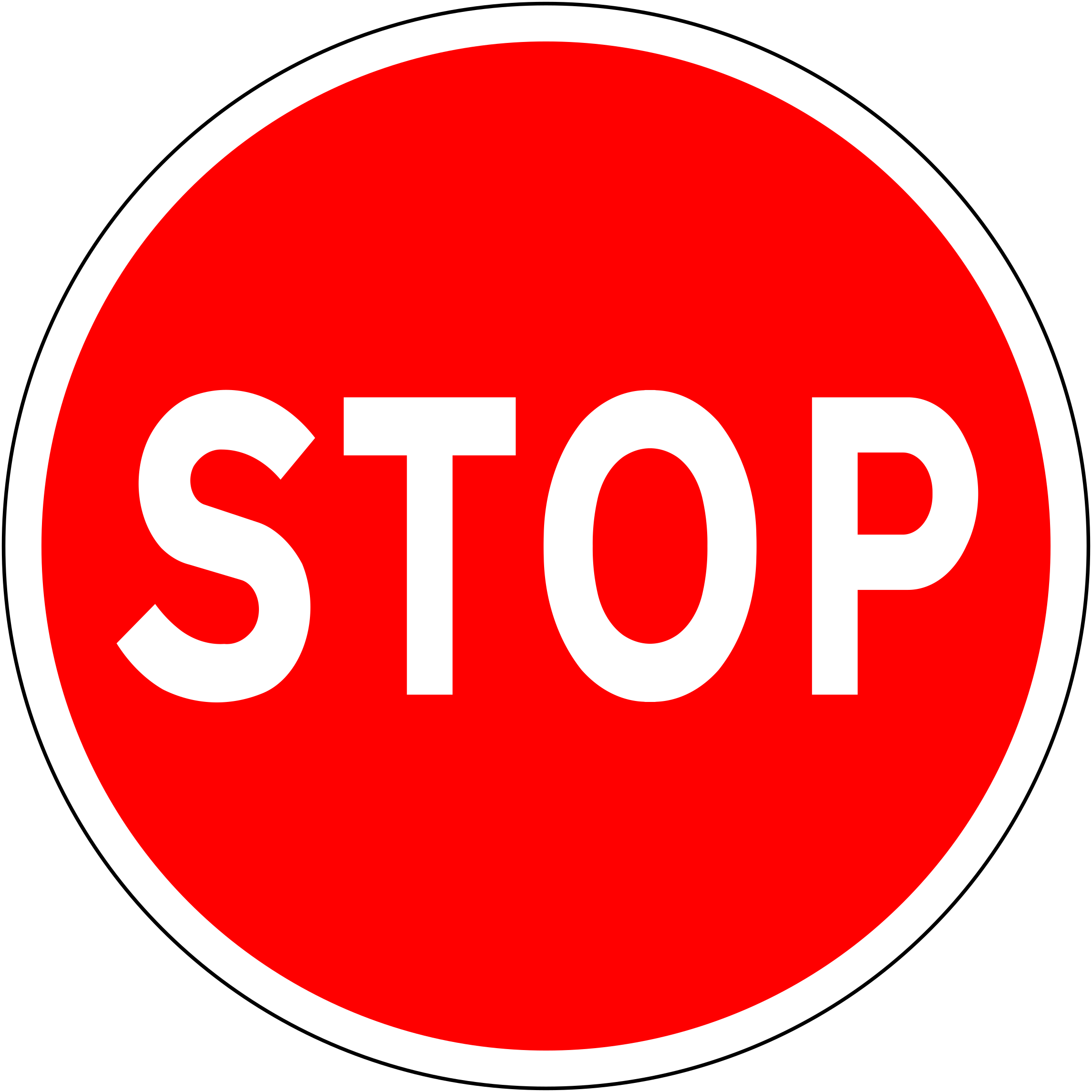
Stop (manual sign) Stop when this sign is shown by a flagman, for example at road works. Wait until it is turned to GO.
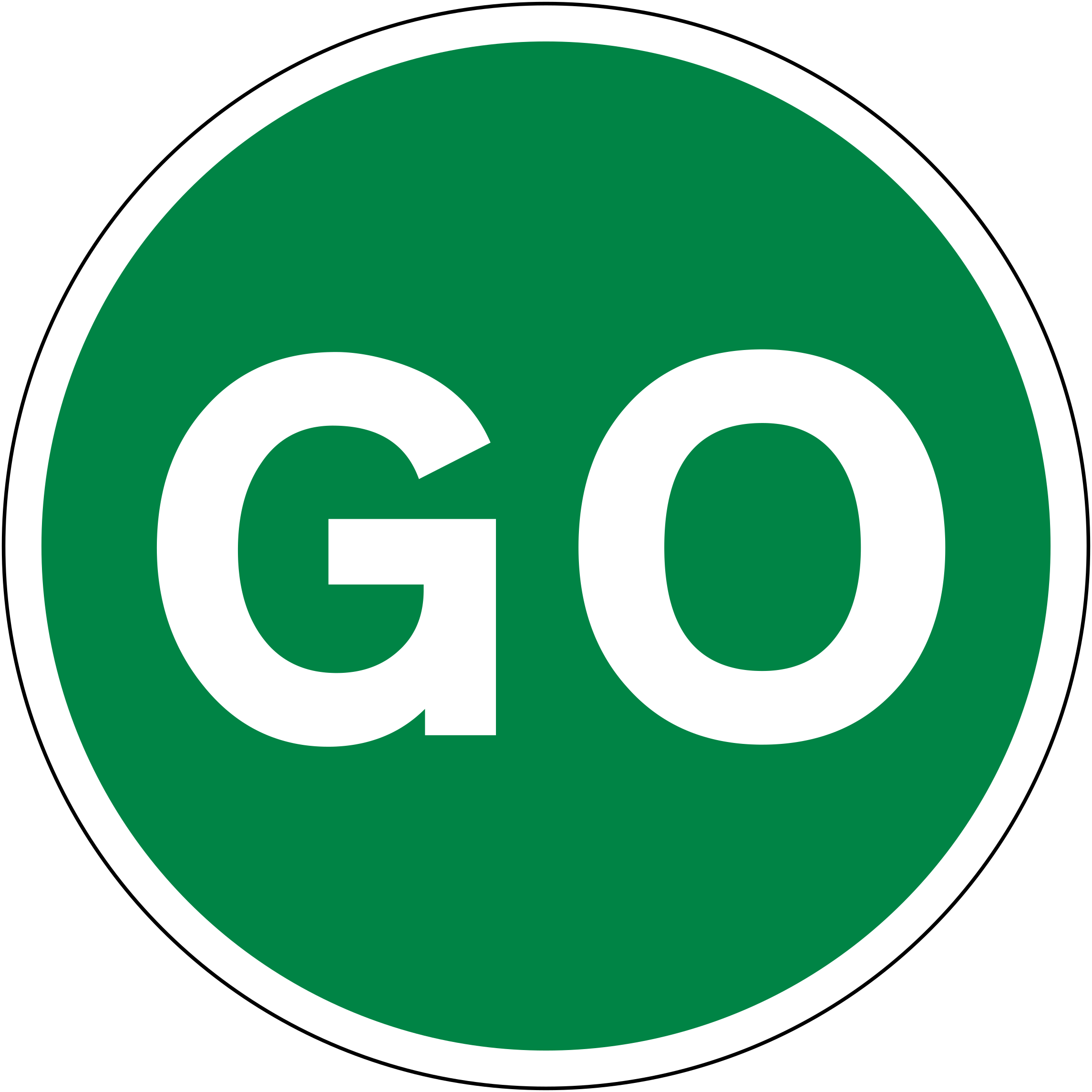
Go (manual sign) You may go when this sign is shown, if it is safe. Used at road works with a STOP sign.
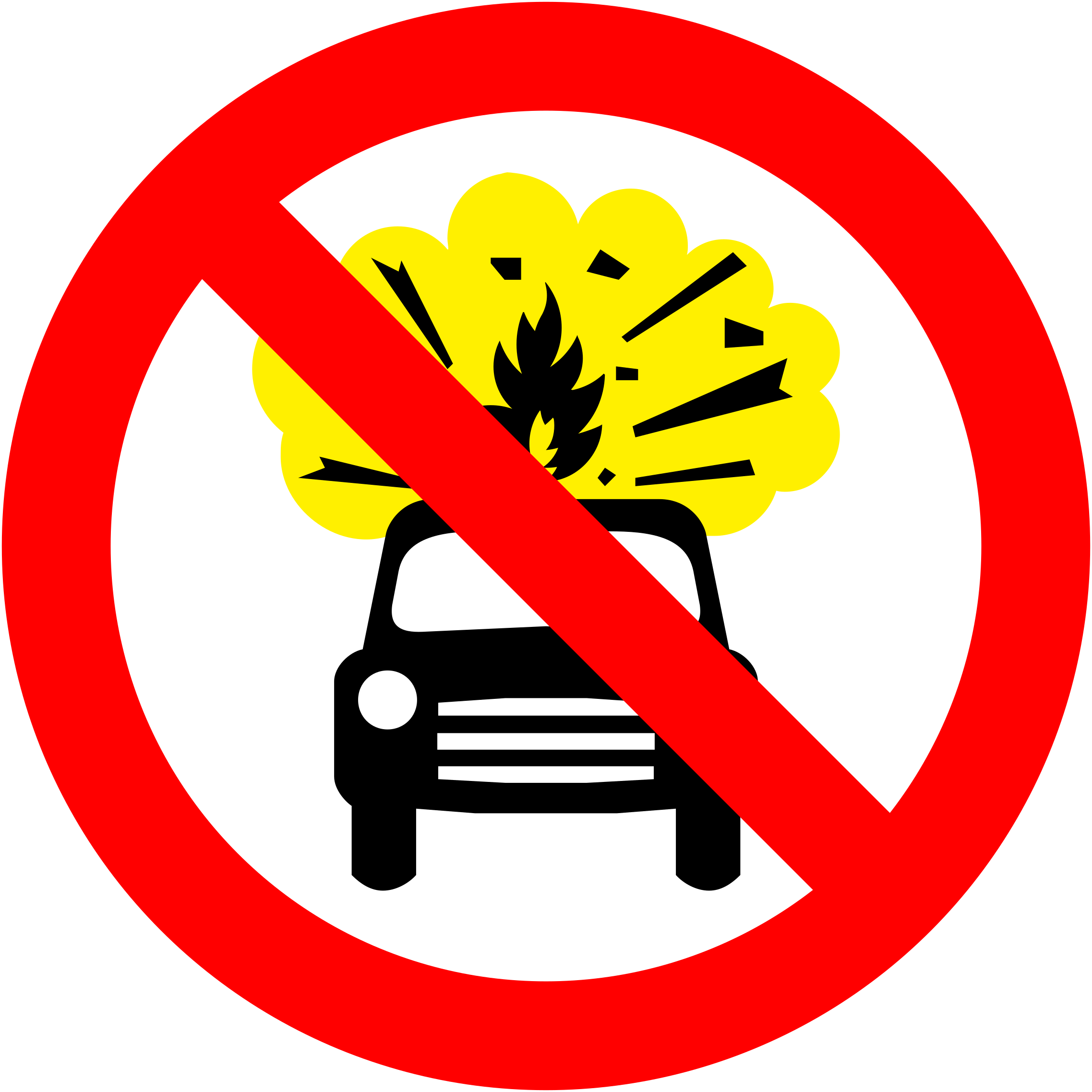
No vehicles carrying explosives Vehicles carrying explosives must not enter. Often at tunnels.
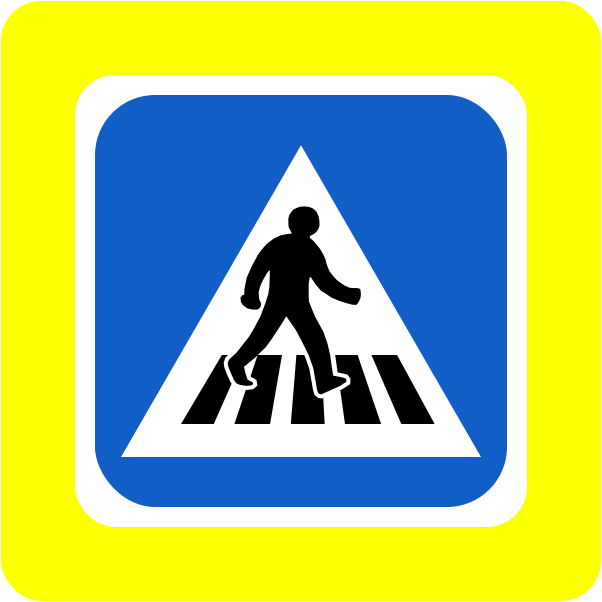
Pedestrian crossing Marks a pedestrian crossing: give way to pedestrians on it. Do not overtake or park on the approach.
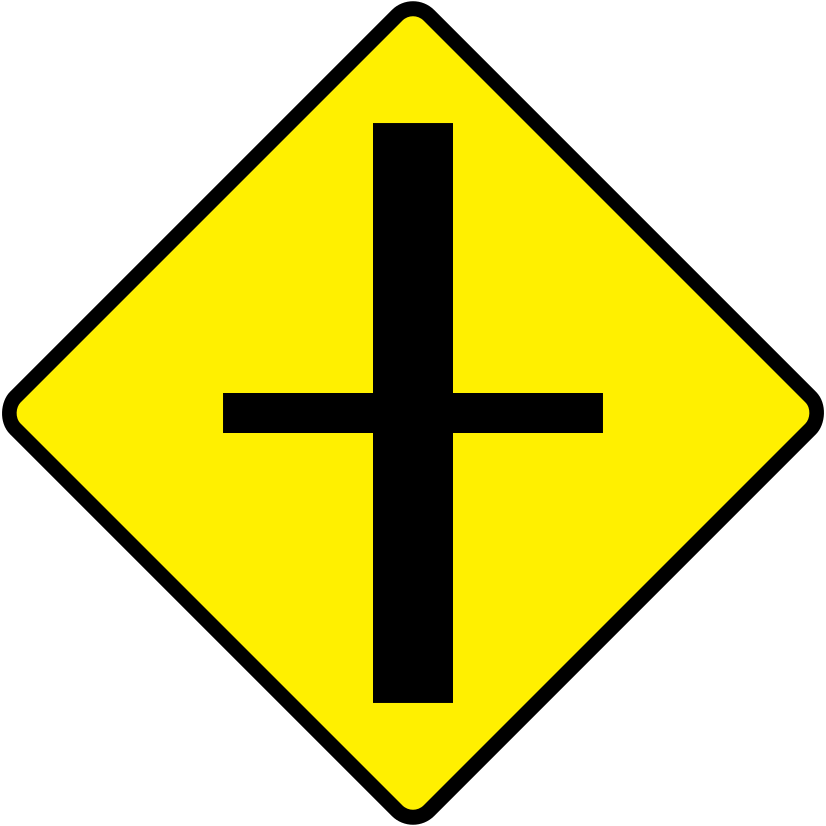
Crossroads Crossroads ahead with a minor road. Slow down and watch for traffic joining.
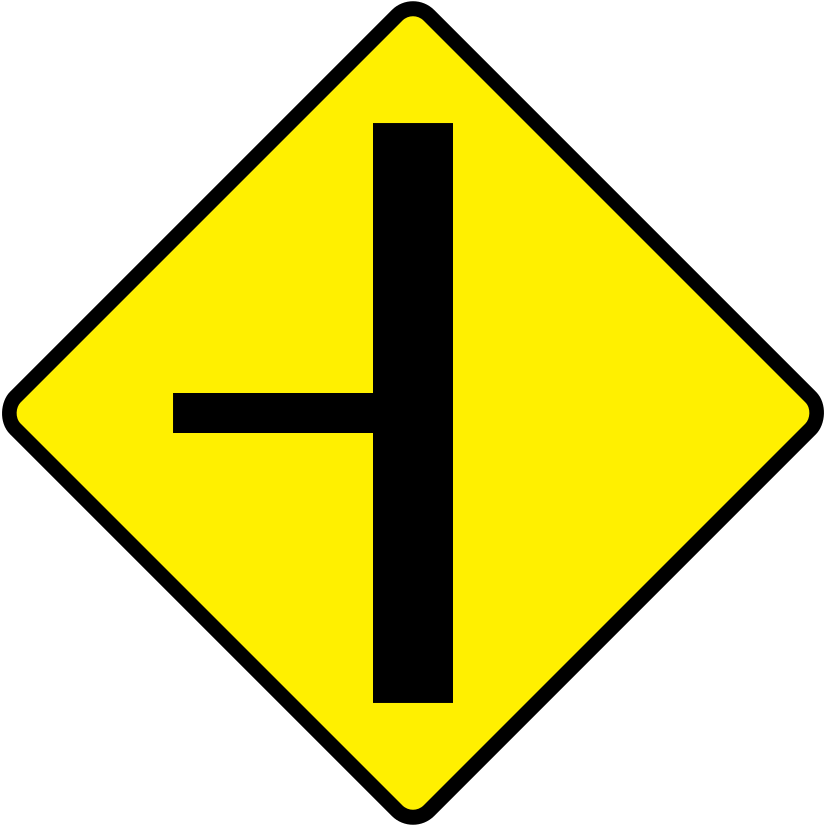
Side road on the left A side road joins from the left. Watch for vehicles pulling out.
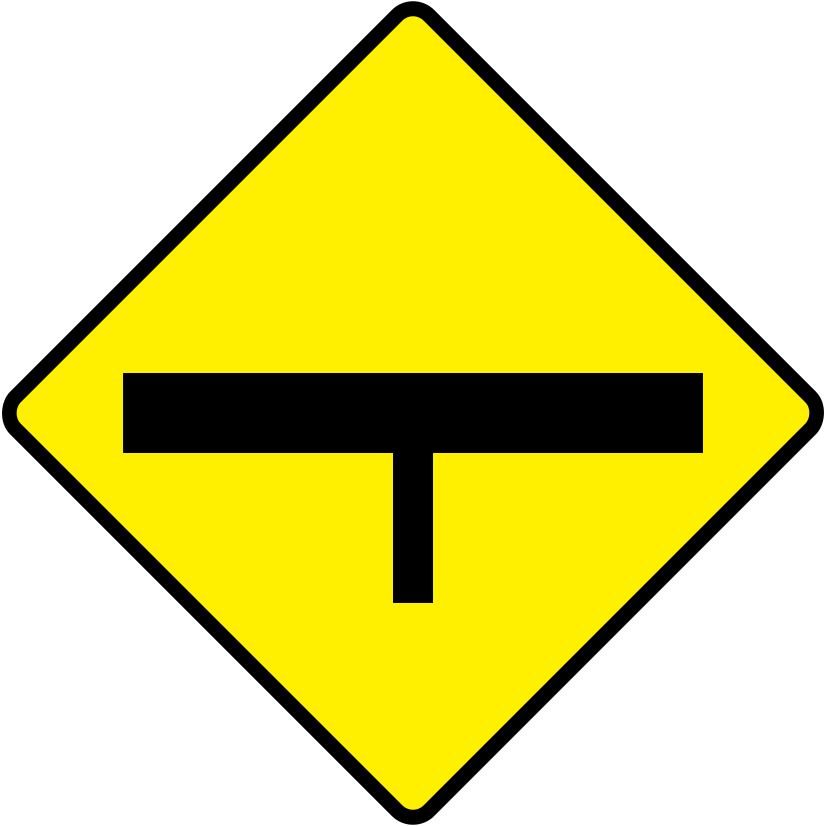
T-junction with a major road T-junction ahead where you meet a major road. Slow down and be ready to stop or yield.
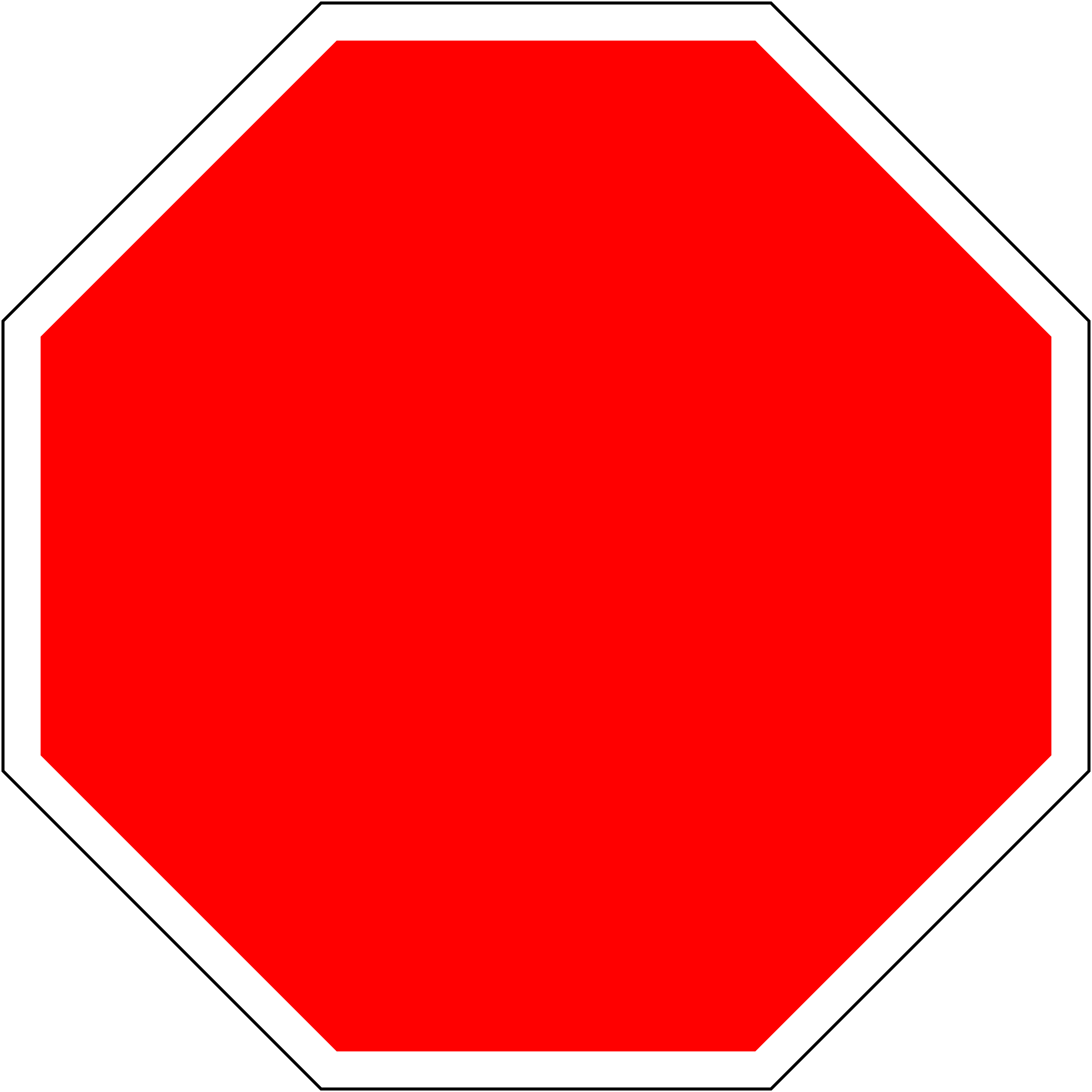
Stop sign ahead A stop sign is ahead. Slow down and be ready to stop.
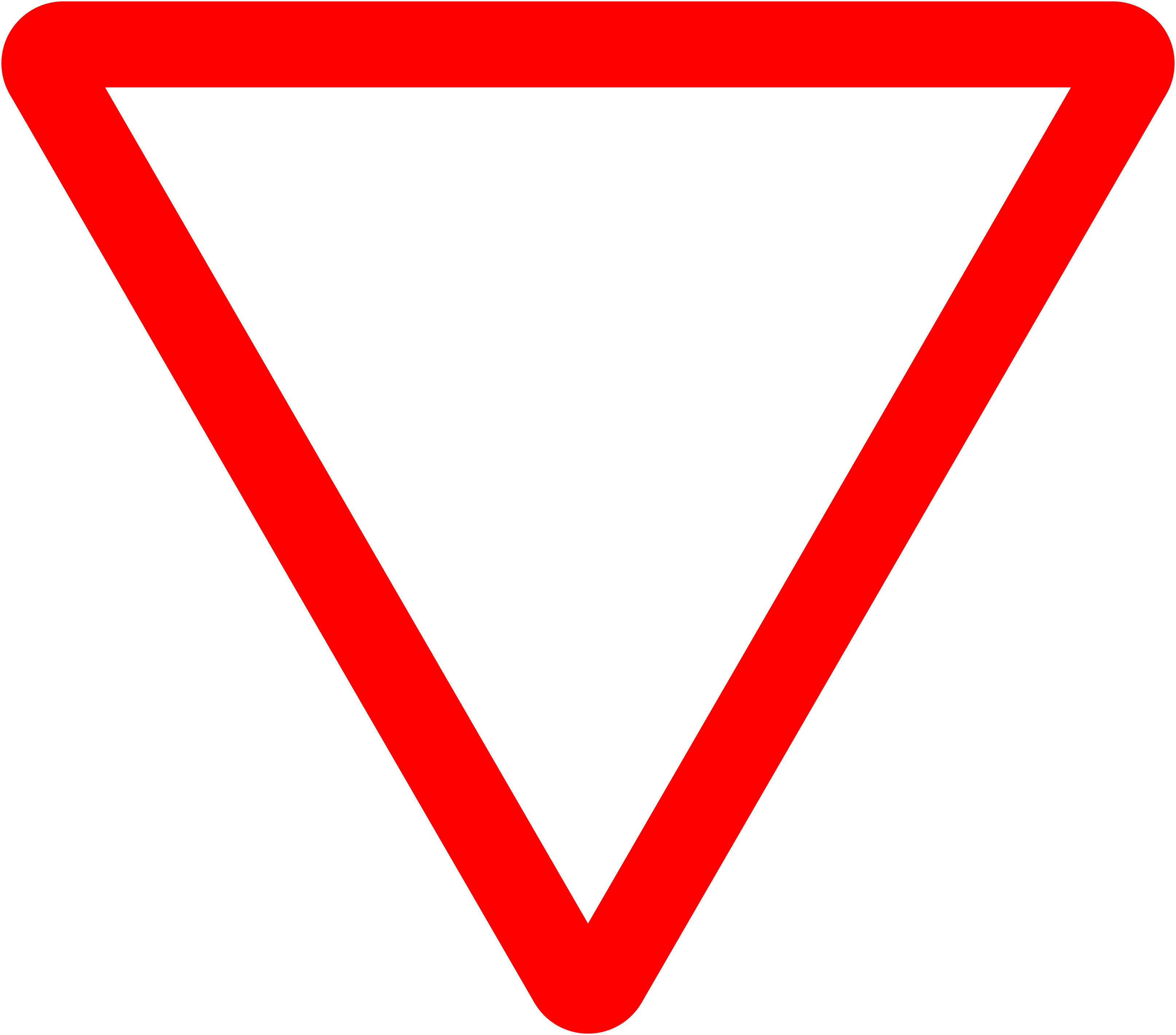
Yield sign ahead A yield sign is ahead. Slow down and be ready to give way.
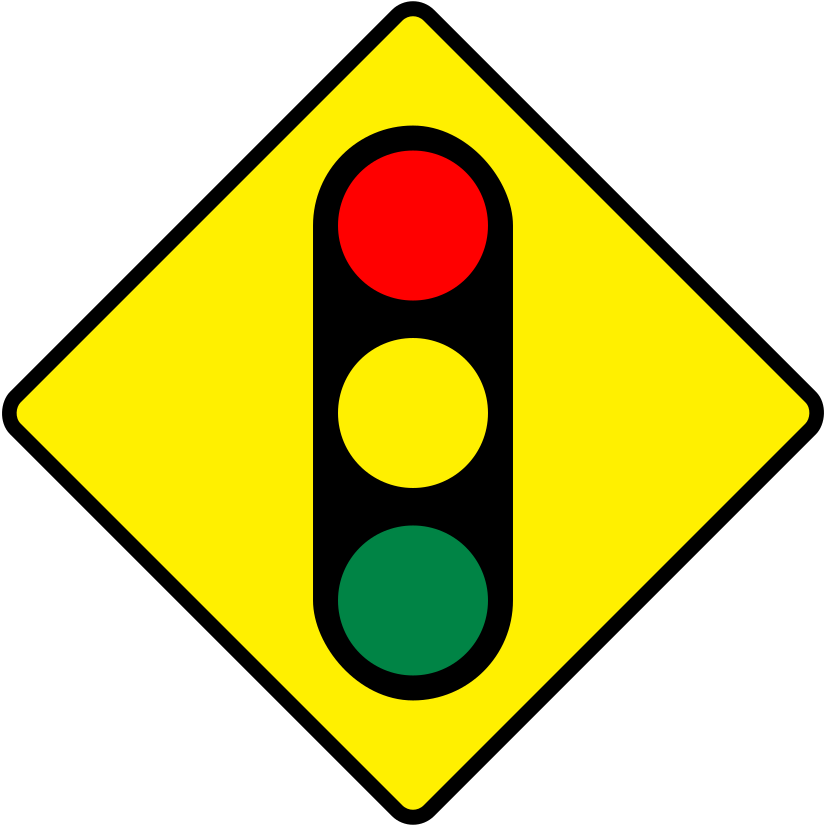
Traffic lights ahead Traffic signals ahead. Slow down and be ready to stop.
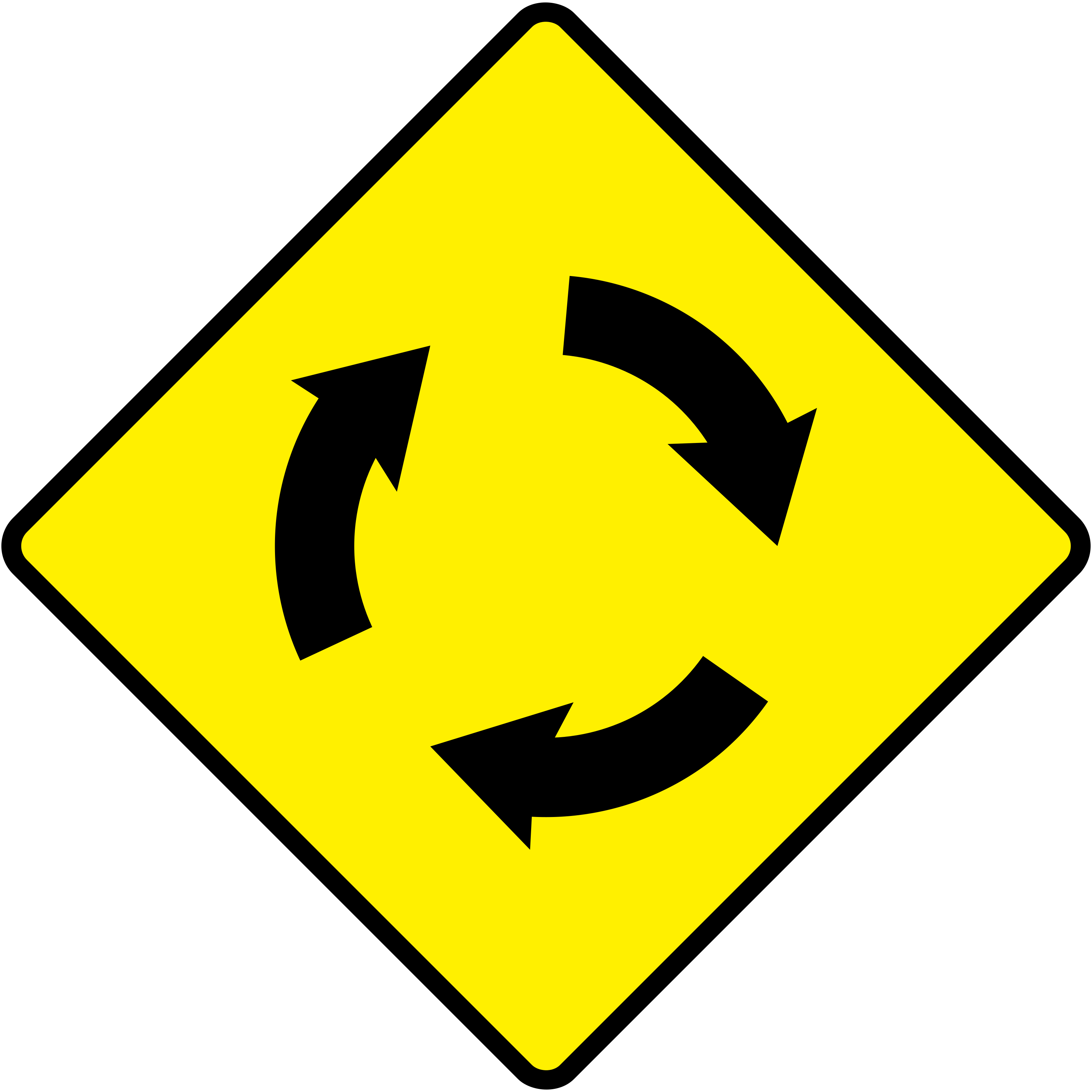
Roundabout ahead Roundabout ahead. Slow down; give way to traffic from your right.
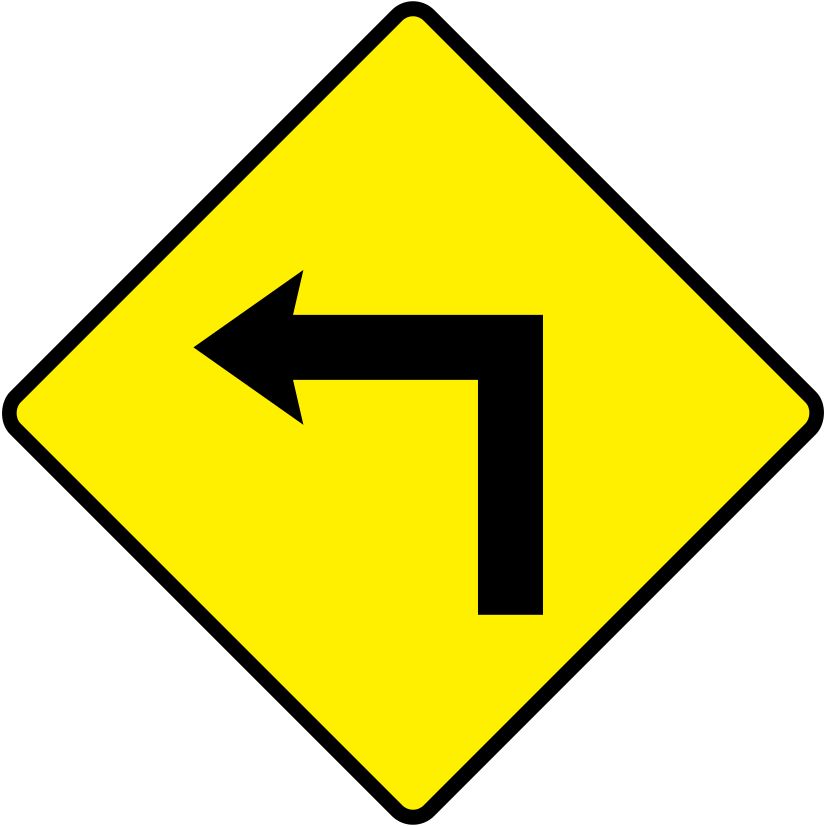
Sharp turn to the left A sharp turn to the left ahead. Slow down before the turn.
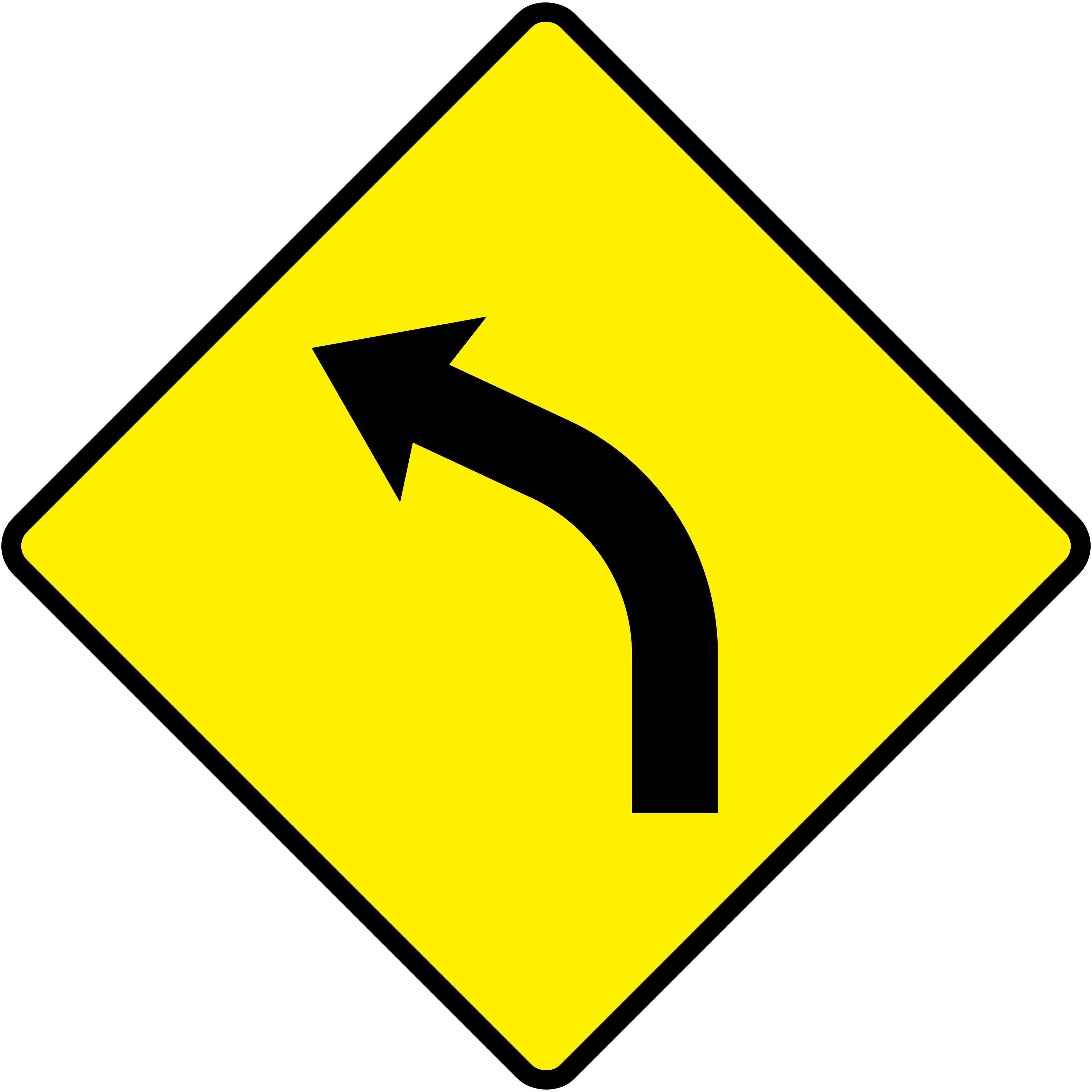
Bend to the left Bend to the left ahead. Slow down and keep left.
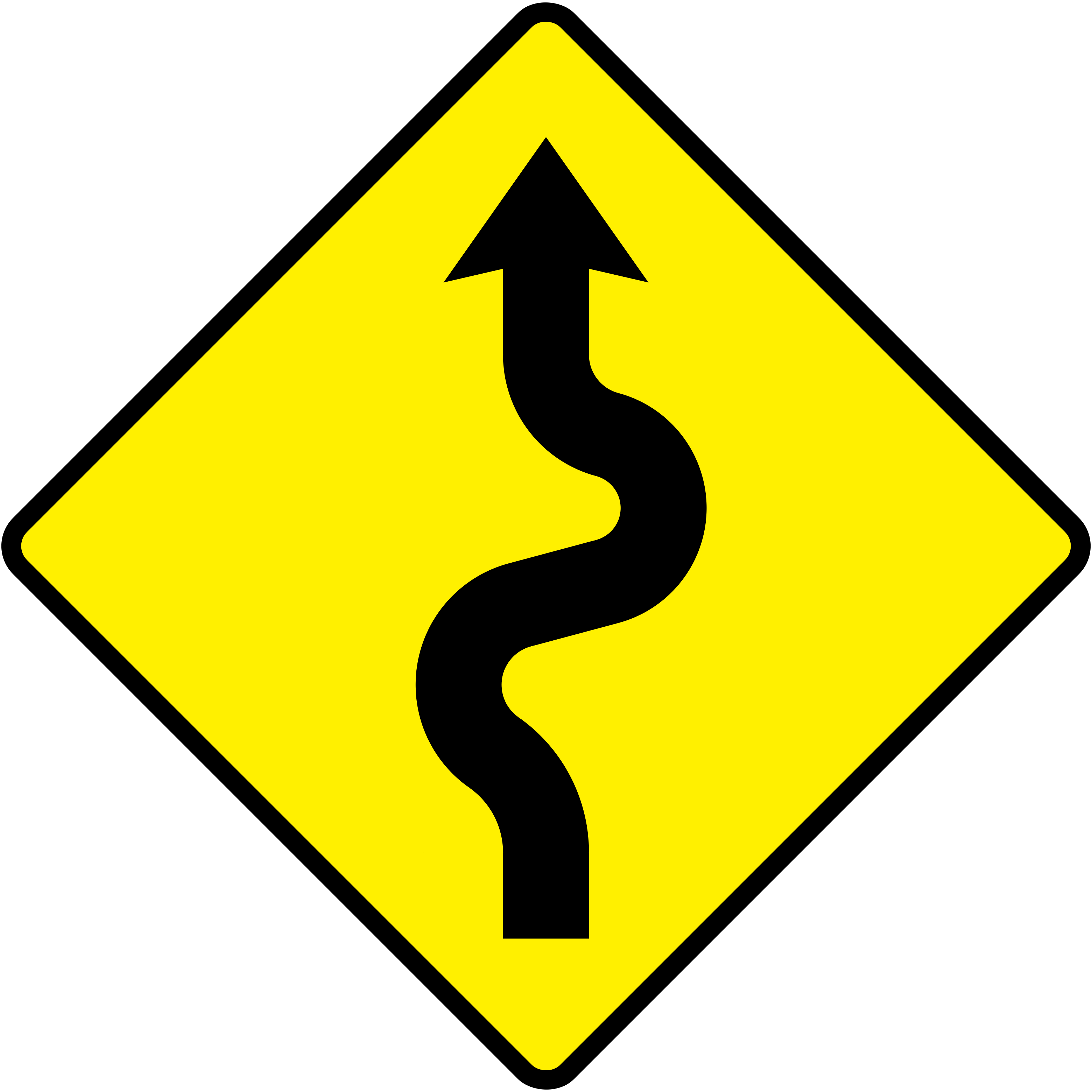
Series of bends A series of sharp bends, the first to the left. Slow down and do not overtake.
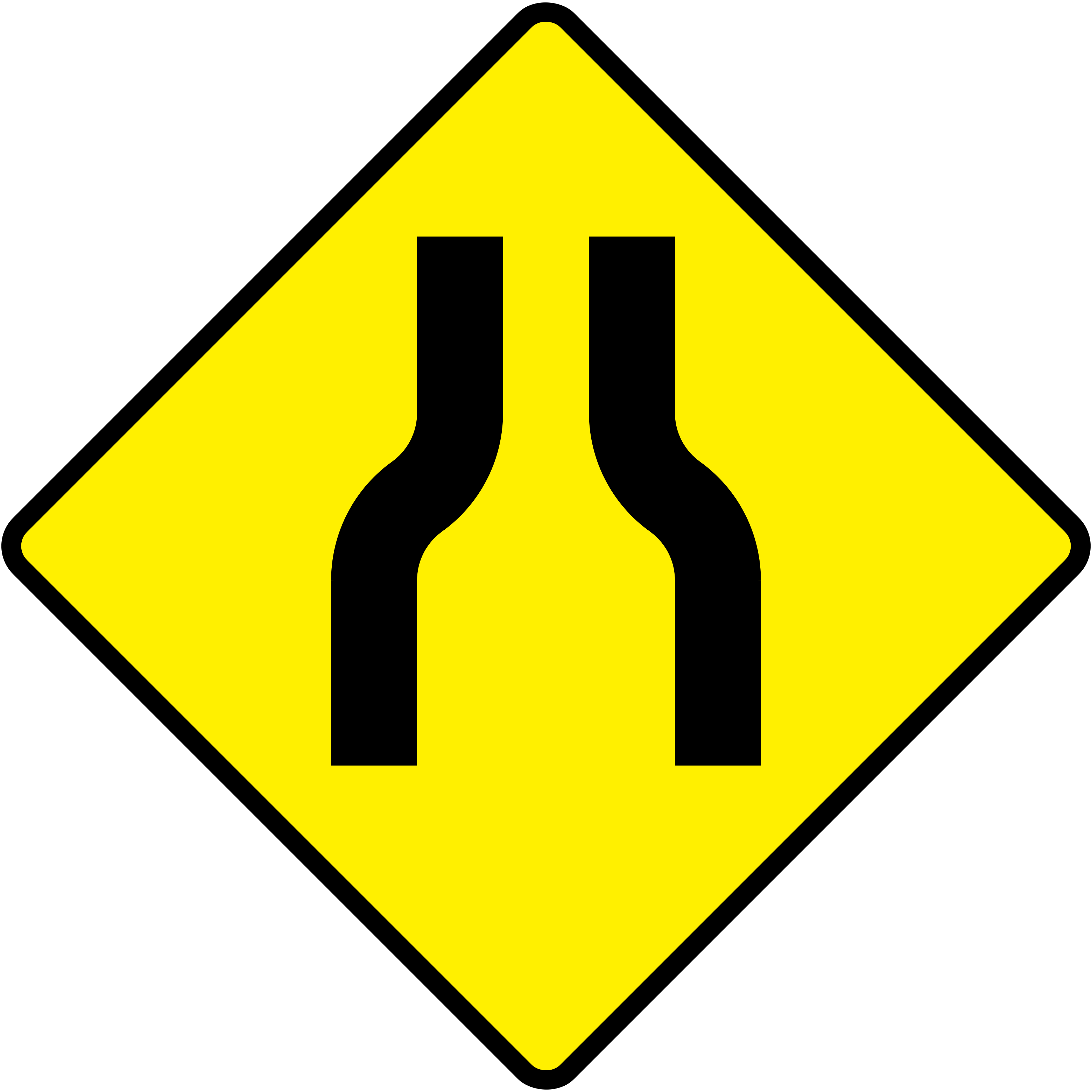
Road narrows on both sides The road gets narrower ahead. Slow down; give way if the road is too narrow to pass.
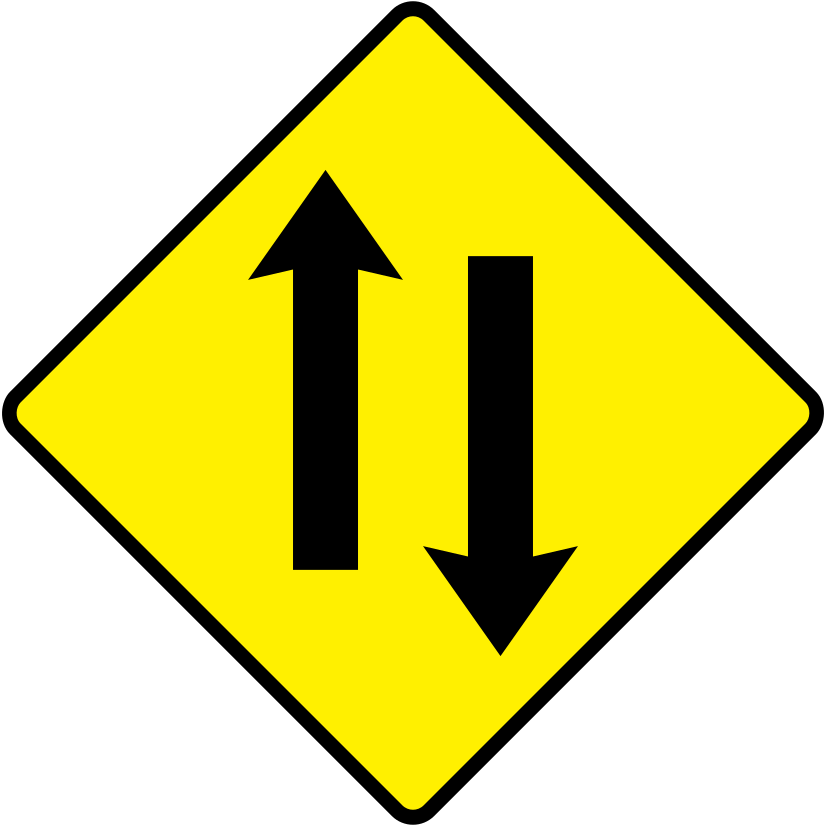
Two-way traffic Two-way traffic ahead. Keep left; traffic will be coming towards you.
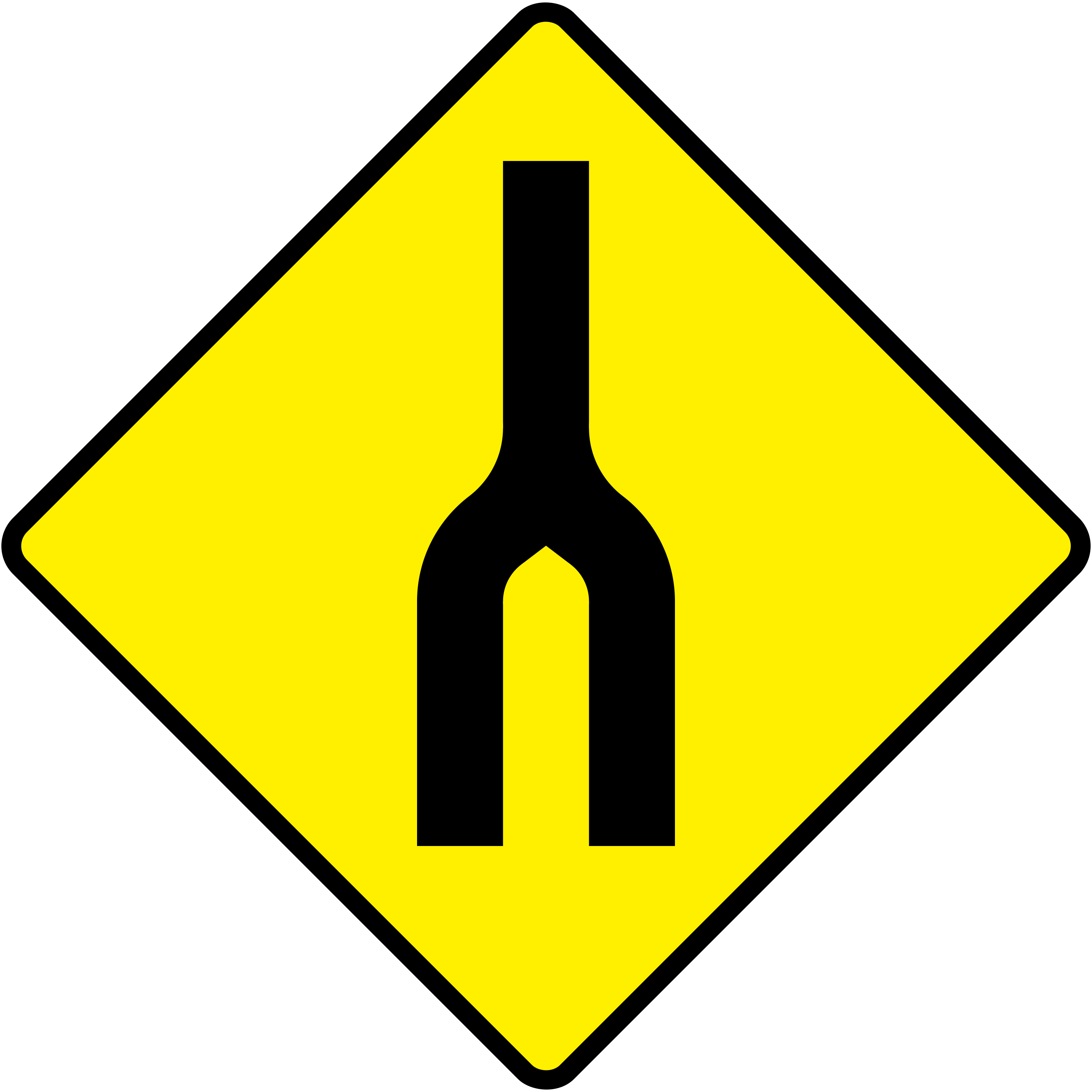
Dual carriageway ends The dual carriageway ends ahead. Expect oncoming traffic in the next lane.
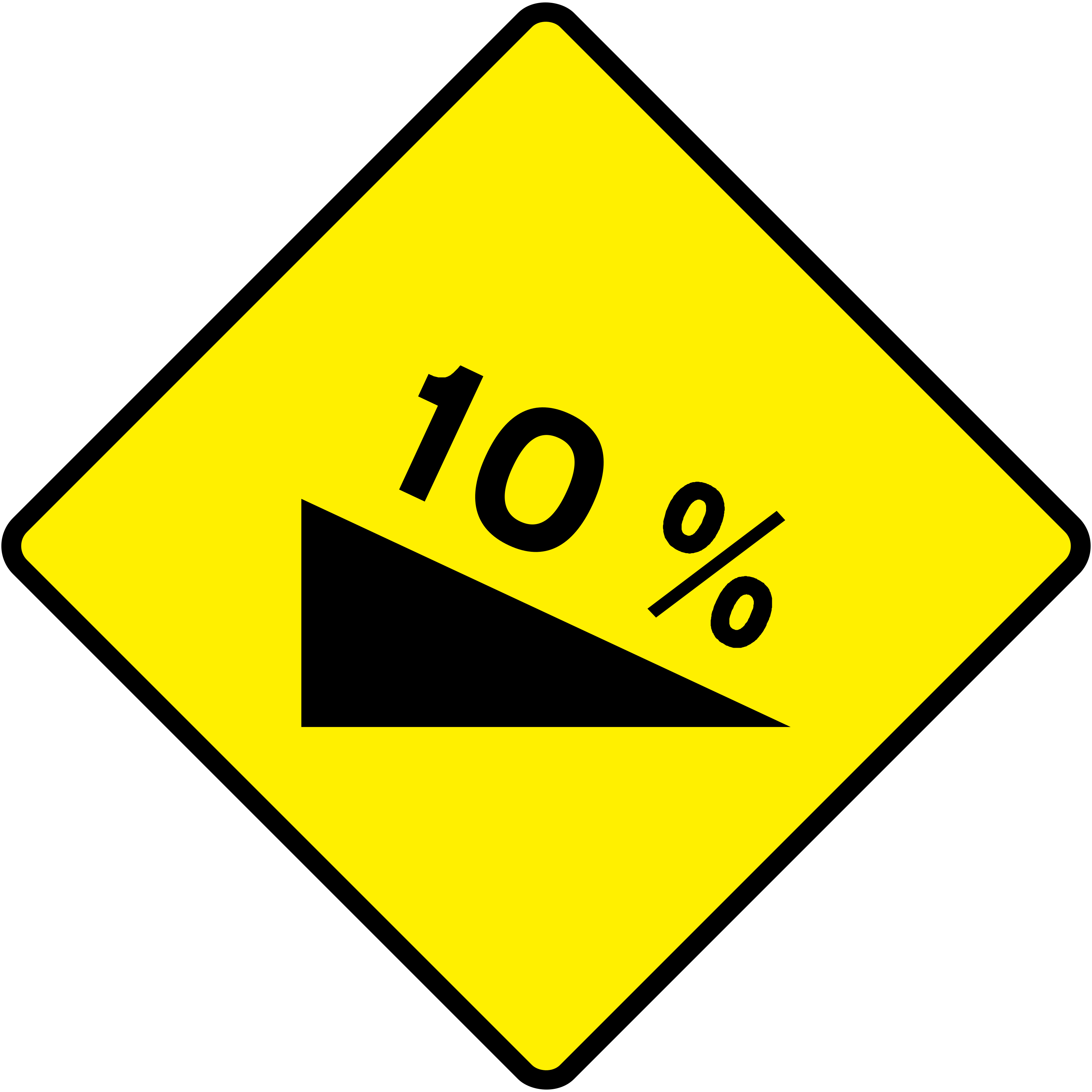
Steep descent Steep hill downwards ahead. Use a lower gear to control your speed.
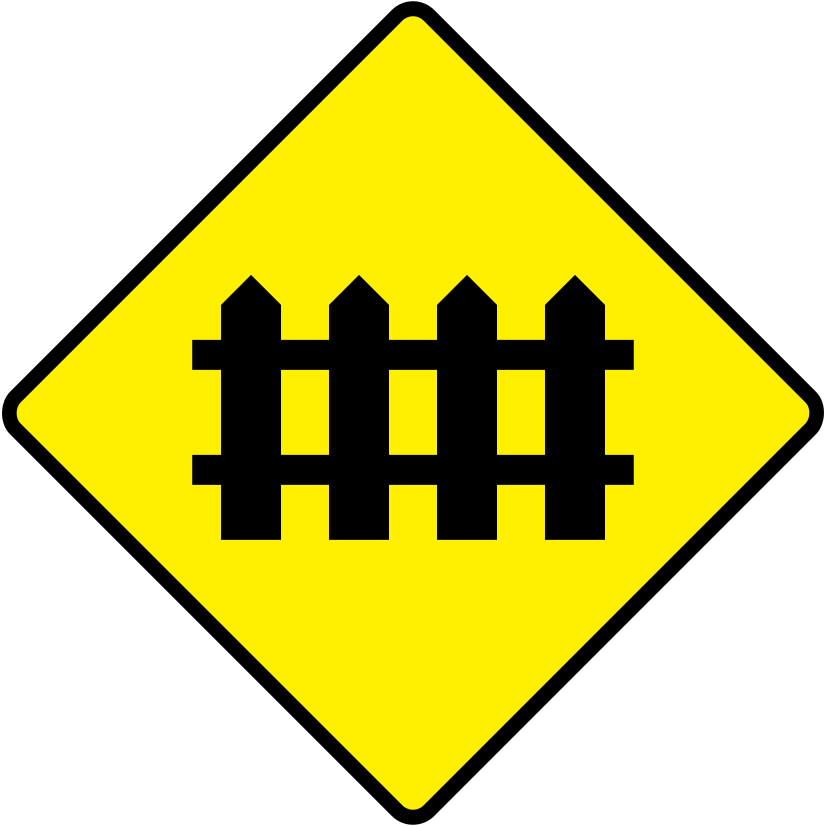
Level crossing with gates or barriers A railway level crossing with gates or barriers ahead. Slow down; stop if the barriers are down or lights flash.
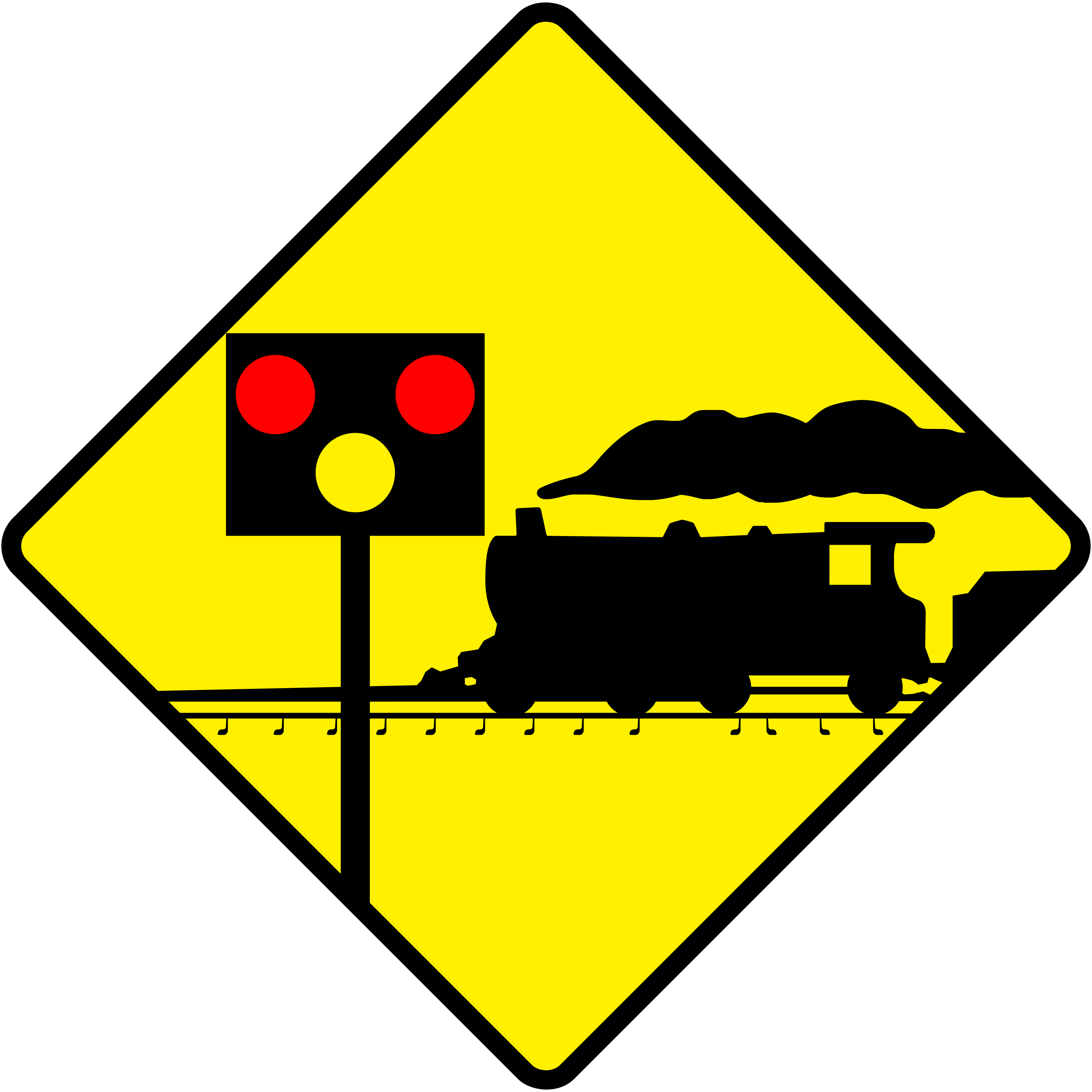
Level crossing with flashing lights A level crossing protected by flashing red lights ahead. Stop when the red lights flash.
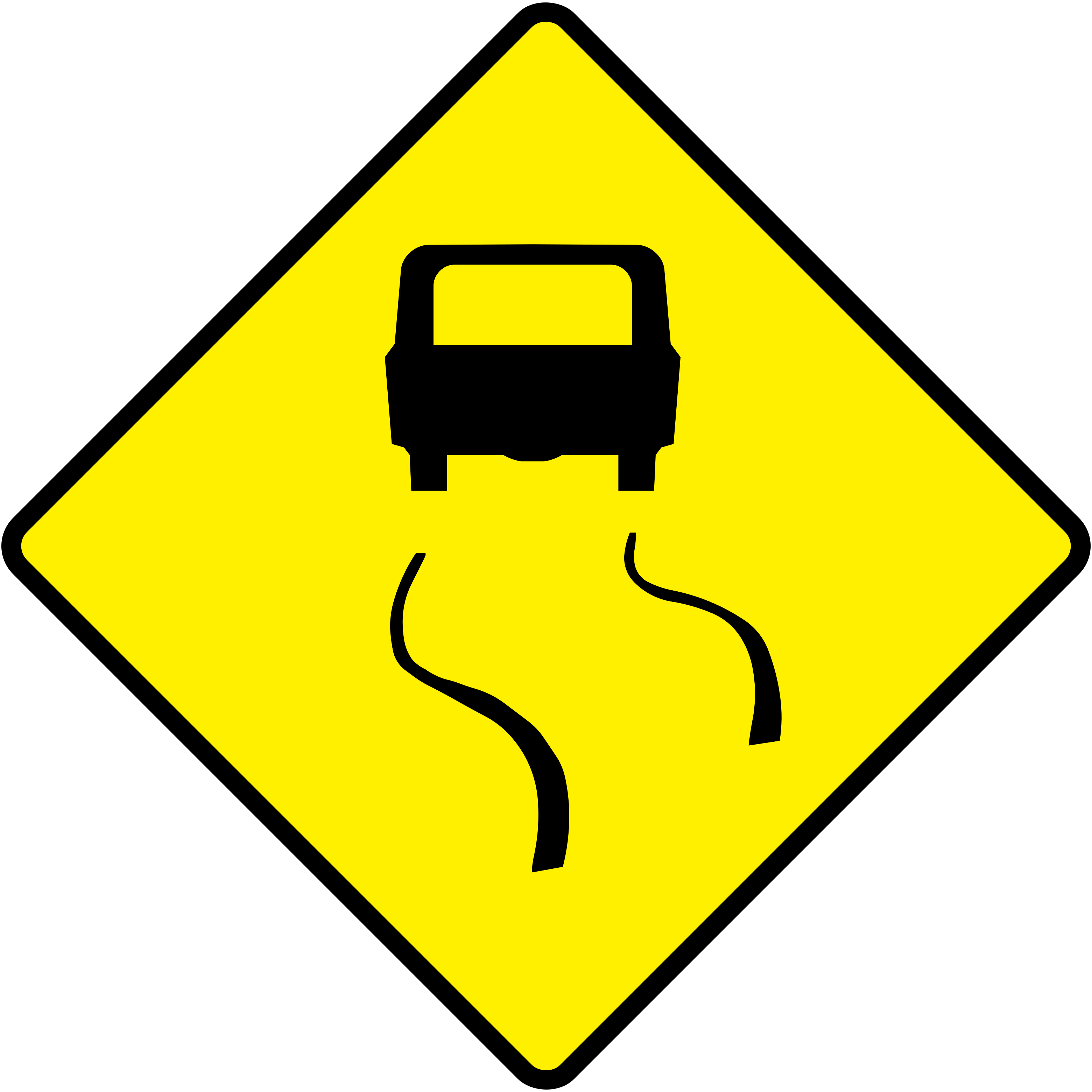
Slippery road The road may be slippery. Slow down, brake gently and avoid sharp steering.
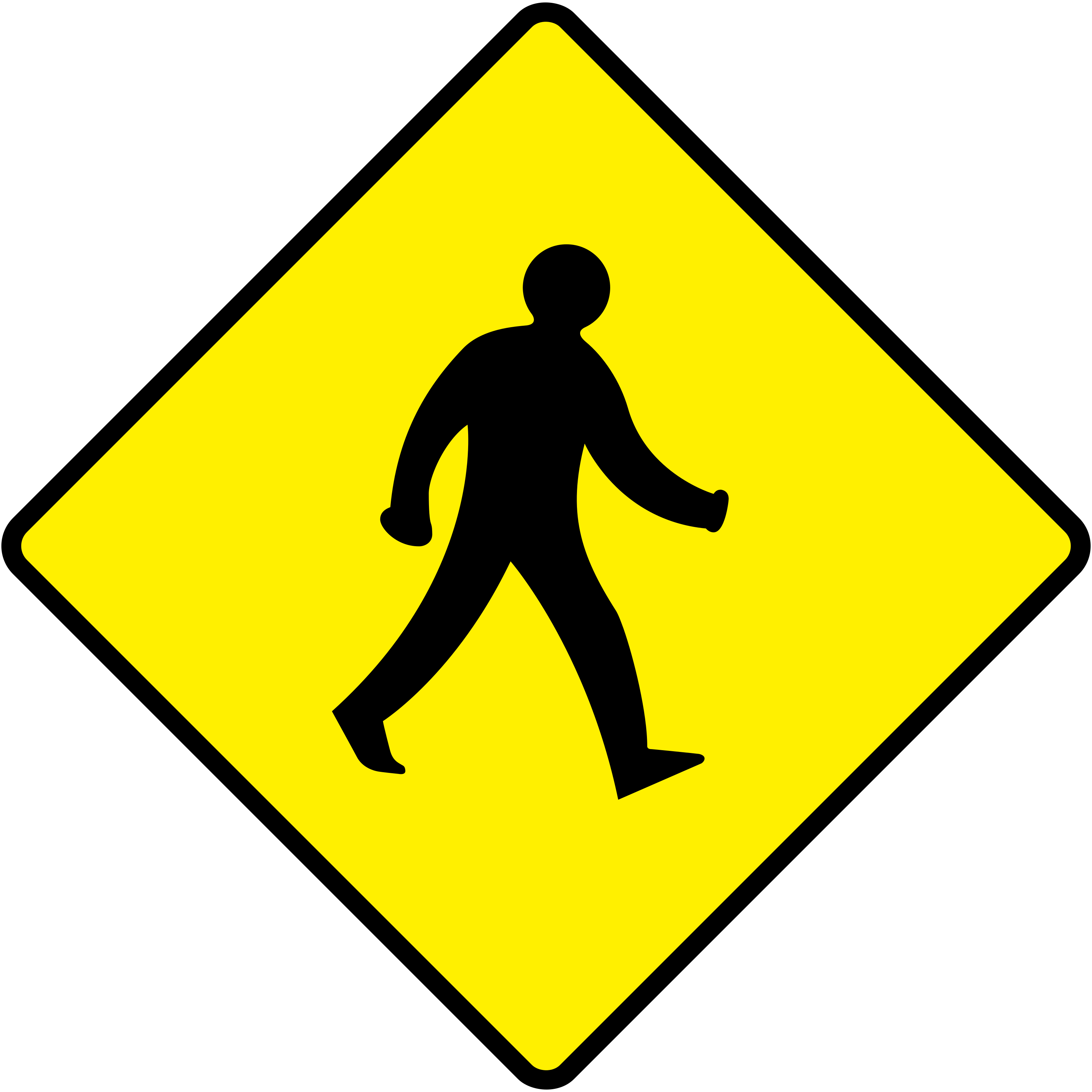
Pedestrians Watch for pedestrians on or near the road. Slow down and be ready to stop.
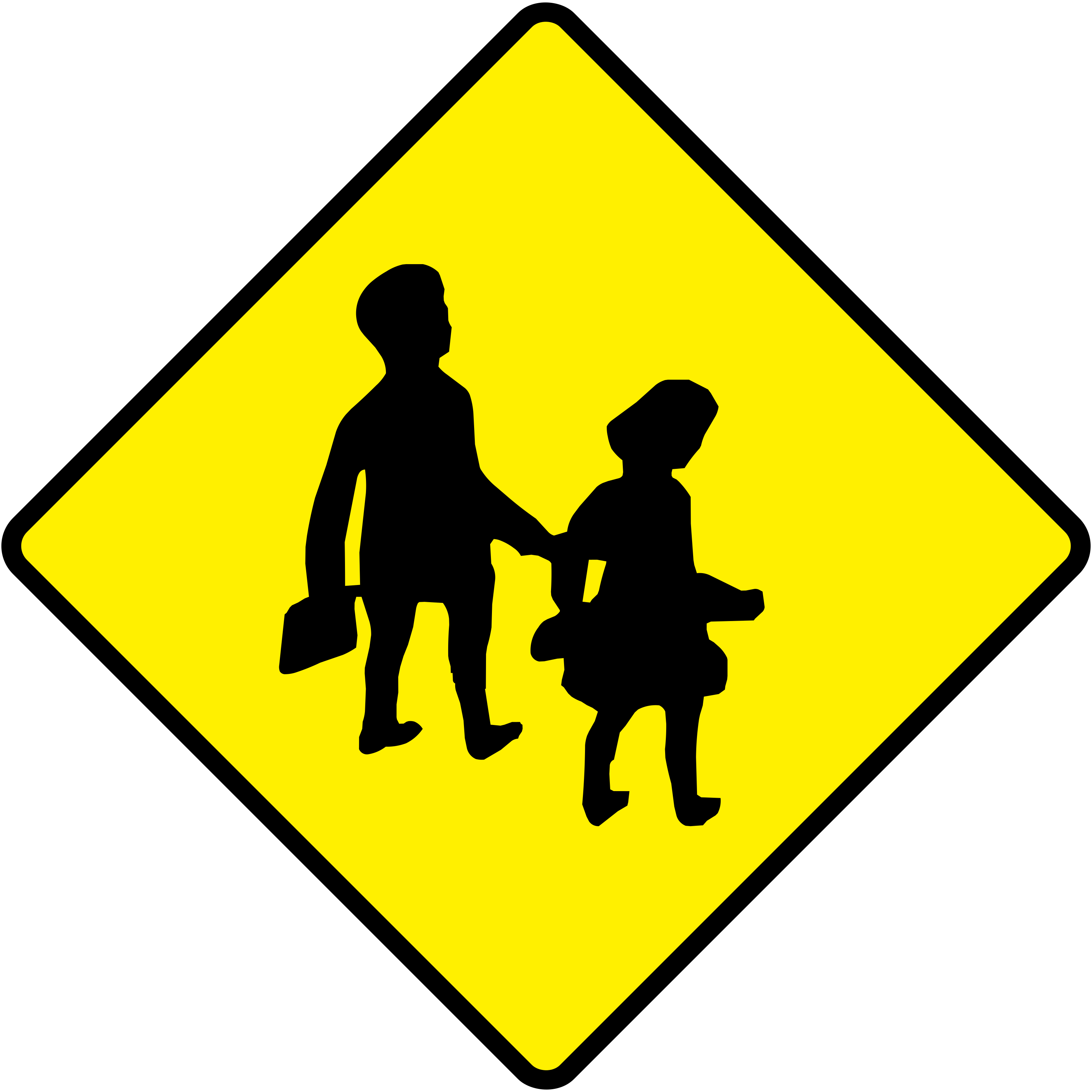
Children (school ahead) A school or playground is near. Slow down; children may run out.
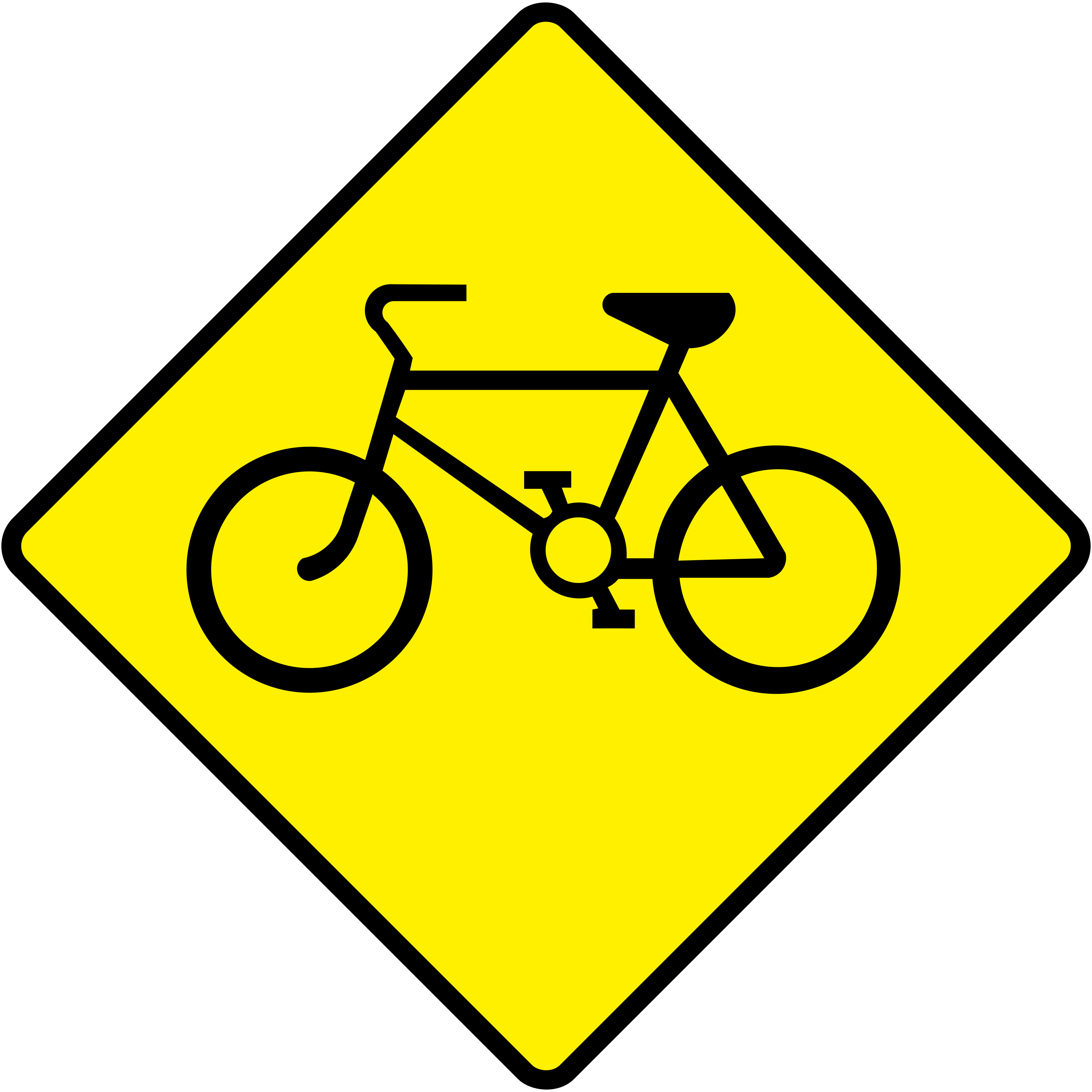
Cyclists Cyclists may be on the road. Give them plenty of room when you pass.
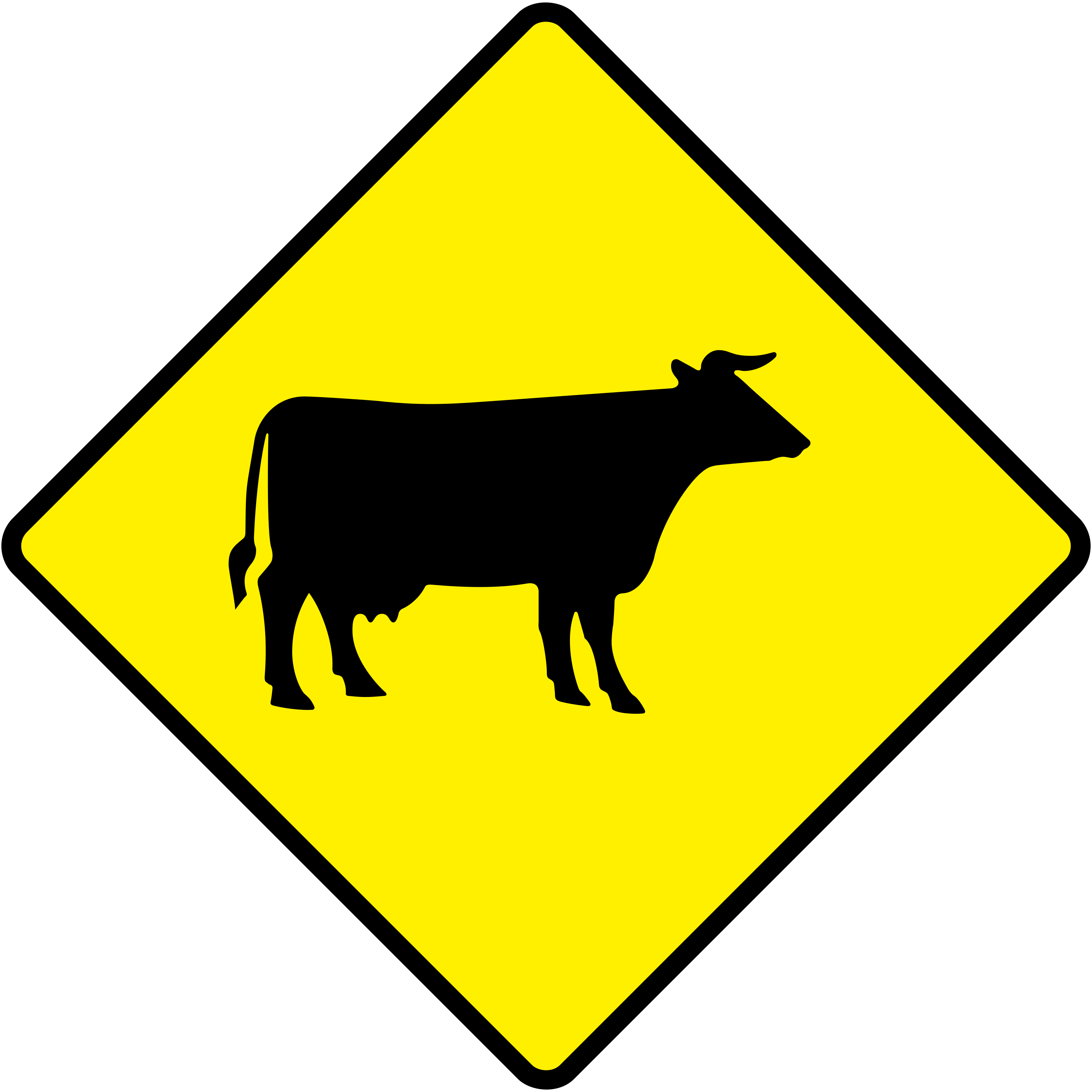
Cattle Cattle may be on the road. Slow down and be ready to stop.
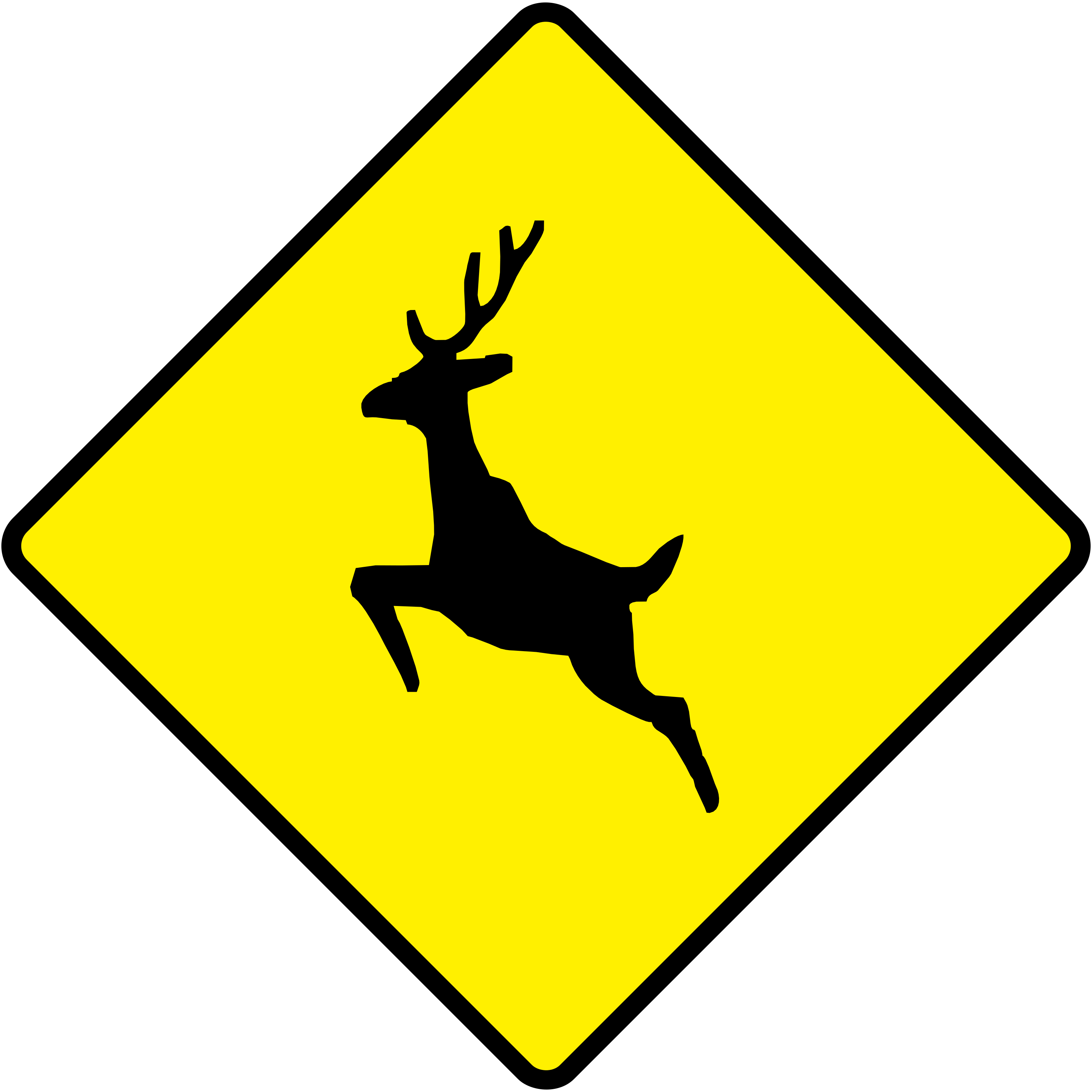
Deer Deer or other wild animals may cross. Slow down, especially at dawn and dusk.
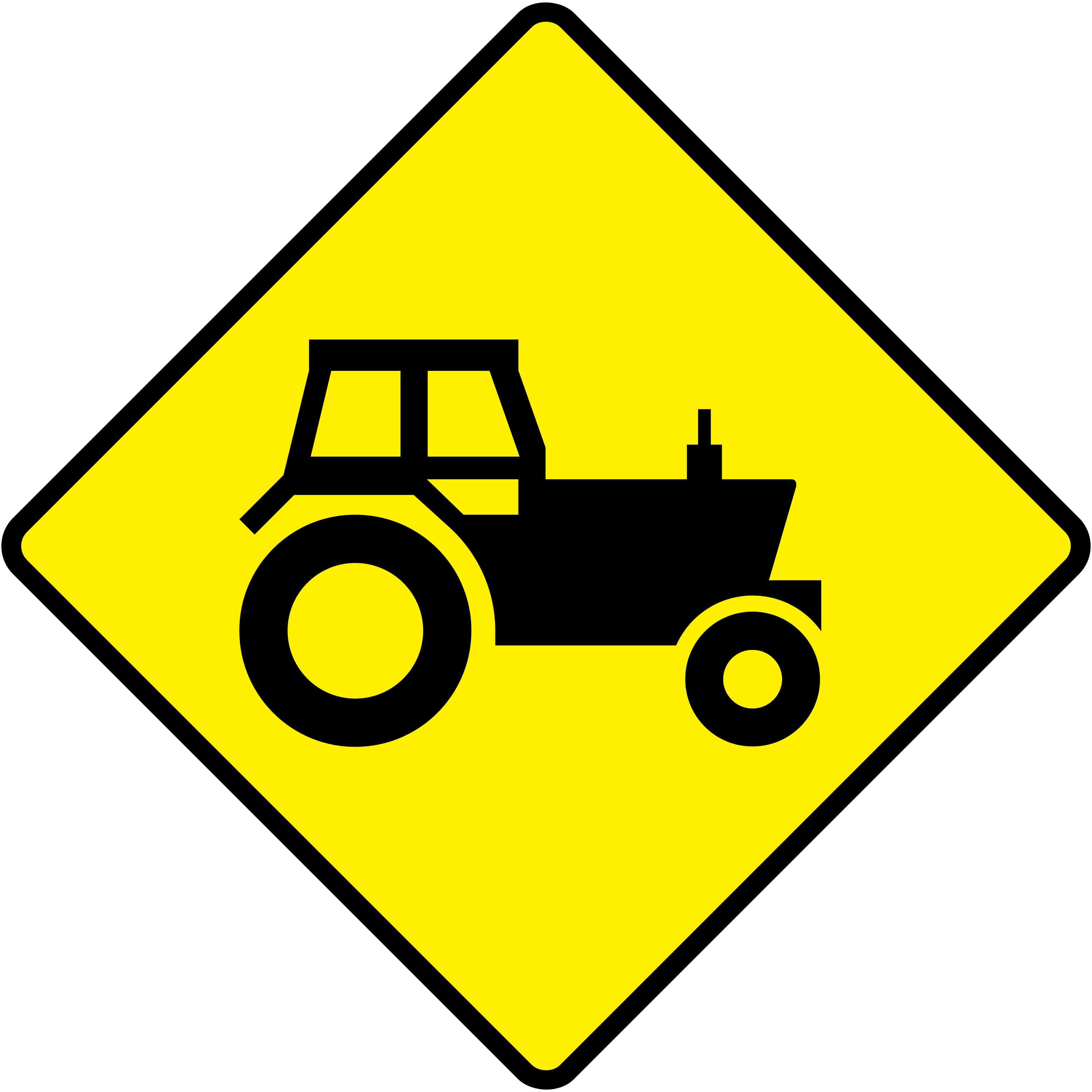
Agricultural vehicles Slow farm vehicles may be on the road. Be patient; overtake only when it is safe.
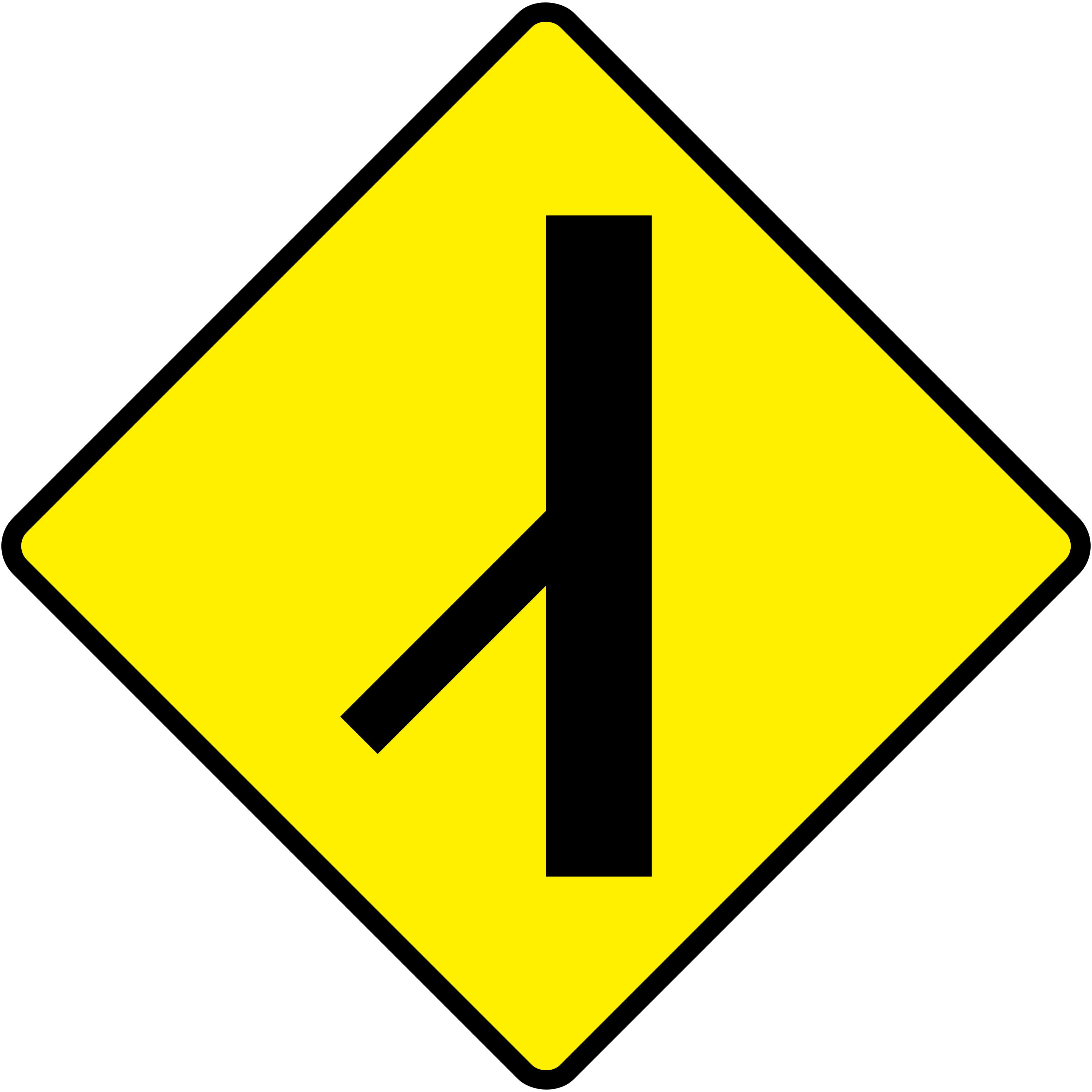
Merging traffic Traffic merges from the left ahead. Let merging traffic in where safe; adjust your speed.
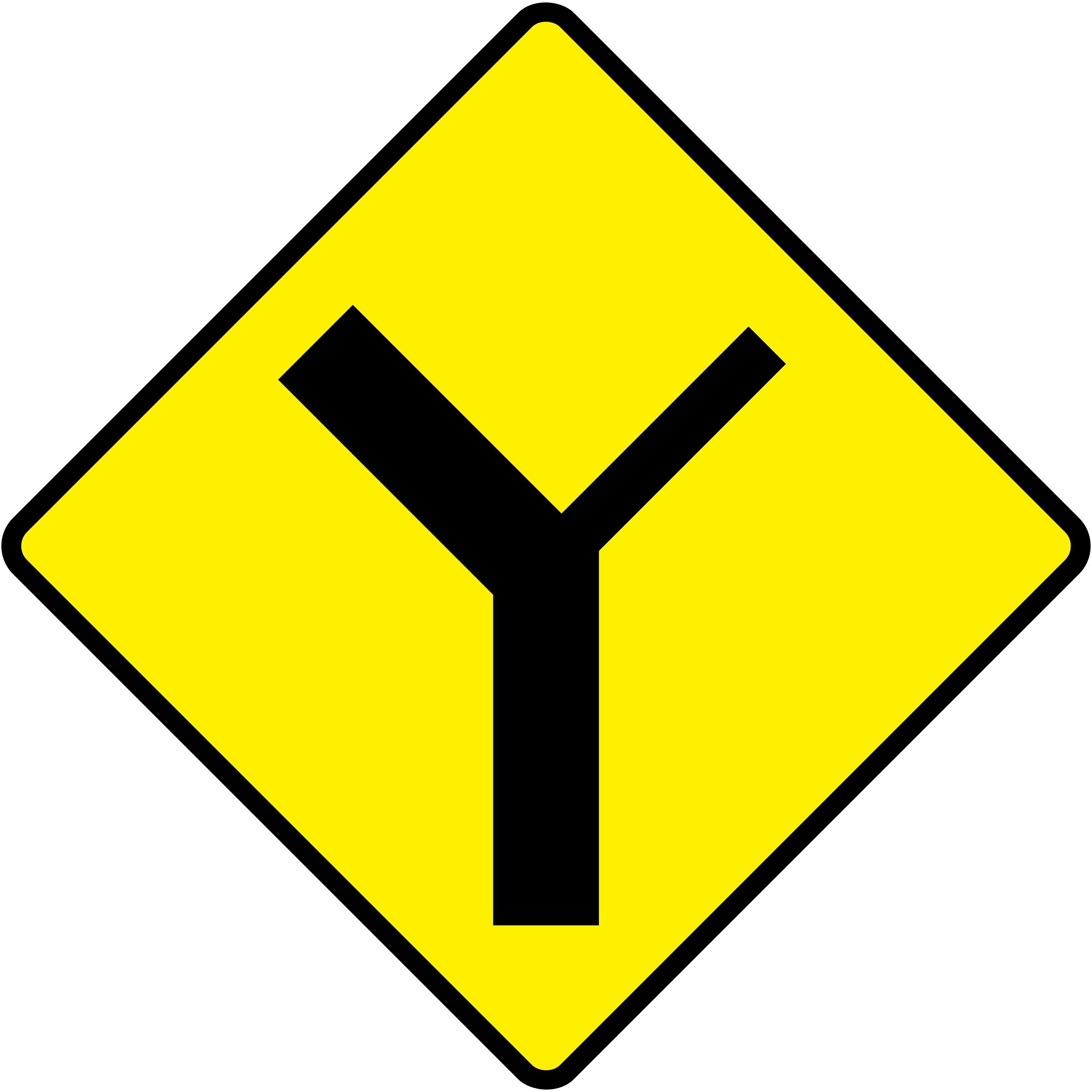
Y-junction A Y-junction is ahead. Slow down and choose your direction early.
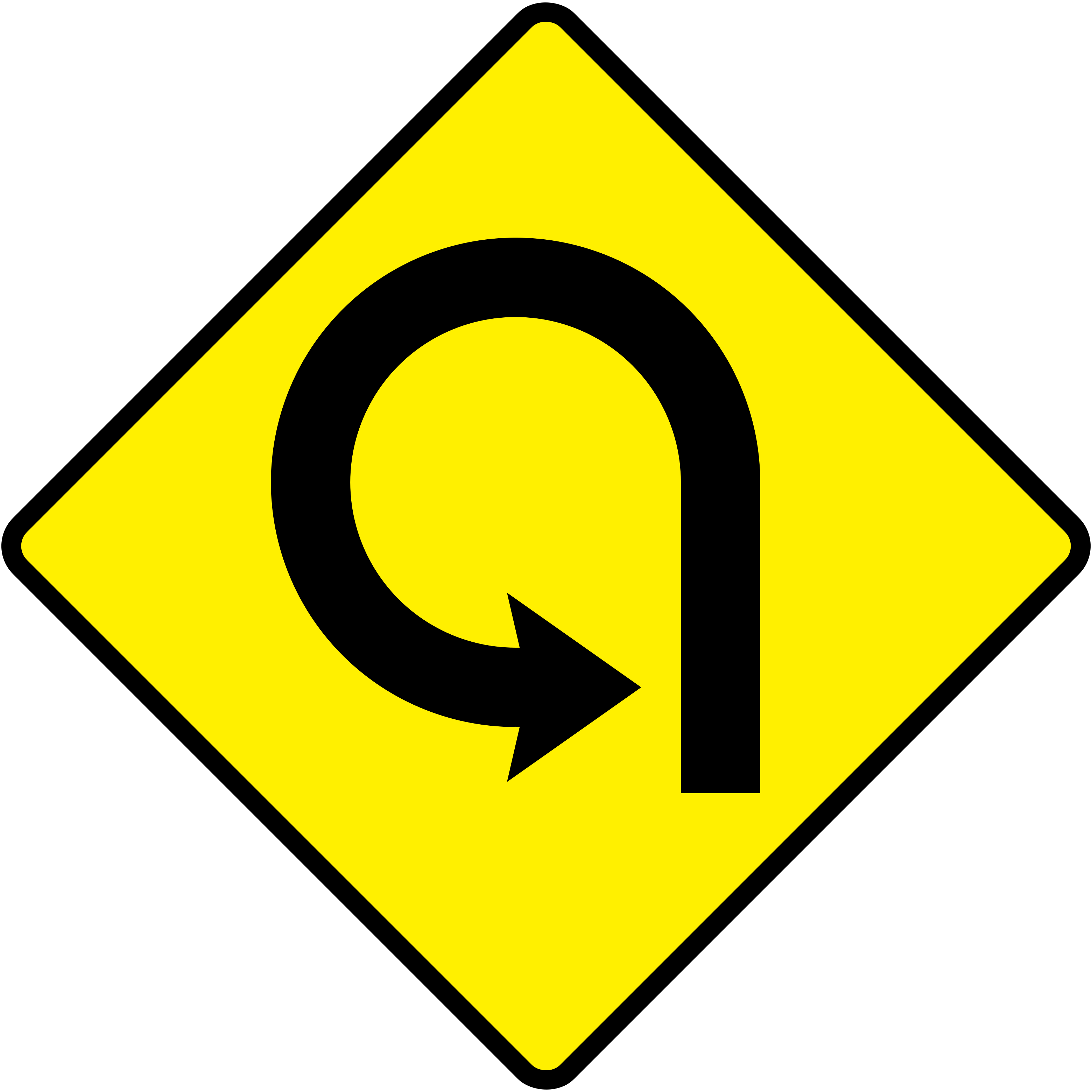
Hairpin bend A very sharp bend is ahead. Slow down well before it.
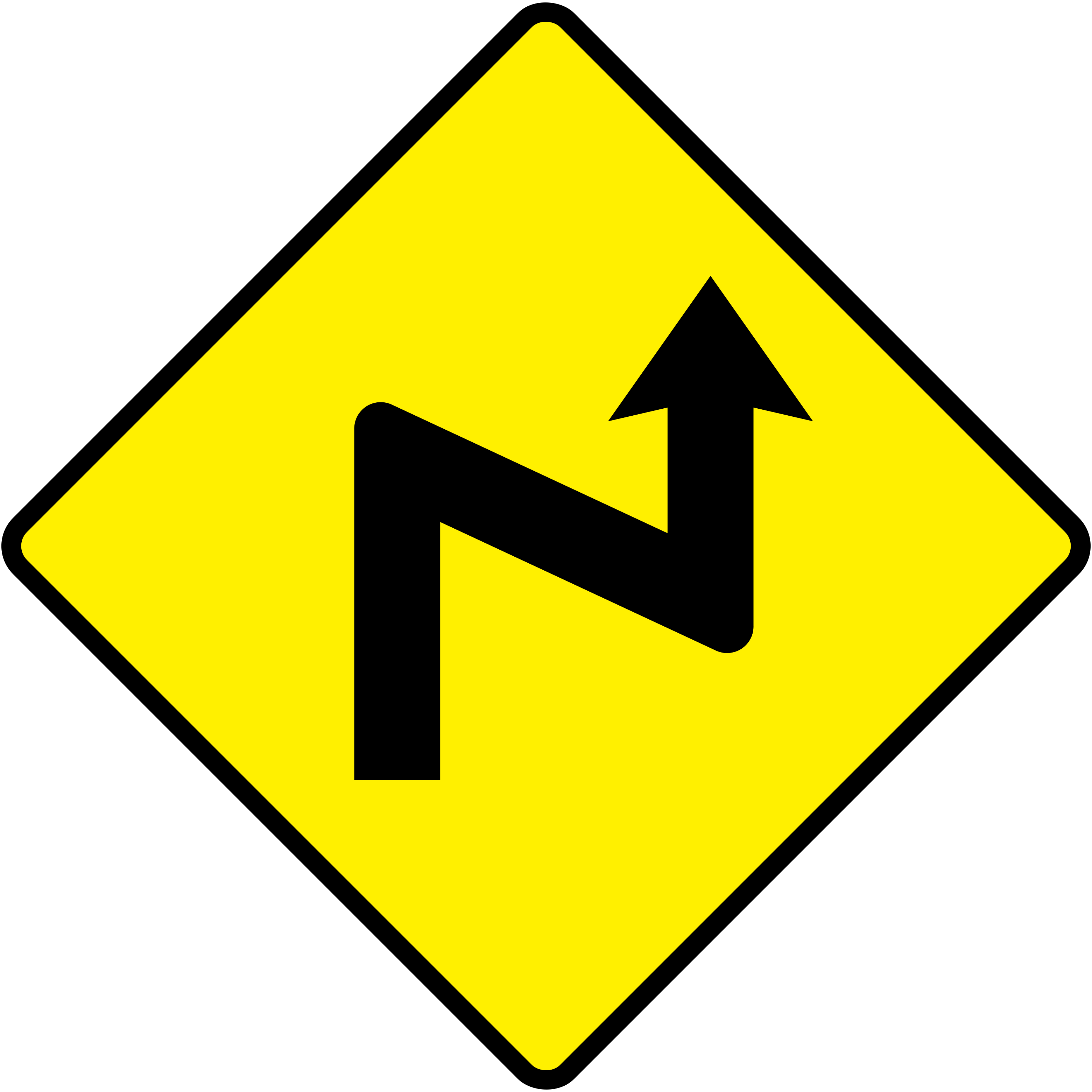
Double bend A double bend is ahead. Slow down; the first bend is in the direction shown.
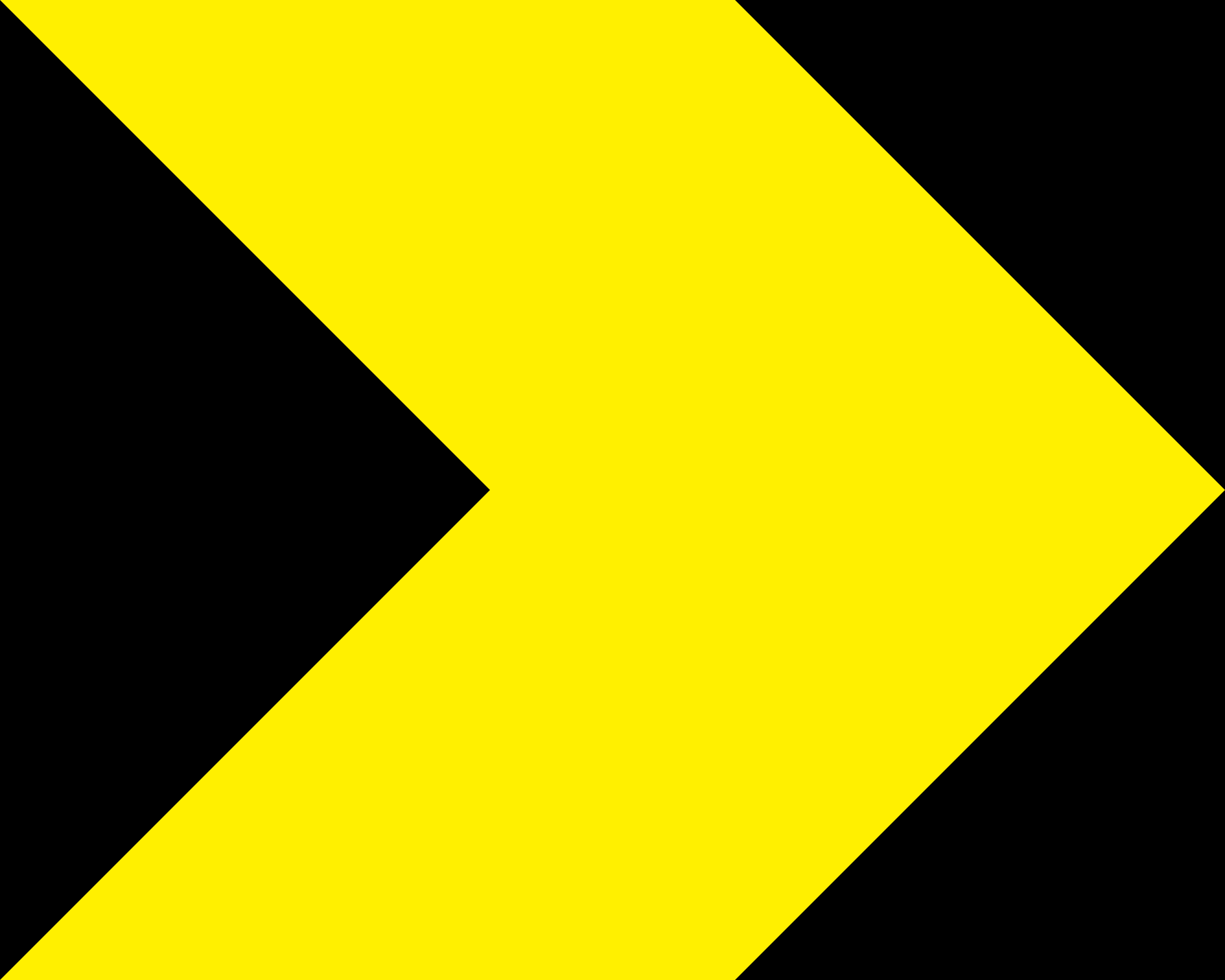
Sharp change of direction The road changes direction sharply. Slow down and follow the chevrons.
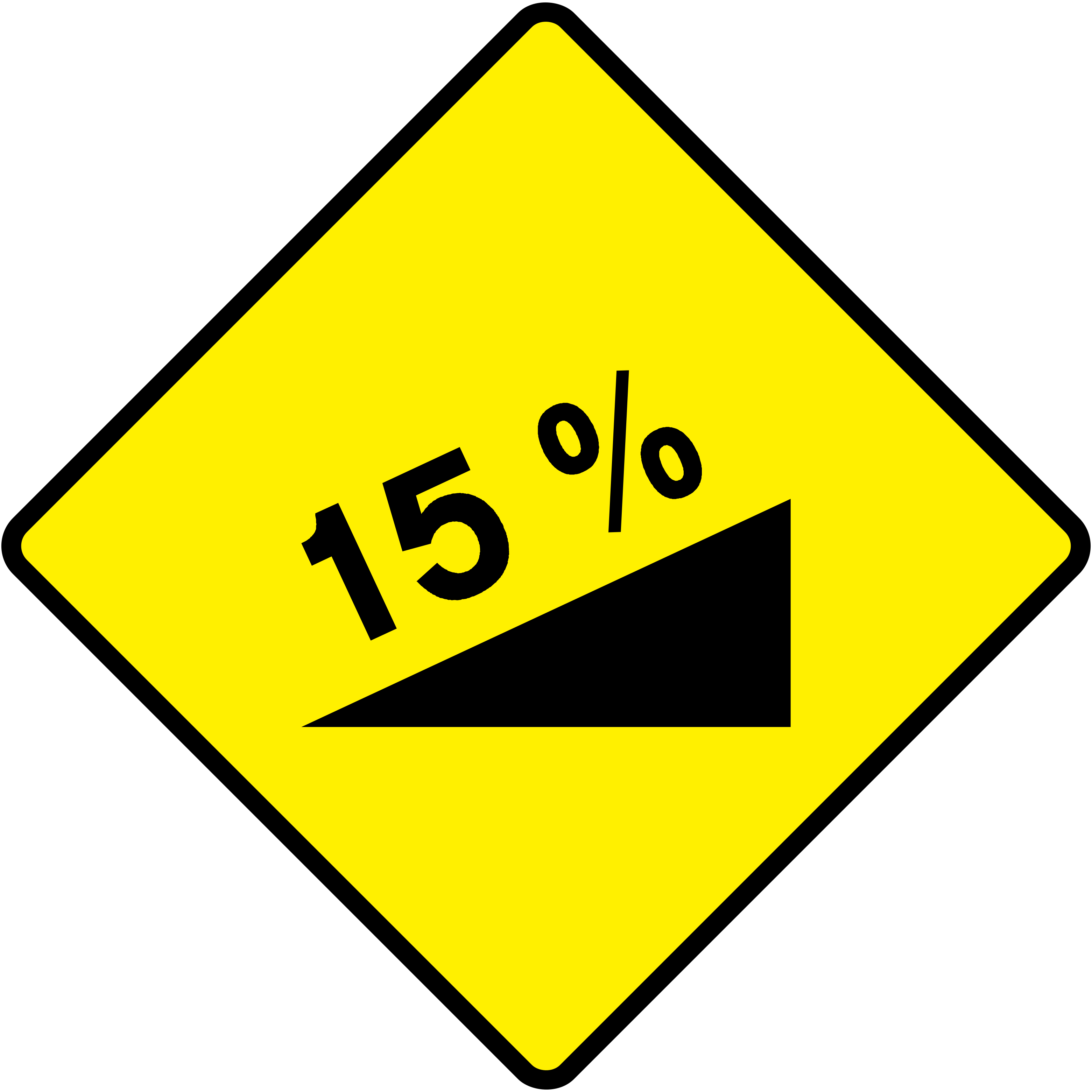
Steep descent A steep downhill slope is ahead. Use a lower gear to control your speed.
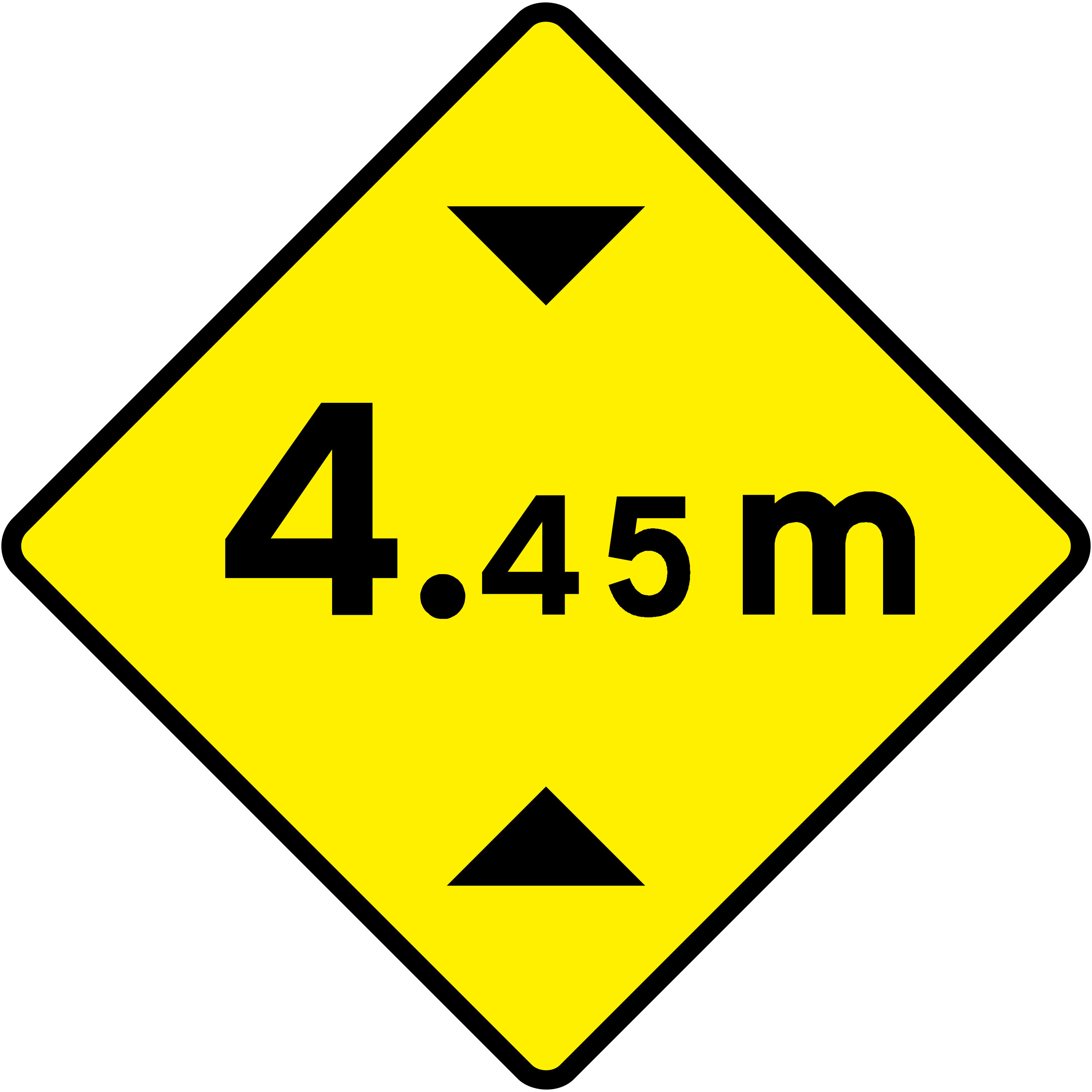
Restricted headroom Low headroom ahead; the clearance is shown. Taller vehicles must not pass.
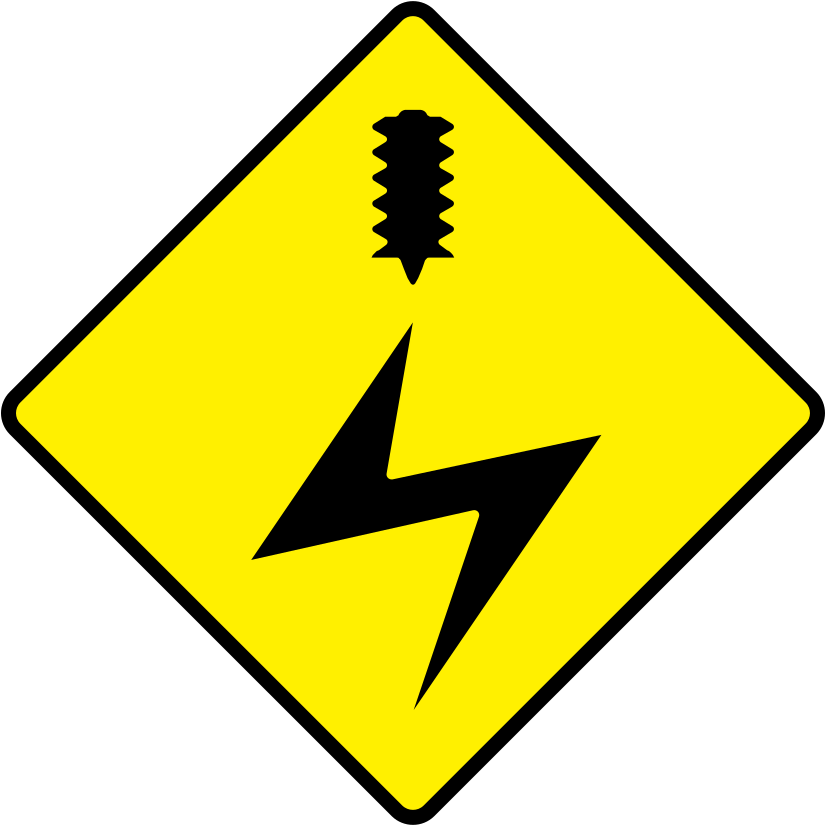
Overhead electric cables Overhead electric cables are ahead. Take care with high loads.
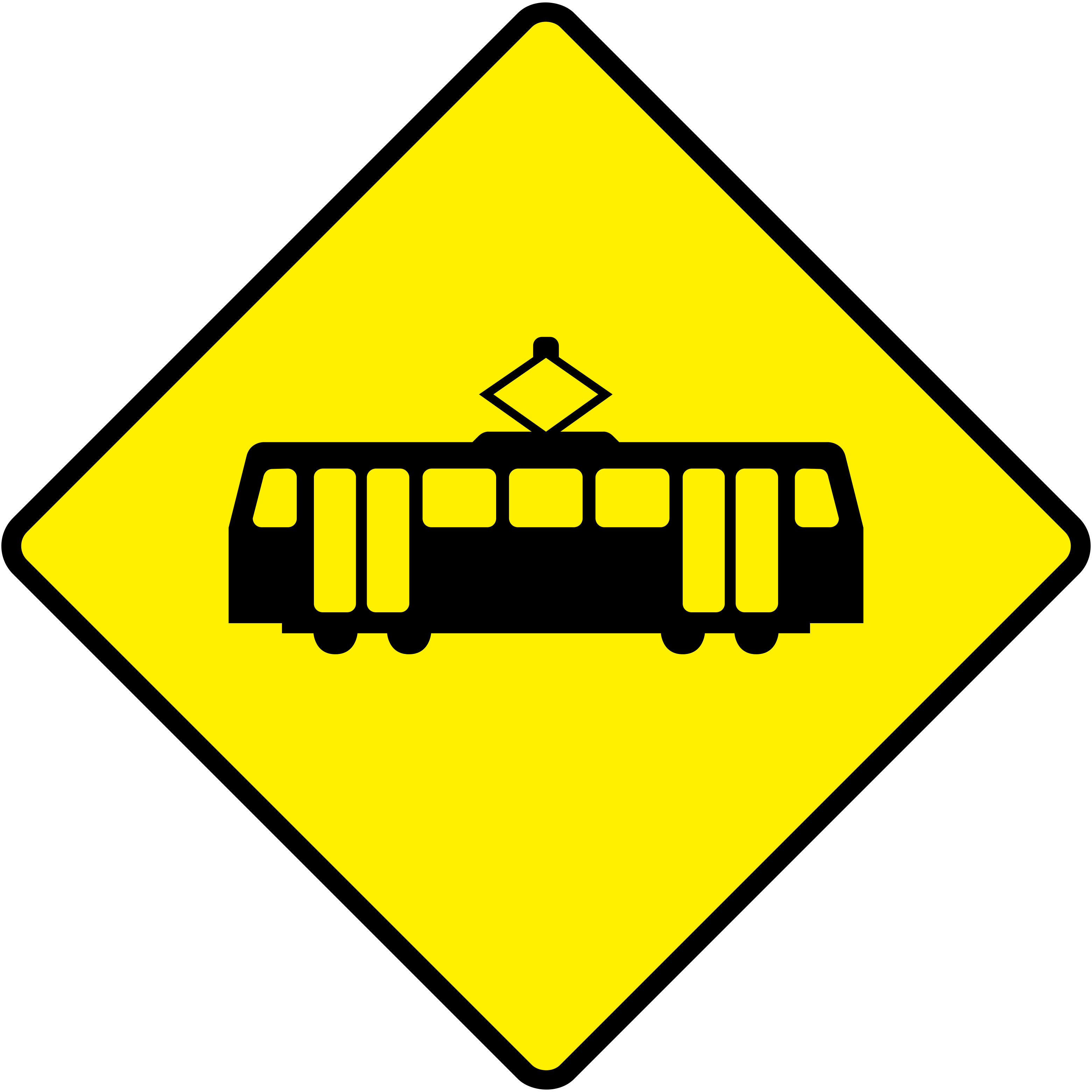
Tram crossing ahead Trams cross the road ahead. Look both ways and do not stop on the tracks.
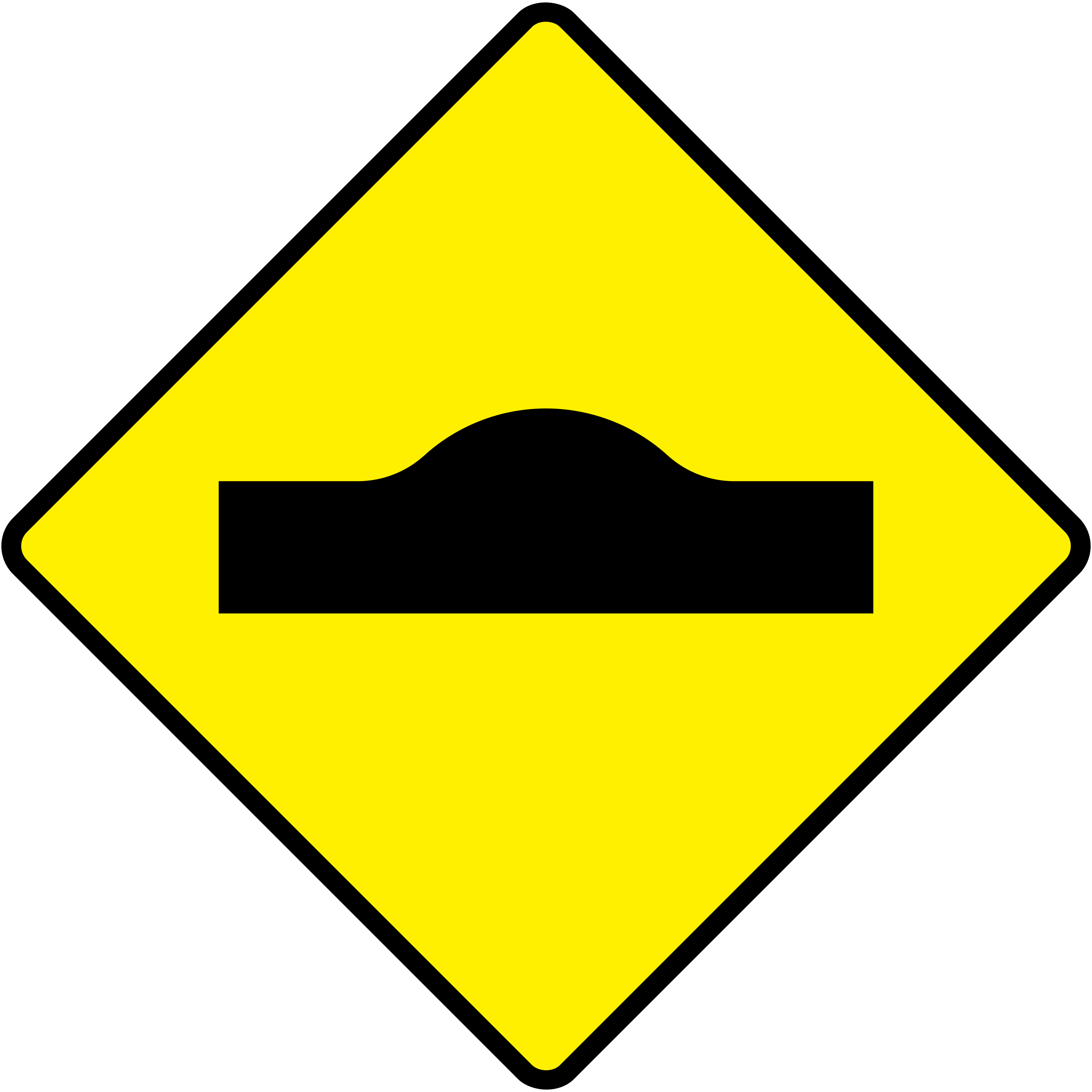
Hump or ramp A hump or ramp is ahead. Slow down.
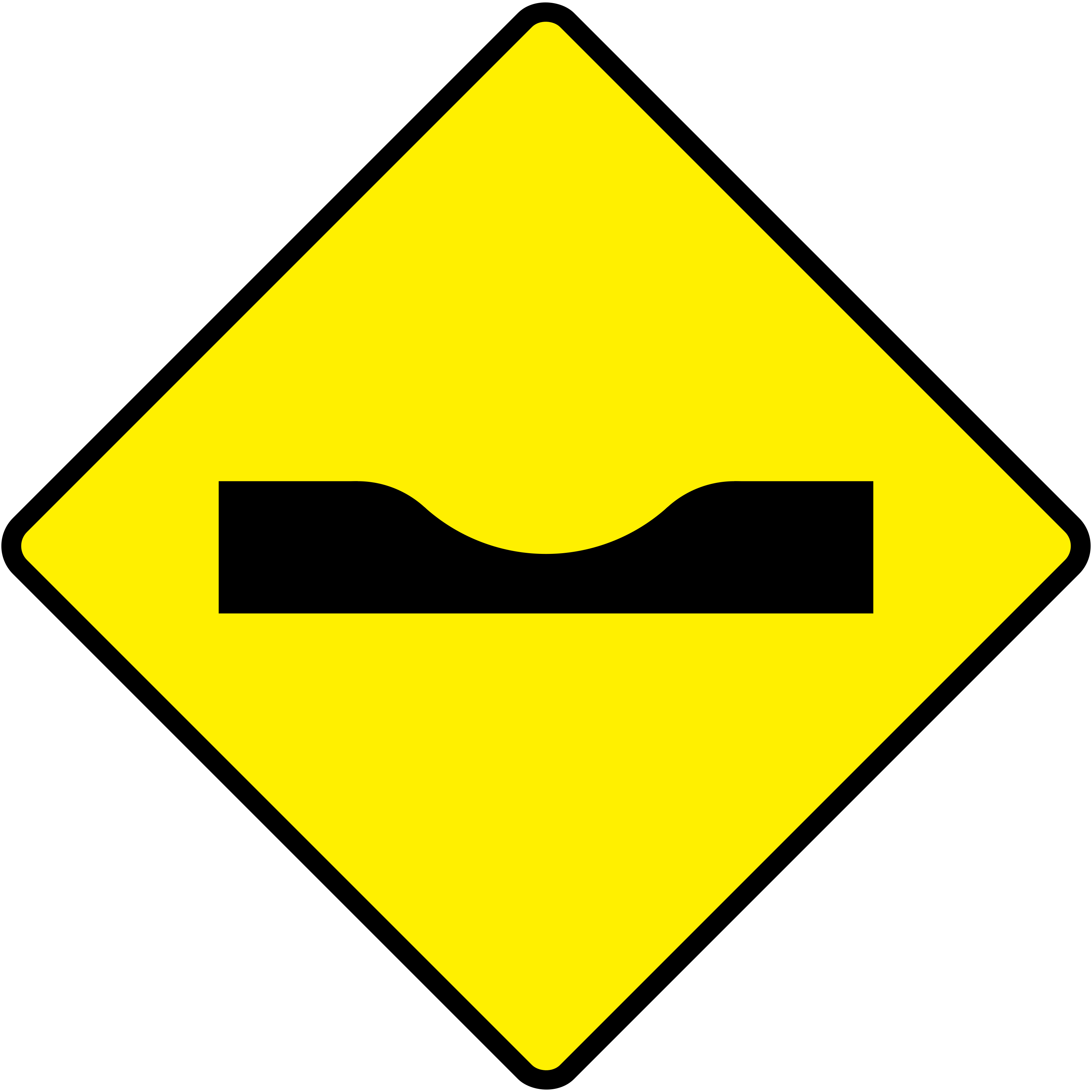
Dip A dip in the road is ahead. Slow down; it can hide oncoming traffic.
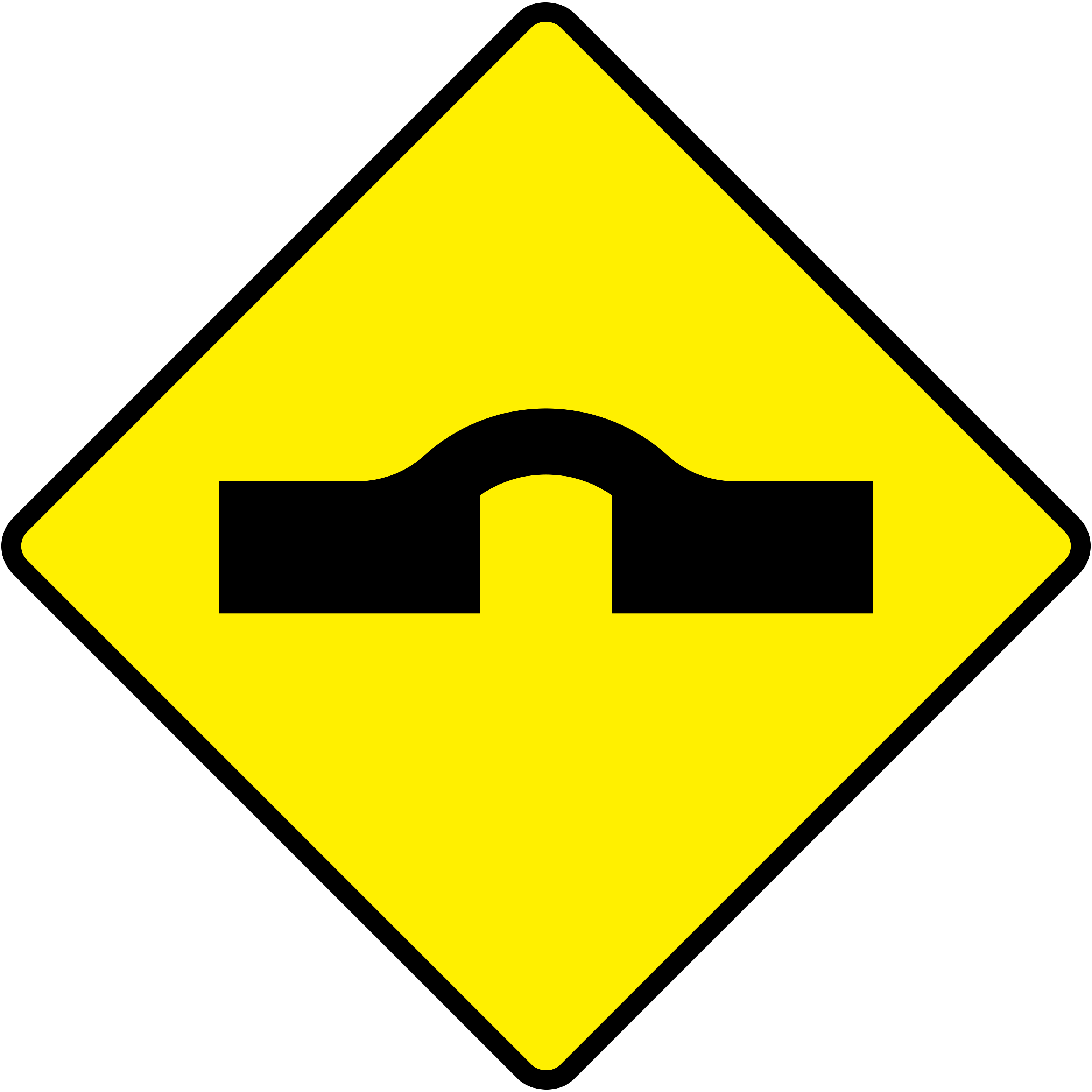
Hump-back bridge A hump-back bridge is ahead. Slow down; you may not see oncoming traffic.
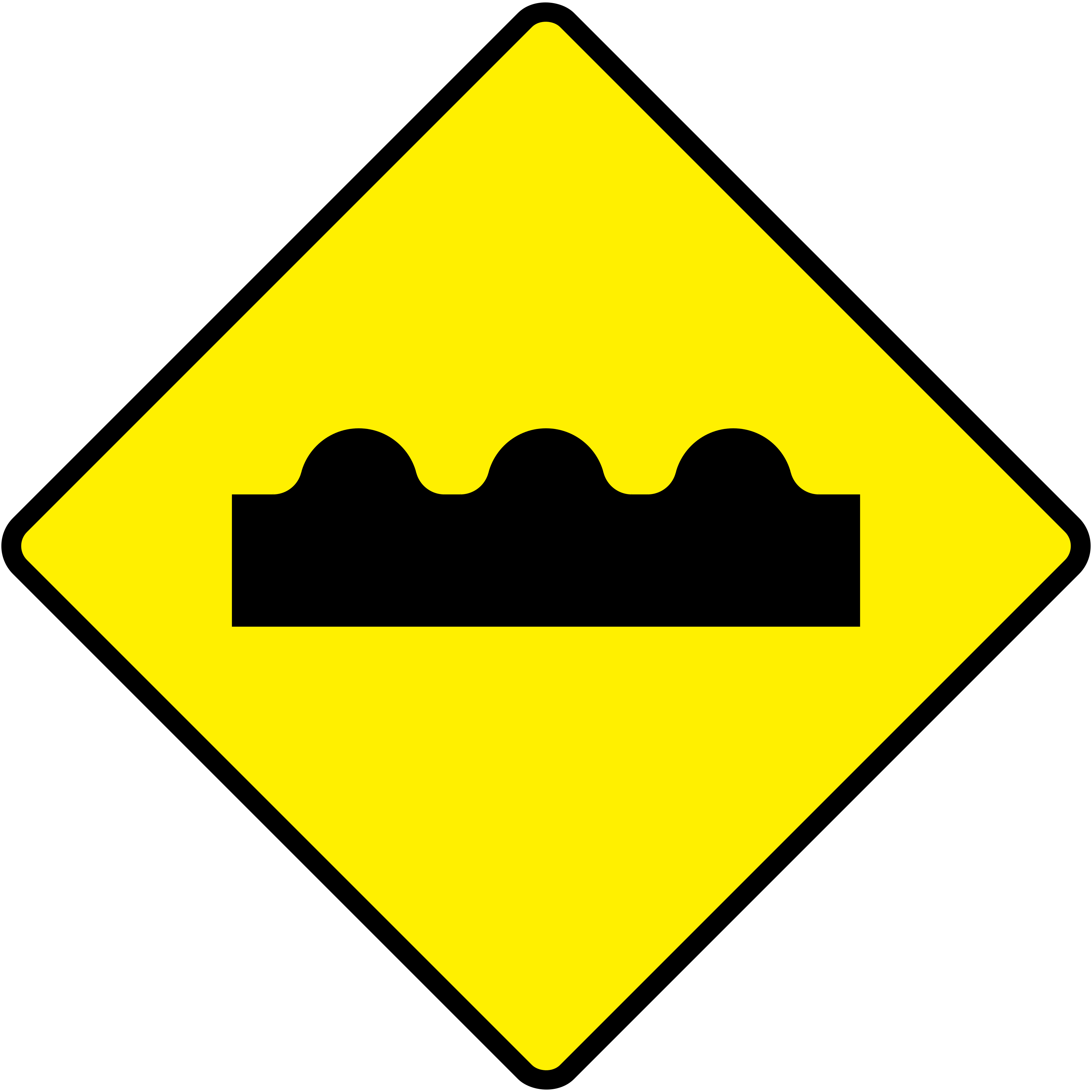
Uneven road The road surface ahead is uneven. Slow down to keep control.
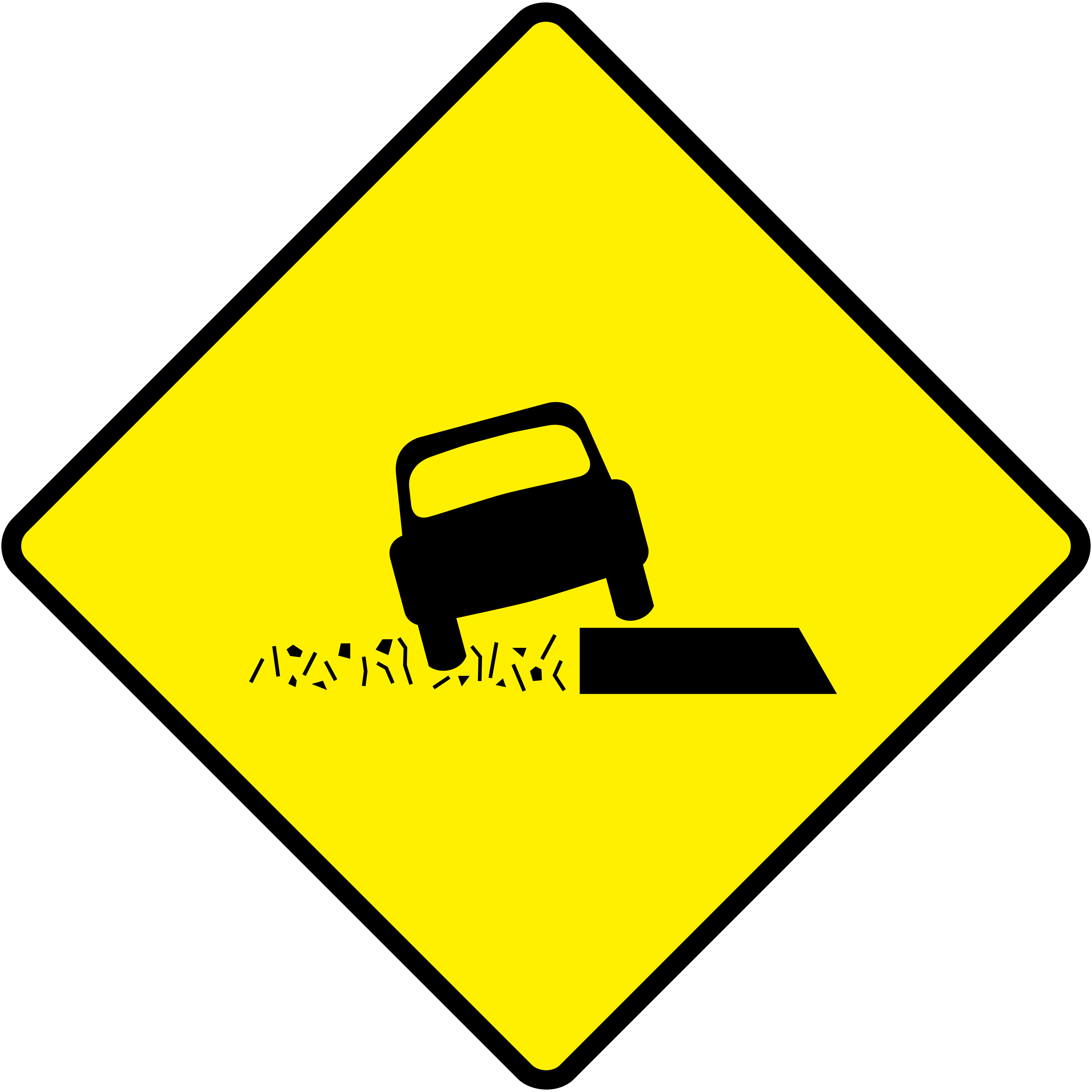
Soft verges The verges (road edges) are soft. Keep off the verge except in an emergency.
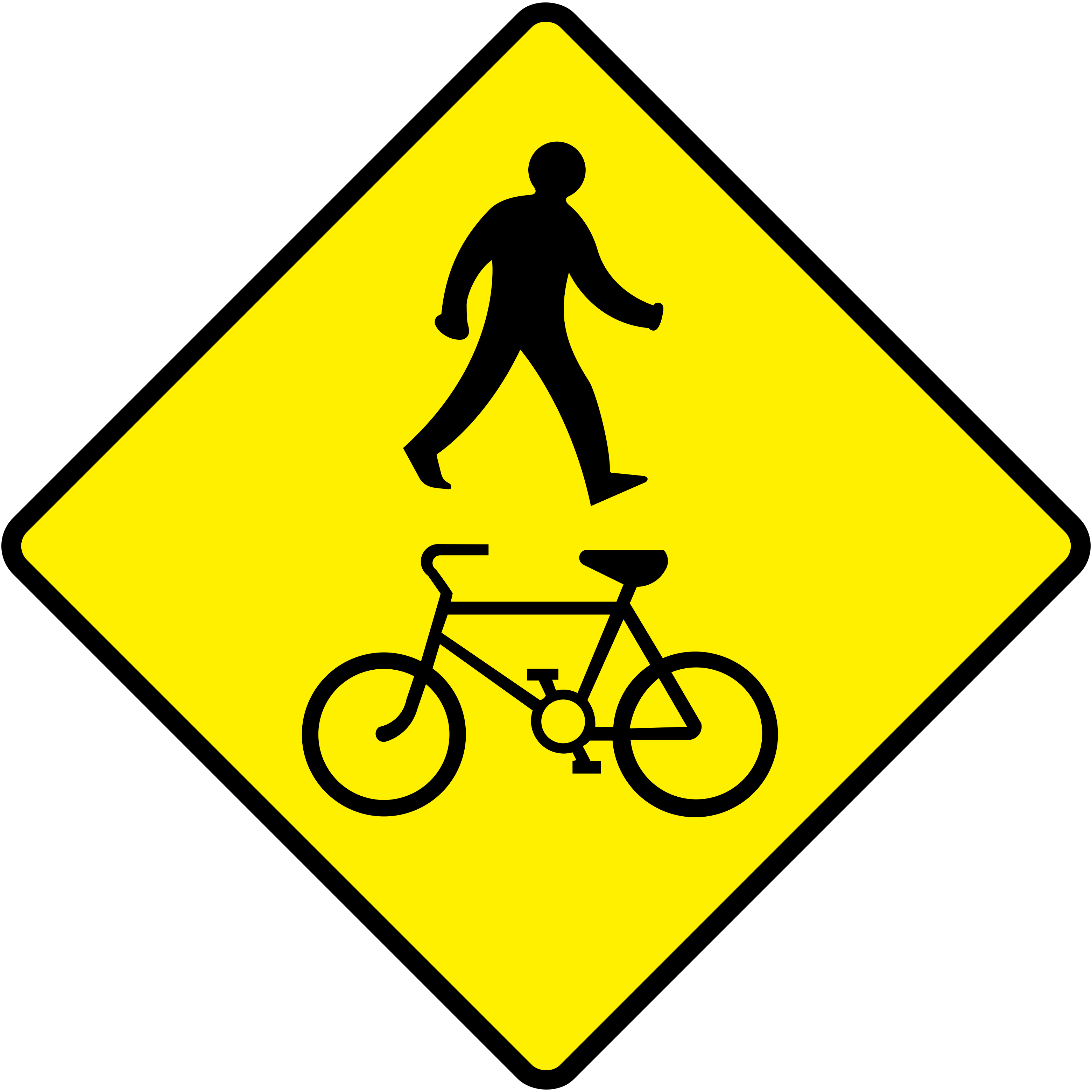
Pedestrians and cyclists Pedestrians and cyclists may be crossing ahead. Slow down and be ready to stop.
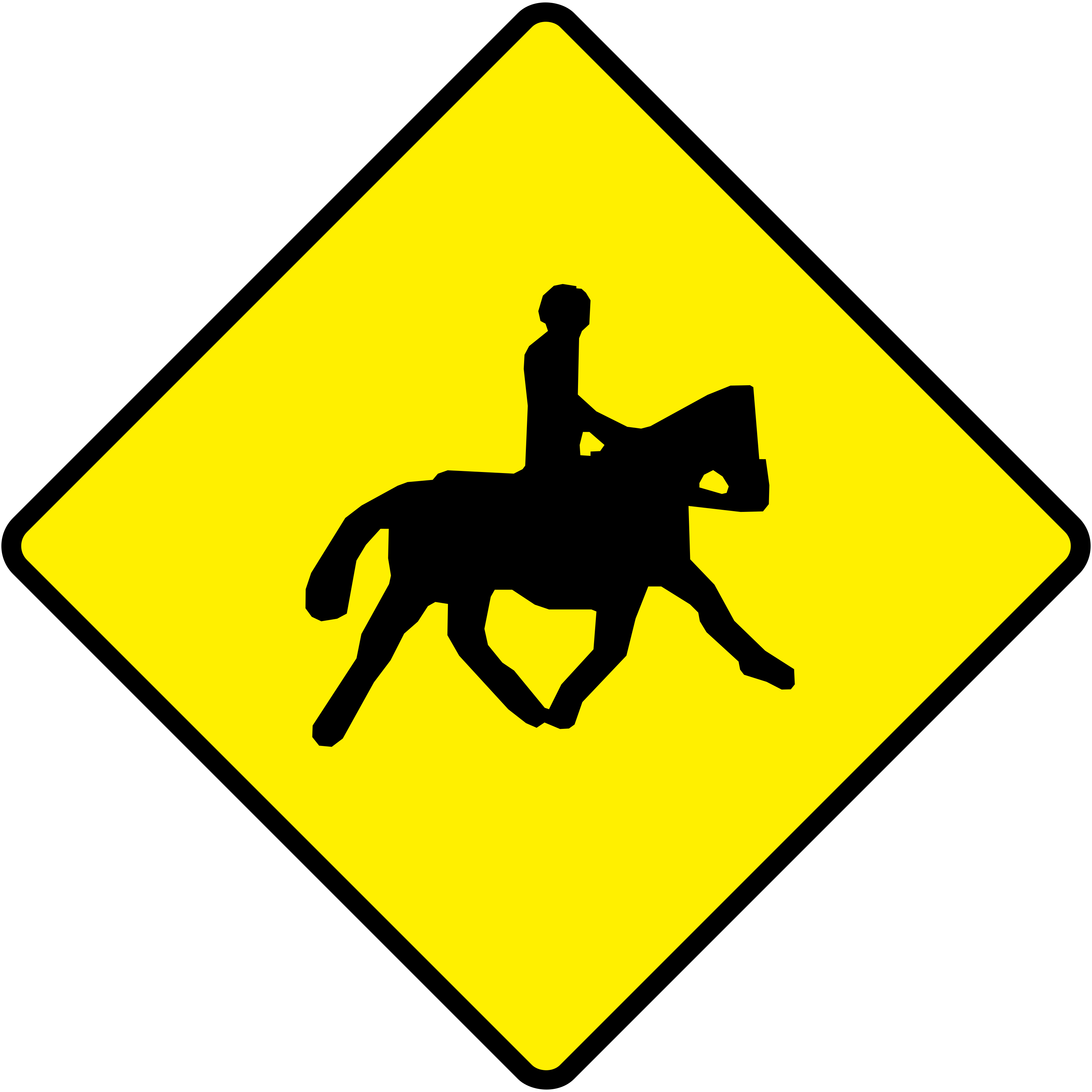
Horse riders Horse riders may be on the road ahead. Slow down and pass wide and slowly.
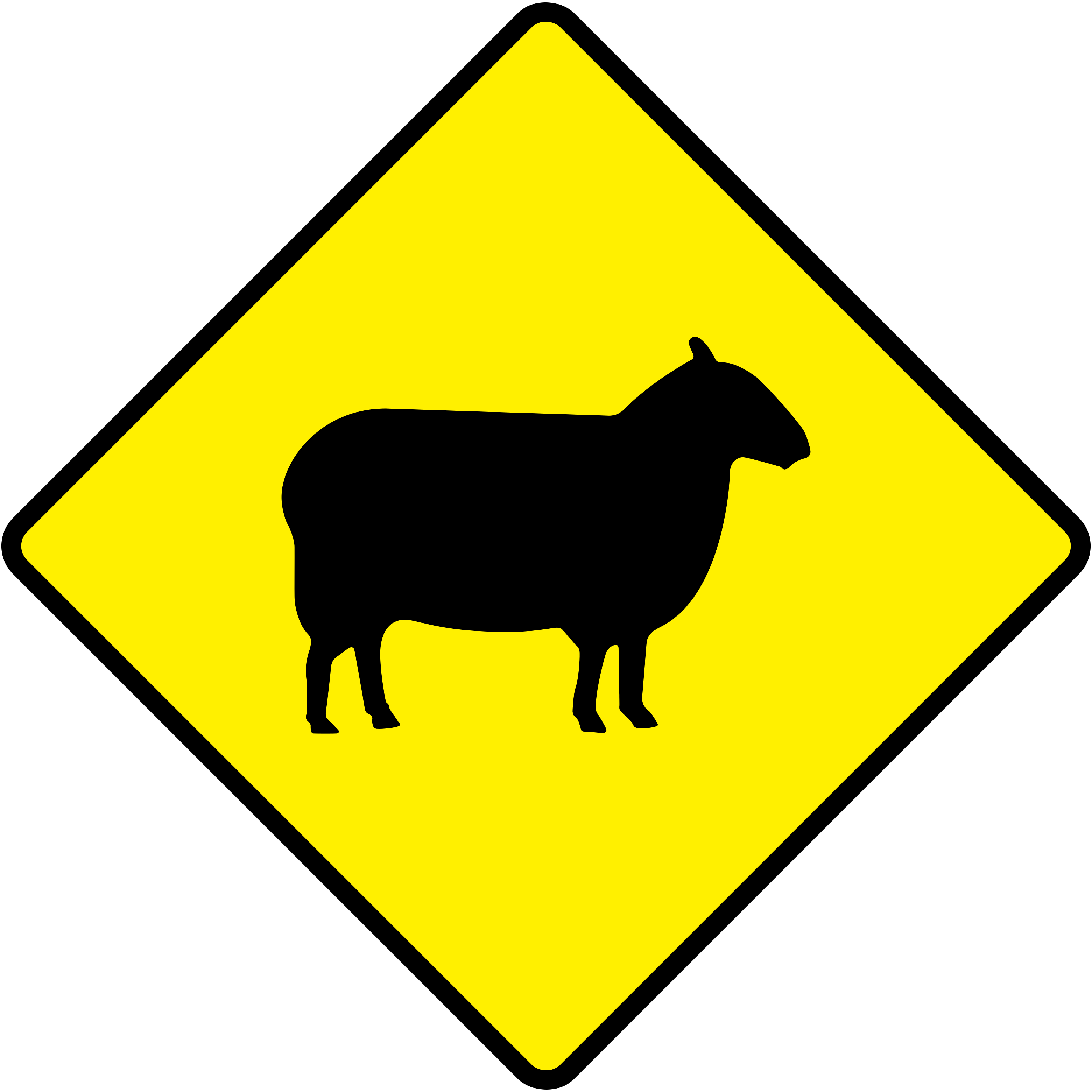
Sheep Sheep may be on the road ahead. Slow down and be ready to stop.
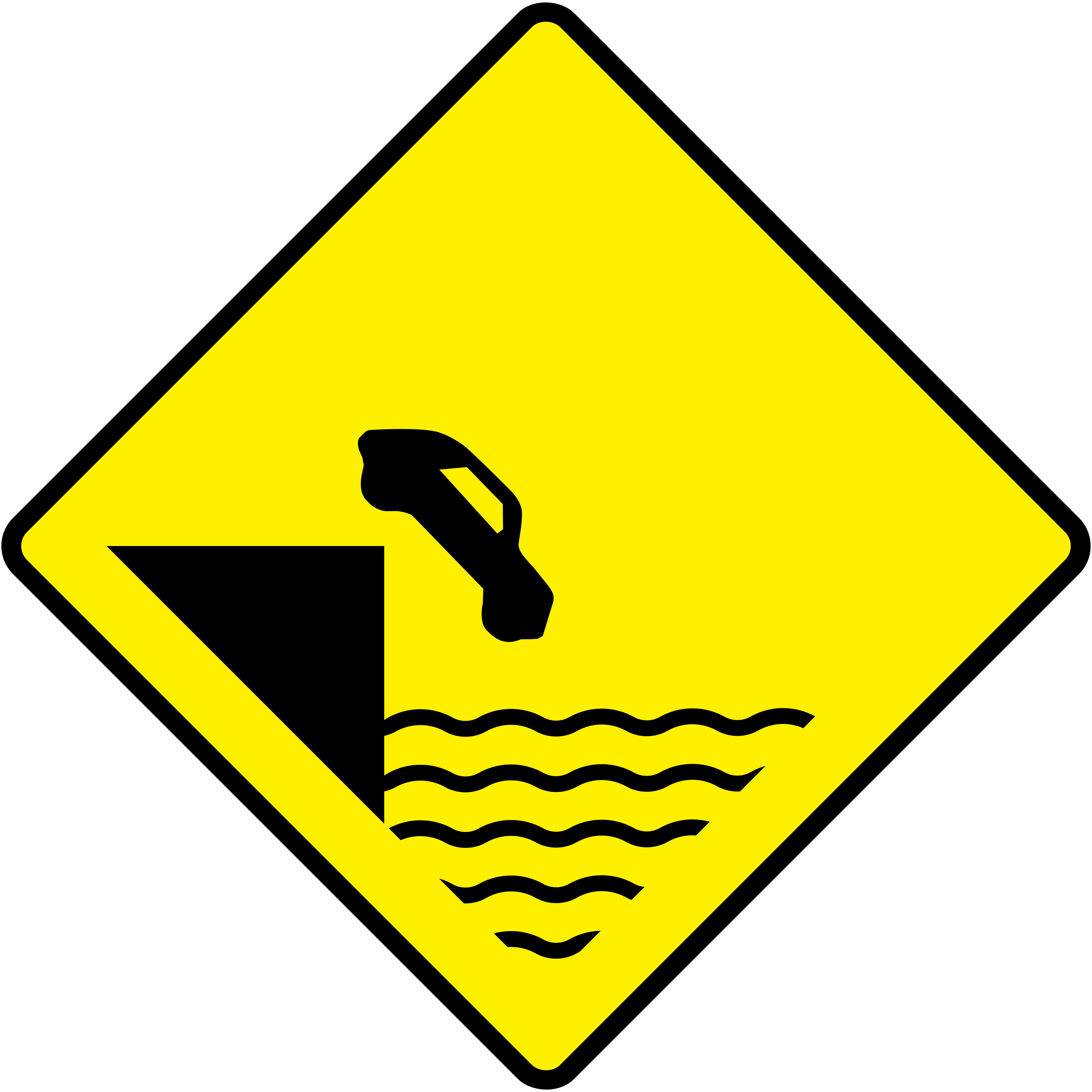
Quay or river bank The road runs beside a quay or river bank. Take care, especially at night or in fog.
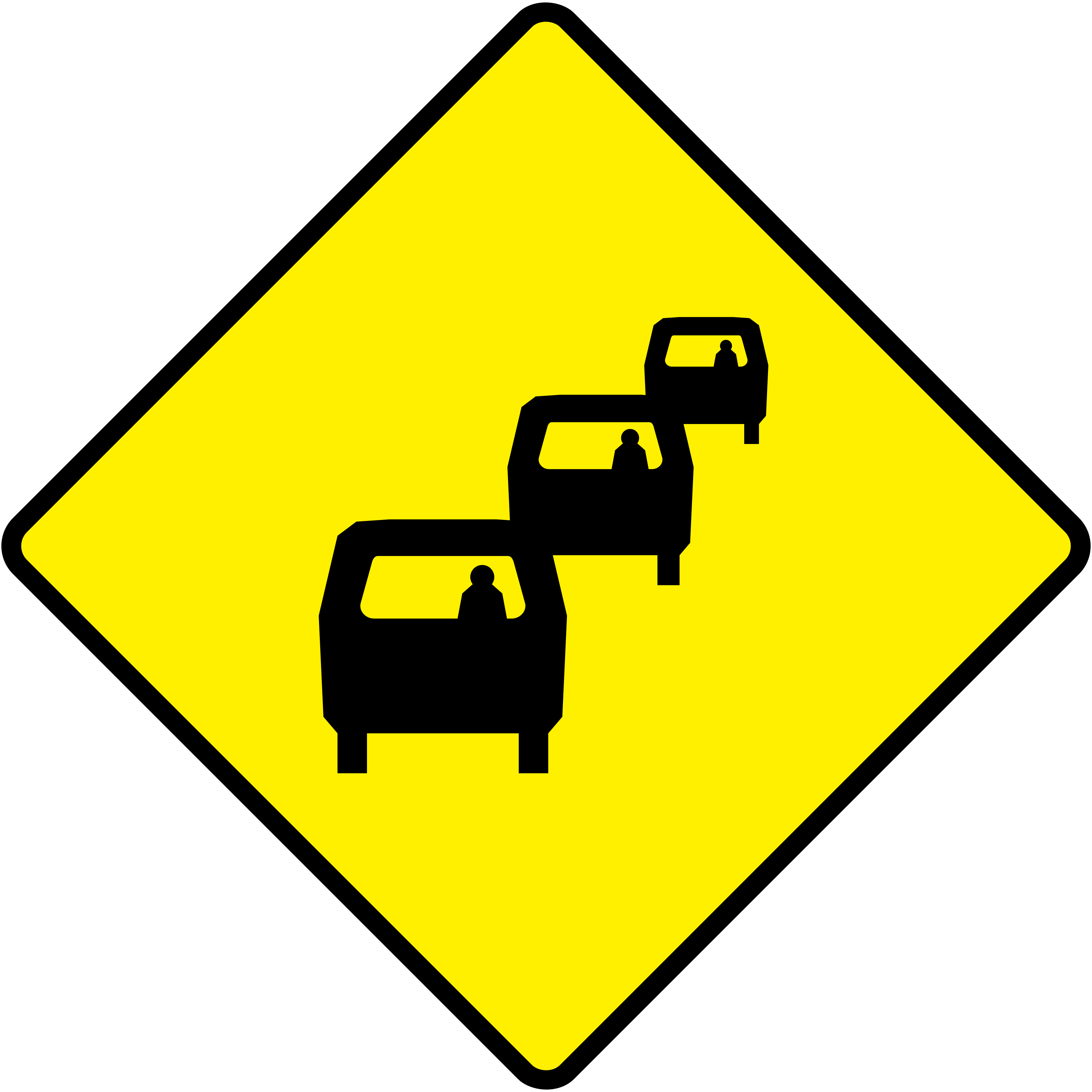
Queues likely There may be queuing traffic ahead. Slow down and be ready to stop.
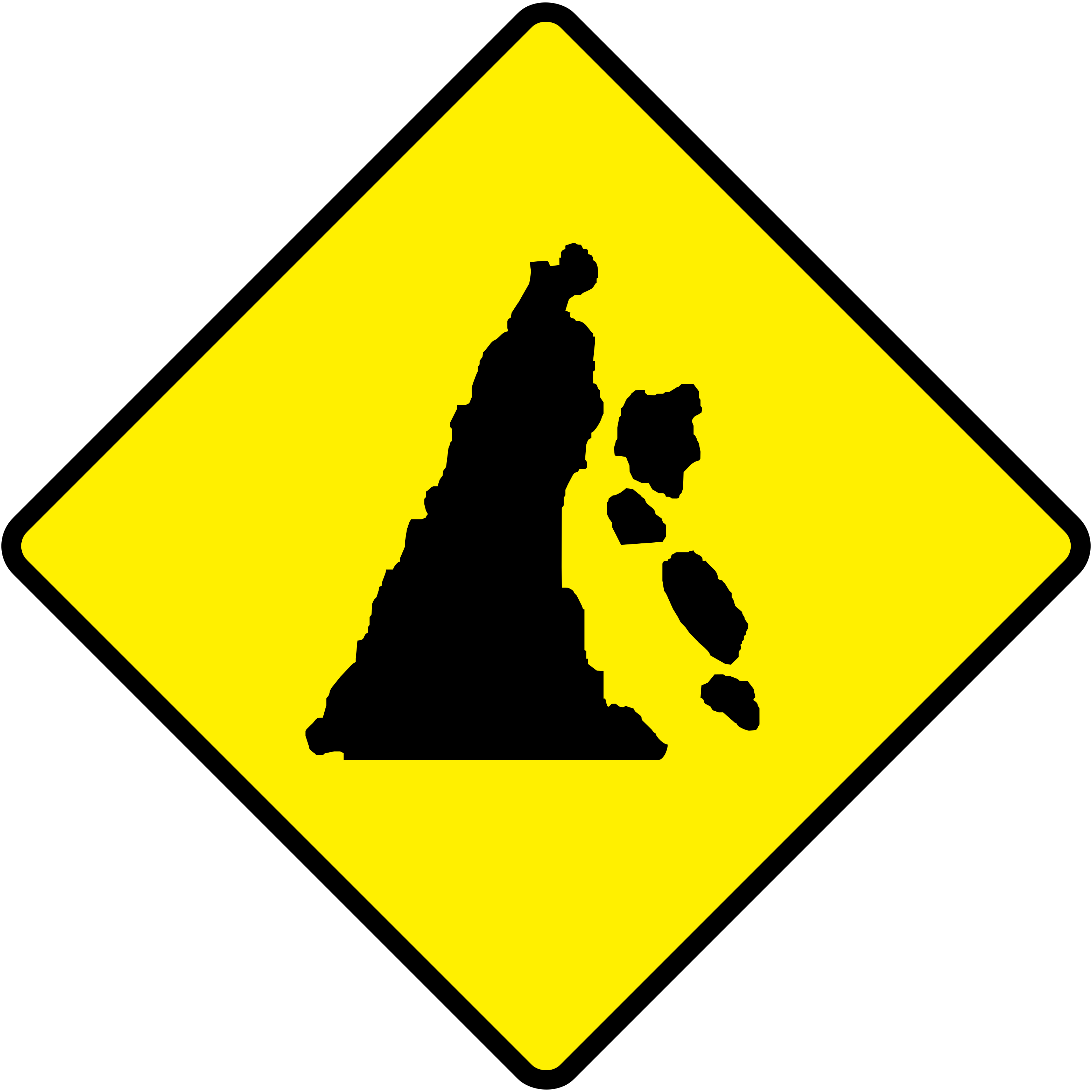
Falling rocks Rocks may fall or be on the road ahead. Watch for debris and do not stop under cliffs.
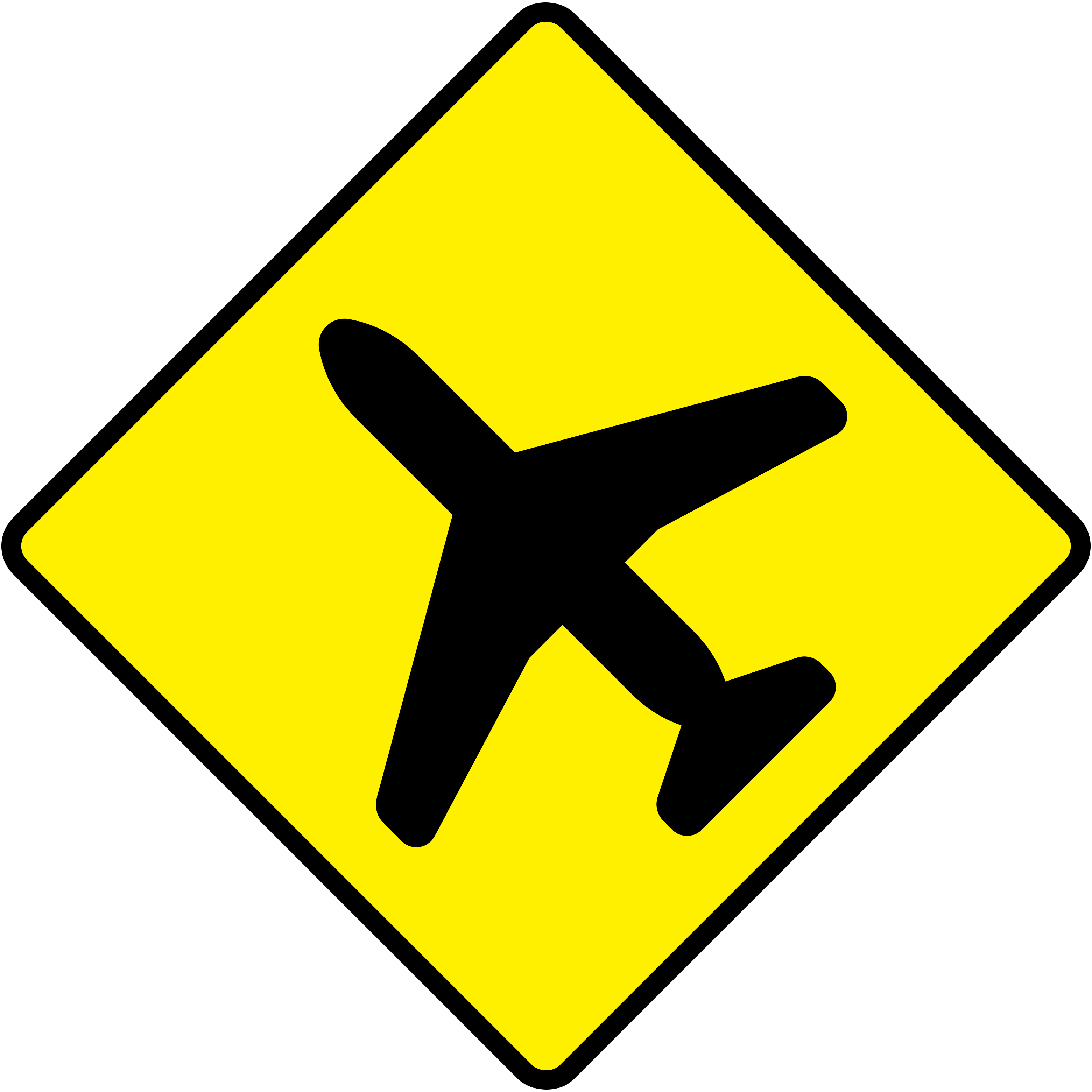
Low-flying aircraft Low-flying aircraft or sudden noise ahead. Do not be startled; keep your attention on the road.
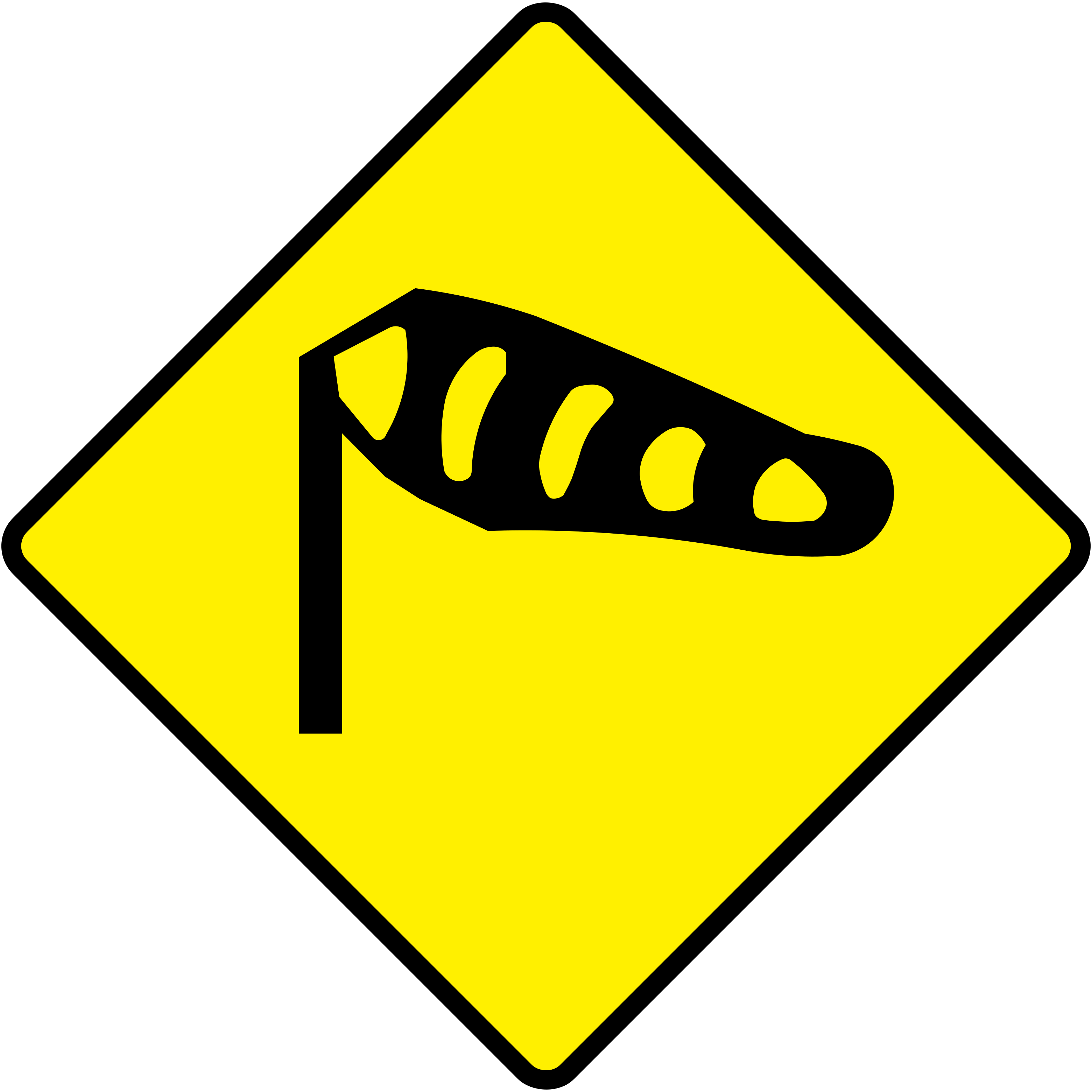
Crosswinds Strong side winds may affect your vehicle. Hold the steering wheel firmly and slow down.
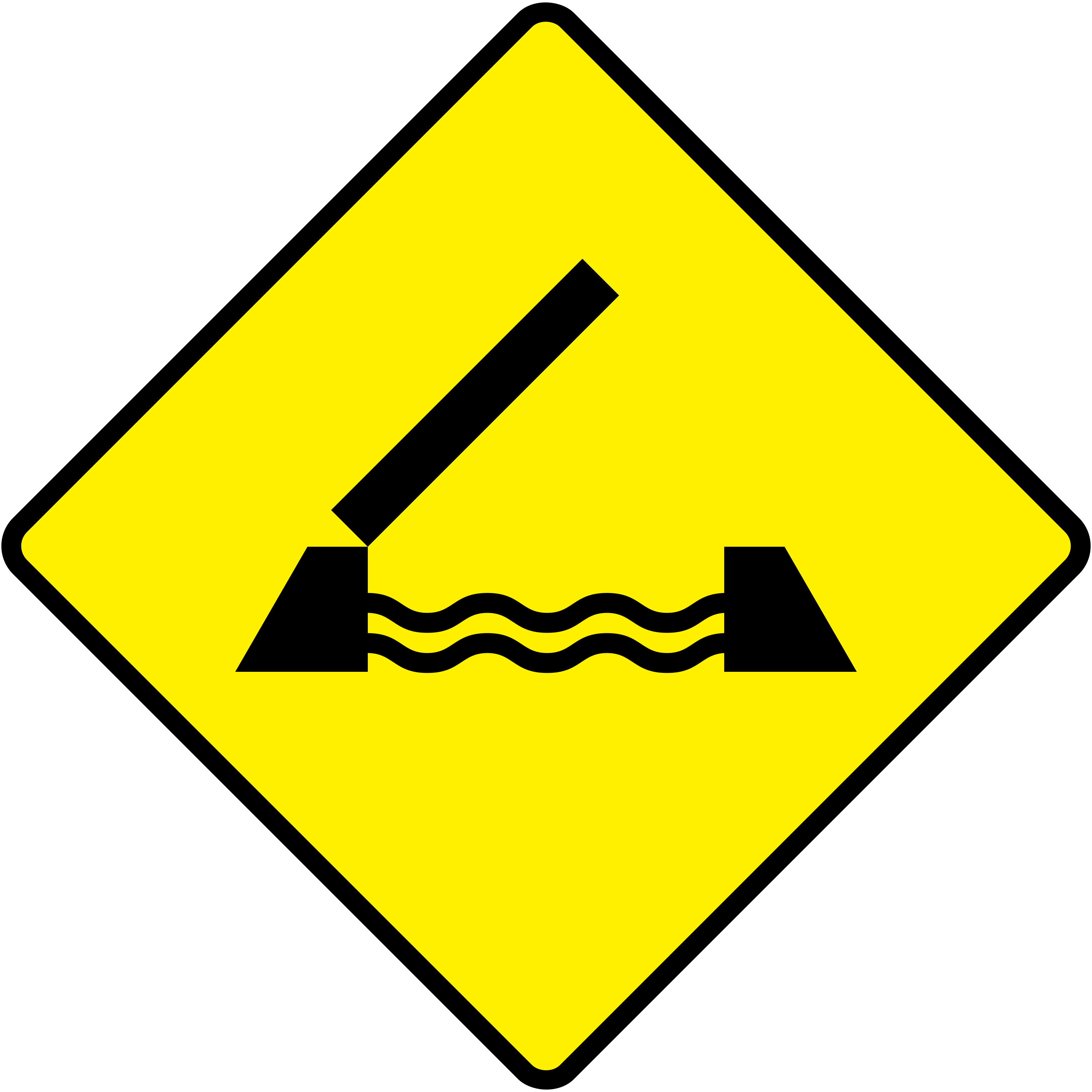
Opening or swing bridge A bridge that opens is ahead. Be ready to stop when it is open.
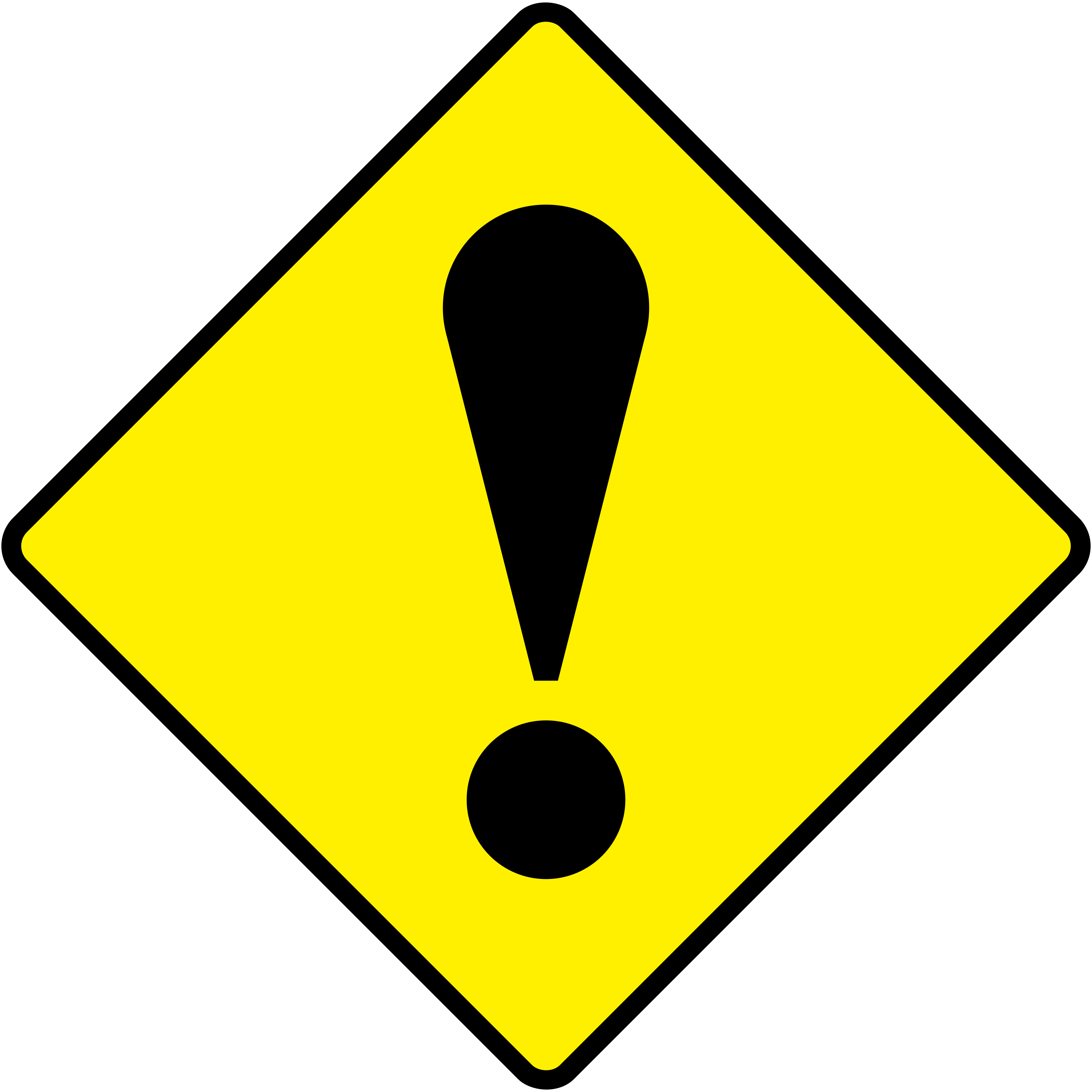
Other danger Other danger ahead; a plate may say what it is. Slow down and look for the hazard.
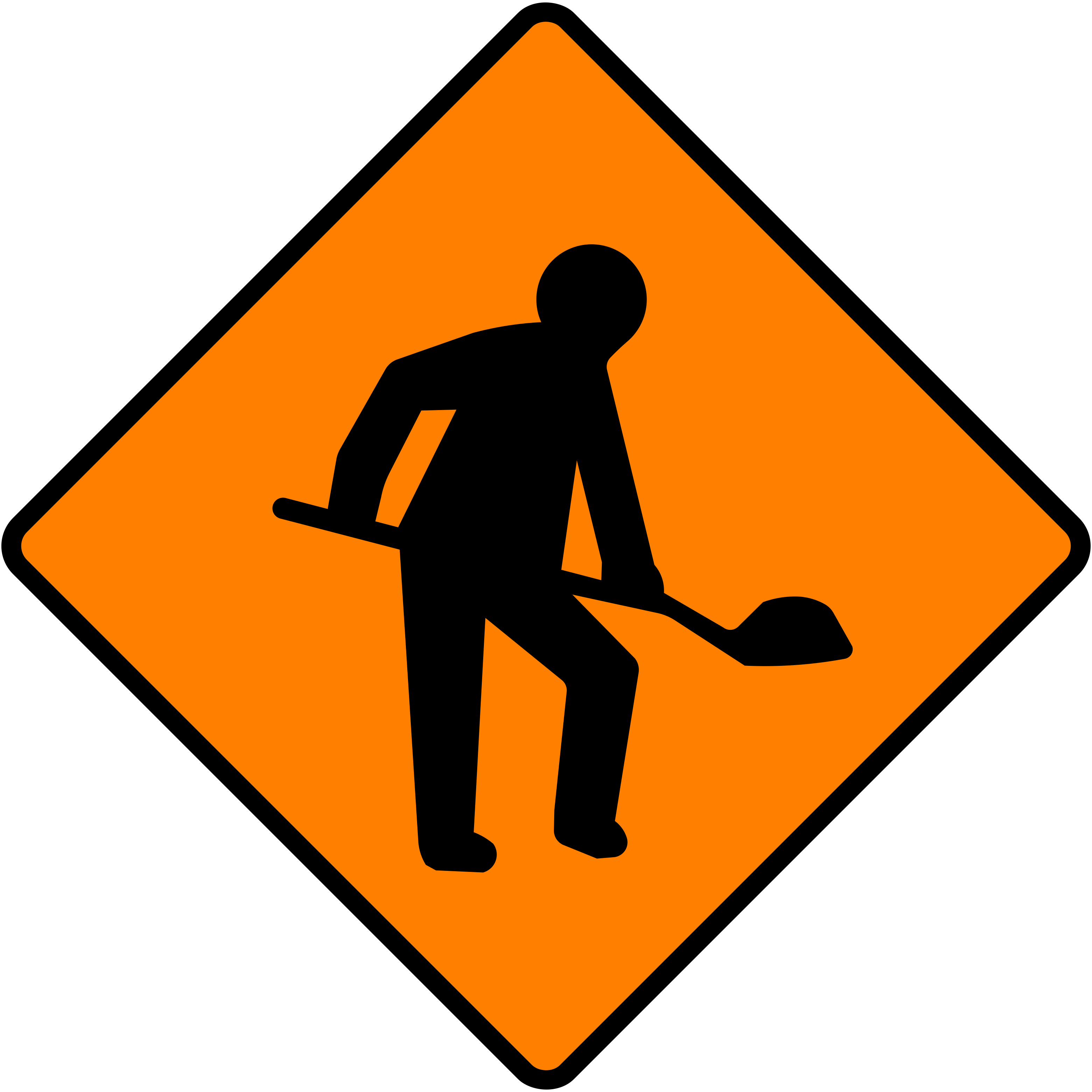
Roadworks Roadworks ahead. Slow down and obey any temporary speed limit.
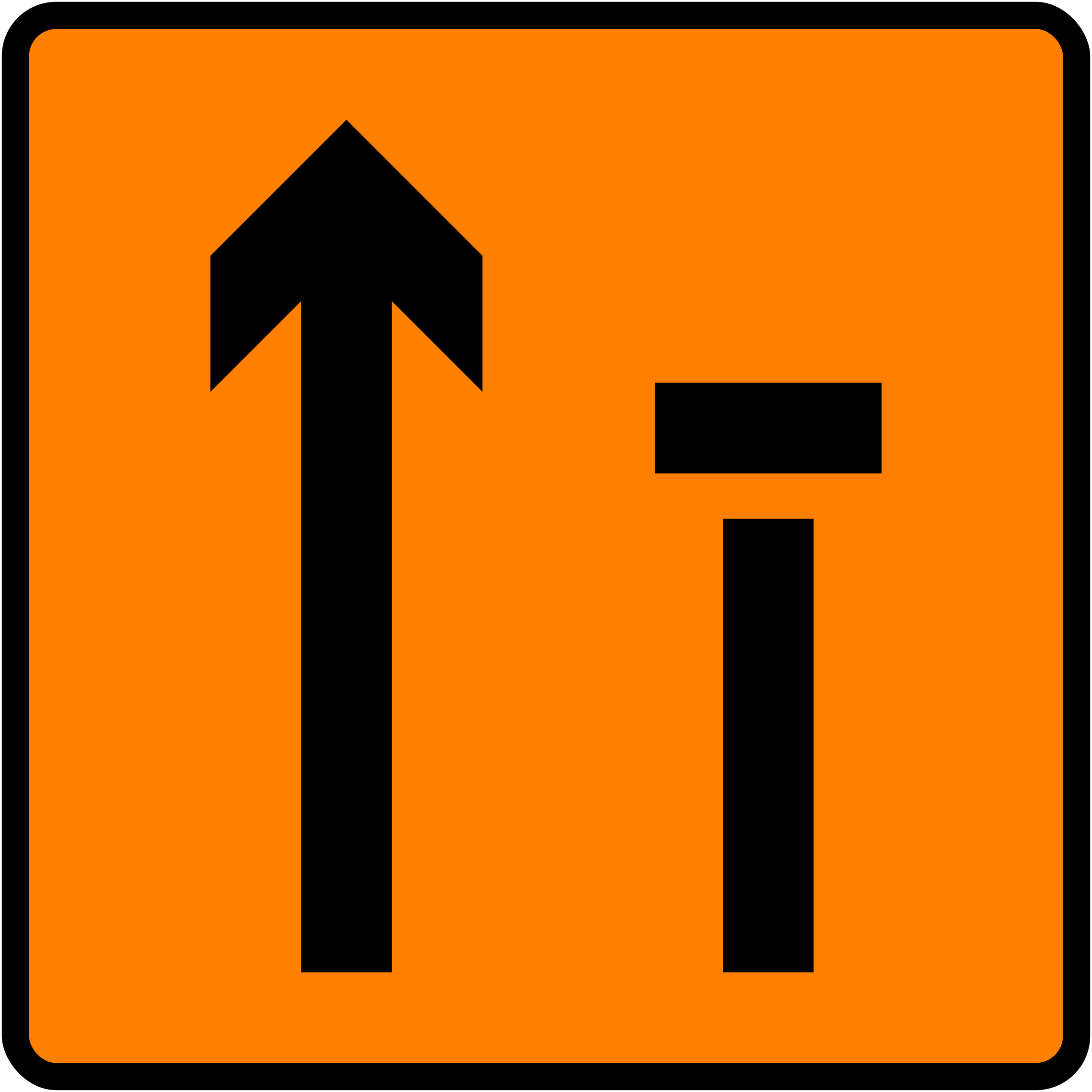
Right-hand lane closed The right-hand lane of two is closed ahead. Move into the open lane in good time.
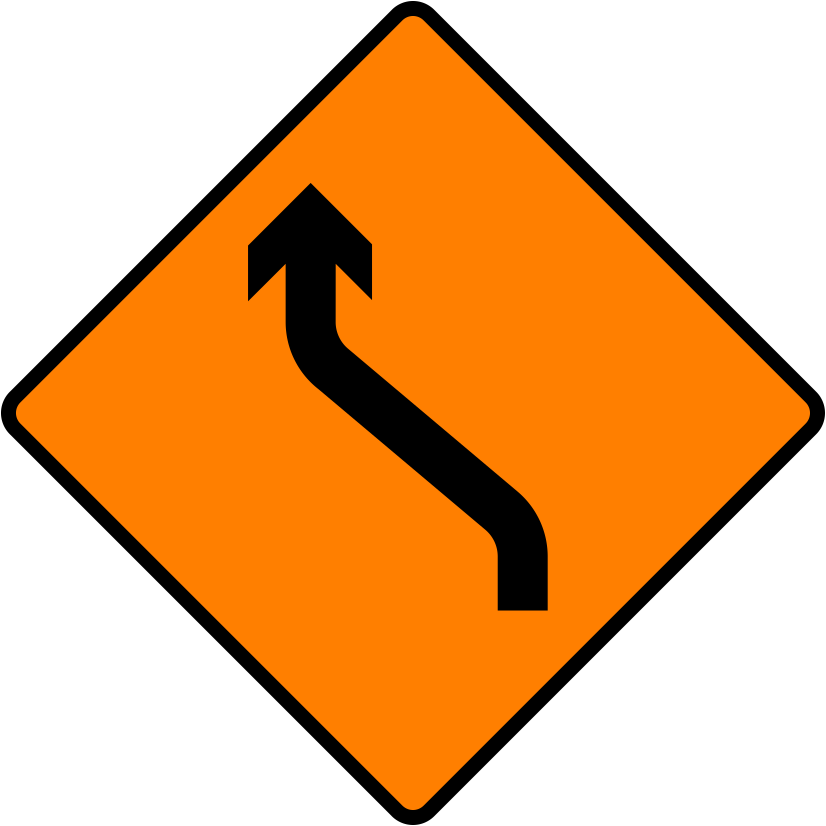
Move to the left Traffic must move one lane to the left ahead. Follow the arrow and keep to your lane.
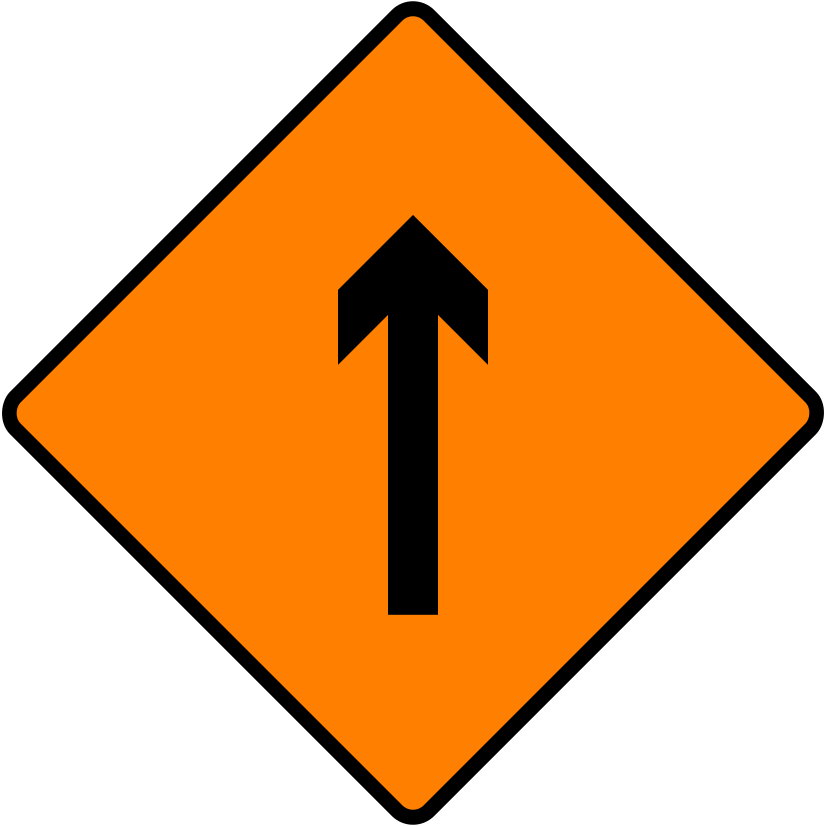
One-lane section Only one lane is open through the road works. Slow down and keep in line.
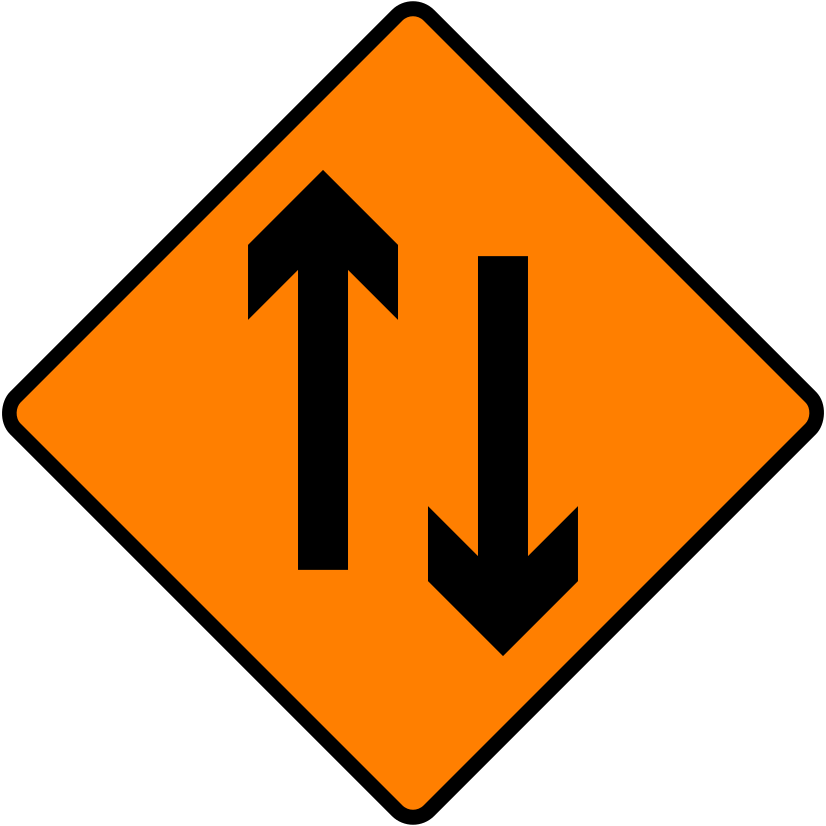
Two-way traffic (road works) Oncoming traffic shares the road through the works. Keep left and watch for oncoming vehicles.
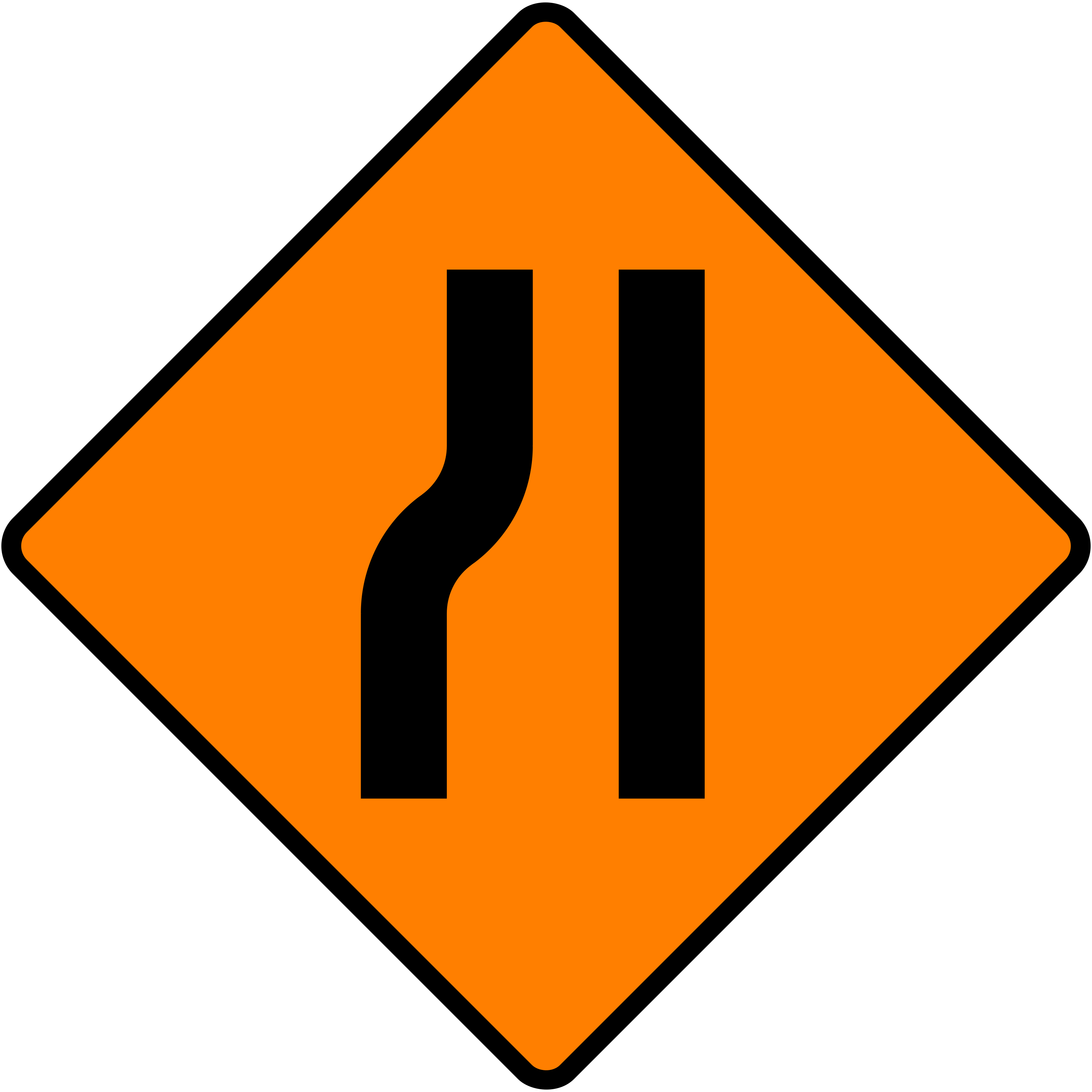
Road narrows on the left (road works) The road narrows on the left ahead. Slow down and merge if needed.
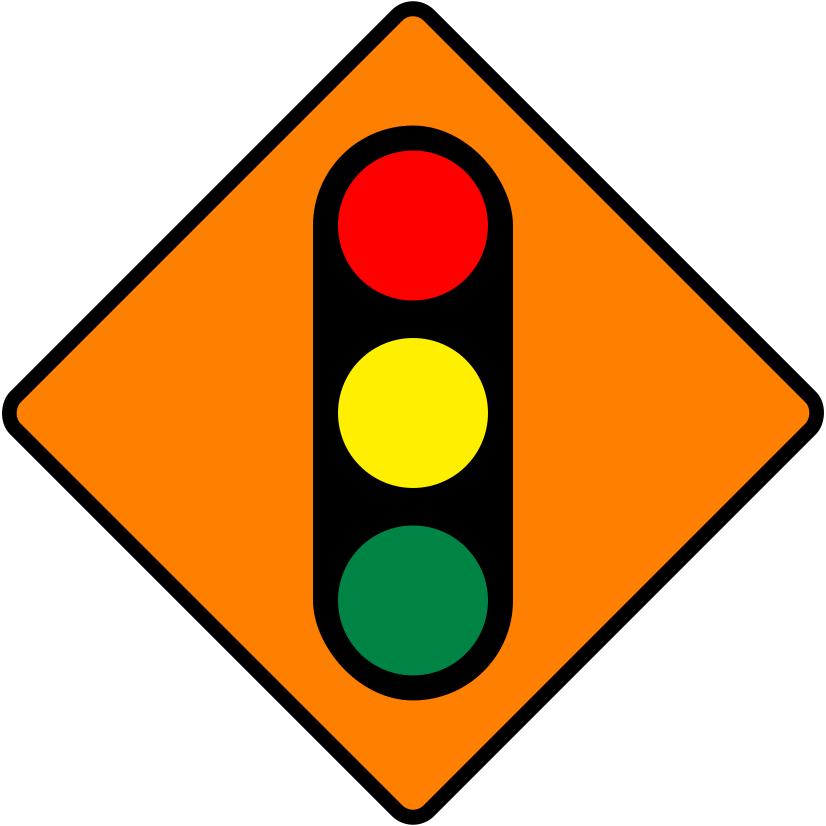
Traffic signals ahead (road works) Temporary traffic lights control the road works ahead. Be ready to stop.
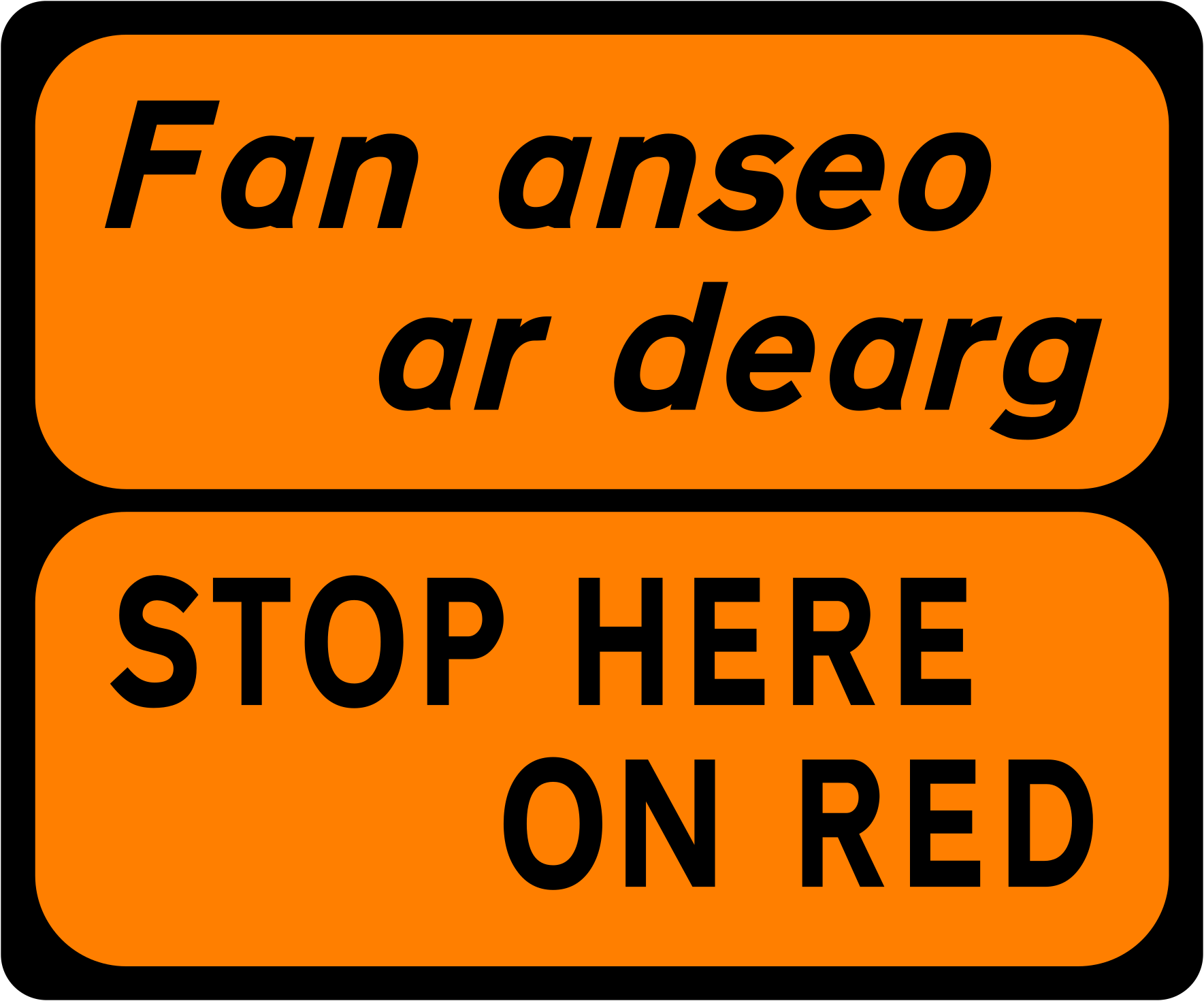
Stop here on red Stop at this sign when the temporary light is red. Wait for green before you go.
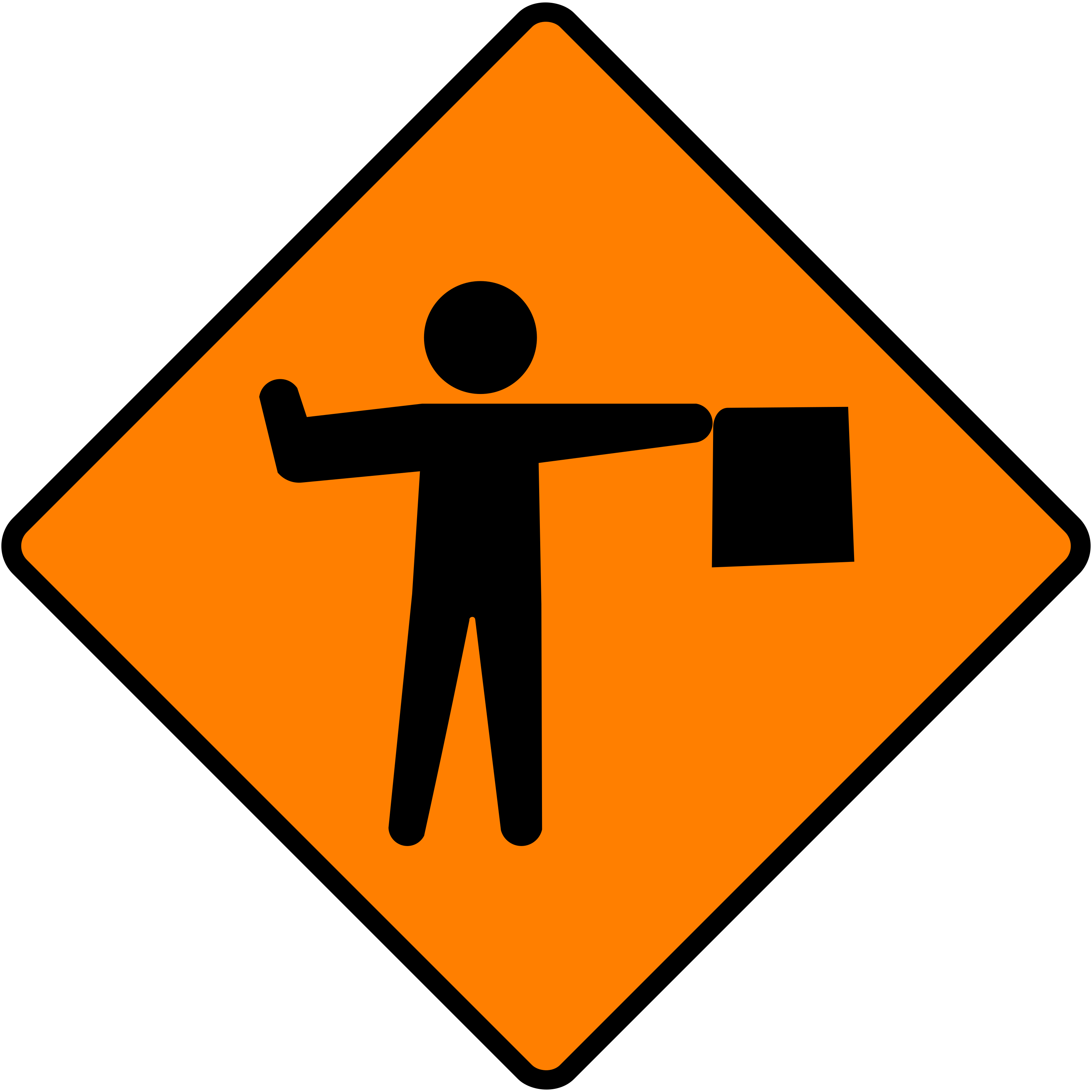
Flagman ahead A person is controlling traffic with a flag or Stop/Go sign ahead. Slow down and follow their directions.
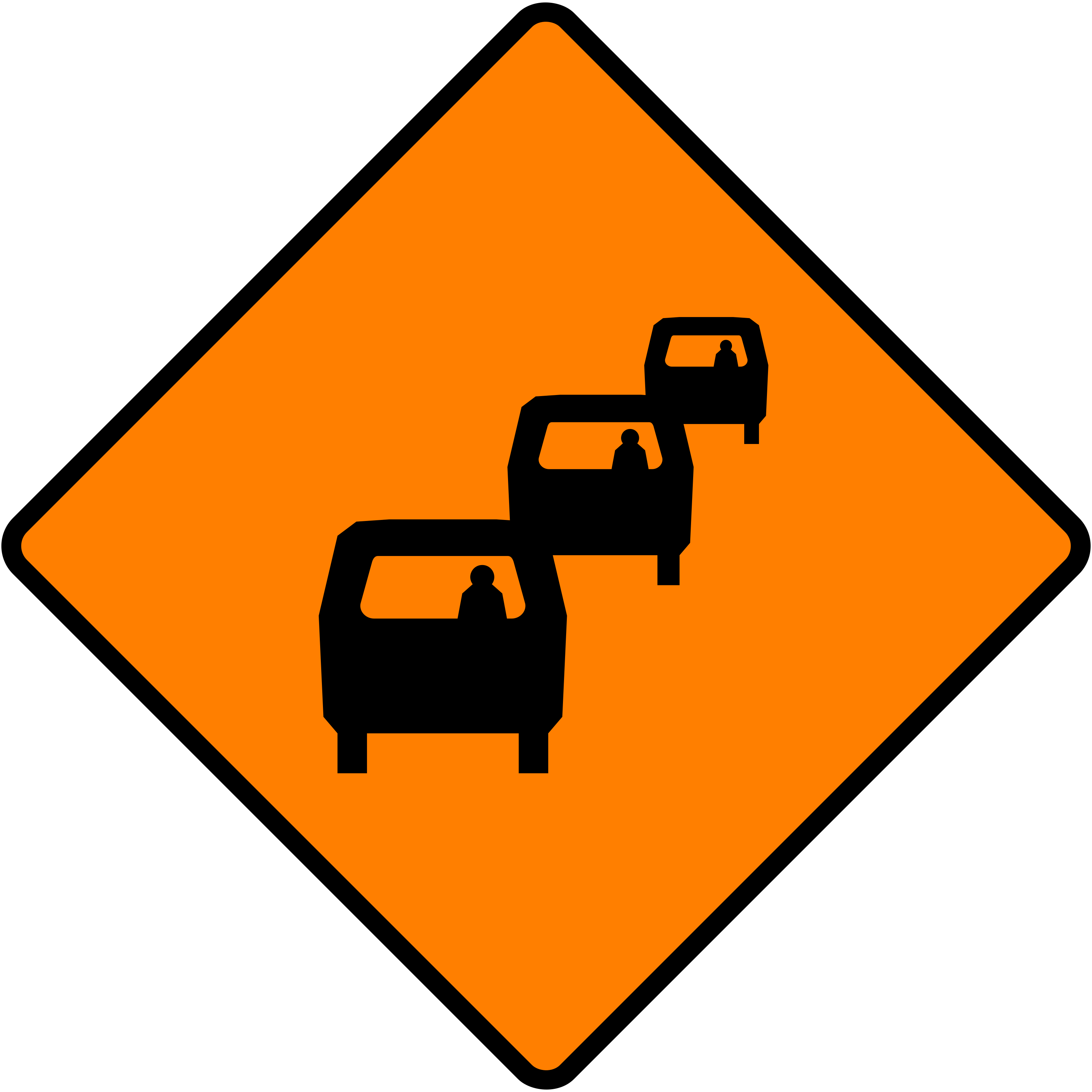
Traffic queues likely (road works) Queues are likely ahead because of road works. Slow down and be ready to stop.
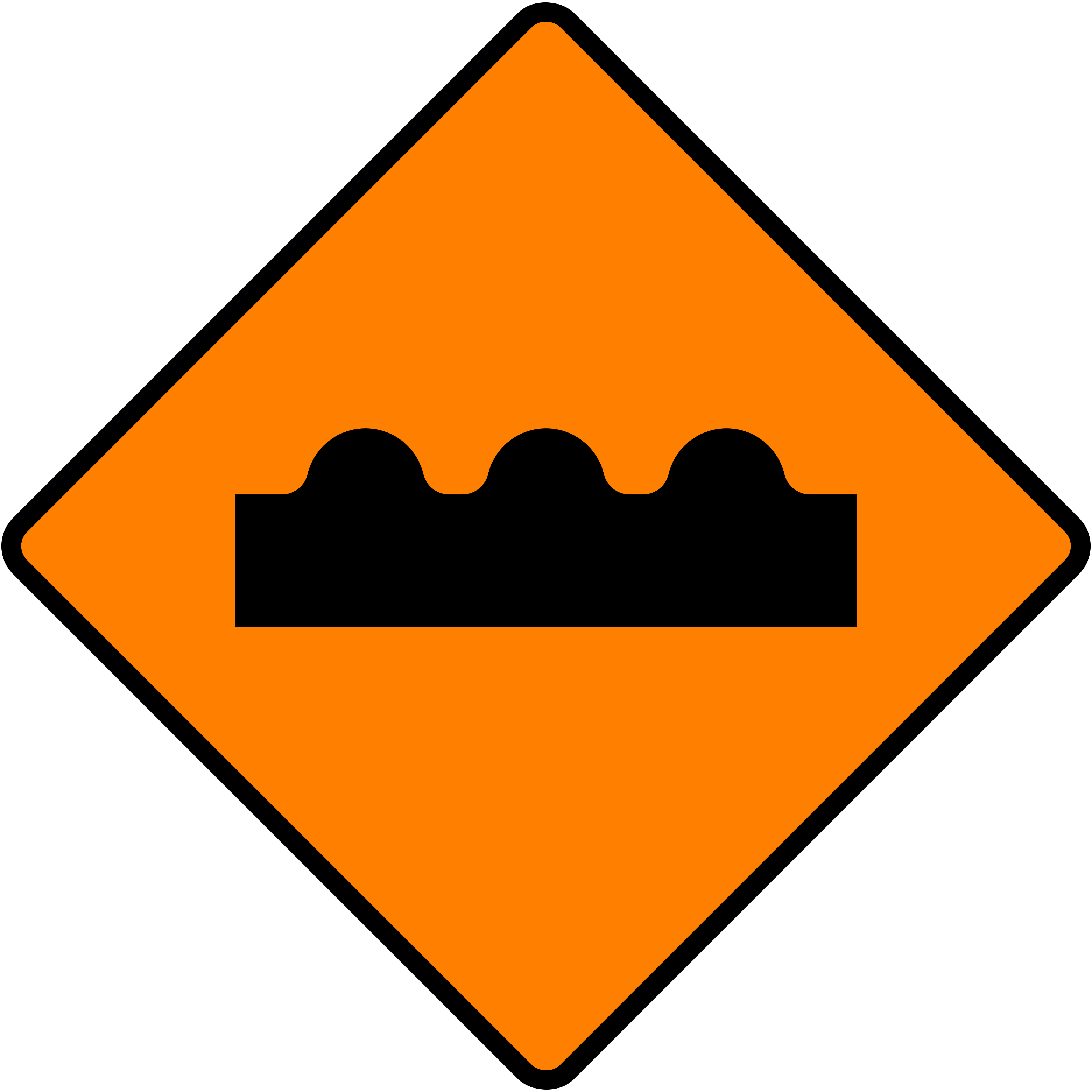
Uneven surface (road works) The road surface ahead is uneven. Slow down to keep control.
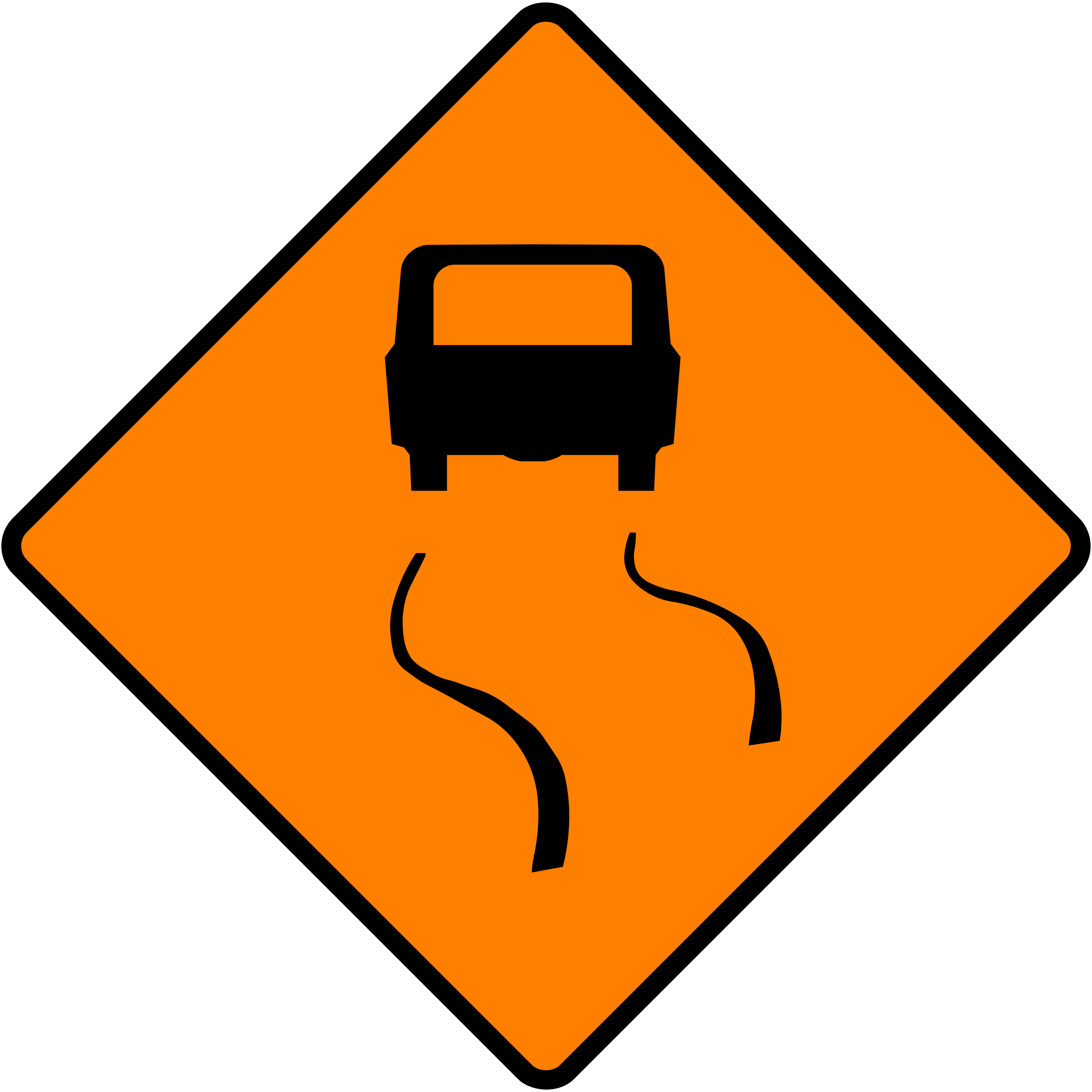
Slippery surface (road works) The road surface ahead may be slippery. Slow down and avoid harsh braking.
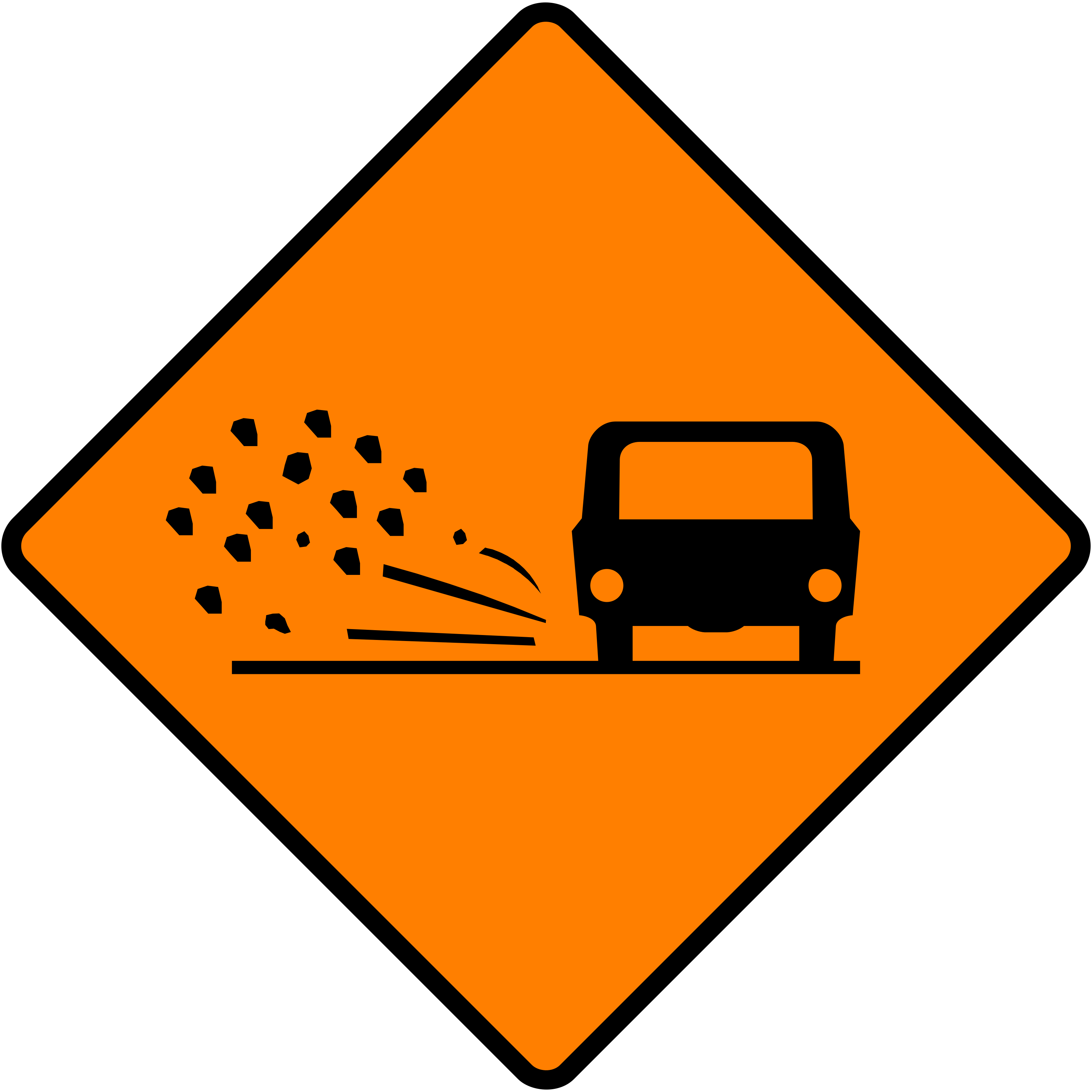
Loose chippings Loose stone chippings are on the road ahead. Slow down; flying chips can damage vehicles and hurt people.
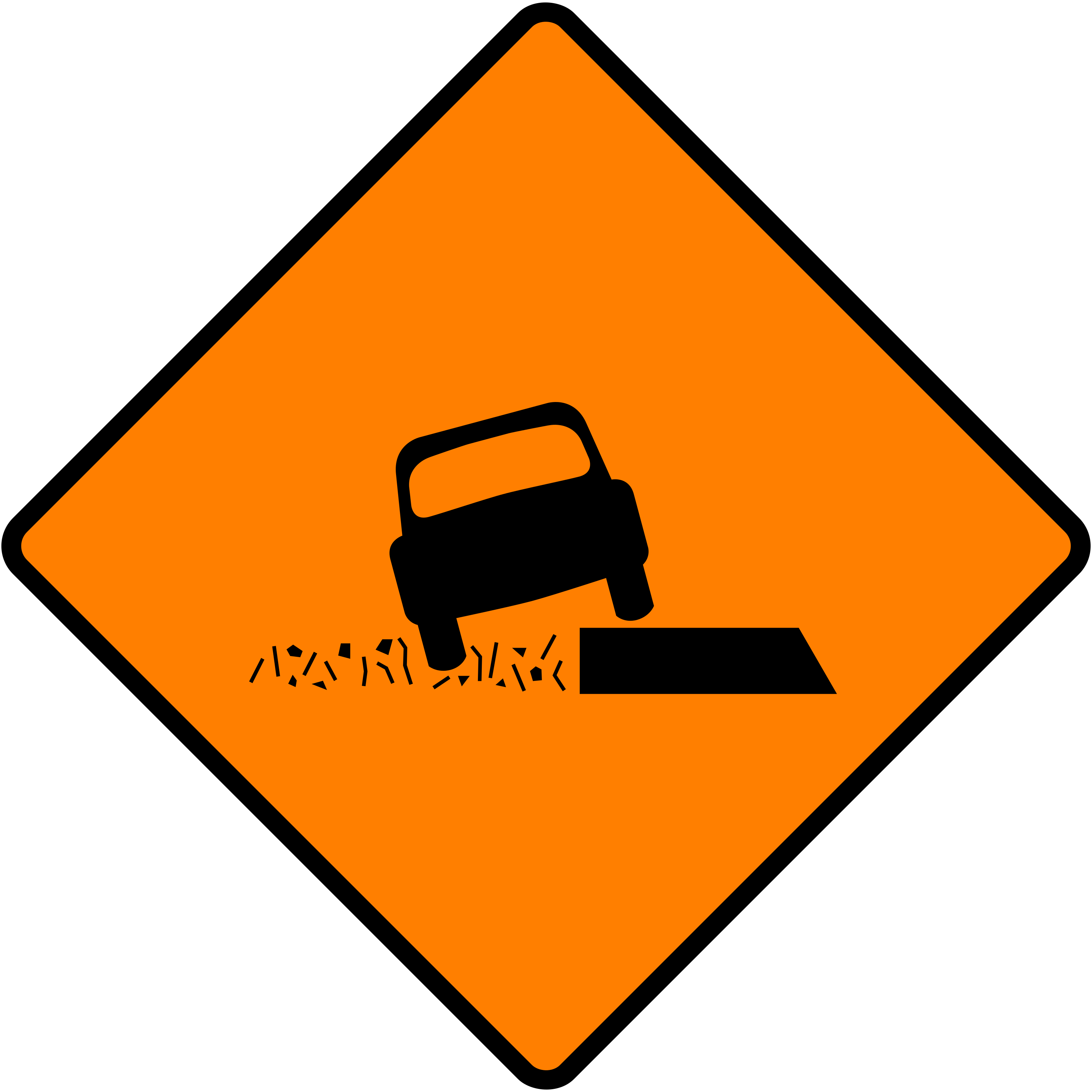
Soft verges (road works) The edges of the road are soft. Keep off the verge.
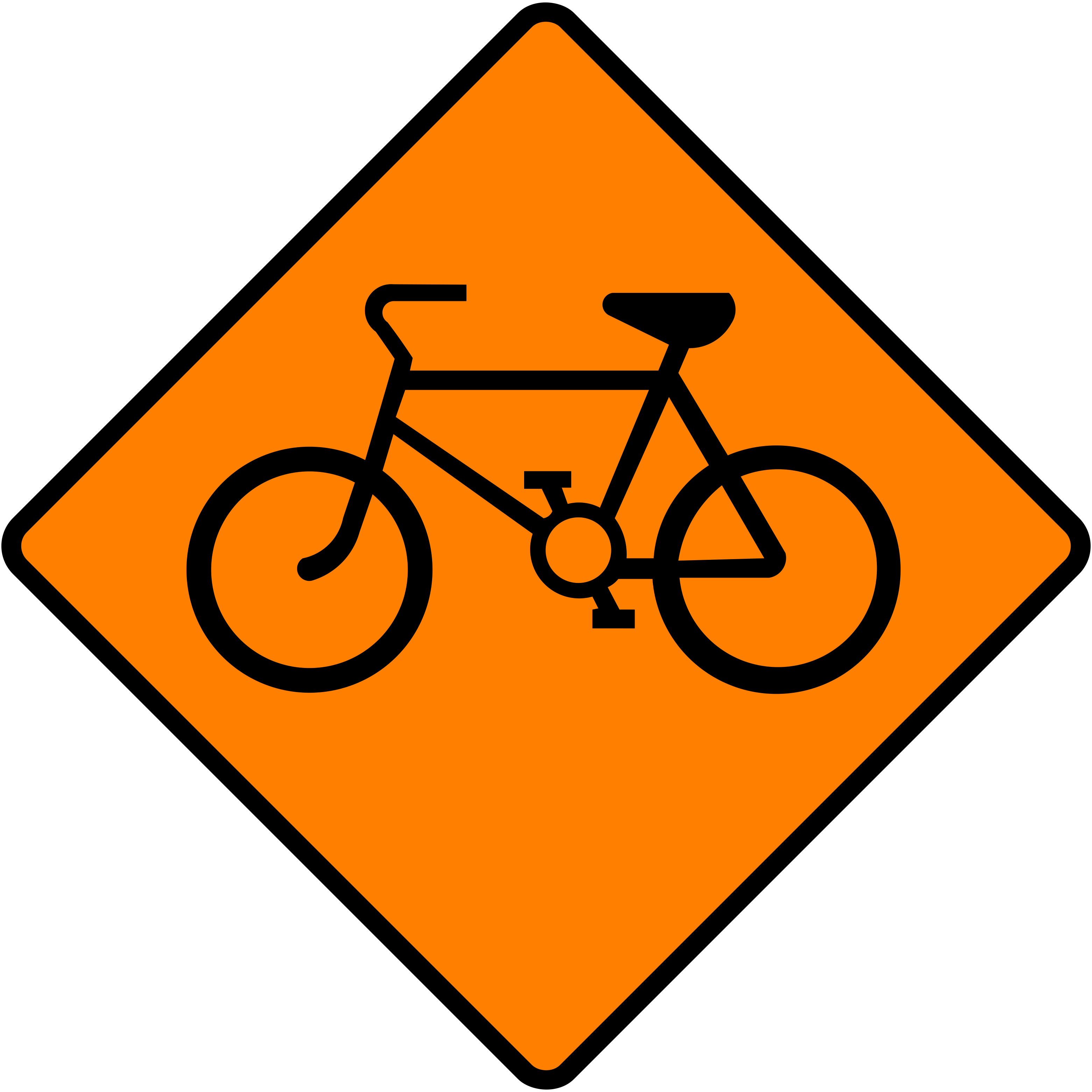
Cyclists (road works) Watch for cyclists in the road works area. Give cyclists plenty of room.
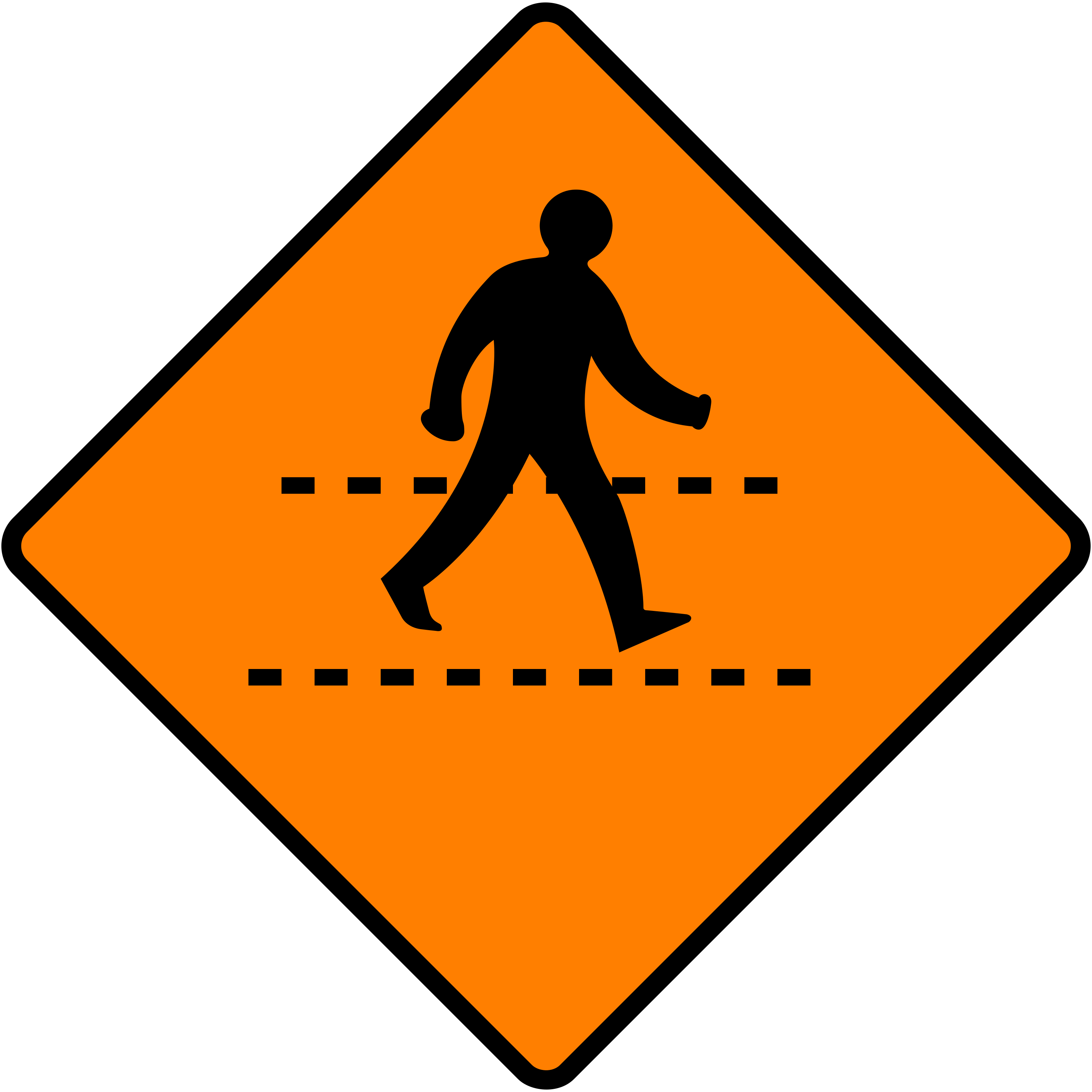
Pedestrian crossing ahead (road works) Pedestrians may cross at a temporary crossing ahead. Slow down and be ready to stop.
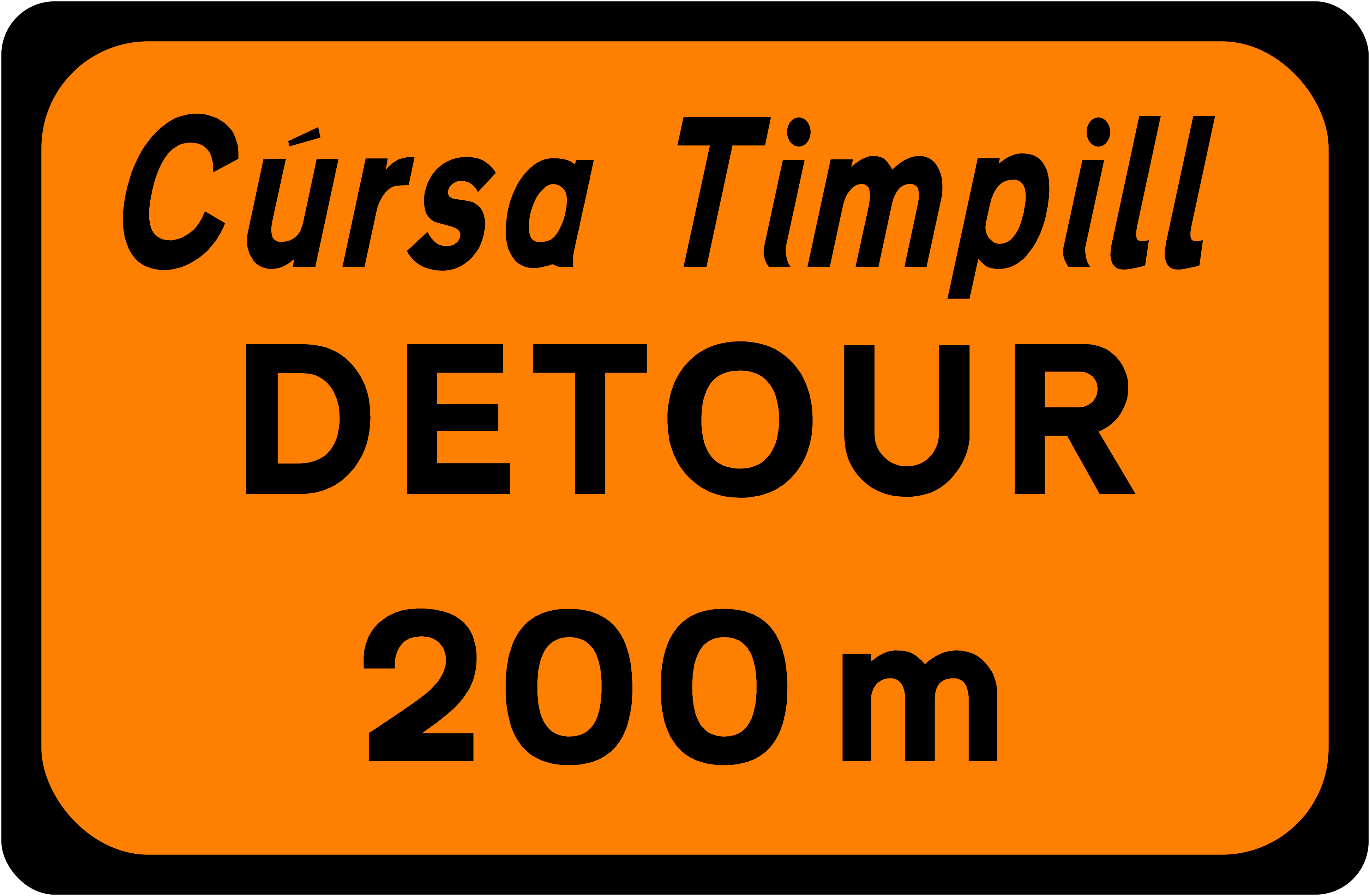
Detour ahead A detour starts at the distance shown. Follow the detour signs.
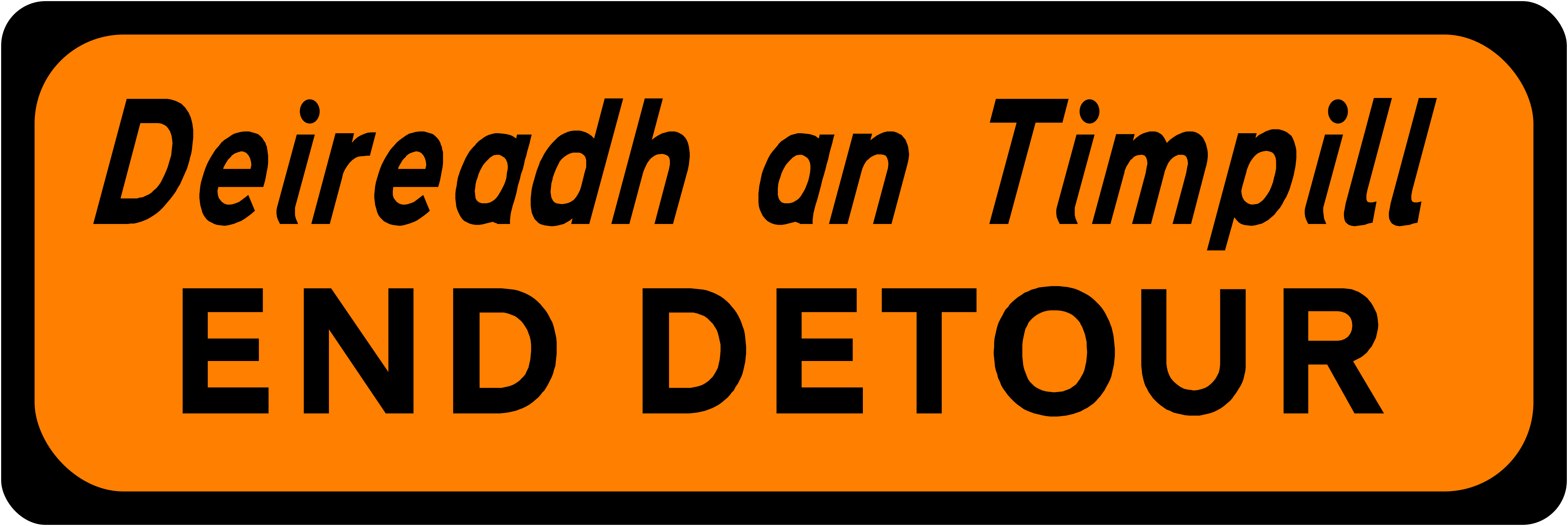
End of detour The detour ends here. Return to your normal route.
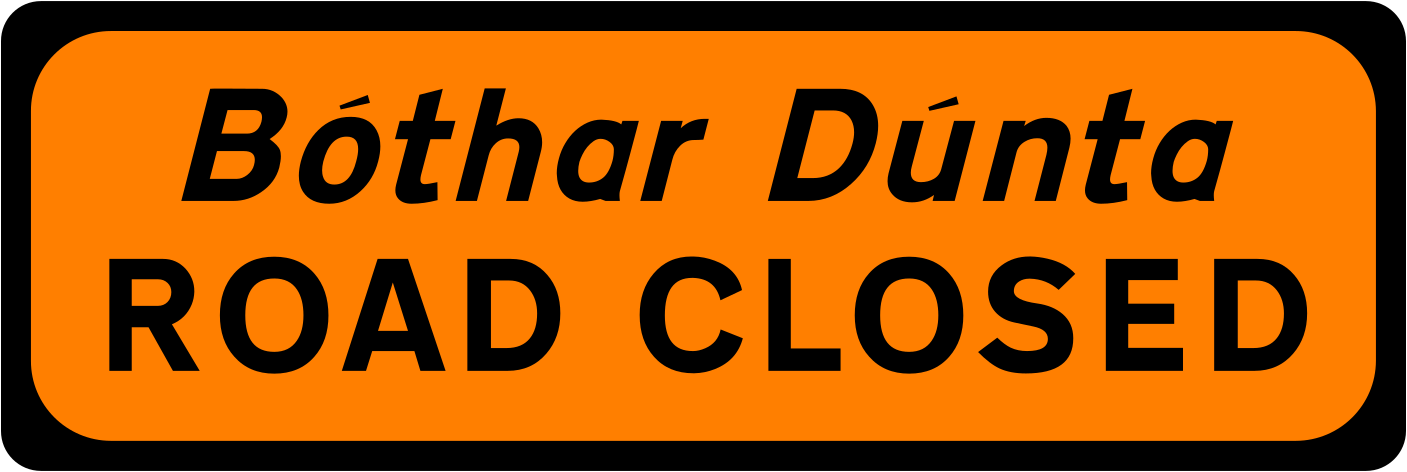
Road closed The road is closed. Follow the detour.
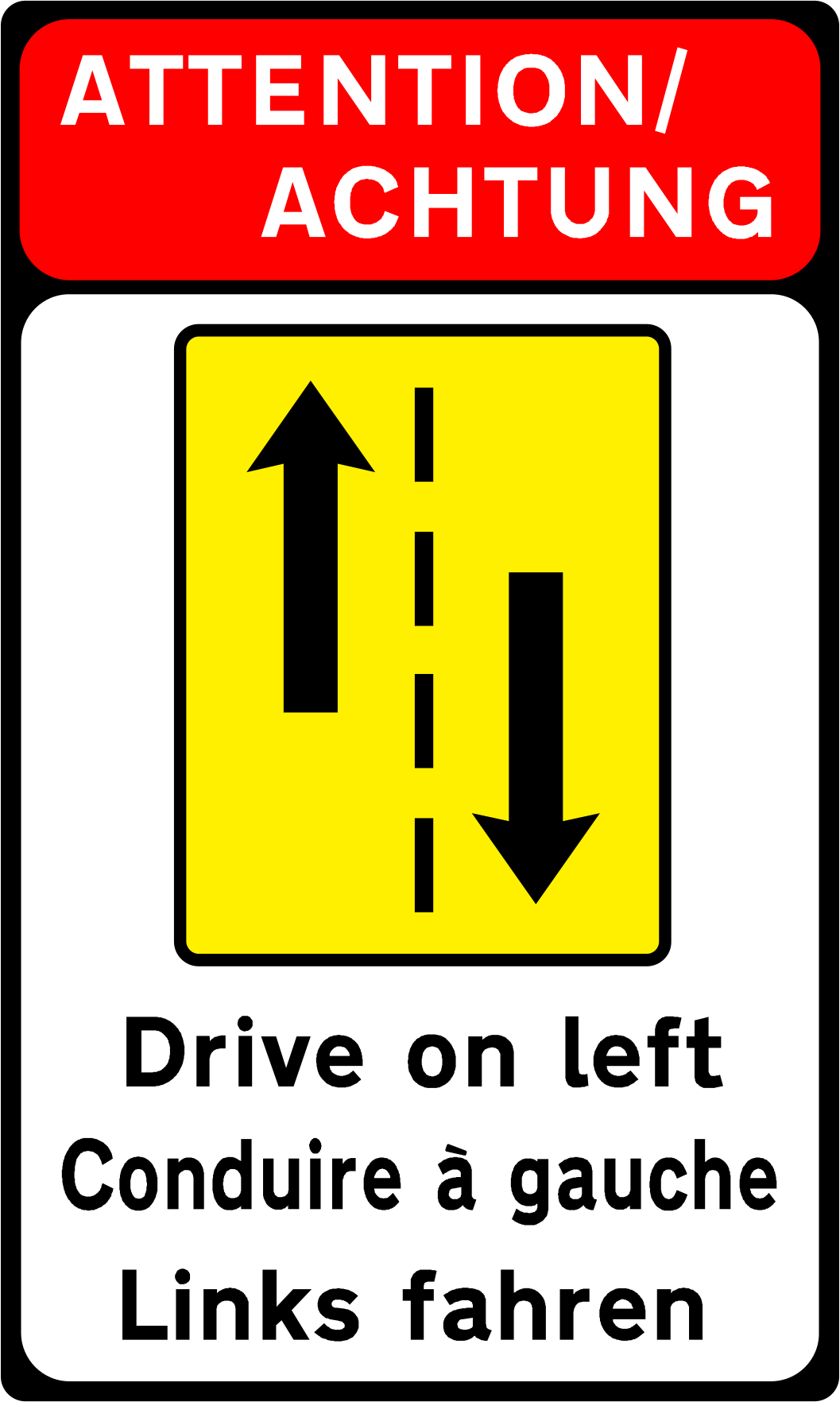
Drive on the left Drive on the left. Keep to the left side of the road.
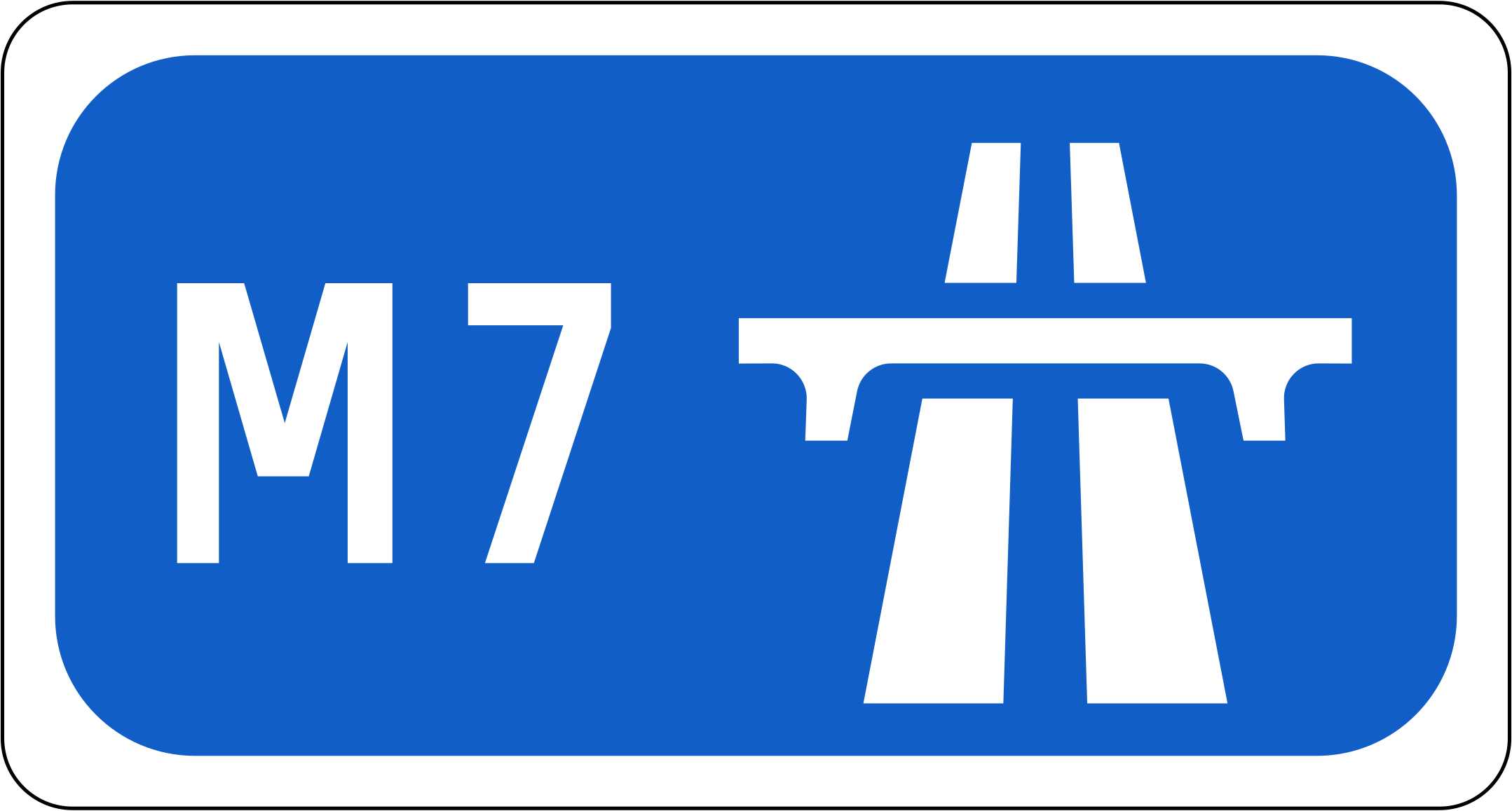
Start of motorway Motorway rules apply from here. Learner drivers, pedestrians, cyclists and small motorcycles under 50 cc may not use the motorway.
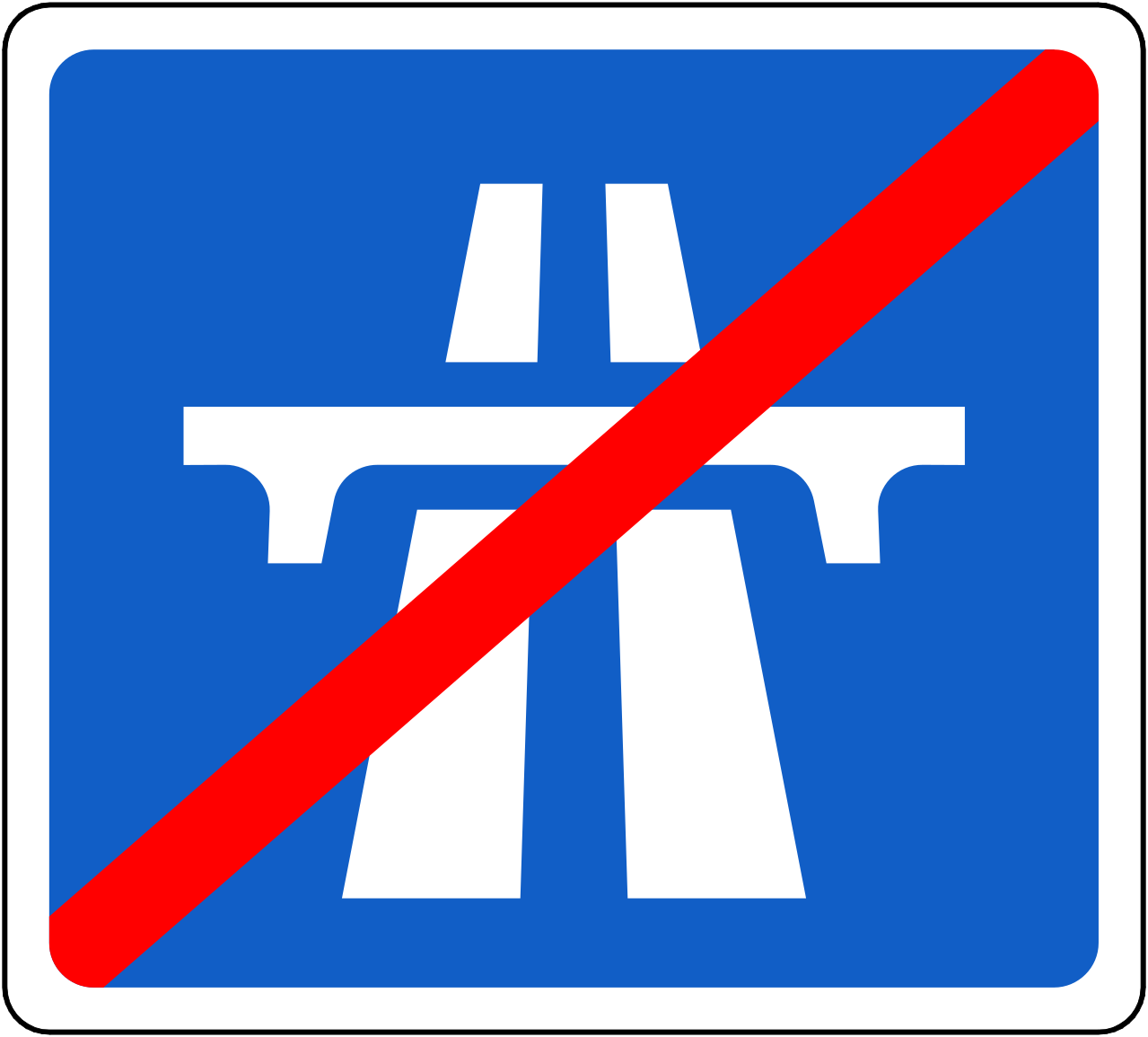
End of motorway Motorway rules end here. Look for the new speed limit.
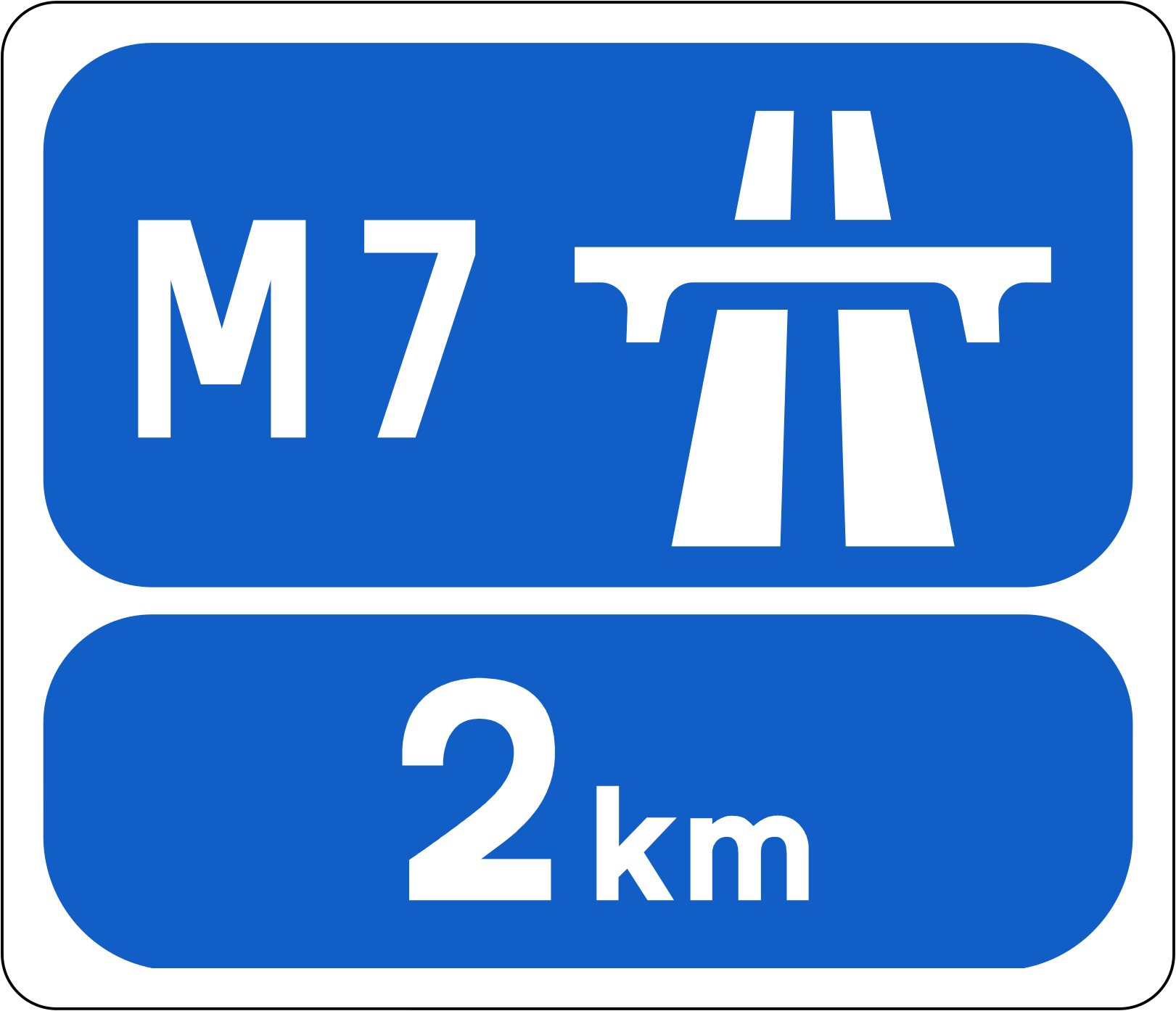
Motorway ahead A motorway starts at the distance shown. Learner drivers must leave the road before it.
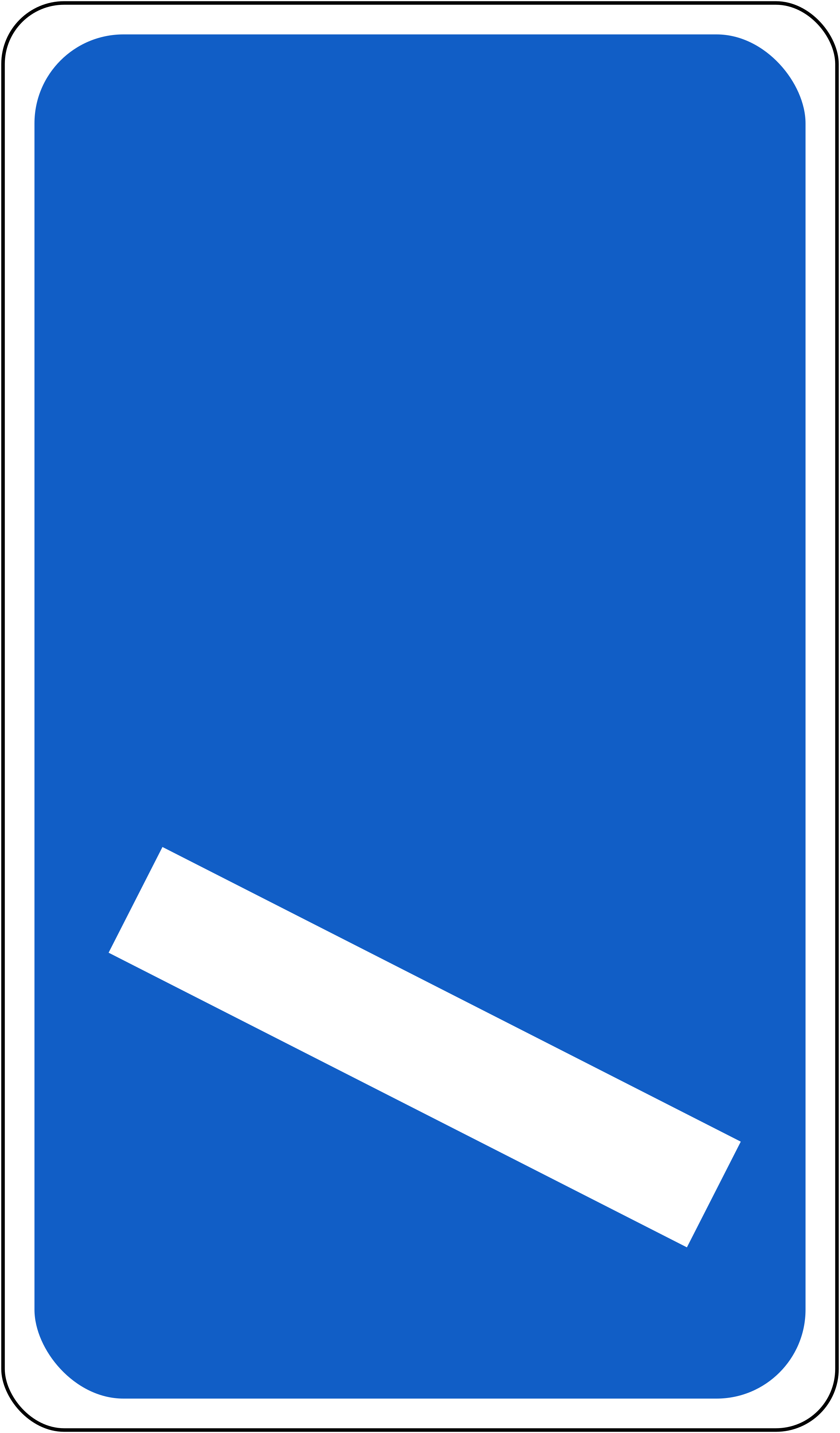
Countdown marker to exit 100 metres to the exit (one bar). Be in the correct lane in good time to leave.
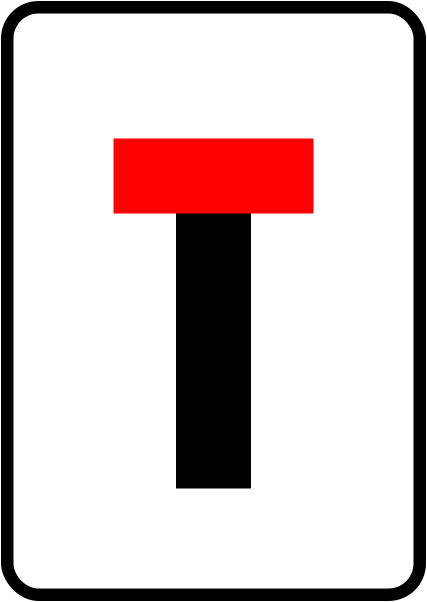
Cul-de-sac The road ahead has no way through. You will need to turn around and come back.
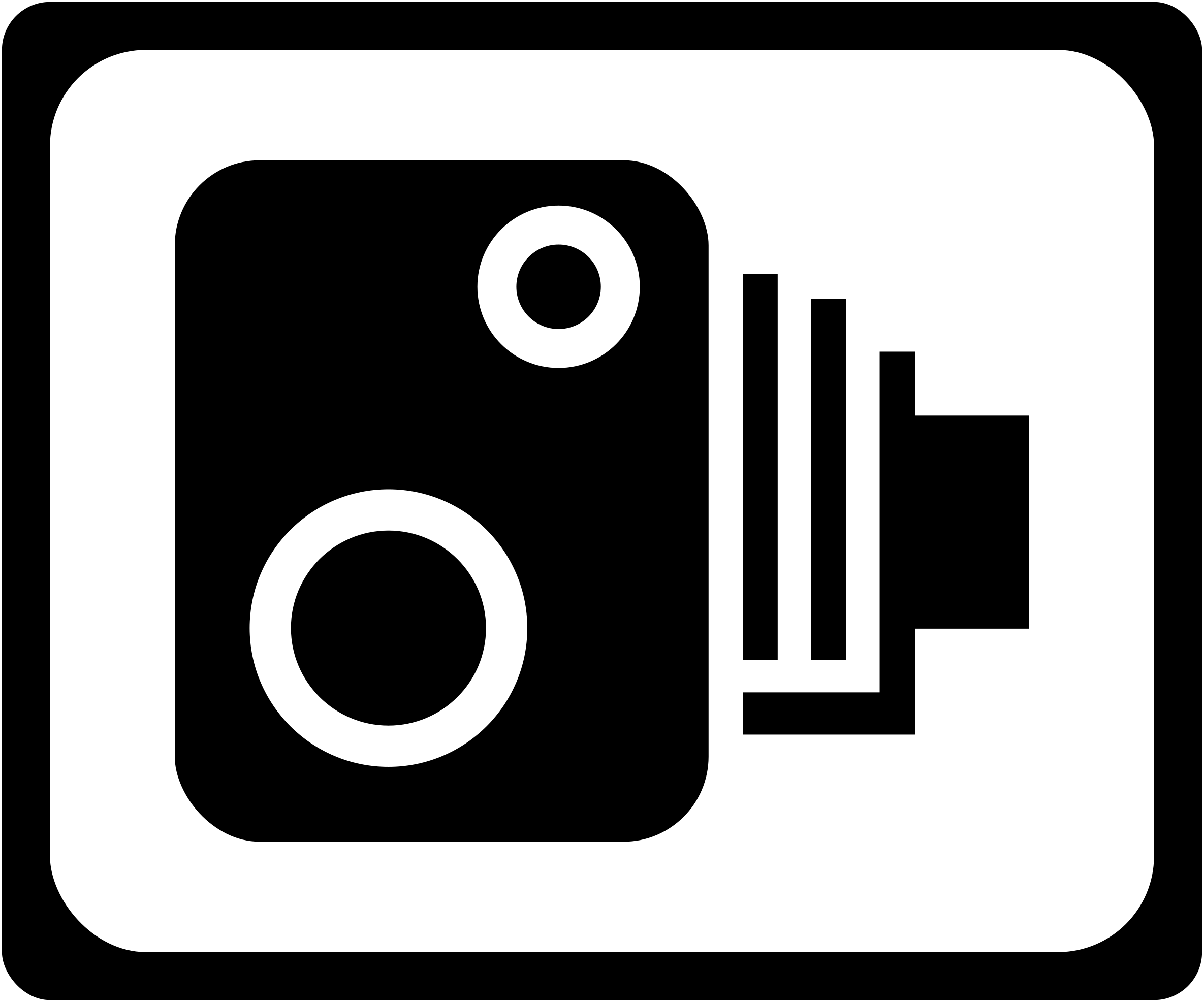
Speed cameras Speed cameras are used on this road. Keep to the speed limit.
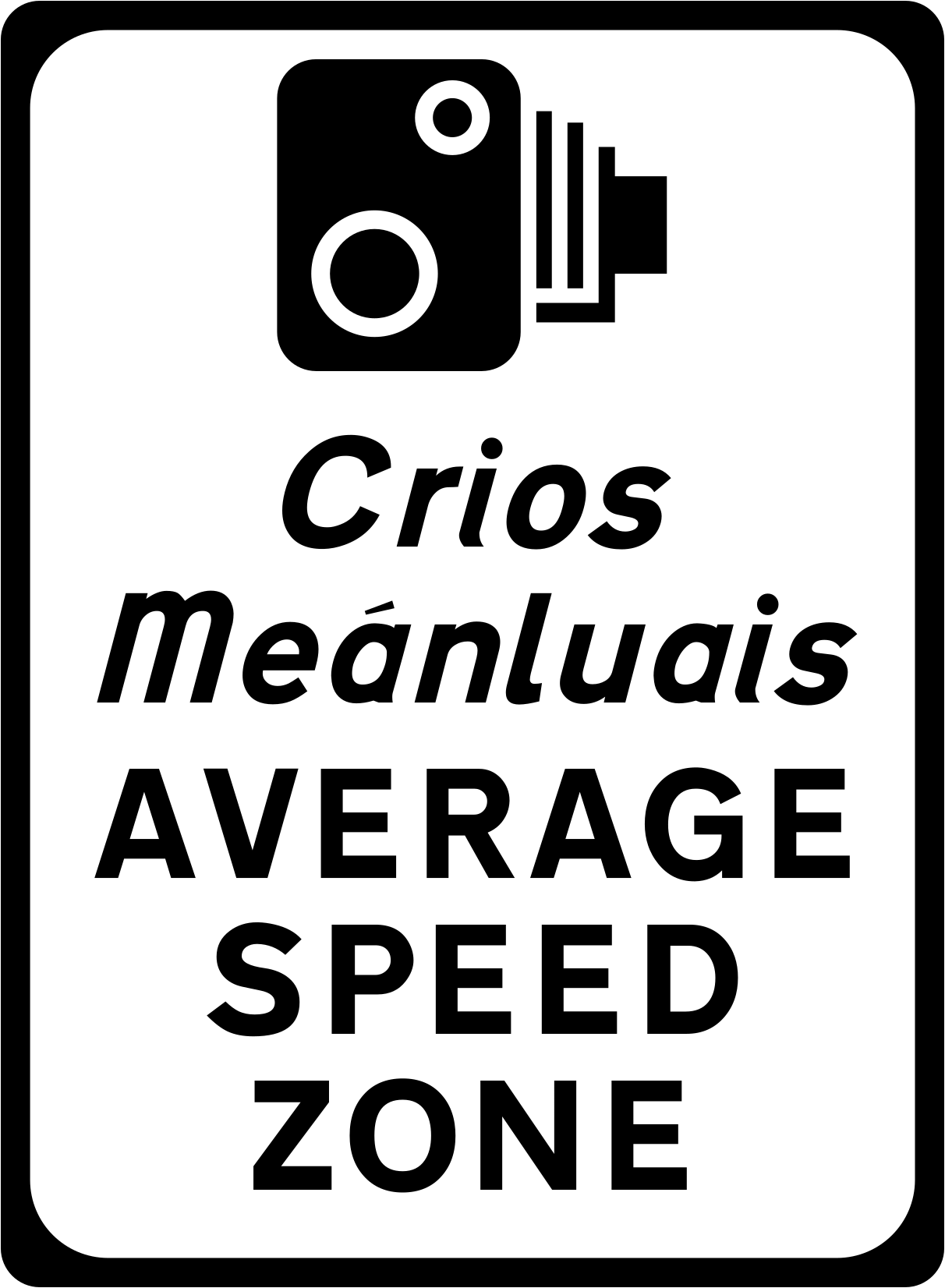
Average speed zone Cameras measure your average speed through the zone. Keep to the limit for the whole zone.
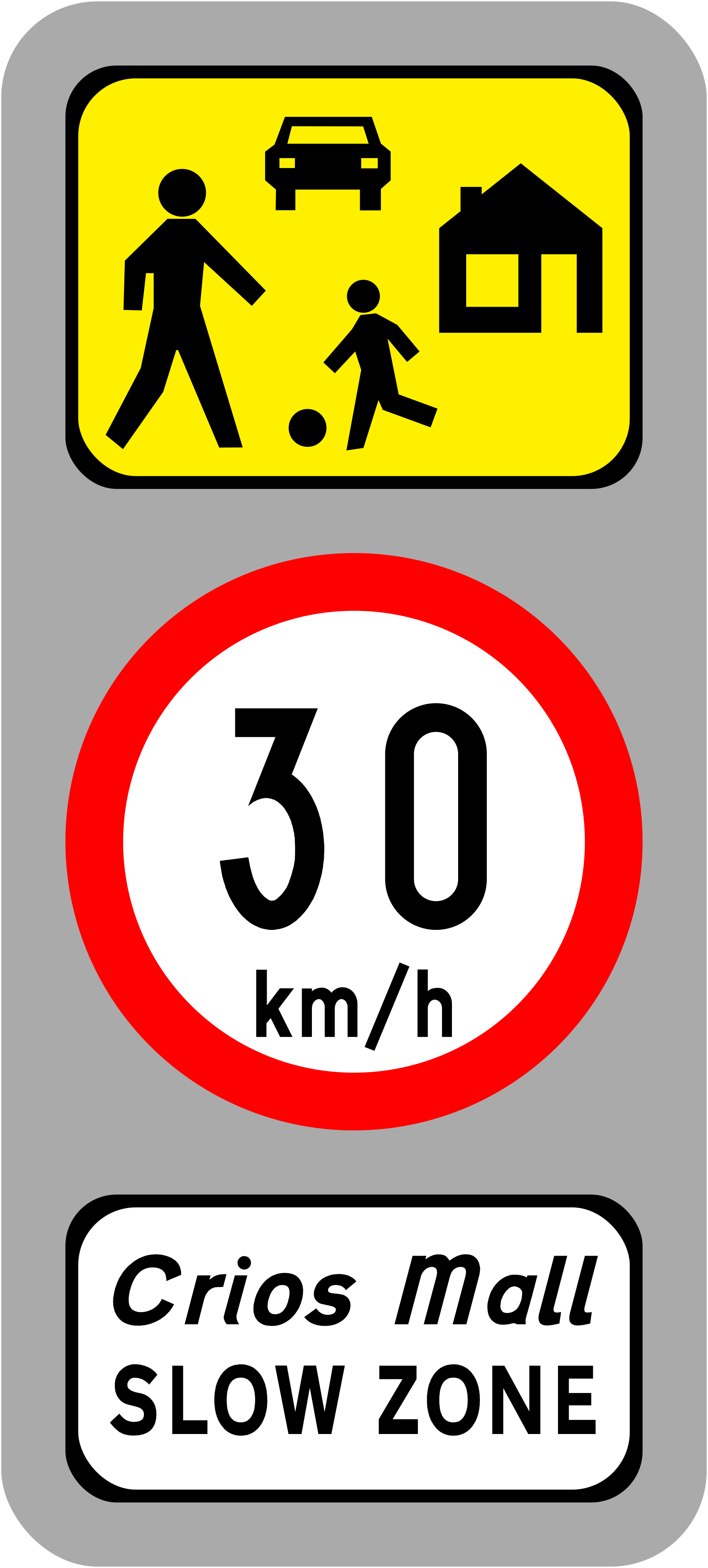
Slow zone (30 km/h) A residential area with a 30 km/h limit. Drive slowly and watch for children and pedestrians.
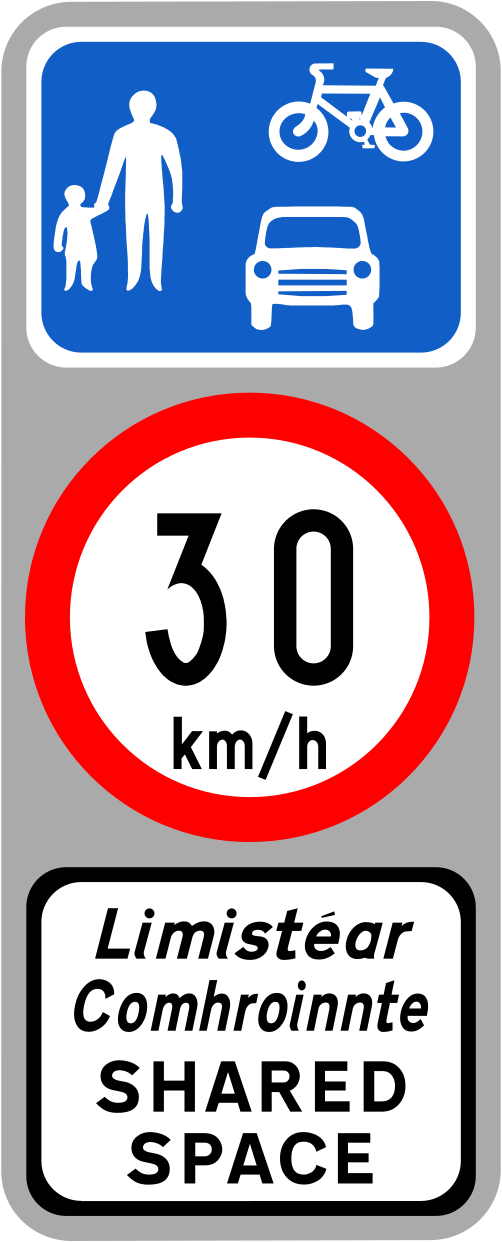
Shared space Pedestrians, cyclists and vehicles share the space. Drive at a very low speed and give way to people walking.
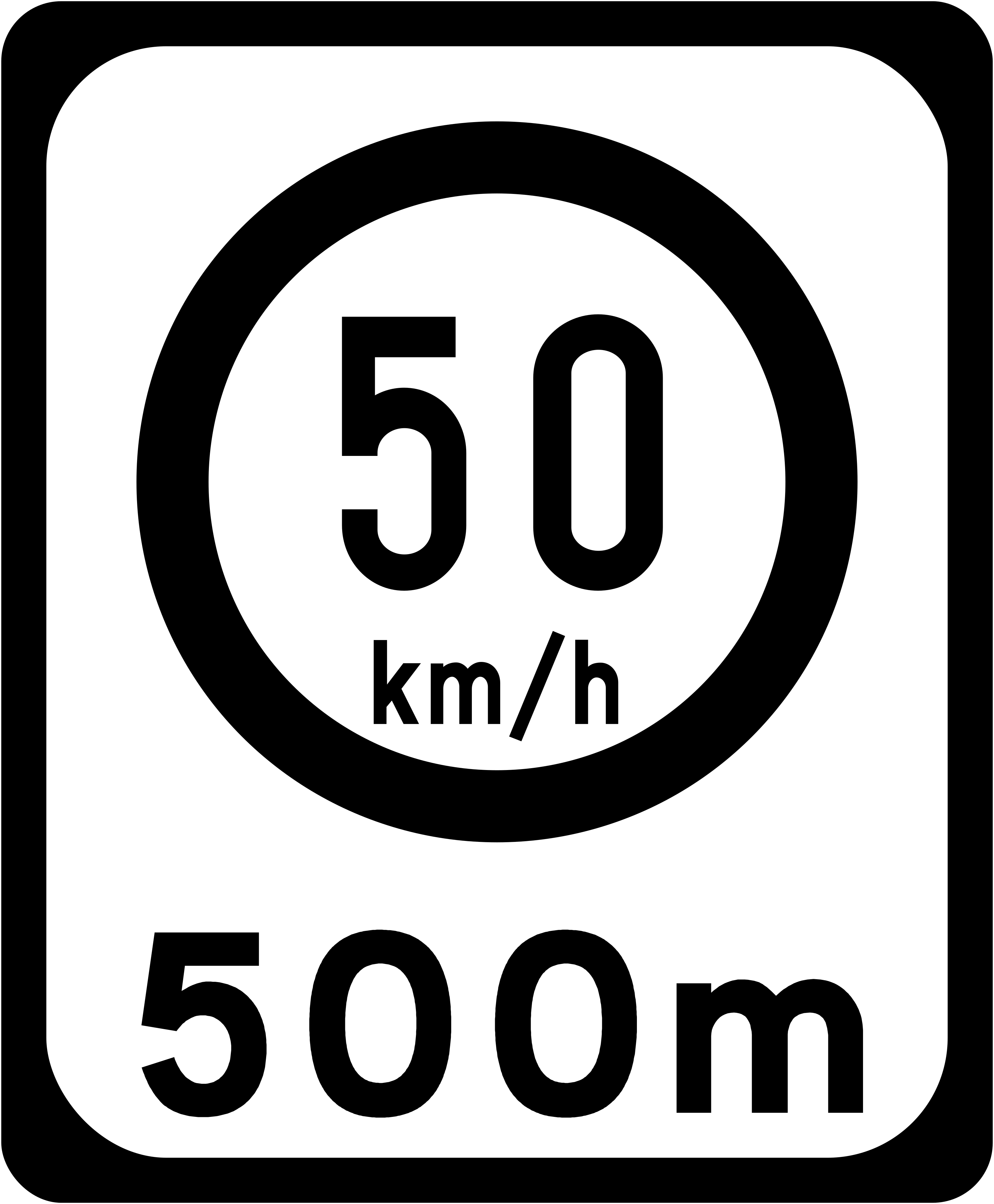
Speed limit ahead A new speed limit starts in 500 metres. Start slowing down before you reach it.
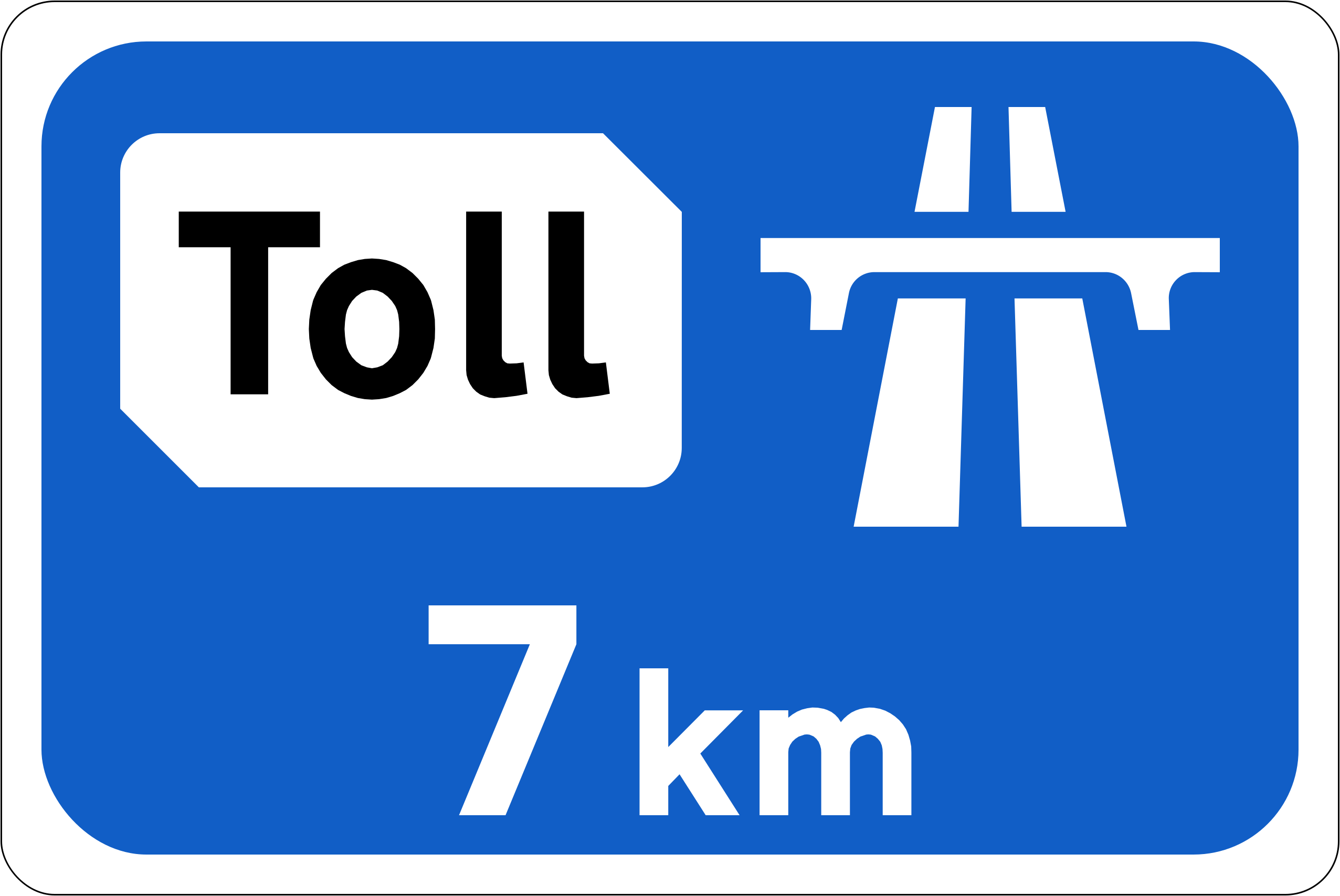
Toll road ahead A toll road starts at the distance shown. Have payment ready or use an electronic tag.
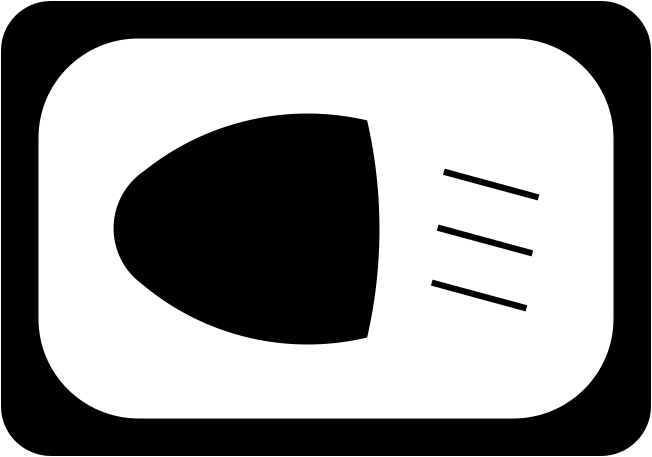
Turn on headlights Switch on your dipped headlights. Used before tunnels.
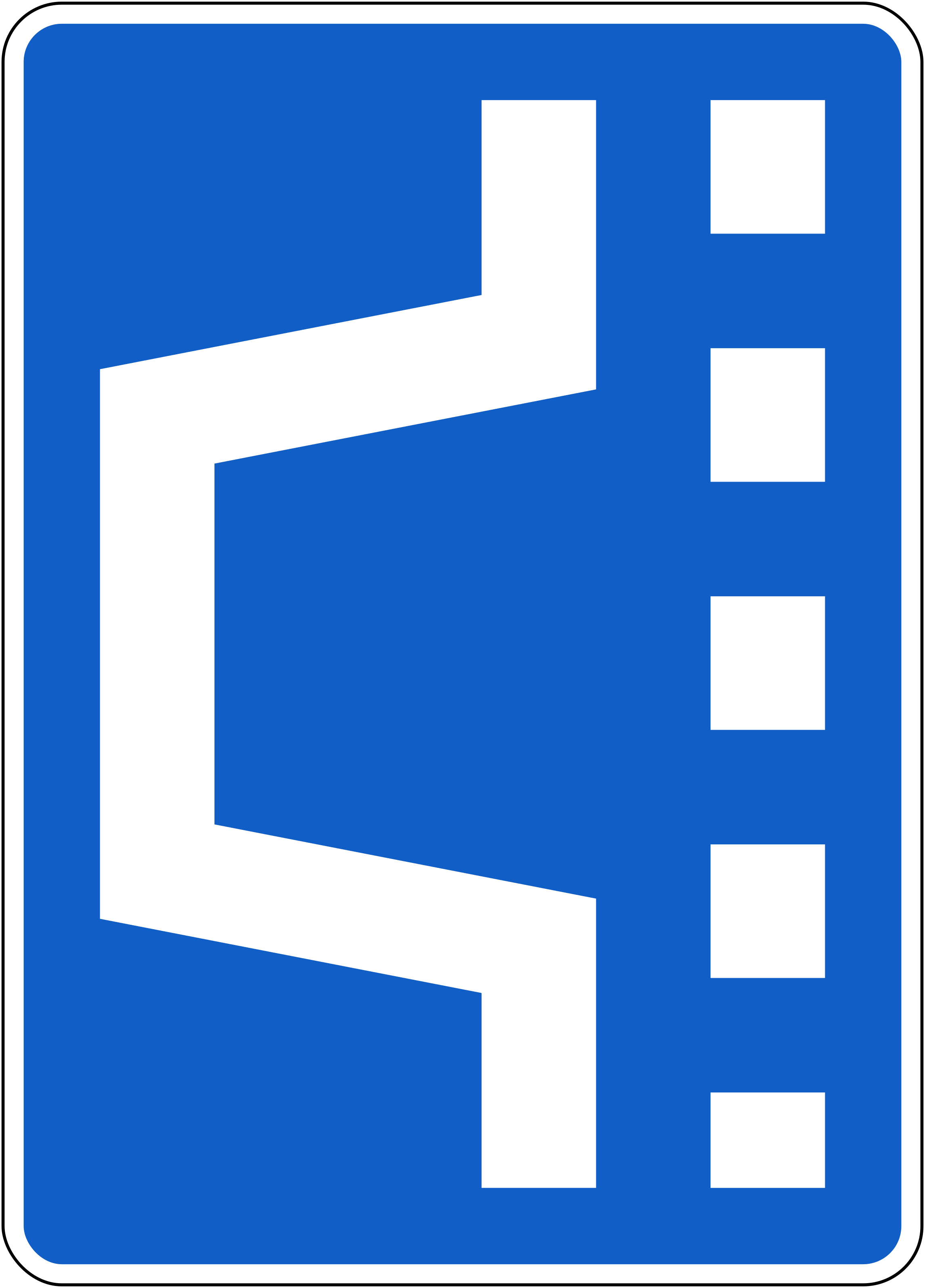
Emergency lay-by A place to stop only in an emergency. Use it if your vehicle breaks down.
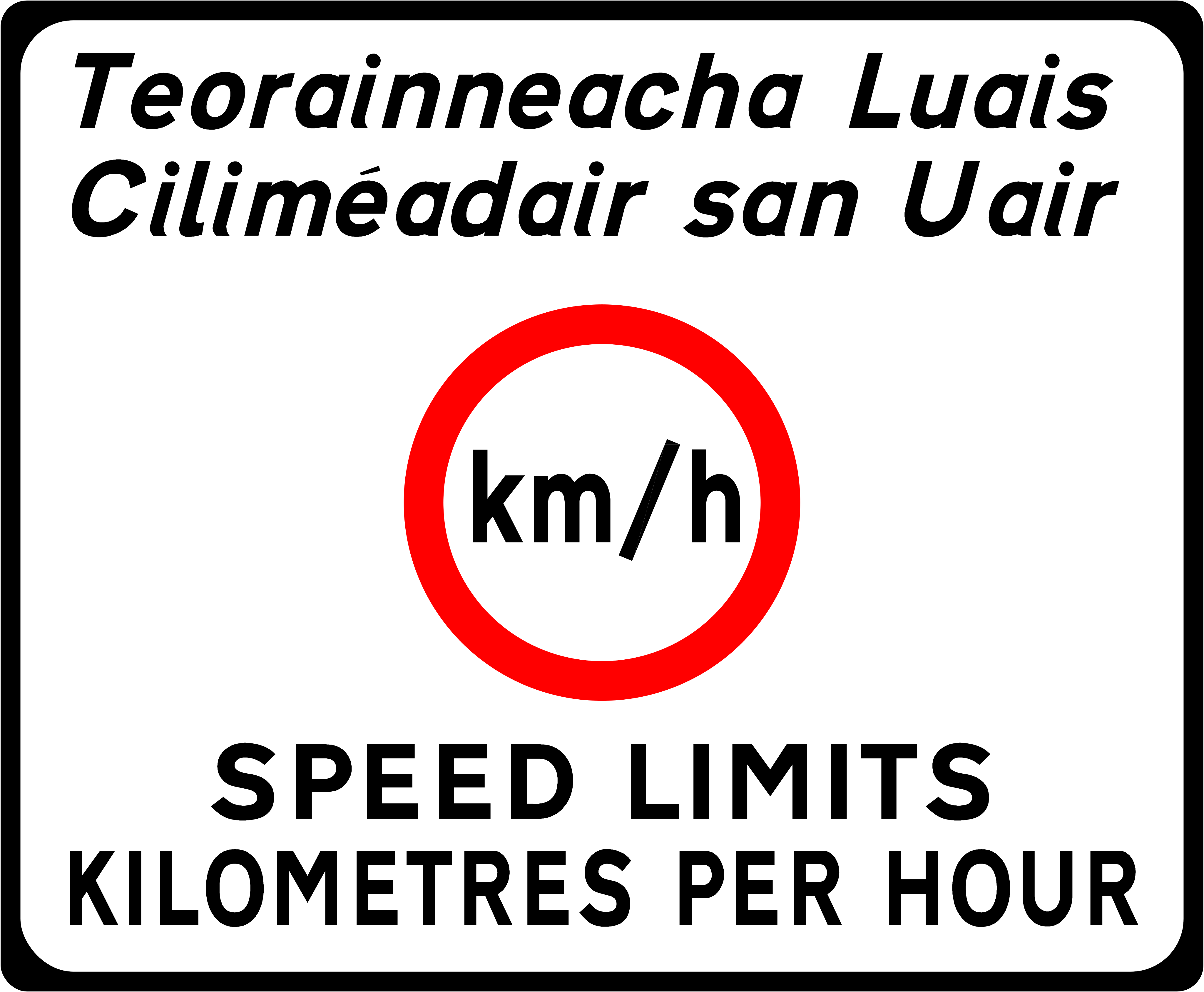
Speed limits in km/h Speed limits in Ireland are in kilometres per hour. 100 km/h is about 62 mph.
Hospital A hospital is nearby. Follow the signs to reach it.
Airport An airport is nearby. Follow the signs to reach it.
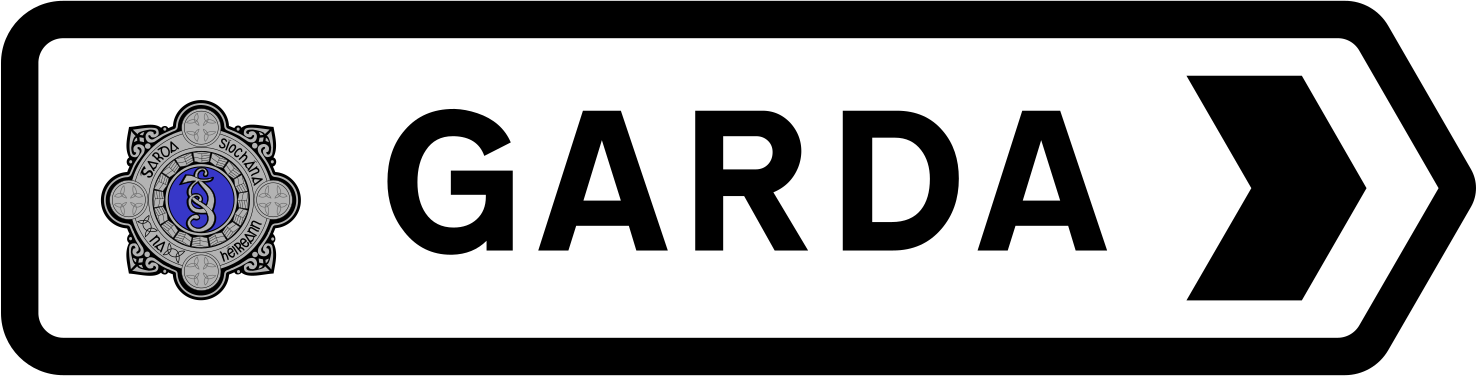
Garda station Direction to a Garda (police) station. Follow the sign to reach it.
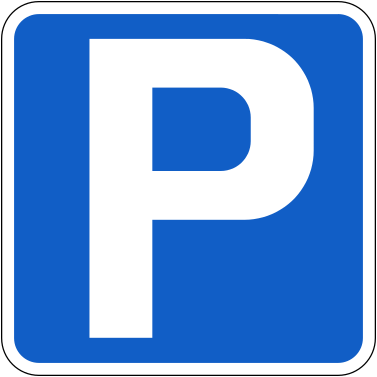
Parking A car park is nearby. Check for any parking charges or time limits.
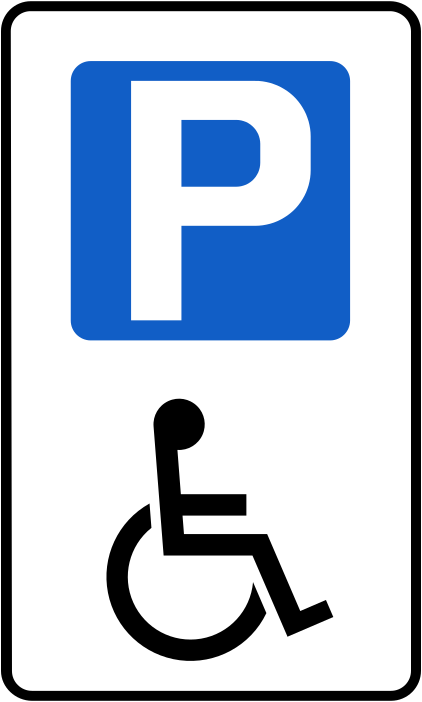
Disabled parking Parking only for vehicles with a disabled parking permit. Do not park there without a permit.
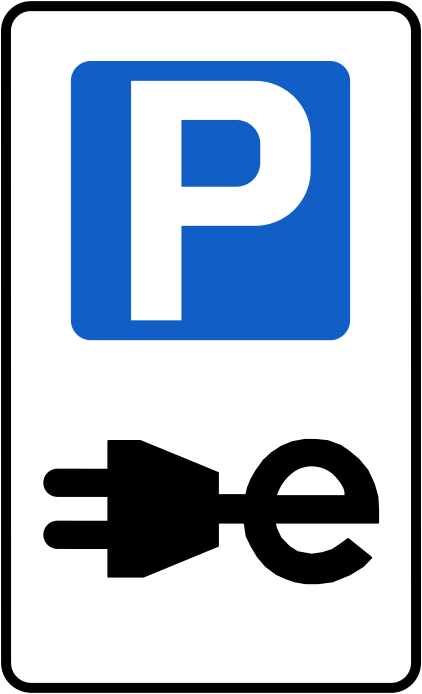
EV charging A charging point for electric vehicles. Only electric vehicles that are charging should use the space.
Signs are easier to remember by group: the shape and colour tell you the kind of message before you read it. The Ireland signs on this page fall into these groups:
Pick an answer, then open "Show answer" to check it. For the real test format, take a free RSA practice test.
Turn on JavaScript to take the interactive mock tests.