Under rule 11 of the Central Motor Vehicles Rules you pass the learner's licence test by answering at least 60% of the questions correctly. The questions cover traffic signs and signals, the rules of the road, what to do after an accident, unmanned railway crossings and the documents to carry. Each state sets the number of questions (10, 15 and 20 are all used), so this practice test uses 15 questions with 9 correct to pass (60%). Your RTO or the Sarathi test screen shows your state's format. Below is every India sign we cover, with its official image and meaning. After the signs: the sign groups, a short quiz and study tips.
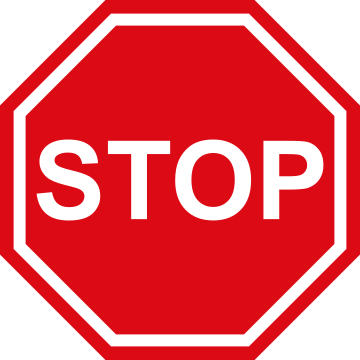
Stop Stop before the stop line, give way to traffic on the major road, and go only when the way is clear. Stop completely before the line; if there is no visible line, stop just before the sign.
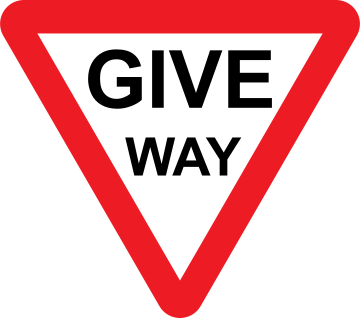
Give way Slow down and give way to traffic on the road you are approaching. Proceed carefully when it is clear.
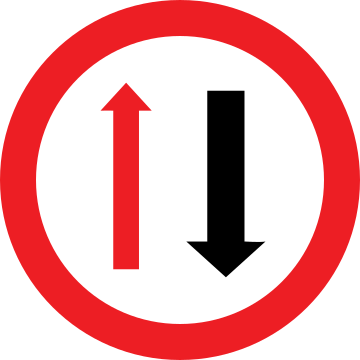
Give way to oncoming vehicles Oncoming vehicles have priority at the narrow section ahead. Wait for oncoming vehicles to pass before you go.
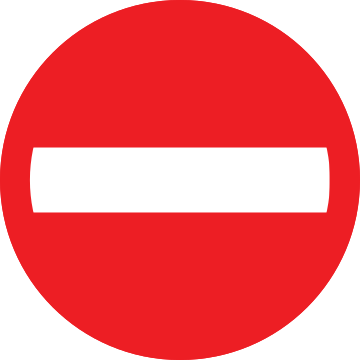
No entry No vehicle may enter. Do not drive past this sign.
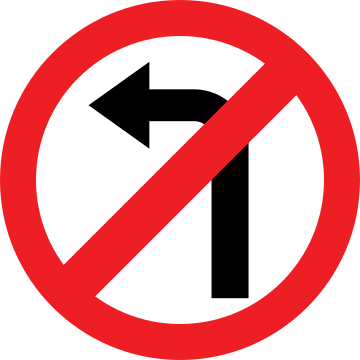
Left turn prohibited You may not turn left. Go straight or turn right.
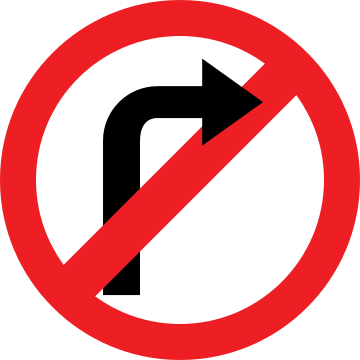
Right turn prohibited You may not turn right. Go straight or turn left.
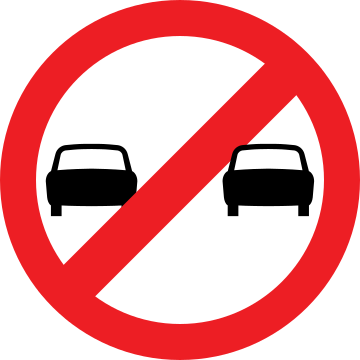
Overtaking prohibited You may not overtake. Stay behind the vehicle ahead.
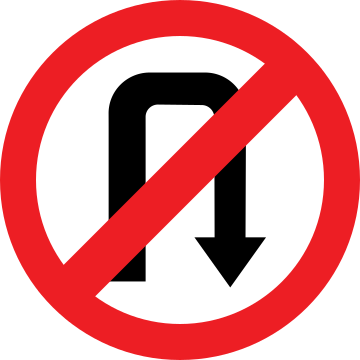
U-turn prohibited You may not make a U-turn. Continue and turn where it is allowed.

No stopping or standing You may not stop or stand your vehicle here. Keep moving.
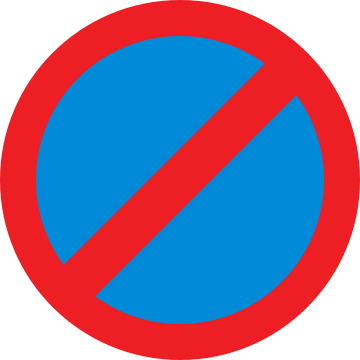
No parking You may not park here. You may stop briefly to pick up or set down, but not park.
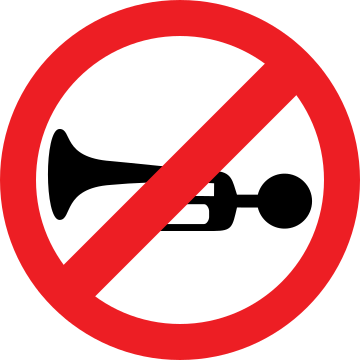
Horn prohibited Do not sound your horn. Often near hospitals and in silence zones.
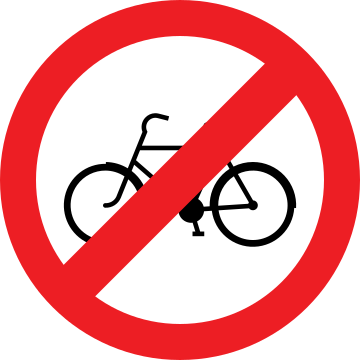
Cycles prohibited Bicycles may not use this road. Cyclists must use another route.
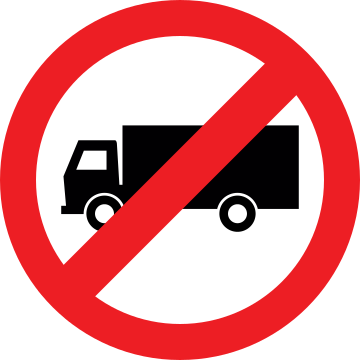
Trucks prohibited Trucks may not use this road. Truck drivers must use another route.
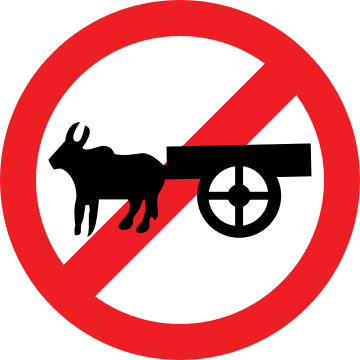
Bullock carts prohibited Bullock carts may not use this road. Use another route with a bullock cart.
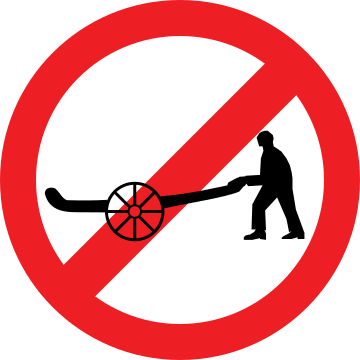
Hand carts prohibited Hand carts may not use this road. Use another route with a hand cart.
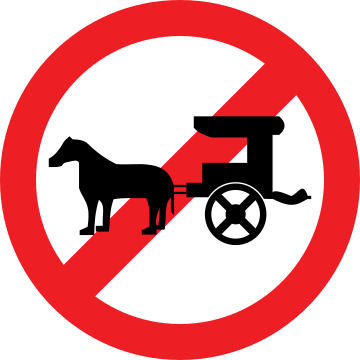
Tongas prohibited Horse-drawn carts (tongas) may not use this road. Use another route with a tonga.
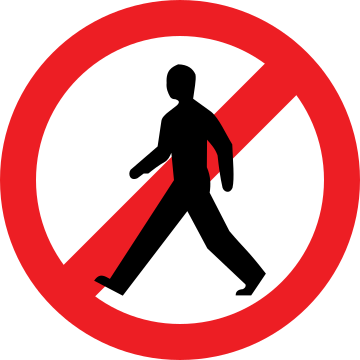
Pedestrians prohibited Pedestrians may not use this road. Pedestrians must use another route.
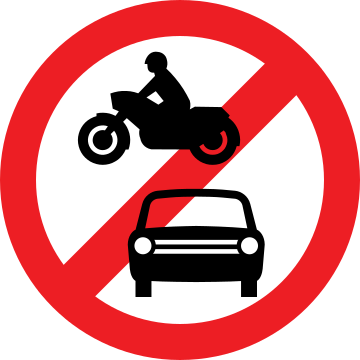
All motor vehicles prohibited No motor vehicles may use this road. Do not drive past this sign.
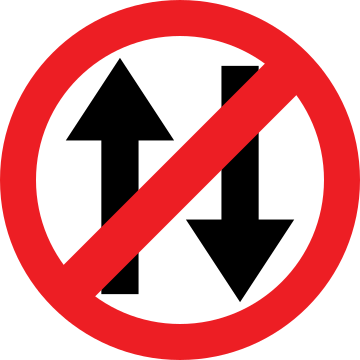
Vehicles prohibited in both directions No vehicles in either direction. Do not drive past this sign.
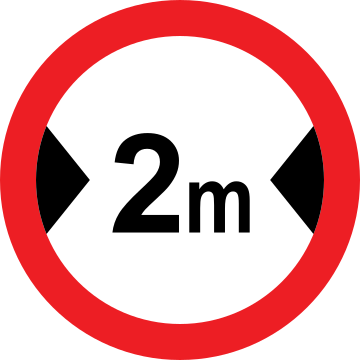
Width limit Vehicles wider than the width shown may not pass. Use another route if your vehicle is wider.
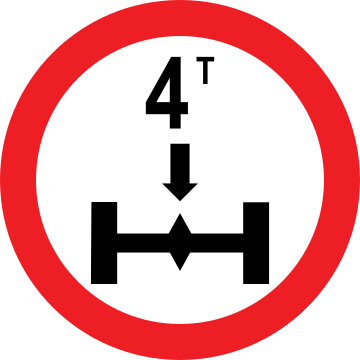
Axle load limit Vehicles with an axle load over the tonnes shown may not pass. Heavy vehicles must use another route.
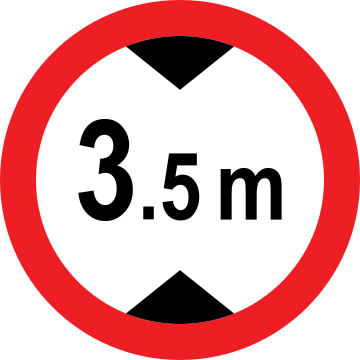
Height limit Vehicles higher than the height shown may not pass. Check the height of your vehicle and load.
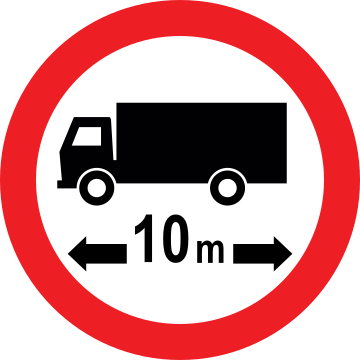
Length limit Vehicles longer than the length shown may not pass. Use another route if your vehicle is longer.
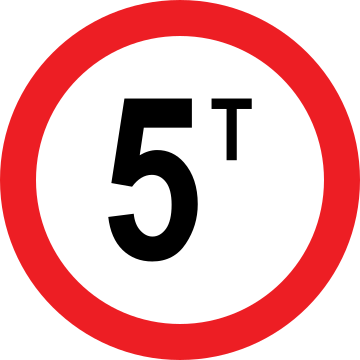
Load limit Vehicles heavier than the tonnes shown may not pass. Use another route if your vehicle is heavier.
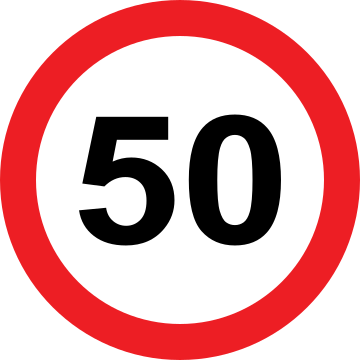
Speed limit 50 Maximum speed 50 km/h. Do not drive faster than 50 km/h.
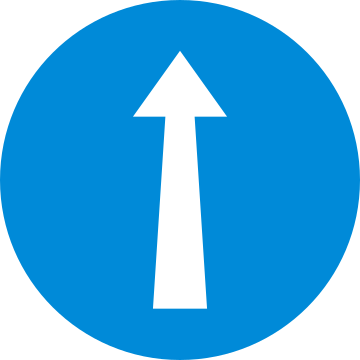
Compulsory ahead only You must go straight ahead. Do not turn.
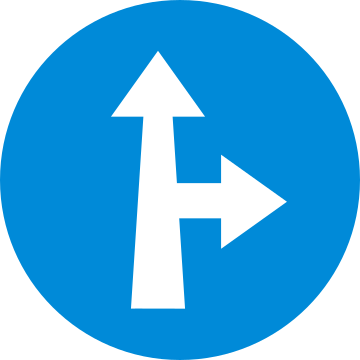
Compulsory ahead or turn right You must go straight or turn right. Do not turn left.
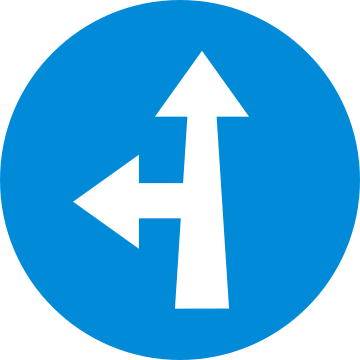
Compulsory ahead or turn left You must go straight or turn left. Do not turn right.
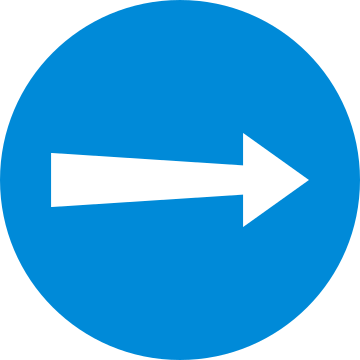
Compulsory turn right You must turn right. Move to the right-most lane in good time.
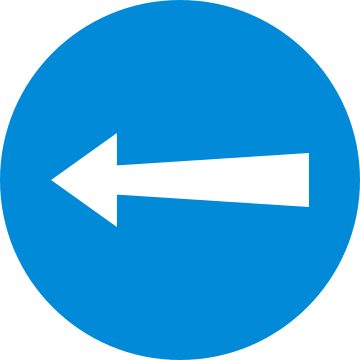
Compulsory turn left You must turn left. Move to the left-most lane in good time.
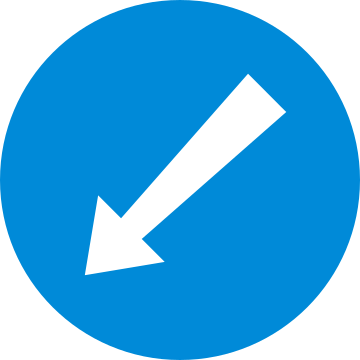
Compulsory keep left Keep to the left of the island or obstruction. Pass on the side the arrow shows.
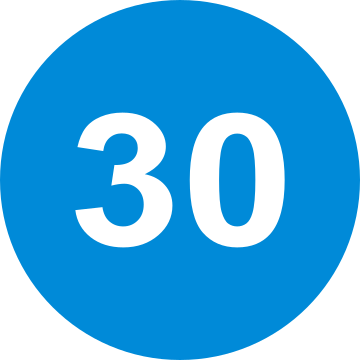
Minimum speed limit You must drive at least the speed shown. Do not drive slower than this unless it is unsafe.
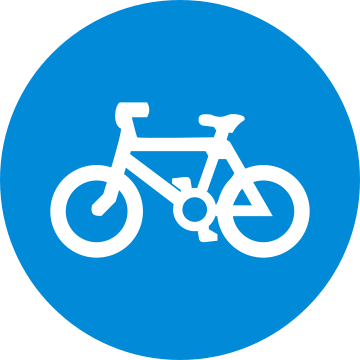
Compulsory cycle track Cyclists must use this track. Do not drive a motor vehicle on it.
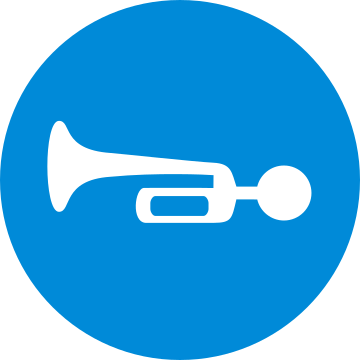
Compulsory sound horn You must sound your horn here. Usually before a blind bend on hill roads.
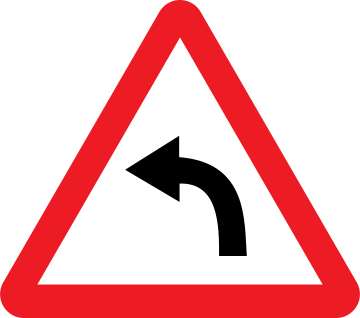
Left curve The road bends to the left ahead. Slow down before the bend.
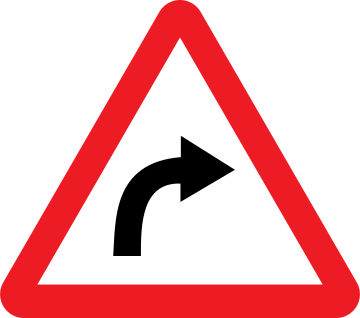
Right curve The road bends to the right ahead. Slow down before the bend.
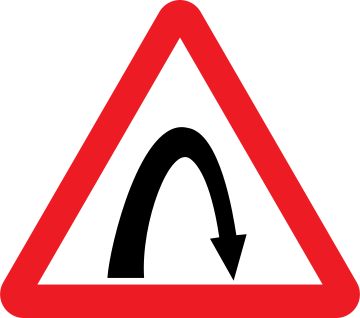
Right hairpin bend A very sharp bend to the right ahead. Slow right down and keep left.
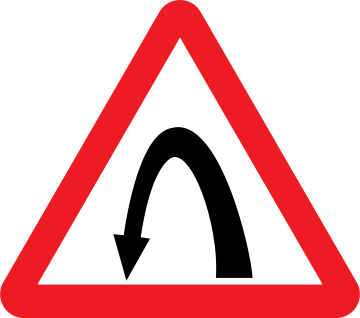
Left hairpin bend A very sharp bend to the left ahead. Slow right down and keep left.
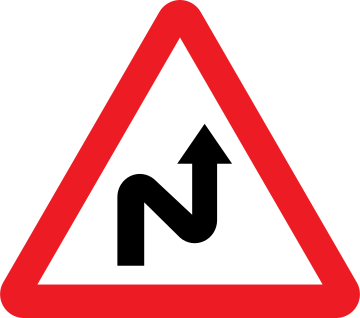
Right reverse bend A bend to the right, then to the left. Slow down and do not overtake.
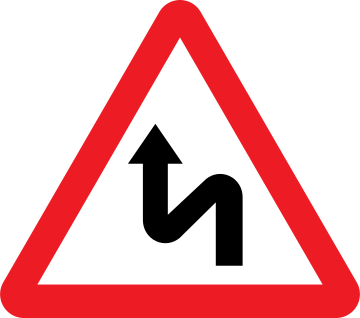
Left reverse bend A bend to the left, then to the right. Slow down and do not overtake.
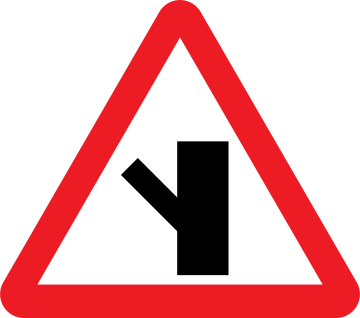
Y-intersection The road divides ahead. Choose your direction in good time.
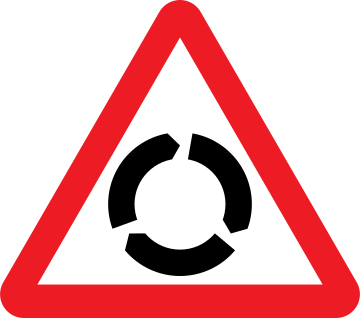
Roundabout ahead A roundabout ahead. Slow down; traffic already in the roundabout has the right of way.
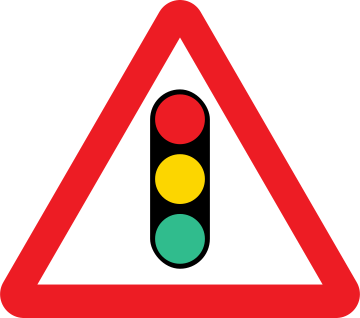
Traffic signals ahead Traffic lights ahead. Slow down and be ready to stop.
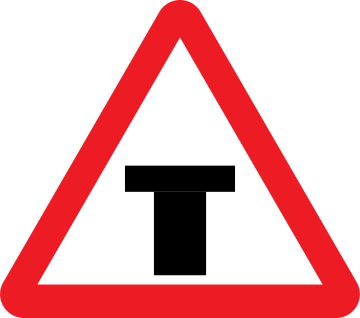
T-intersection The road ends at a T-junction ahead. Slow down; you will have to turn left or right.
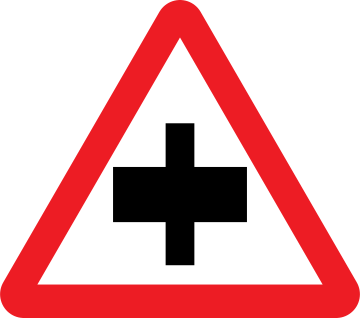
Cross road A crossroad ahead. Slow down and watch for crossing traffic.
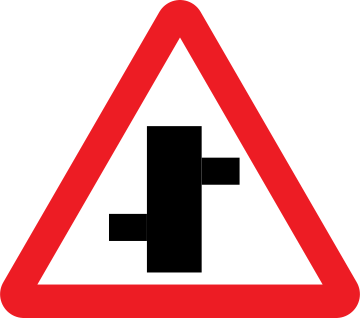
Staggered intersection Side roads join a short distance apart. Slow down and watch both sides.
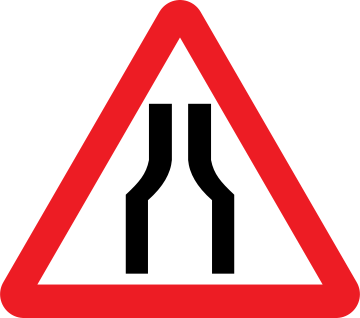
Narrow road ahead The road narrows ahead. Slow down and do not overtake.
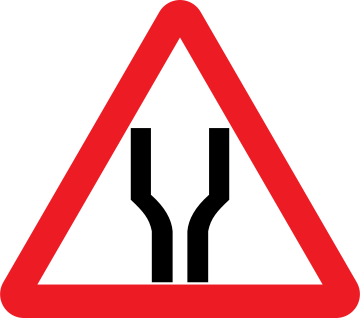
Road widens ahead The road becomes wider ahead. Keep to your lane.
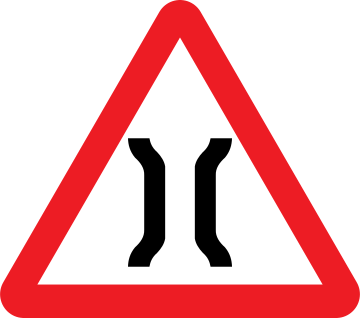
Narrow bridge A narrow bridge ahead. Slow down; do not overtake on it.
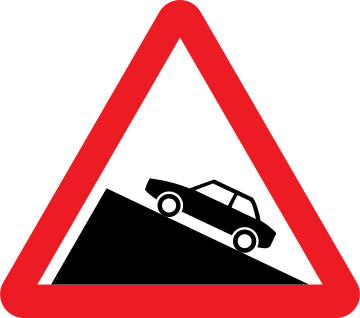
Steep ascent A steep climb ahead. Use a suitable gear; on narrow hill roads vehicles going uphill have precedence.
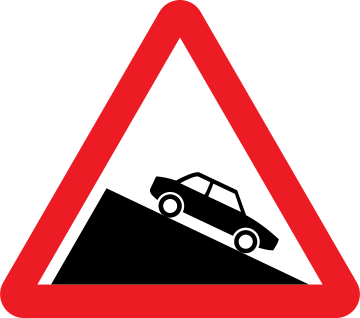
Steep descent A steep descent ahead. Use a low gear; give way to vehicles coming uphill on narrow roads.
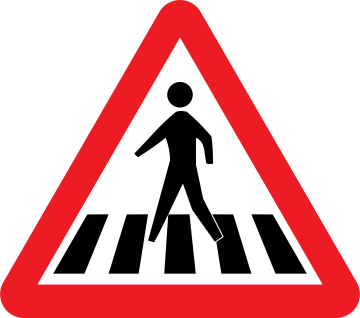
Pedestrian crossing A pedestrian crossing ahead. Slow down and stop for pedestrians.
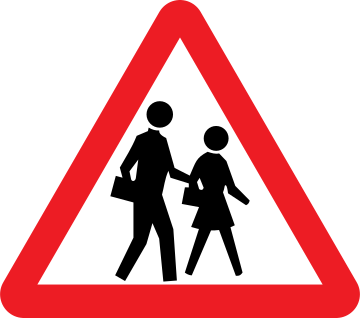
School ahead A school ahead: children may be on the road. Slow down; do not overtake in a school zone.
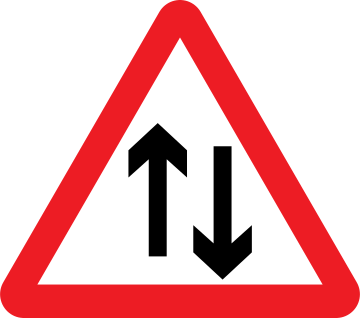
Two-way traffic Traffic flows in both directions ahead. Keep left and expect oncoming vehicles.
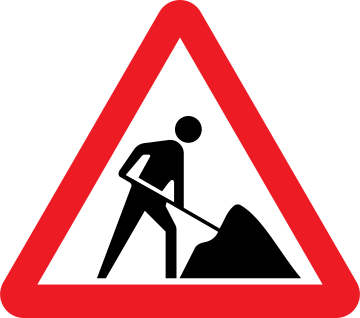
Men at work Road works ahead. Slow down and follow any directions given.
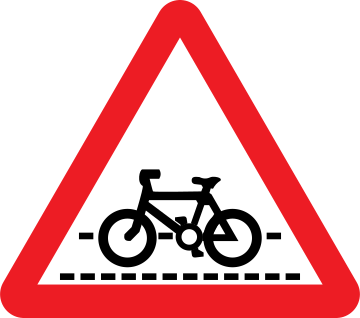
Cycle crossing Cyclists cross the road ahead. Slow down and give way to cyclists.
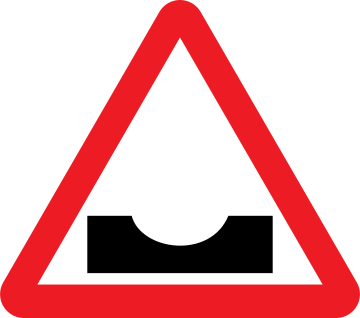
Dip A dip in the road ahead. Slow down.
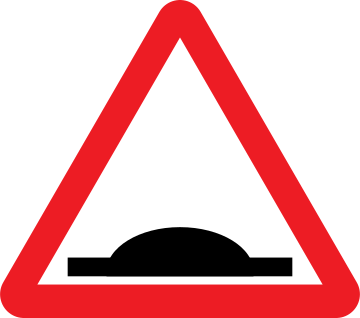
Hump or speed breaker A hump or speed breaker ahead. Slow down before it.
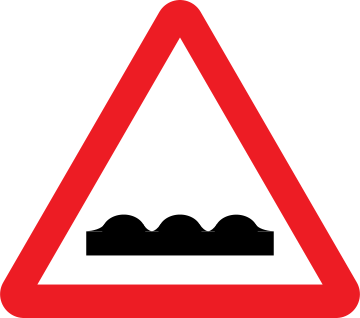
Rough road An uneven road surface ahead. Slow down.
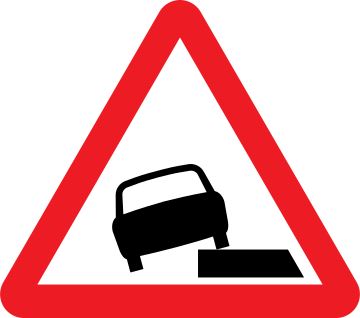
Soft verges The road edges are soft. Do not drive onto the verge.
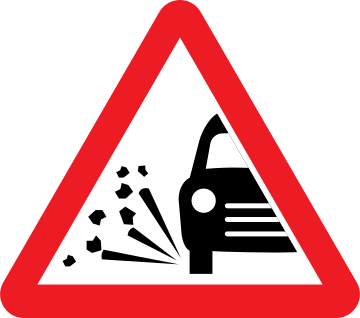
Loose gravel Loose gravel on the road ahead. Slow down; stones may be thrown up.
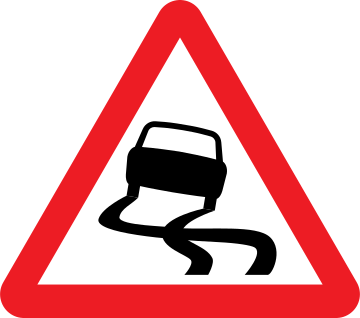
Slippery road The road may be slippery. Slow down and avoid harsh braking or steering.
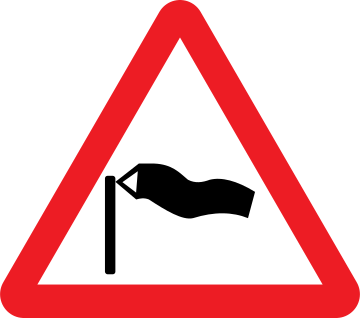
Side winds Strong side winds ahead. Hold the steering firmly and slow down.
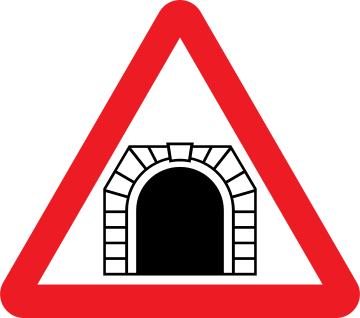
Tunnel ahead A tunnel ahead. Switch on dipped headlights before entering; do not overtake or stop in it.
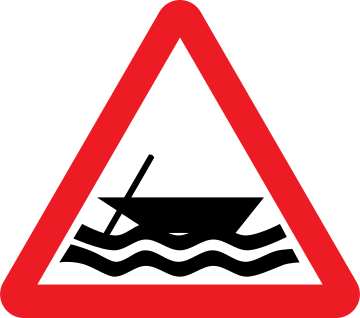
Ferry The road leads to a ferry. Slow down and be ready to stop.
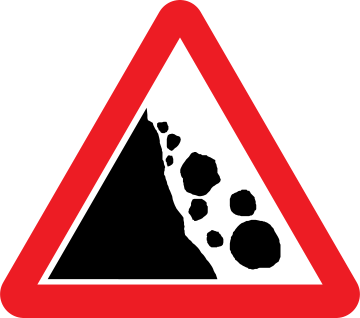
Falling rocks Rocks may fall or be on the road. Slow down and watch the road.
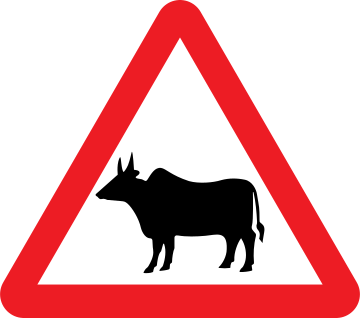
Cattle Cattle may be on the road. Slow down and pass slowly and carefully.
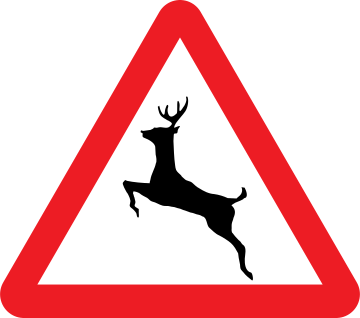
Wild animals Wild animals may cross the road. Slow down and watch for animals.
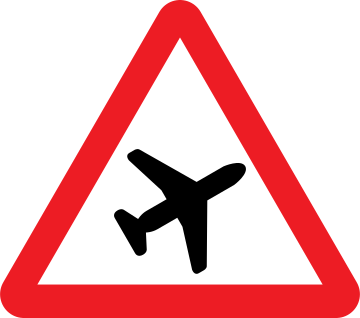
Low flying aircraft Aircraft fly low near an airport. Do not be startled by sudden noise.
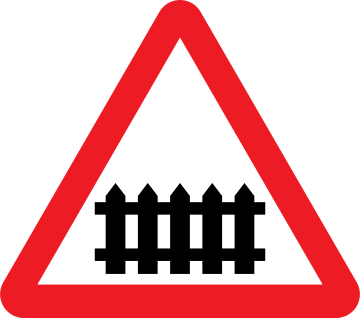
Guarded railway crossing A railway crossing with gates or barriers ahead. Slow down; do not enter when the gates are closed or closing.
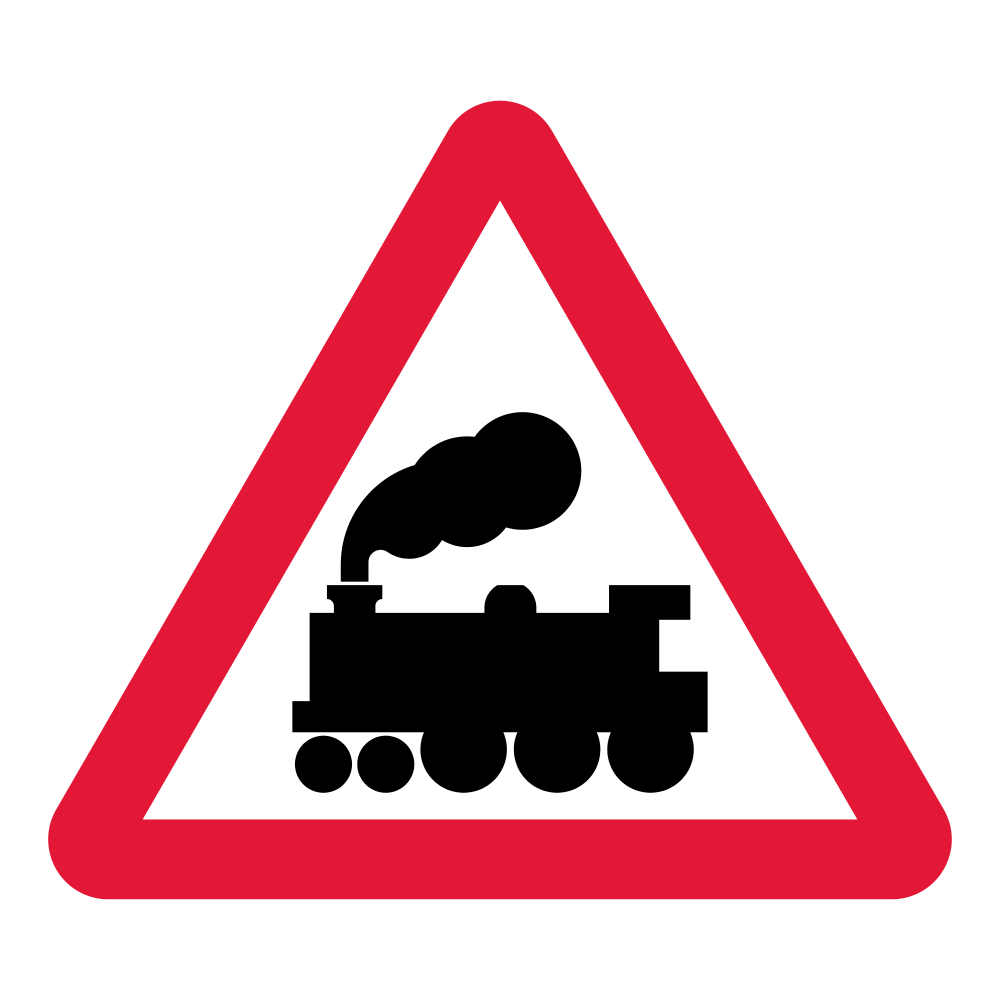
Unguarded railway crossing A railway crossing without gates ahead. Slow down and cross only when no train is in sight.
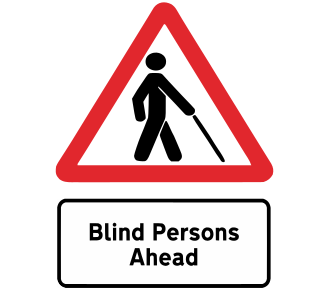
Blind persons ahead Blind people may be crossing ahead. Slow down and be ready to stop.
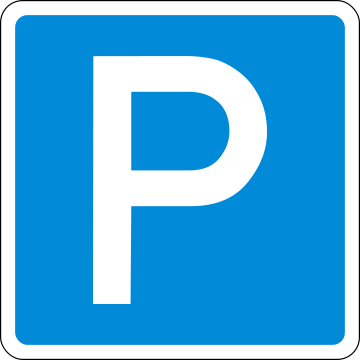
Parking Parking is allowed here. Park within the marked space.
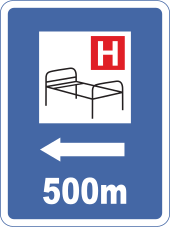
Hospital A hospital in the direction shown. Do not use your horn near hospitals.
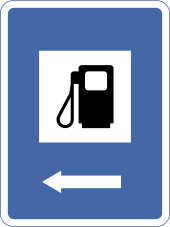
Fuel station A fuel (petrol pump) station in the direction shown. Follow the arrow to reach it.
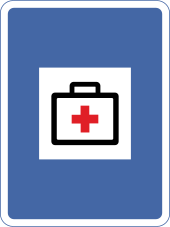
First aid post A first aid post nearby. Follow the sign to reach it.
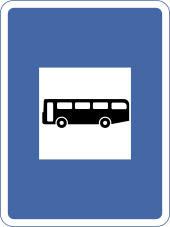
Bus stop A bus stop. Do not stop here unless you are driving a bus.
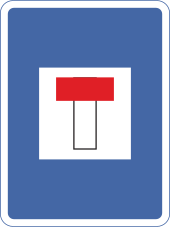
No through road The road ahead is a dead end. Turn back or take another road.
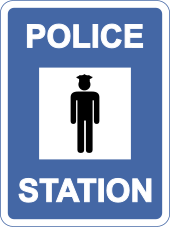
Police station A police station nearby. Follow the sign to reach it.
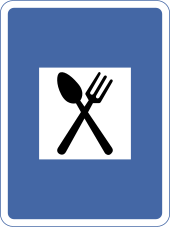
Eating place A place to eat nearby. Follow the sign to reach it.
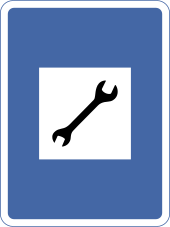
Repair facility A vehicle repair facility nearby. Follow the sign to reach it.
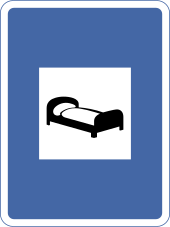
Resting place A place to rest nearby. Take a break if you feel tired.
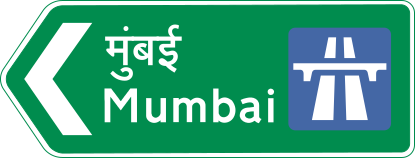
Expressway ahead An expressway begins ahead. Follow expressway rules; motorcycles may use it only where permitted.
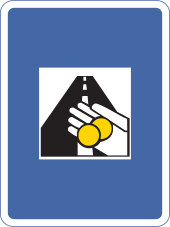
Toll road ahead A toll road ahead. Be ready to pay the toll.
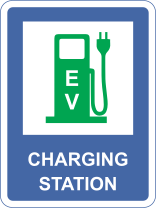
EV charging station A charging station for electric vehicles. Follow the sign to reach it.
Emergency helpline The number to call for highway emergencies or help. Note the number in case you need help.
Signs are easier to remember by group: the shape and colour tell you the kind of message before you read it. The India signs on this page fall into these groups:
Pick an answer, then open "Show answer" to check it. For the real test format, take a free RTO practice test.
Turn on JavaScript to take the interactive mock tests.