To pass the NZ Transport Agency Waka Kotahi (NZTA) learner licence theory test, you must answer at least 32 out of 35 questions correctly to achieve the required 91% passing score. Below is every New Zealand sign we cover, with its official image and meaning. After the signs: the sign groups, a short quiz and study tips.
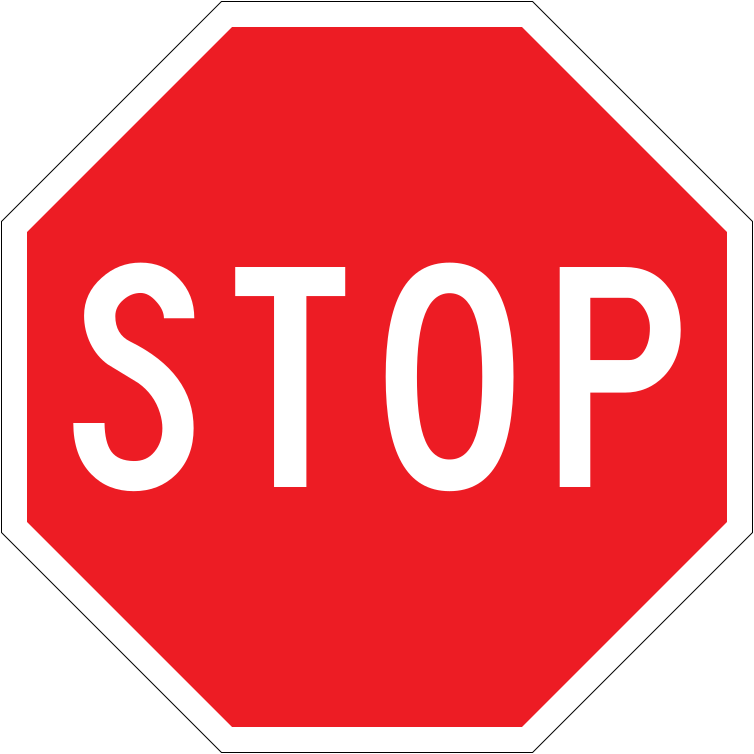
Stop Stop completely, then give way. Stop at the limit line and give way to all traffic before going.
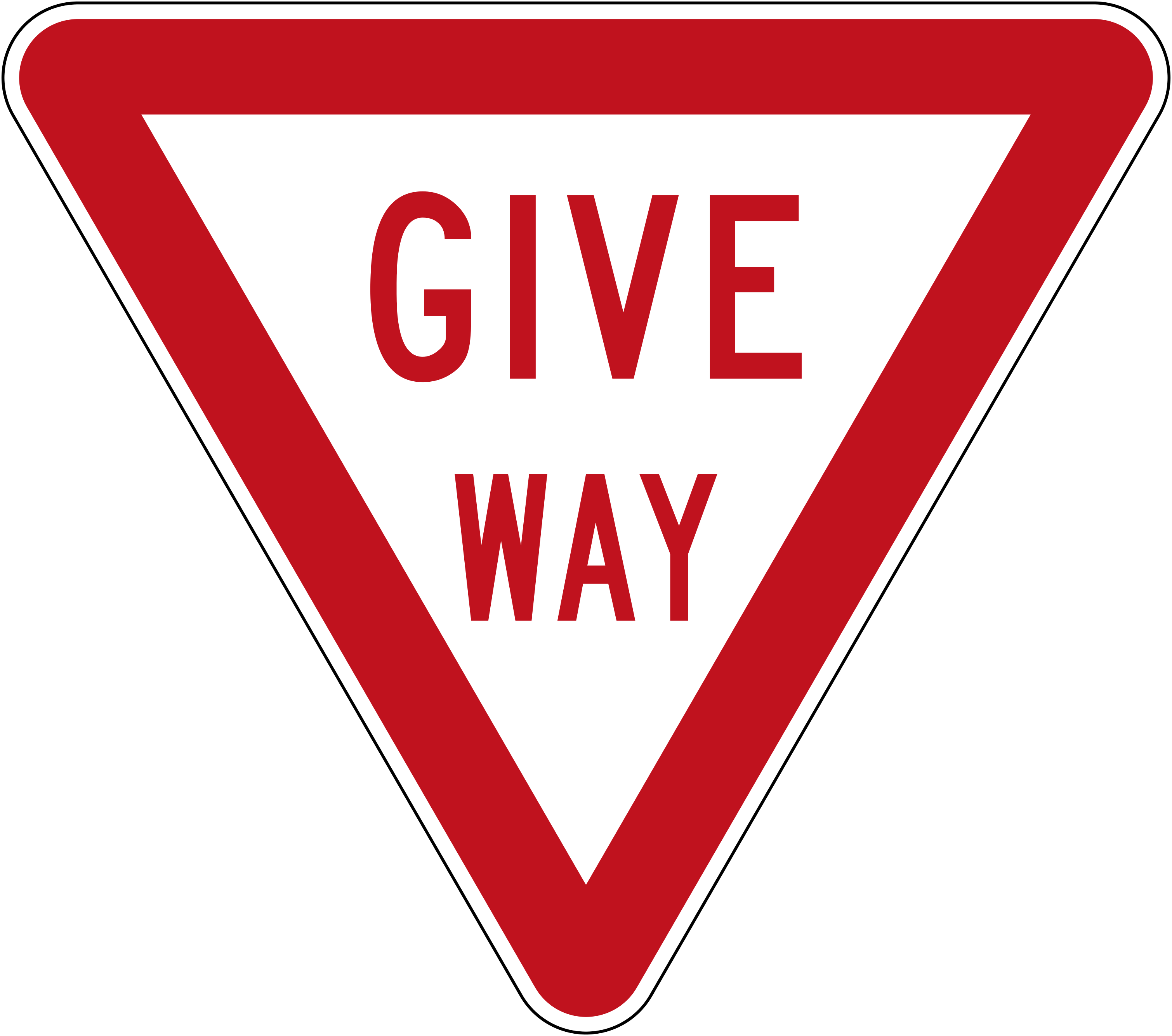
Give way Give way to traffic on the other road. Slow down, look, and stop if you need to.
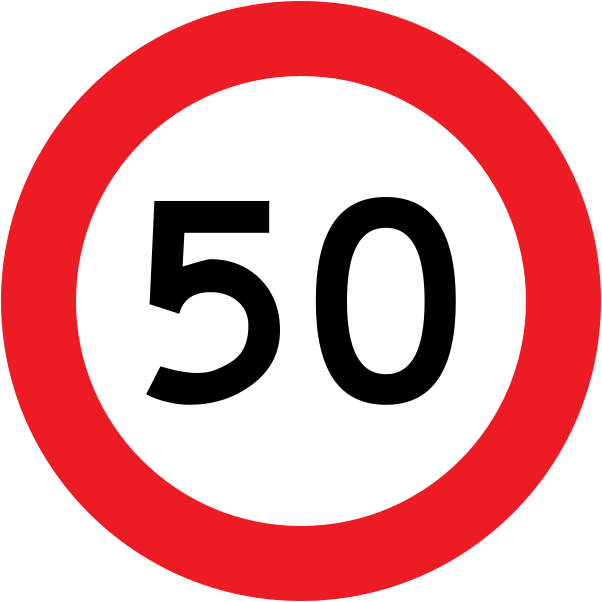
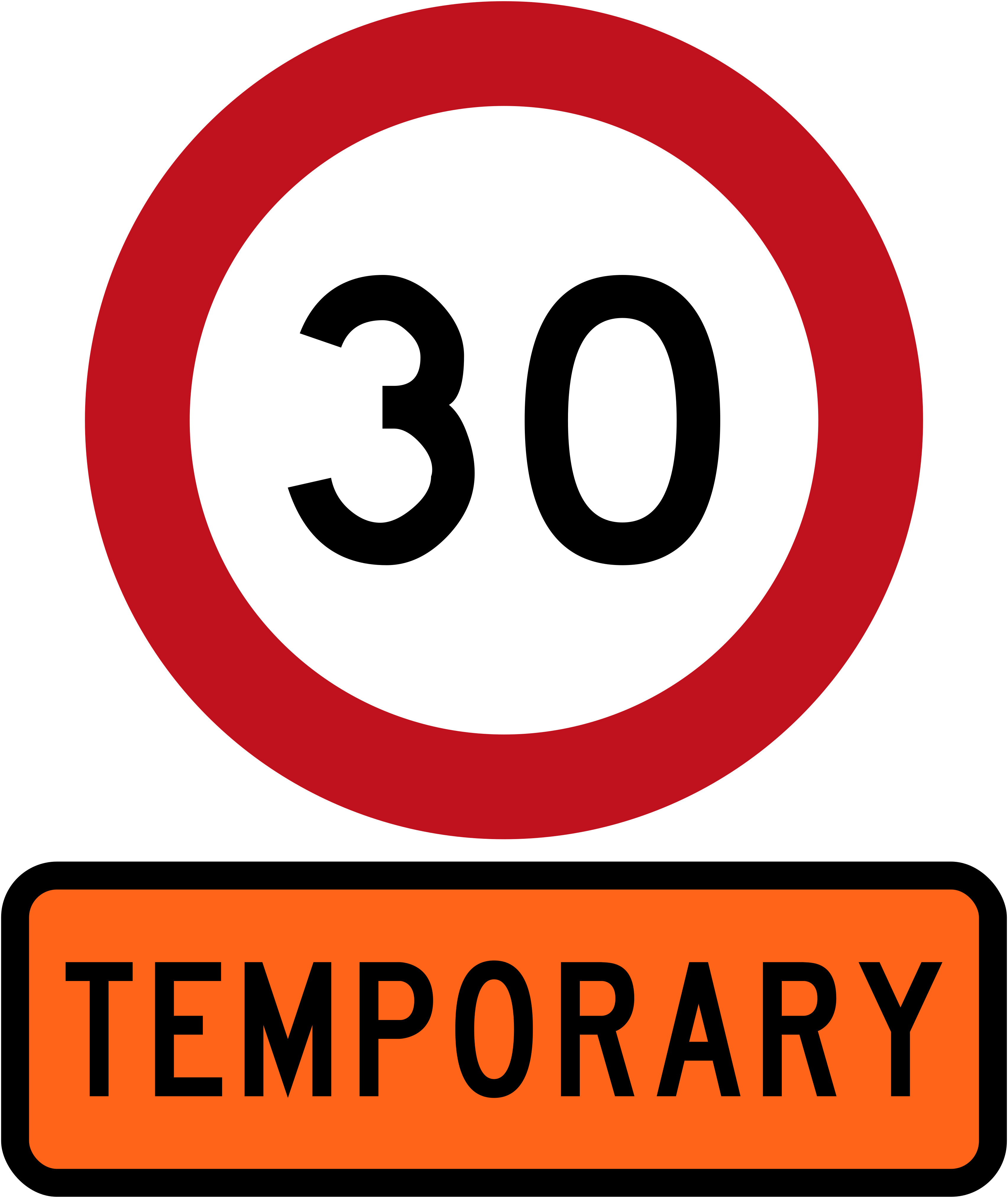
Speed limit 50 Maximum speed 50 km/h. Do not go faster than the number shown.
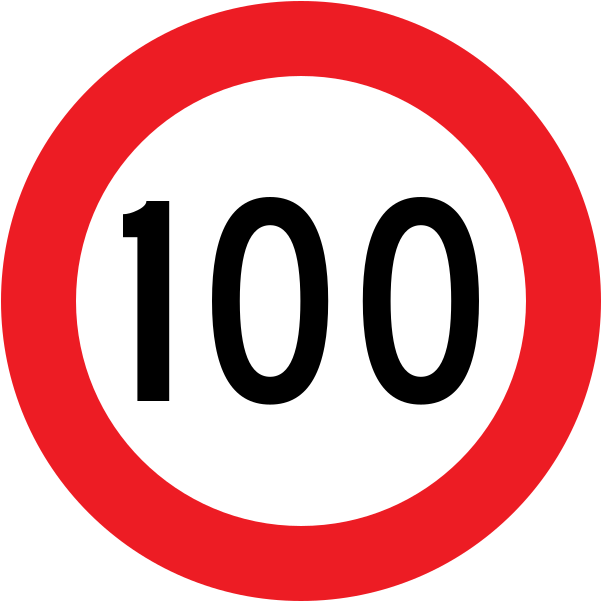
Speed limit 100 Maximum speed 100 km/h. Keep to or below the limit and slow down for conditions.
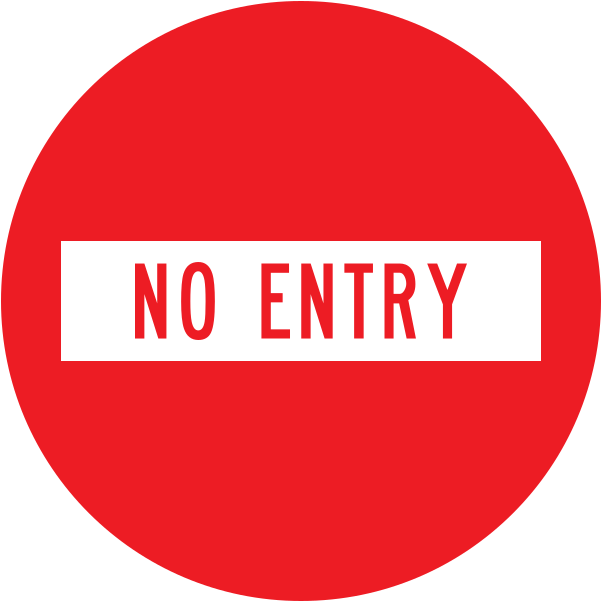
No entry You must not enter. Do not drive past this sign.
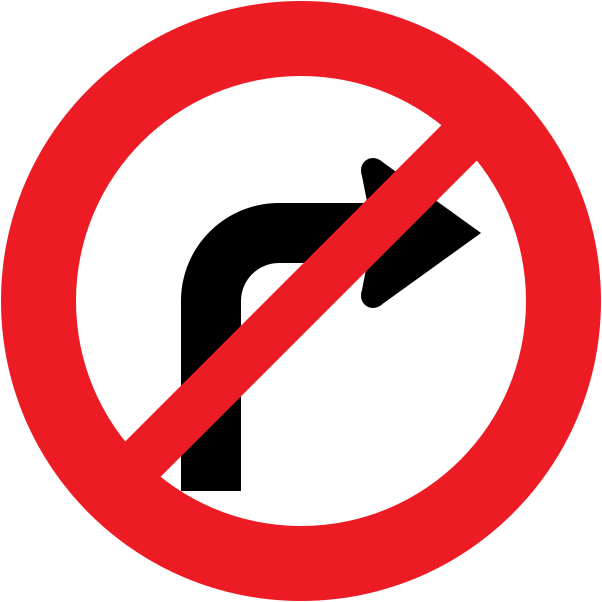
No right turn You must not turn right. Go straight or turn left.
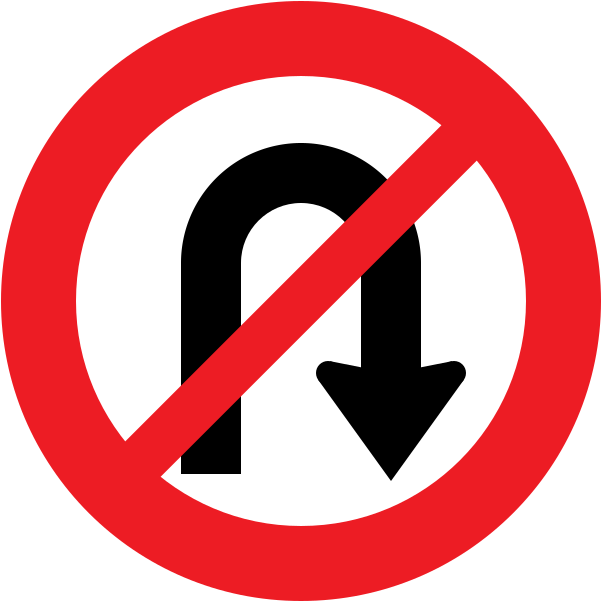
No U-turn You must not make a U-turn. Turn around safely somewhere else.
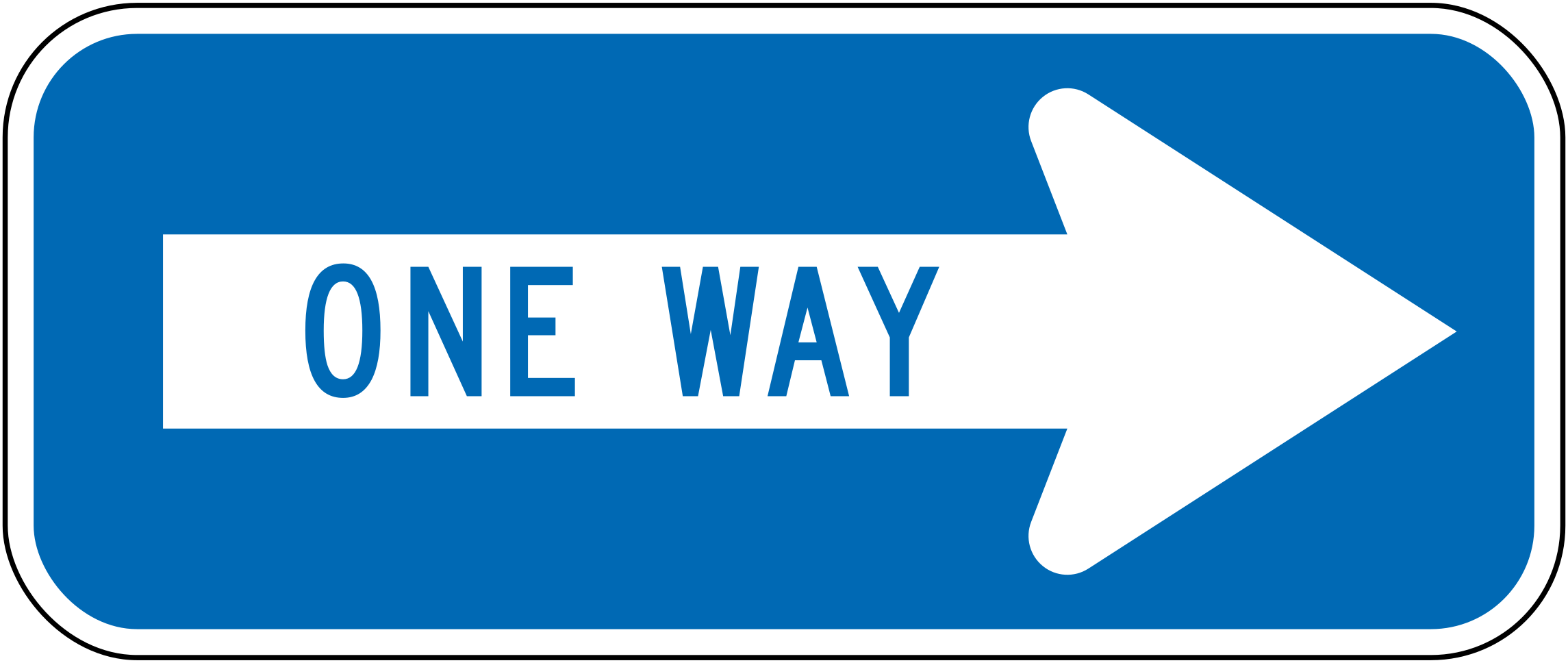
One way Traffic goes only in the direction of the arrow. Do not drive against the arrow.
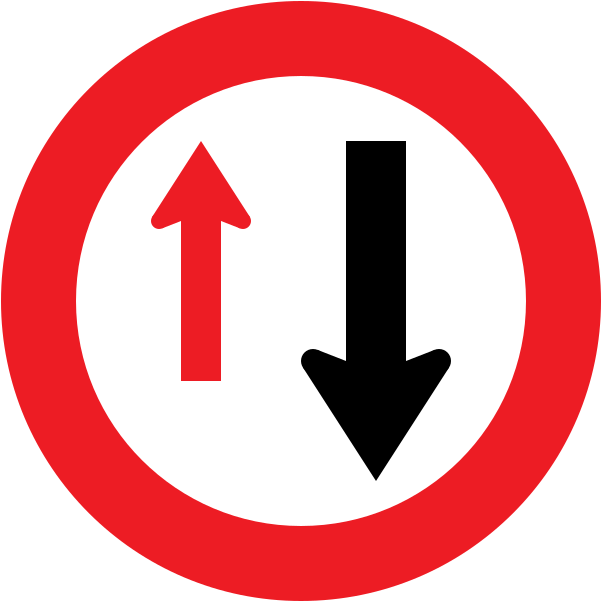
Give way at one-lane bridge Give way to oncoming traffic on the one-lane bridge. Wait until oncoming vehicles have crossed or the bridge is clear.
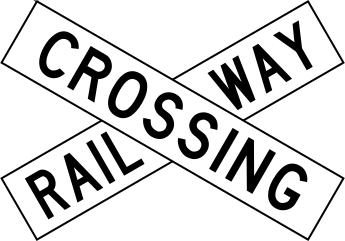
Railway crossing Railway tracks cross here. Give way to trains; stop if the lights flash or bells ring.
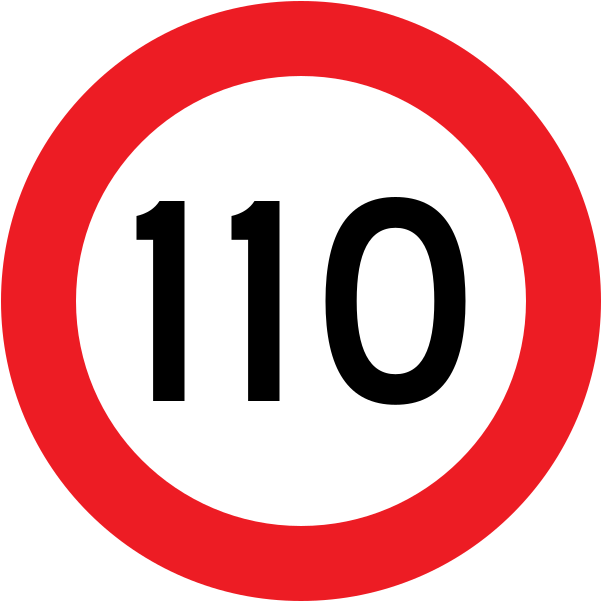
Speed limit 110 The maximum speed is 110 km/h. Only on some motorways and expressways.
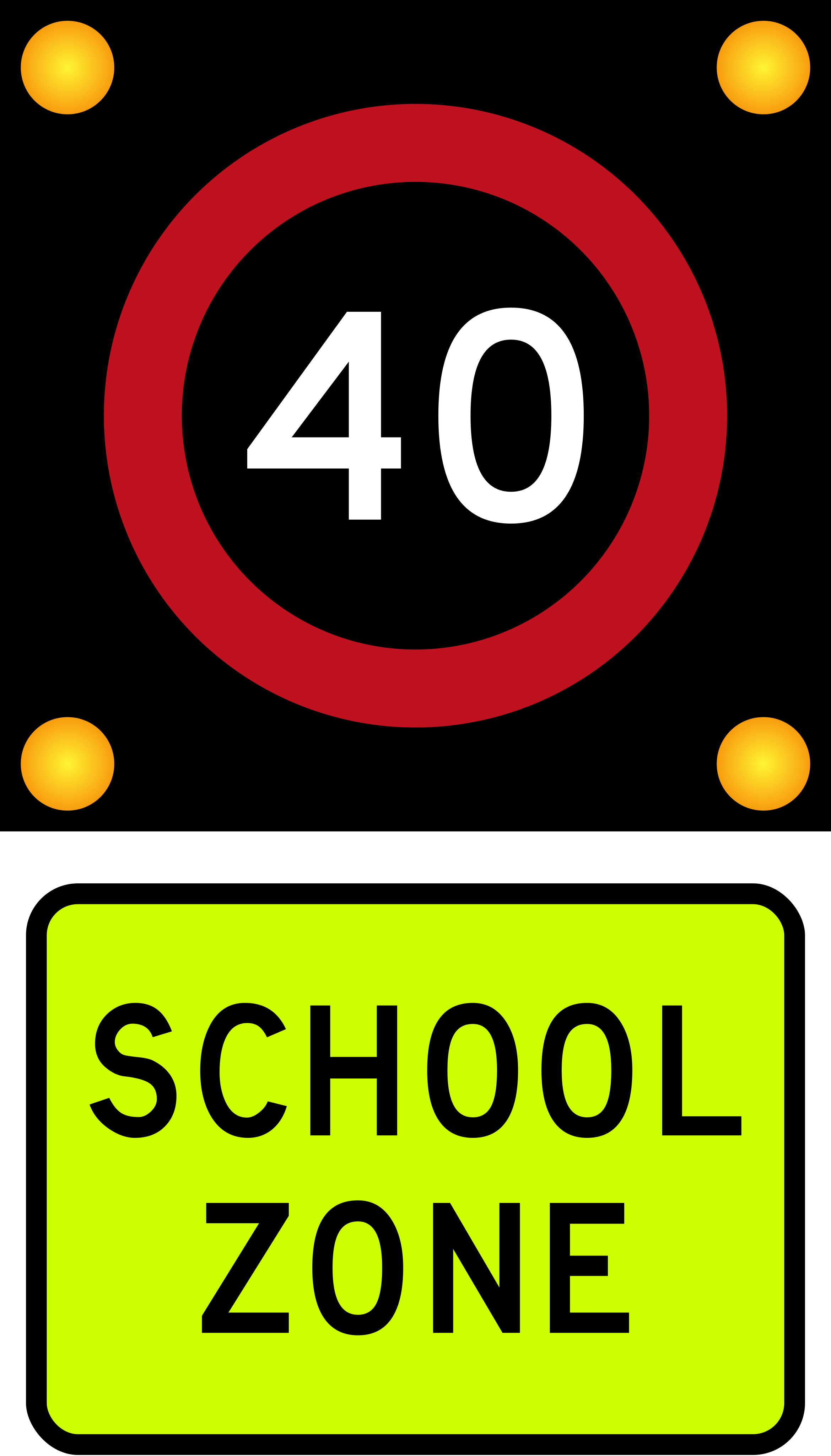
Variable school speed limit A 40 km/h limit applies when the sign is lit. Used near schools at the start and end of the school day.
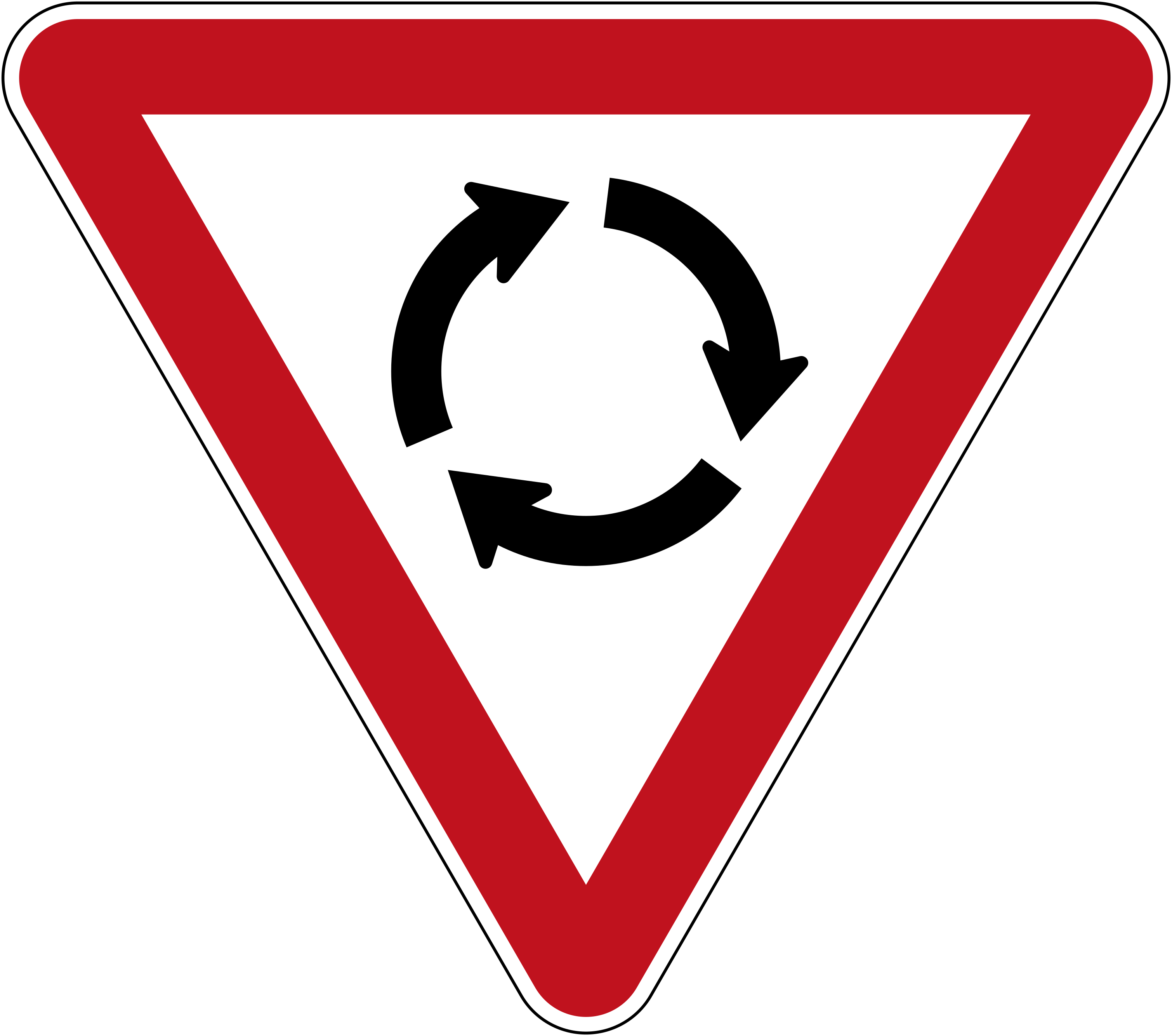
Roundabout give way Give way to traffic on the roundabout coming from your right. Slow down before entering.
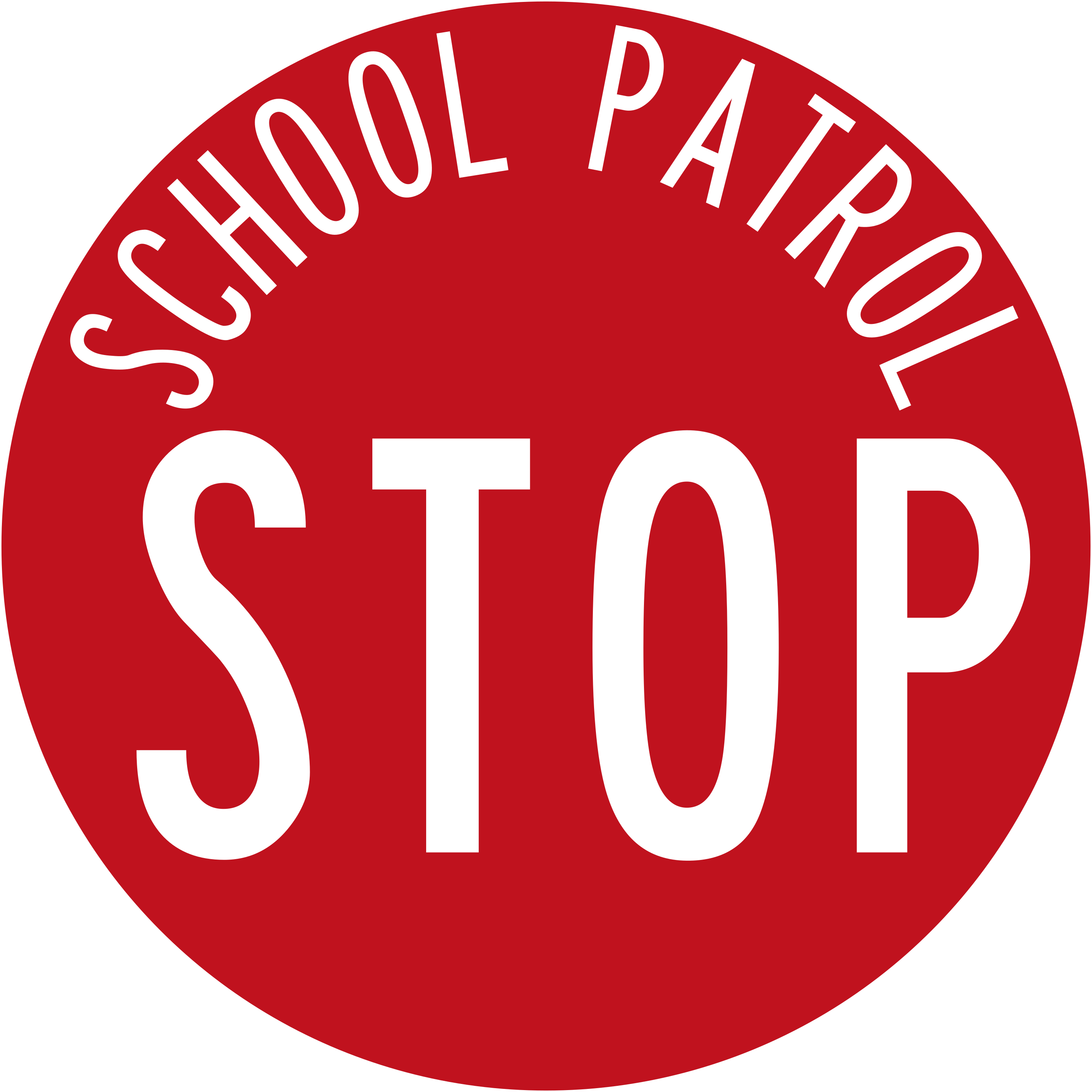
School patrol stop Stop: a school patrol is controlling the crossing. Stay stopped until the signs are pulled in.
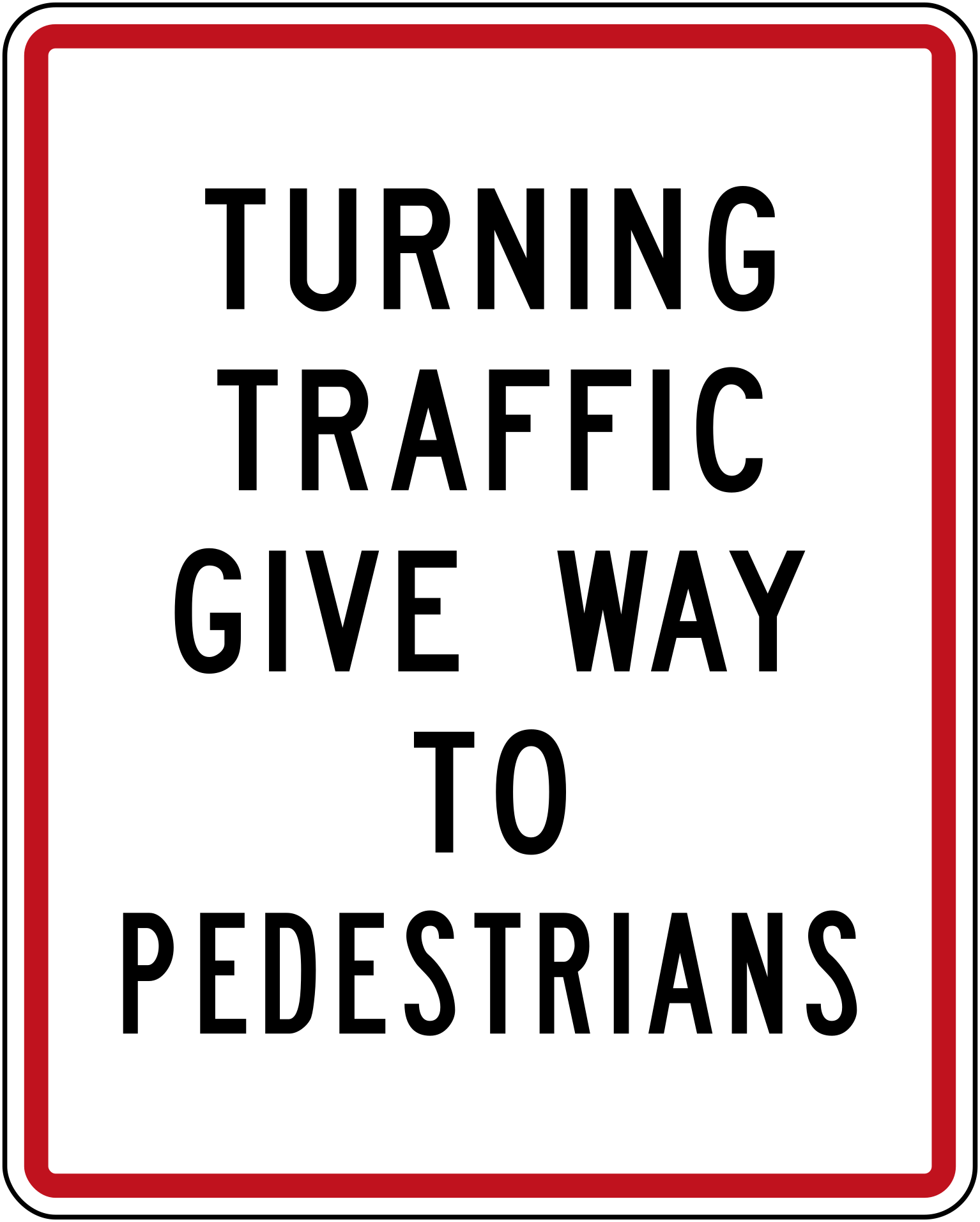
Turning traffic give way to pedestrians If you are turning, you must give way to pedestrians crossing. Common at signalised intersections.
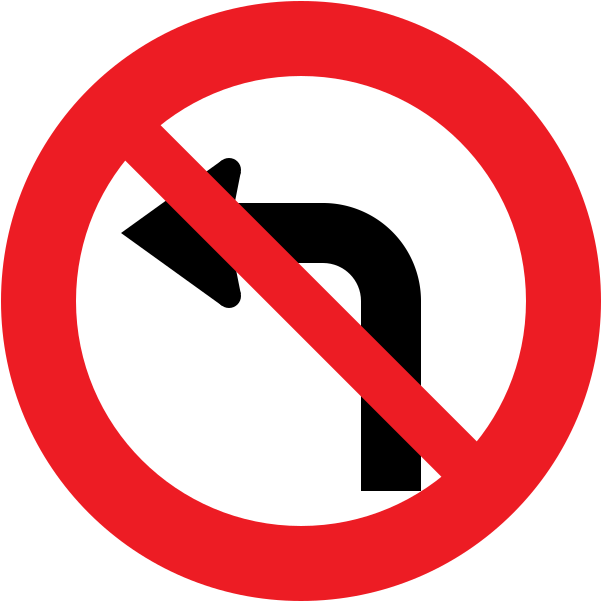
No left turn You must not turn left. The red circle and slash means not allowed.
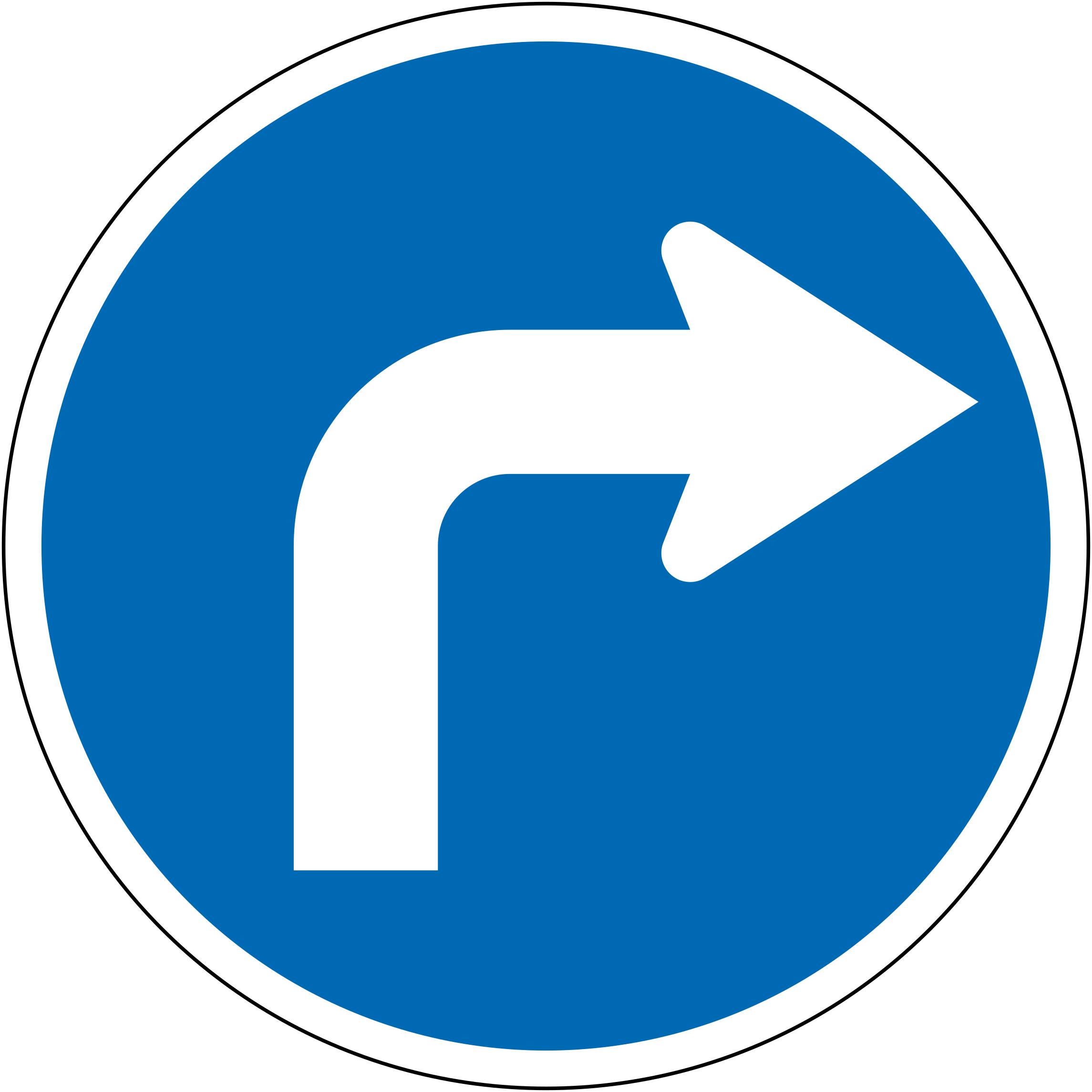
Turn right You must turn right. Blue circles show what you must do.
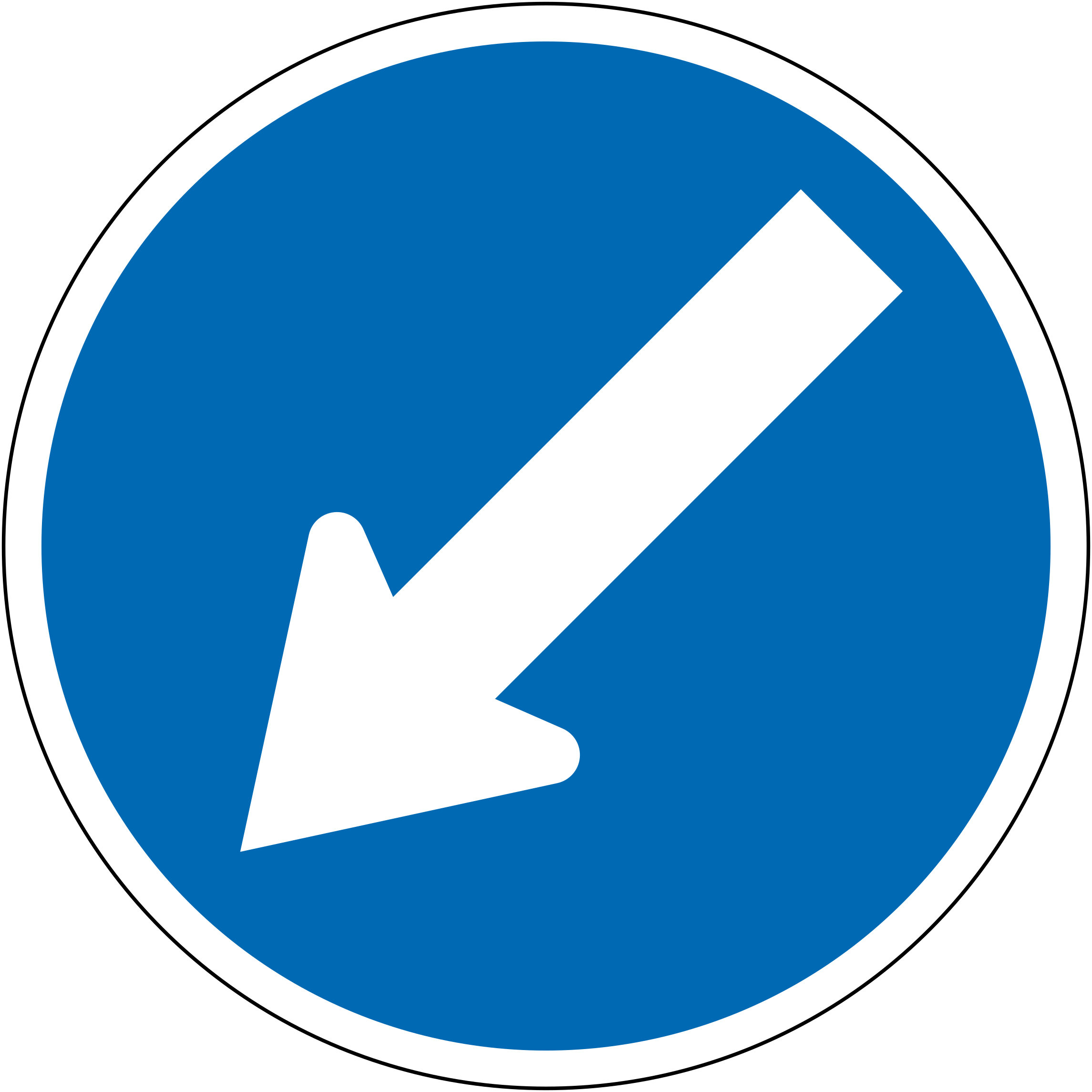
Keep left Keep to the left of the island or obstruction. Do not pass on the right of it.
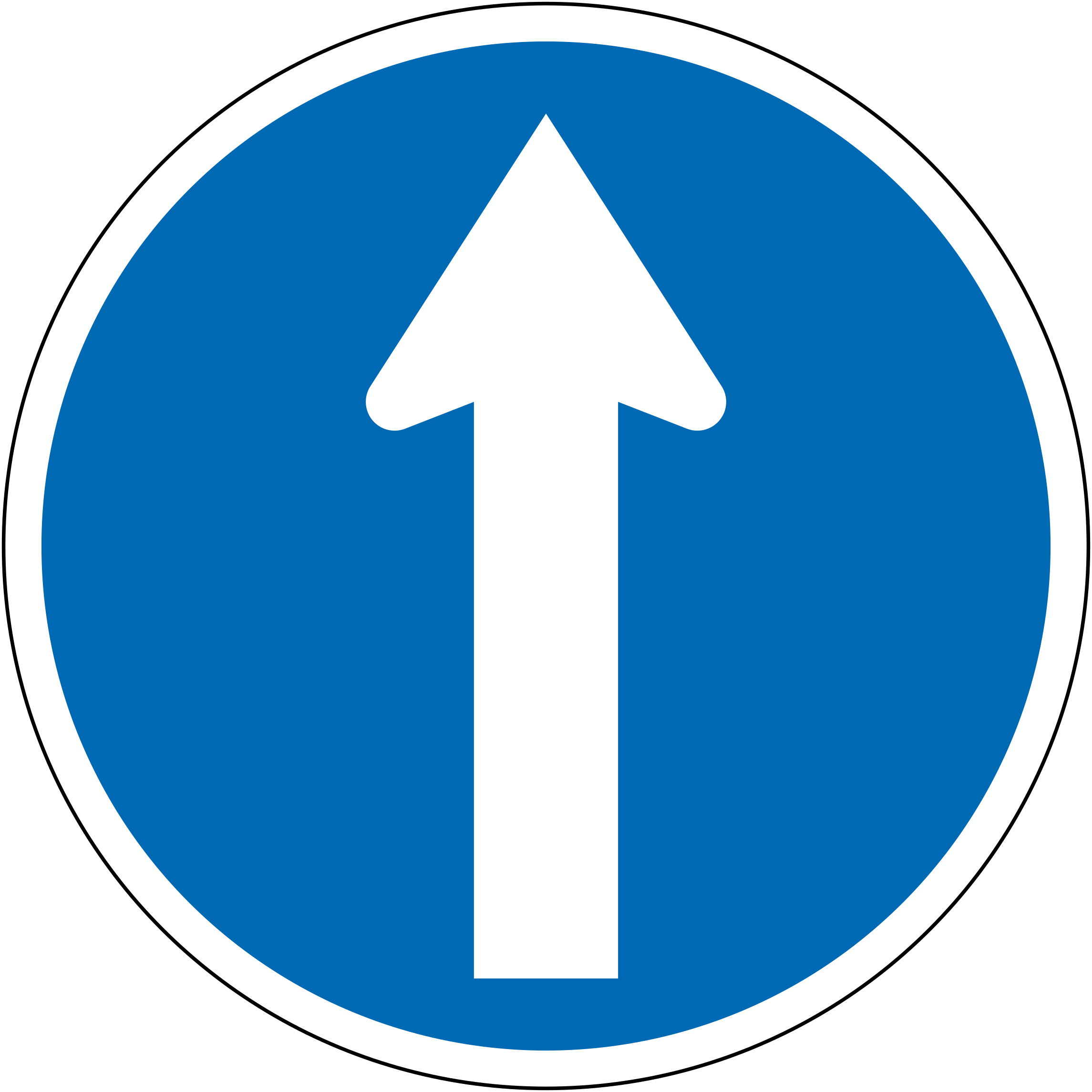
Ahead only You must go straight ahead. Turning is not allowed here.
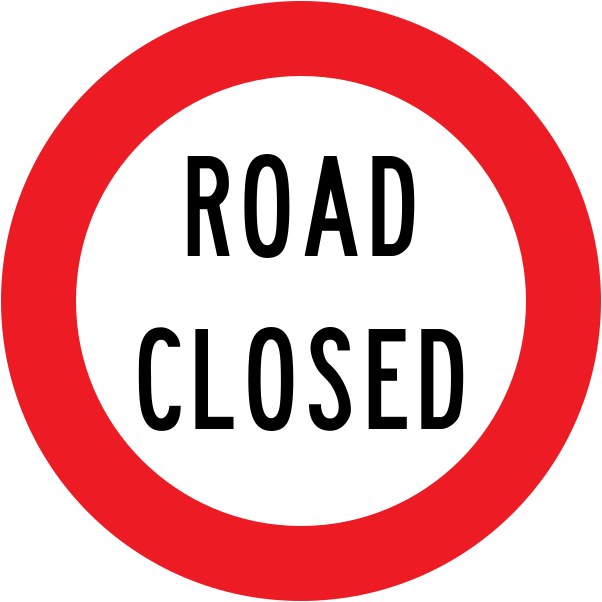
Road closed The road is closed to traffic. Find another route.
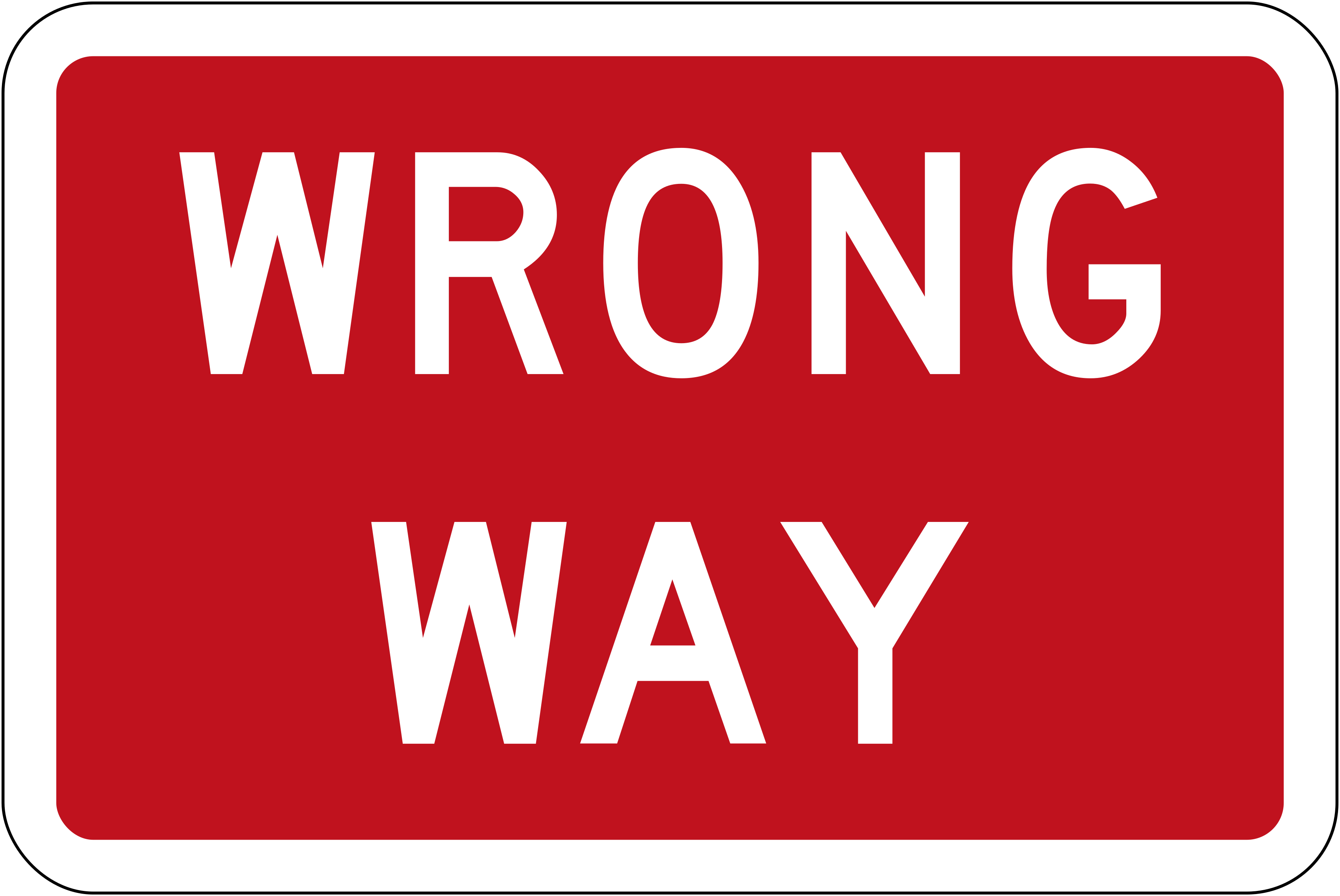
Wrong way You are going the wrong way: stop and turn around safely. Posted at the exits of motorways and one-way roads.
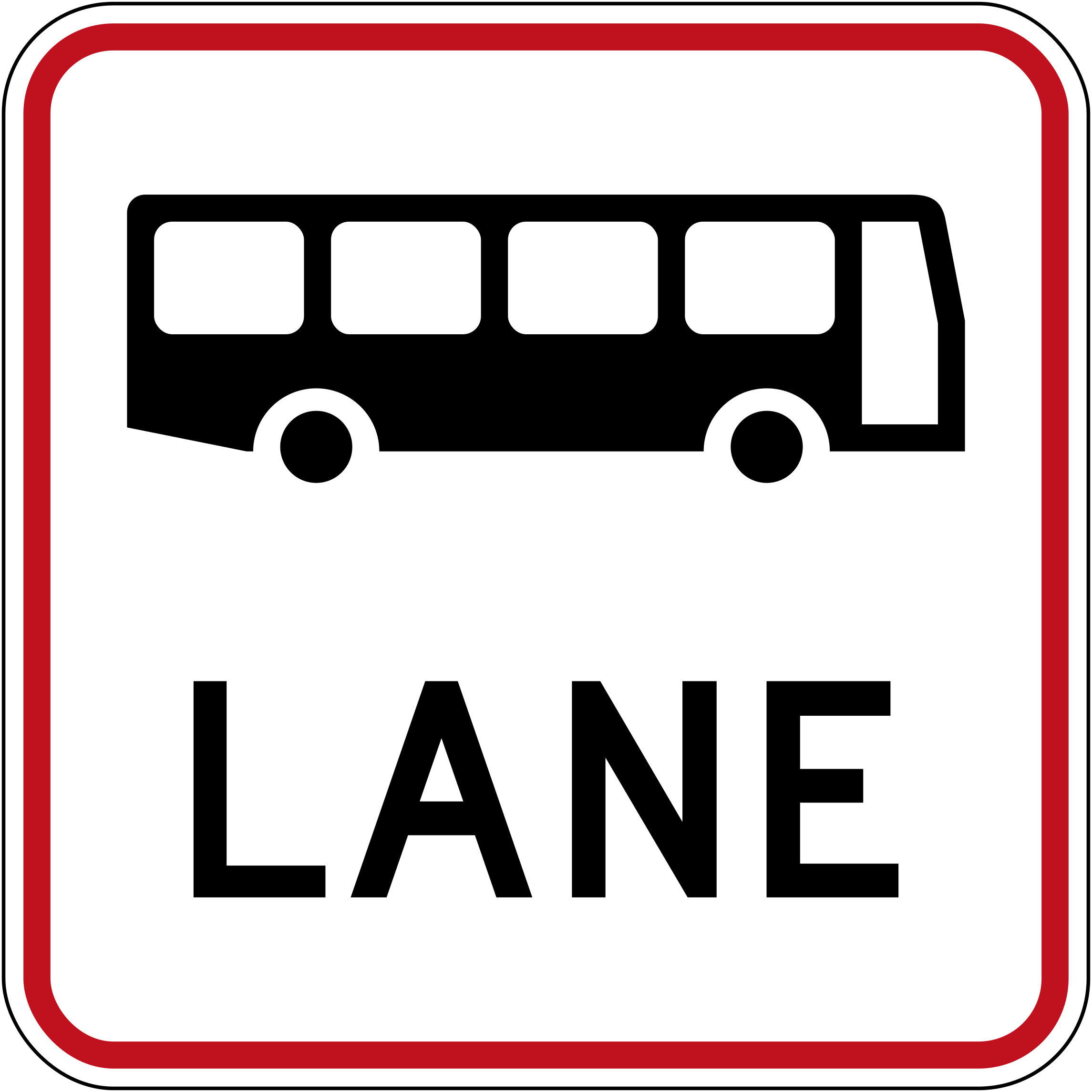
Bus lane The lane is for buses during the times shown. Other vehicles may use it only to cross it or where signs allow.
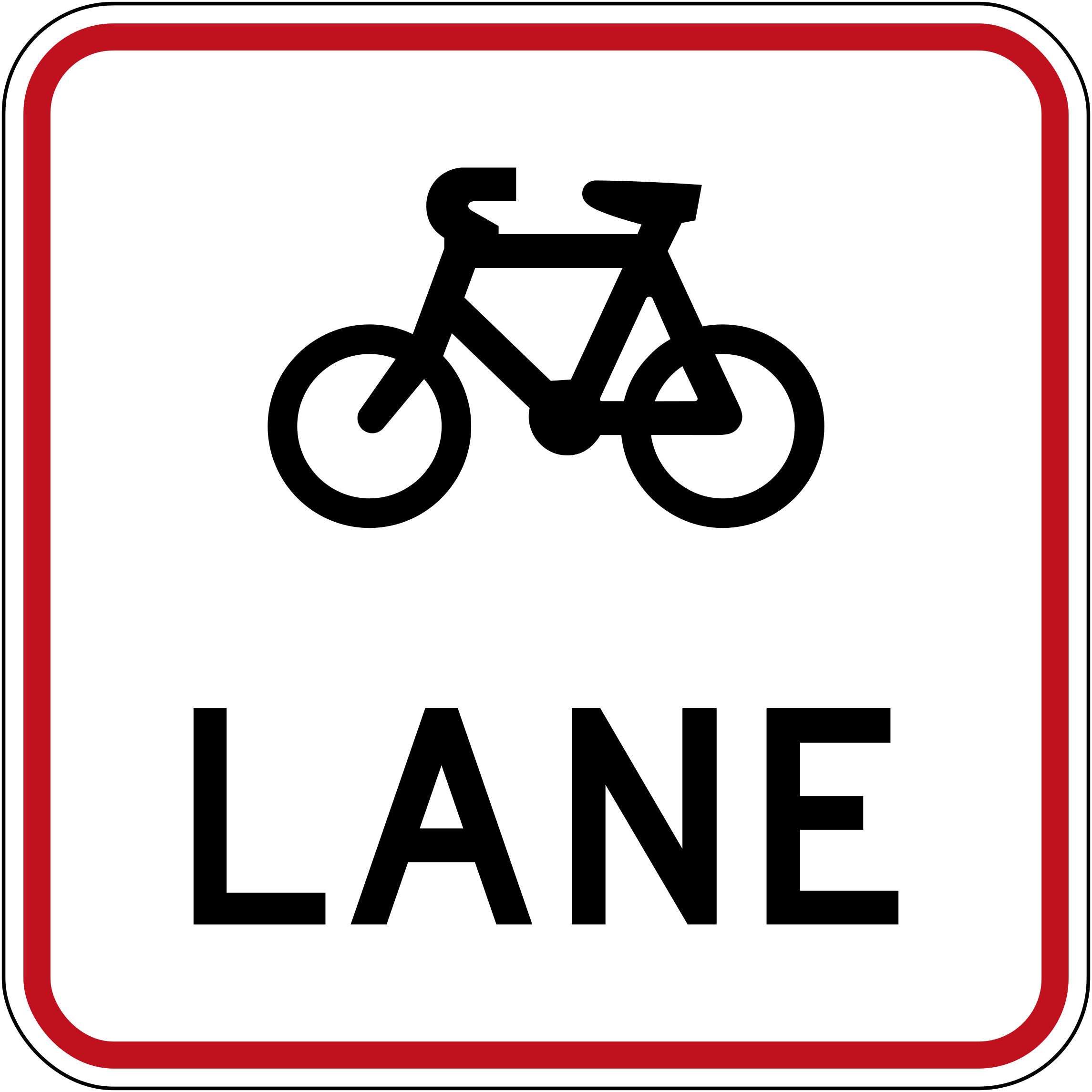
Cycle lane The lane is reserved for cycles. Do not drive or park in it; you may cross it to turn.
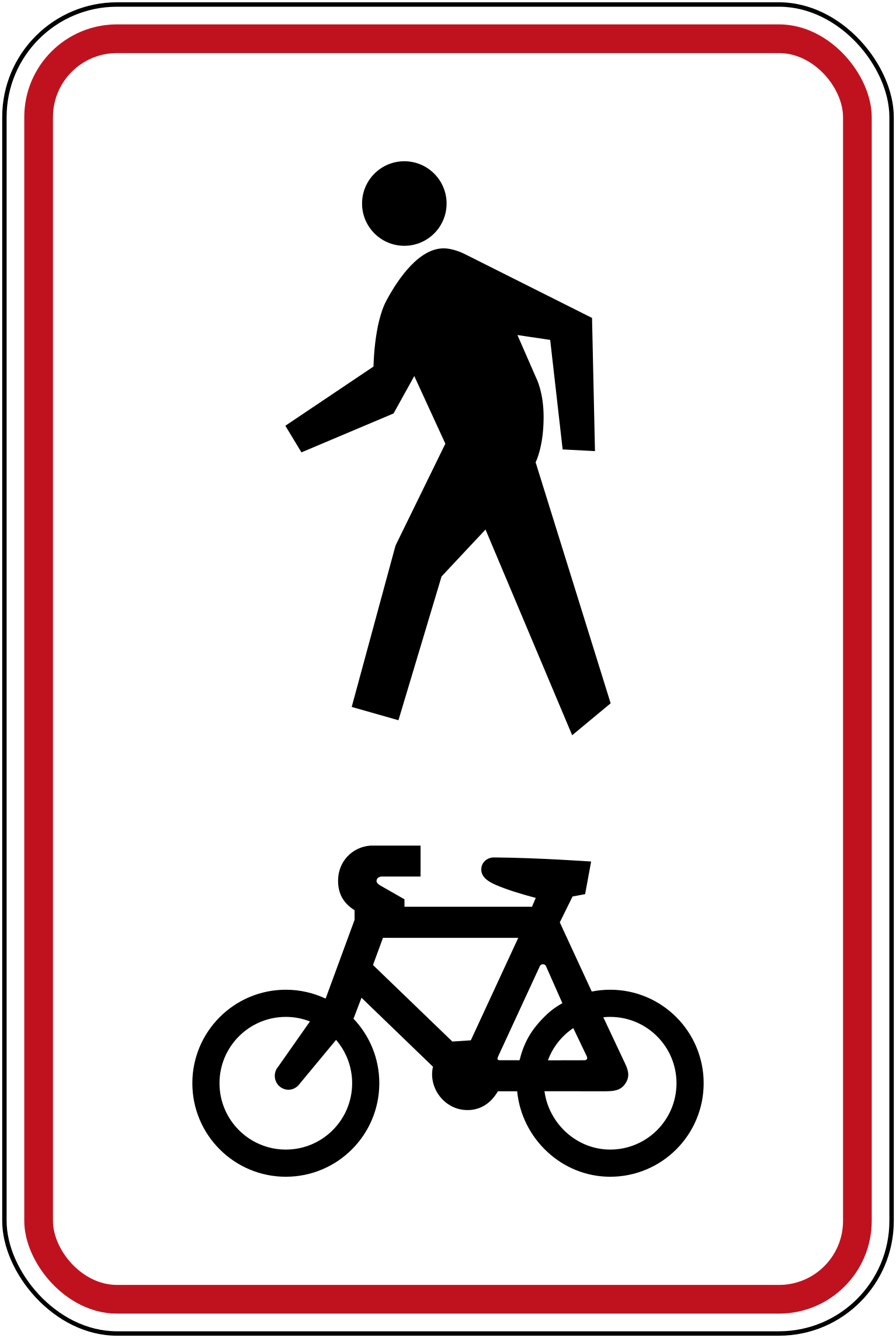
Shared path A path for both pedestrians and cyclists. Cyclists must keep left and give way to pedestrians.
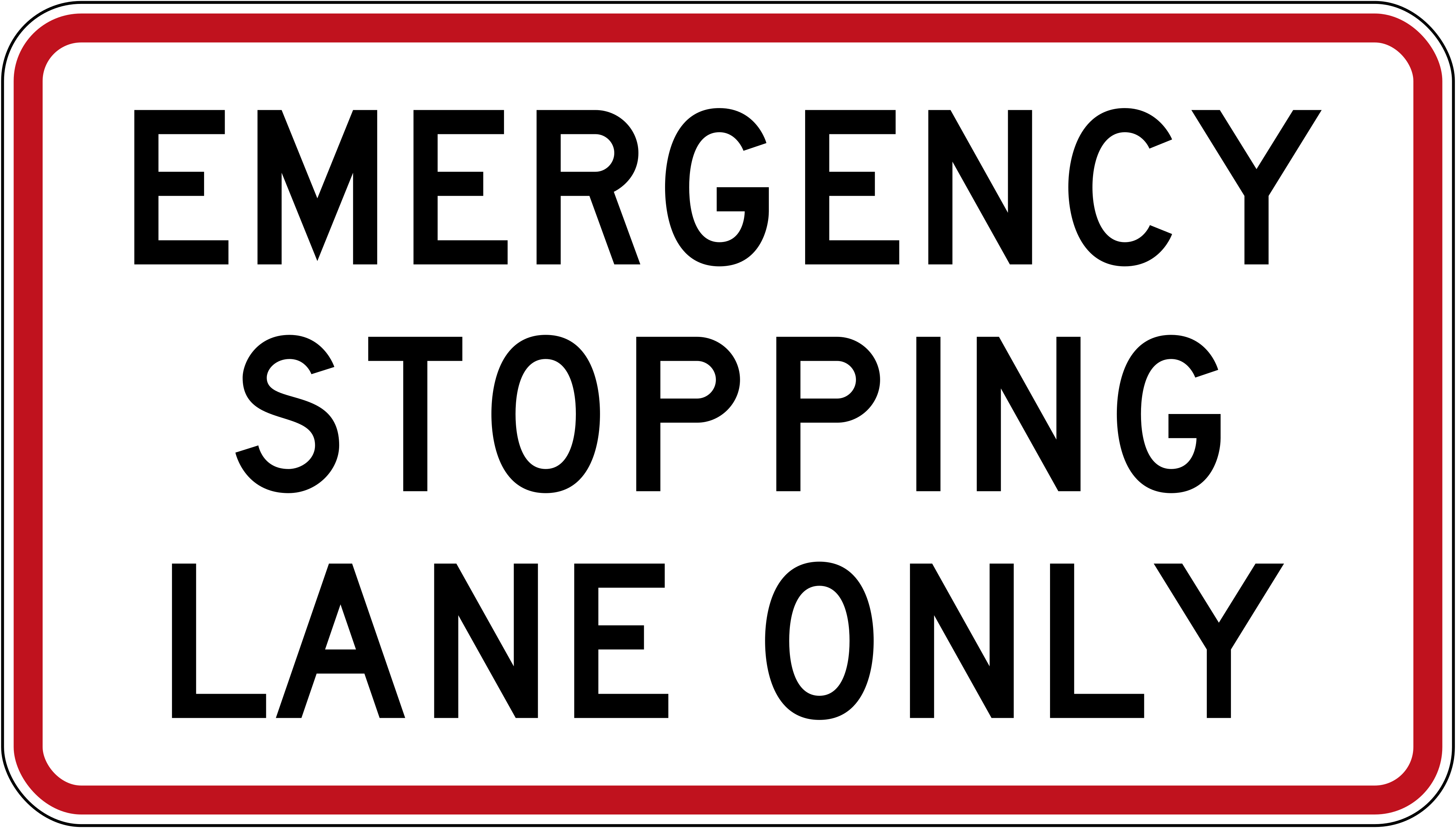
Emergency stopping lane only The lane may only be used for emergency stops. Do not drive in it.
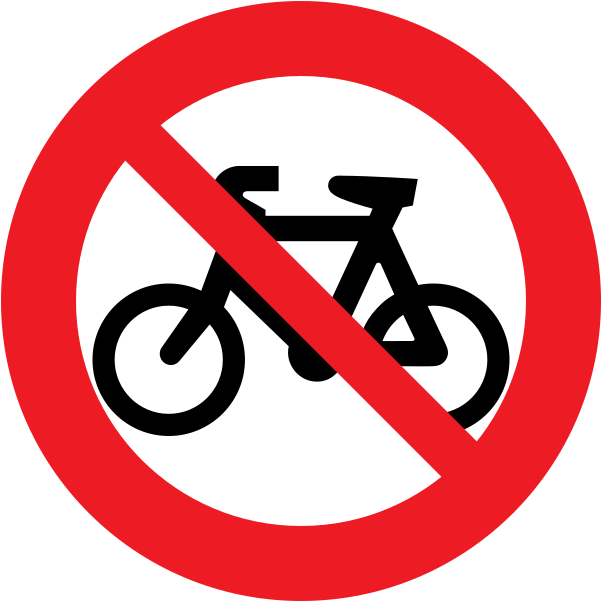
No cycling Cycles must not be ridden here. The red circle and slash means not allowed.
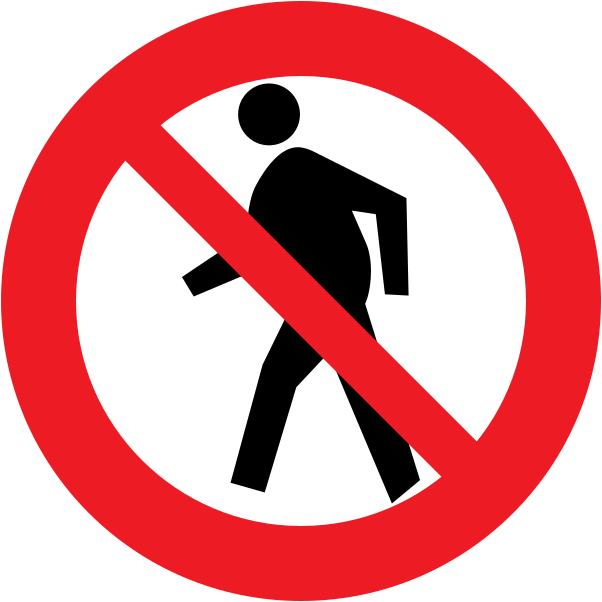
No pedestrians Pedestrians must not walk here. Often at motorway entrances.
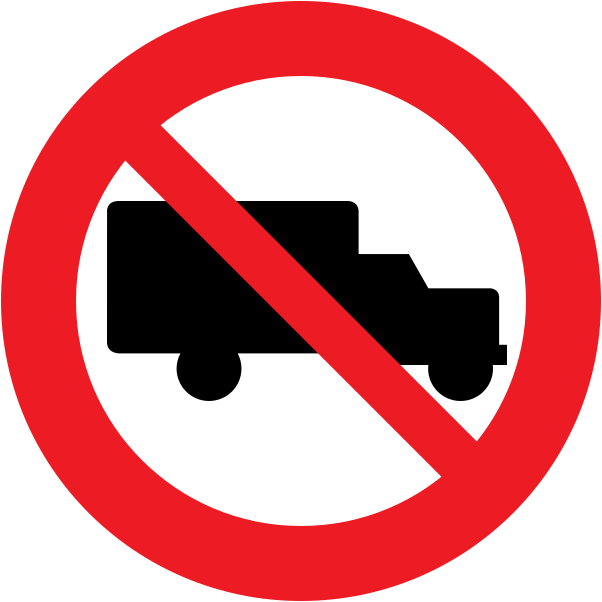
No heavy vehicles Heavy motor vehicles must not use this road. Light vehicles may continue.
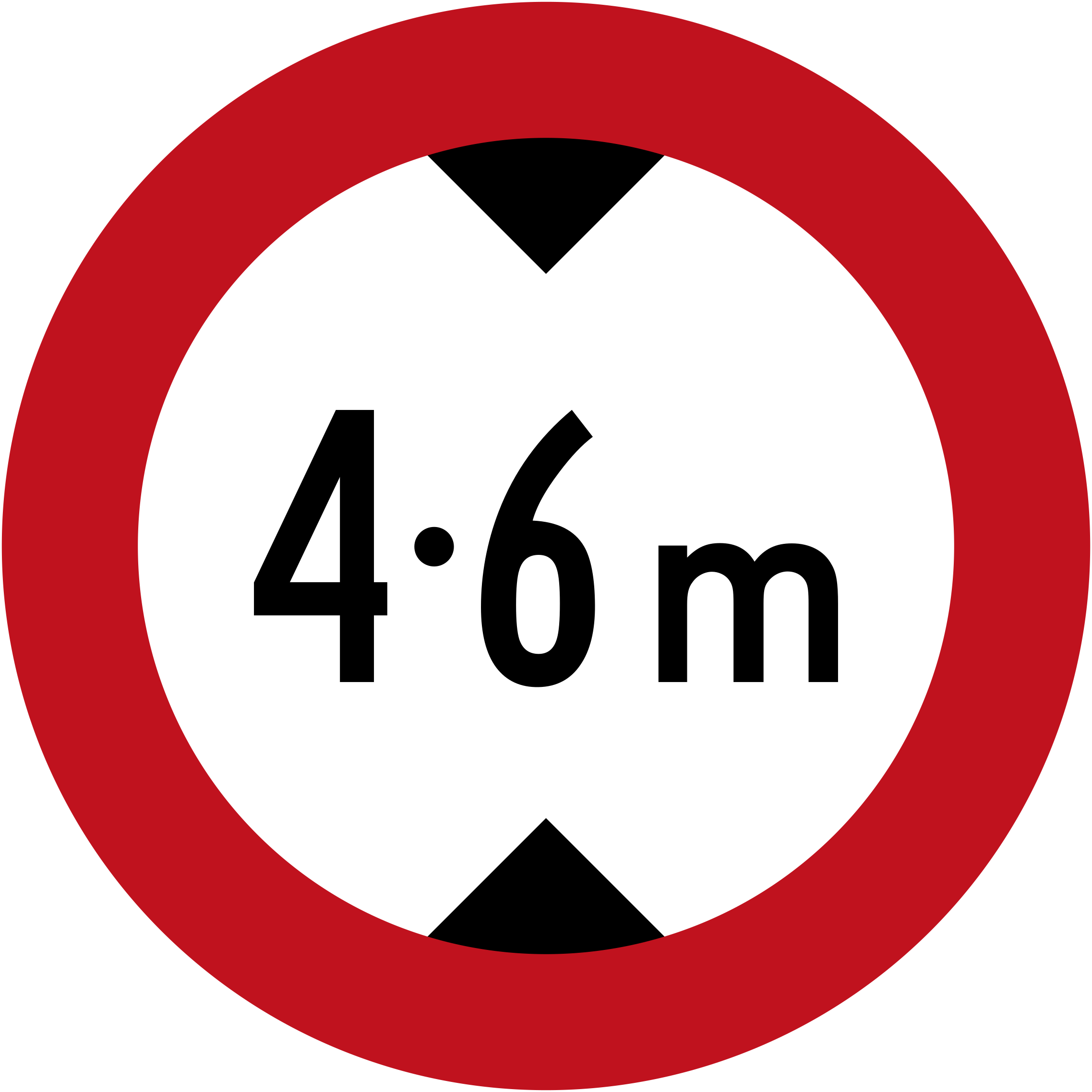
Height limit Vehicles higher than the height shown must not continue. Know the height of your vehicle and its load.
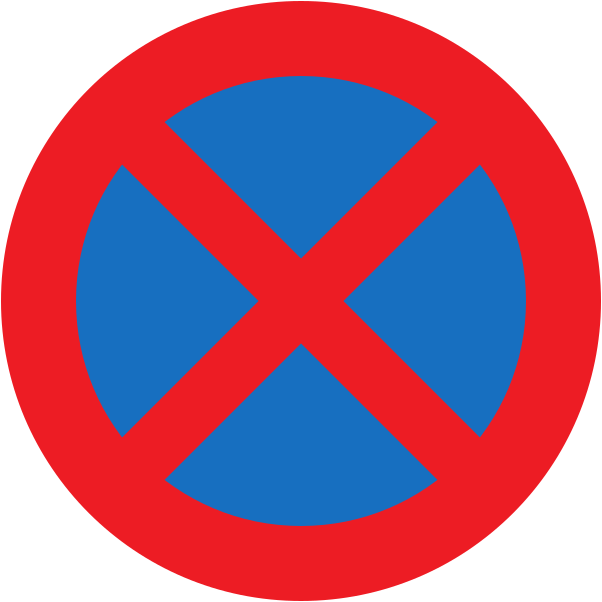
No stopping You must not stop here, even briefly. Applies during the times shown, if any.
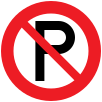
No parking You must not park here. You may stop briefly to pick up or drop off passengers.
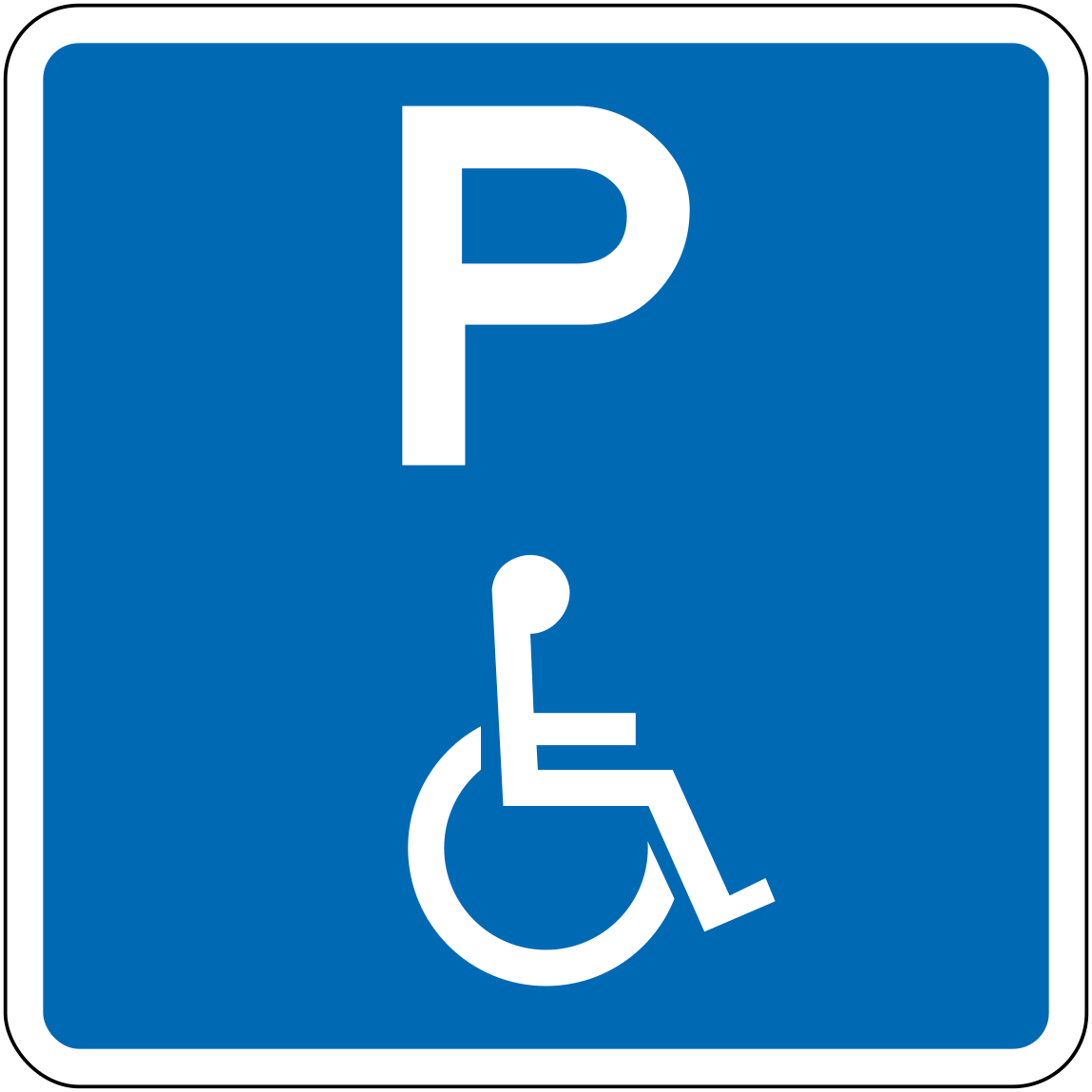
Mobility parking Parking only for vehicles displaying a mobility parking permit. Others must not park here.
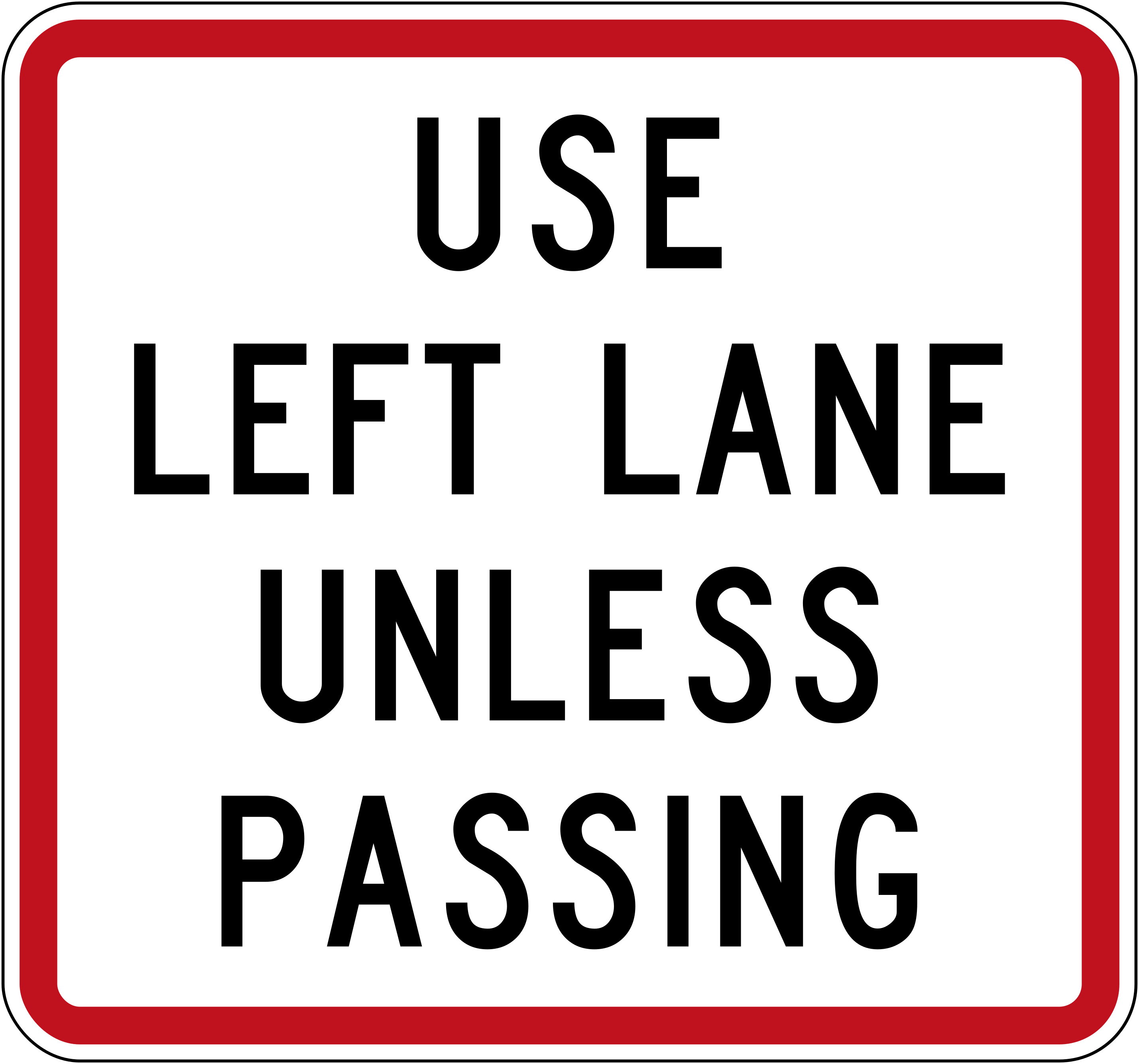
Use left lane unless passing Keep in the left lane unless you are passing. The right lane is for passing.
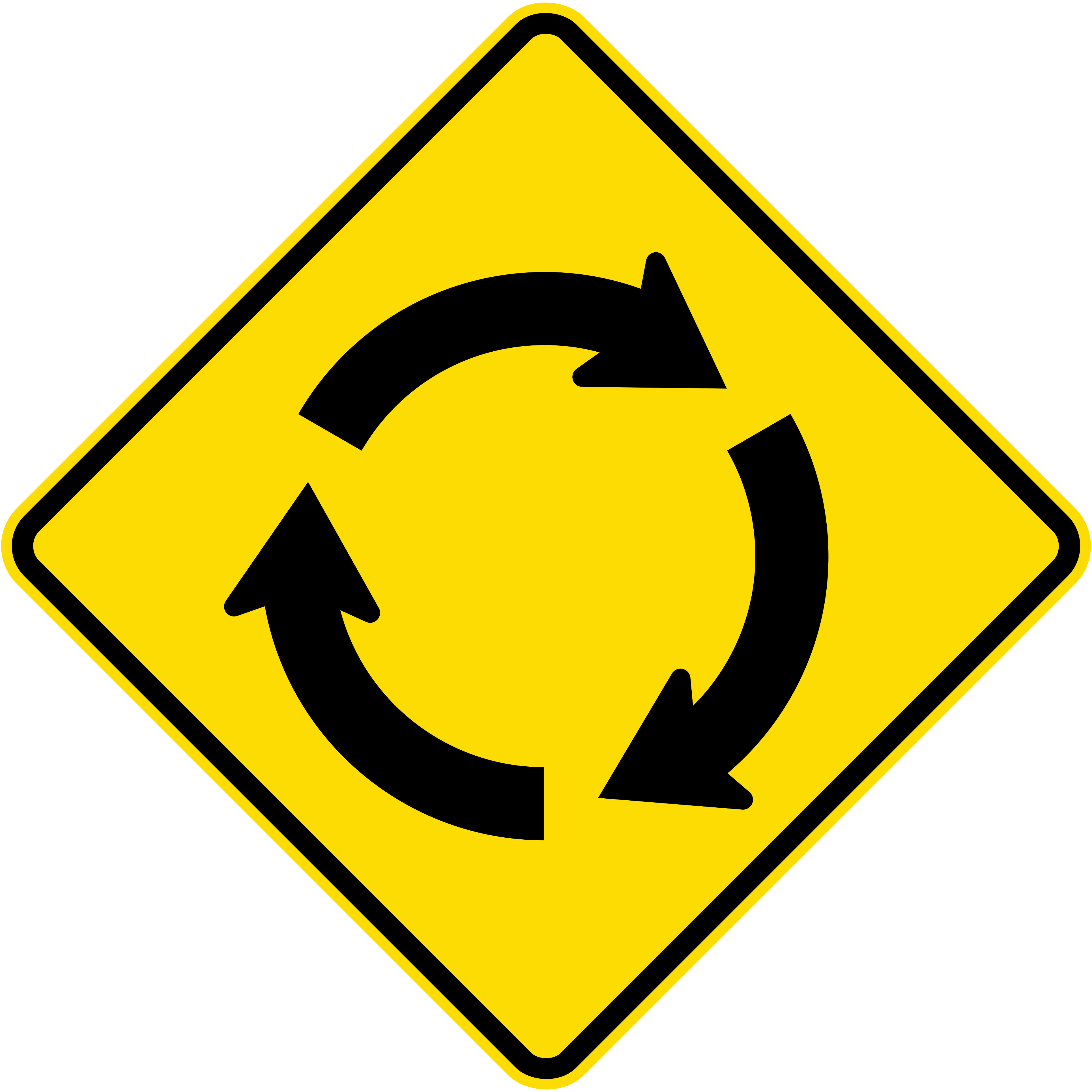
Roundabout ahead There is a roundabout ahead. Slow down and give way to traffic coming from your right.
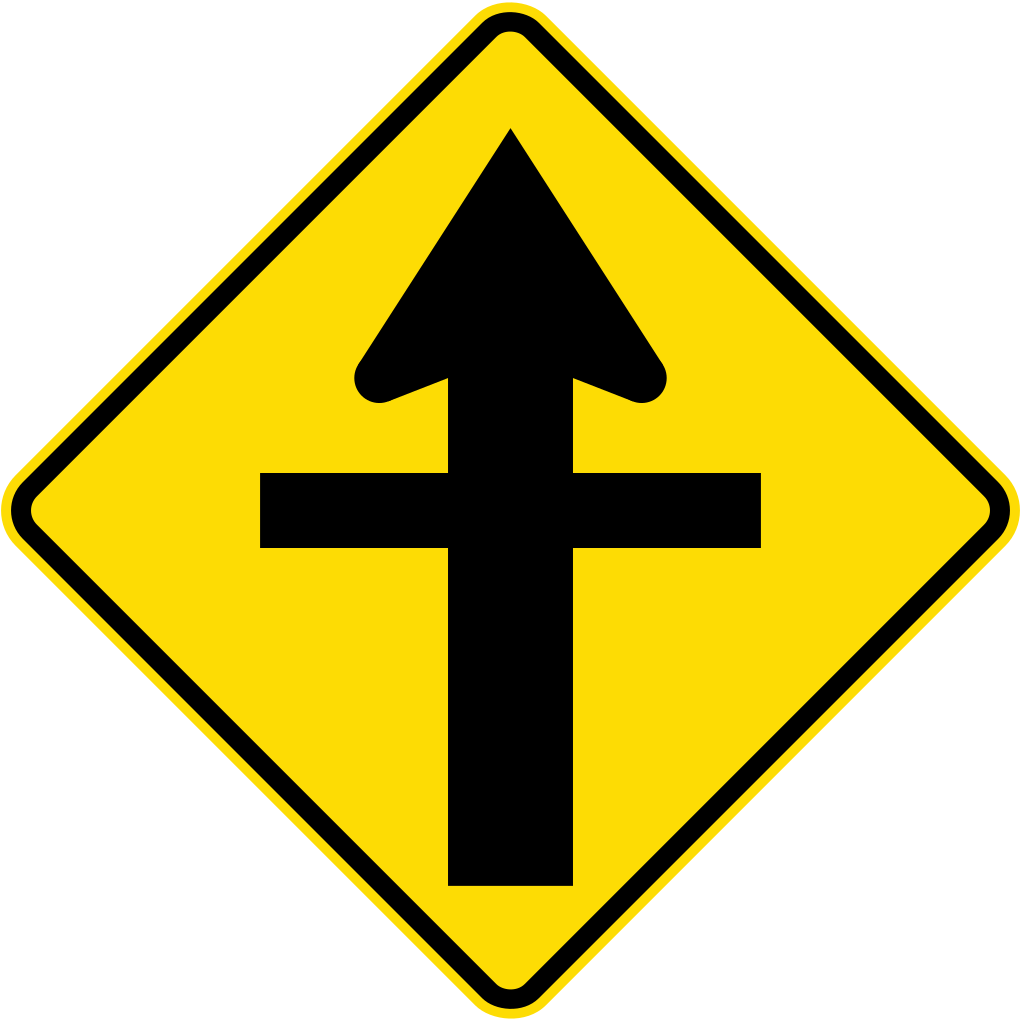
Crossroads ahead A crossroad is ahead. Slow down and watch for traffic.
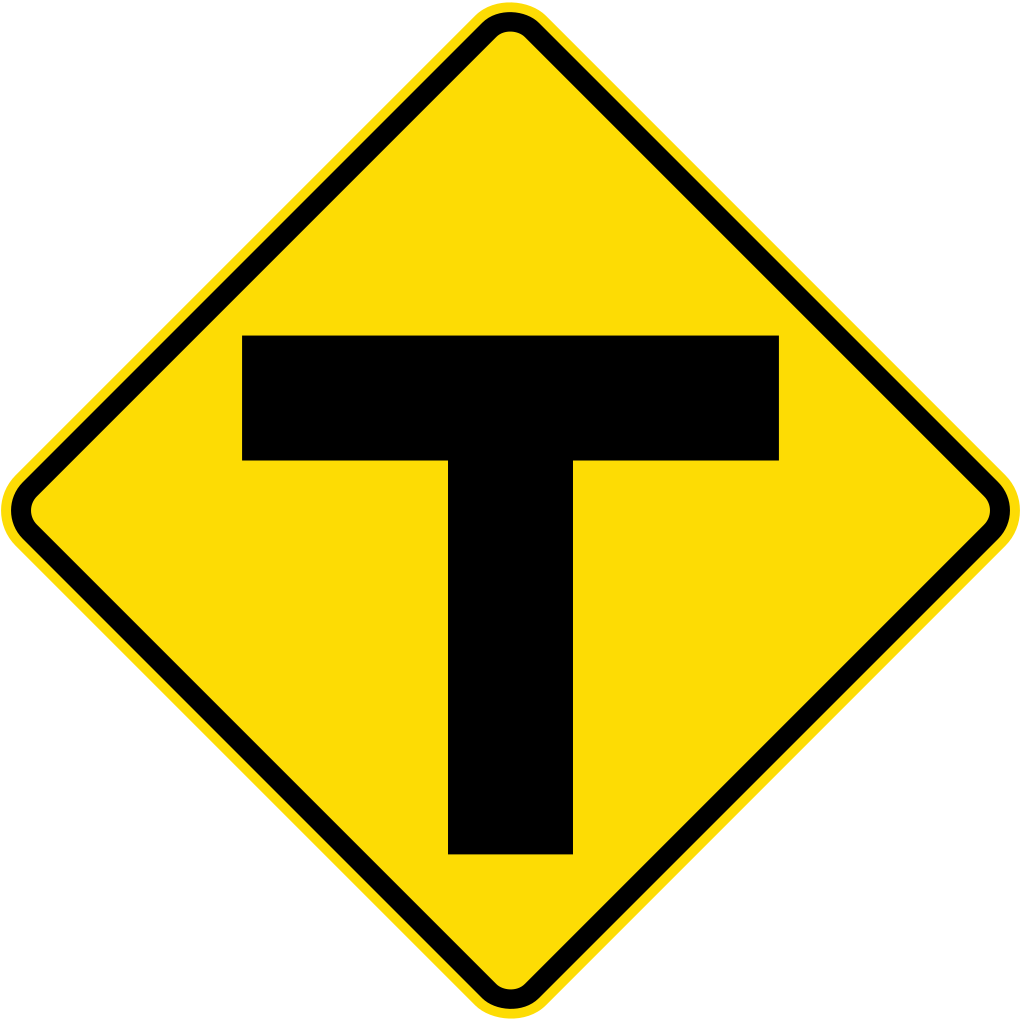
T-intersection ahead The road ends at a T-intersection. Be ready to give way to traffic on the other road.
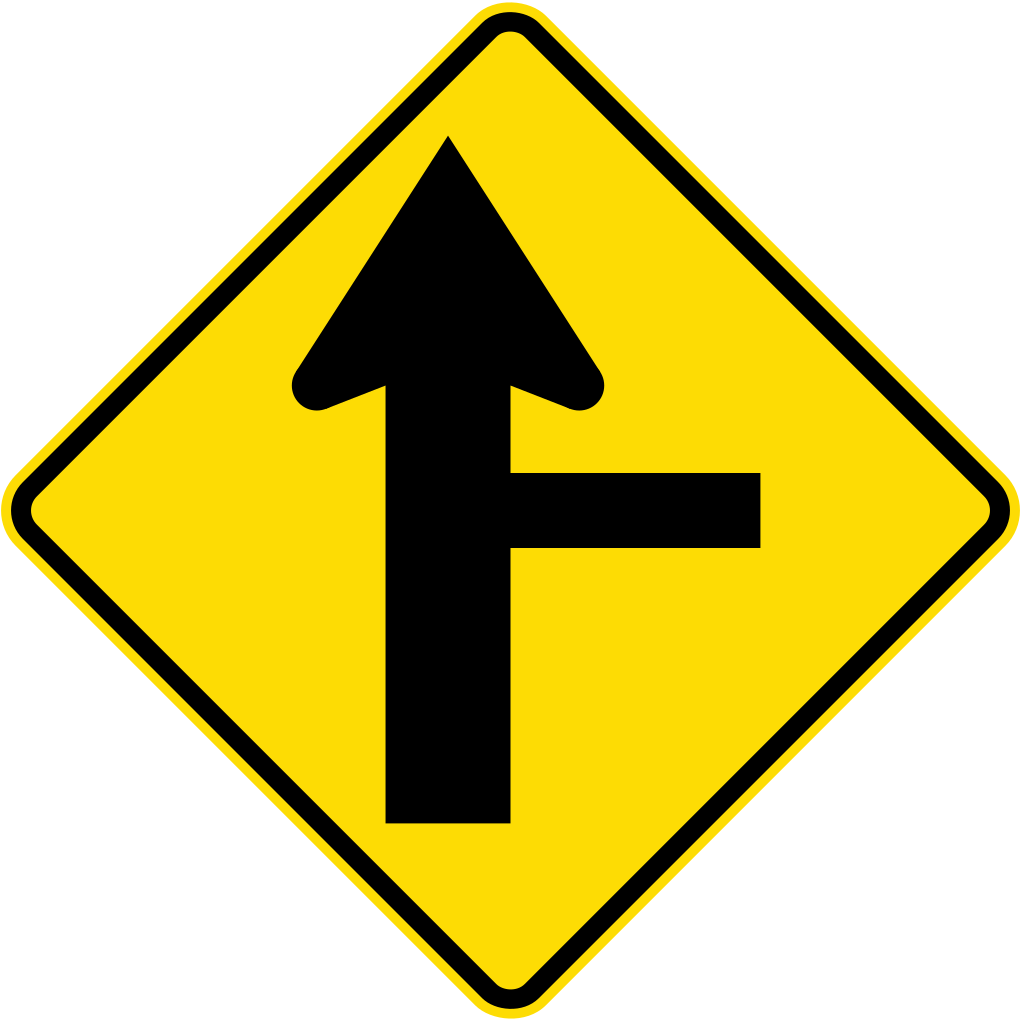
Side road A side road joins ahead. Watch for vehicles entering.
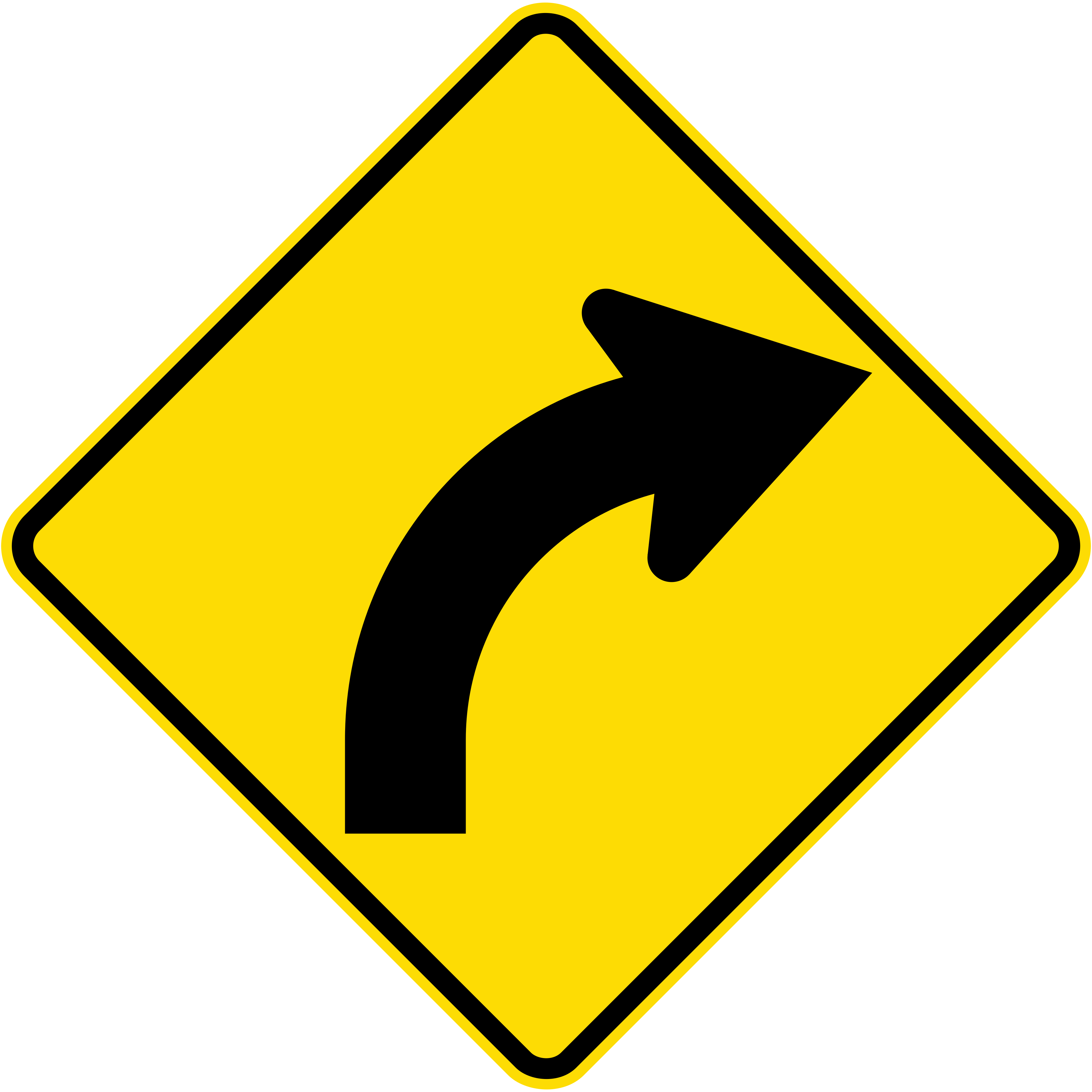
Curve ahead The road curves ahead. Slow down before the curve.
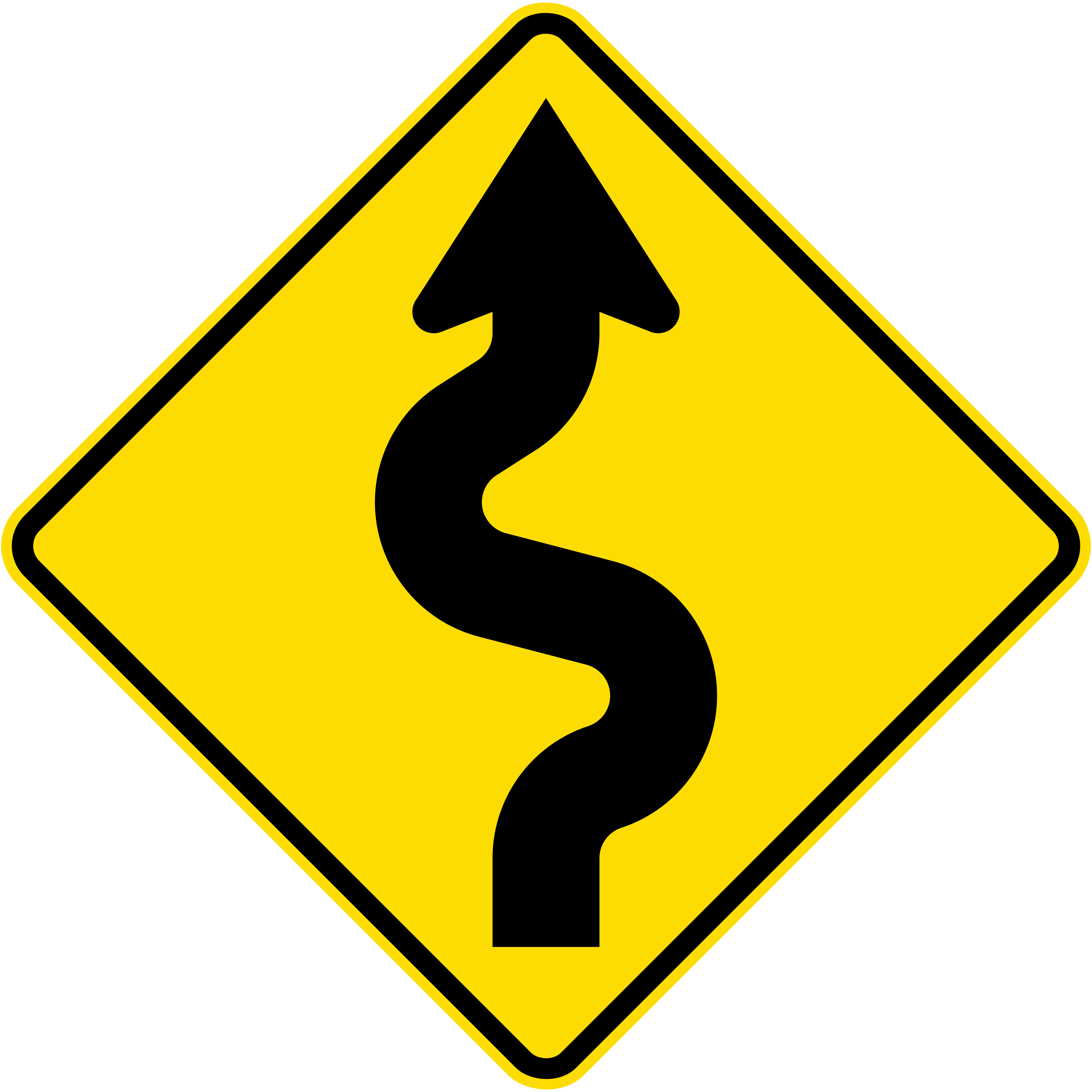
Winding road A series of curves ahead. Slow down and keep left.
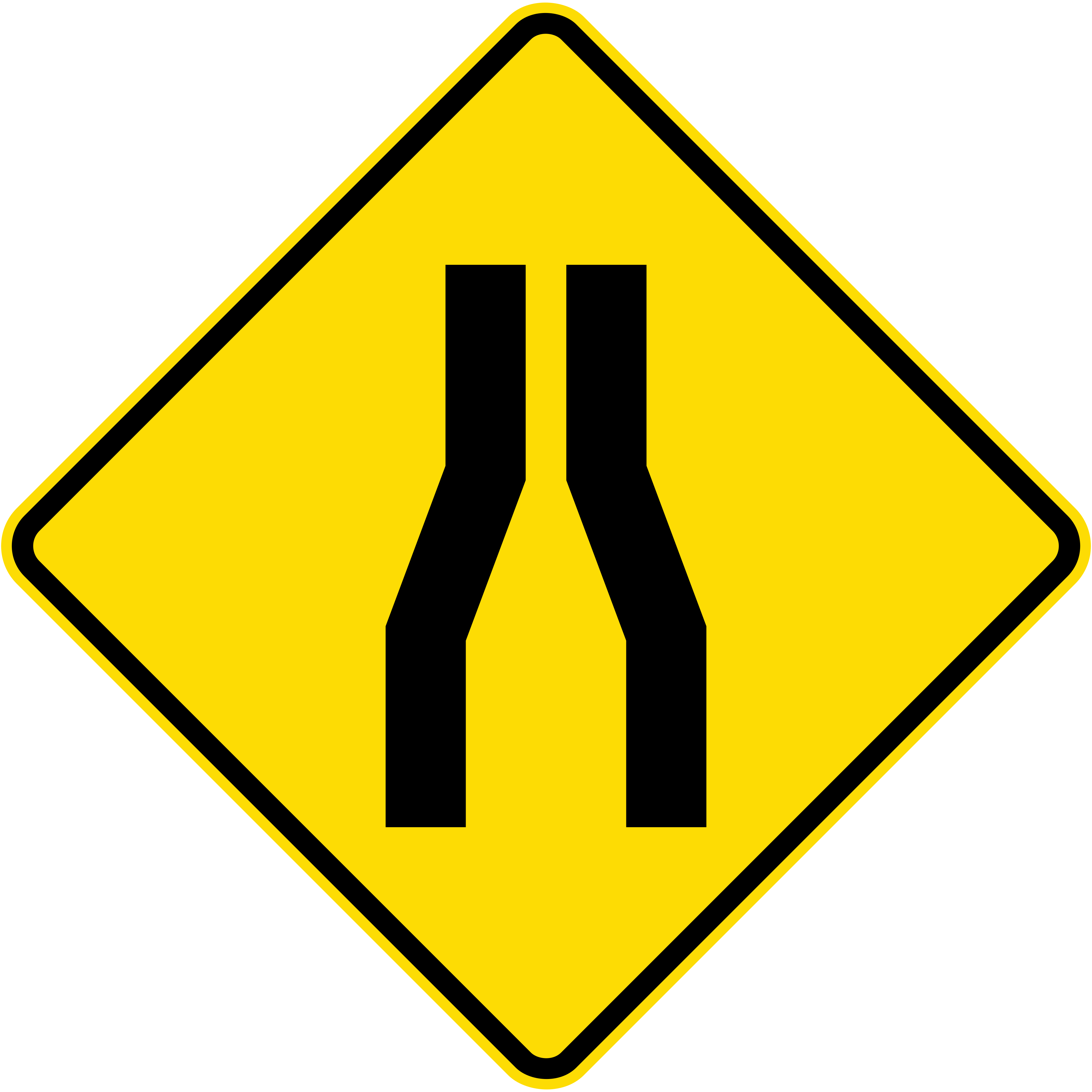
Road narrows The road gets narrower. Slow down and be ready to give way.
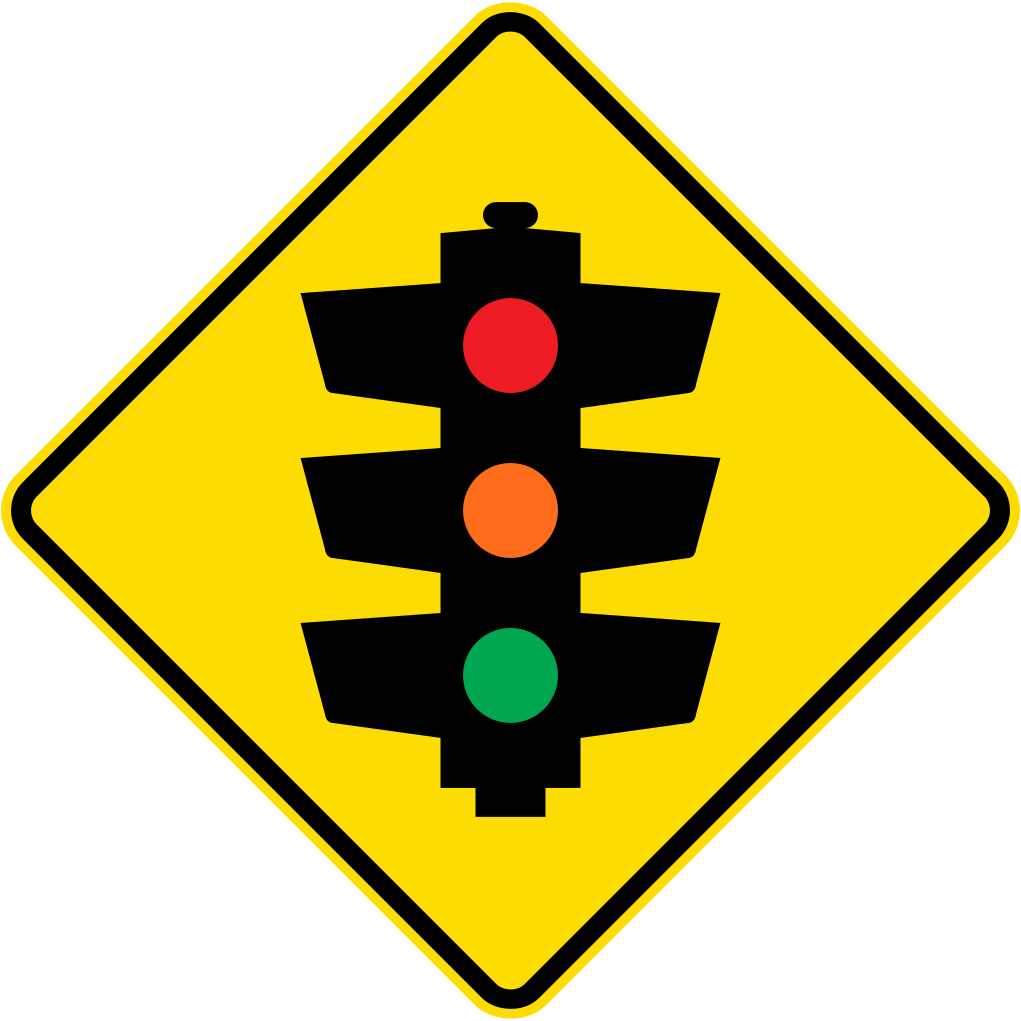
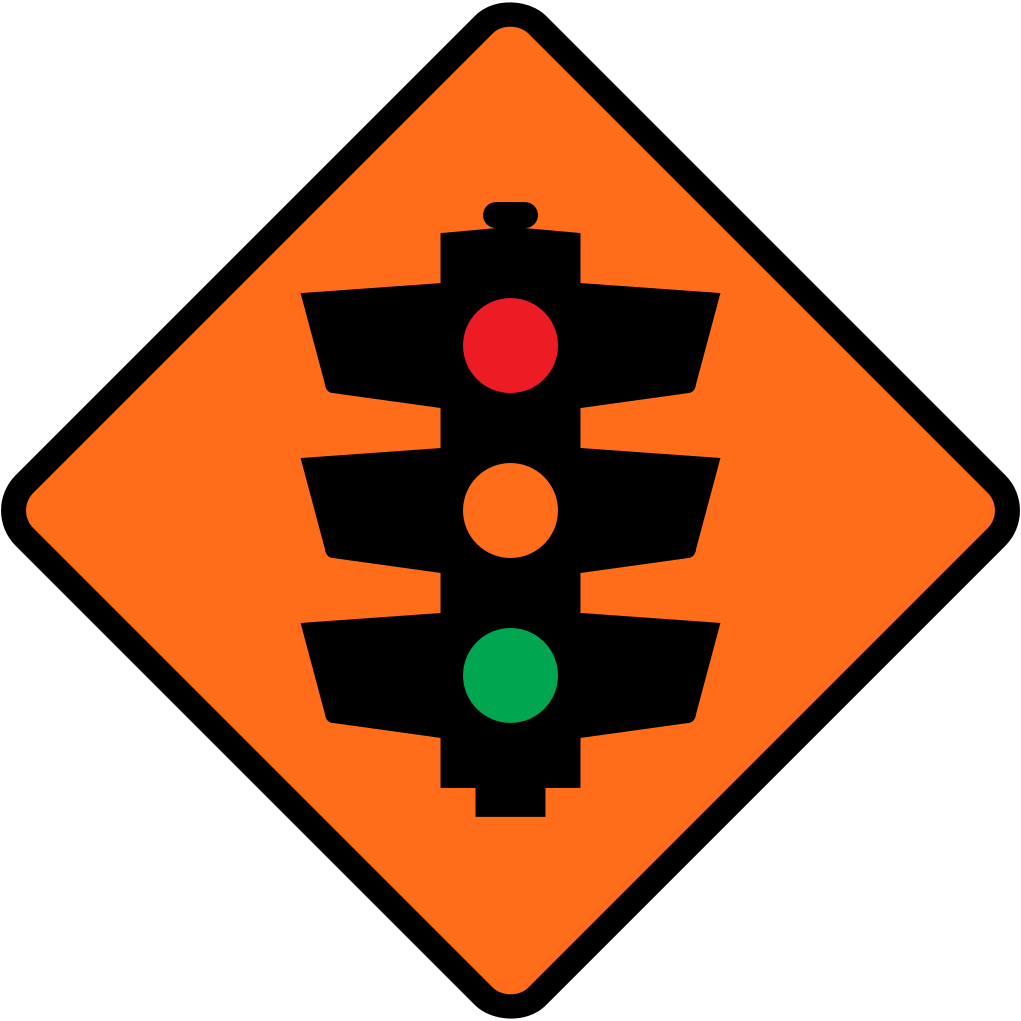
Traffic signals ahead Traffic signals ahead. Be ready to stop.
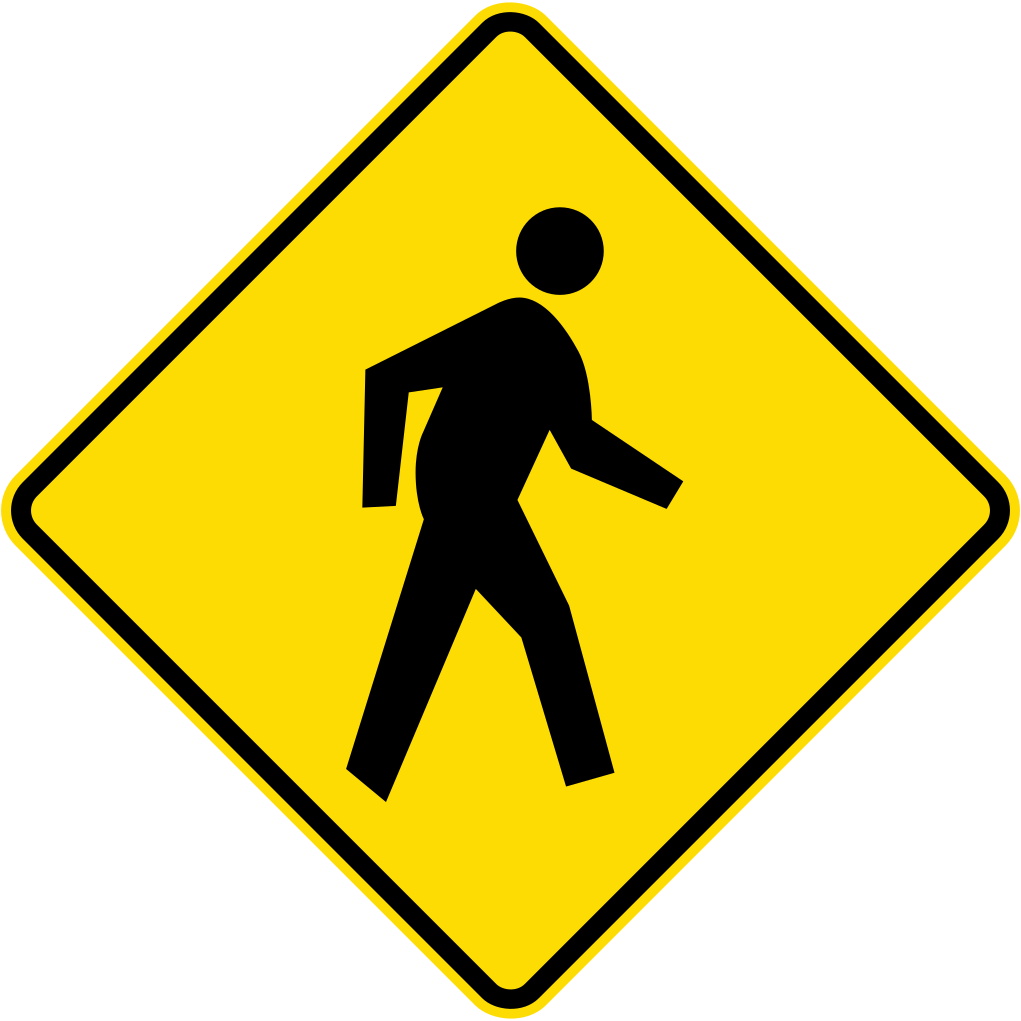
Pedestrians Watch for pedestrians. Slow down and be ready to stop.
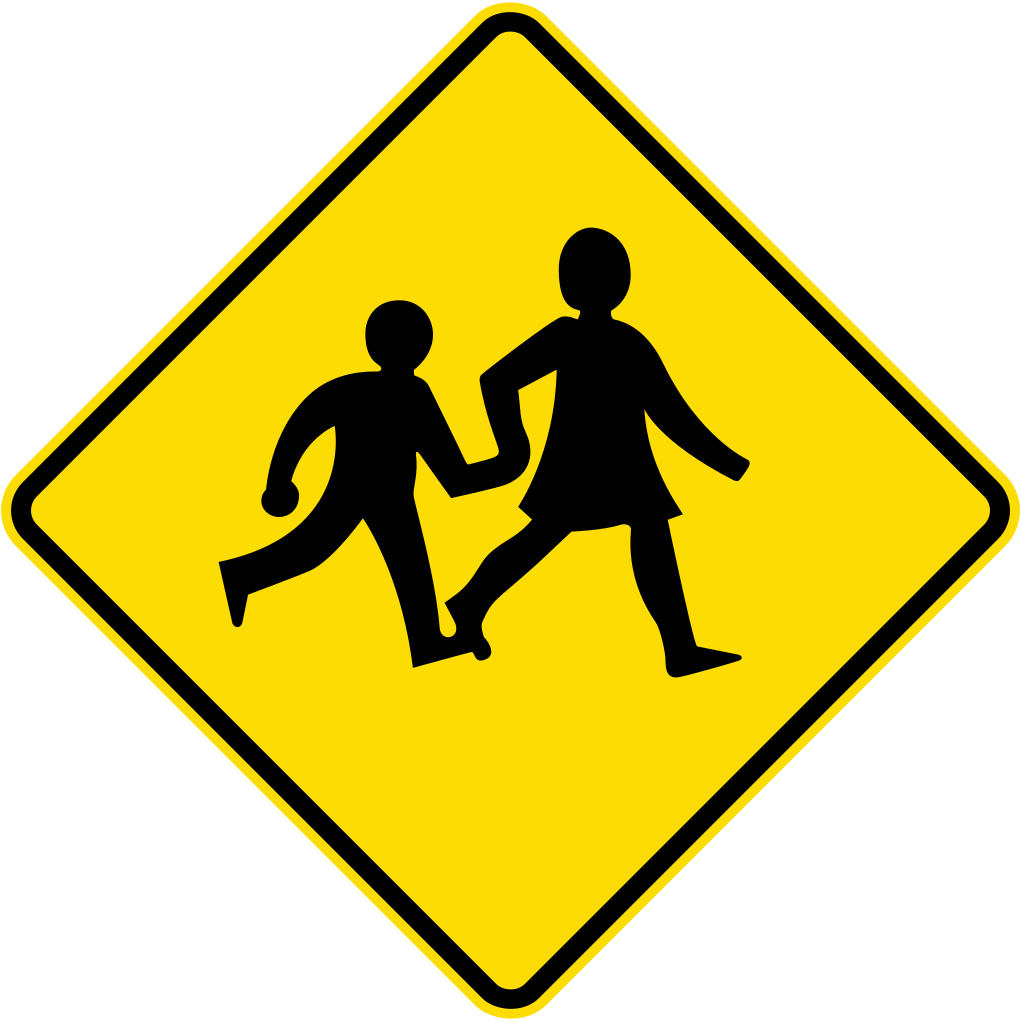
Children Children may be on or near the road, often near a school. Slow down and be ready to stop.
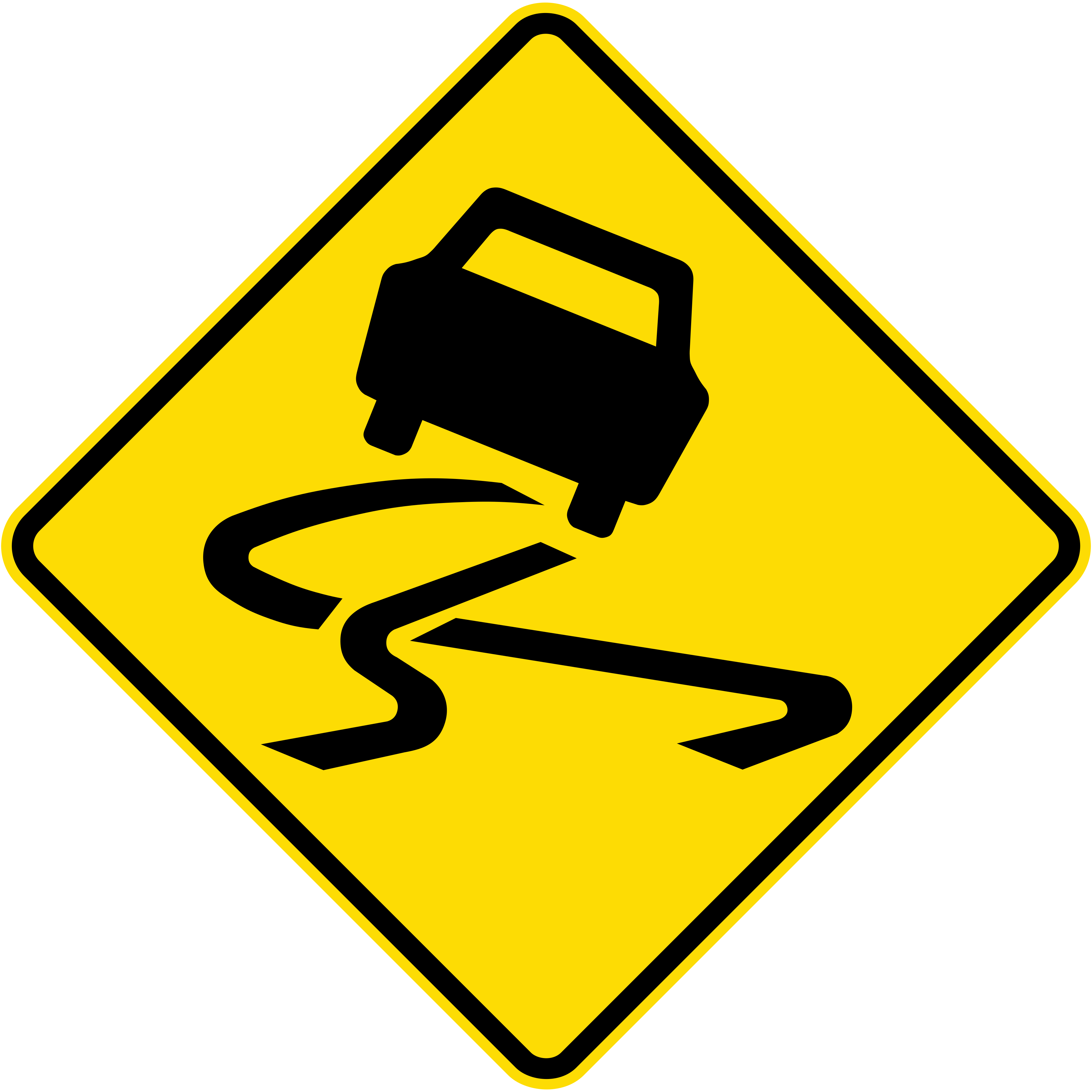
Slippery surface The road may be slippery. Slow down and increase your following distance.
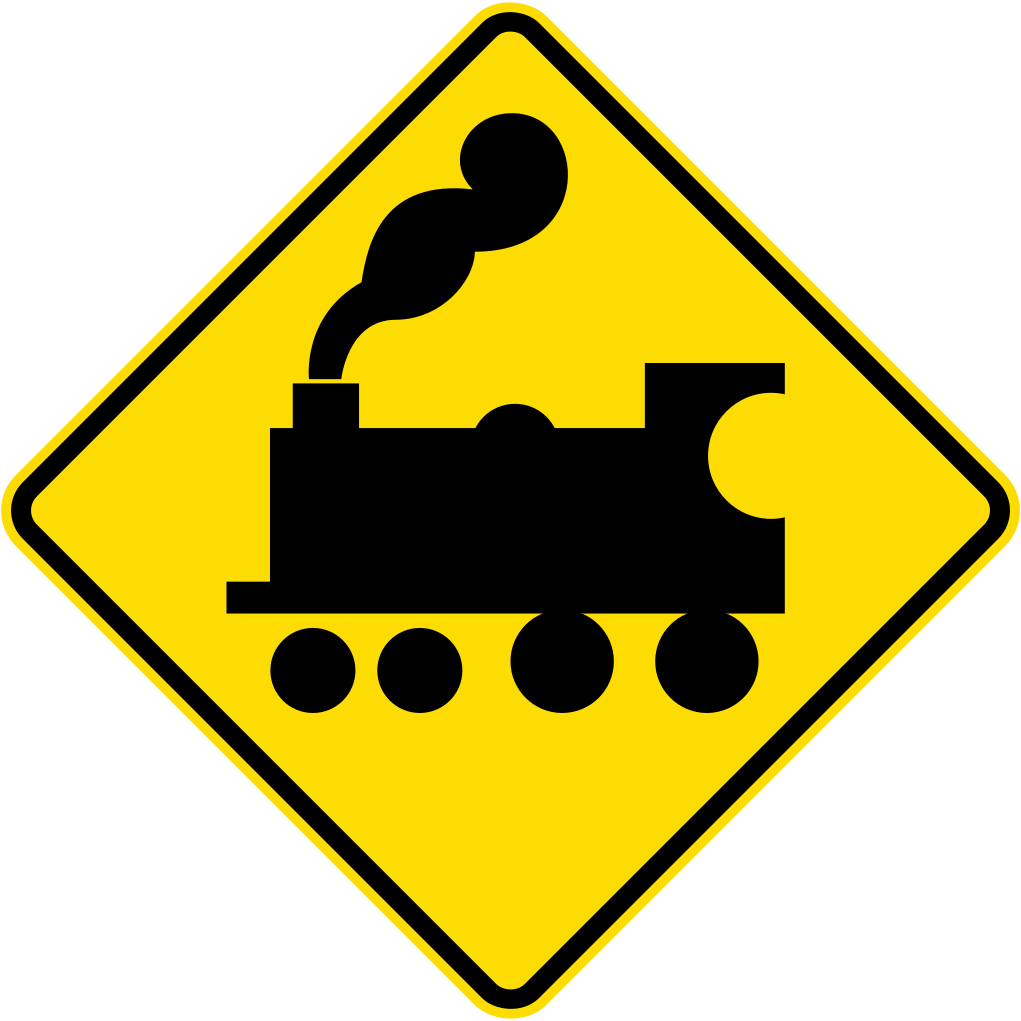
Railway level crossing ahead A railway crossing is ahead. Slow down, look and listen for trains.
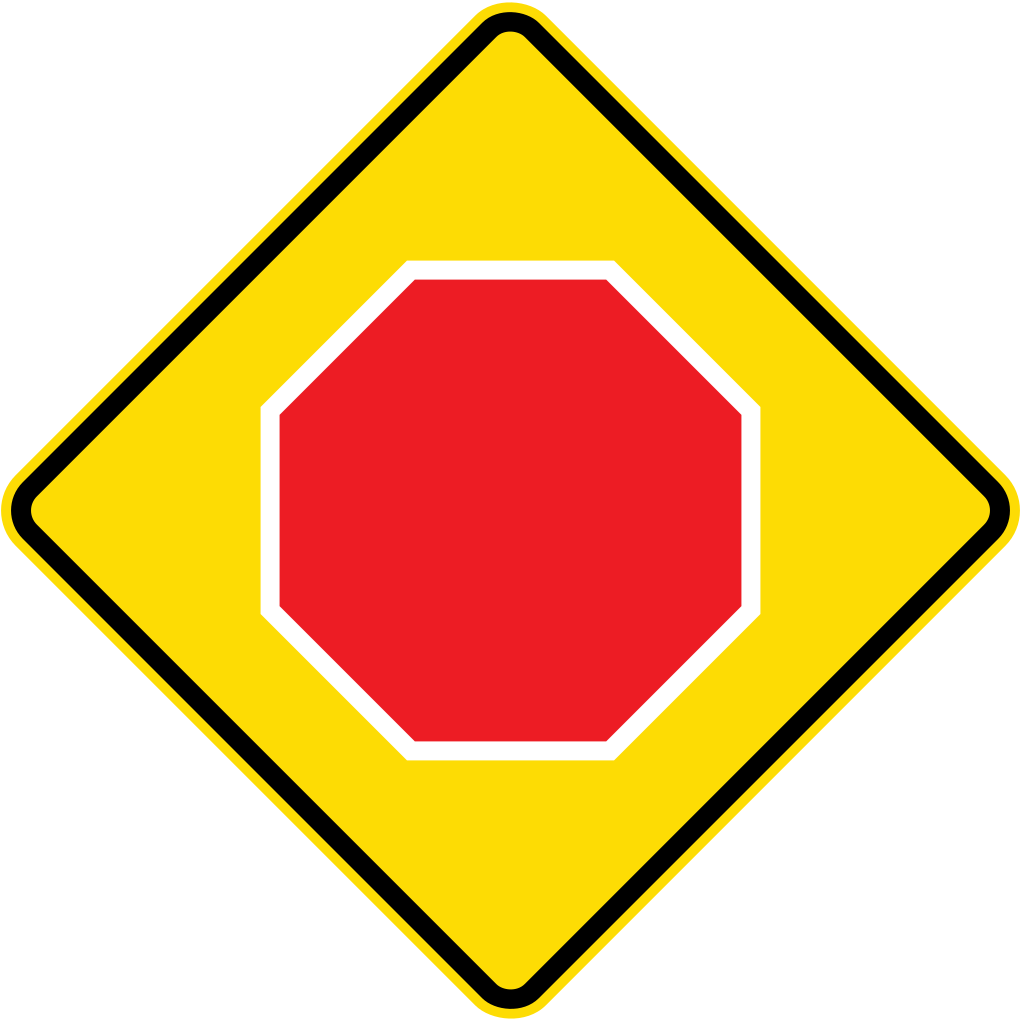
Stop sign ahead A Stop sign is ahead. Slow down and prepare to stop.
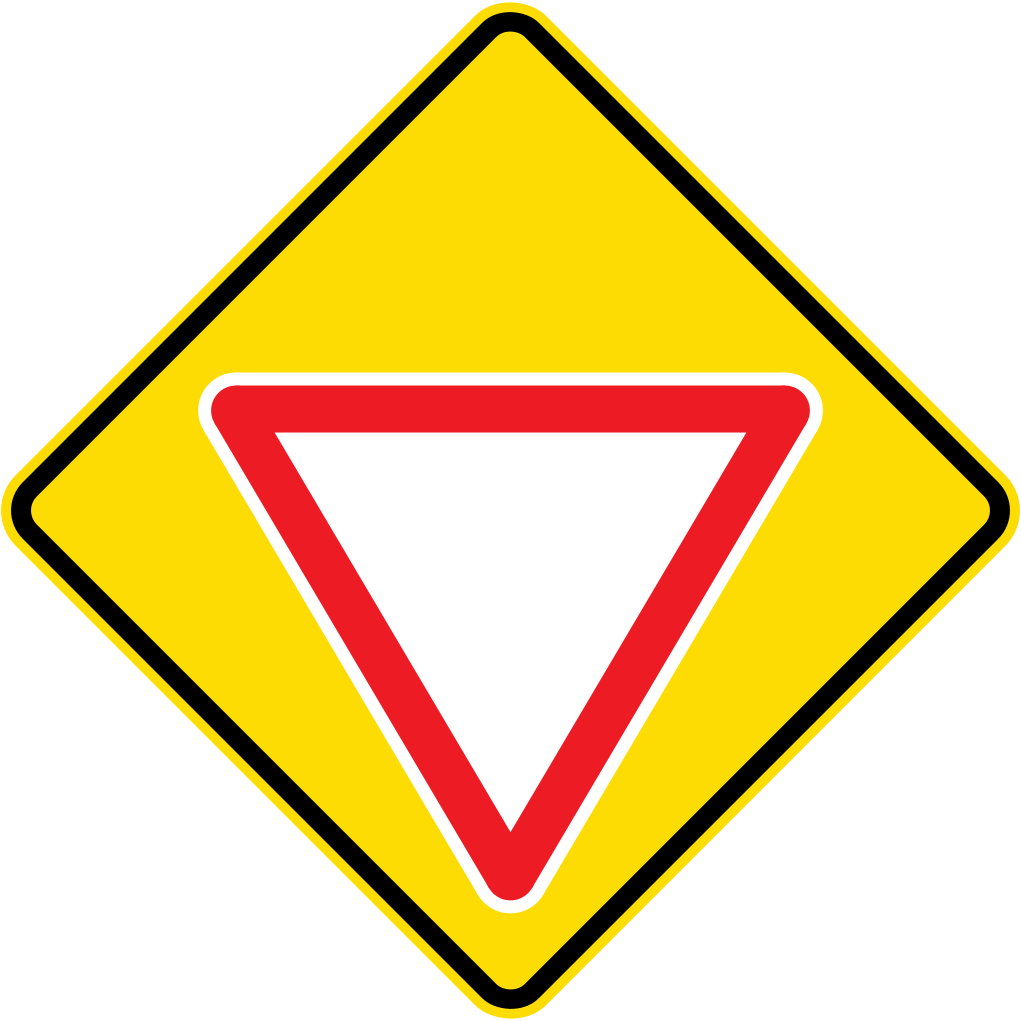
Give way sign ahead A Give way sign is ahead. Slow down and prepare to give way.
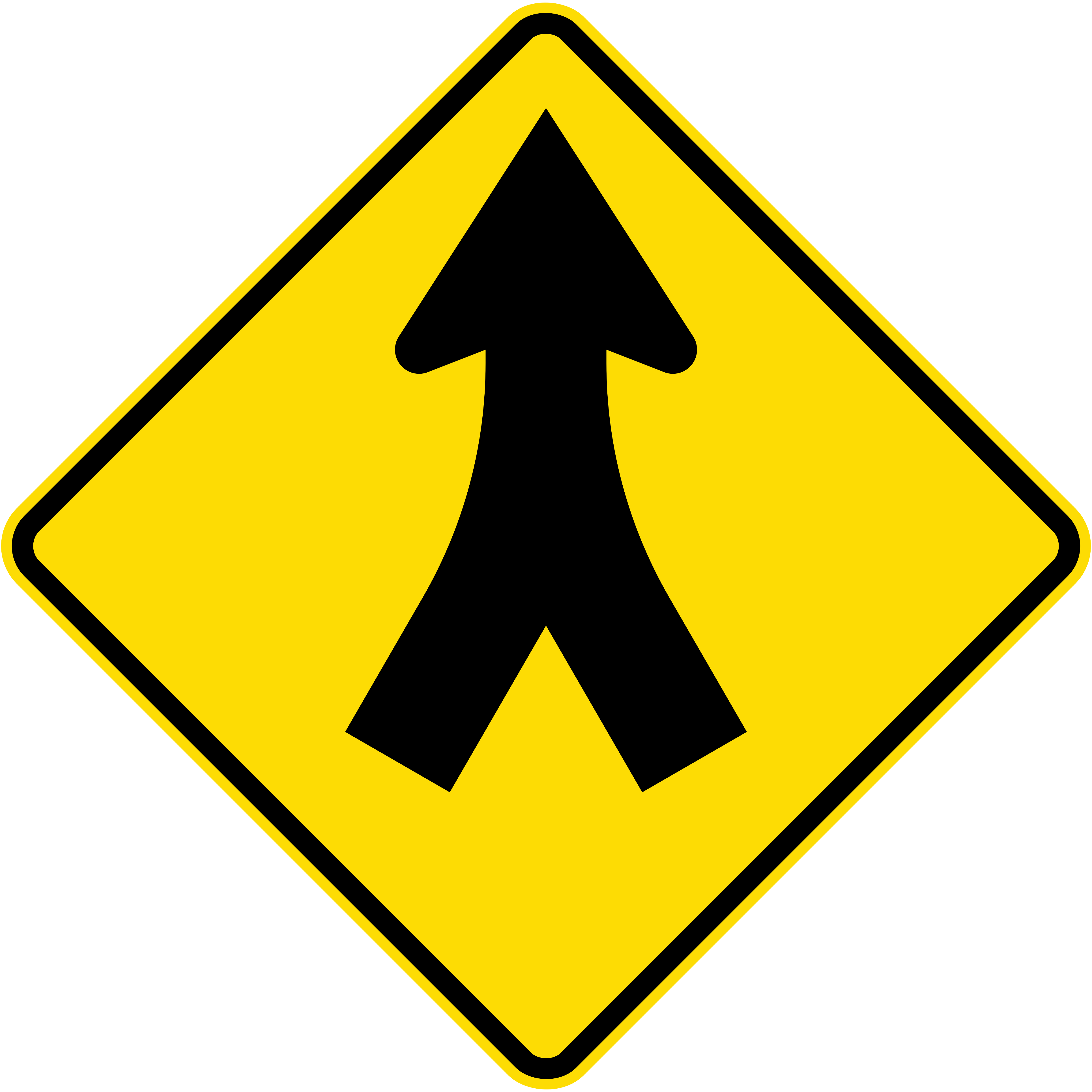
Merging traffic Two traffic streams merge ahead. Adjust your speed and merge safely.
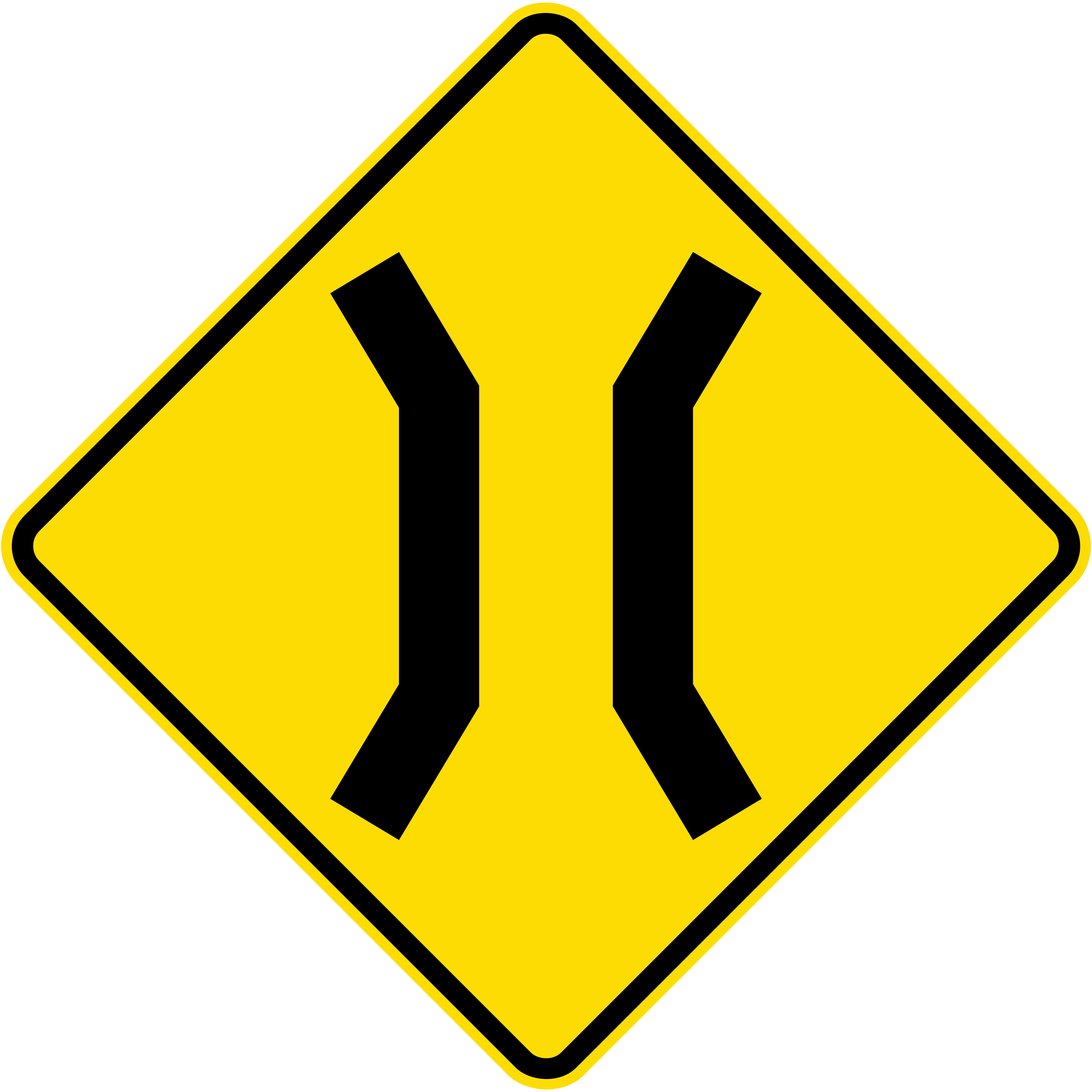
Road narrows The road gets narrower on both sides ahead. Slow down and watch for oncoming traffic.
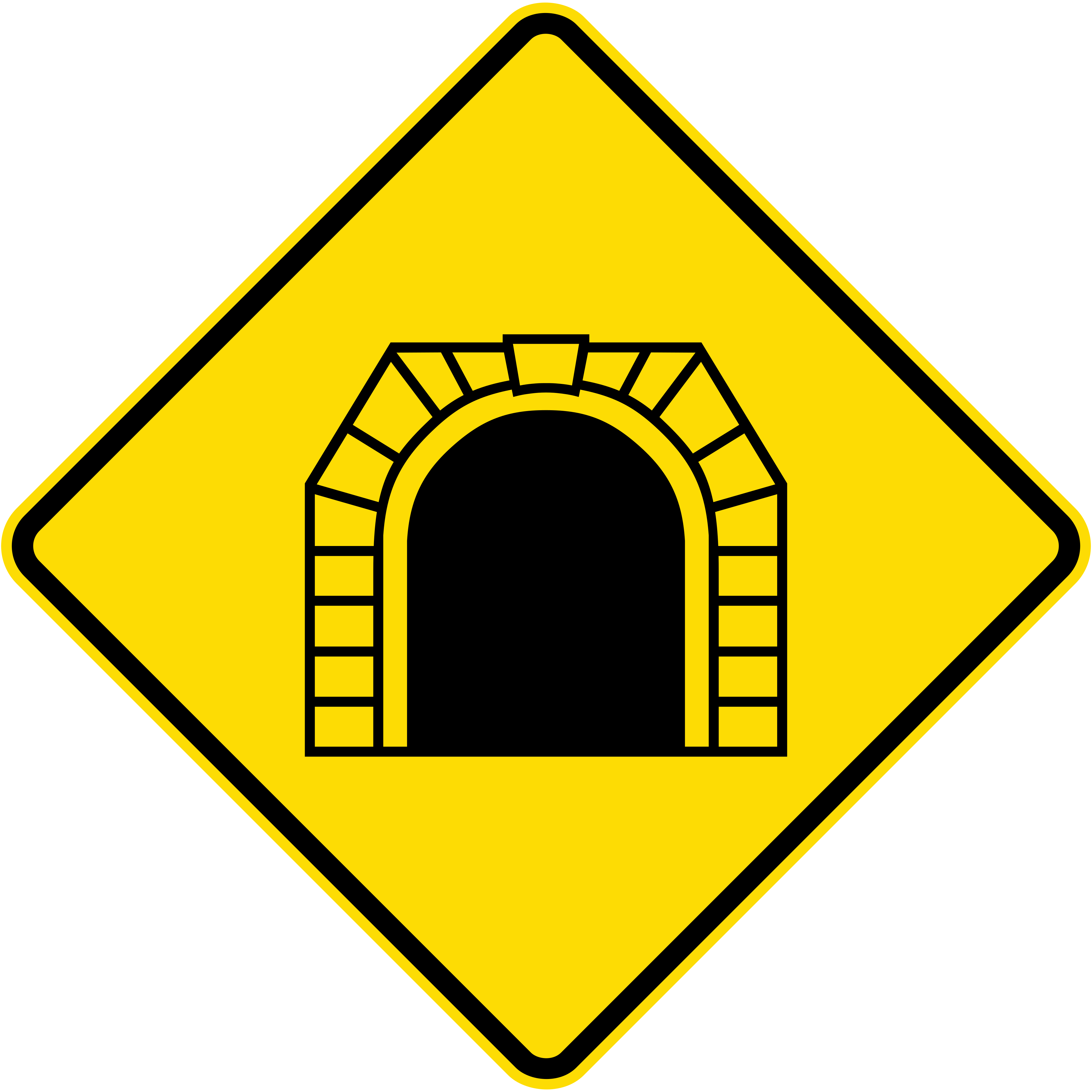
Tunnel A tunnel is ahead. Turn on your headlights.
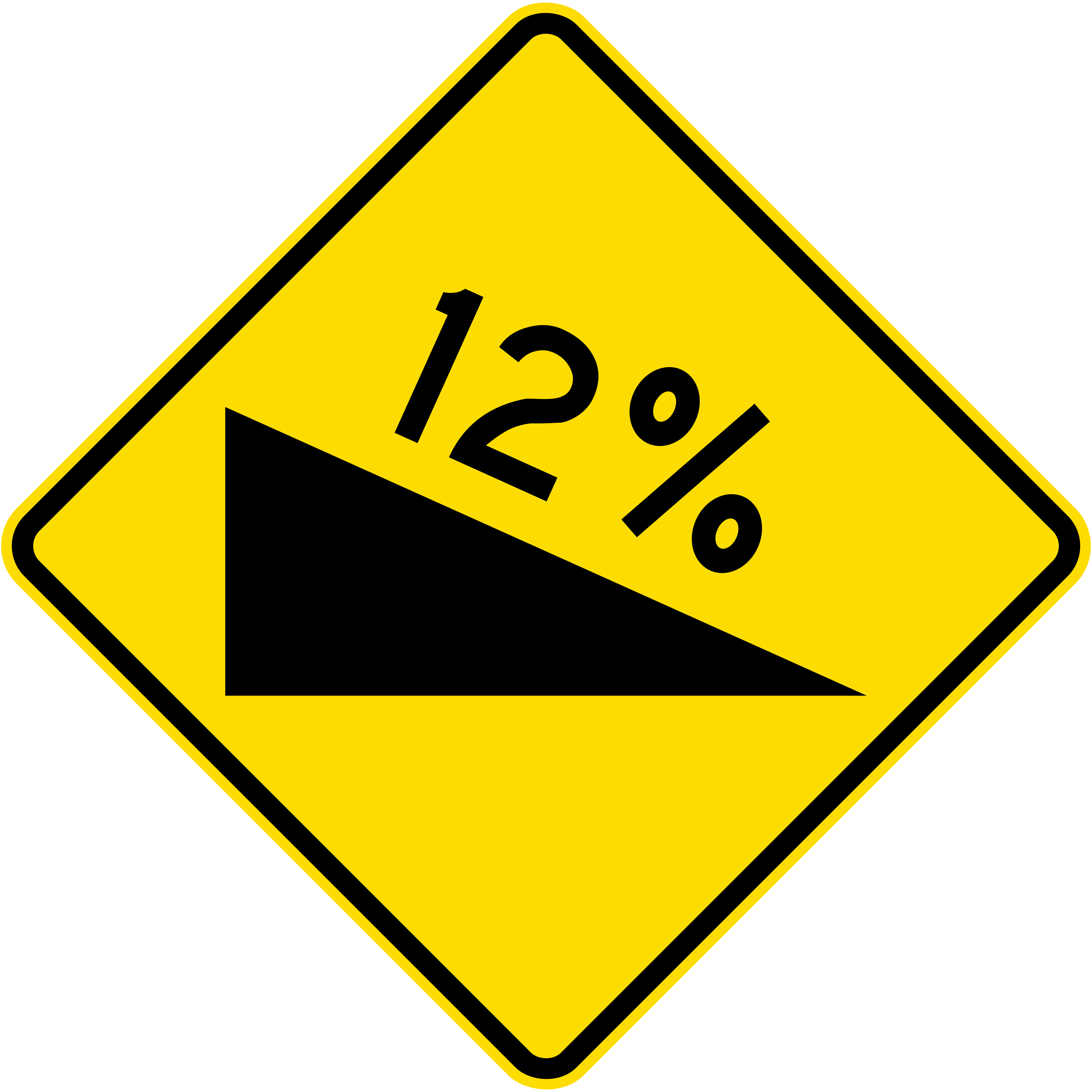
Steep descent A steep downhill slope is ahead. Use a lower gear to control your speed.
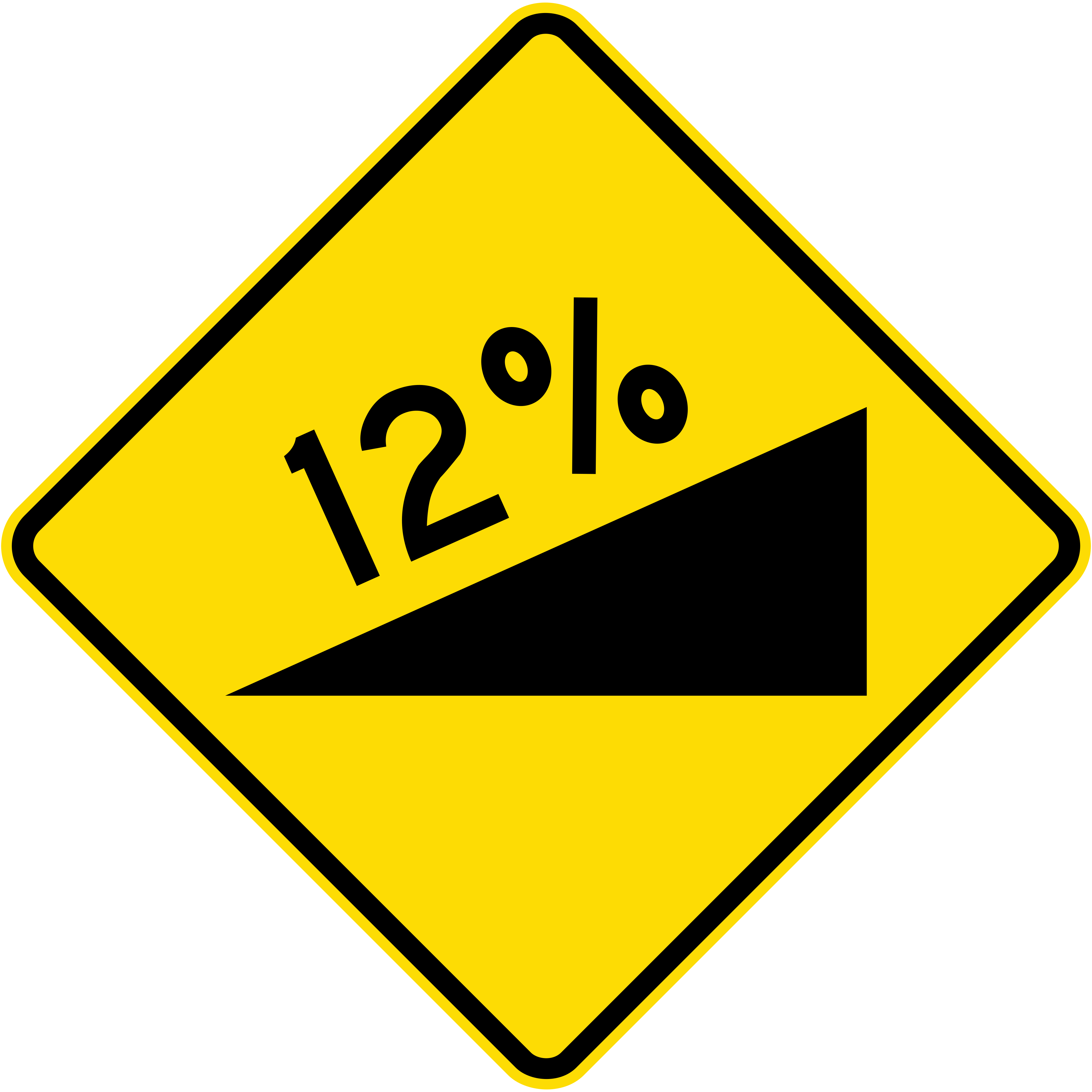
Steep ascent A steep uphill slope is ahead. Slow vehicles may be ahead.
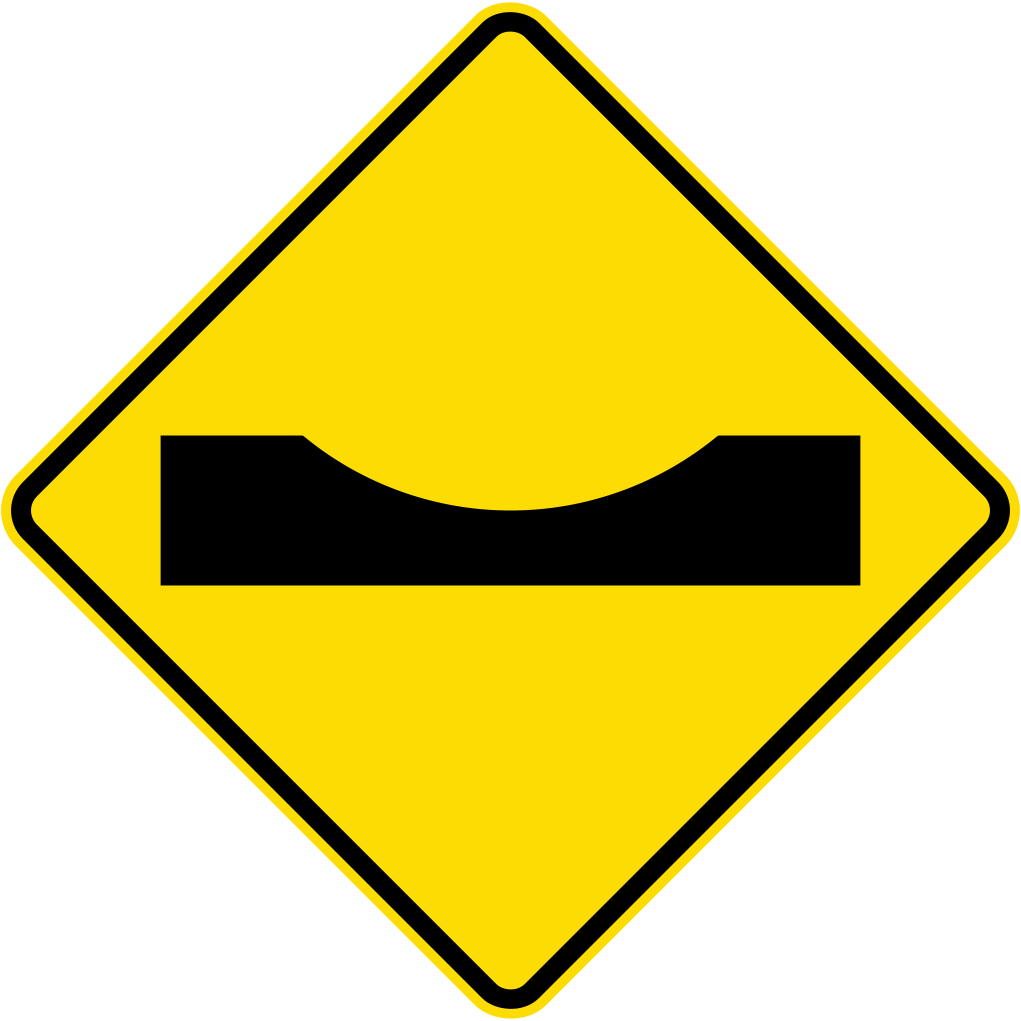
Dip A dip in the road is ahead. Slow down; water may lie in the dip.
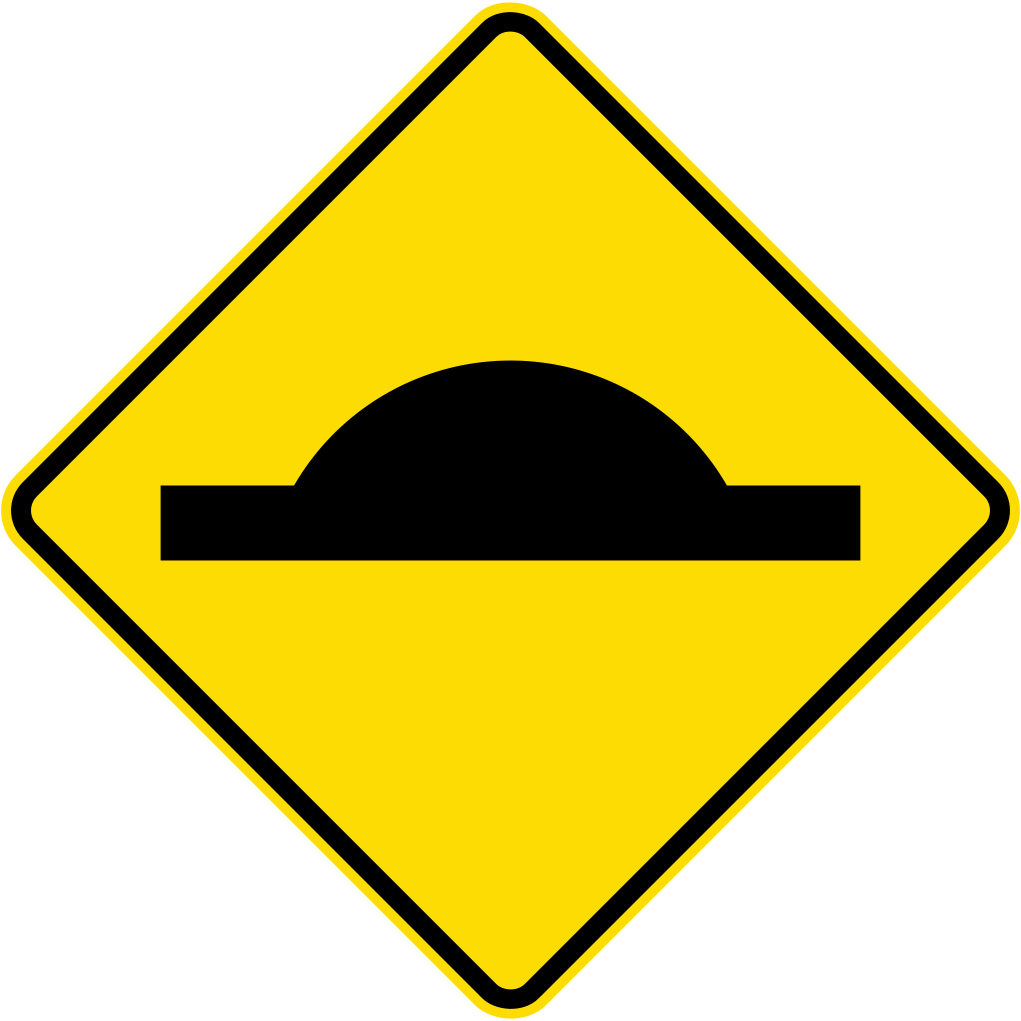
Hump A hump in the road is ahead. Slow down.
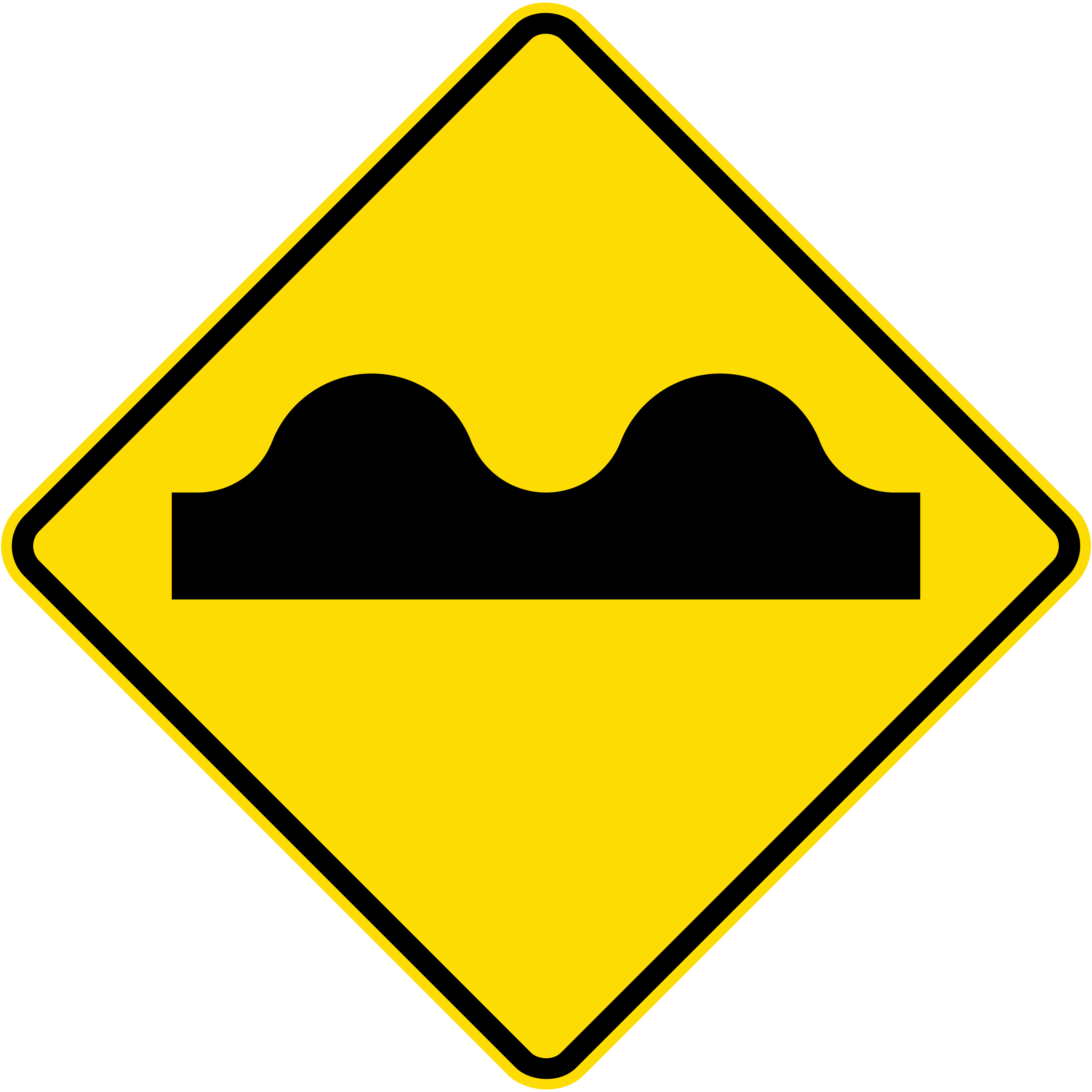
Uneven surface The road surface ahead is bumpy. Slow down to keep control.
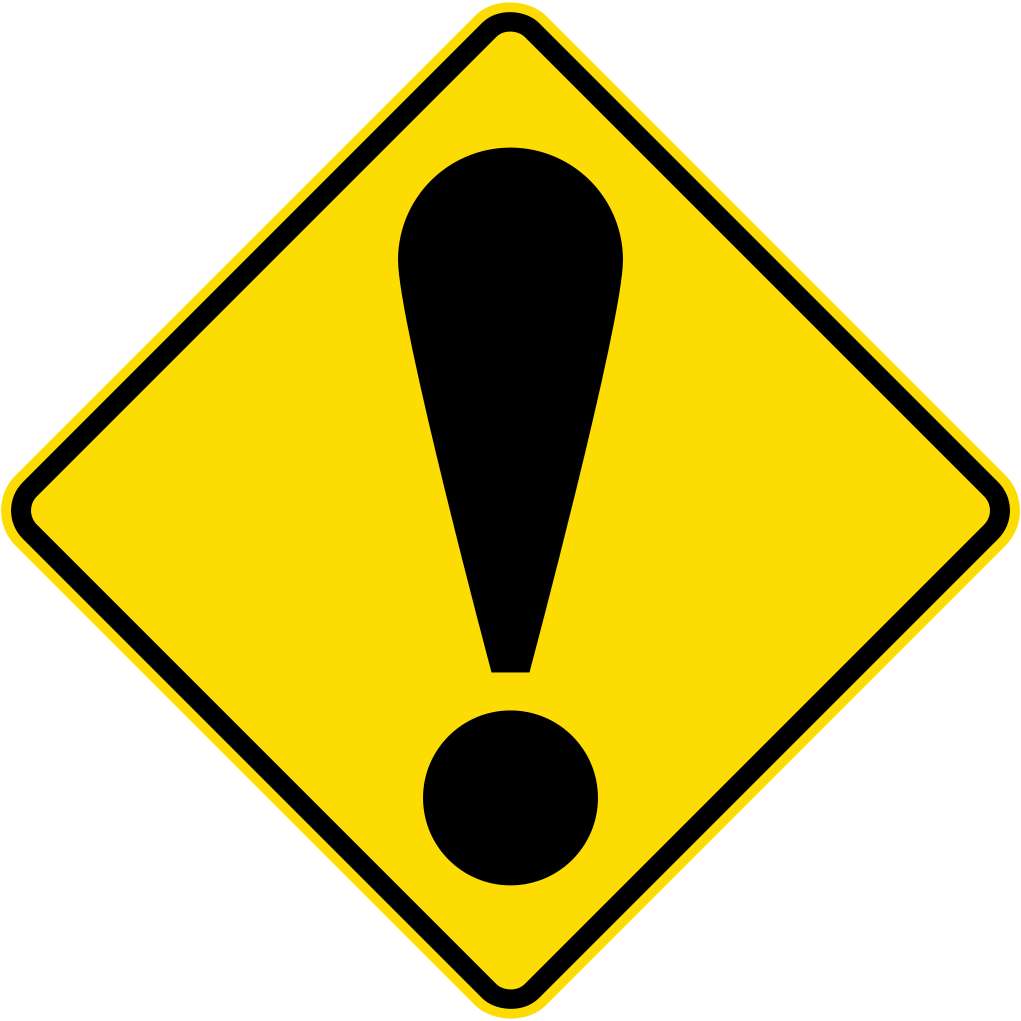
Hazard A hazard is ahead; a plate may say what it is. Slow down and look for the hazard.
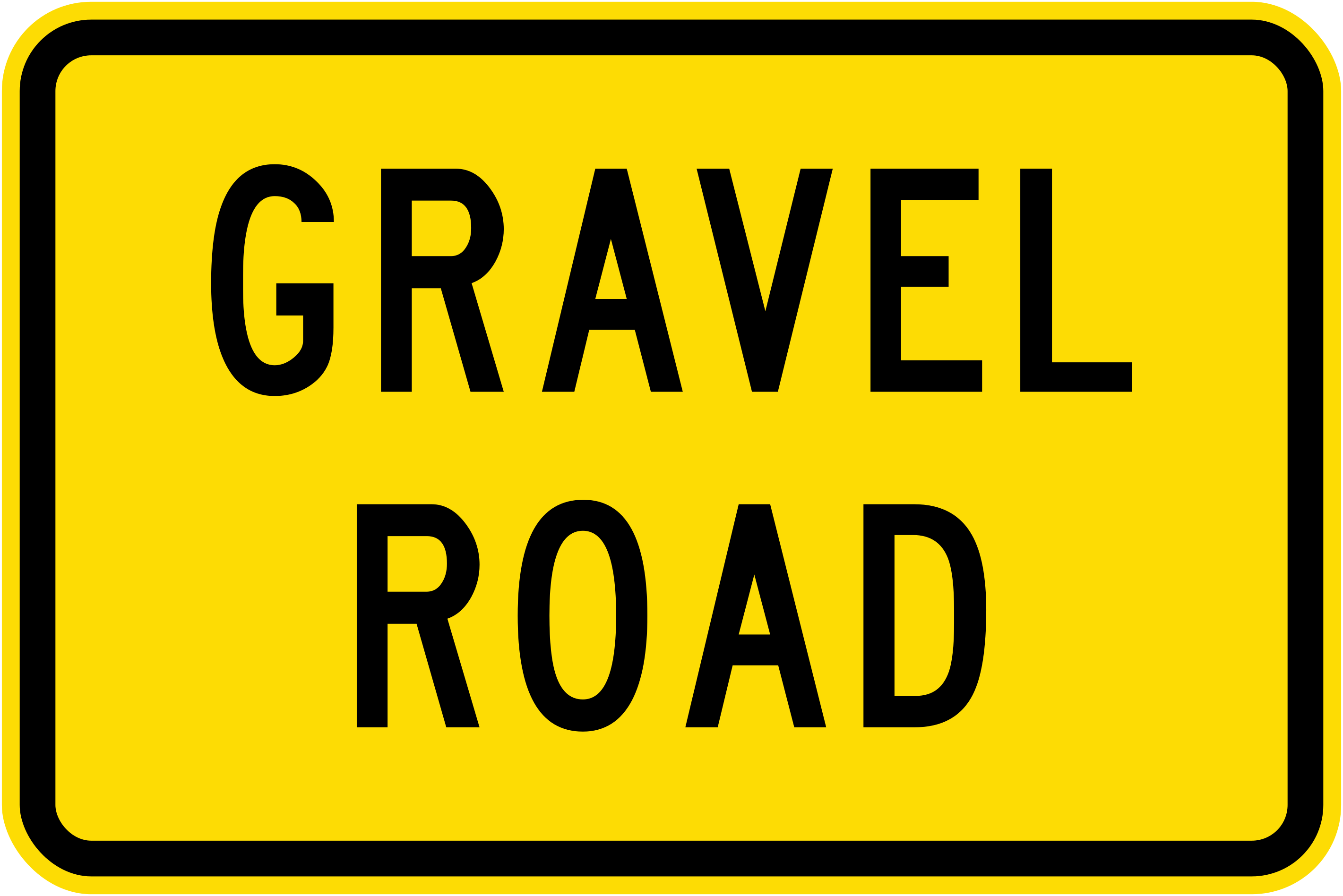
Gravel road The road becomes gravel ahead. Slow down, keep left and brake gently.
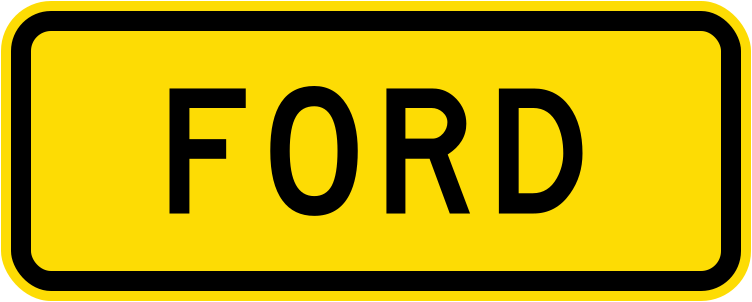
Ford The road crosses a stream ahead. Check the depth before crossing; do not cross if flooded.
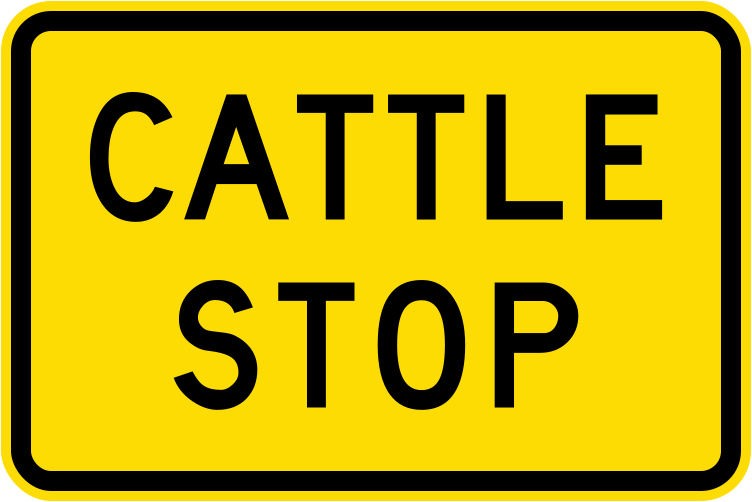
Cattle stop A cattle stop (grid) is ahead. Slow down; animals may be on the road.
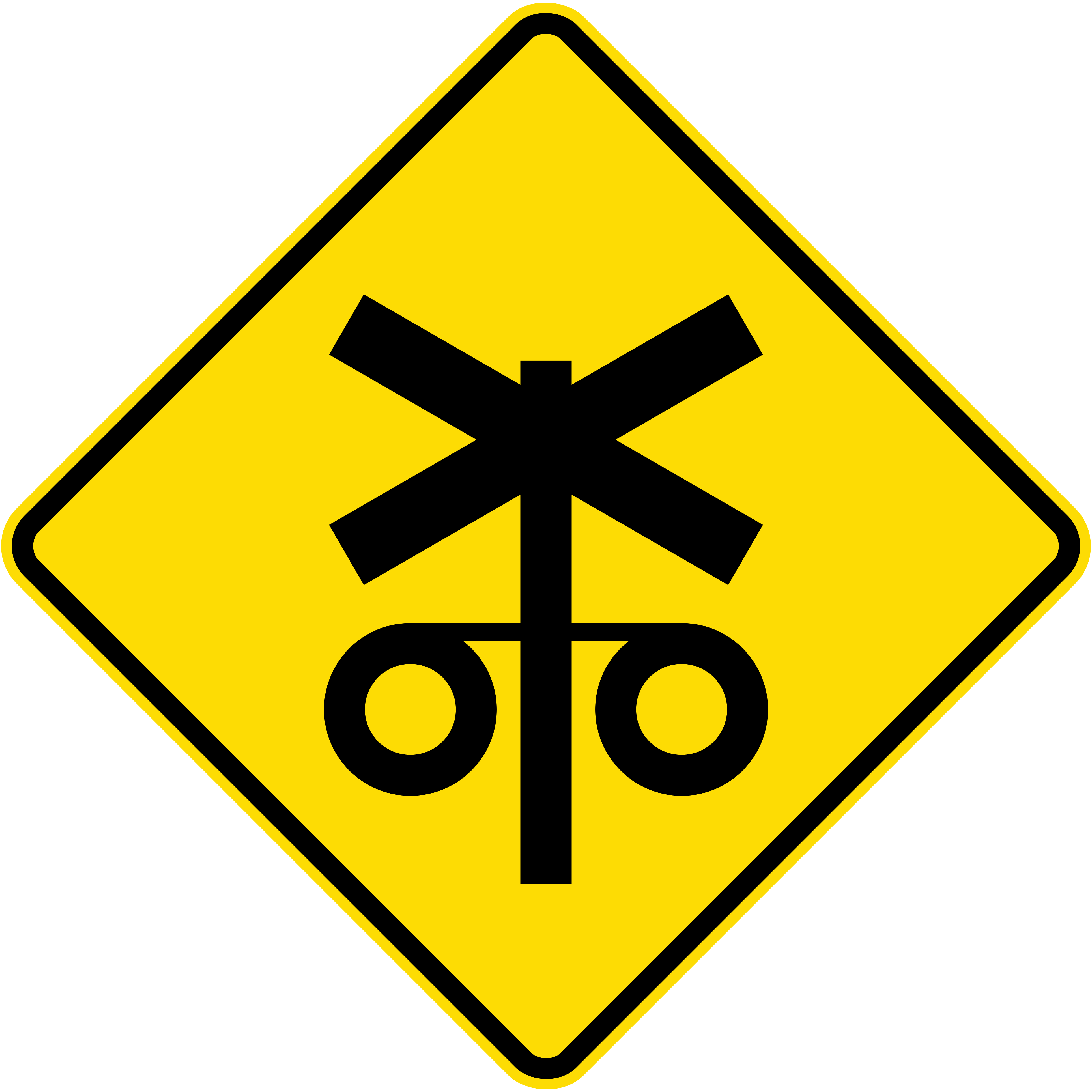
Railway crossing with alarms A level crossing with flashing lights and bells is ahead. Slow down and be ready to stop.
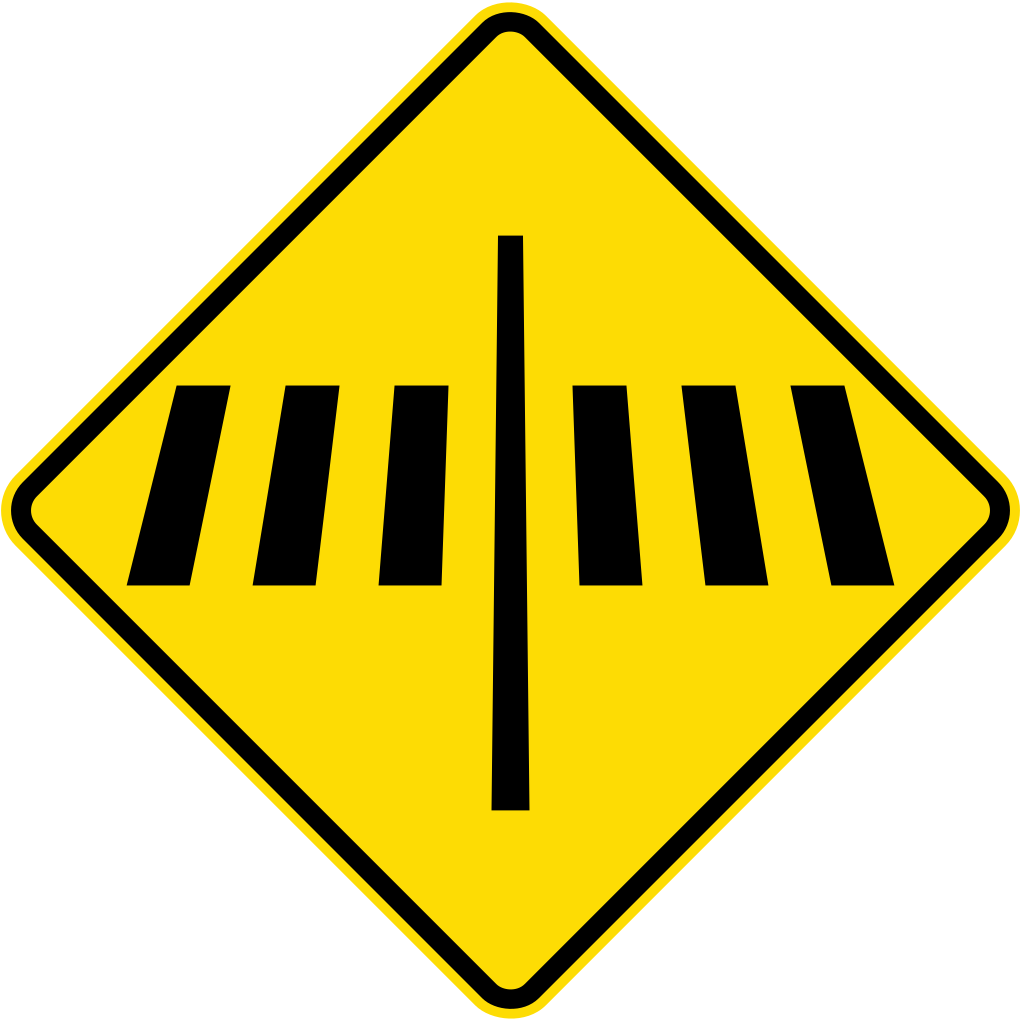
Pedestrian crossing ahead A pedestrian crossing is ahead. Slow down and be ready to stop for pedestrians.
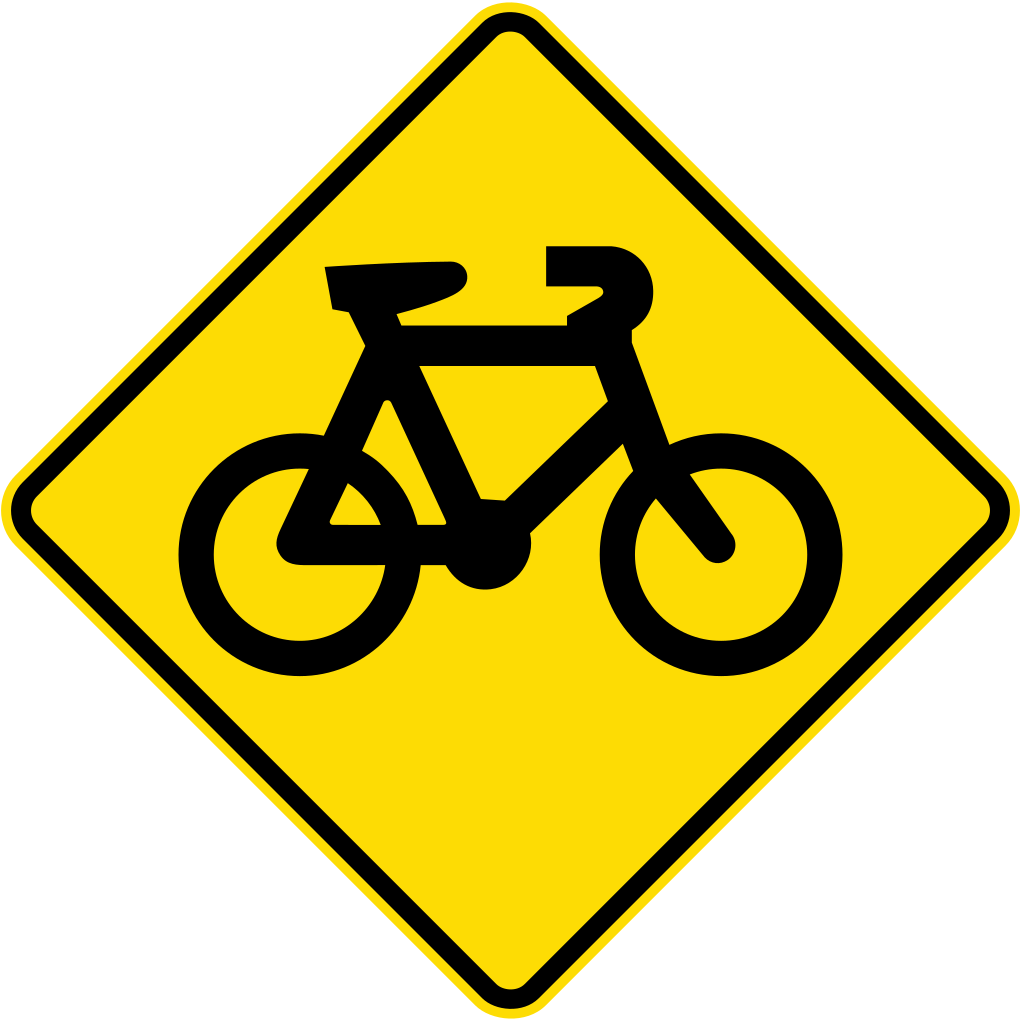
Cyclists Cyclists may be on the road ahead. Leave at least 1.5 m when passing.
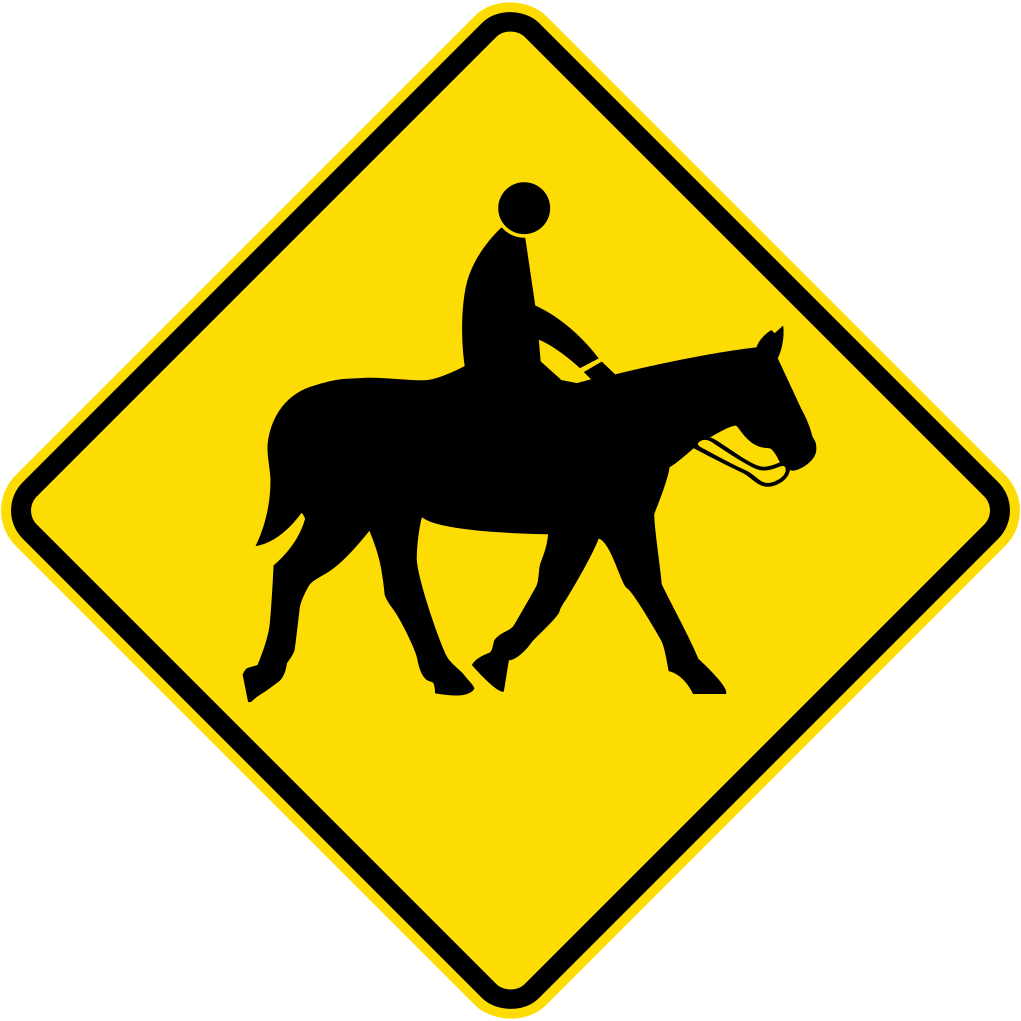
Horse riders Horse riders may be on the road ahead. Slow down and leave at least 1.5 m when passing.
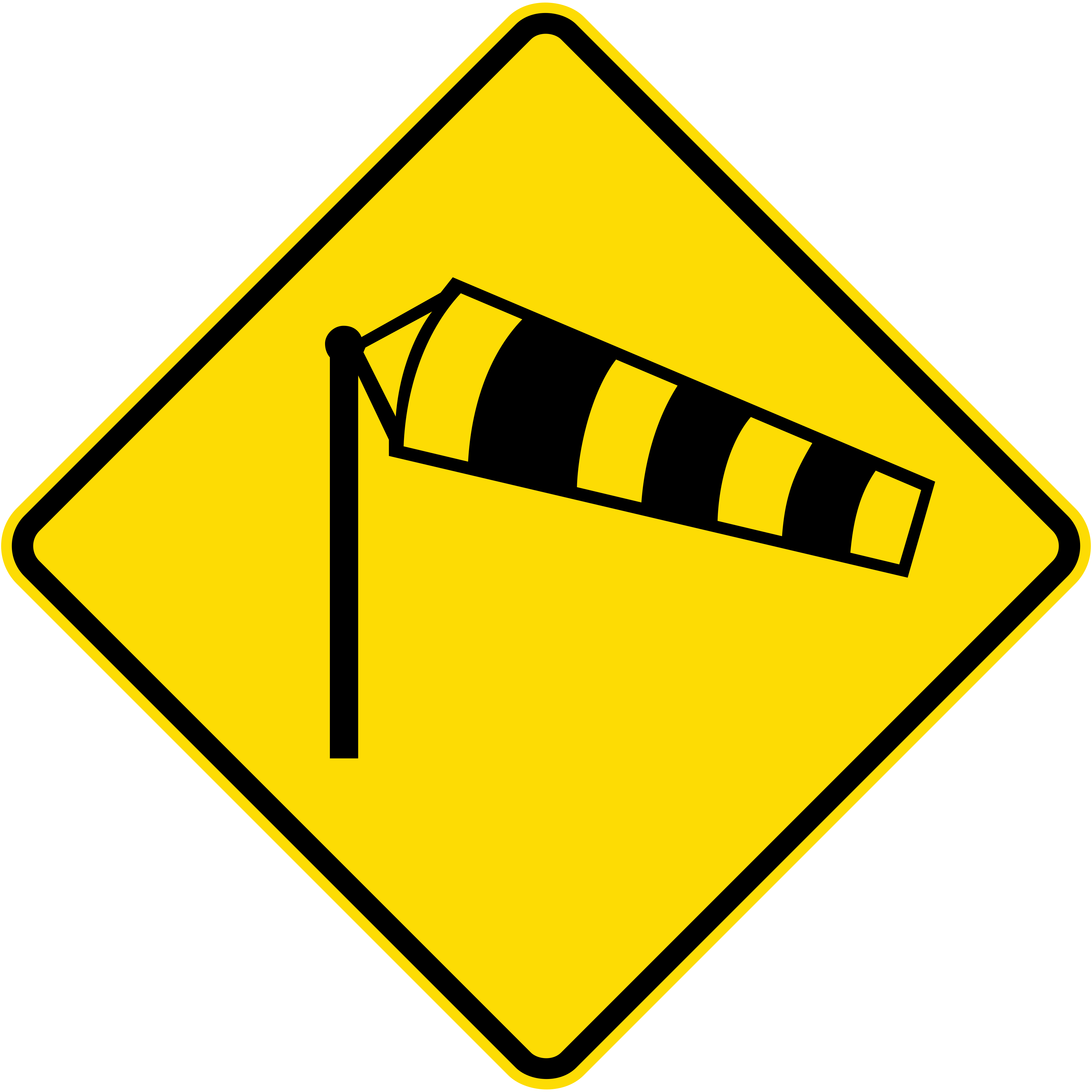
Crosswinds Strong side winds may affect your vehicle. Hold the wheel firmly and slow down.
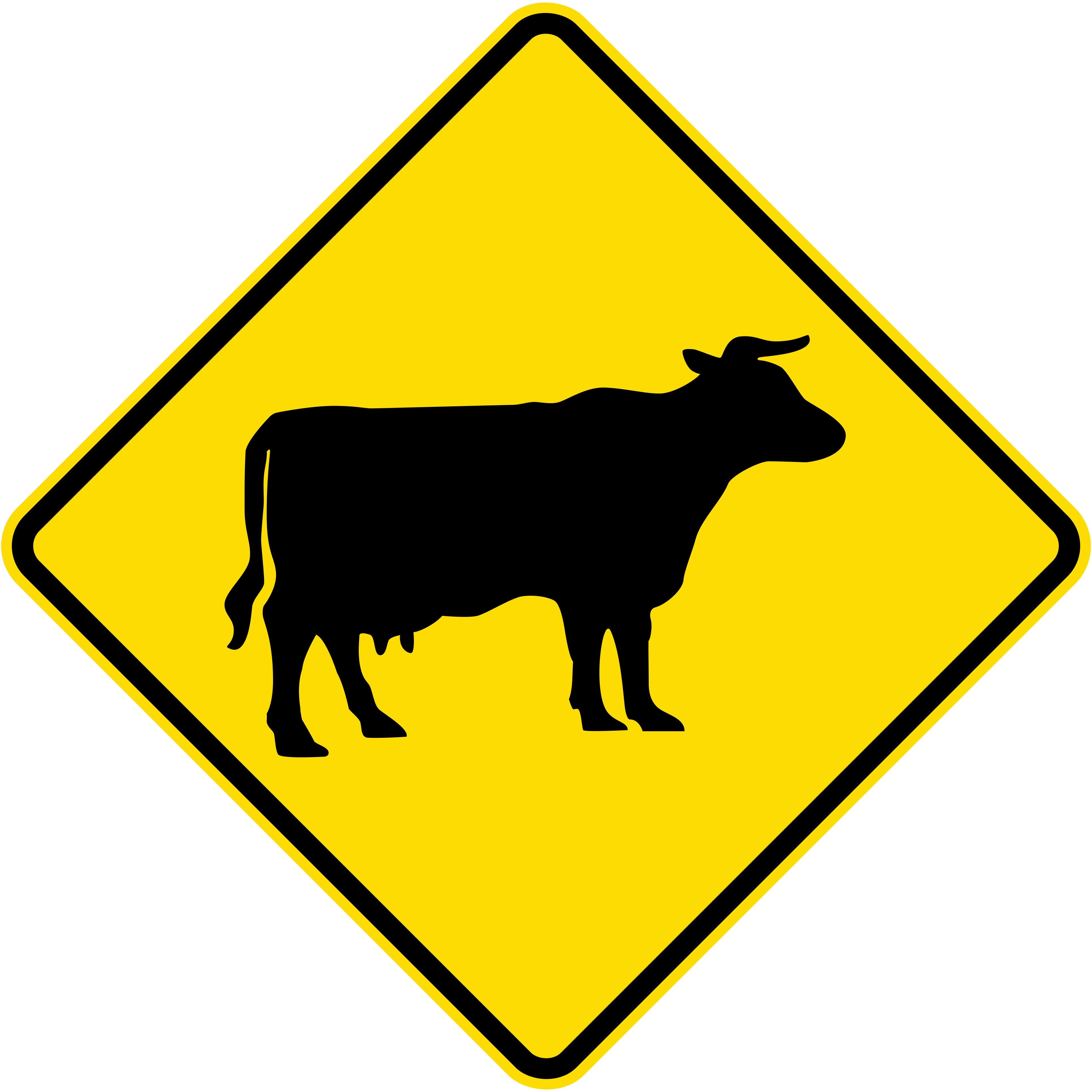
Cattle Cattle may be on the road ahead. Slow down and be ready to stop.
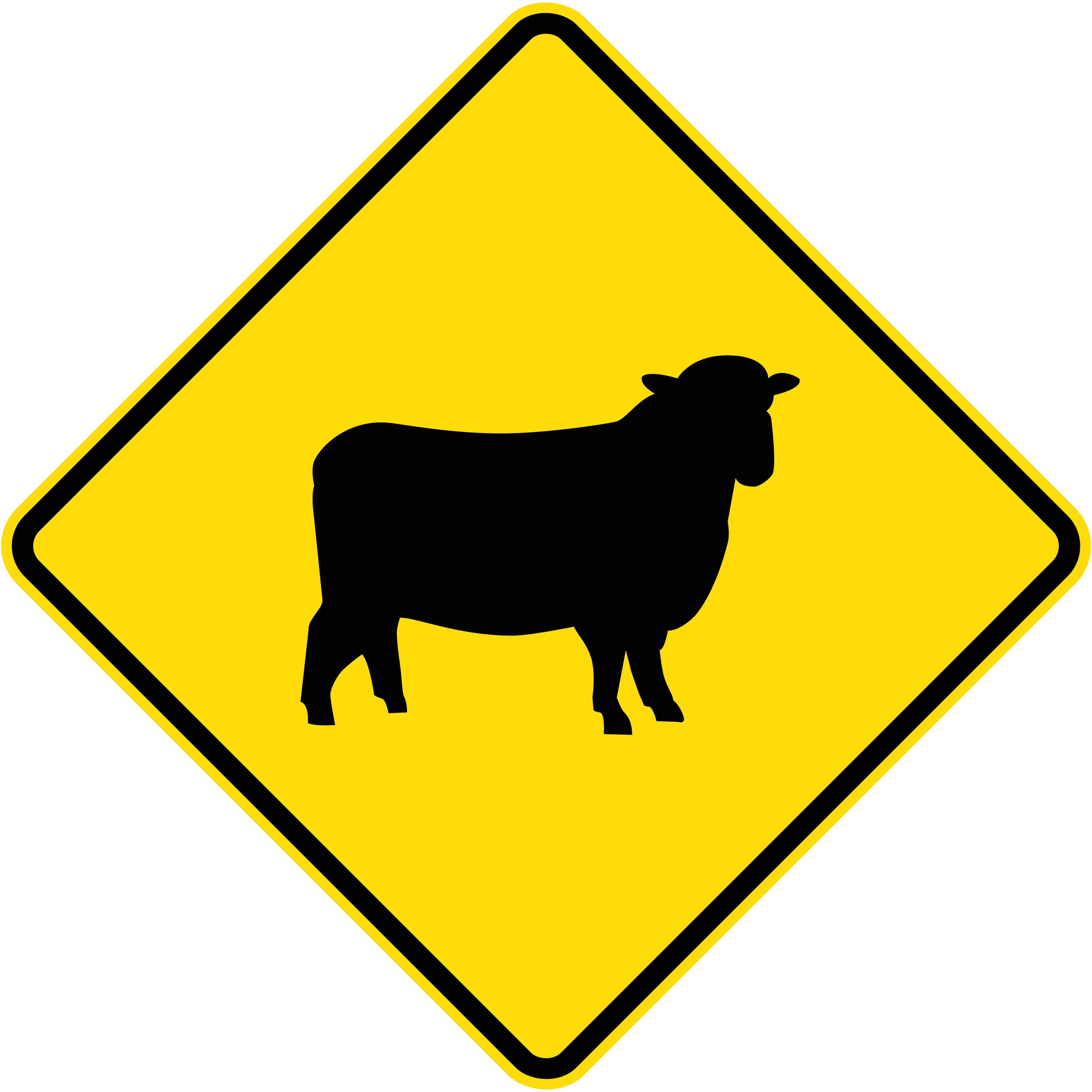
Sheep Sheep may be on the road ahead. Slow down and be ready to stop.
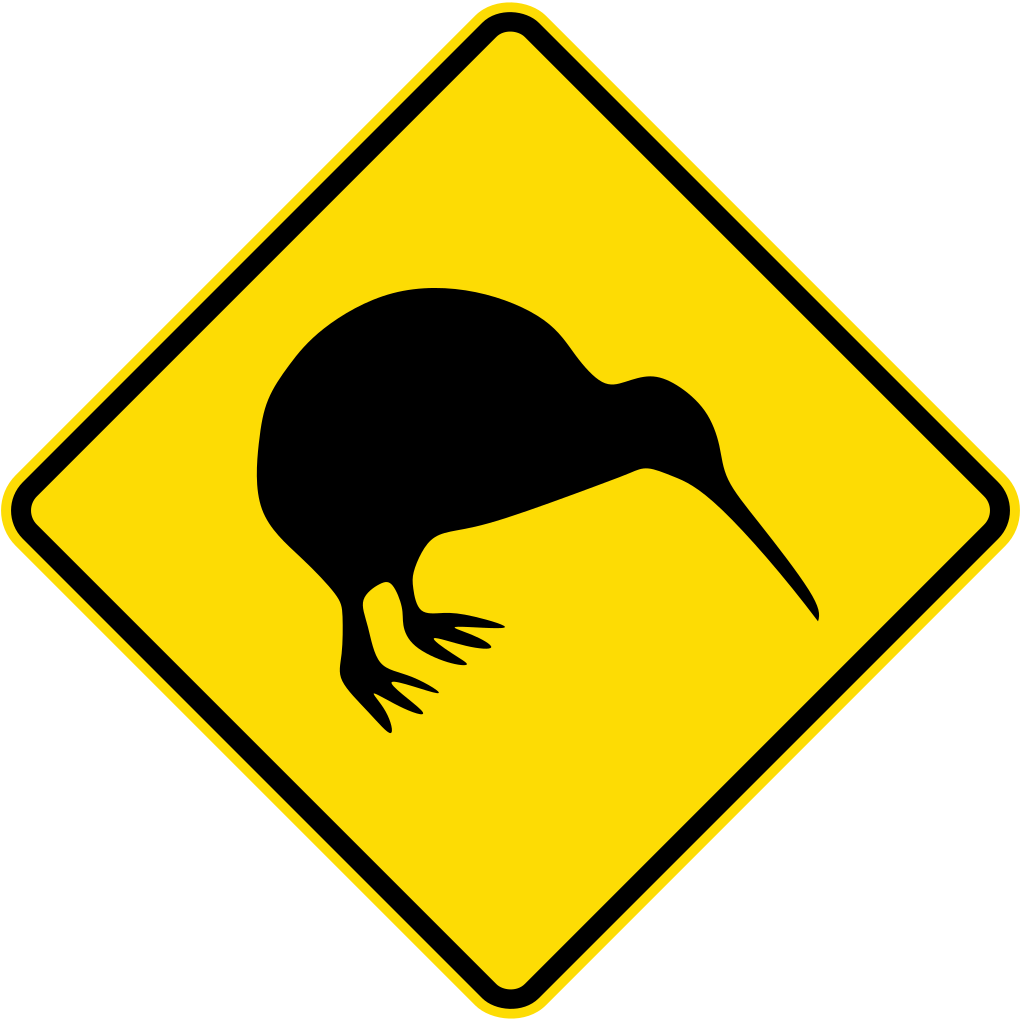
Kiwi Kiwi may be crossing the road. Slow down, especially at night.
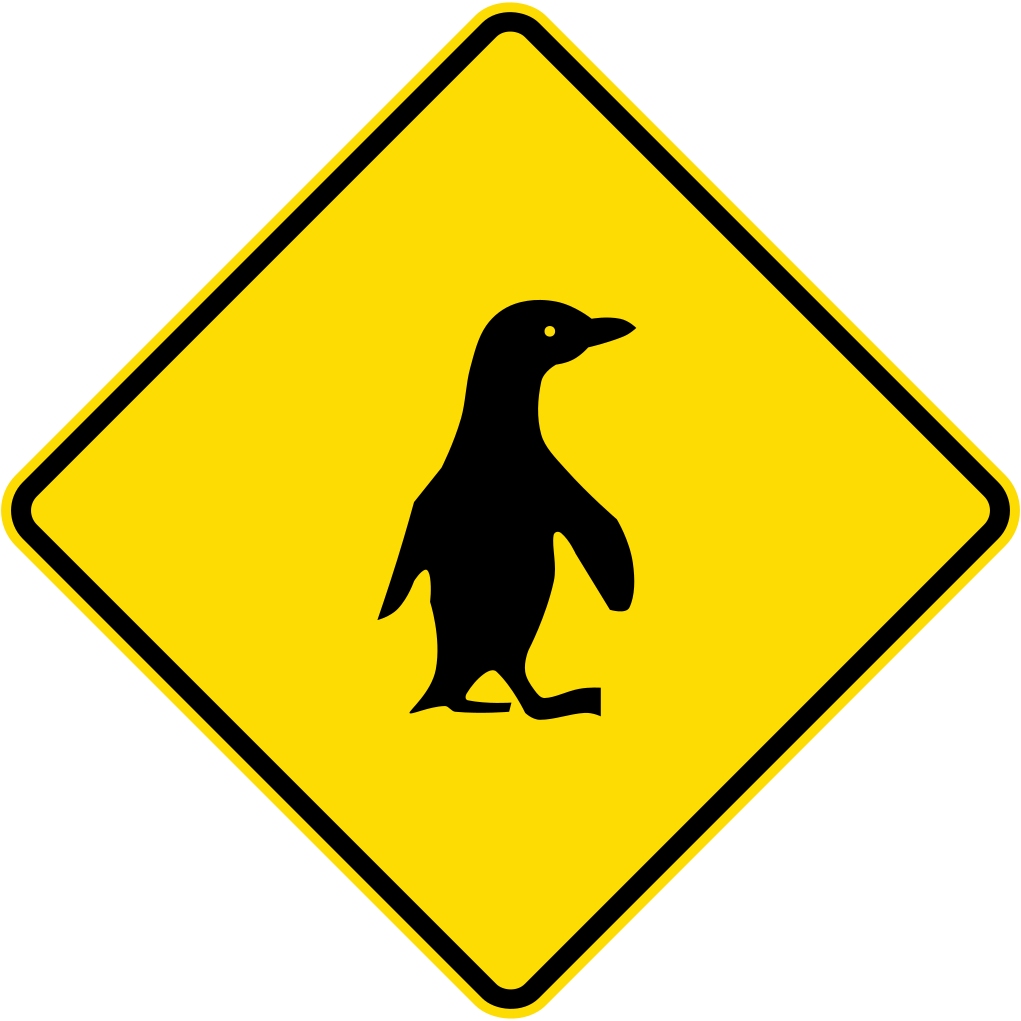
Penguins Penguins may be crossing the road. Slow down, especially at dawn and dusk.
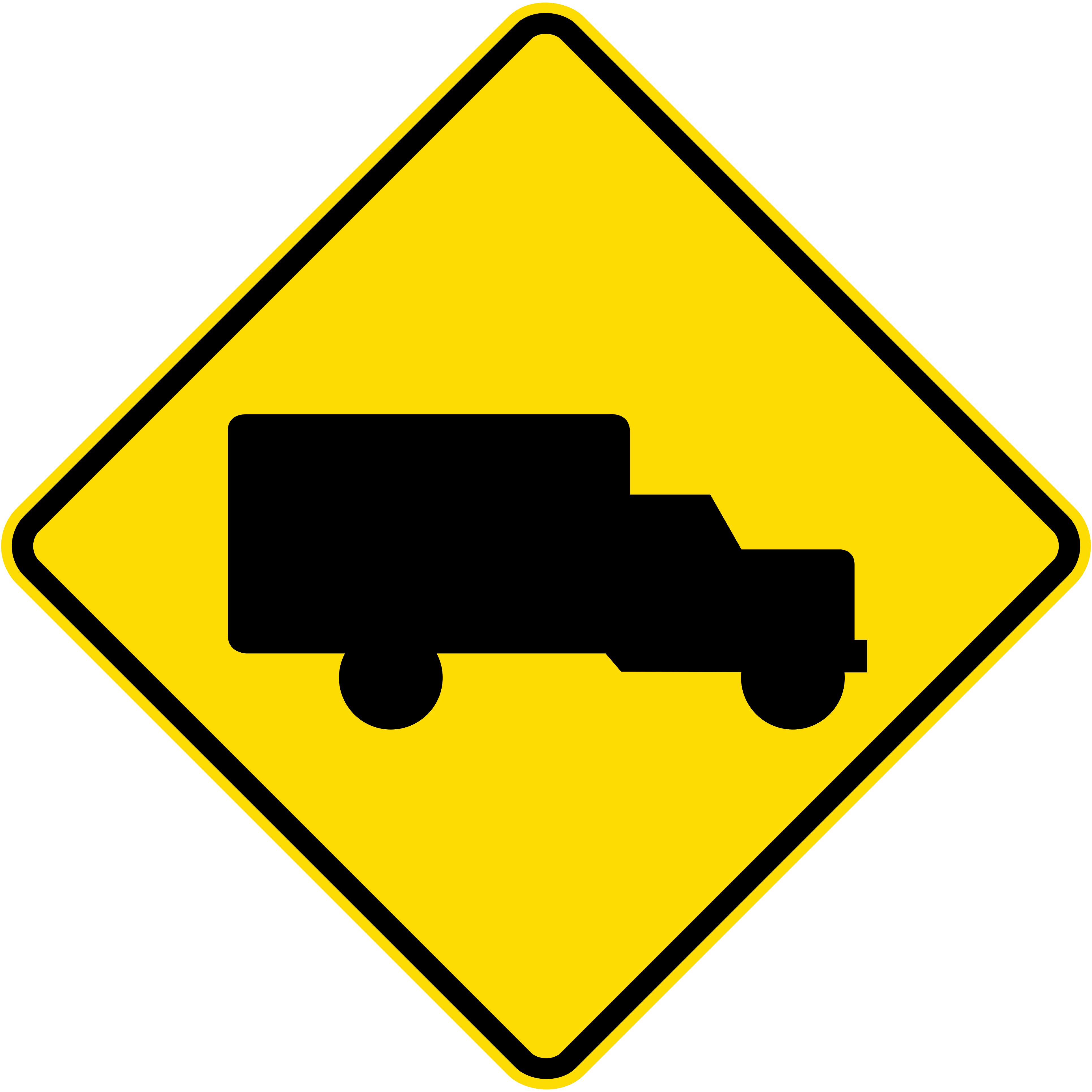
Trucks entering Trucks may be entering the road ahead. Be ready to slow down.
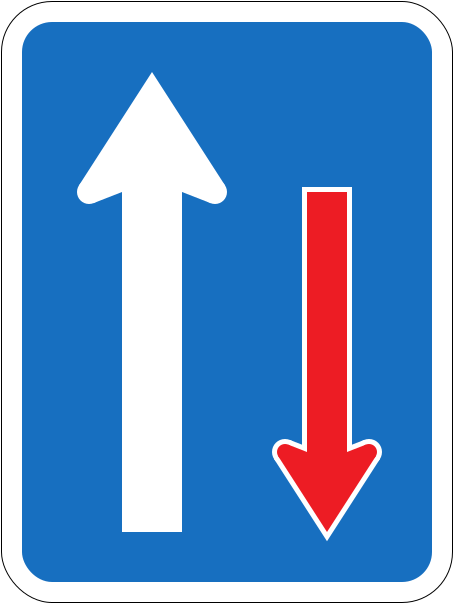
Priority at one-lane bridge You have priority over oncoming traffic on the one-lane bridge. Cross with care; oncoming traffic should wait.
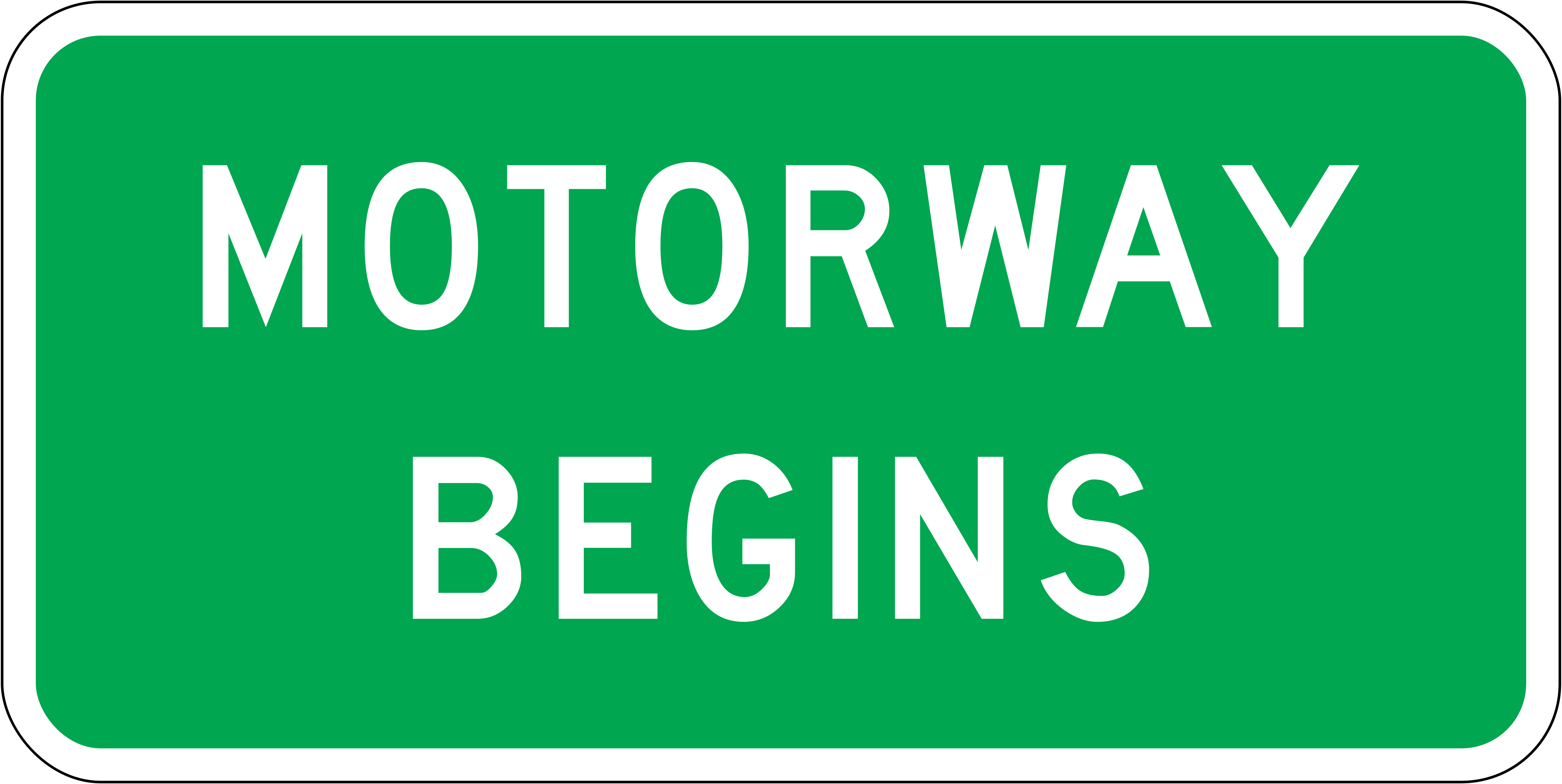
Motorway begins The motorway starts here. Pedestrians and cyclists are not allowed on the motorway.
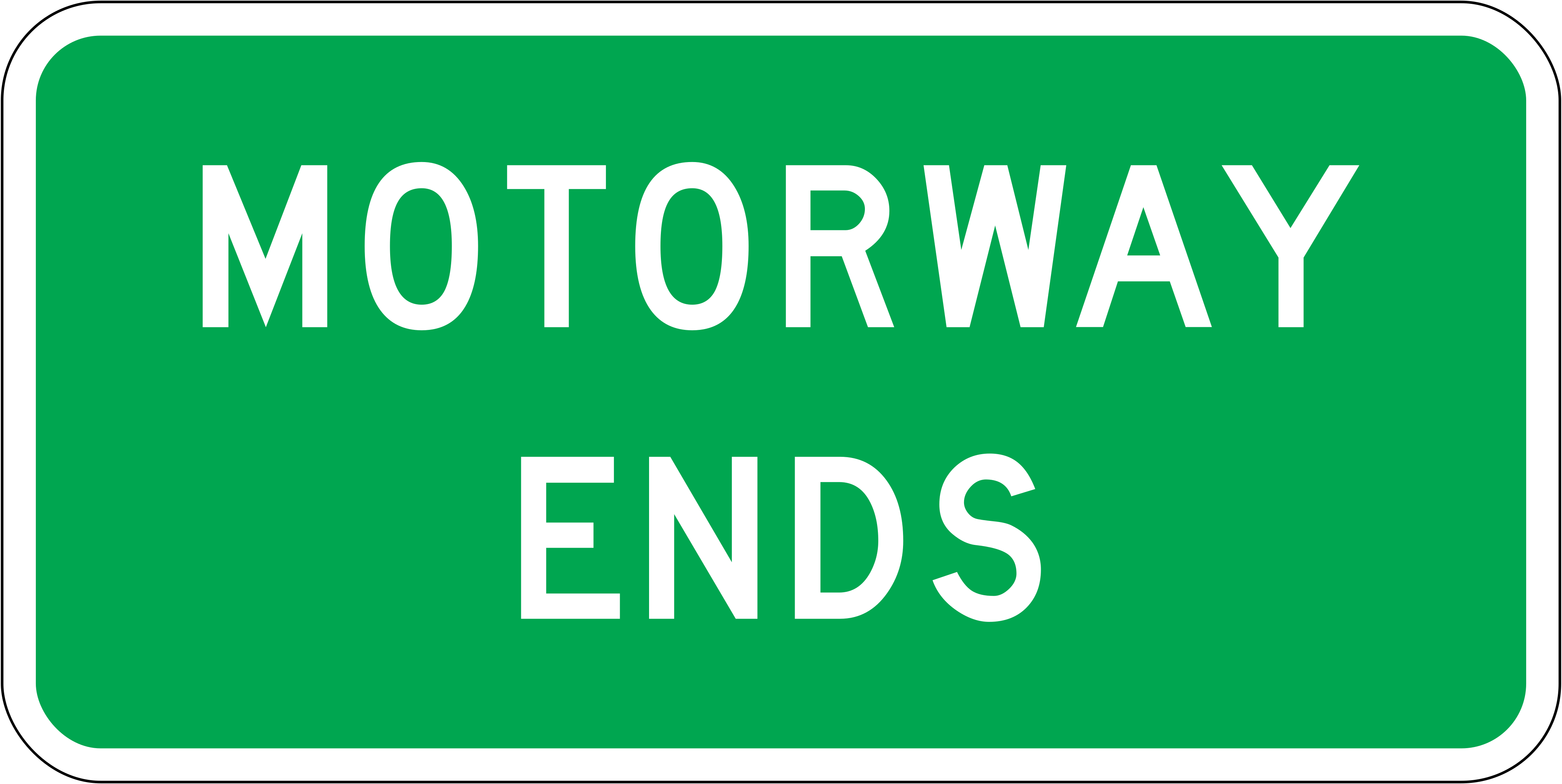
Motorway ends The motorway ends here. Expect lower speeds, intersections, pedestrians and cyclists.
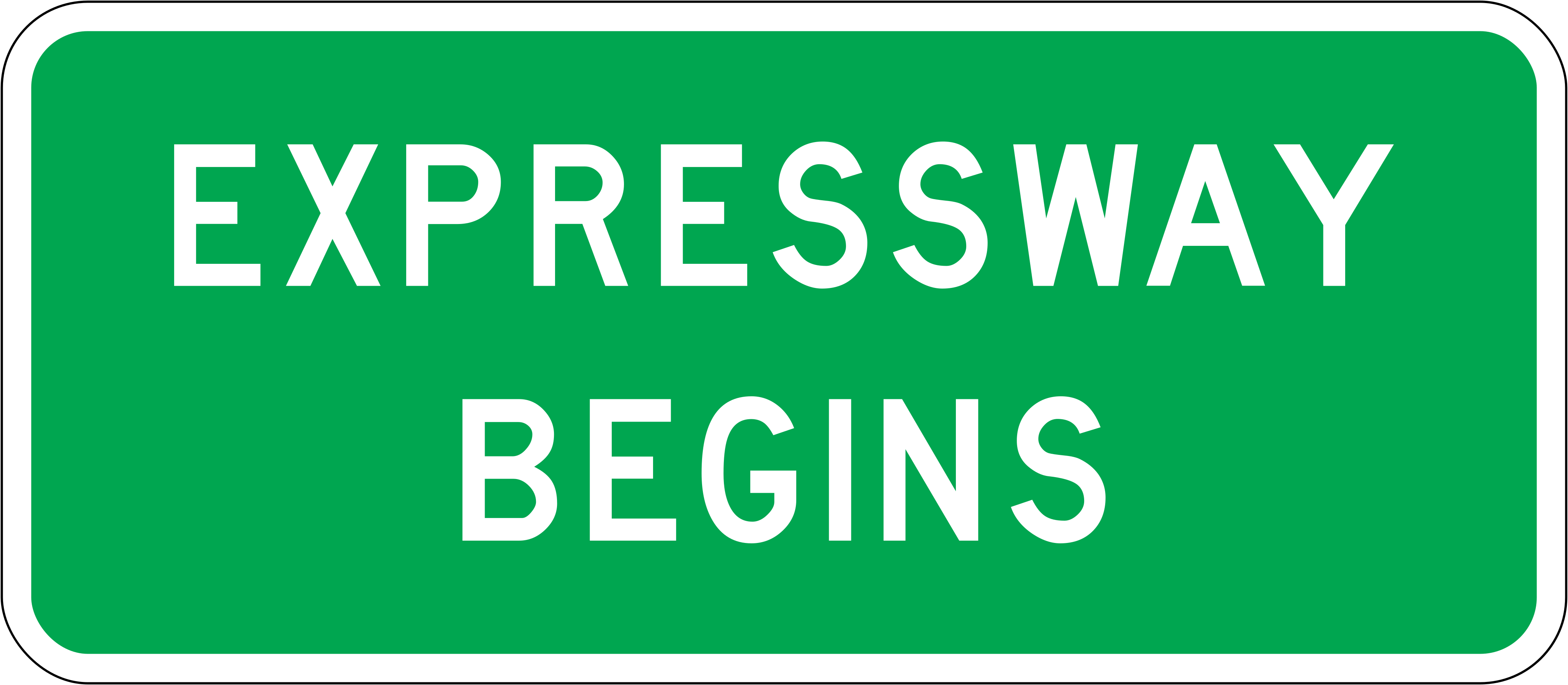
Expressway begins An expressway starts here. It is a high-speed road but may have some intersections and driveways.
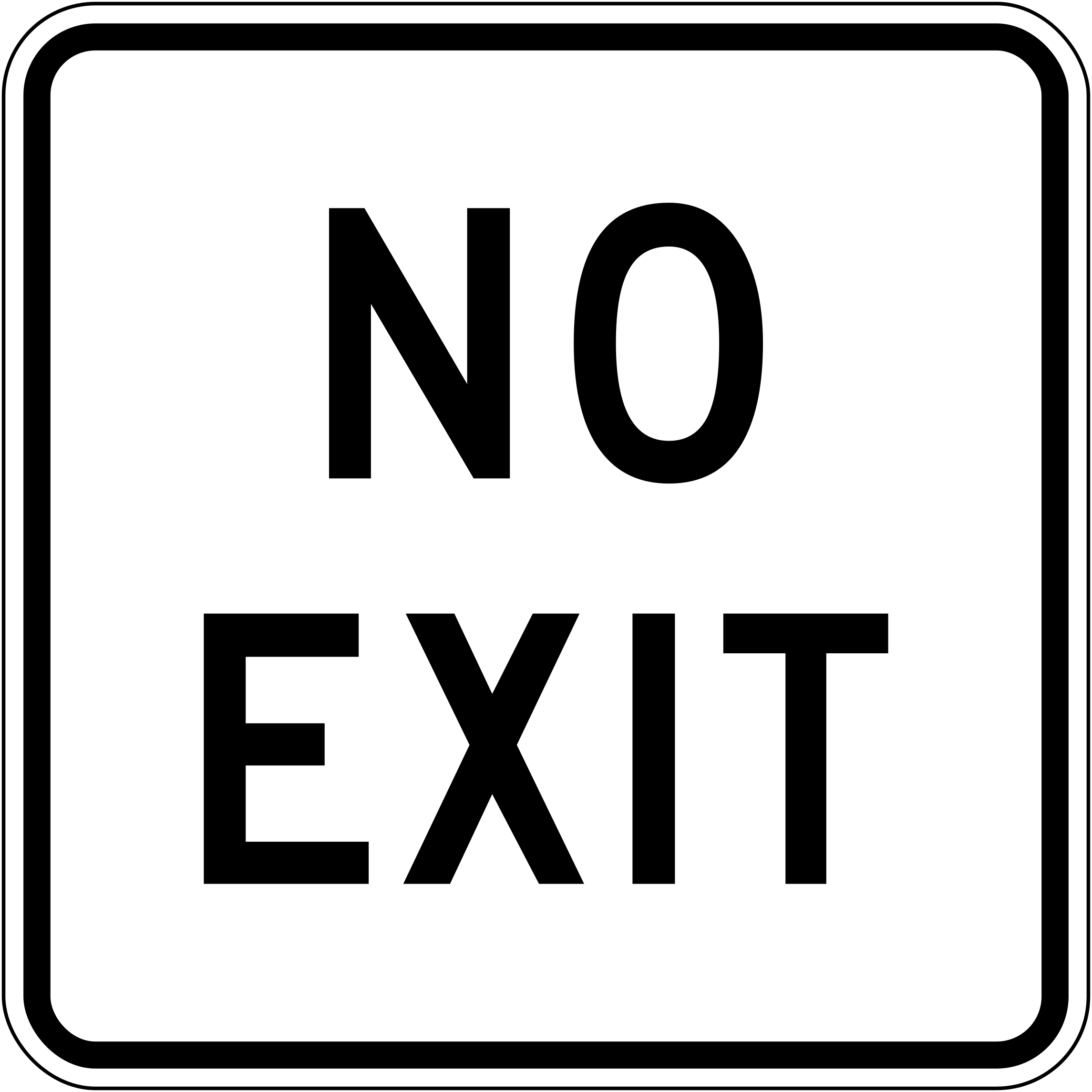
No exit The road ahead has no way through. You will need to turn around and come back.
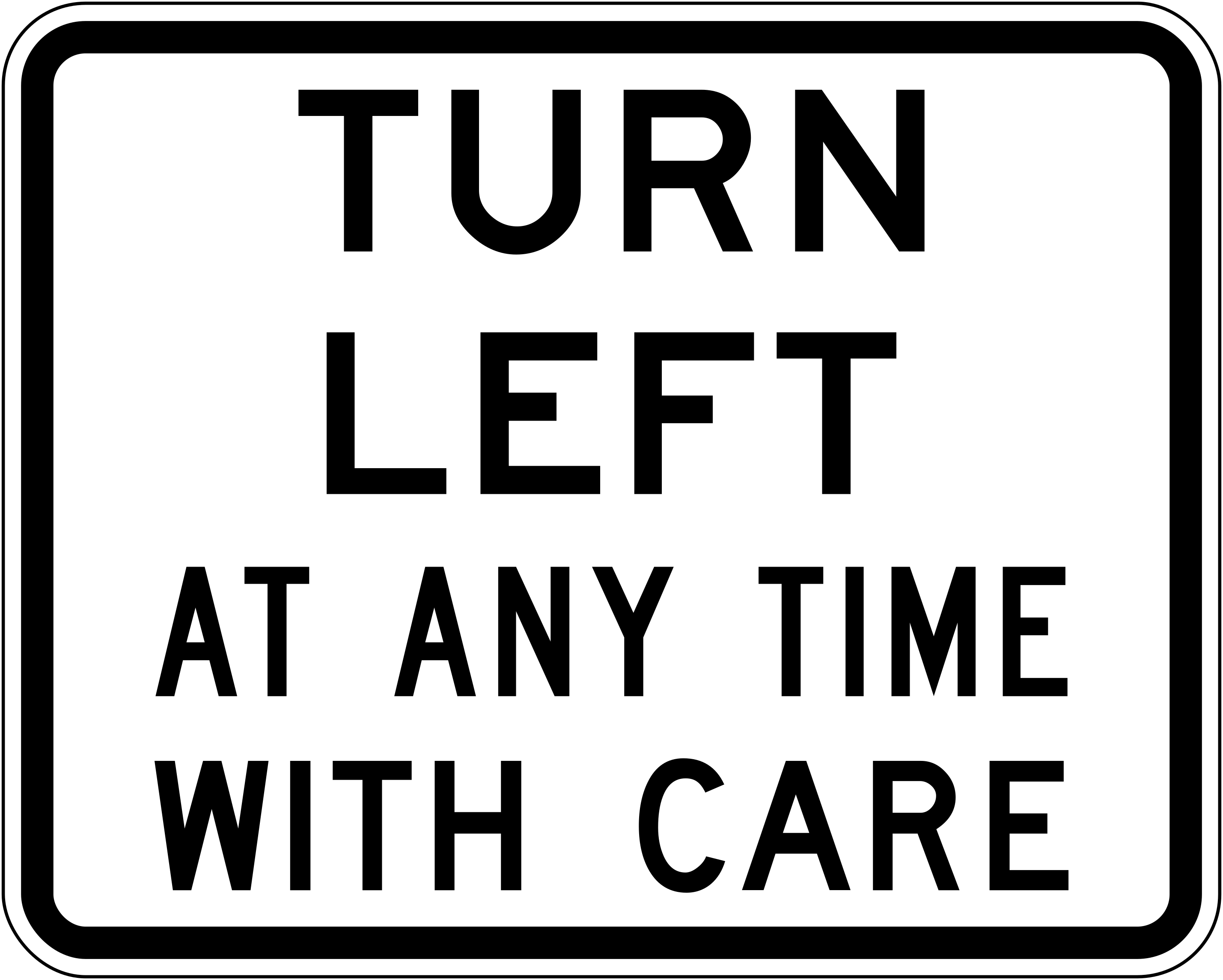
Turn left at any time with care You may turn left at these traffic lights at any time. Give way to pedestrians and to traffic on the road you are entering.
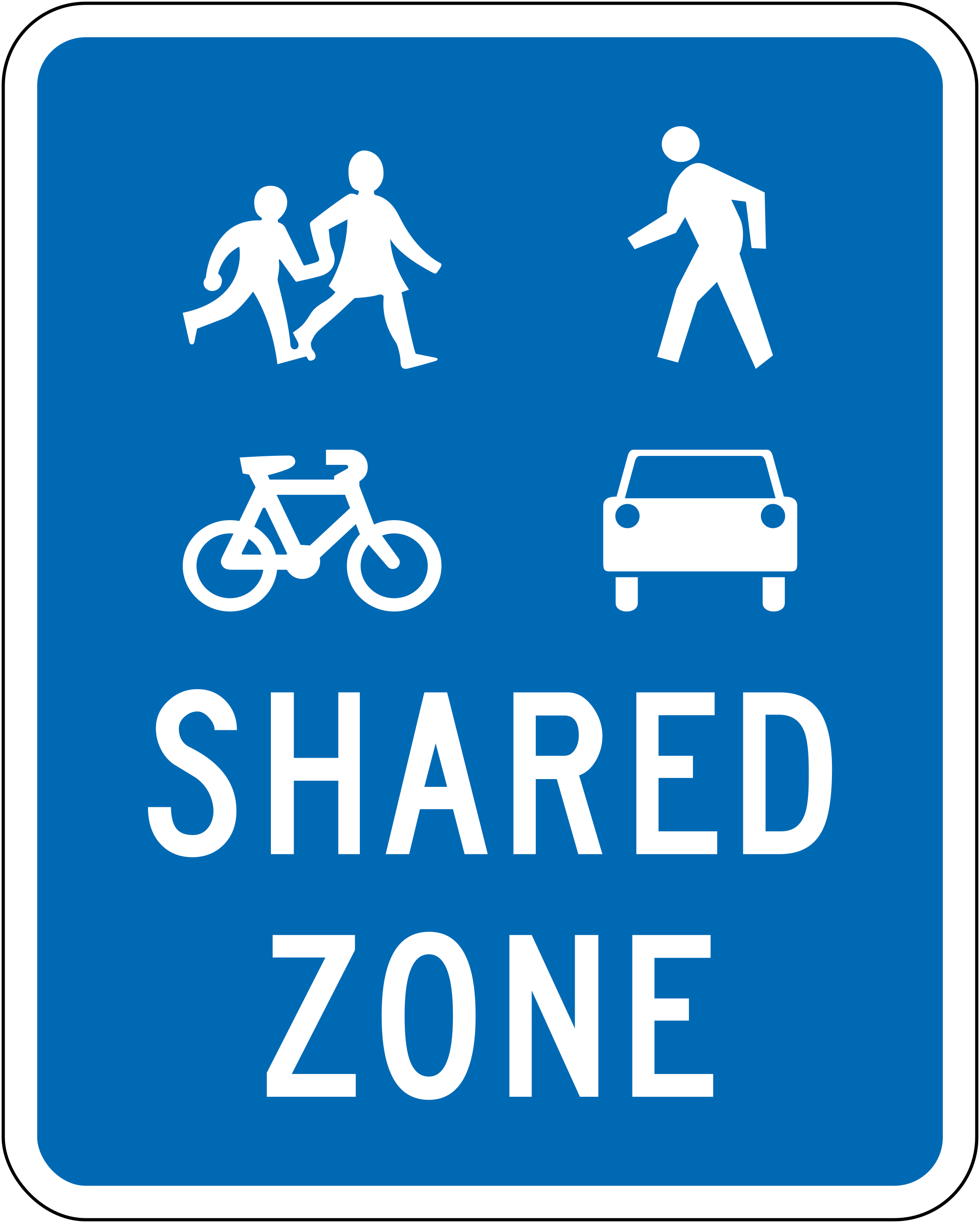
Shared zone The road is shared by pedestrians, cyclists and vehicles. Drive very slowly and give way to pedestrians.
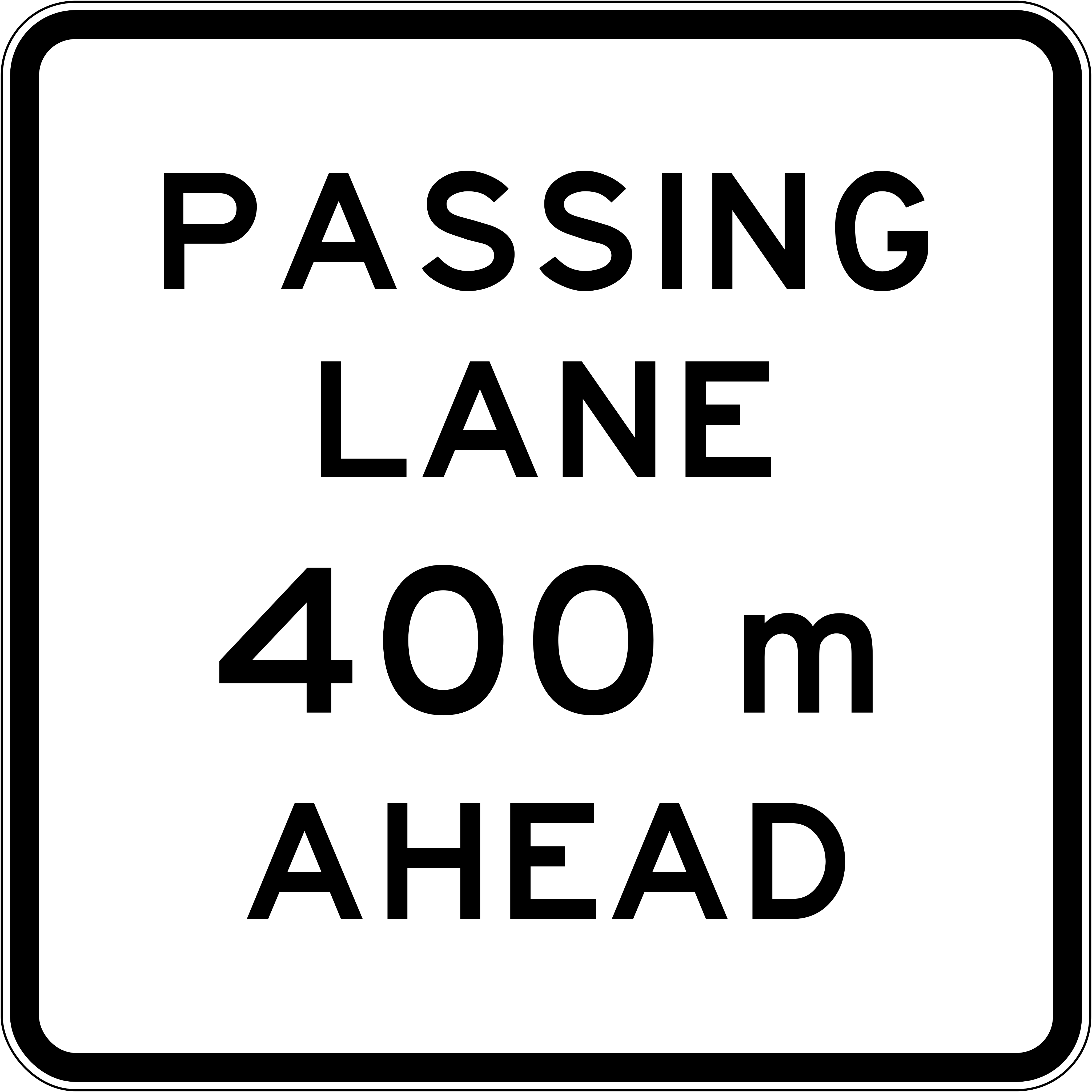
Passing lane ahead A passing lane starts at the distance shown. Wait for the passing lane to overtake safely.
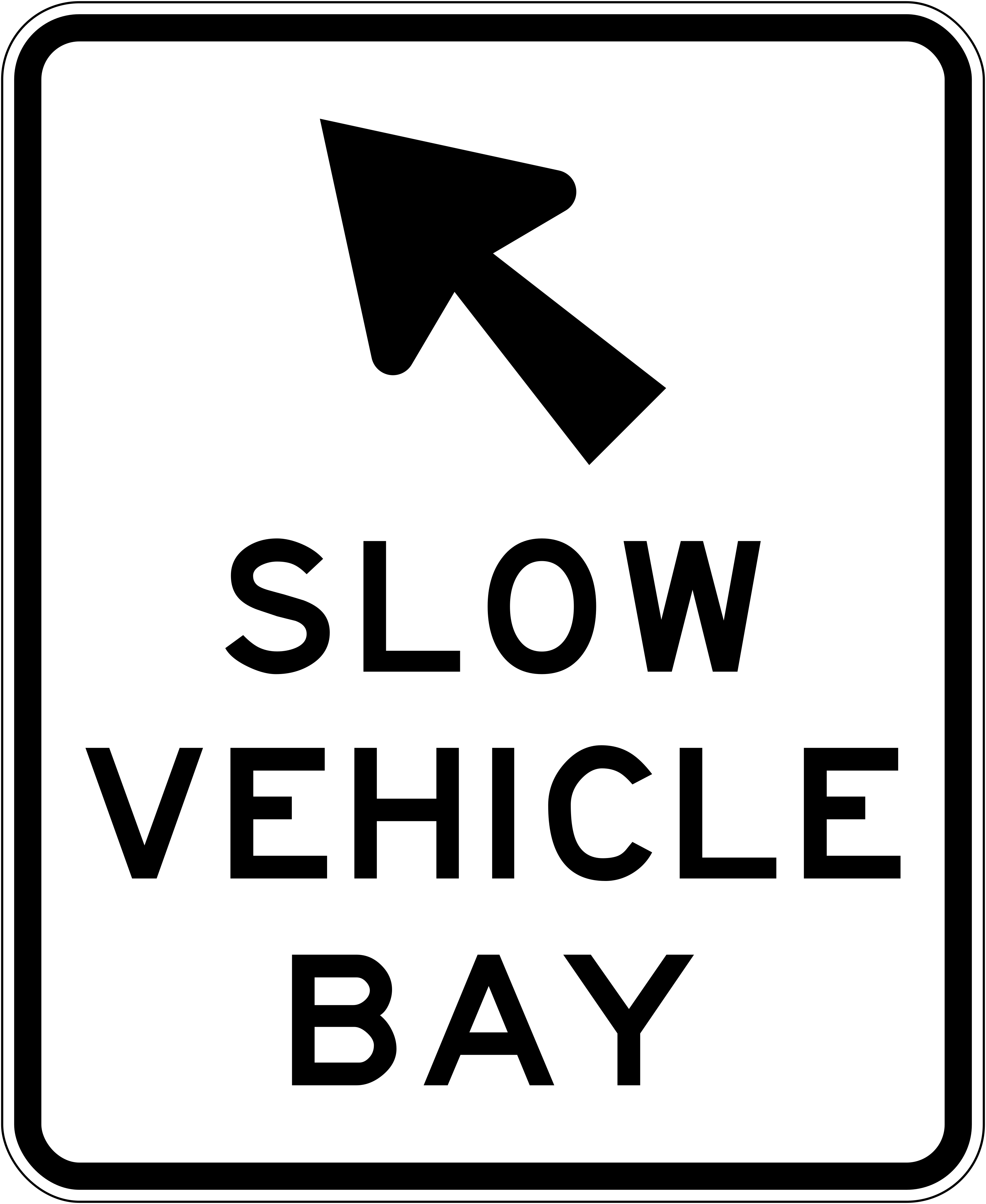
Slow vehicle bay A bay where slow vehicles can pull over to let others pass. If you are driving slowly with traffic behind, pull in and let them pass.
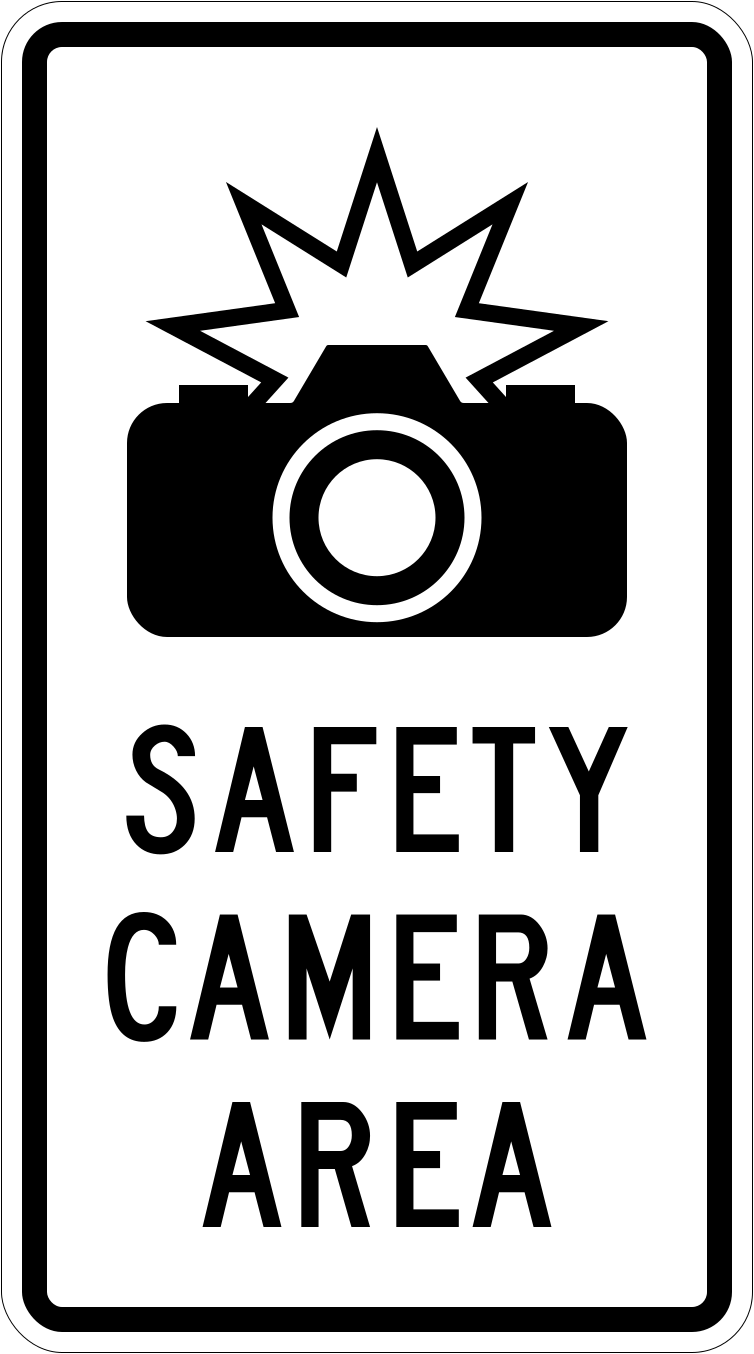
Safety camera area Safety cameras check speeds in this area. Keep to the speed limit.
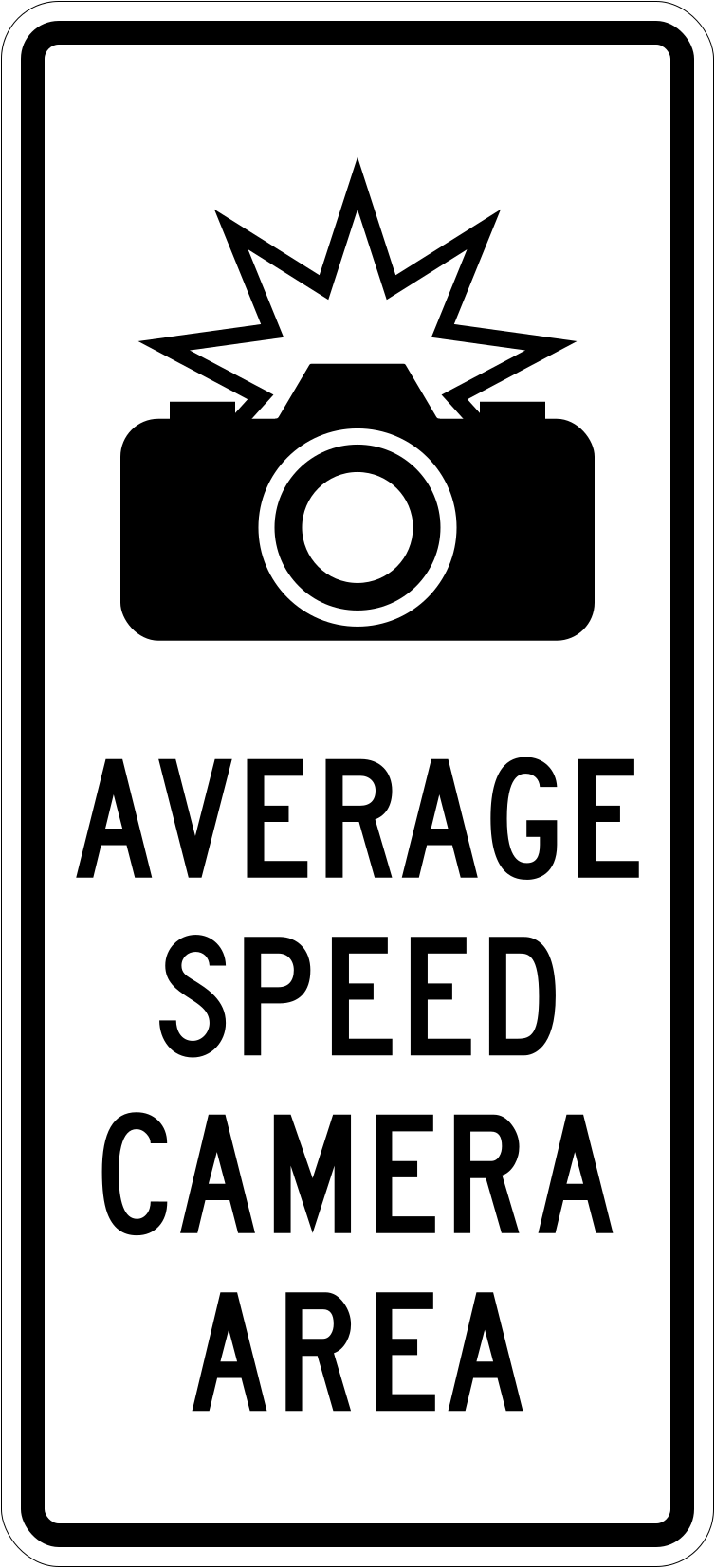
Average speed camera area Cameras measure your average speed between two points. Keep to the limit the whole way, not only past the cameras.
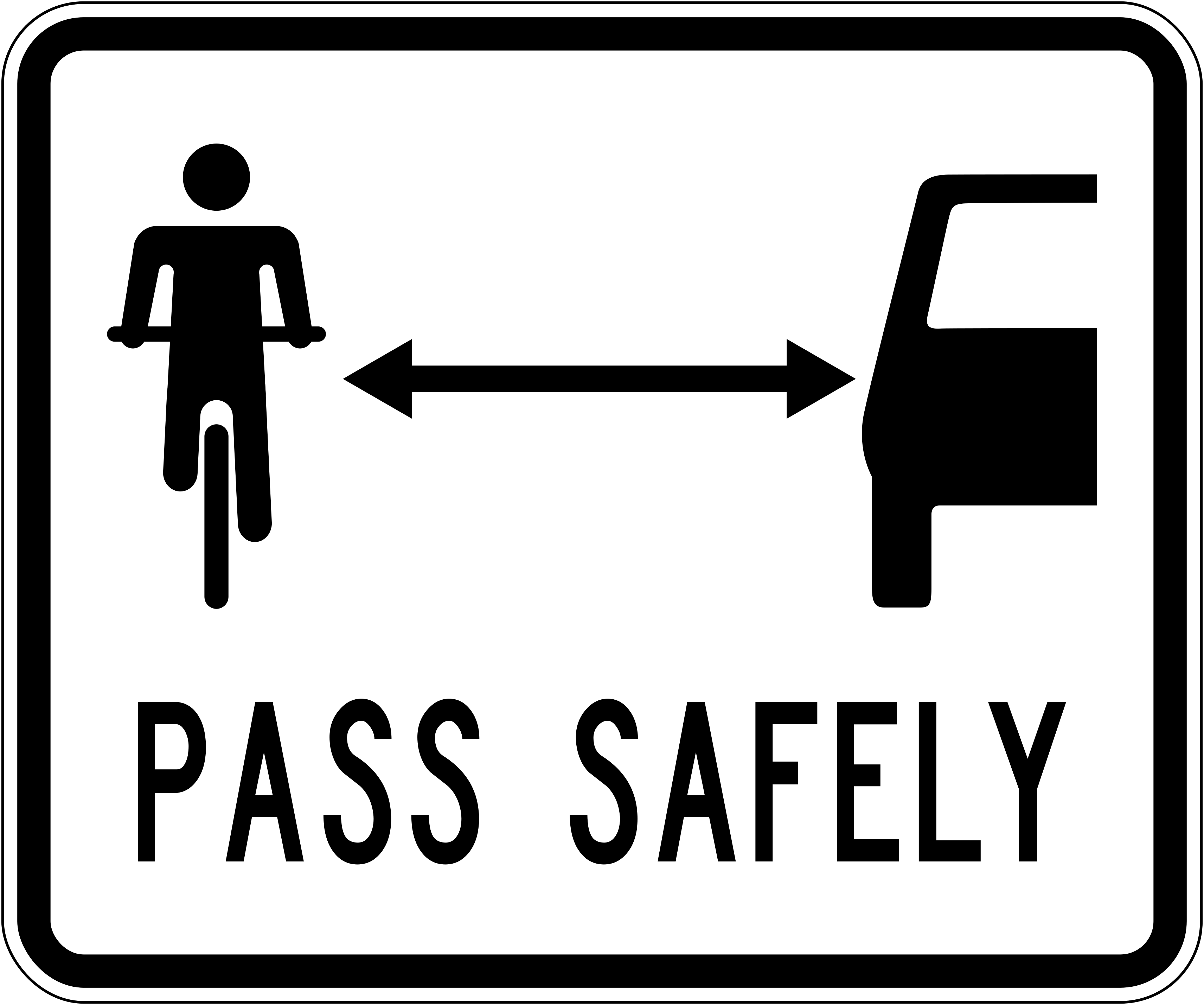
Pass cyclists safely Give cyclists plenty of room when you pass. The road code advises leaving at least 1.5 metres.
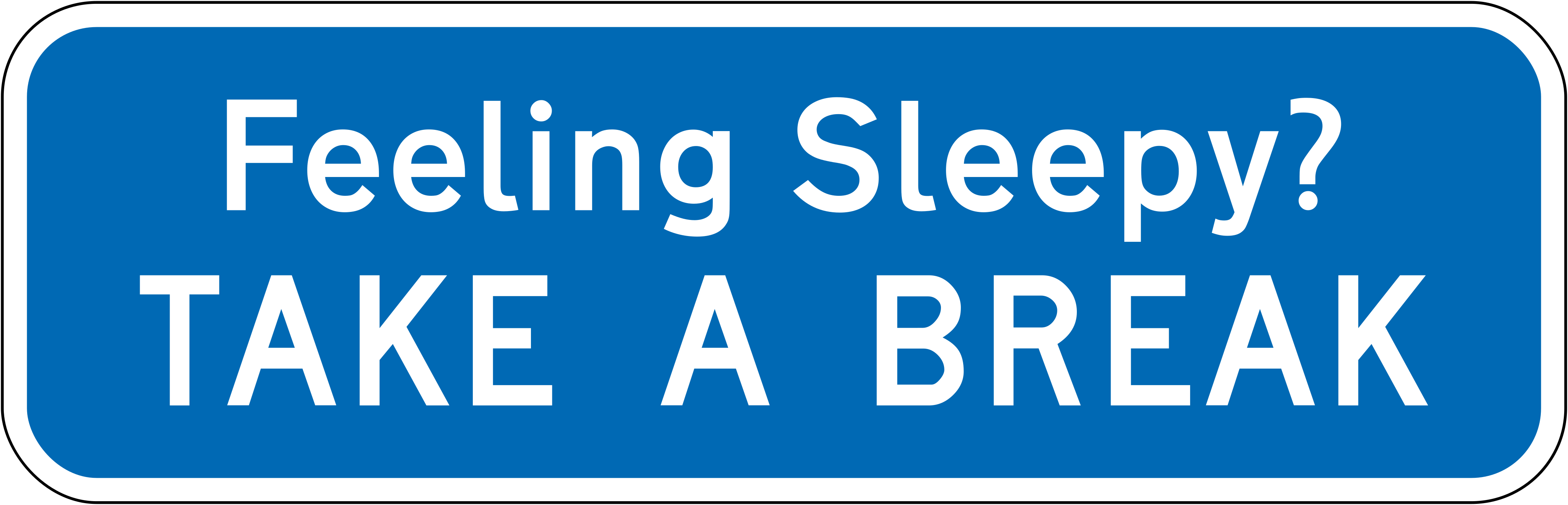
Feeling sleepy? Take a break Reminds drivers to rest when tired. Pull over somewhere safe and rest.
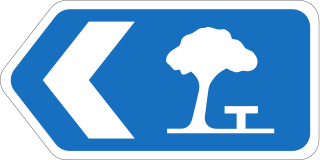
Rest area A rest area is on the side shown. Stop there if you are tired.
Signs are easier to remember by group: the shape and colour tell you the kind of message before you read it. The New Zealand signs on this page fall into these groups:
Pick an answer, then open "Show answer" to check it. For the real test format, take a free NZTA practice test.
Turn on JavaScript to take the interactive mock tests.