The LTO written (theoretical) exam for a non-professional driver's licence is most often reported as 40 multiple-choice items with 30 correct to pass (75%), on road signs, traffic rules and safe driving. The LTO has not published the format in a form PassDriveTest could confirm, so this practice test uses that format. The LTO confirms the format on the day of your exam. Below is every Philippines sign we cover, with its official image and meaning. After the signs: the sign groups, a short quiz and study tips.
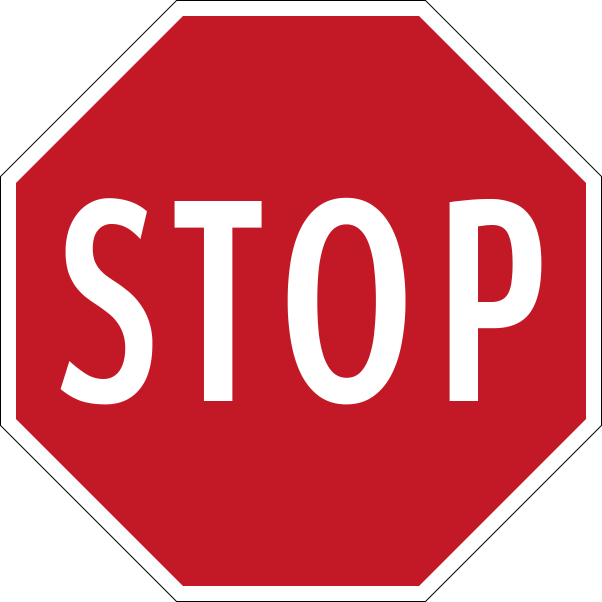
Stop Come to a full stop, then go only when the way is clear. Stop at the line and give way to traffic on the through road.
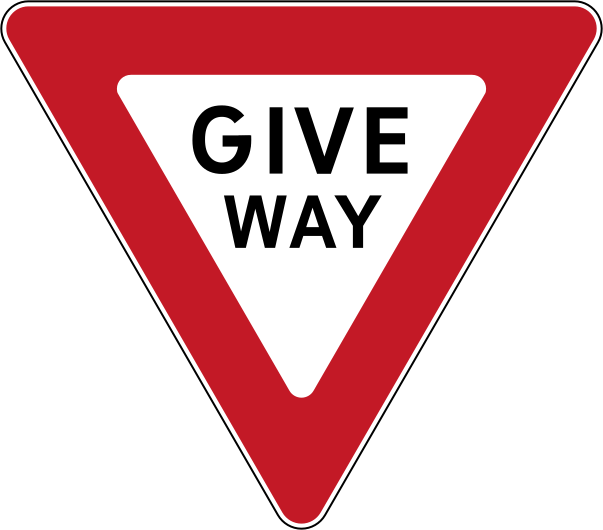
Give way Slow down and give way to traffic on the road you are entering. Stop if needed; go only when it is safe.
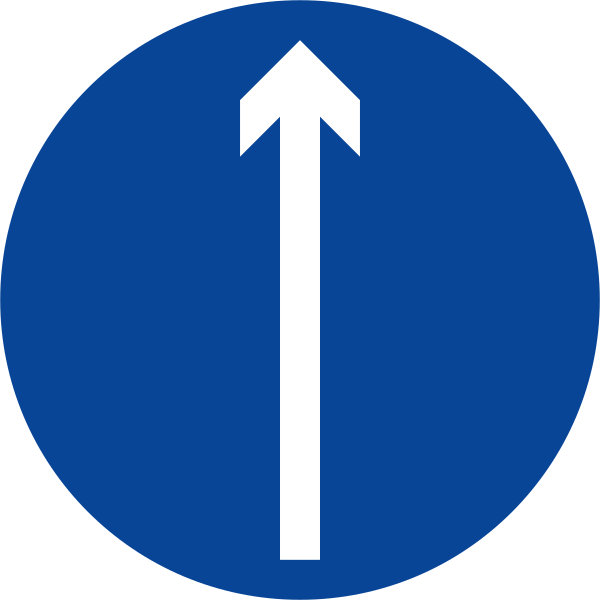
No turns (go straight) You must go straight ahead; turning is not allowed. Continue straight.
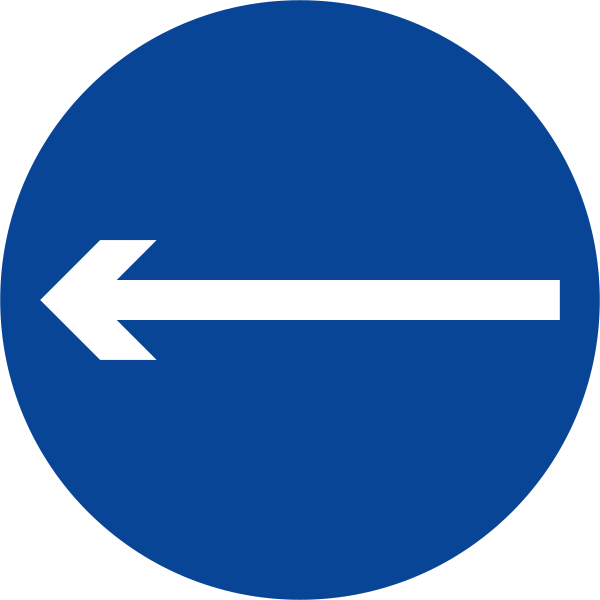
One way Traffic may only go in the direction of the arrow. Drive only in that direction.
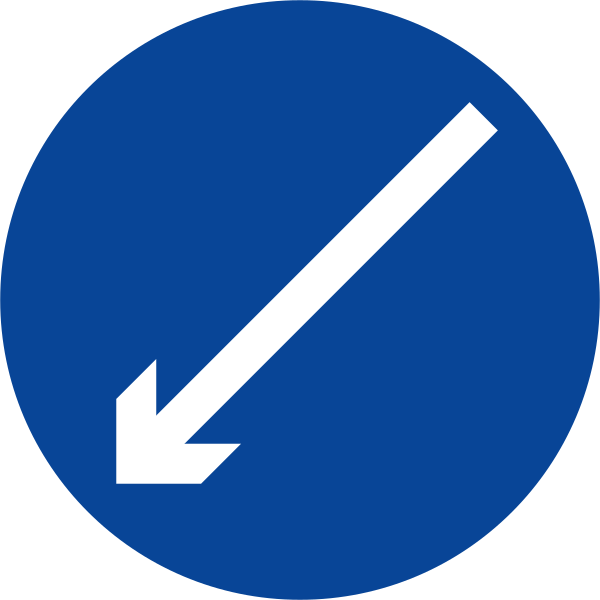
Keep left Pass to the left of the island or obstruction. Follow the arrow.
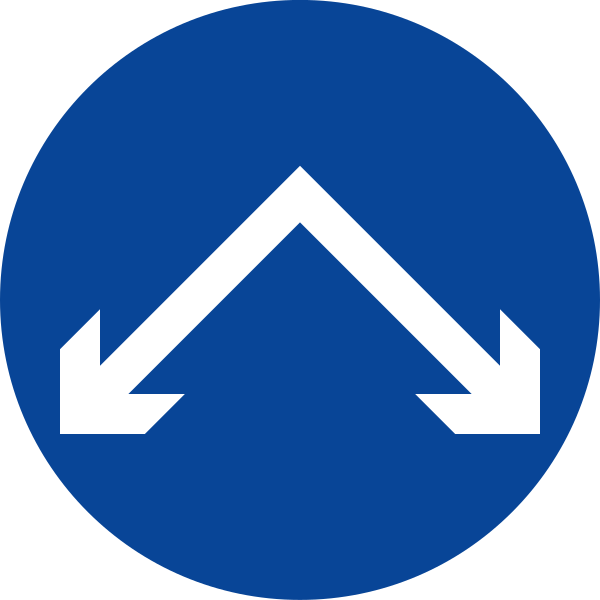
Pass either side You may pass on either side of the island or obstruction. Choose the safe side.
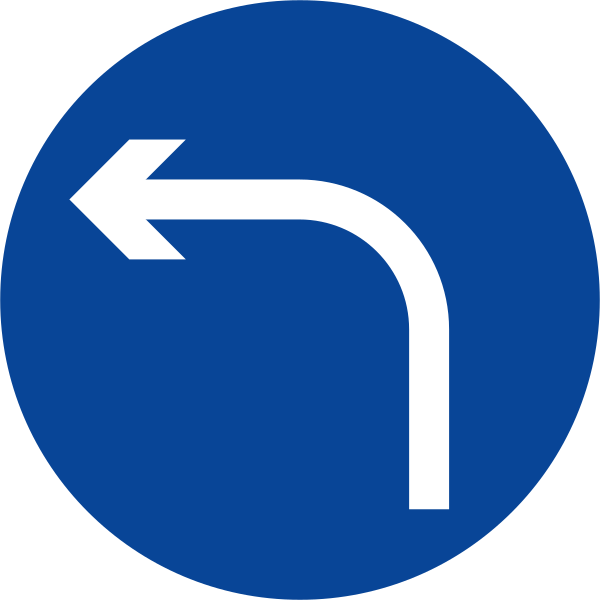
Turn left You must turn left. Get into the correct lane in good time.
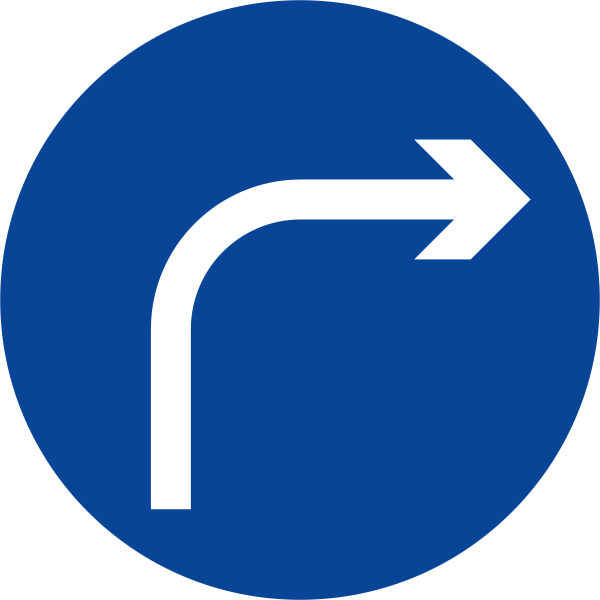
Turn right You must turn right. Get into the correct lane in good time.
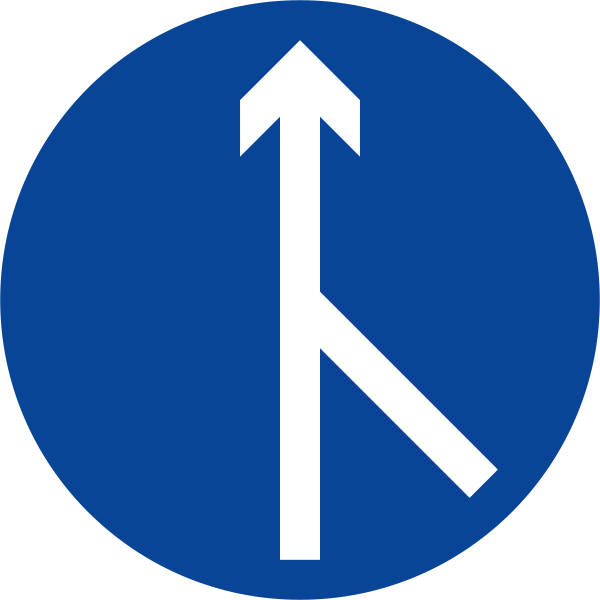
Merging traffic Traffic from another lane merges with yours. Let merging vehicles in safely.
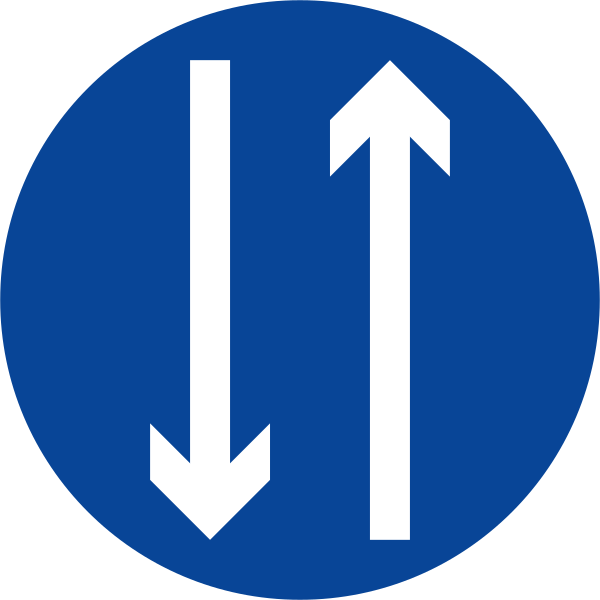
Two-way traffic Traffic runs in both directions. Keep to the right side of the road.
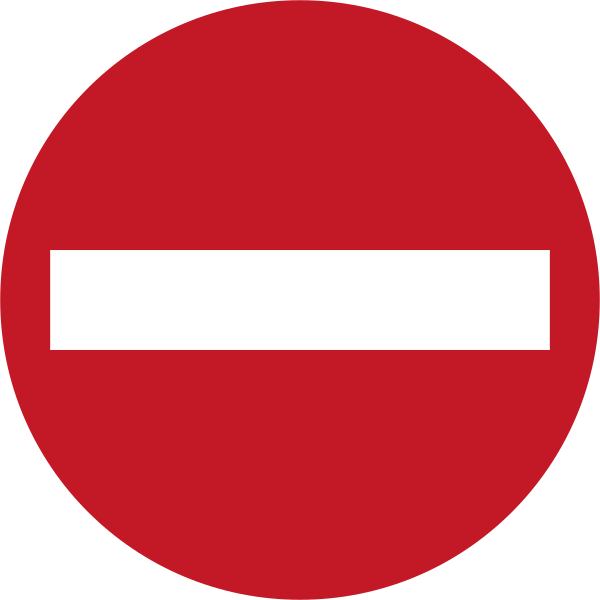
No entry No vehicle may enter. Do not drive past this sign.
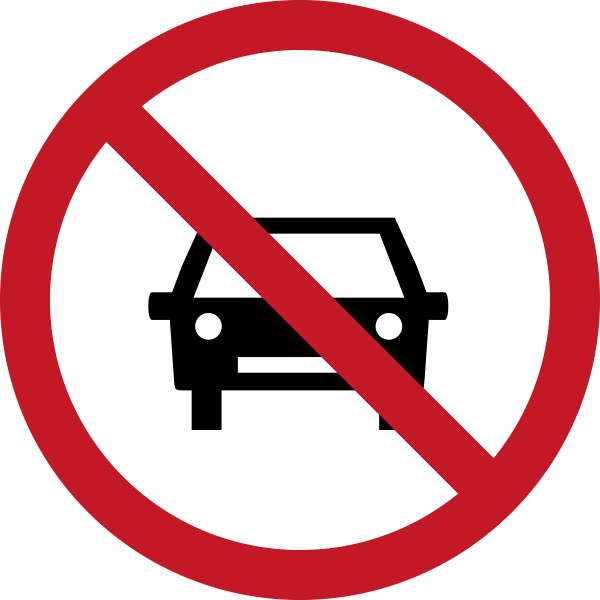
No cars Cars may not use this road. Use another route by car.
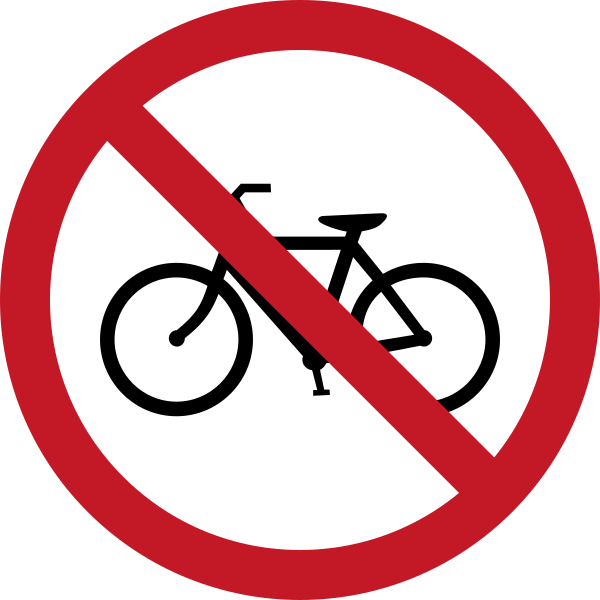
No bicycles Bicycles may not use this road. Cyclists must use another route.
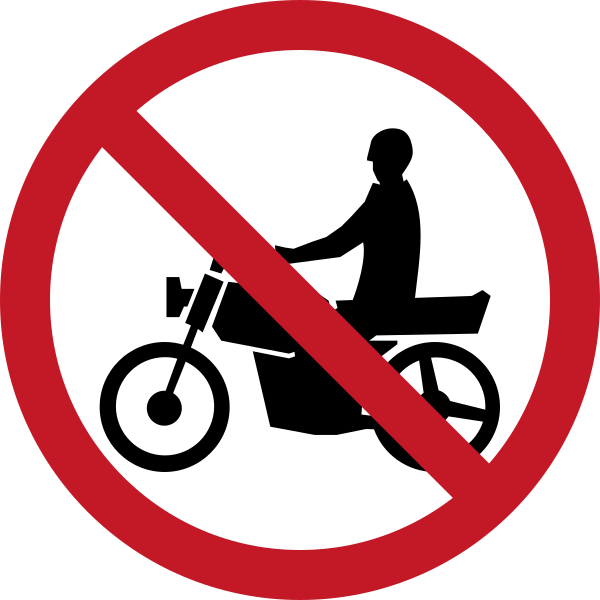
No motorcycles Motorcycles may not use this road. Riders must use another route.
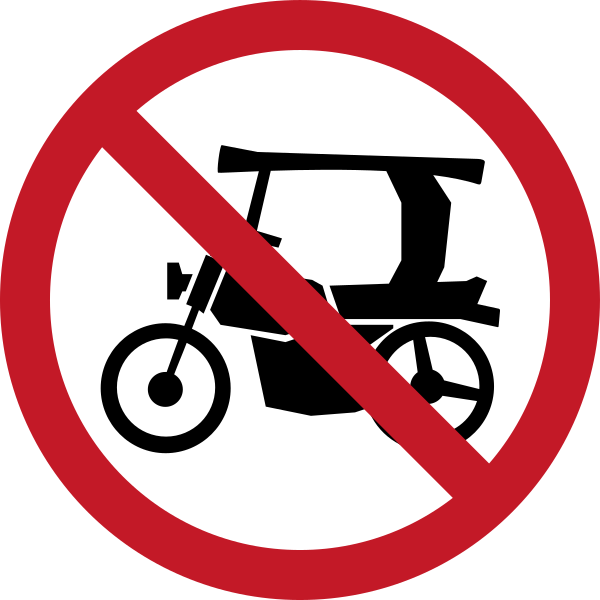
No tricycles Tricycles may not use this road. Tricycles must use another route.
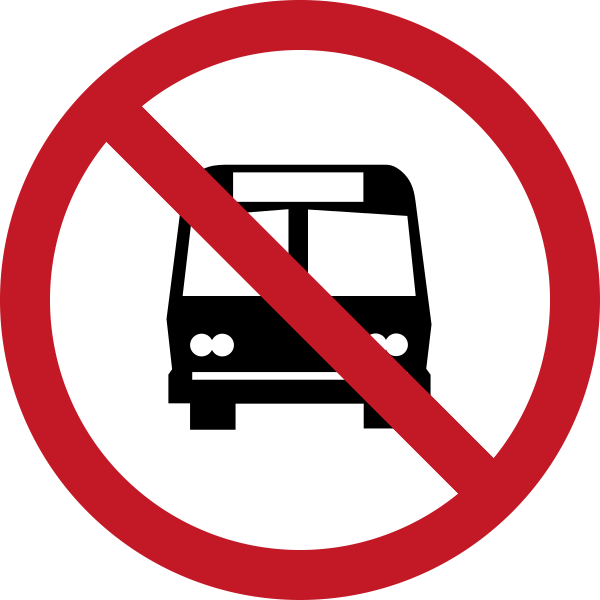
No buses Buses may not use this road. Buses must use another route.
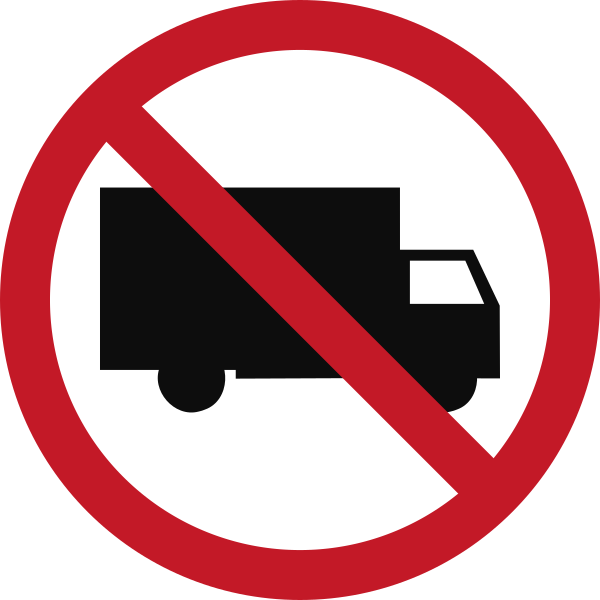
No trucks Trucks may not use this road. Trucks must use another route.
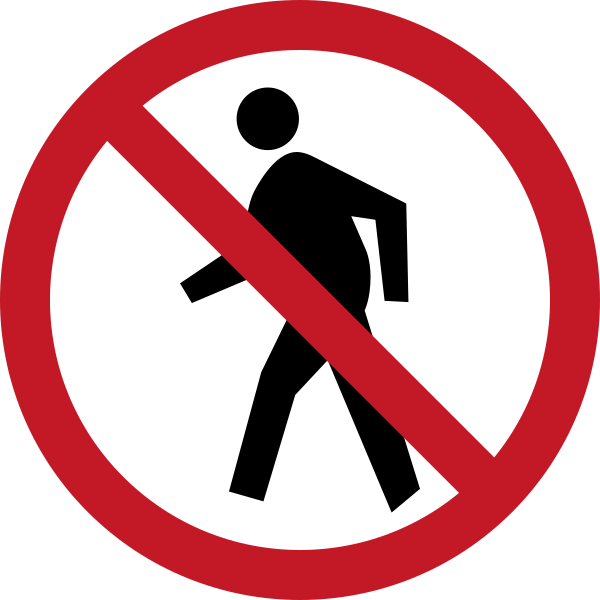
No pedestrians Pedestrians may not walk here. Pedestrians must use an overpass or crossing.
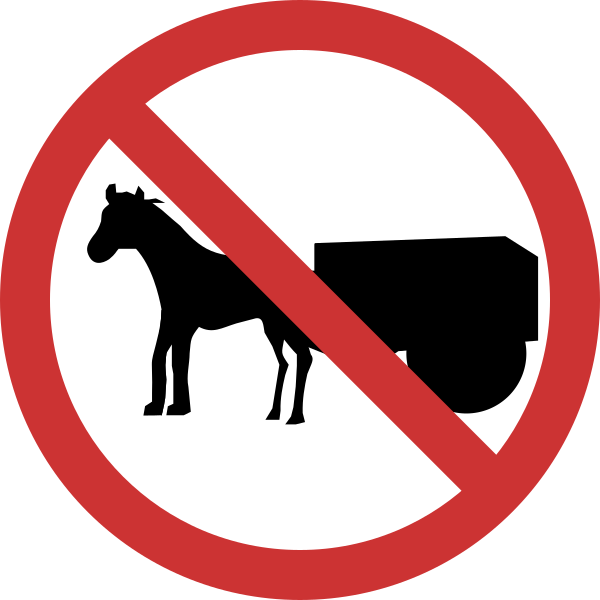
No animal-drawn vehicles Animal-drawn vehicles such as calesas may not use this road. Use another route.
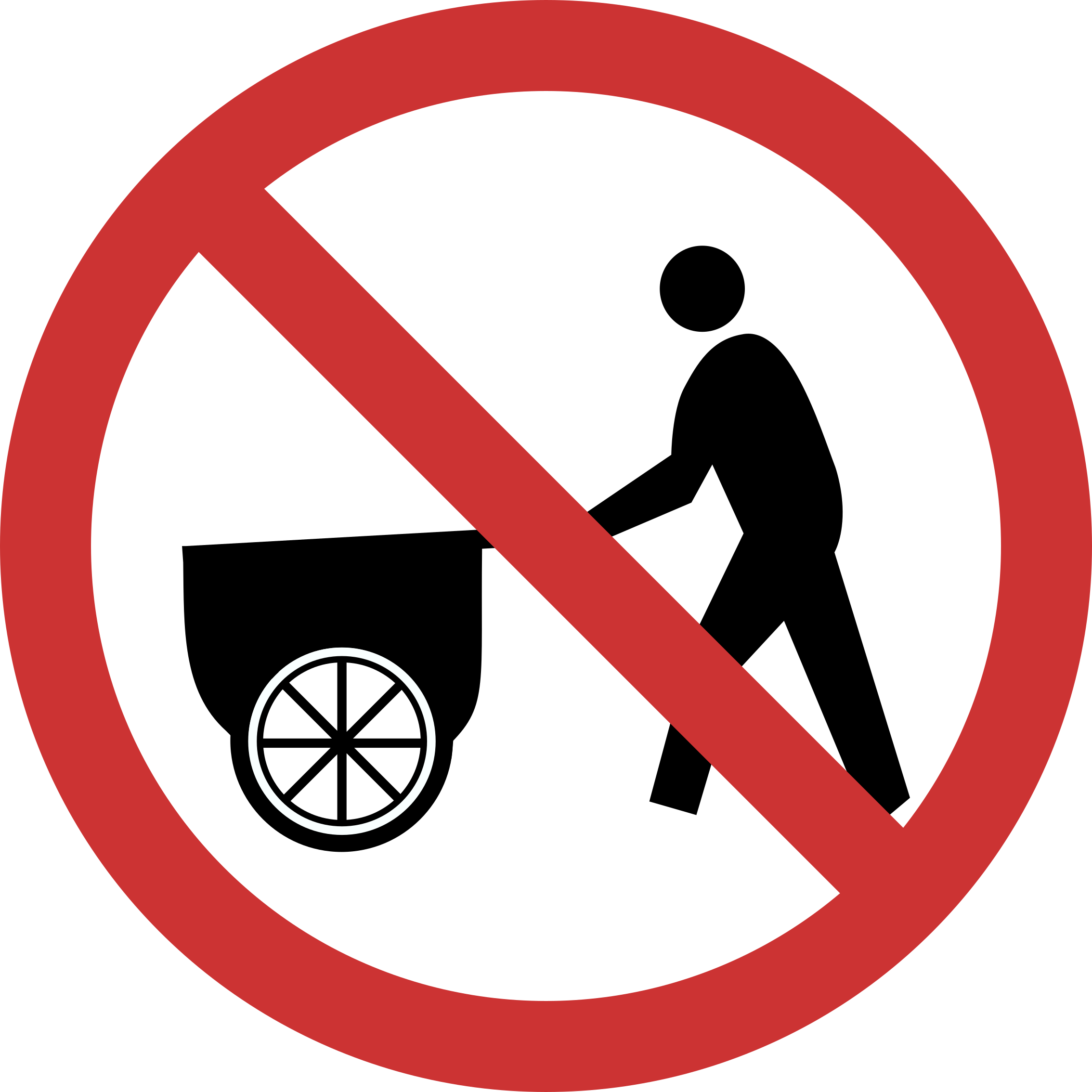
No pushcarts Pushcarts may not use this road. Use another route.
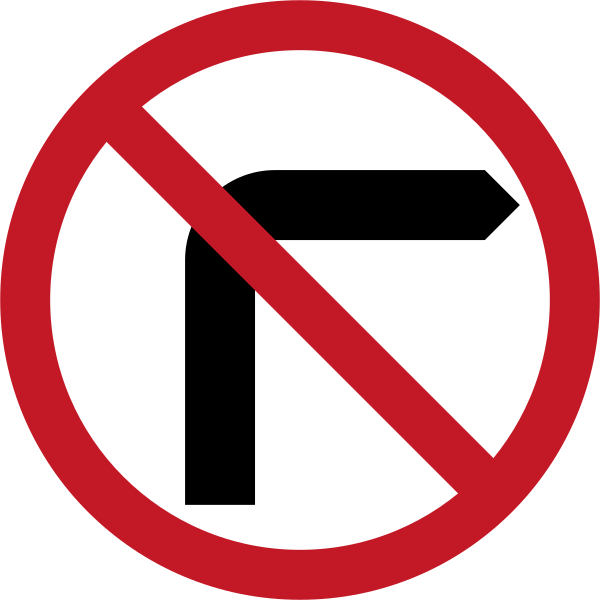
No right turn You may not turn right. Go straight or turn left.
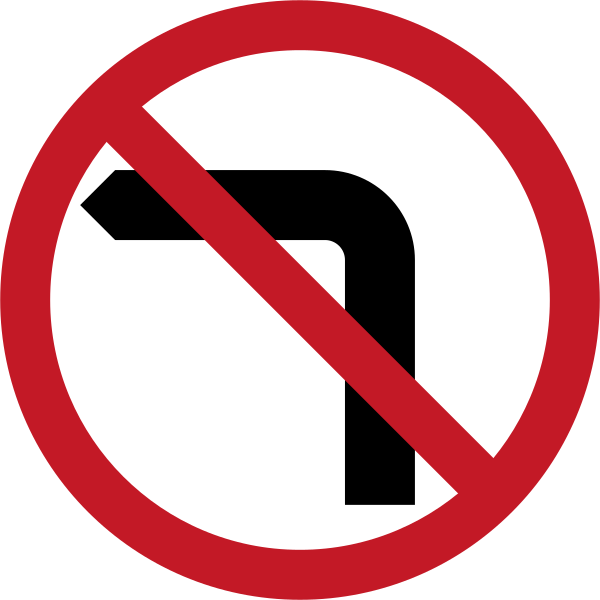
No left turn You may not turn left. Go straight or turn right.
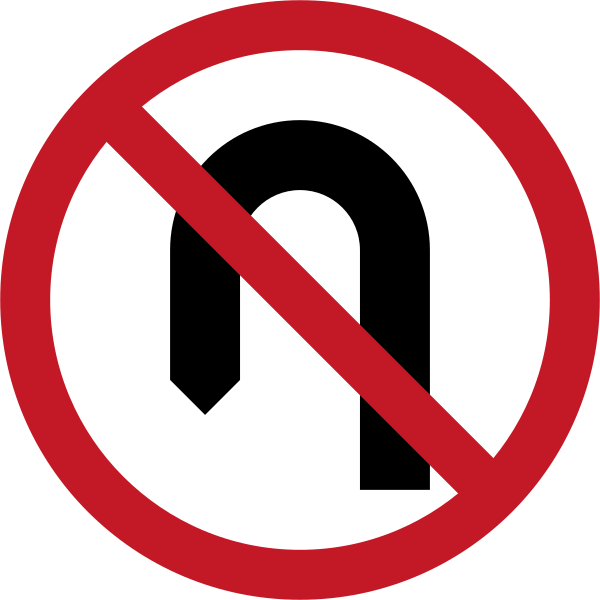
No U-turn You may not make a U-turn. Turn around where it is allowed.
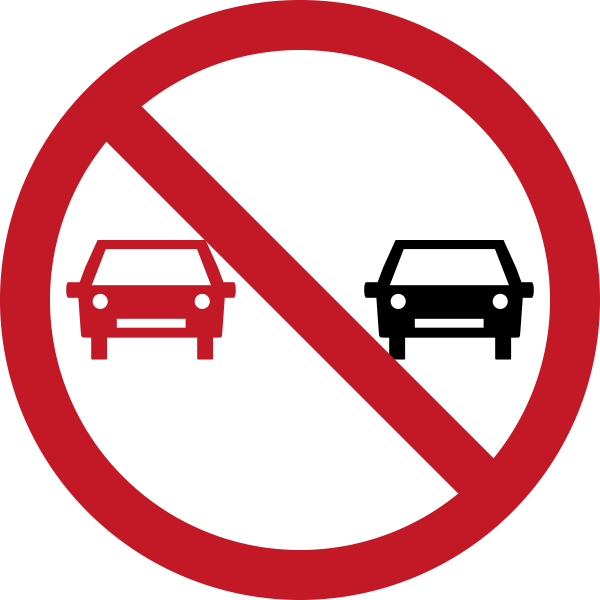
No overtaking You may not overtake other vehicles. Stay behind the vehicle ahead.
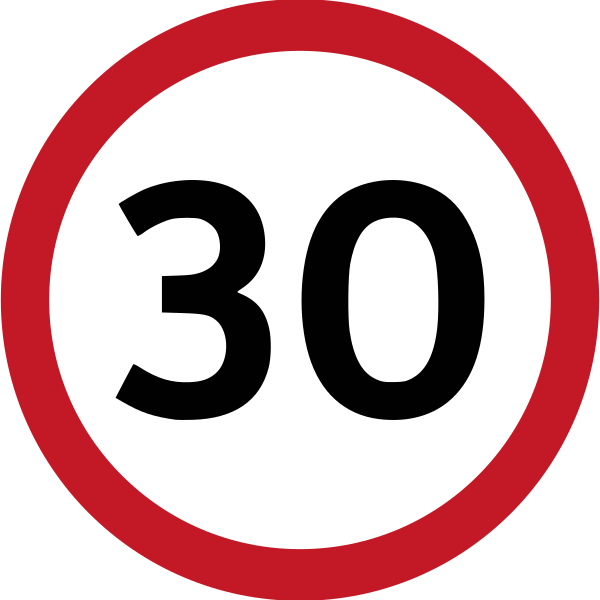
Speed limit 30 Maximum speed 30 km/h. Do not drive faster than 30 km/h.
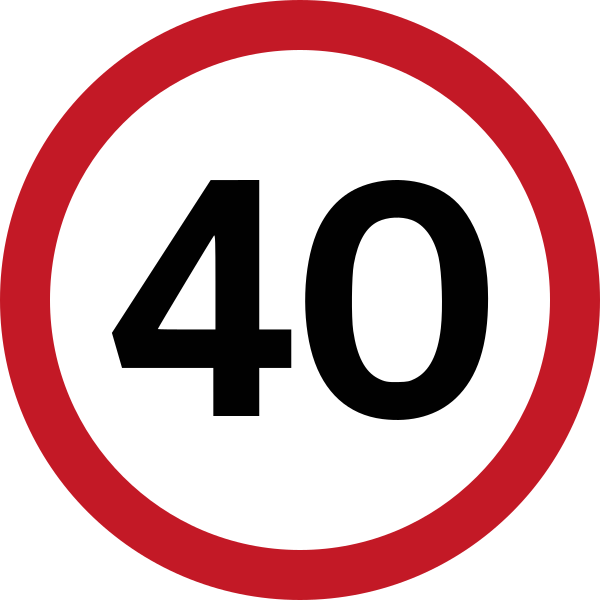
Speed limit 40 Maximum speed 40 km/h. Do not drive faster than 40 km/h.
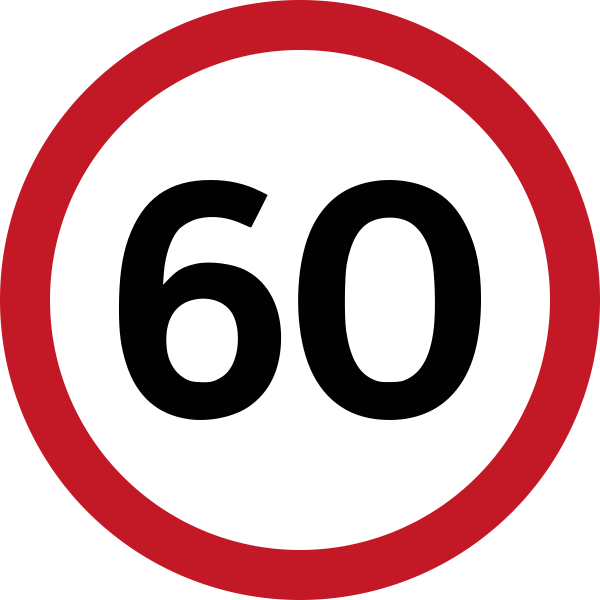
Speed limit 60 Maximum speed 60 km/h. Do not drive faster than 60 km/h.
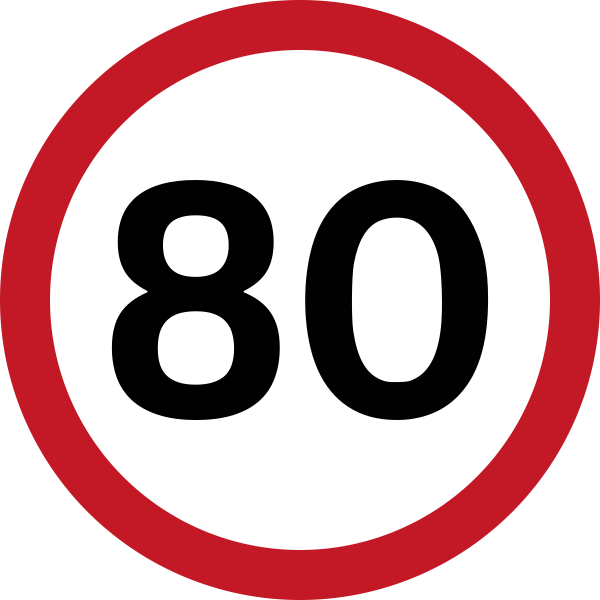
Speed limit 80 Maximum speed 80 km/h. Do not drive faster than 80 km/h.
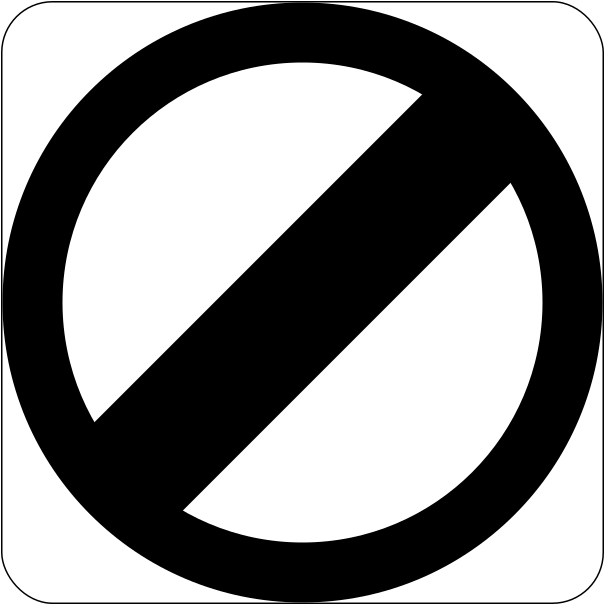
End of restrictions The restrictions shown earlier, such as a speed limit, end here. Normal rules apply again.
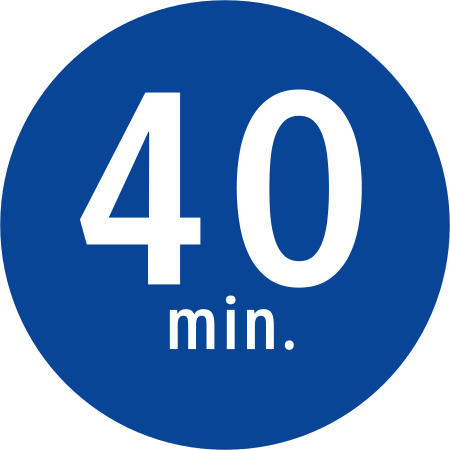
Minimum speed You must drive at least the speed shown. Do not drive slower than this unless it is unsafe.
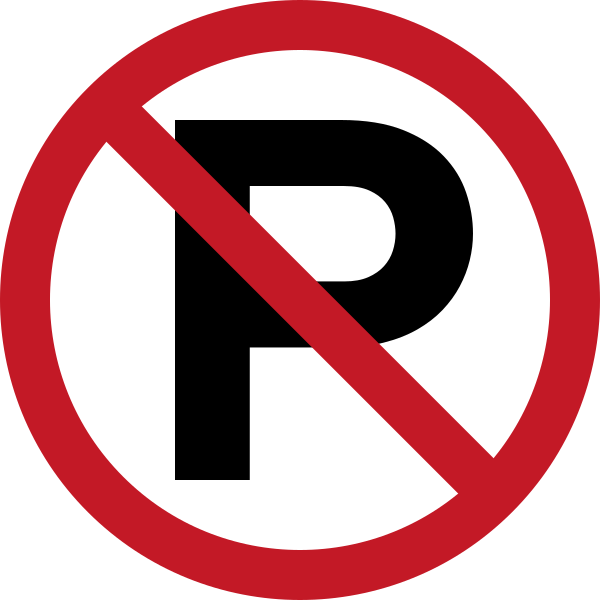
No parking You may not park here. Stop only briefly to pick up or drop off.
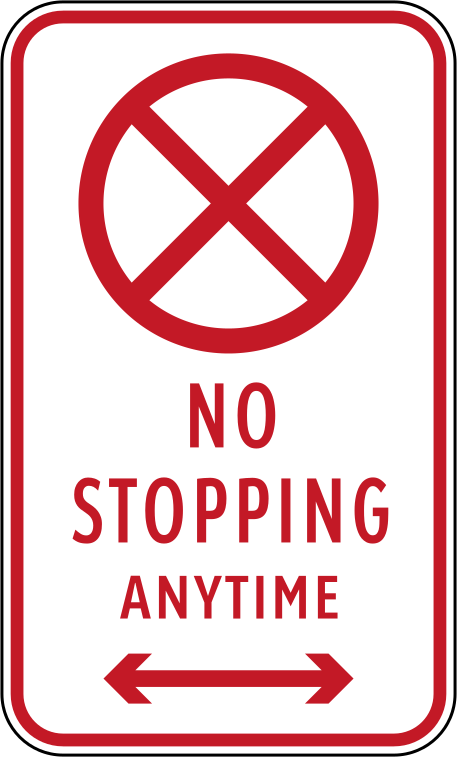
No stopping anytime You may not stop here at any time. Keep moving.
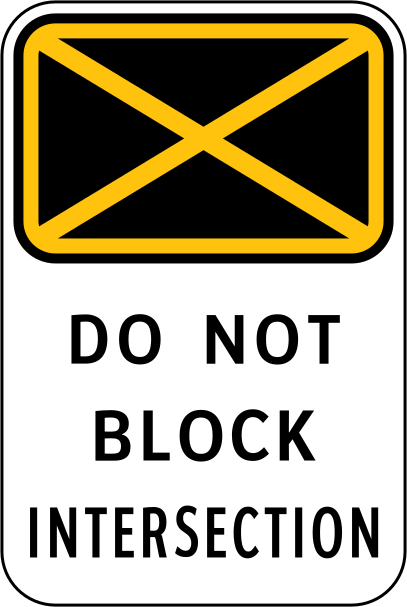
Do not block intersection Do not stop inside the marked box at the intersection. Enter only when your exit is clear.
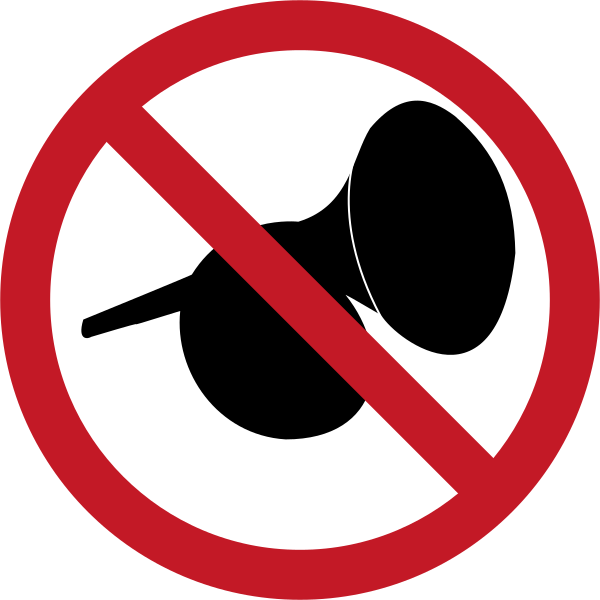
No blowing of horn Do not sound your horn. Often near hospitals and schools.
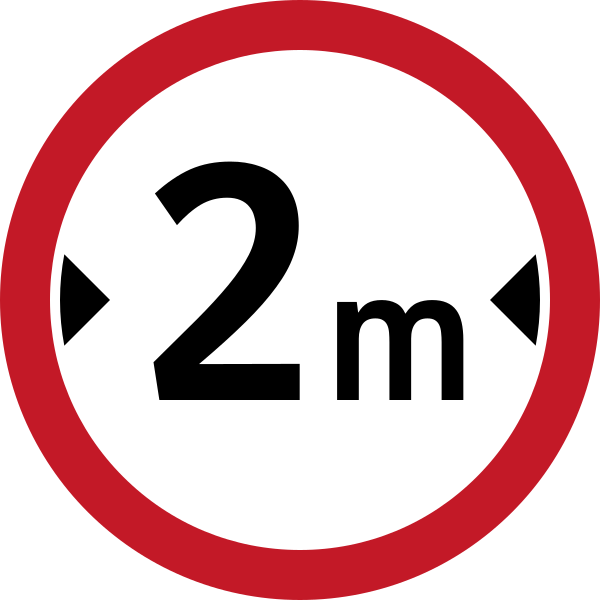
Width limit Vehicles wider than the width shown may not pass. Use another route if your vehicle is wider.
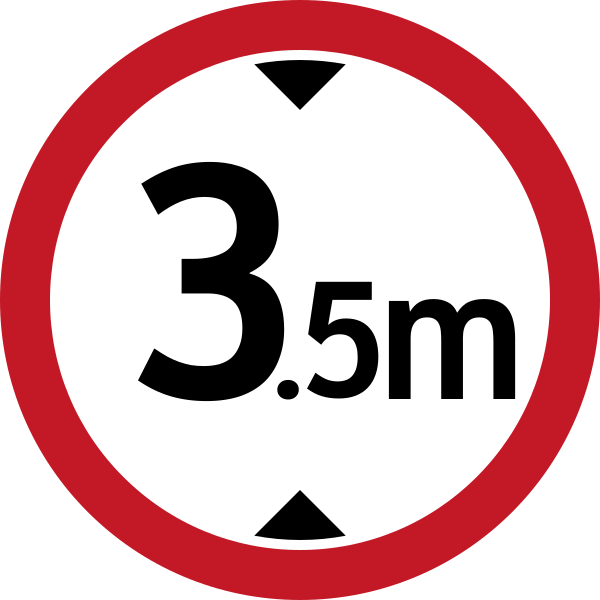
Height limit Vehicles higher than the height shown may not pass. Check your vehicle and load height.
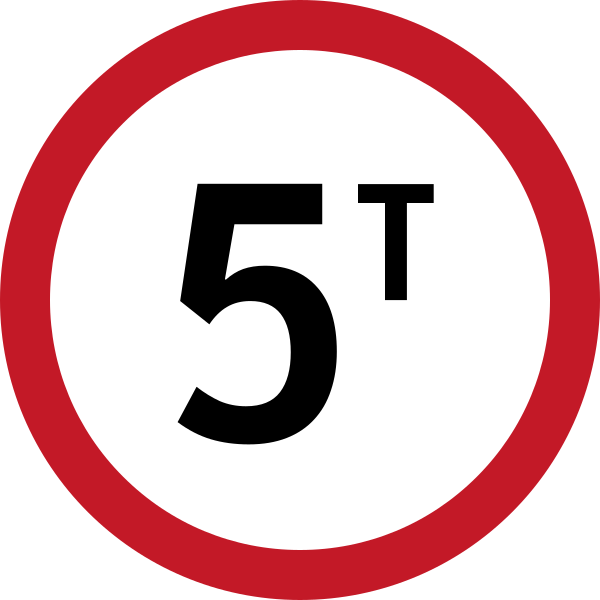
Weight limit Vehicles heavier than the tonnes shown may not pass. Use another route if heavier.
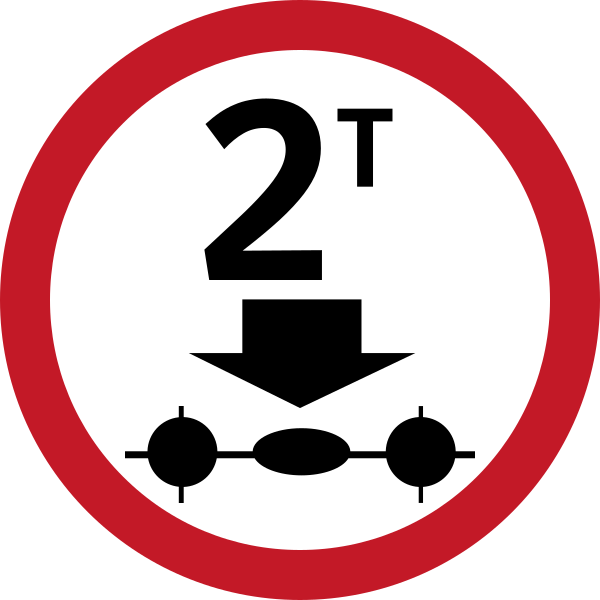
Axle load limit Vehicles with an axle load over the tonnes shown may not pass. Use another route.
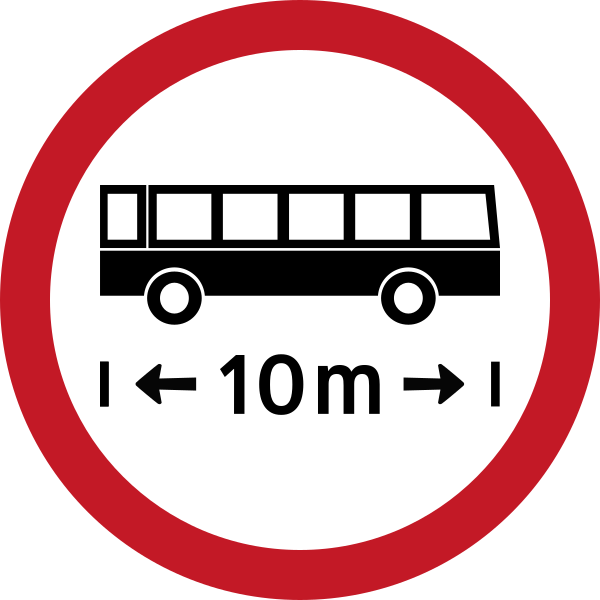
Length limit Vehicles longer than the length shown may not pass. Use another route if longer.
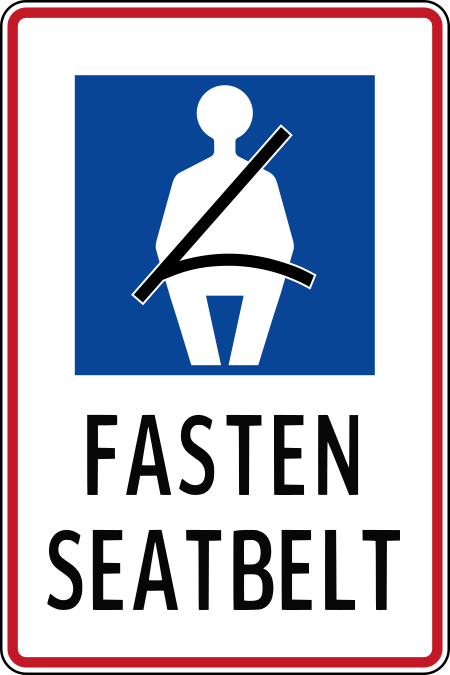
Fasten seatbelt Seat belts must be worn. Make sure you and your passengers are buckled up.
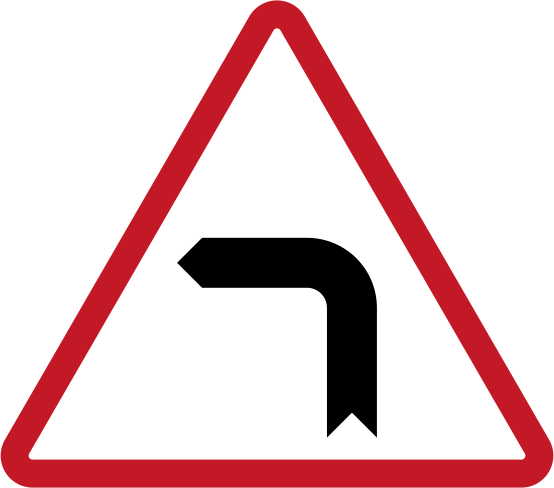
Sharp turn A sharp turn ahead in the direction shown. Slow down before the turn.
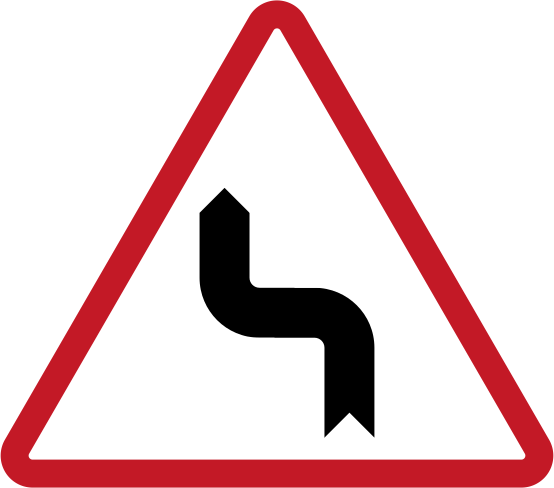
Reverse turn A sharp turn one way, then the other. Slow down and do not overtake.
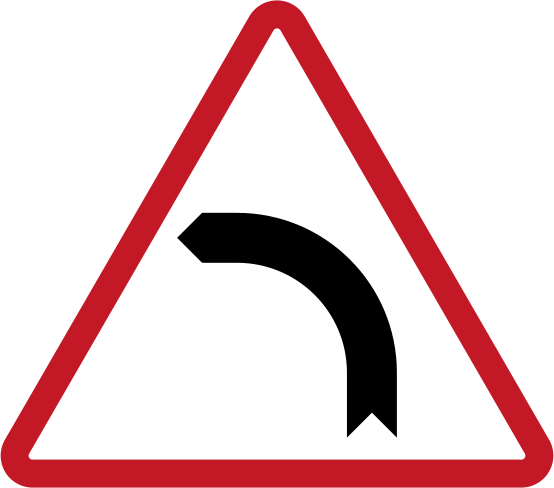
Curve A curve ahead in the direction shown. Slow down before the curve.
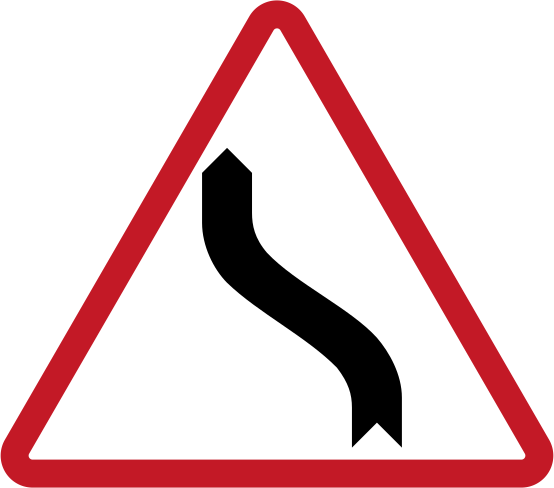
Reverse curve A curve one way, then the other. Slow down and keep to your lane.
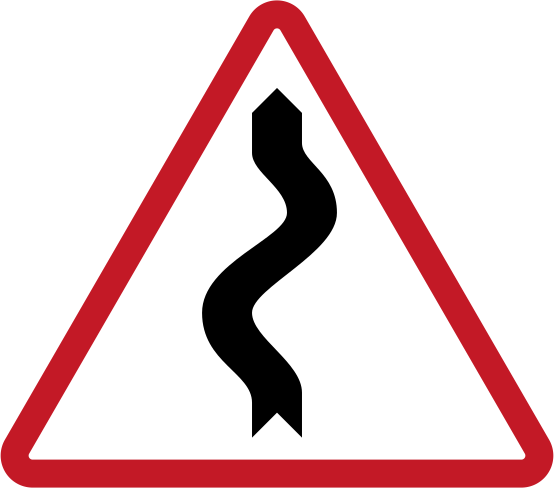
Winding road A series of curves ahead. Slow down and do not overtake.
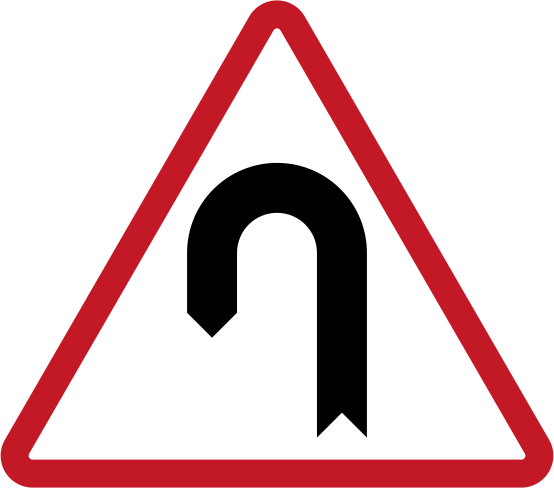
Hairpin bend A very sharp bend ahead. Slow right down and keep right.
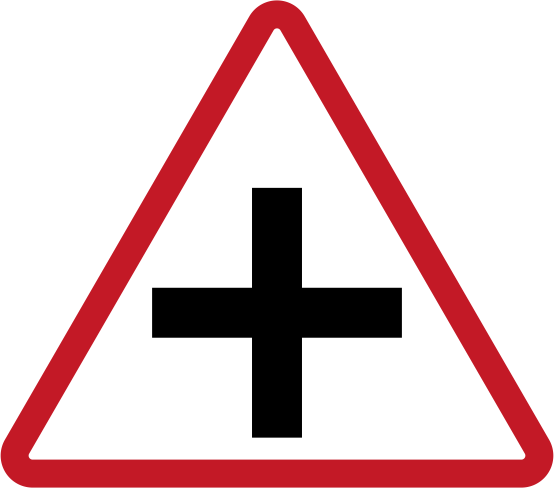
Crossroad A crossroad ahead. Slow down and watch for crossing traffic.
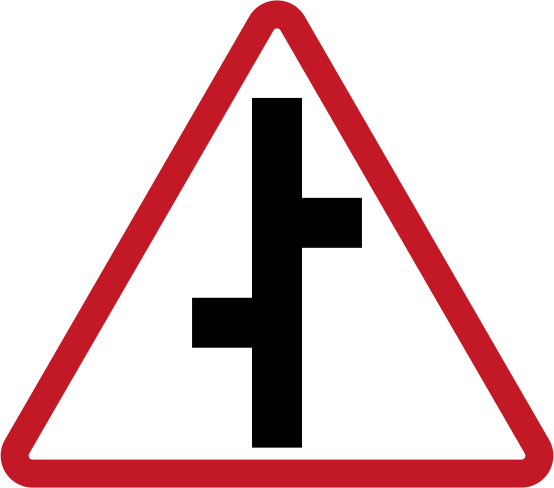
Staggered junction Side roads join a short distance apart. Slow down and watch both sides.
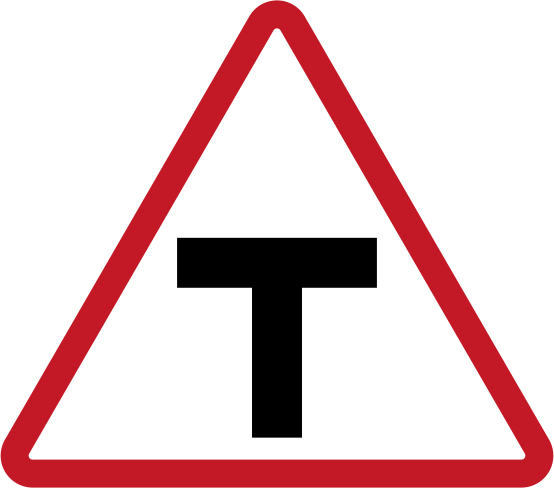
T-junction The road ends at a T-junction ahead. Slow down; you will have to turn.
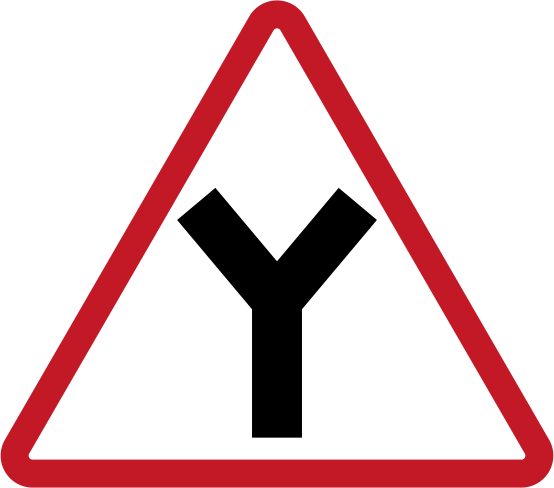
Y-junction The road splits ahead. Choose your direction in good time.
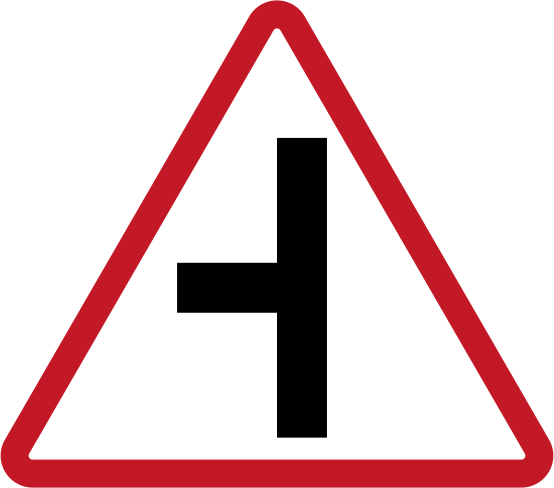
Side road A side road joins ahead. Watch for vehicles entering.
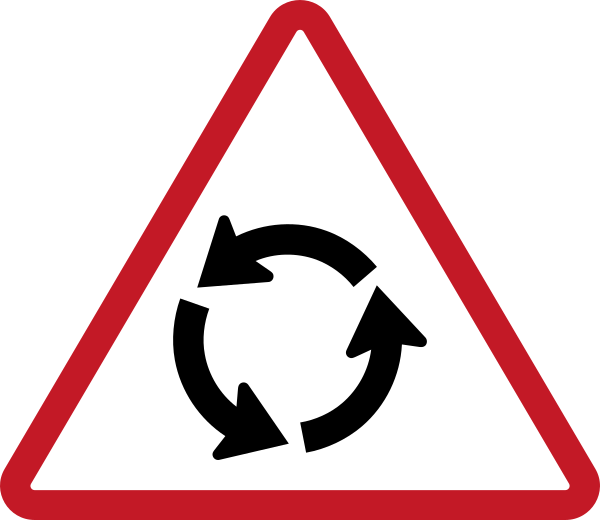
Roundabout ahead A roundabout ahead. Slow down and be ready to give way.
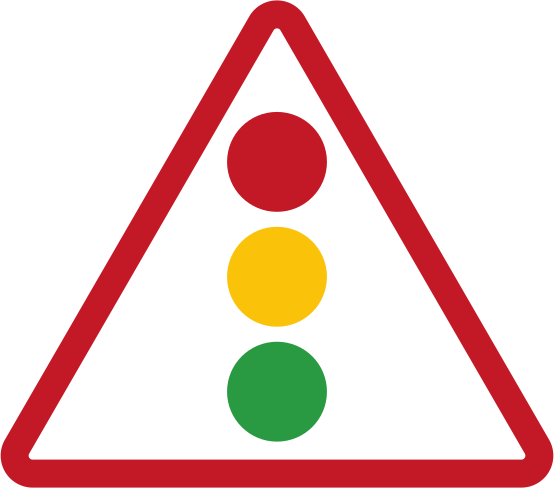
Traffic signals ahead Traffic lights ahead. Slow down and be ready to stop.
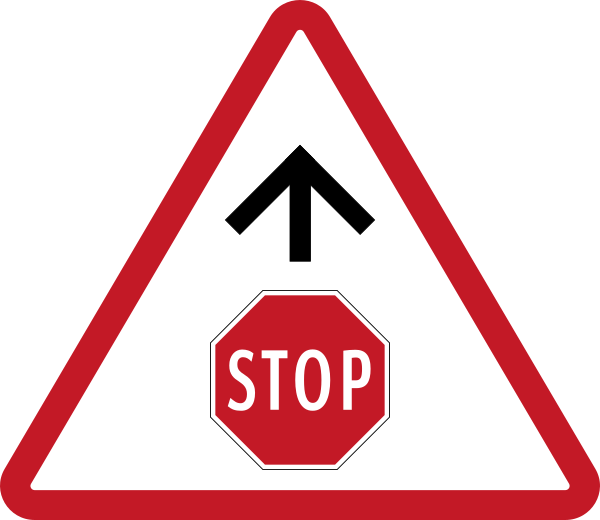
Stop sign ahead A STOP sign ahead. Slow down and be ready to stop.
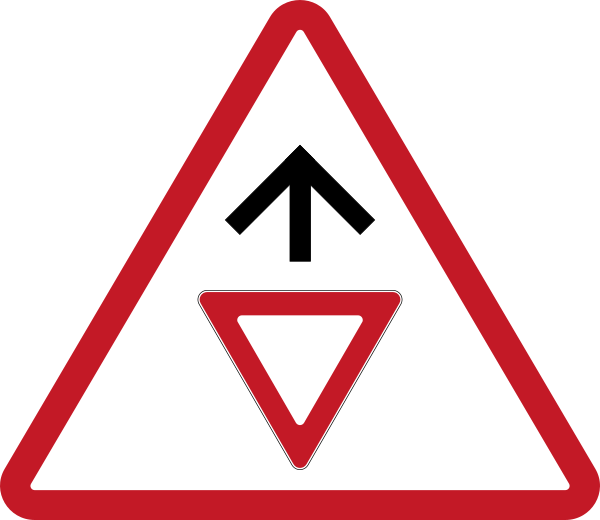
Give way sign ahead A Give Way sign ahead. Slow down and be ready to give way.
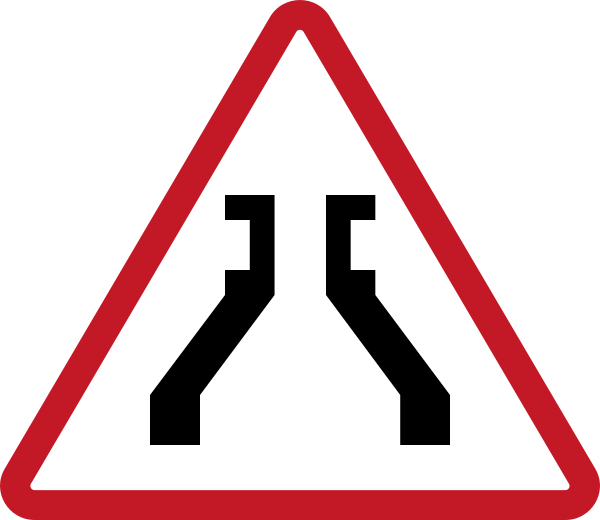
Road narrows The road narrows ahead. Slow down and do not overtake.
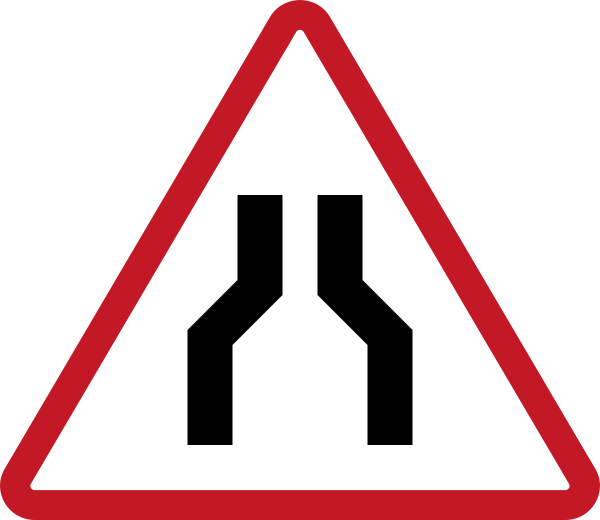
Narrow bridge A narrow bridge ahead. Slow down; be ready to give way to oncoming vehicles.
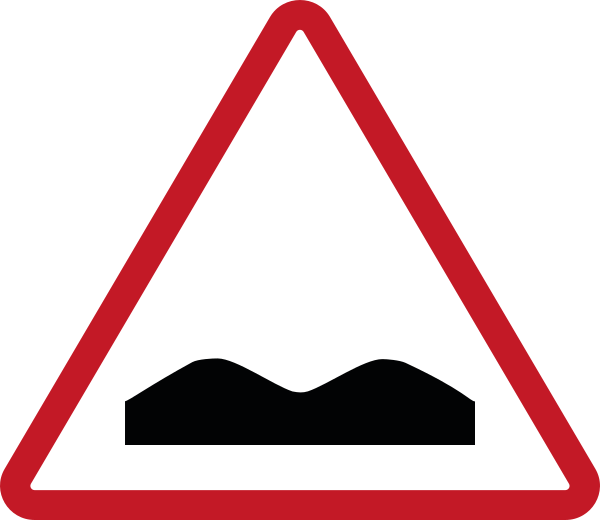
Rough road An uneven road surface ahead. Slow down.
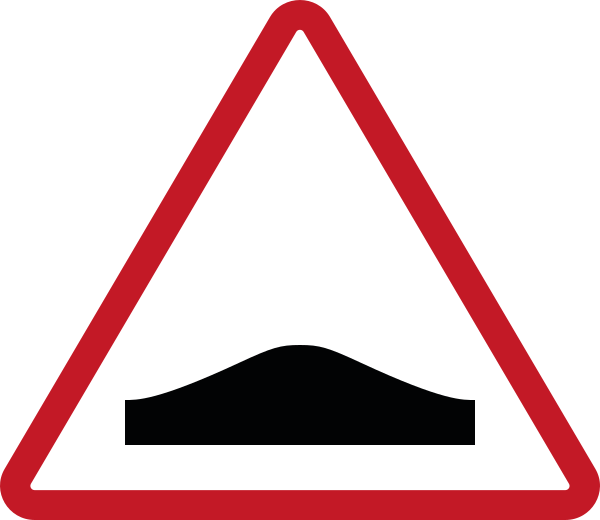
Hump A hump in the road ahead. Slow down before it.
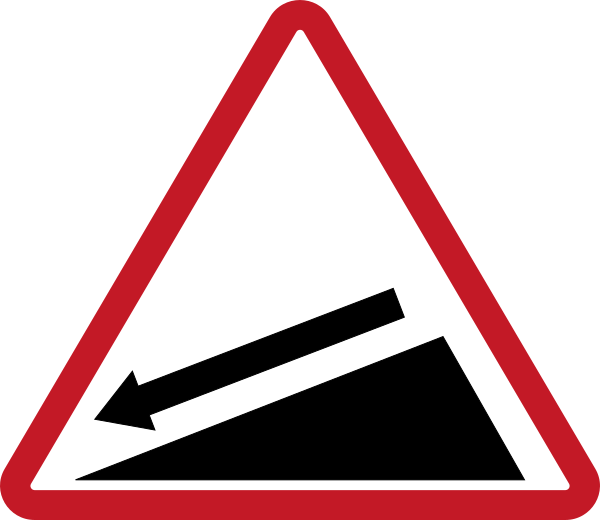
Steep descent A steep downhill grade ahead. Use a lower gear and keep your speed down.
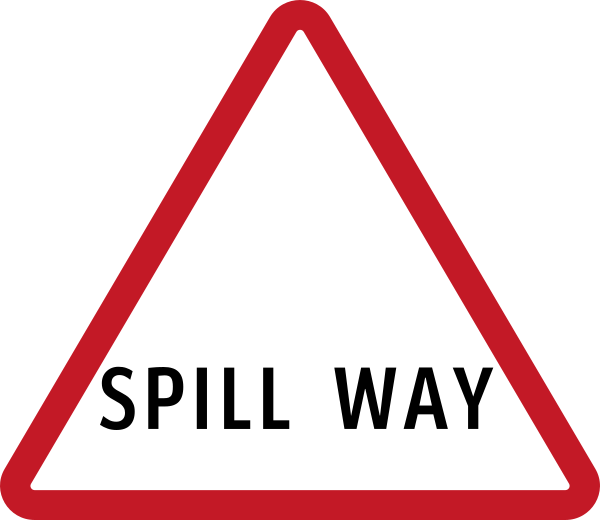
Spill way Water may flow across the road at a spillway. Slow down; do not cross if the water is deep or fast.
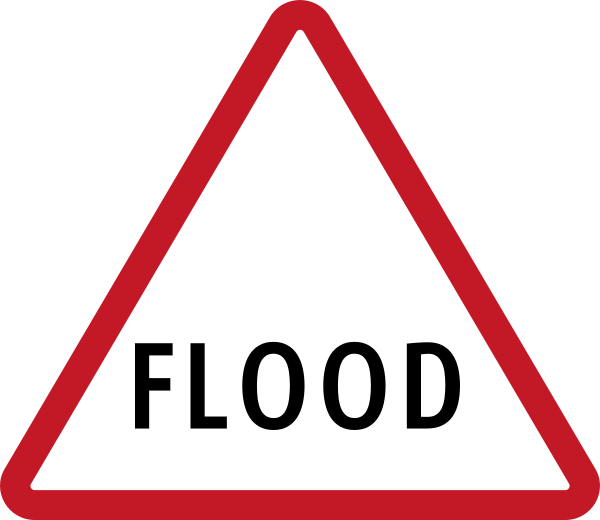
Flood The road may be flooded. Slow down; do not drive into deep or moving water.
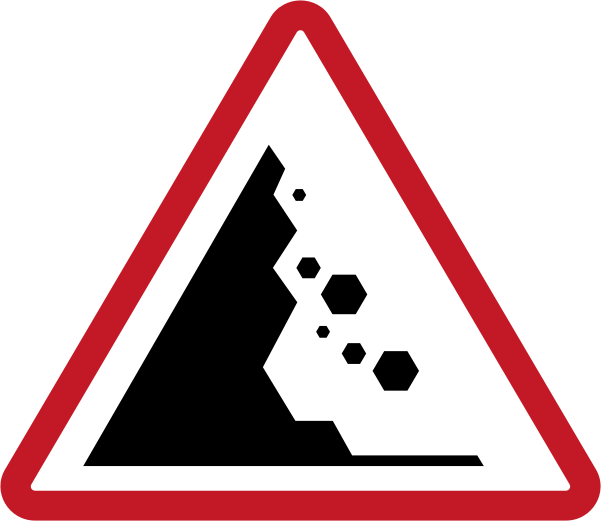
Falling rocks Rocks may fall or be on the road. Slow down and watch the road.
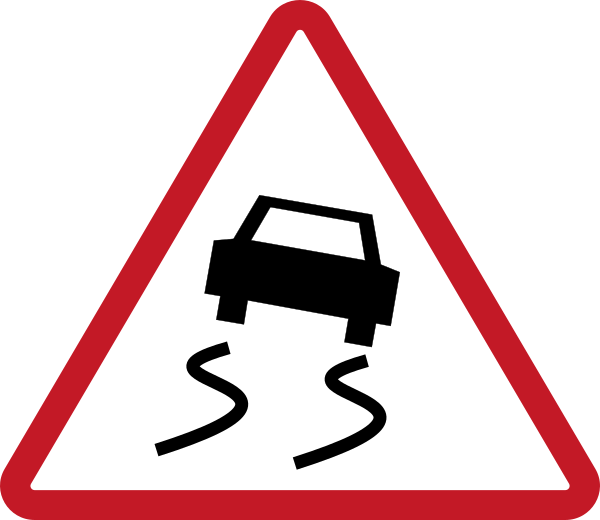
Slippery road The road may be slippery, especially when wet. Slow down; avoid harsh braking and steering.
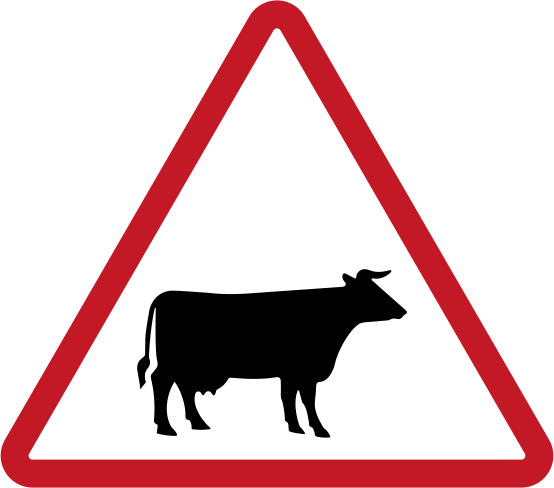
Animals crossing Animals such as carabaos or cattle may be on the road. Slow down and pass carefully.
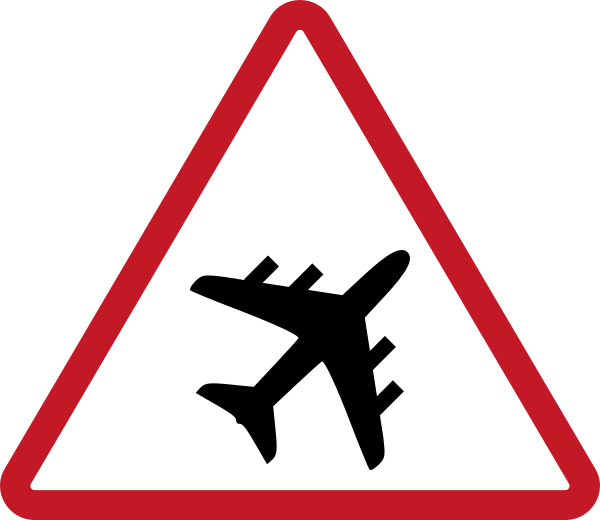
Low-flying aircraft Aircraft fly low near an airport. Do not be startled by sudden noise.
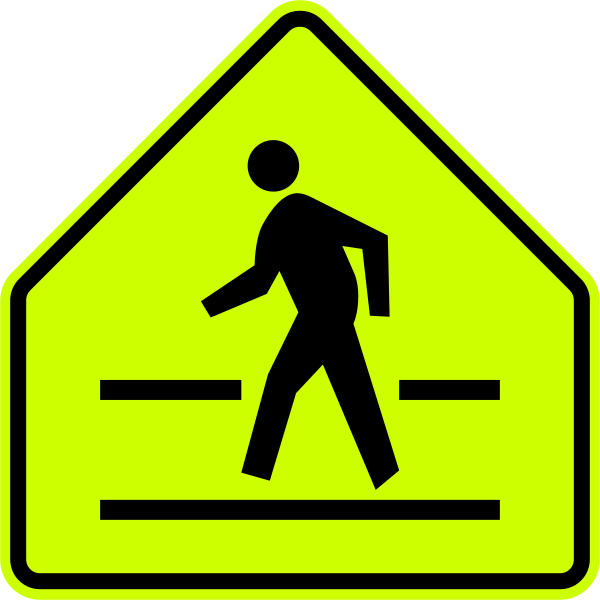
Pedestrian crossing A pedestrian crossing ahead. Slow down and give way to pedestrians on the crosswalk.
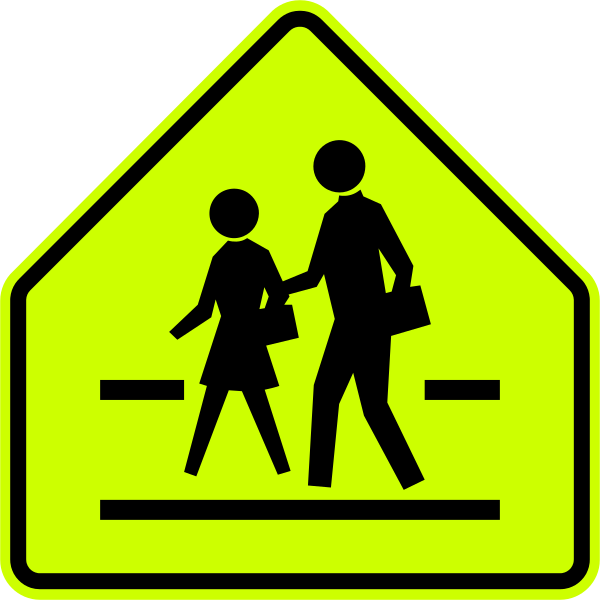
School children crossing Children may be crossing, usually near a school. Slow down; school zones have a 20 km/h limit.
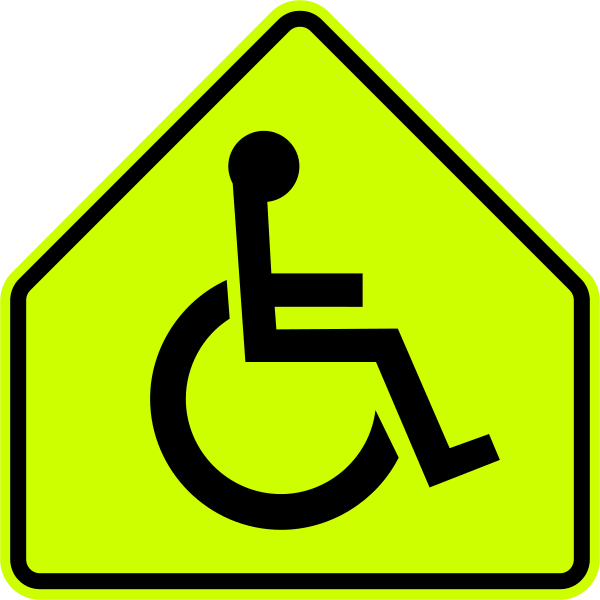
Disabled persons crossing People with disabilities may be crossing. Slow down and be patient.
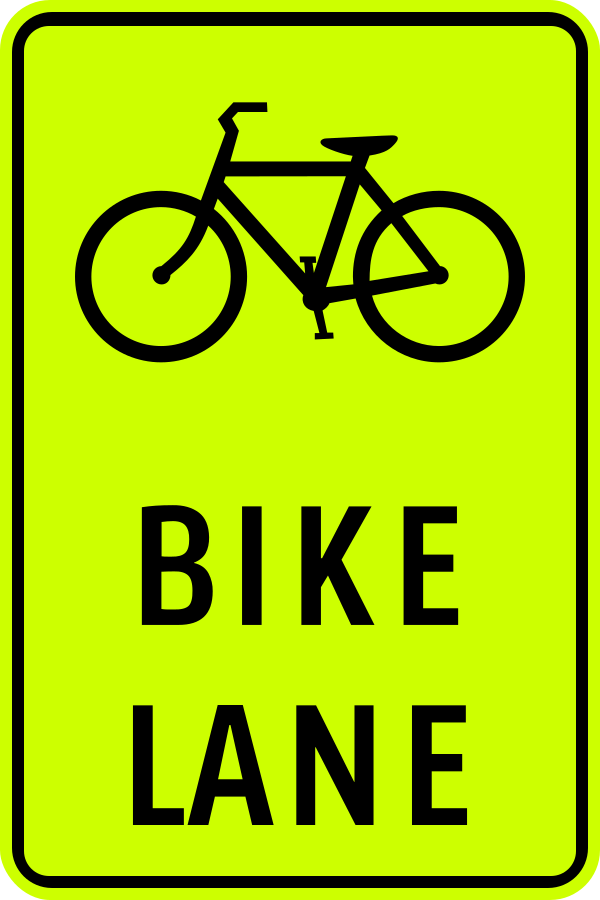
Bike lane A lane for bicycles. Do not drive or park in it.
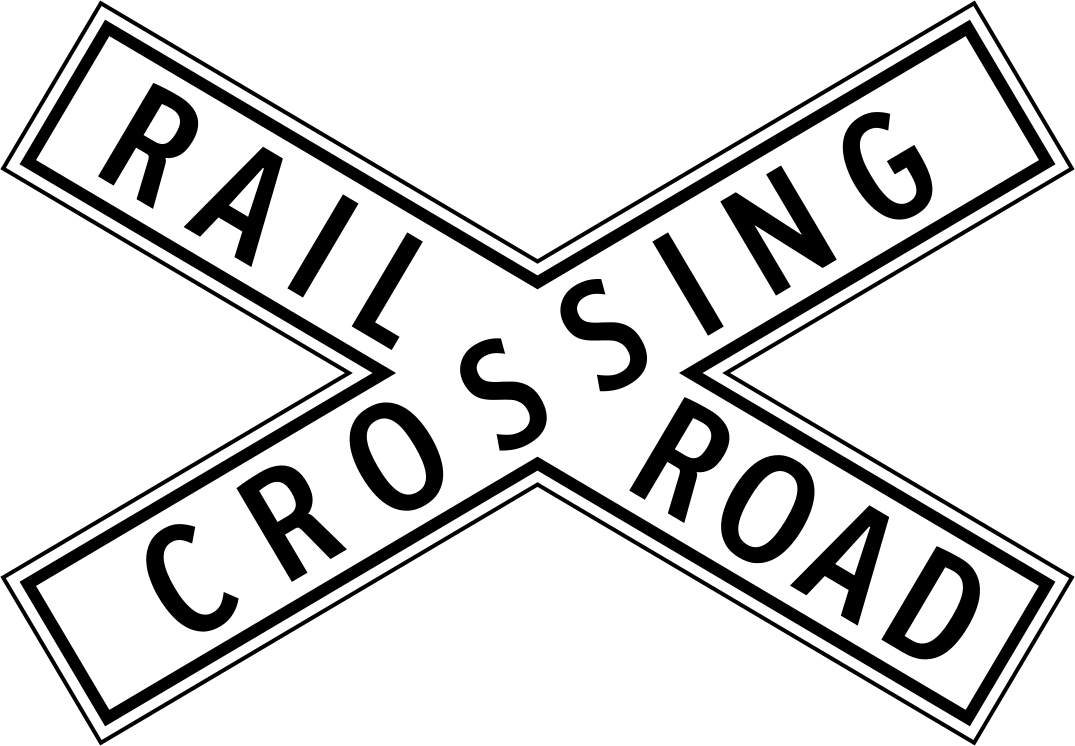
Railroad crossing Marks the railroad crossing itself. Stop before crossing unless it is clear that no train is coming.
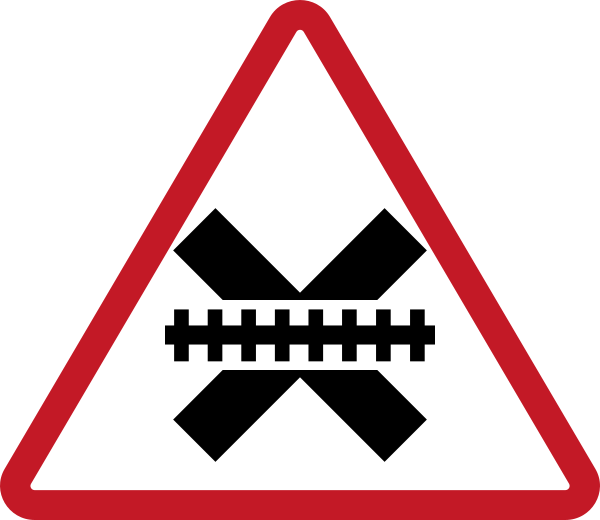
Railroad crossing ahead A railroad crossing ahead. Slow down and be ready to stop.
Signs are easier to remember by group: the shape and colour tell you the kind of message before you read it. The Philippines signs on this page fall into these groups:
Pick an answer, then open "Show answer" to check it. For the real test format, take a free LTO practice test.
Turn on JavaScript to take the interactive mock tests.