The Basic Theory Test (BTT) has 50 multiple-choice questions on road signs, traffic rules and the code of conduct, and you need at least 45 correct (90%) within 50 minutes. You need it before you can get a provisional driving licence. Below is every Singapore sign we cover, with its official image and meaning. After the signs: the sign groups, a short quiz and study tips.
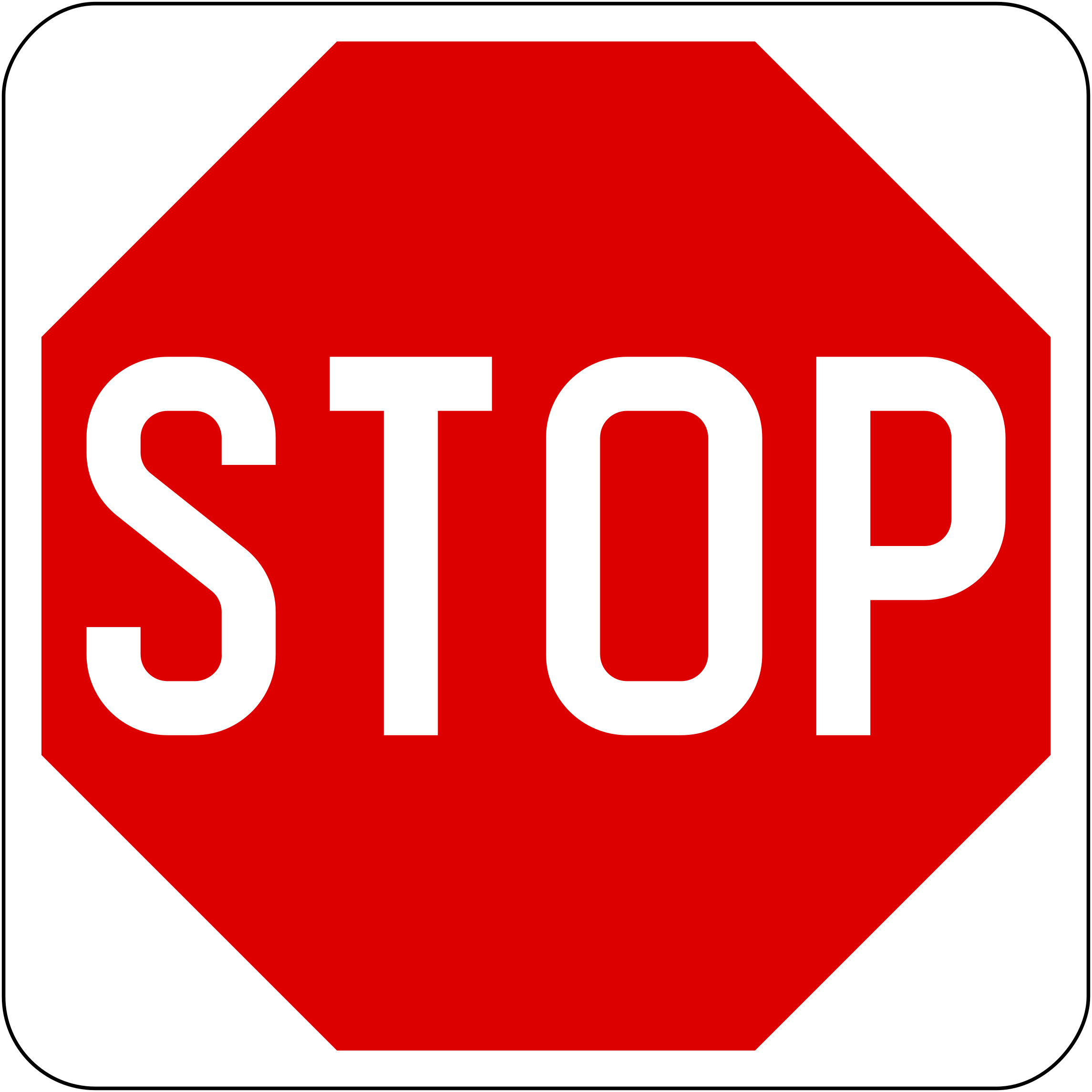
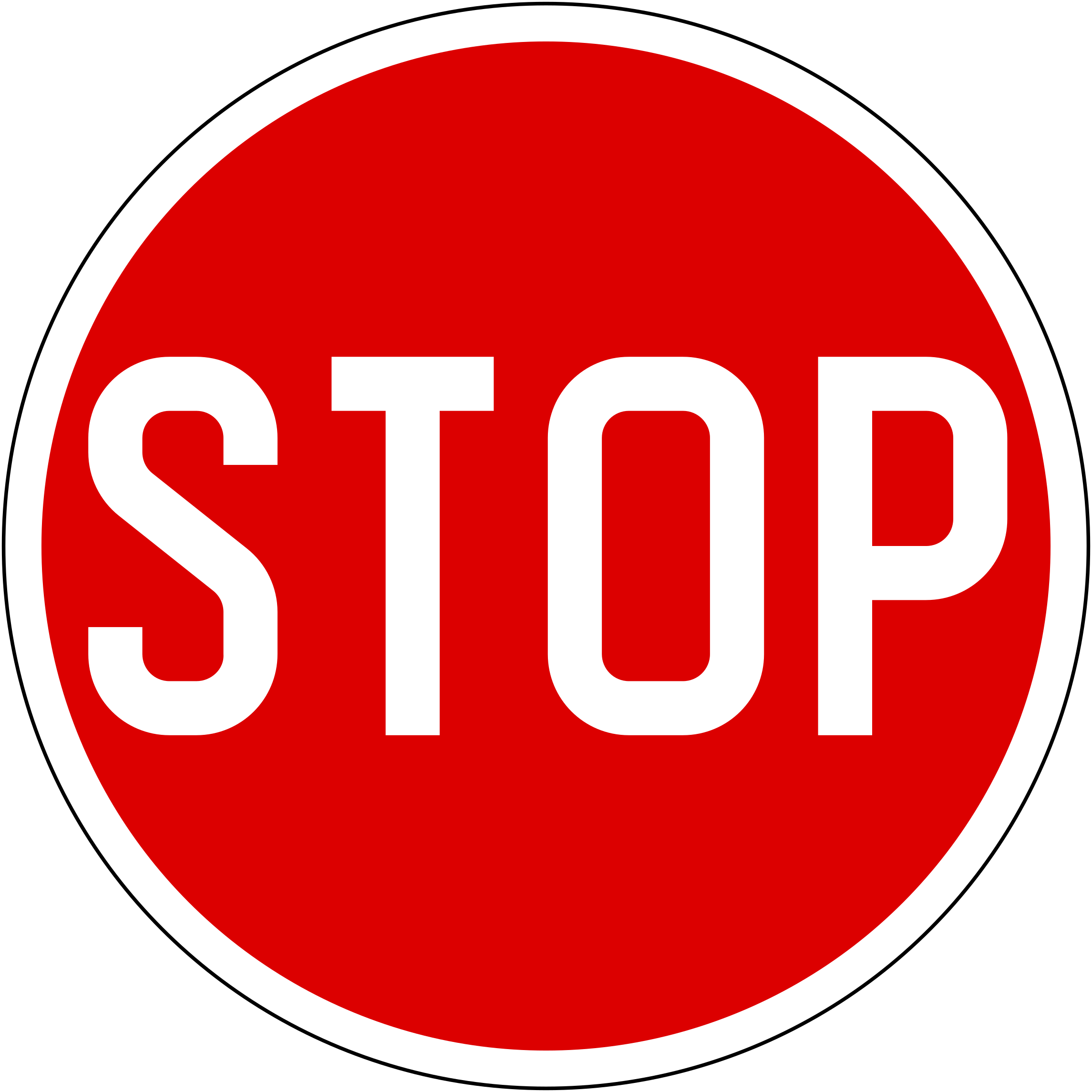
Stop Stop completely at the stop line. Stop, then go only when it is safe.
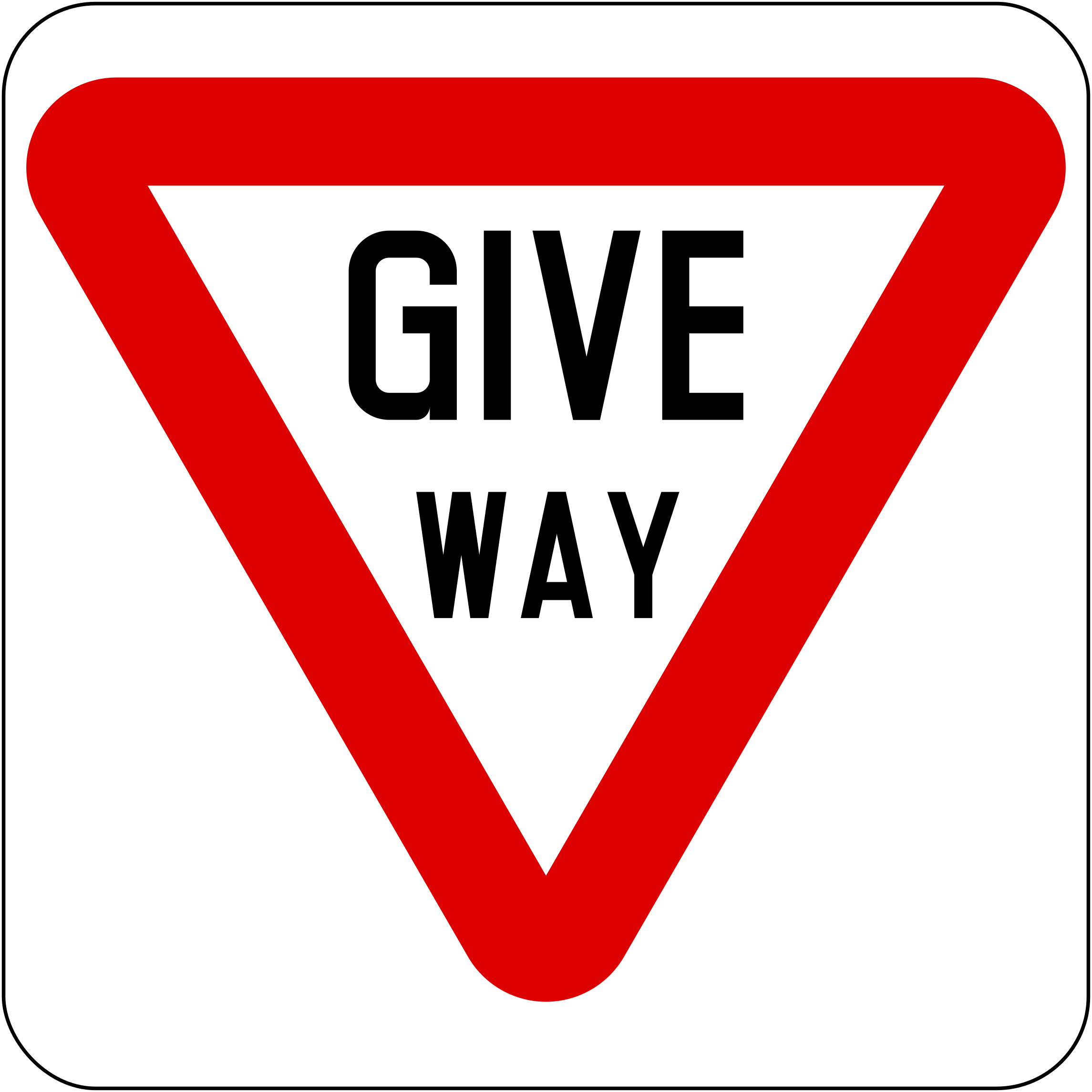
Give way Give way to traffic on the major road. Slow down and stop if needed.
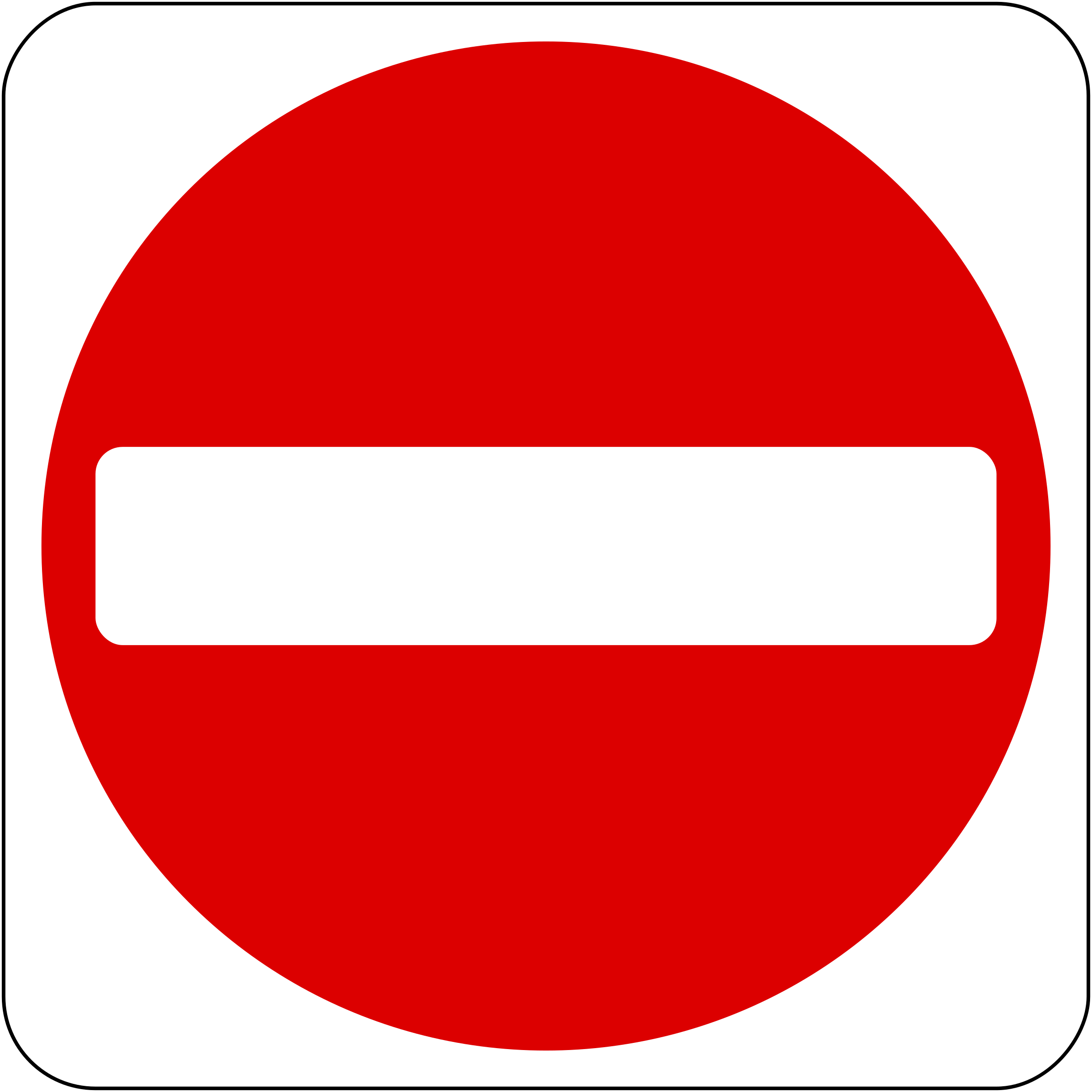
No entry No entry for vehicles. Do not drive past this sign.
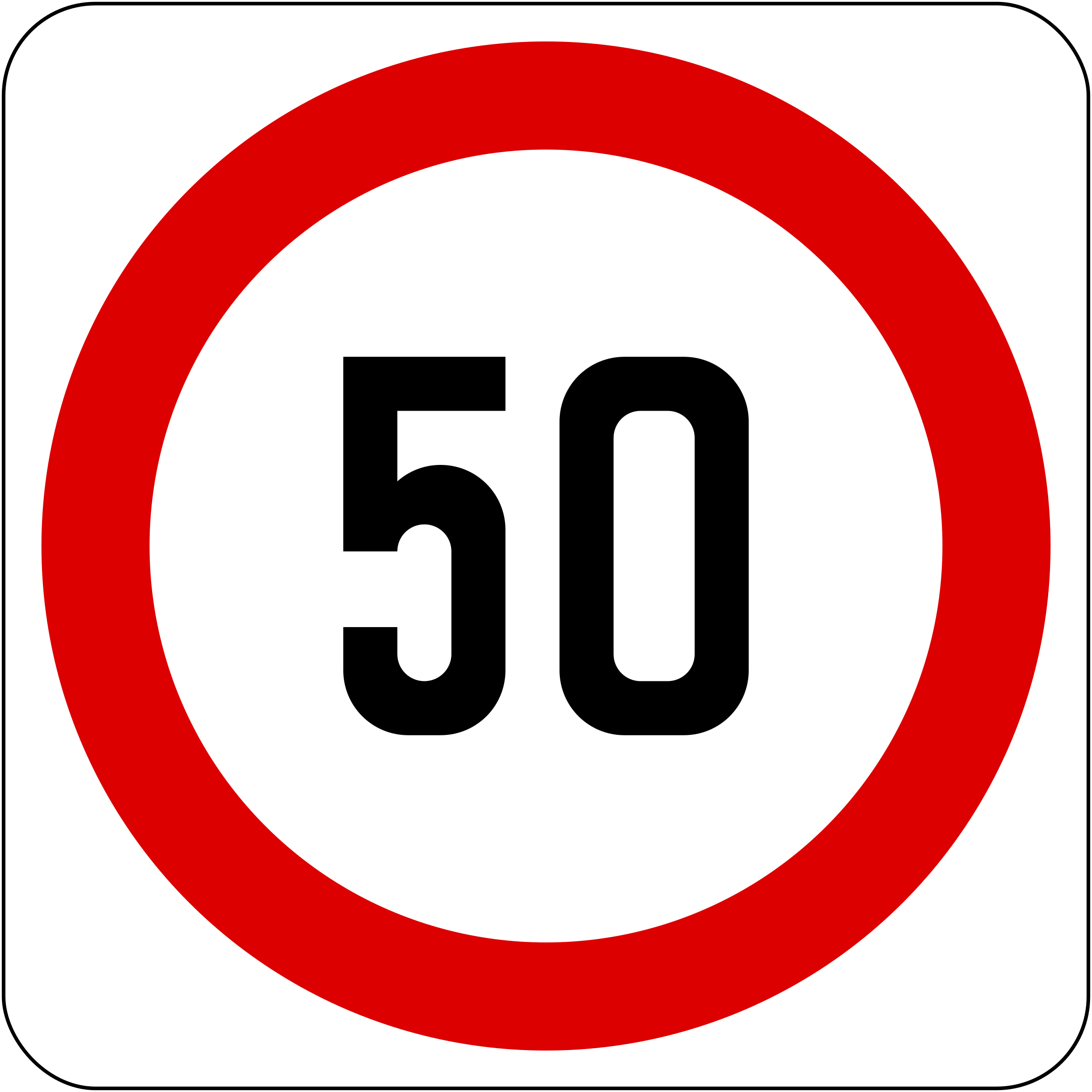
Speed limit 50 Maximum 50 km/h. Keep to or below 50 km/h.
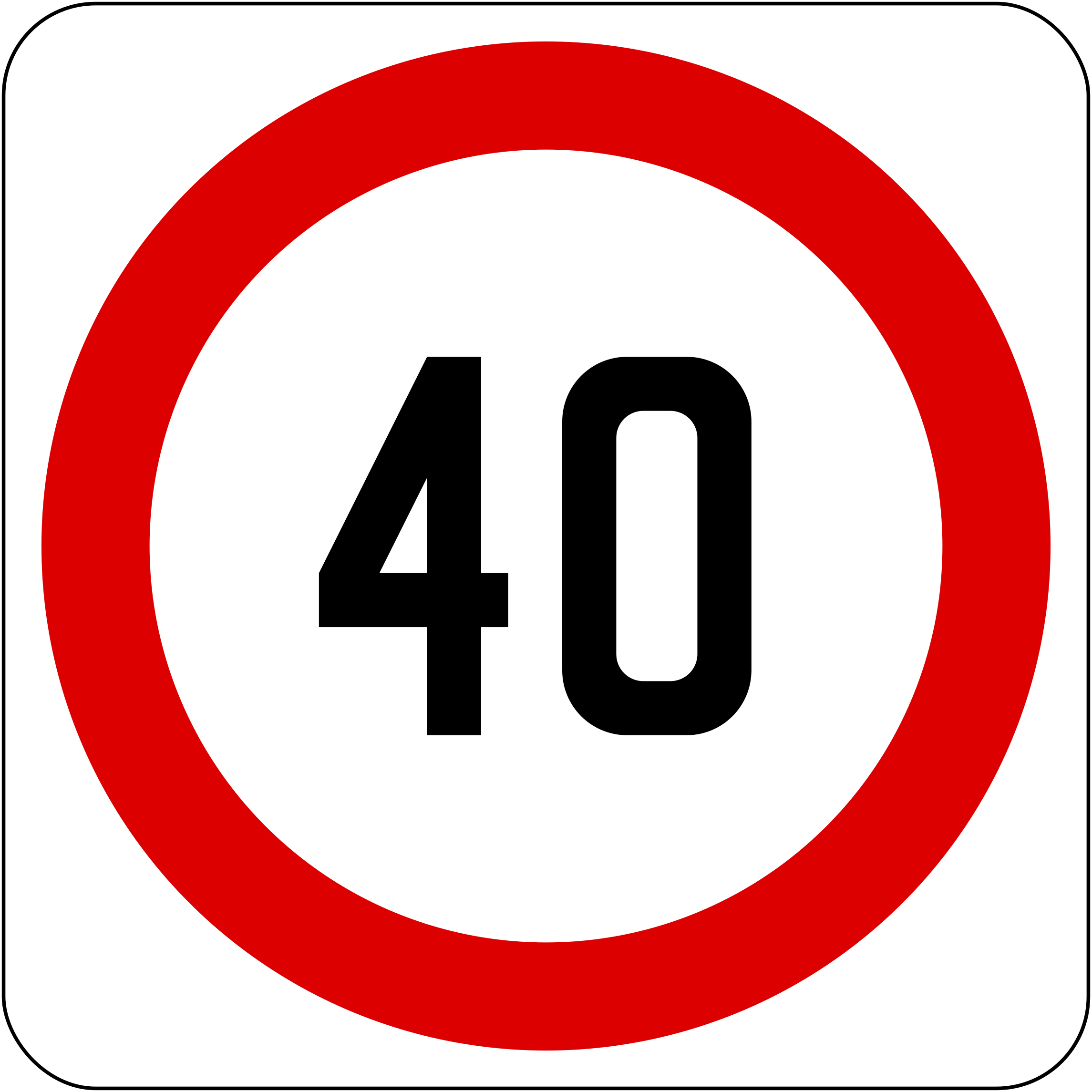
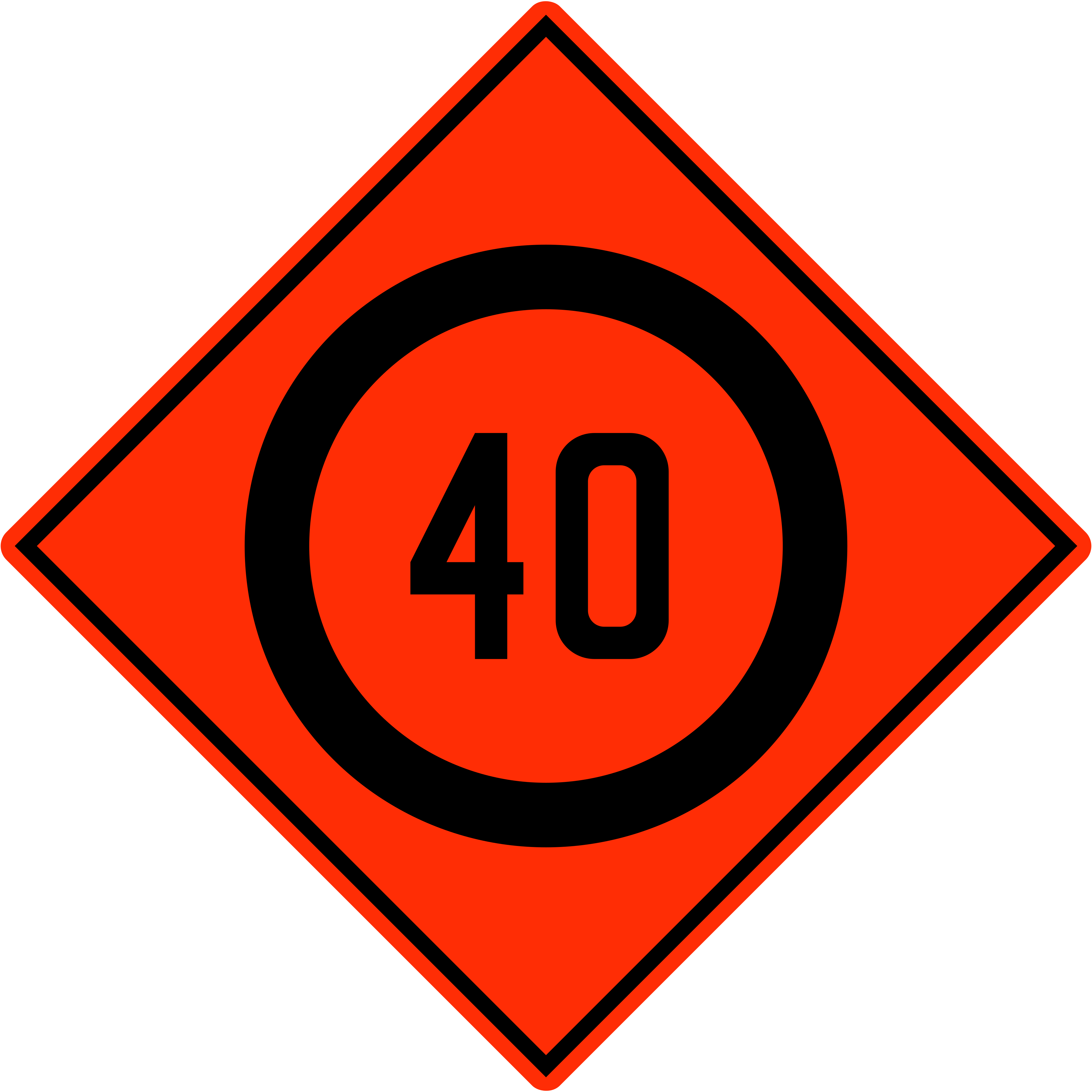
Speed limit 40 Maximum 40 km/h. Keep to or below 40 km/h.
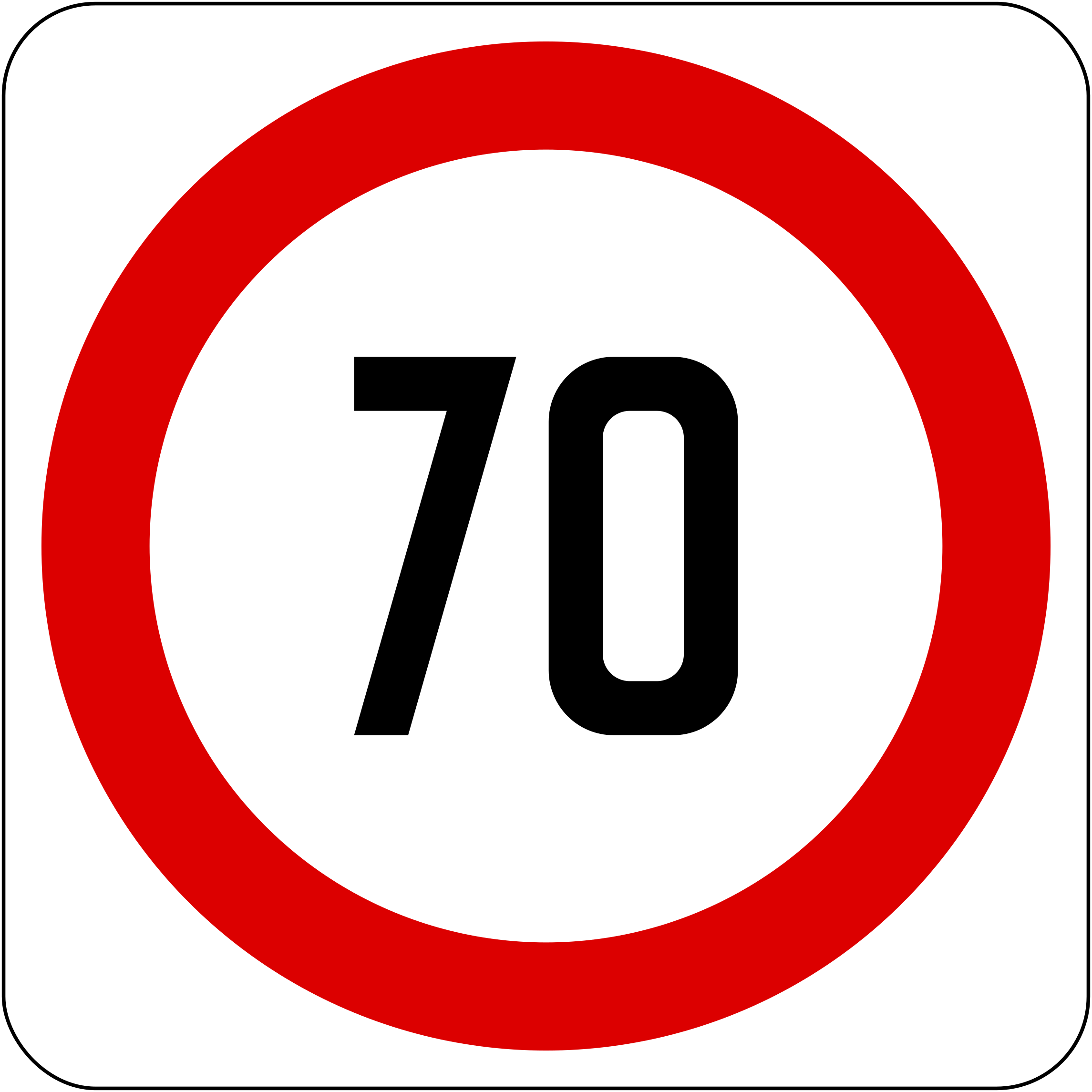
Speed limit 70 Maximum 70 km/h. Keep to or below 70 km/h.
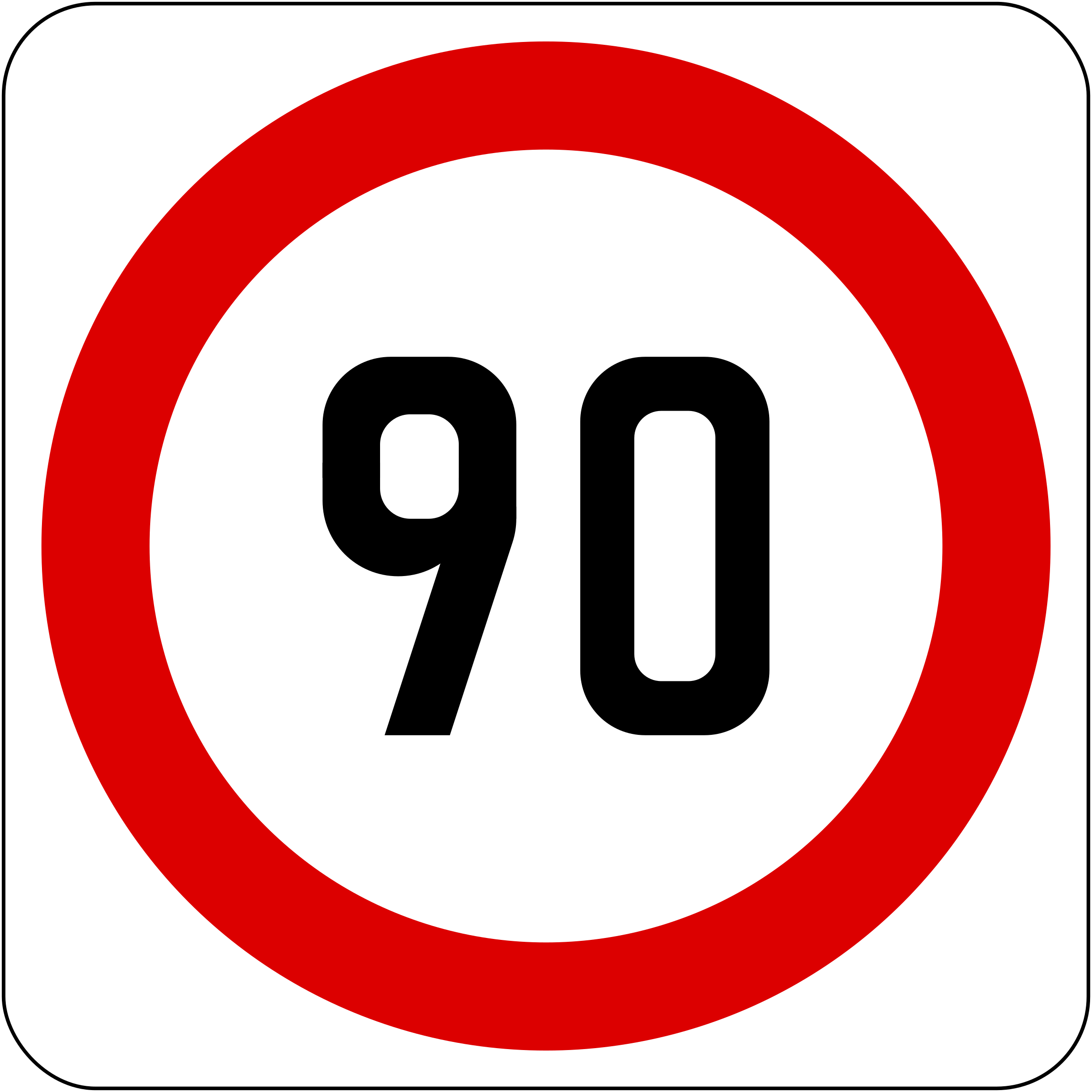
Speed limit 90 Maximum 90 km/h. Keep to or below 90 km/h.
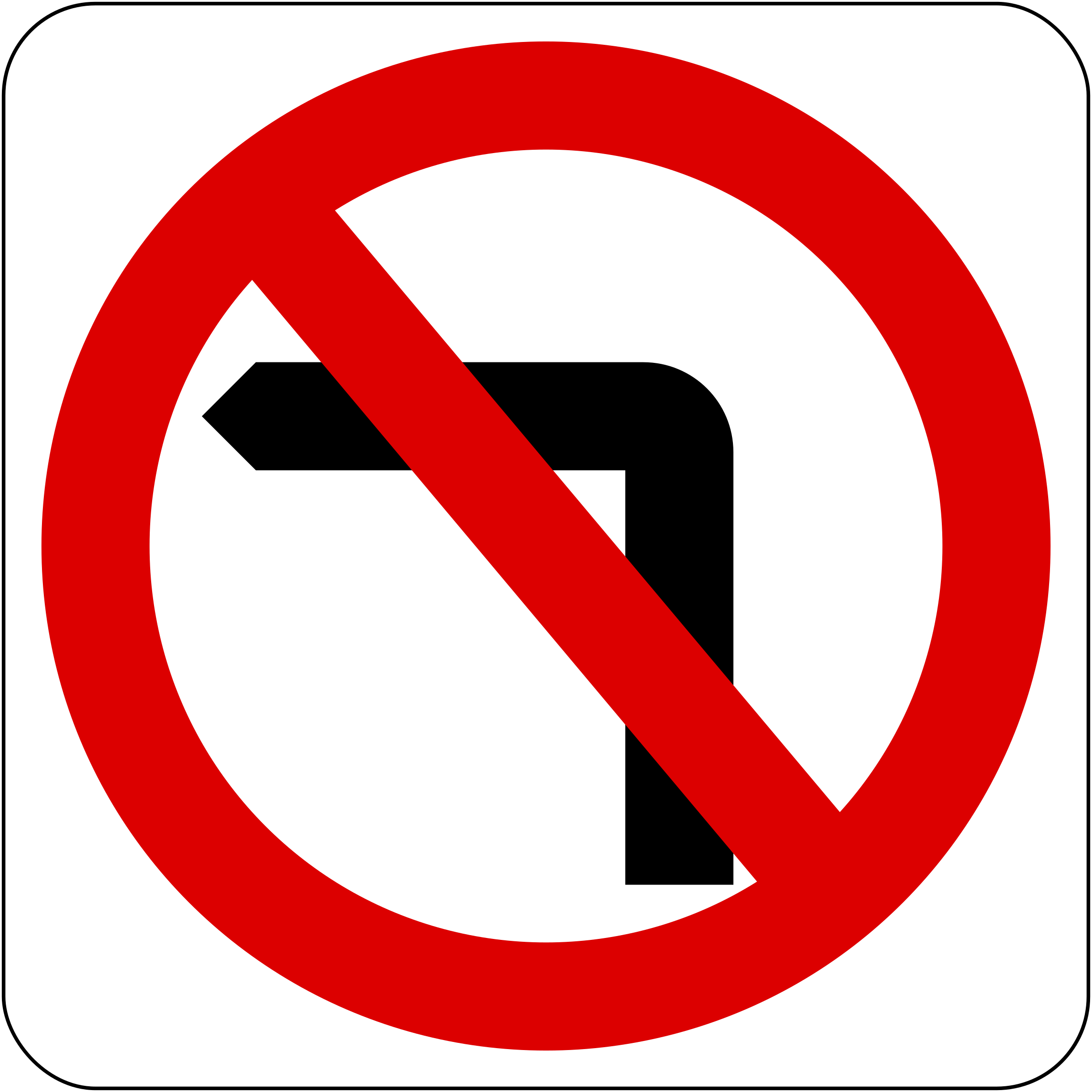
No left turn You must not turn left. Go straight or turn right.
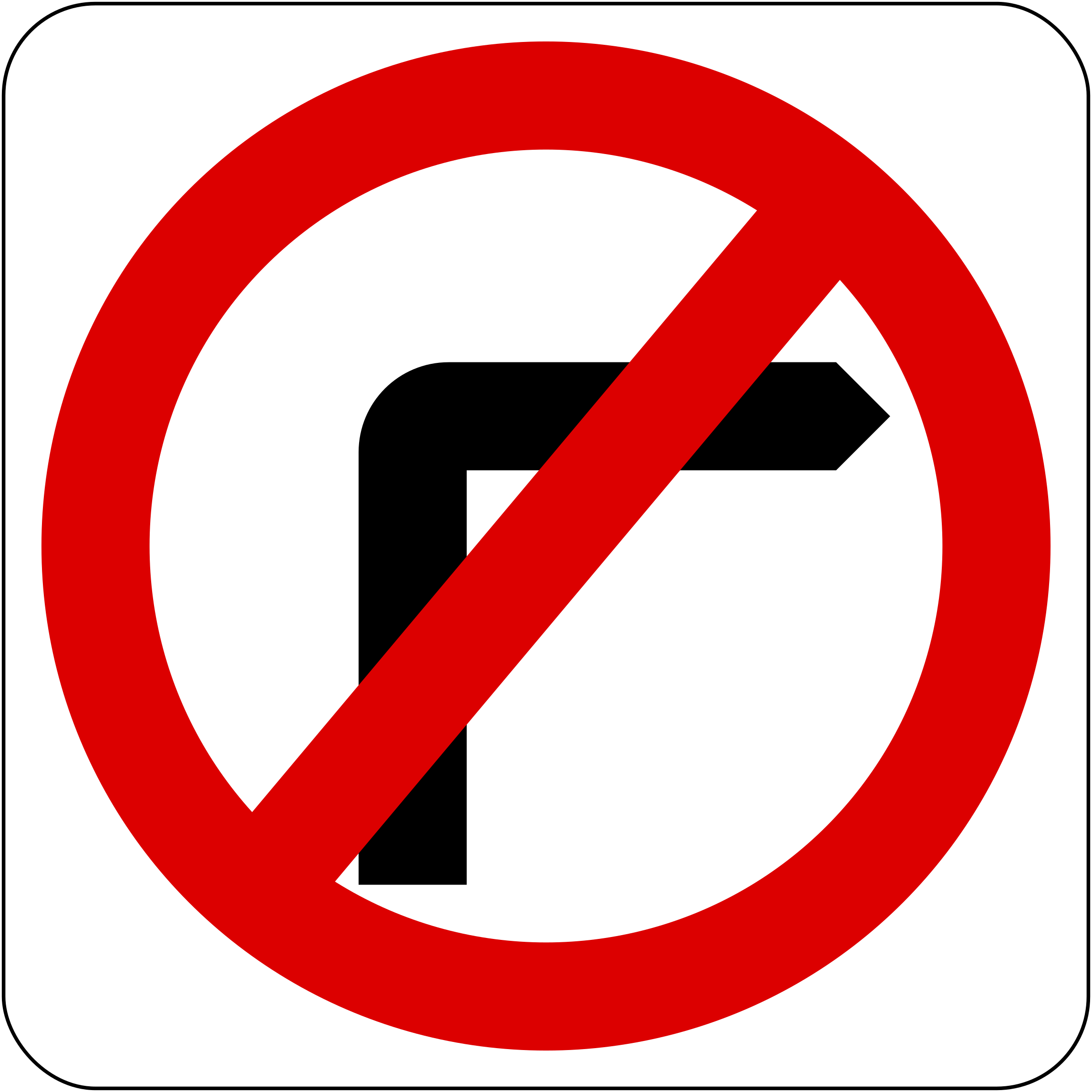
No right turn You must not turn right. Go straight or turn left.
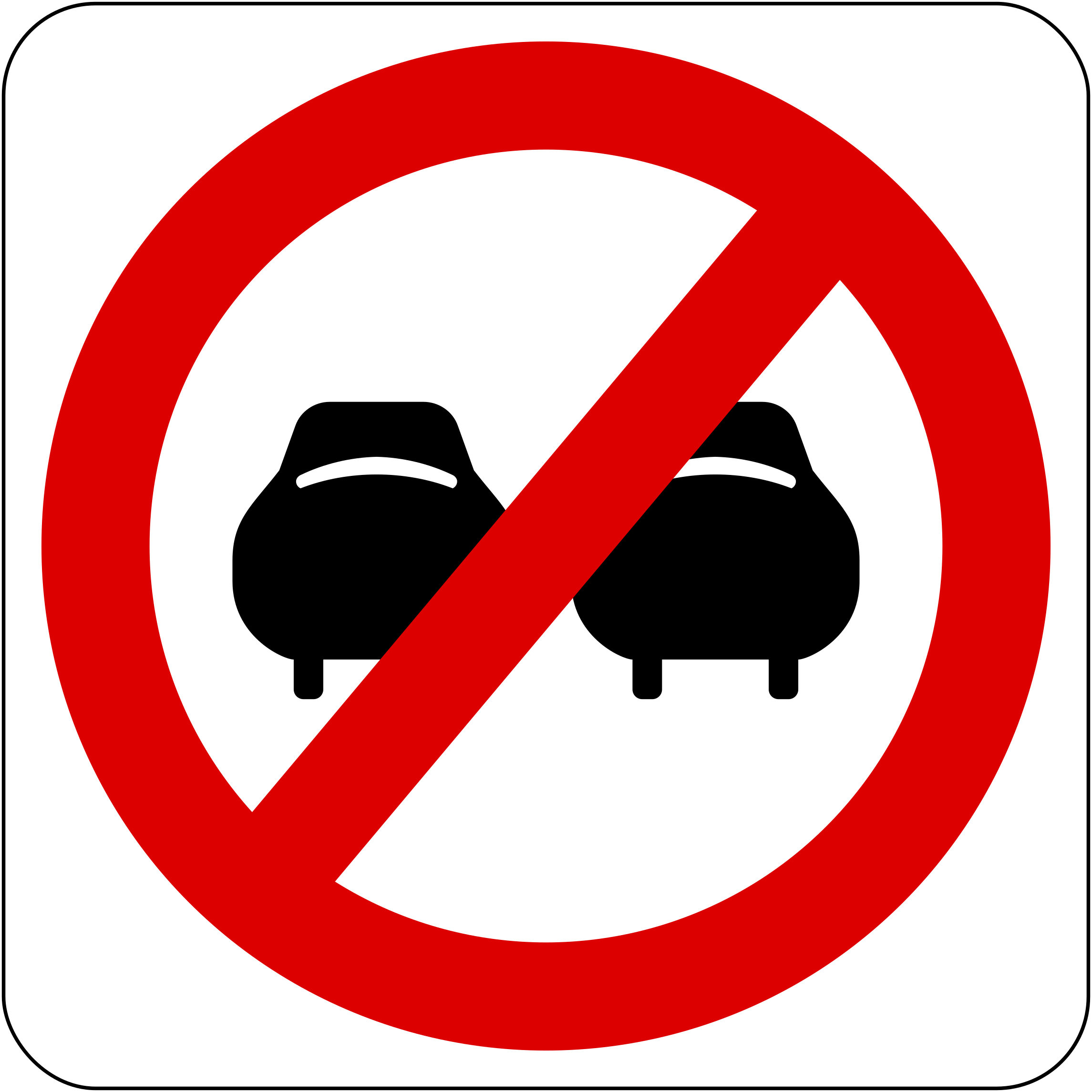
No overtaking Do not overtake. Stay behind the vehicle ahead.
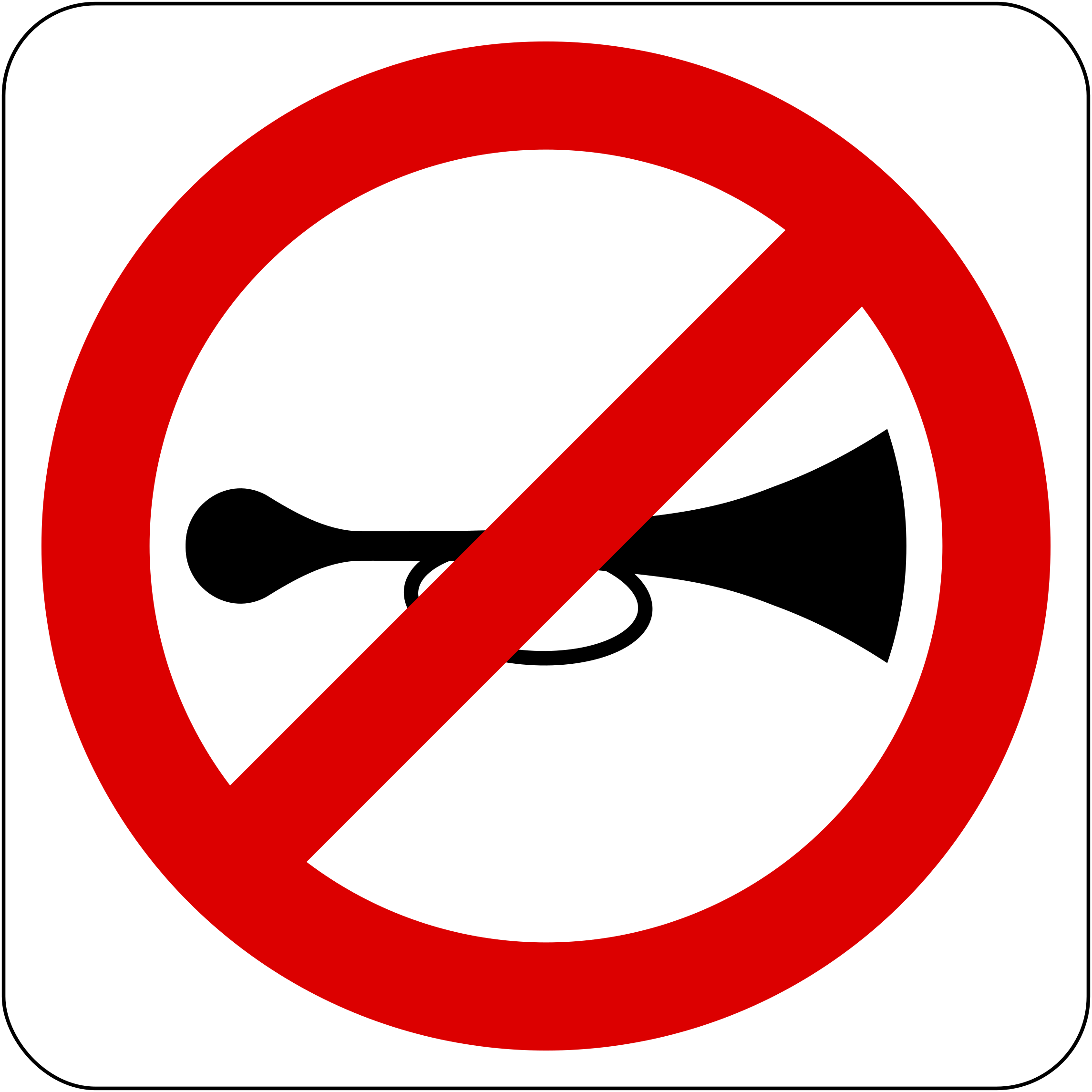
No honking Do not sound your horn. Use it only to avoid danger.
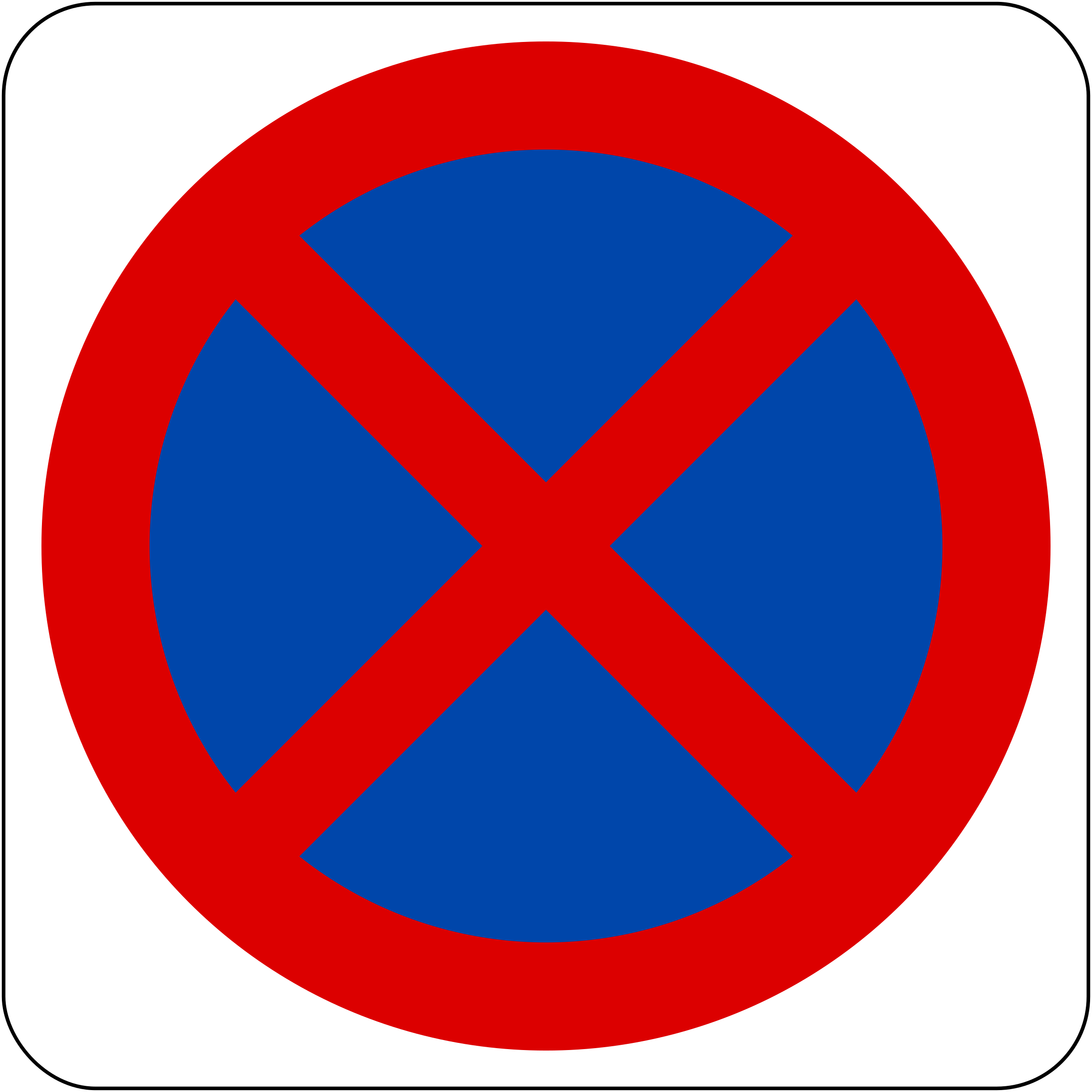
No stopping You must not stop here, even briefly. Keep moving.
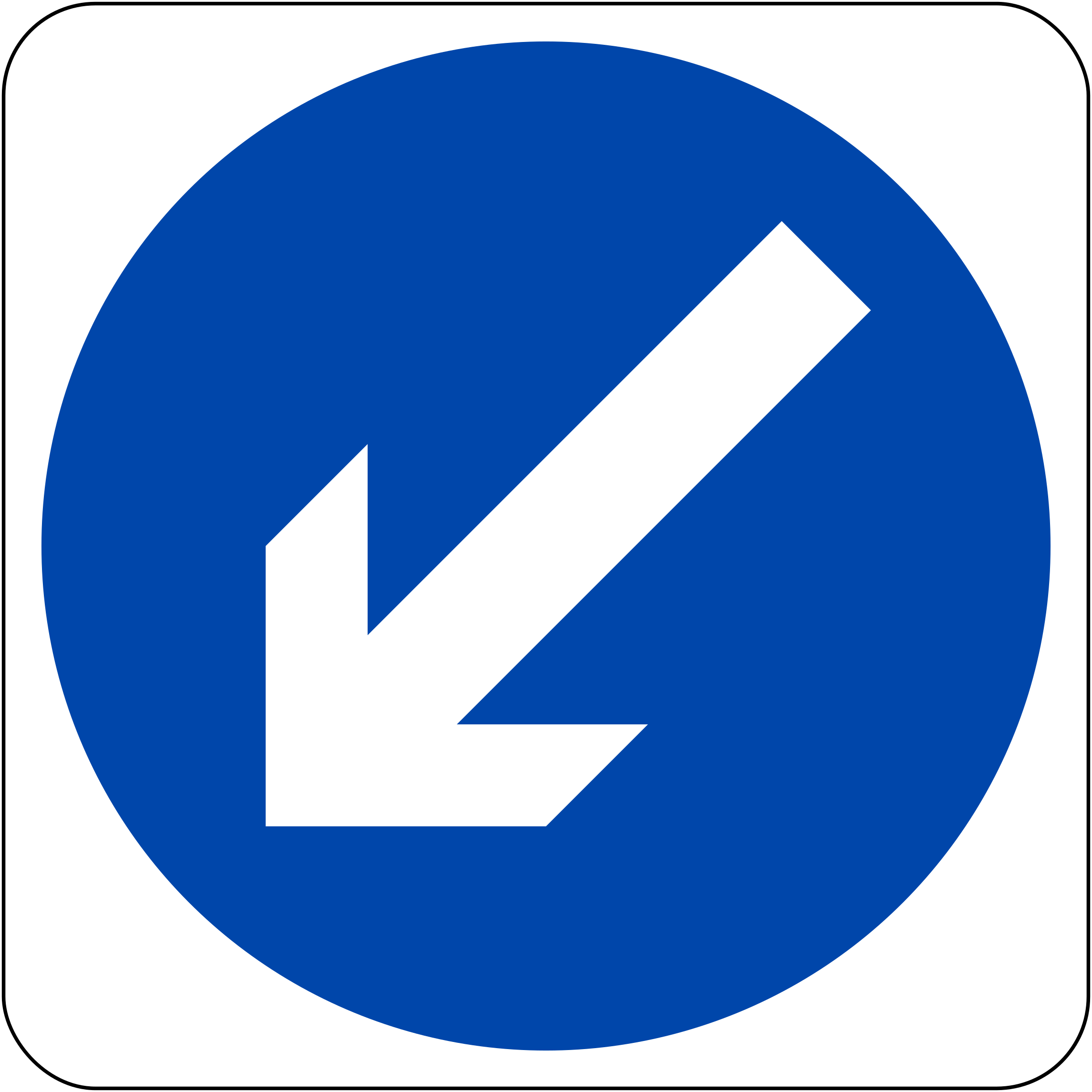
Keep left Pass on the left of the island or obstruction. Follow the arrow.
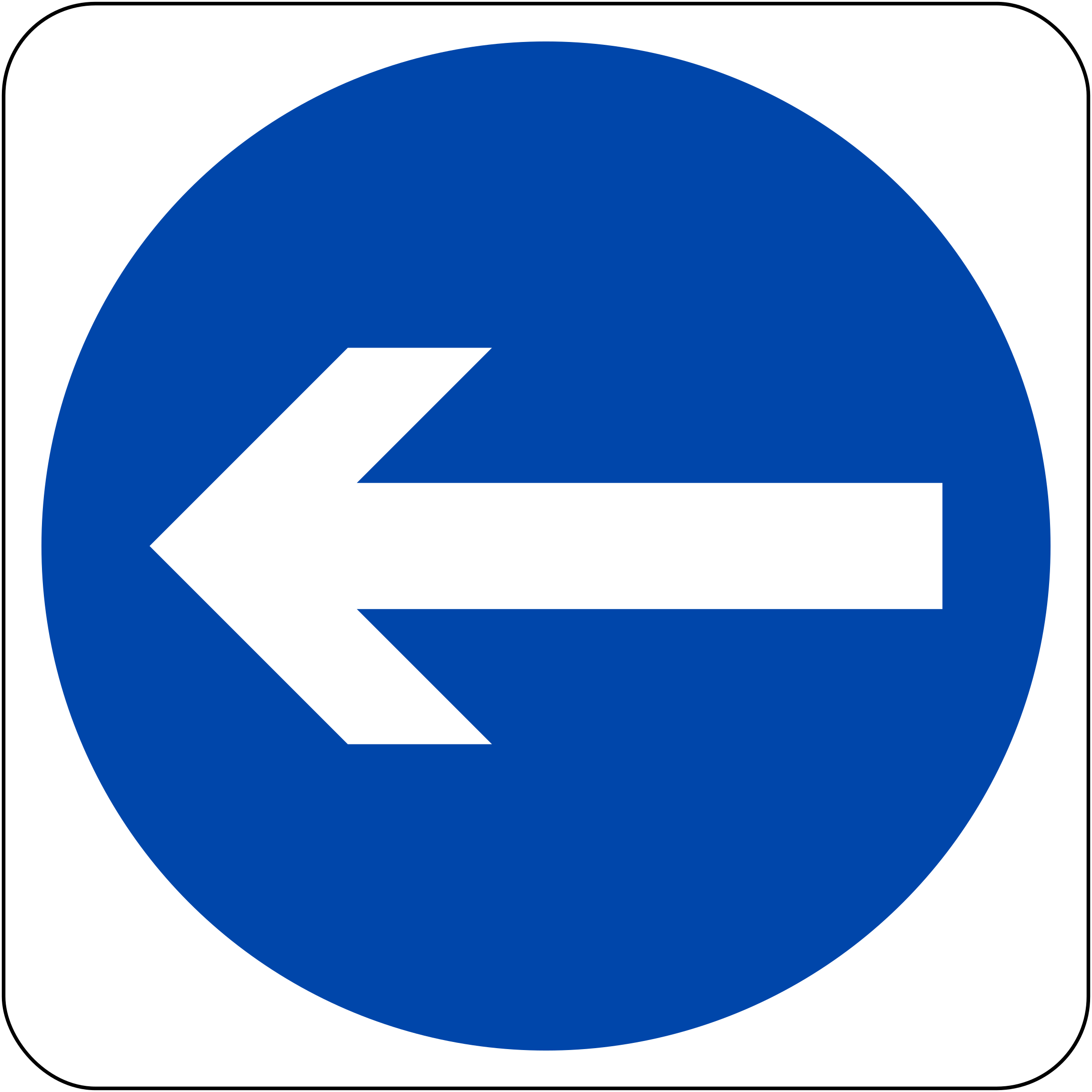
Turn left only You must turn left. Follow the arrow.
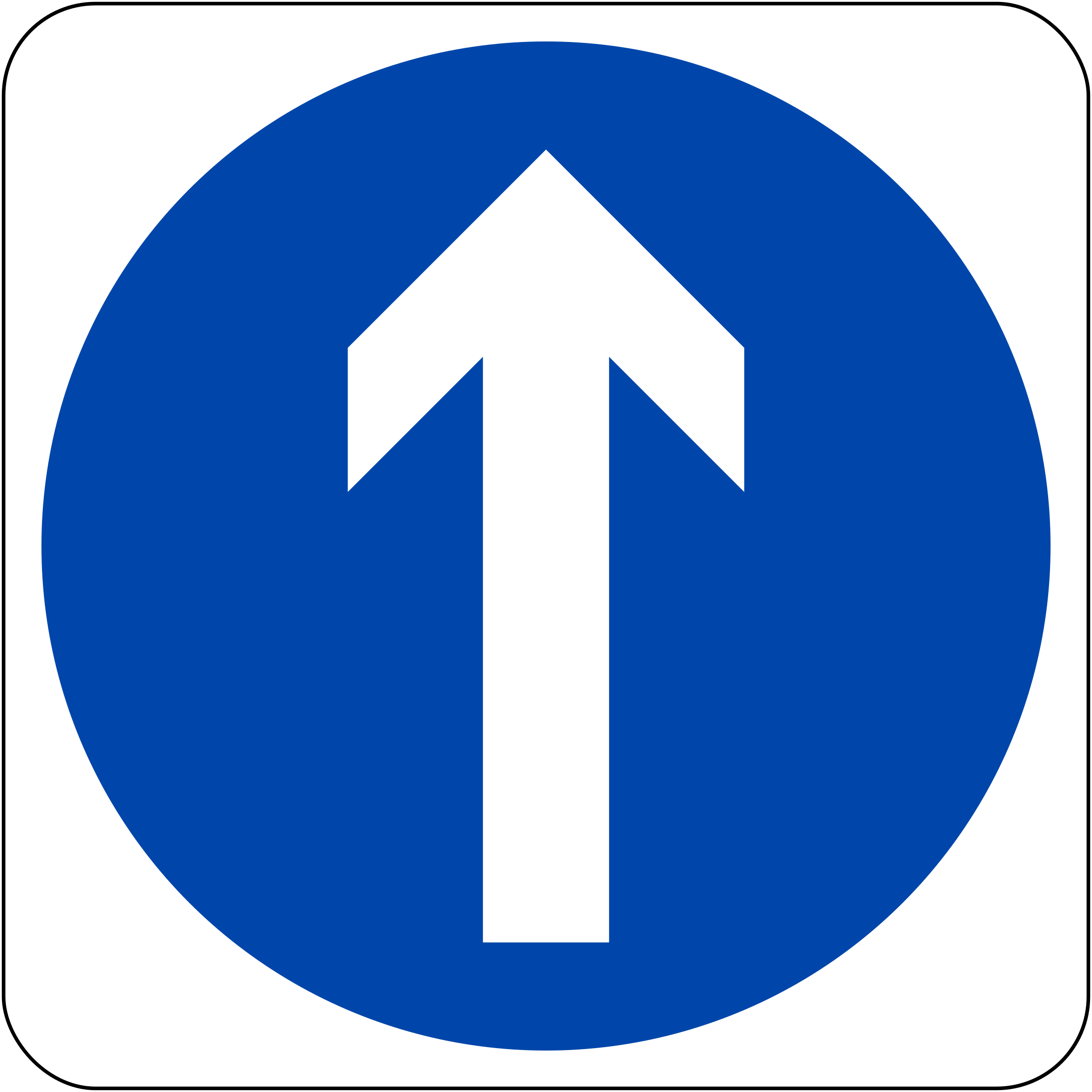
Ahead only You must go straight ahead. Turning is not allowed here.
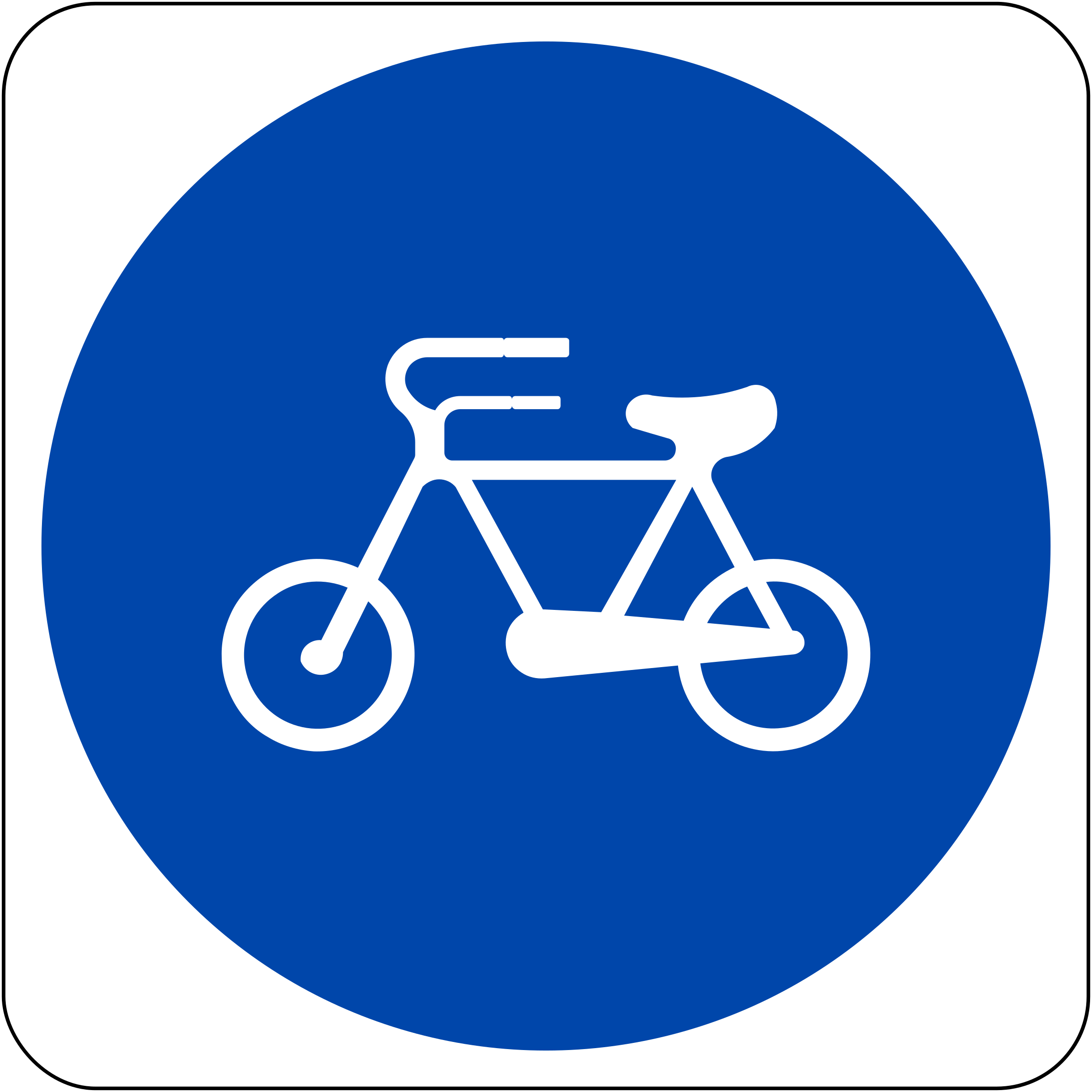
Bicycle track A track for bicycles only. Drivers must not drive or park on it.
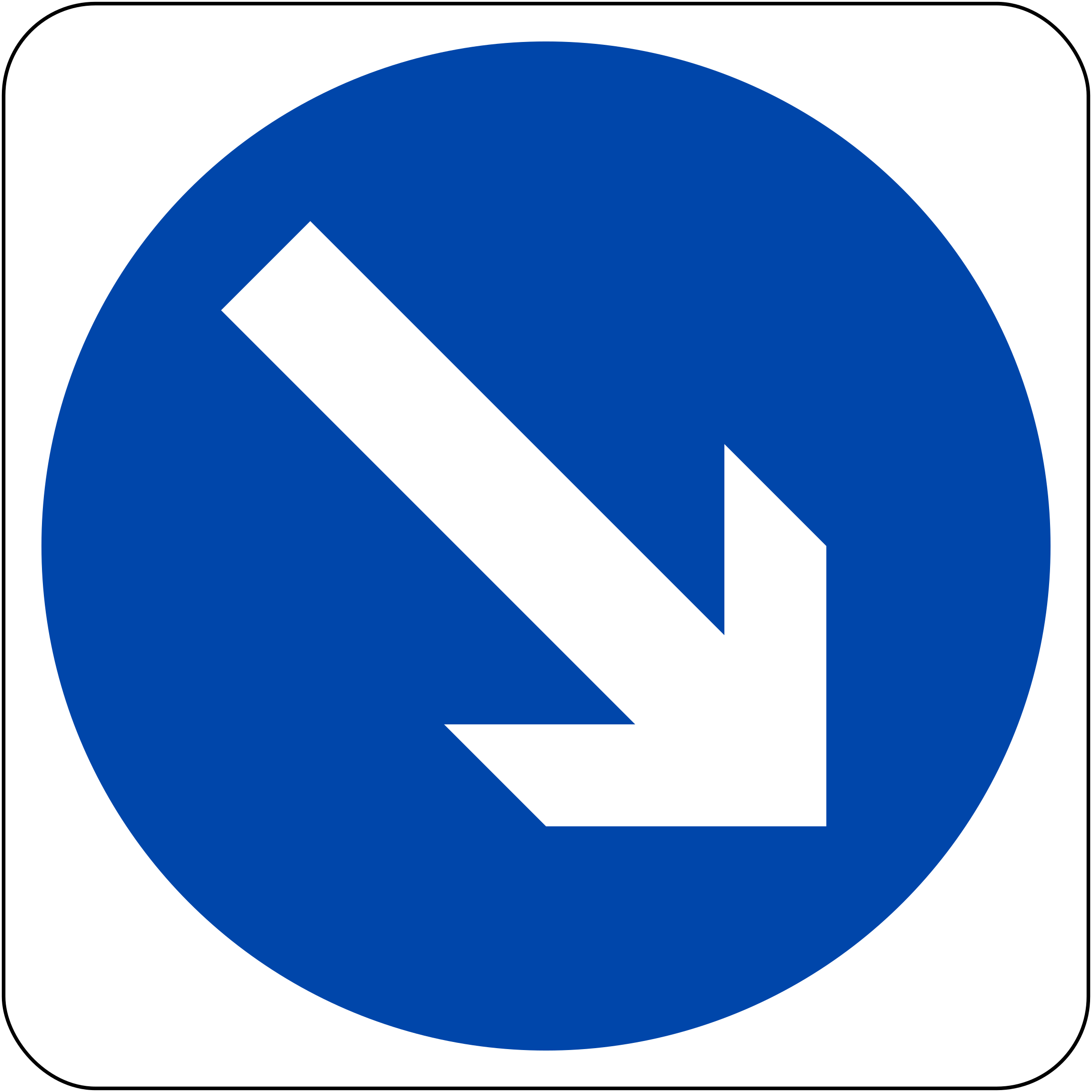
Keep right Keep to the right of the island or obstruction. Blue circles show what you must do.
Manual traffic control - Stop Stop when a traffic controller shows this sign. Wait until you are told to go.
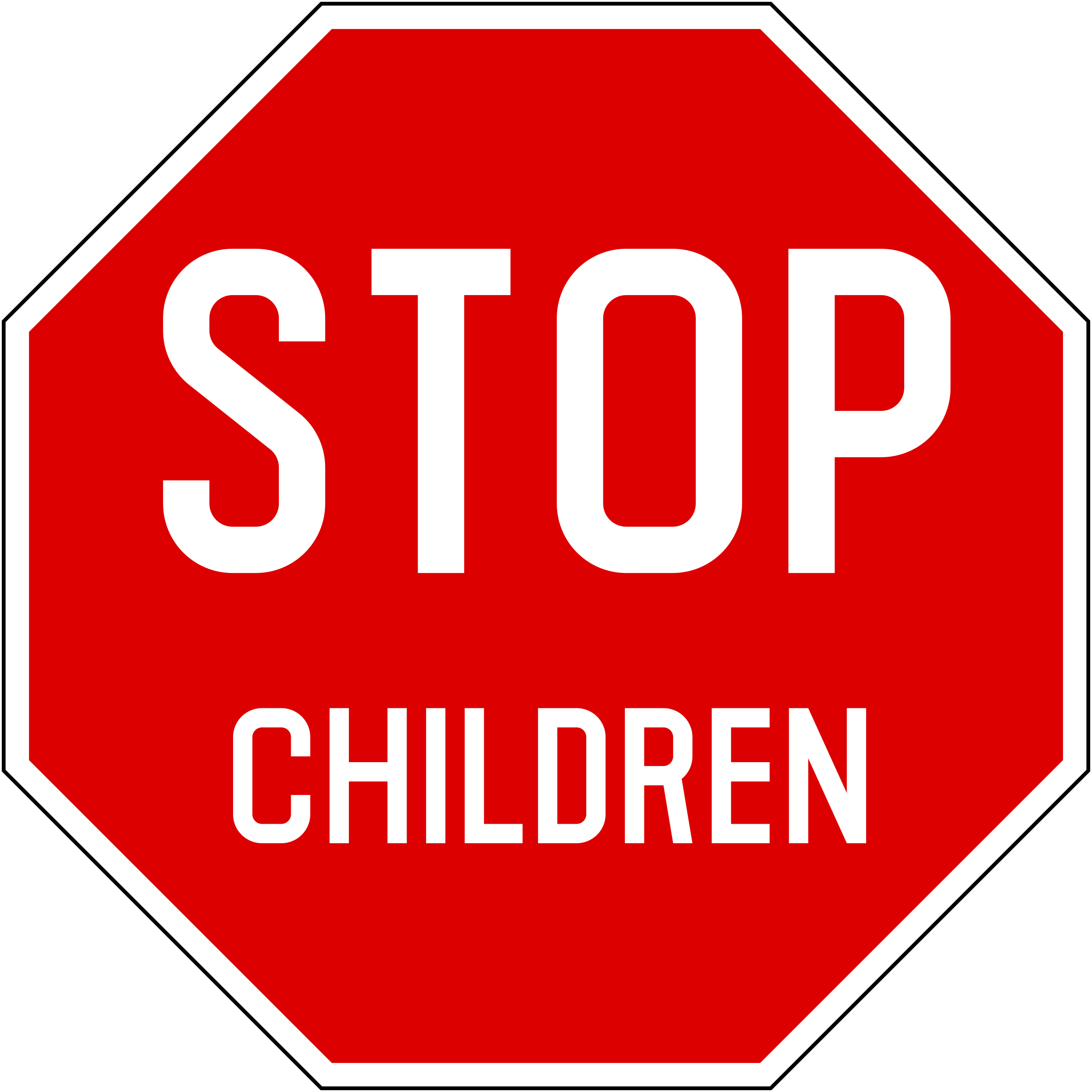
School crossing warden Stop: a school crossing warden is helping people cross. Stay stopped until the crossing is clear and the sign is removed.
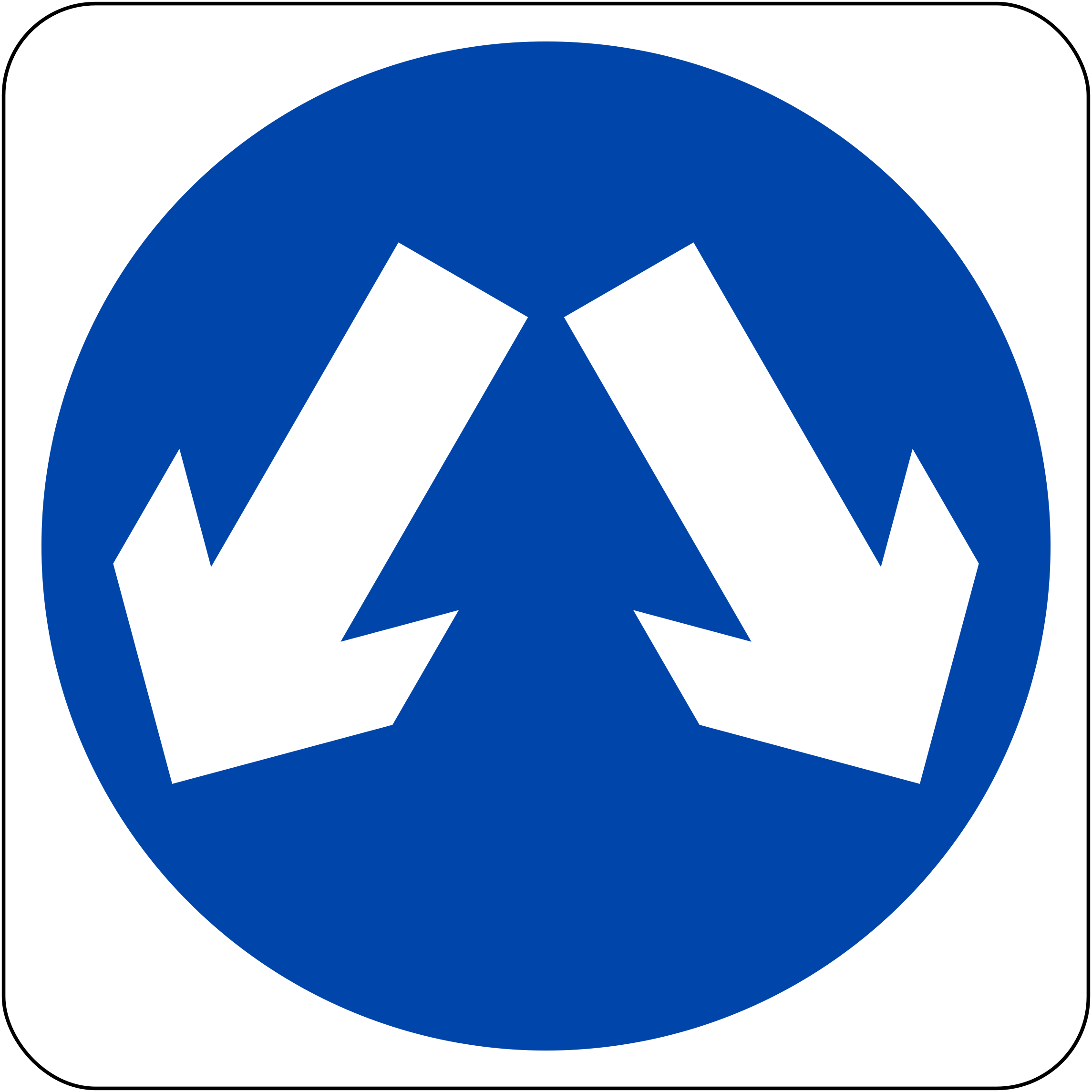
Pass on either side You may pass on either side of the island or obstruction. Both sides lead the same way.
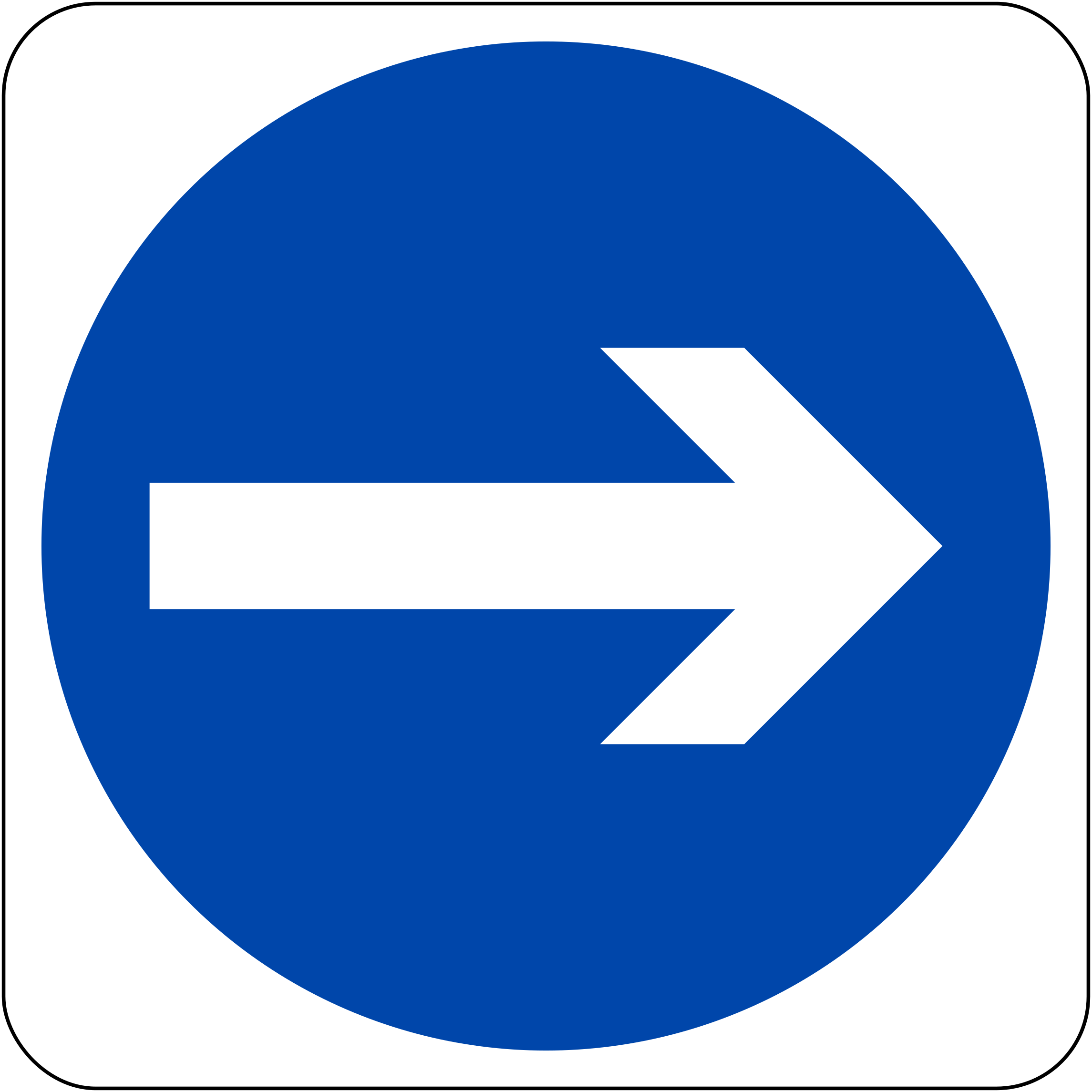
Turn right You must turn right. Get into the correct lane in good time.
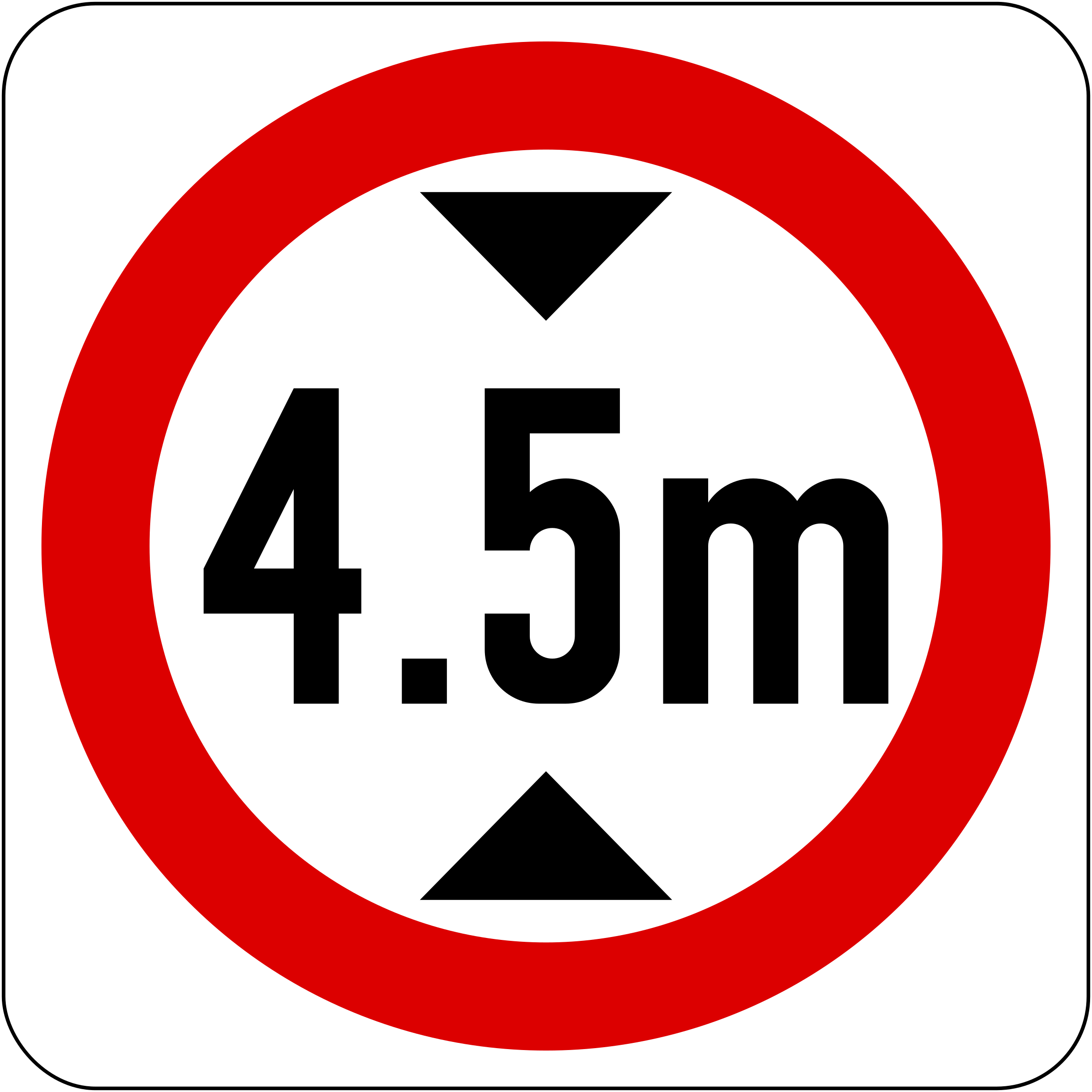
Height limit Vehicles taller than the height shown must not enter. Know the height of your vehicle and its load.
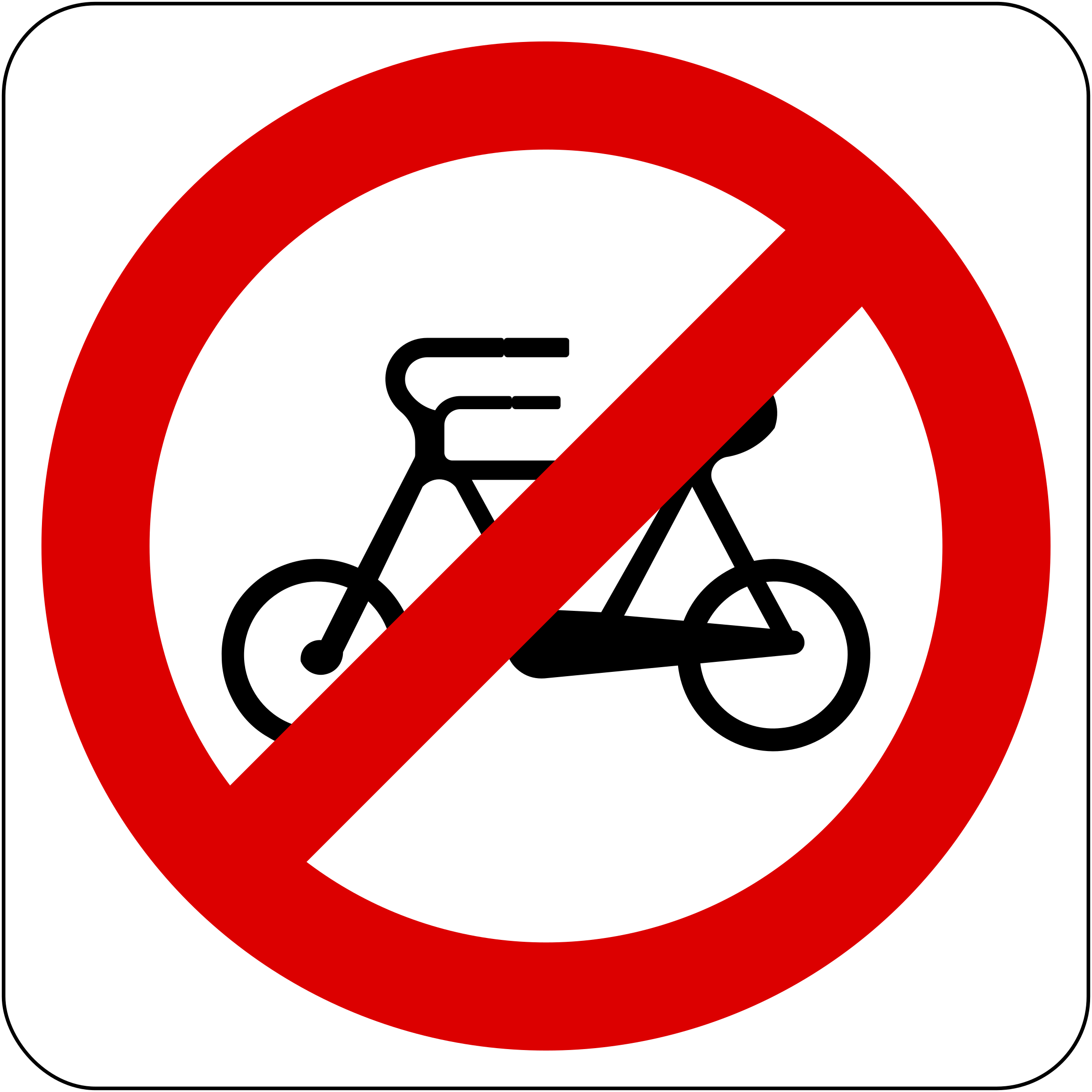
No bicycles Bicycles must not be ridden here. Often at expressways and tunnels.
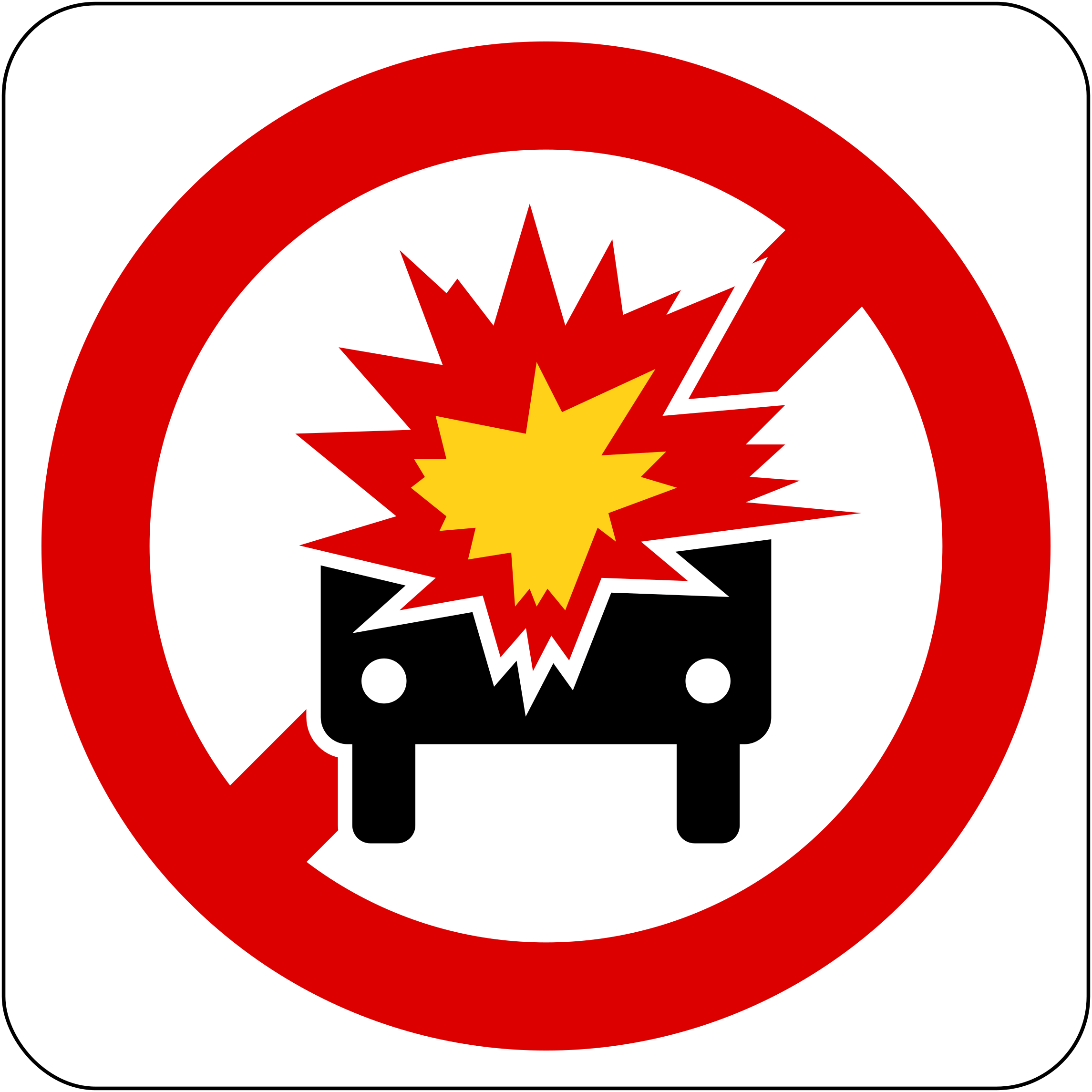
No dangerous goods Vehicles carrying dangerous goods must not enter. Often at tunnels.
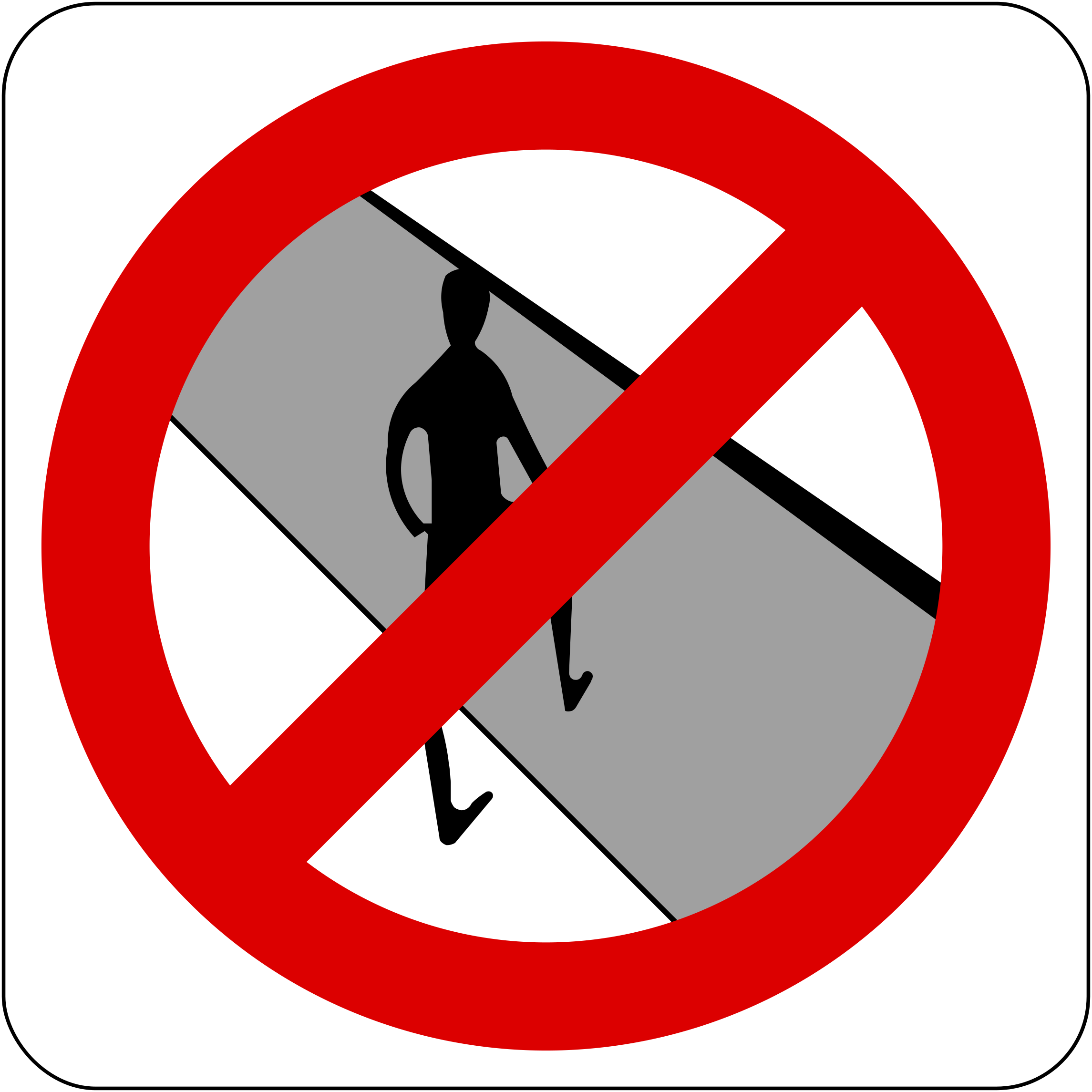
No jaywalking Pedestrians must not cross the road here. Pedestrians must use a crossing, overhead bridge or underpass.
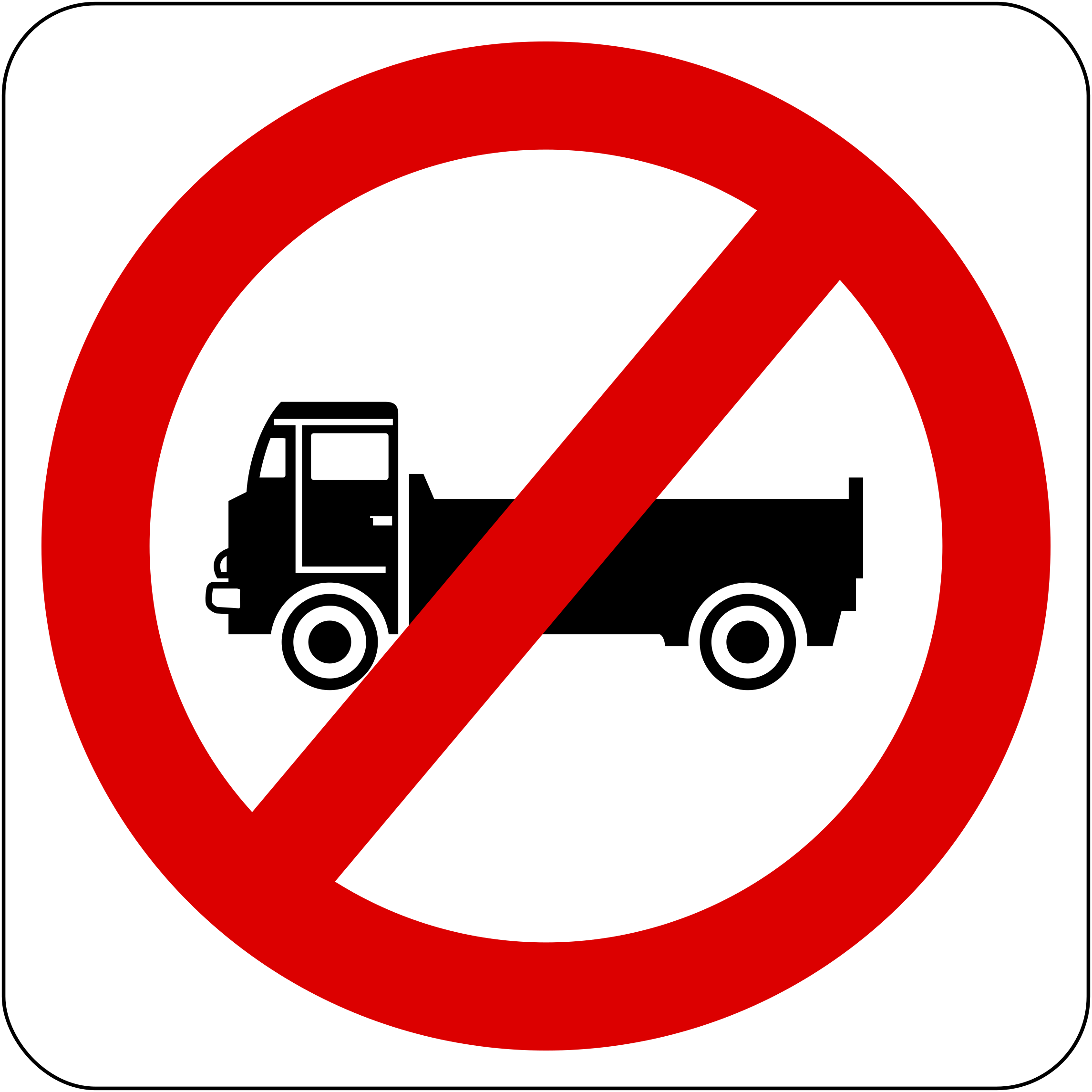
No lorries Lorries must not enter. Cars may continue.
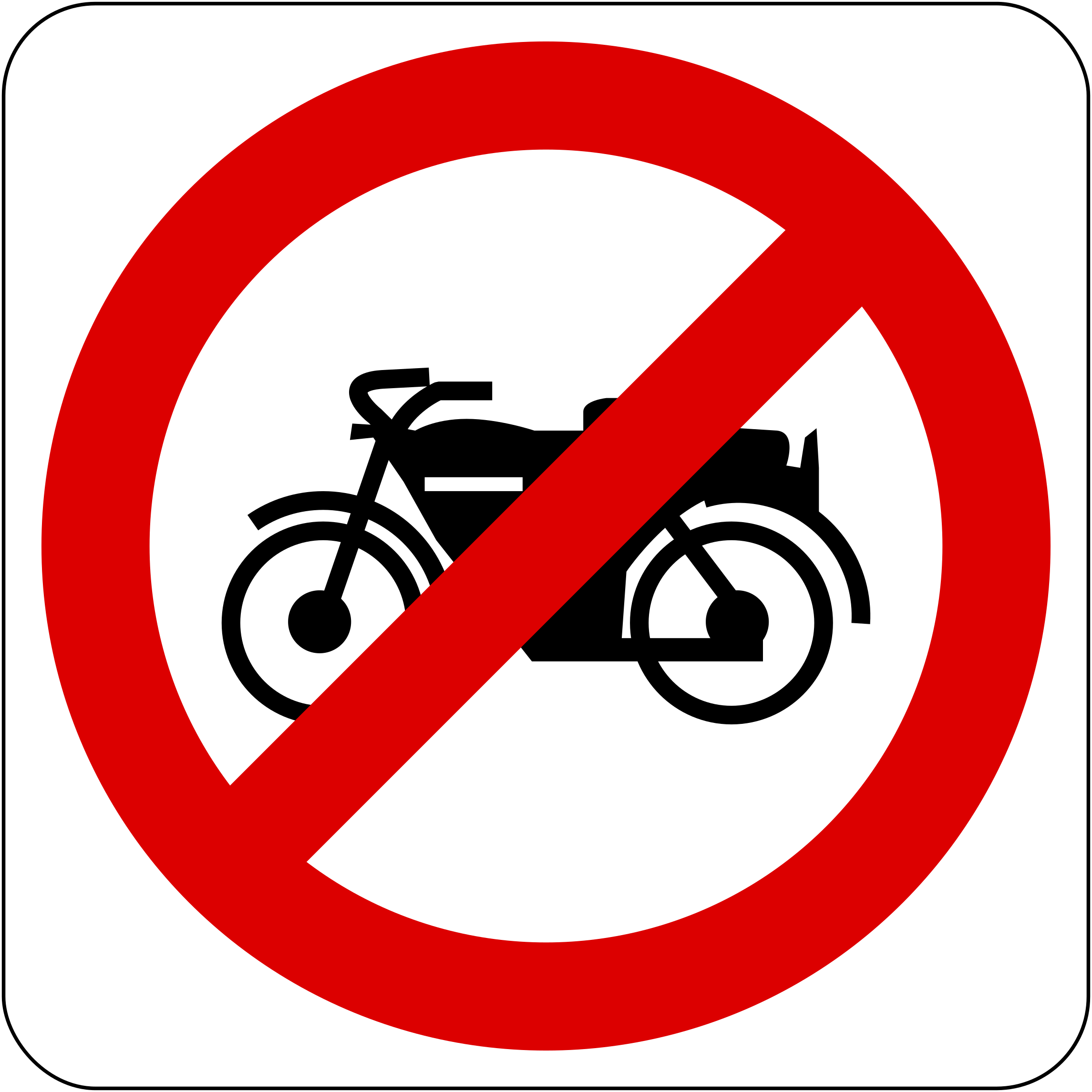
No motorcycles Motorcycles must not enter. The red circle means prohibited.
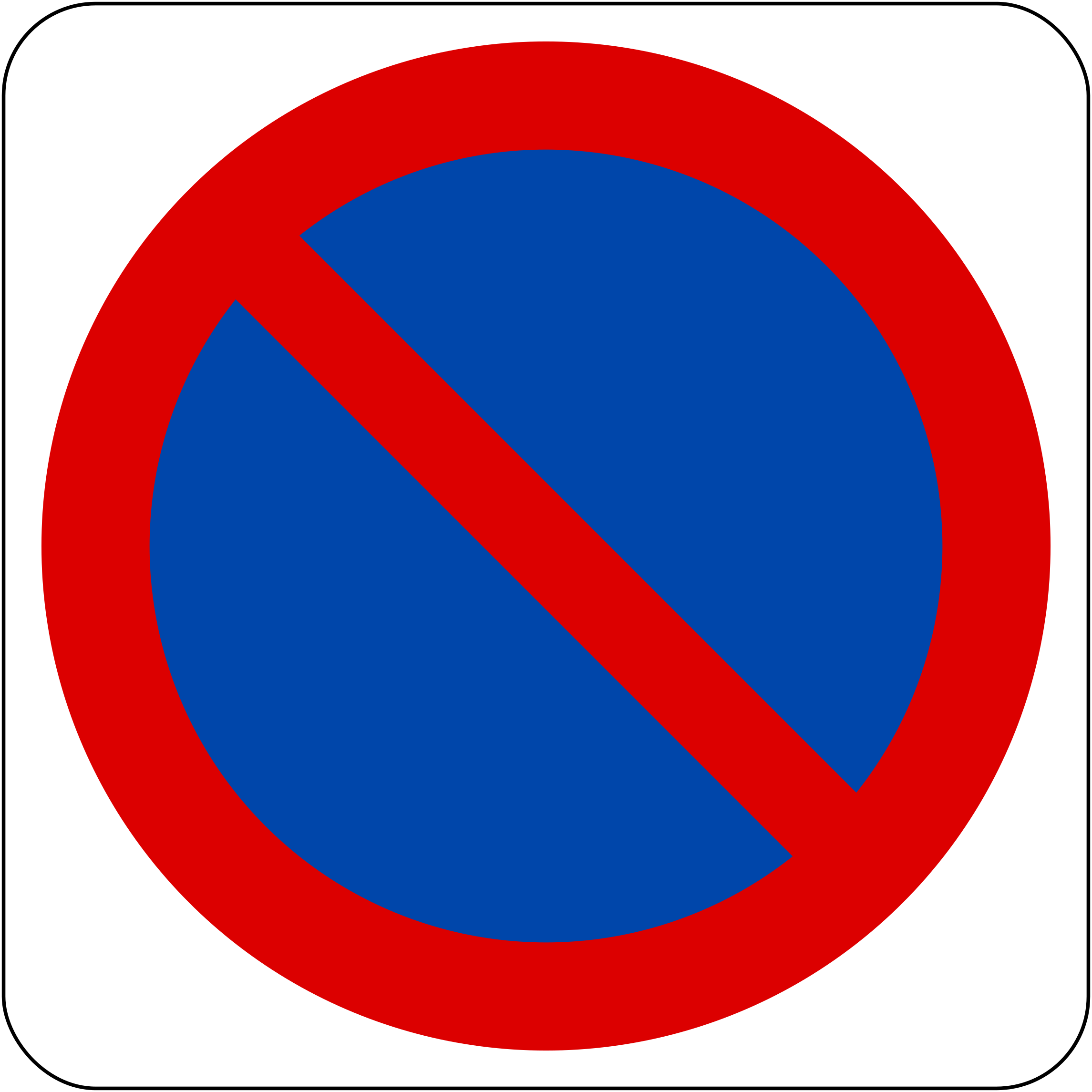
No waiting You must not wait or park here. You may stop briefly to pick up or drop off passengers where allowed.
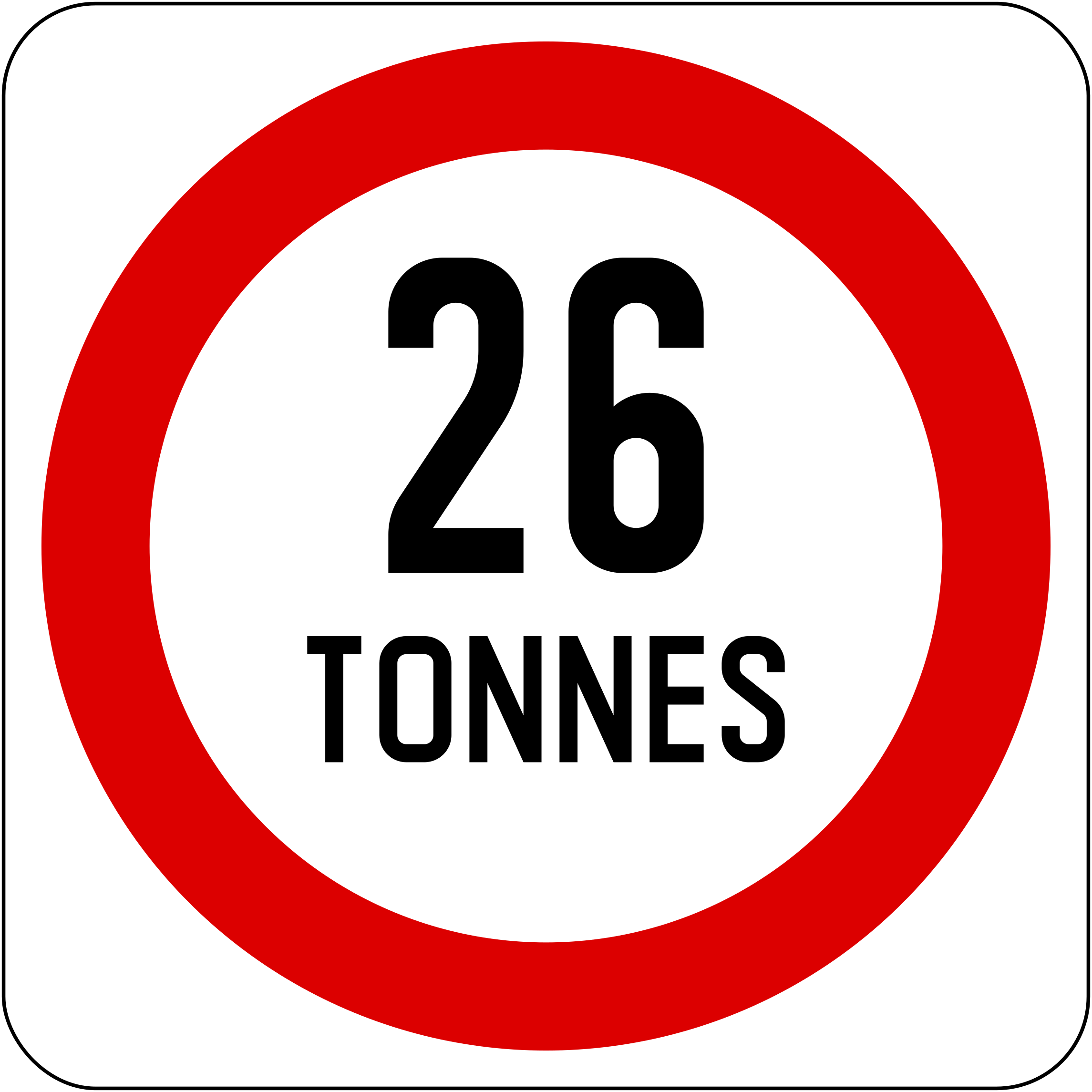
Weight limit Vehicles heavier than the weight shown must not enter. Common on bridges.
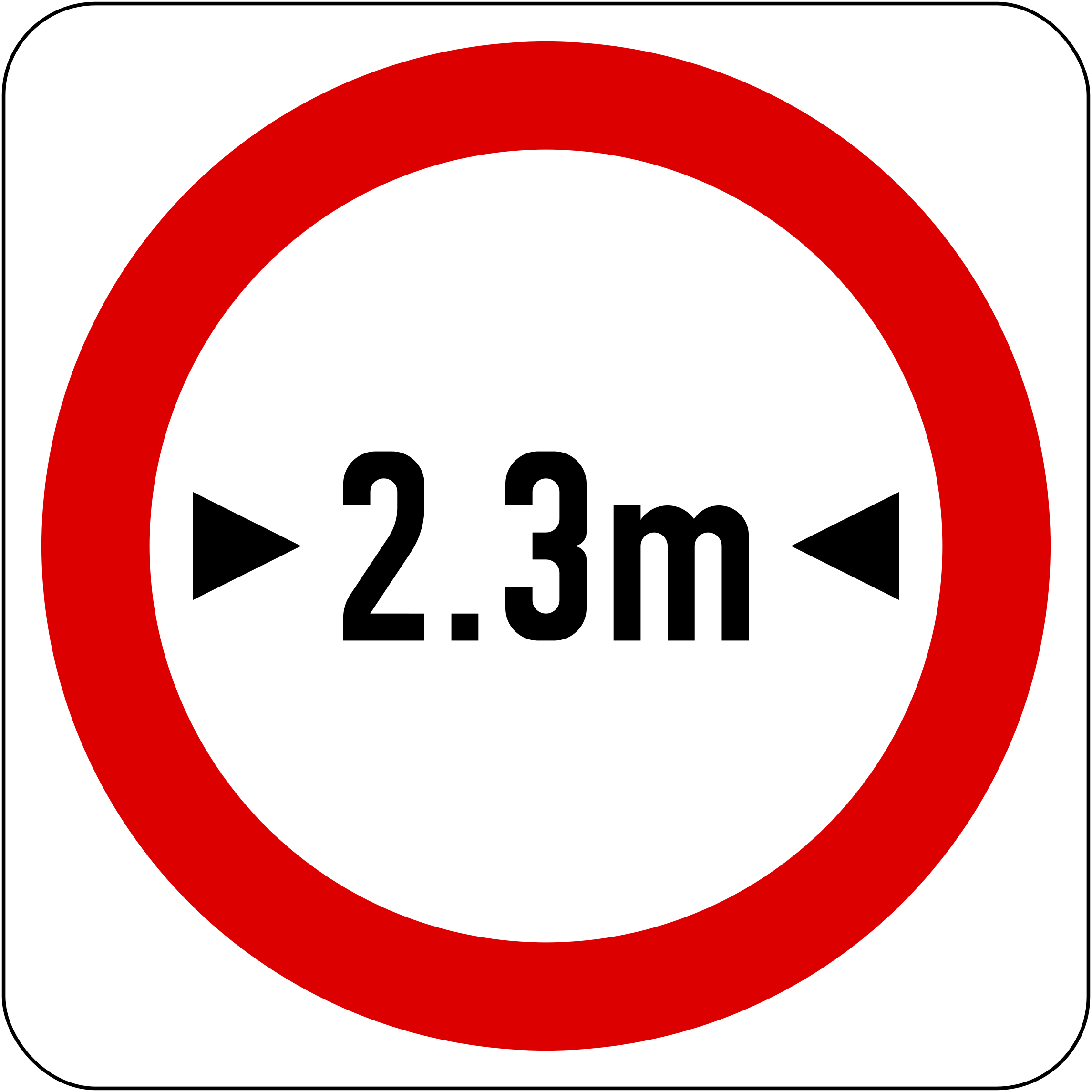
Width limit Vehicles wider than the width shown must not enter. Know the width of your vehicle.
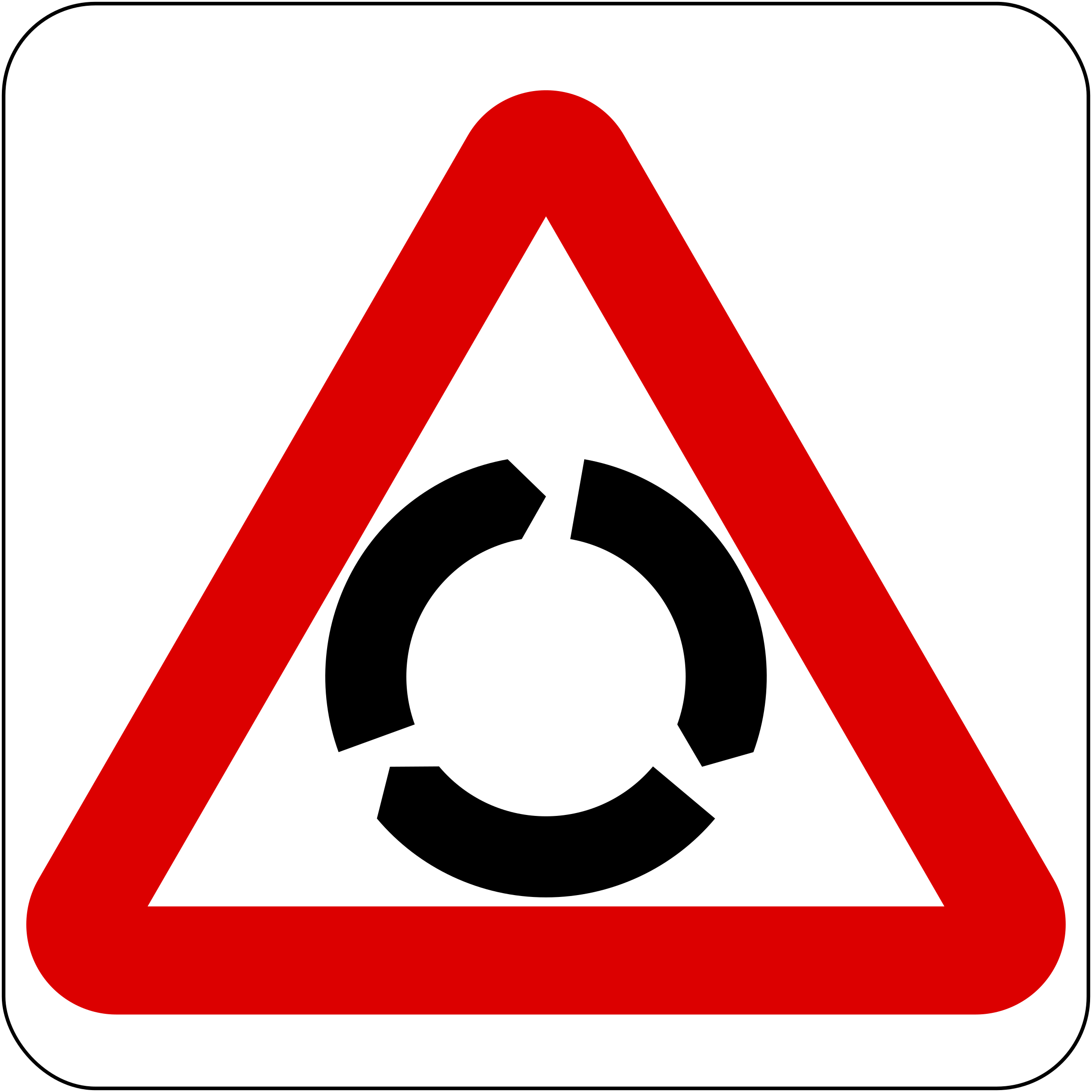
Roundabout ahead A roundabout is ahead. Slow down and give way to traffic from the right.
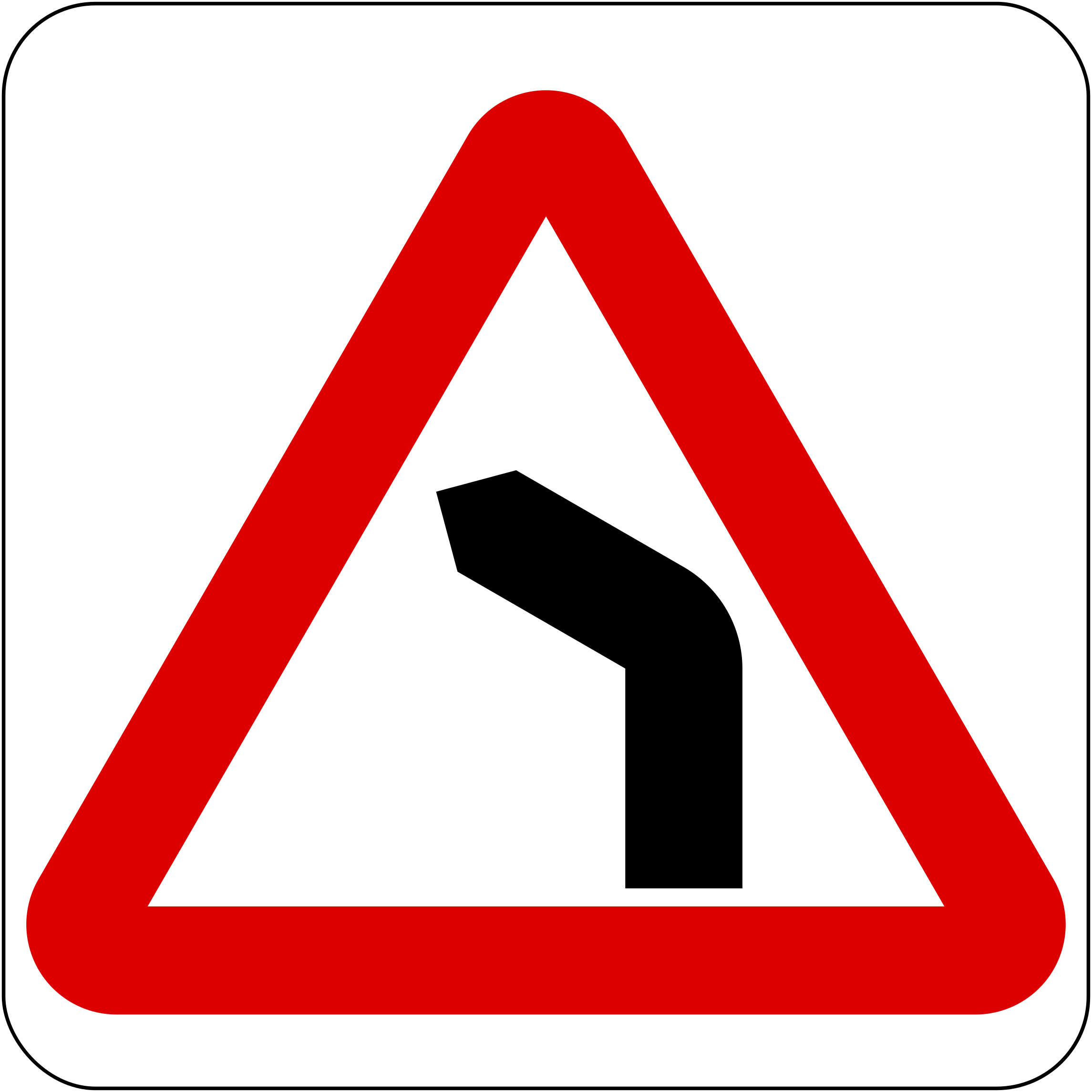
Bend to the left Bend to the left ahead. Slow down before the bend.
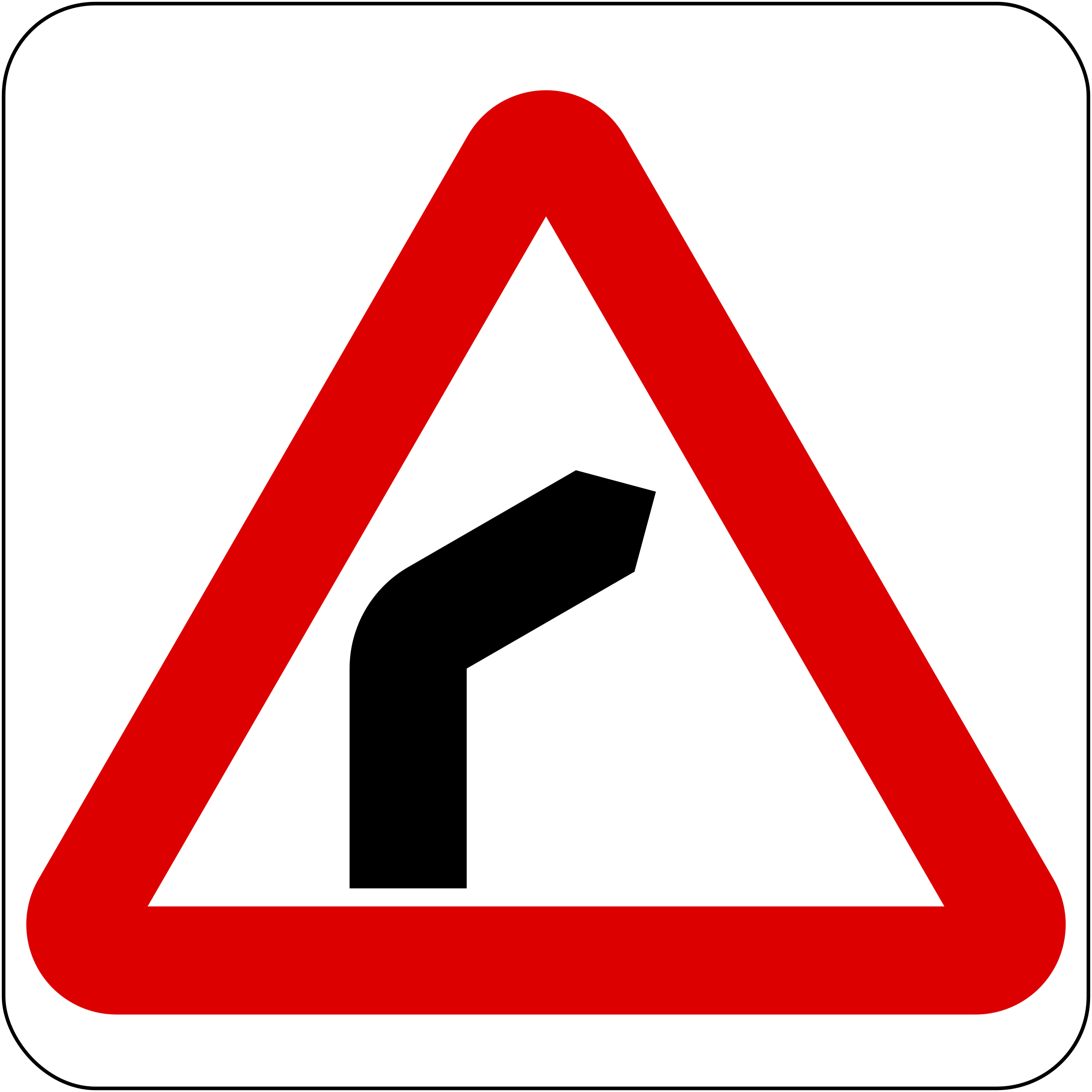
Bend to the right Bend to the right ahead. Slow down before the bend.
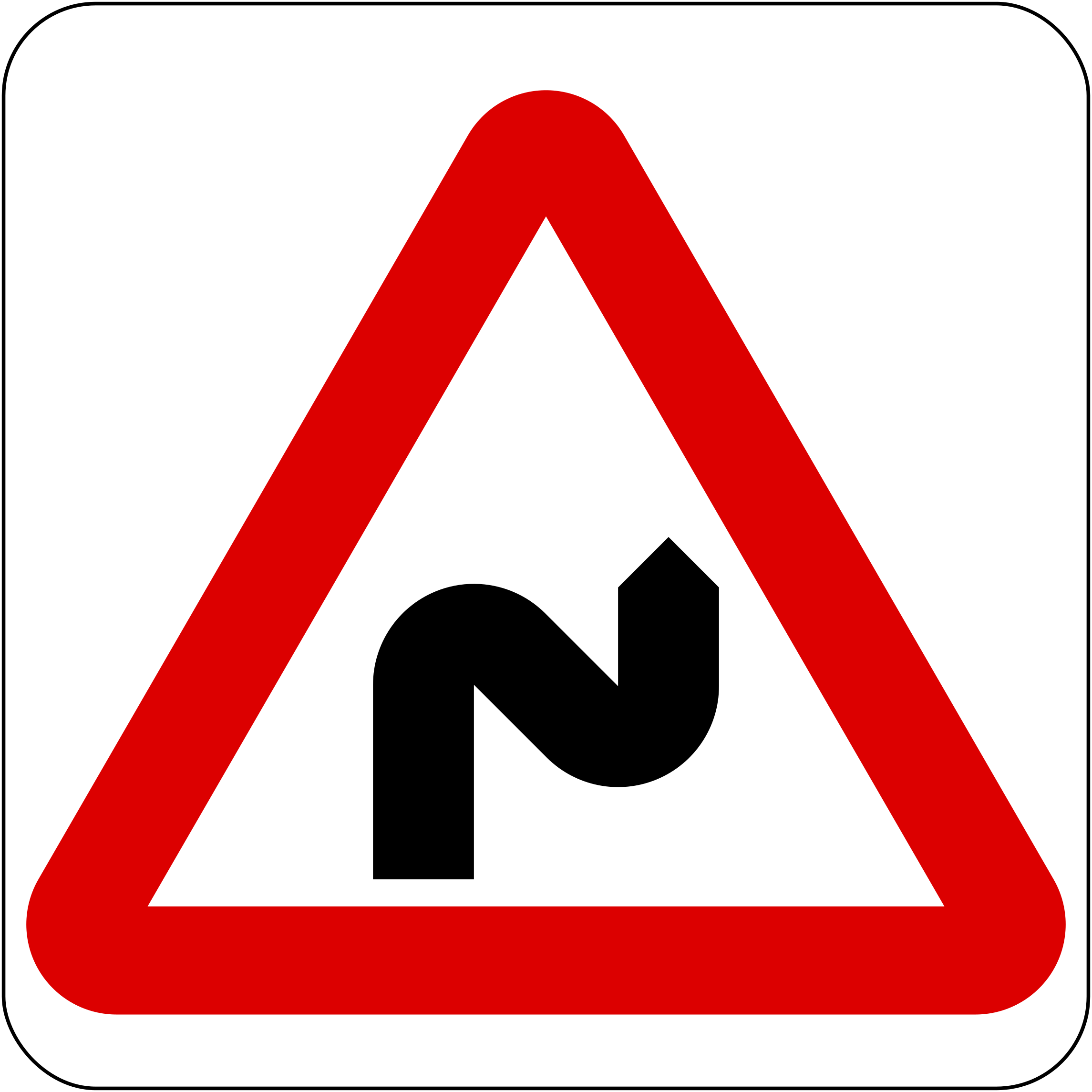
Double bend A double bend ahead, first to the right. Slow down and do not overtake.
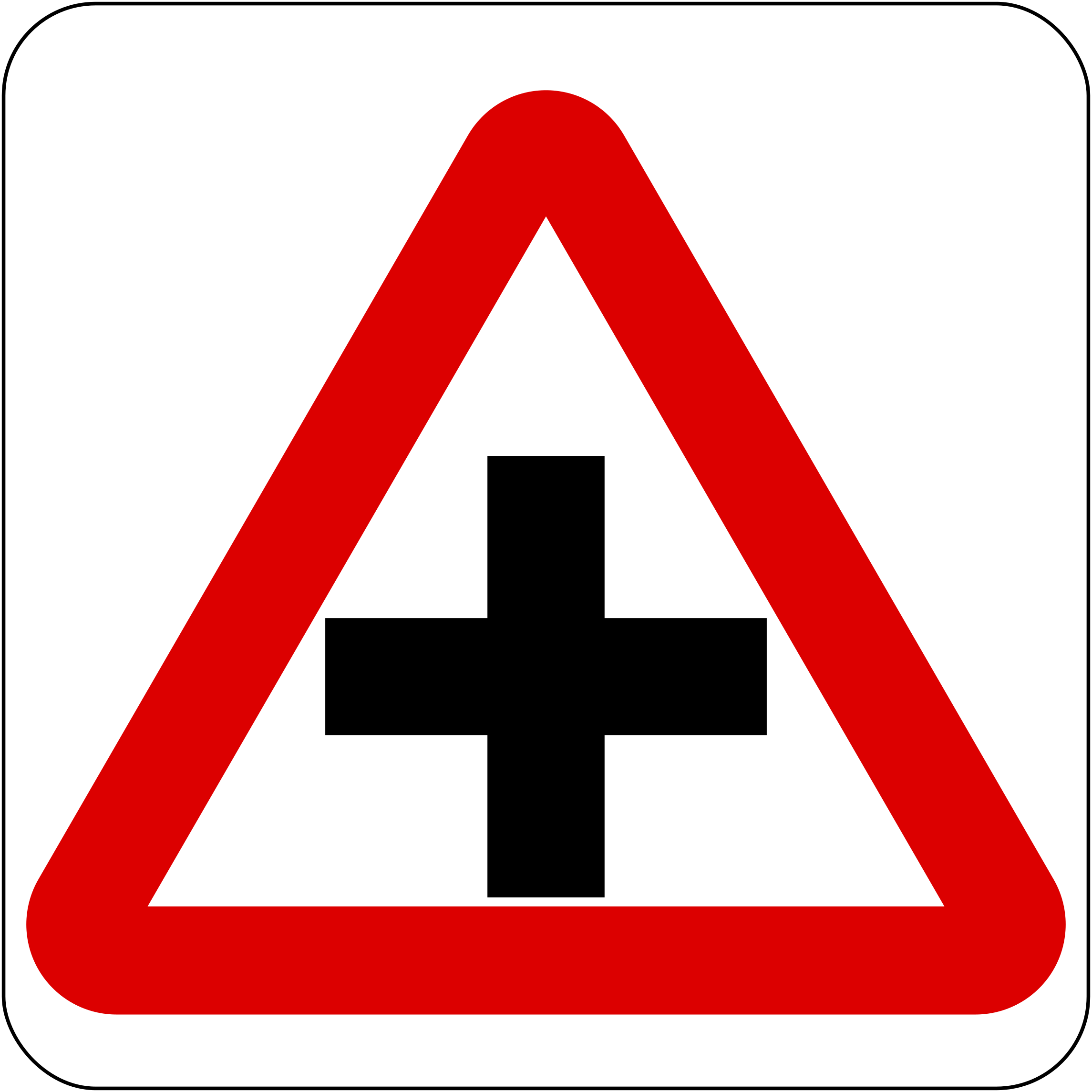
Crossroads ahead A crossroads is ahead. Slow down and watch for traffic.
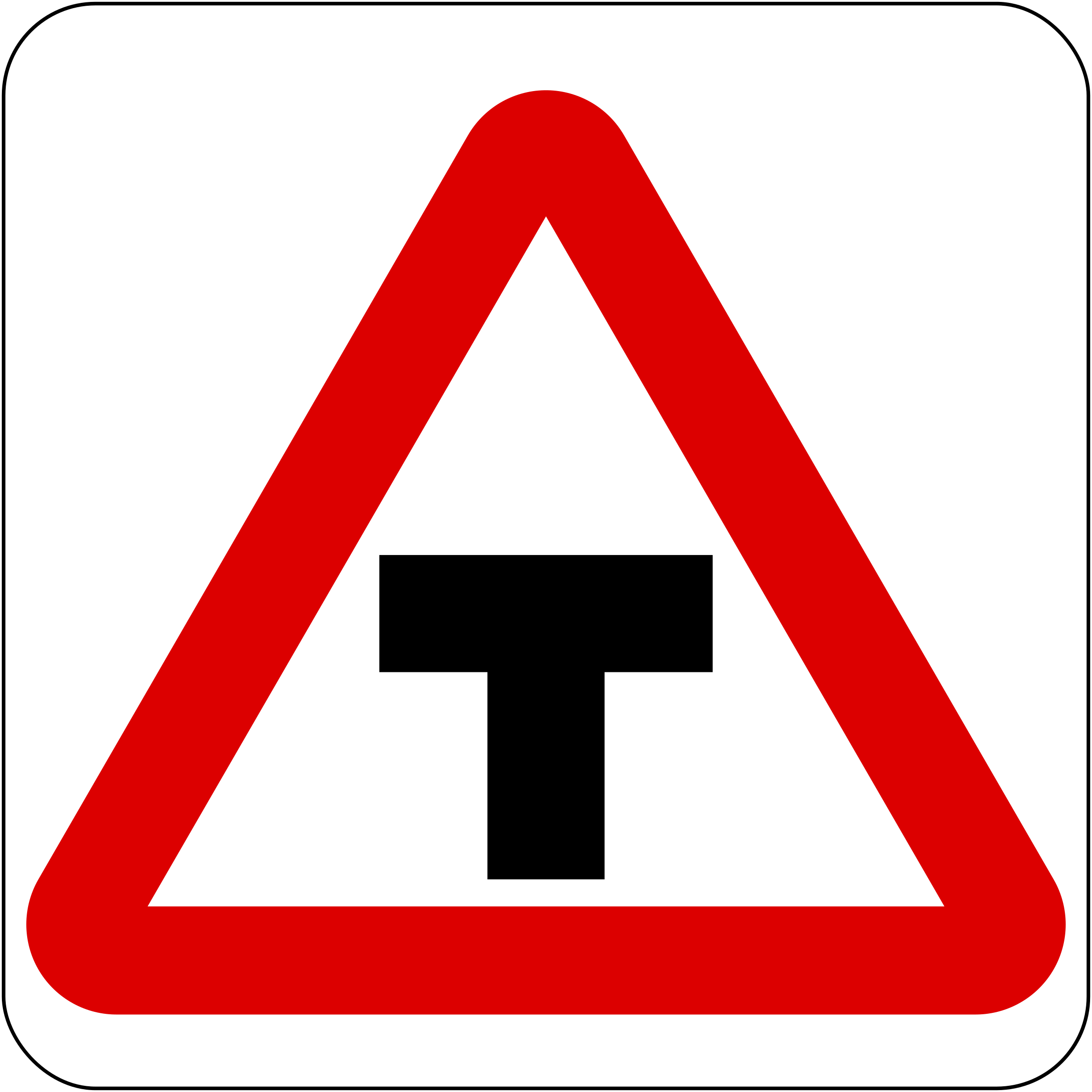
T-junction ahead A T-junction is ahead. Slow down; you will have to turn.
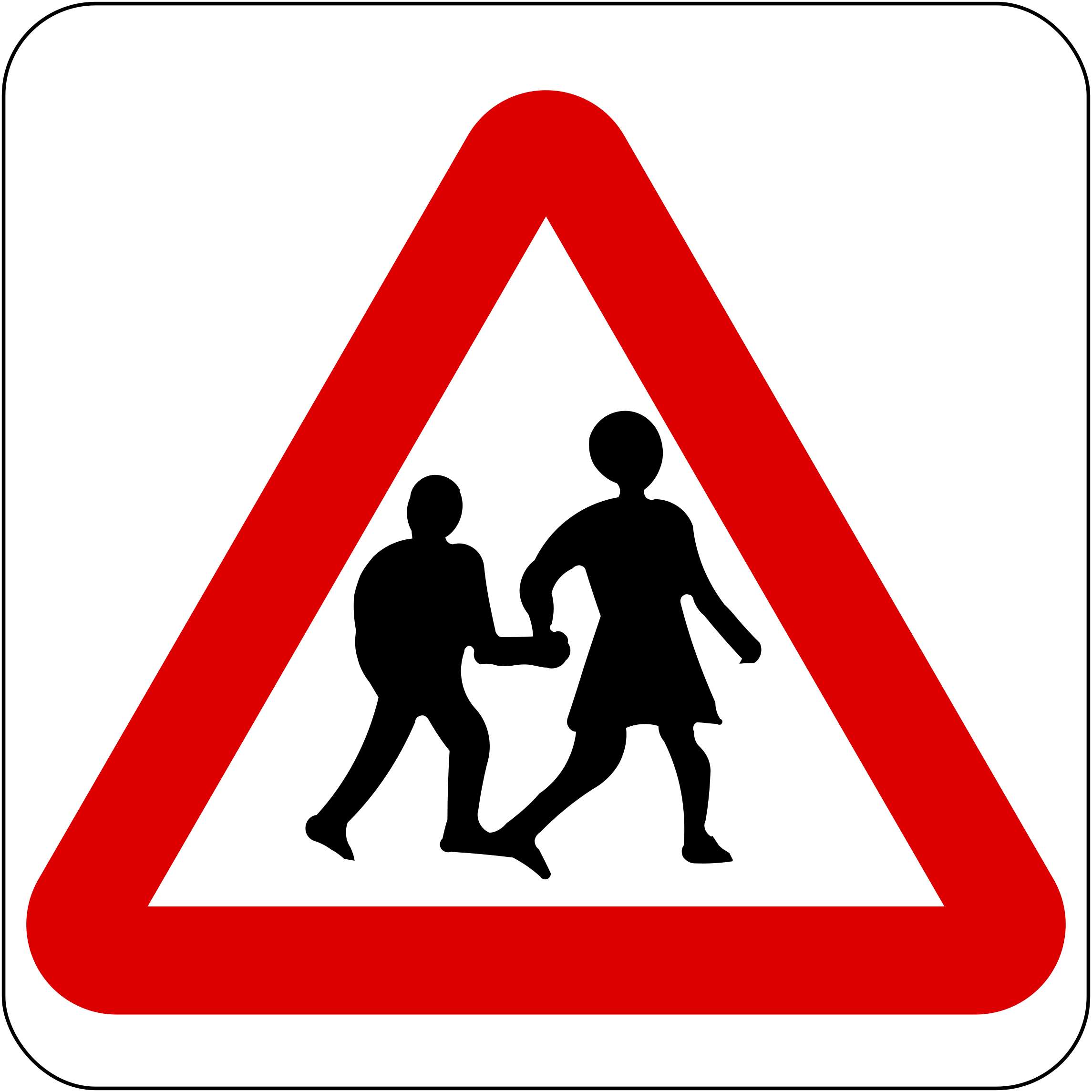
Children Children may be near the road. Slow down and watch for children.
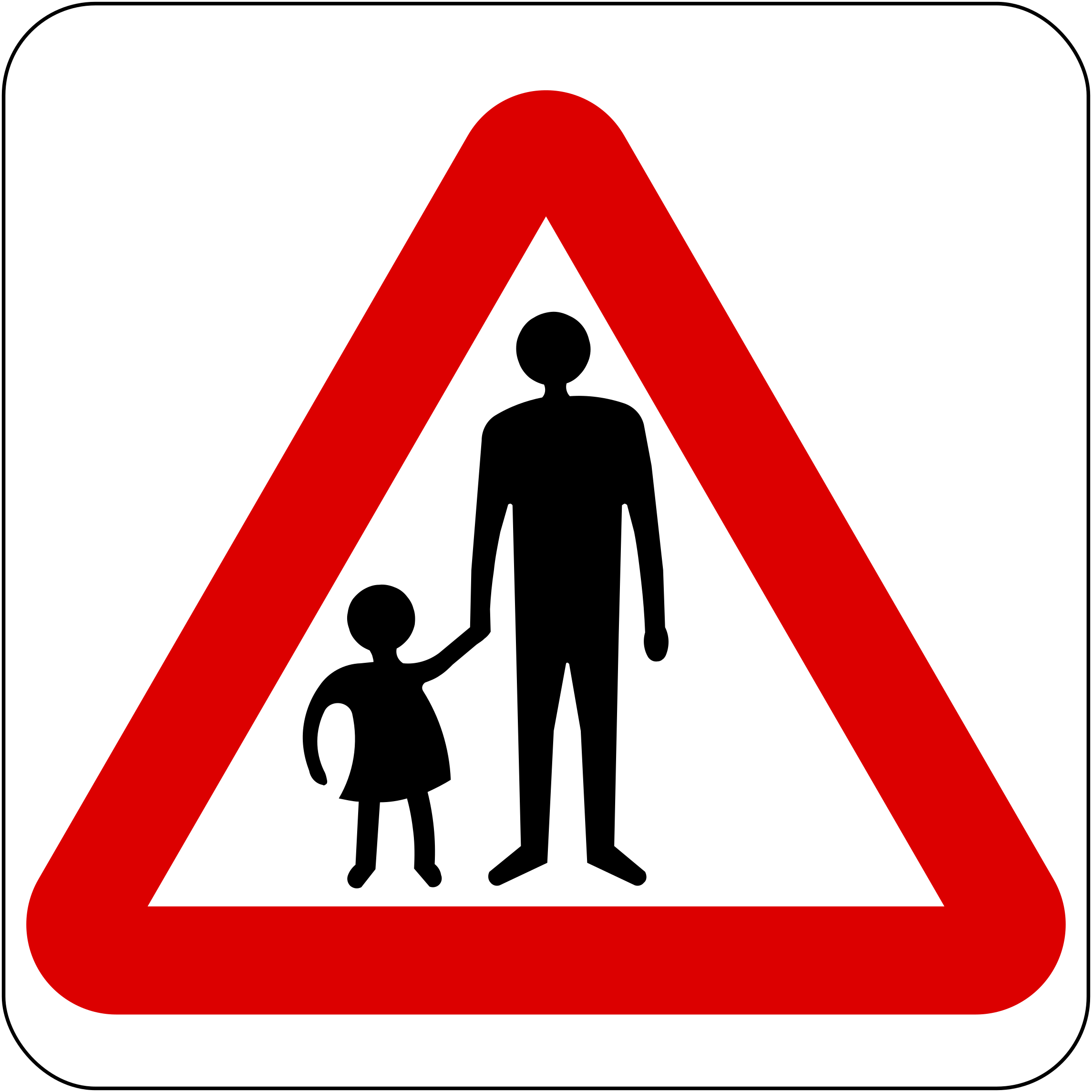
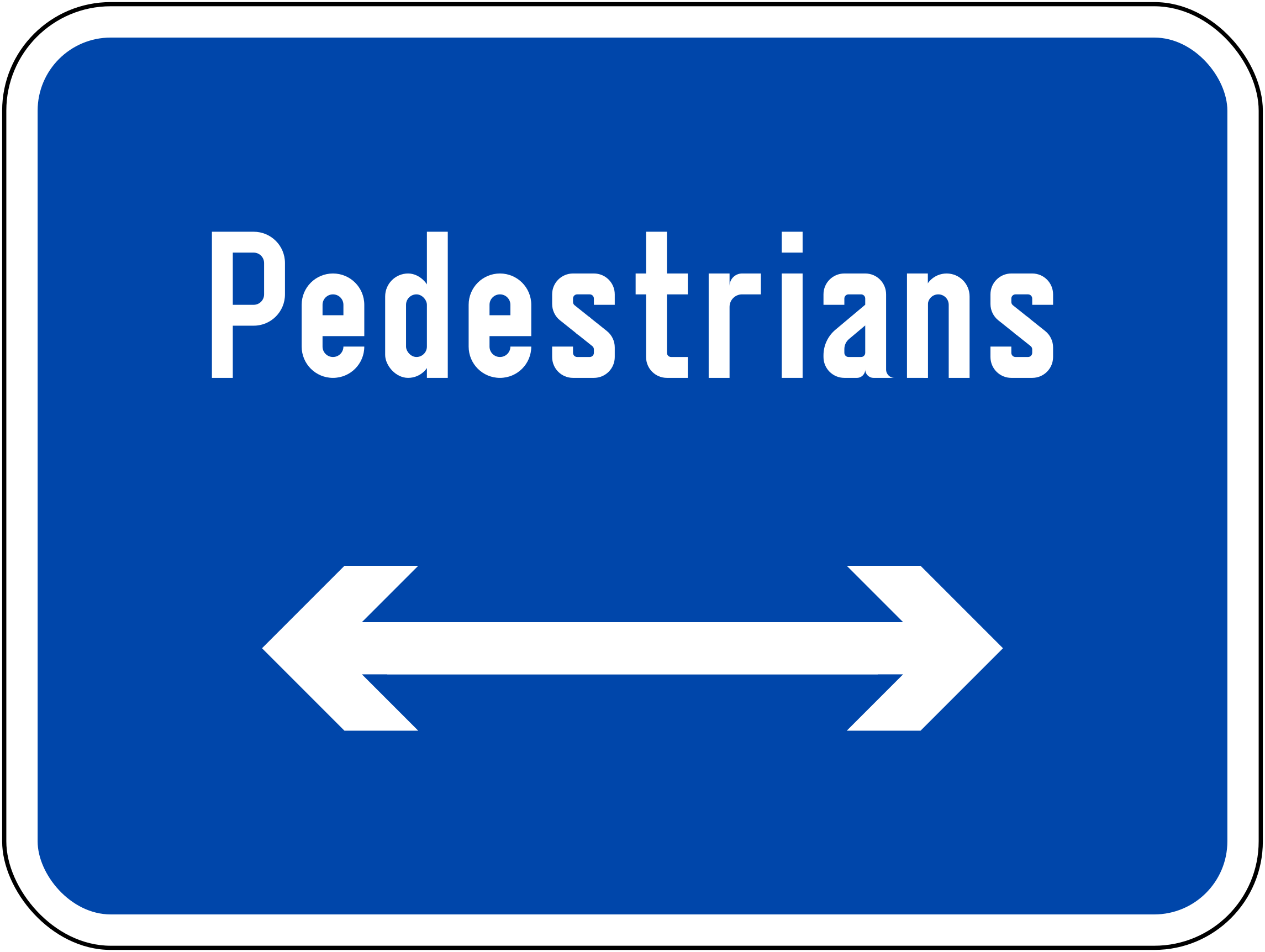
Pedestrians Pedestrians may be on the road ahead. Slow down and be ready to stop.
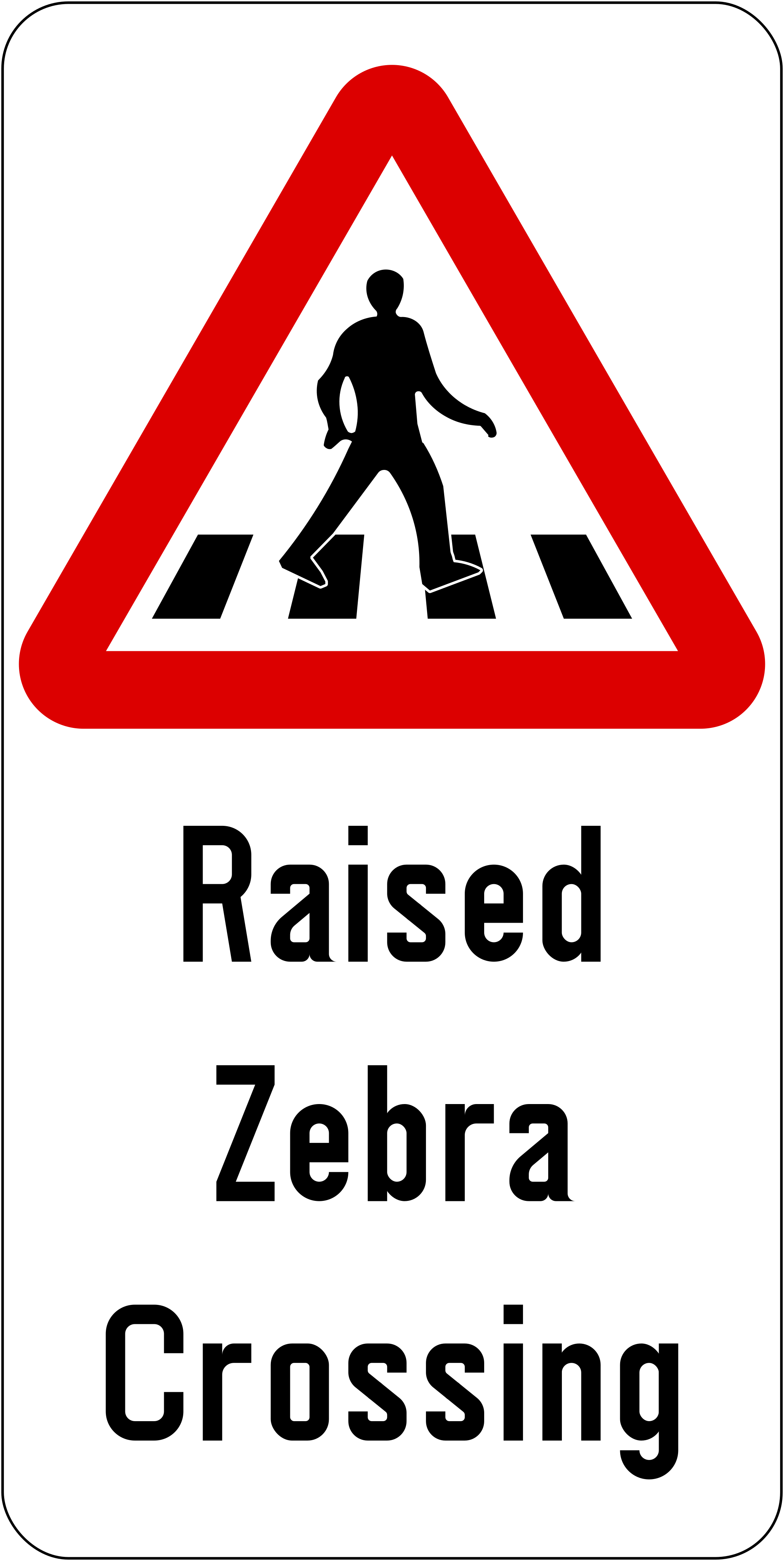
Raised zebra crossing ahead A raised zebra crossing is ahead. Slow down and give way to pedestrians.
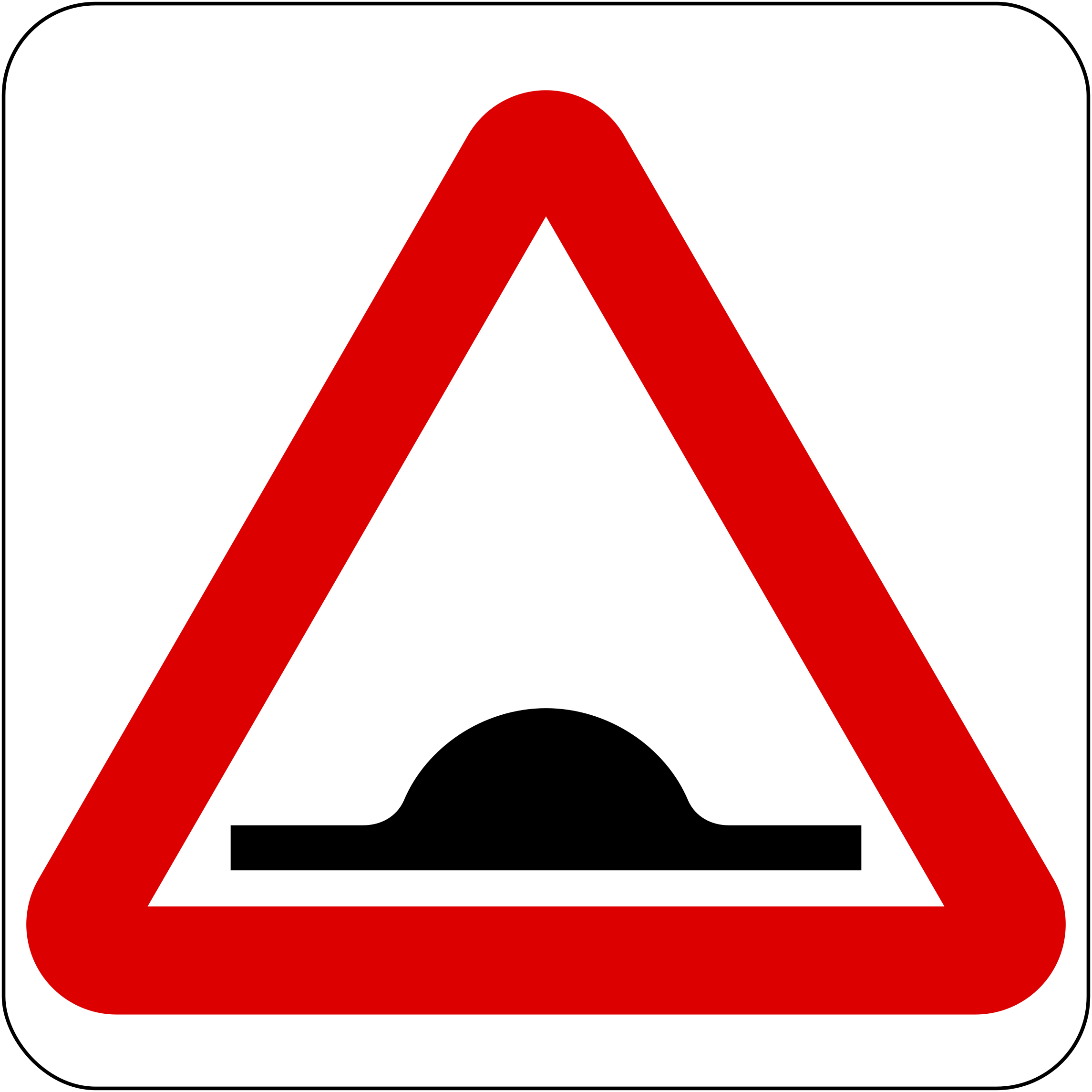
Hump ahead A road hump is ahead. Slow down.
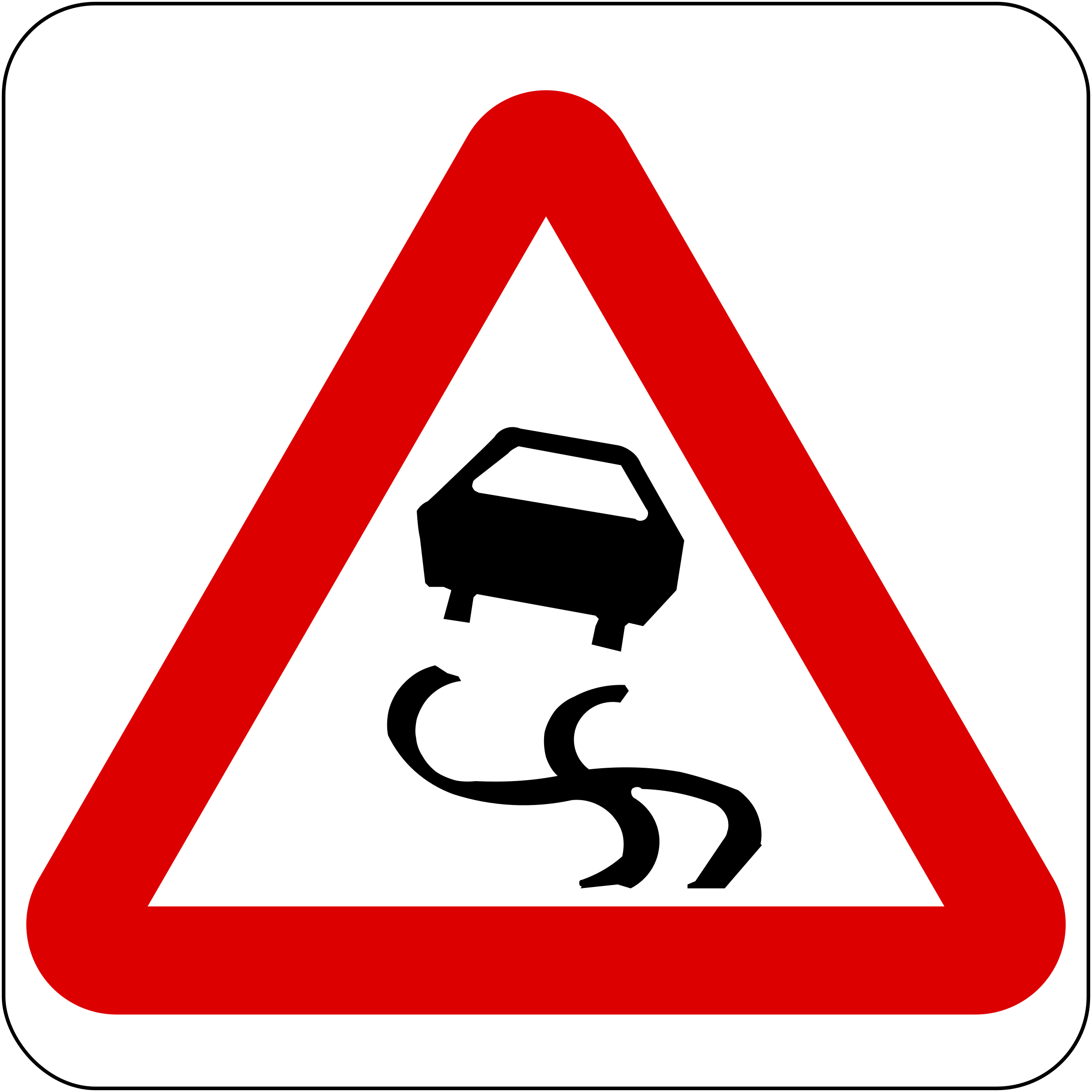
Slippery road The road surface may be slippery. Slow down and avoid sudden braking.
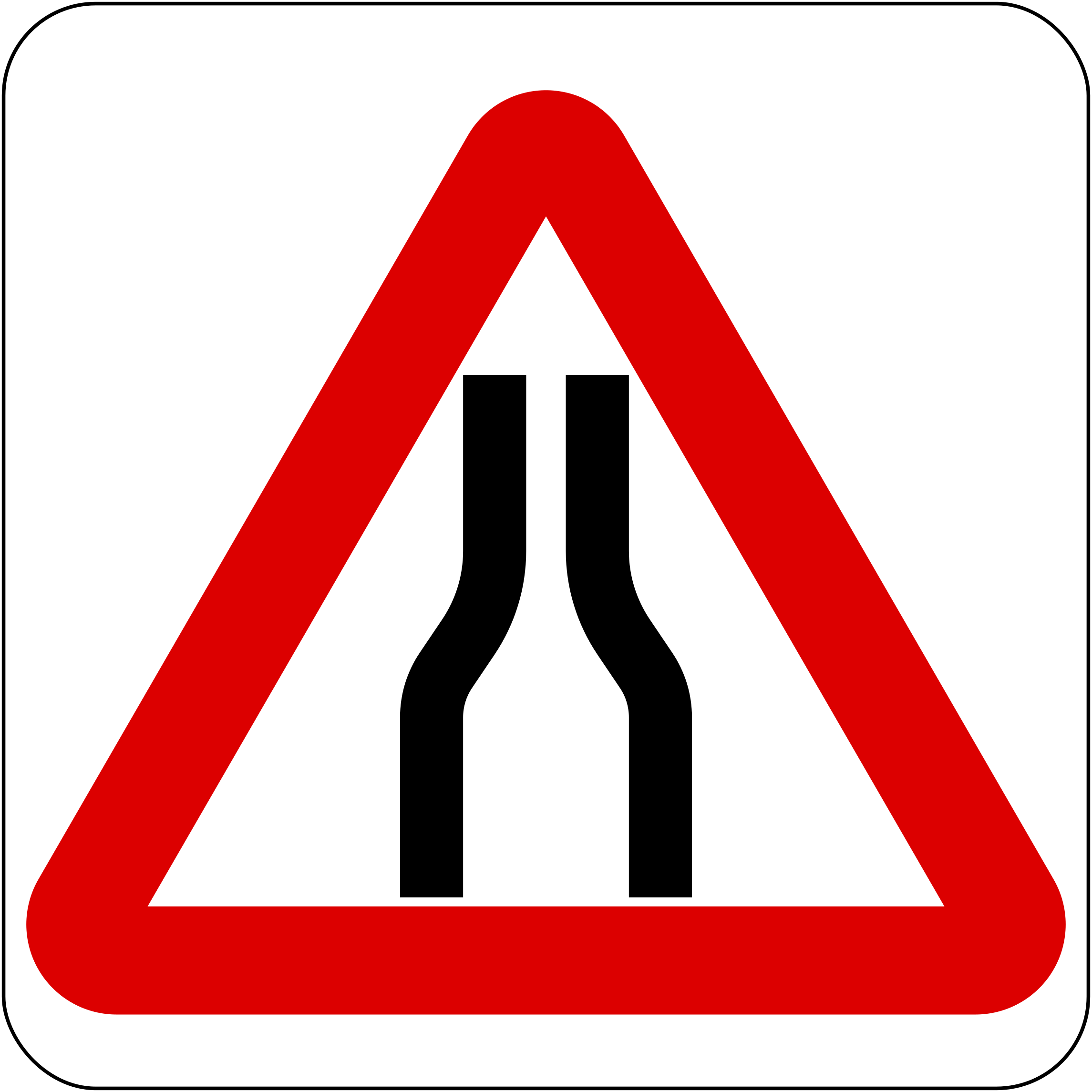
Road narrows on both sides The road gets narrower ahead. Slow down.
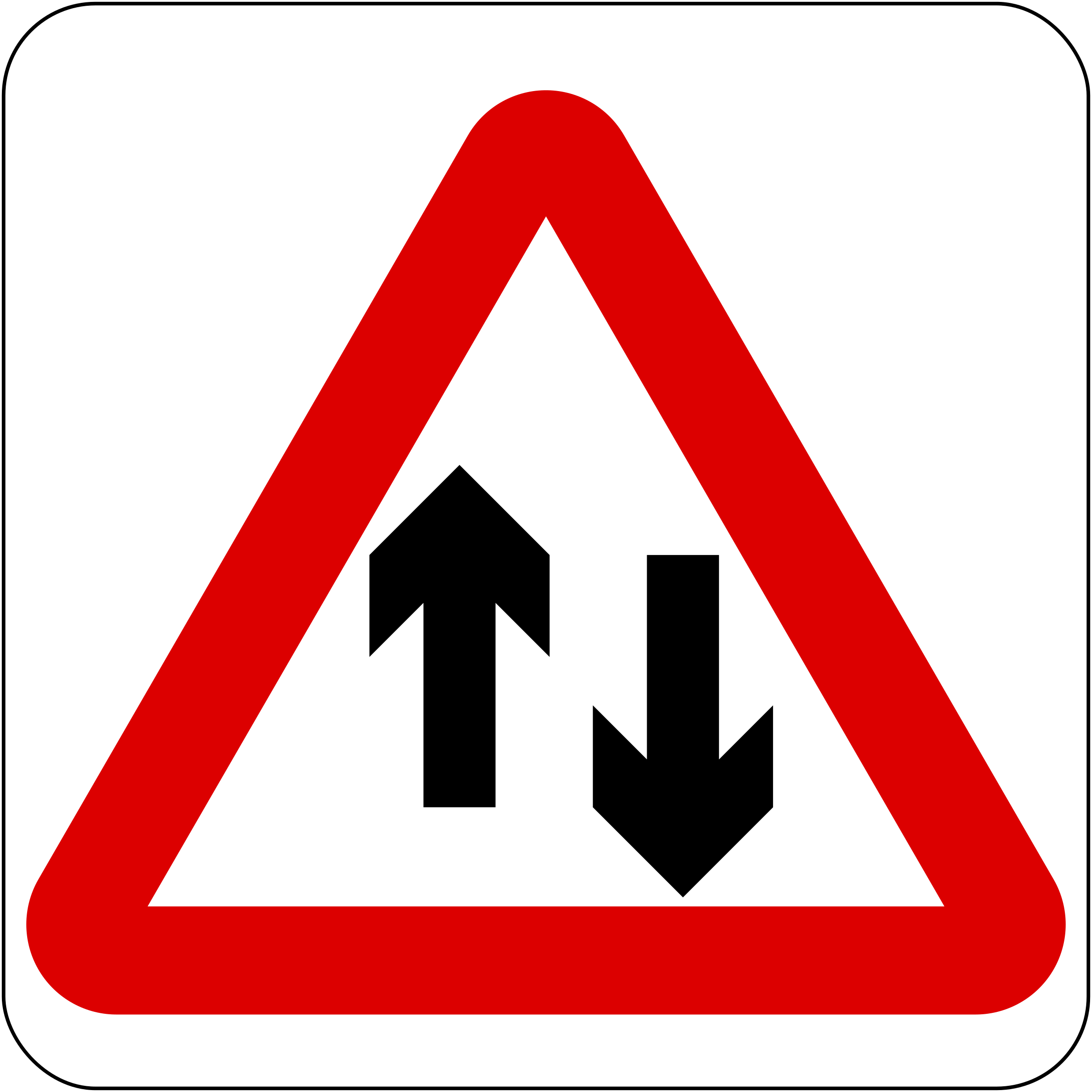
Two-way traffic Two-way traffic ahead. Keep left; traffic comes towards you.
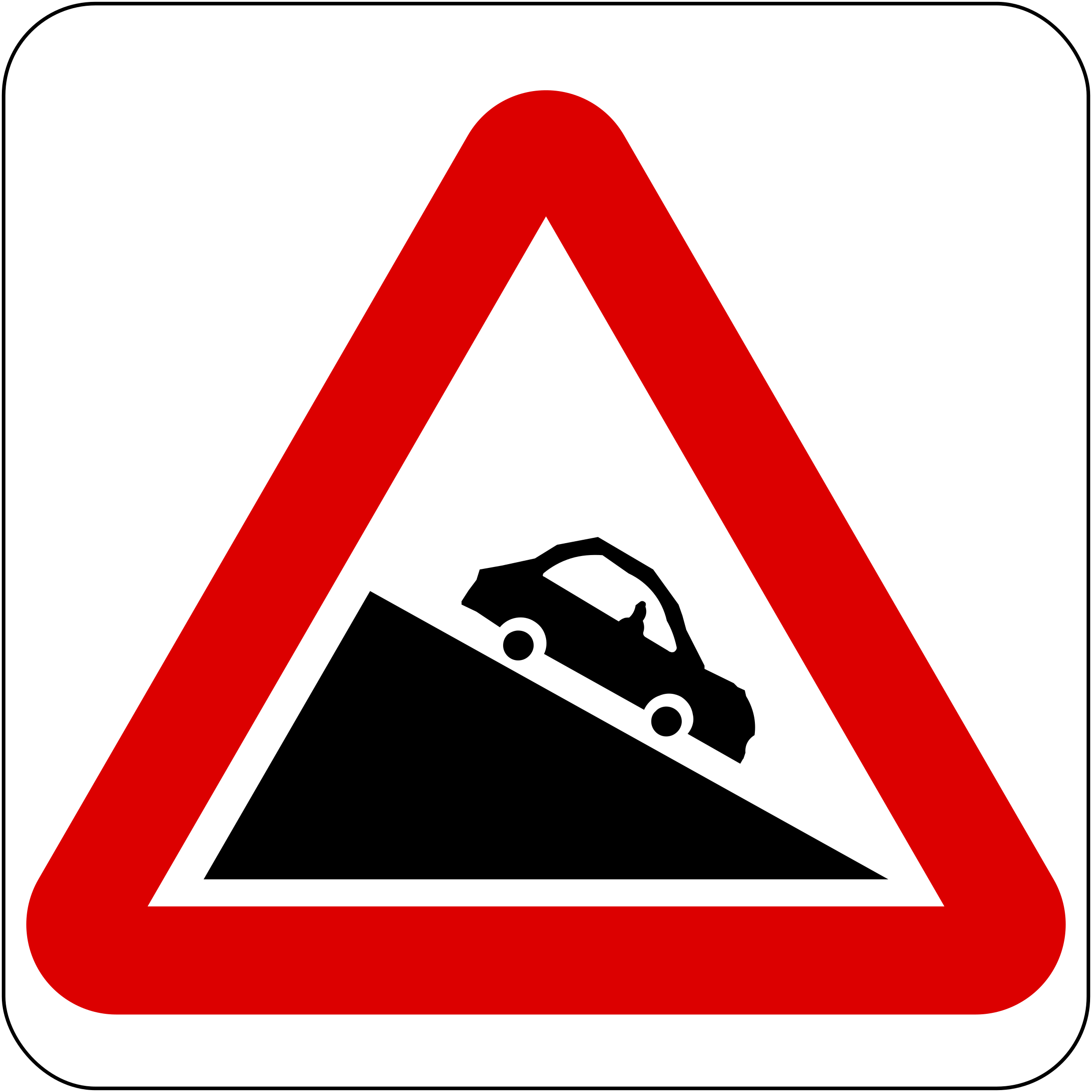
Steep descent A steep hill downwards is ahead. Use a lower gear.
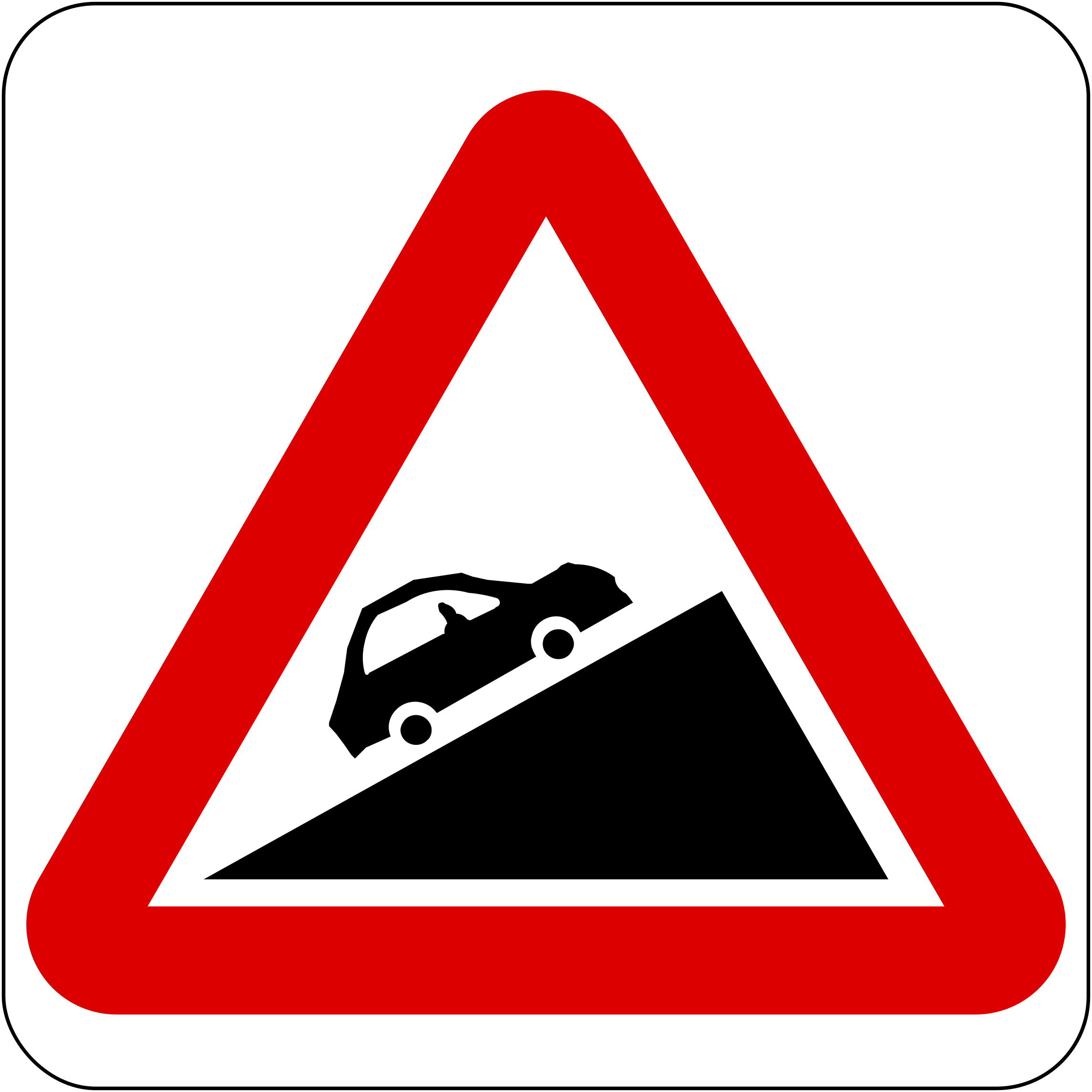
Steep ascent A steep hill upwards is ahead. Change down in good time.
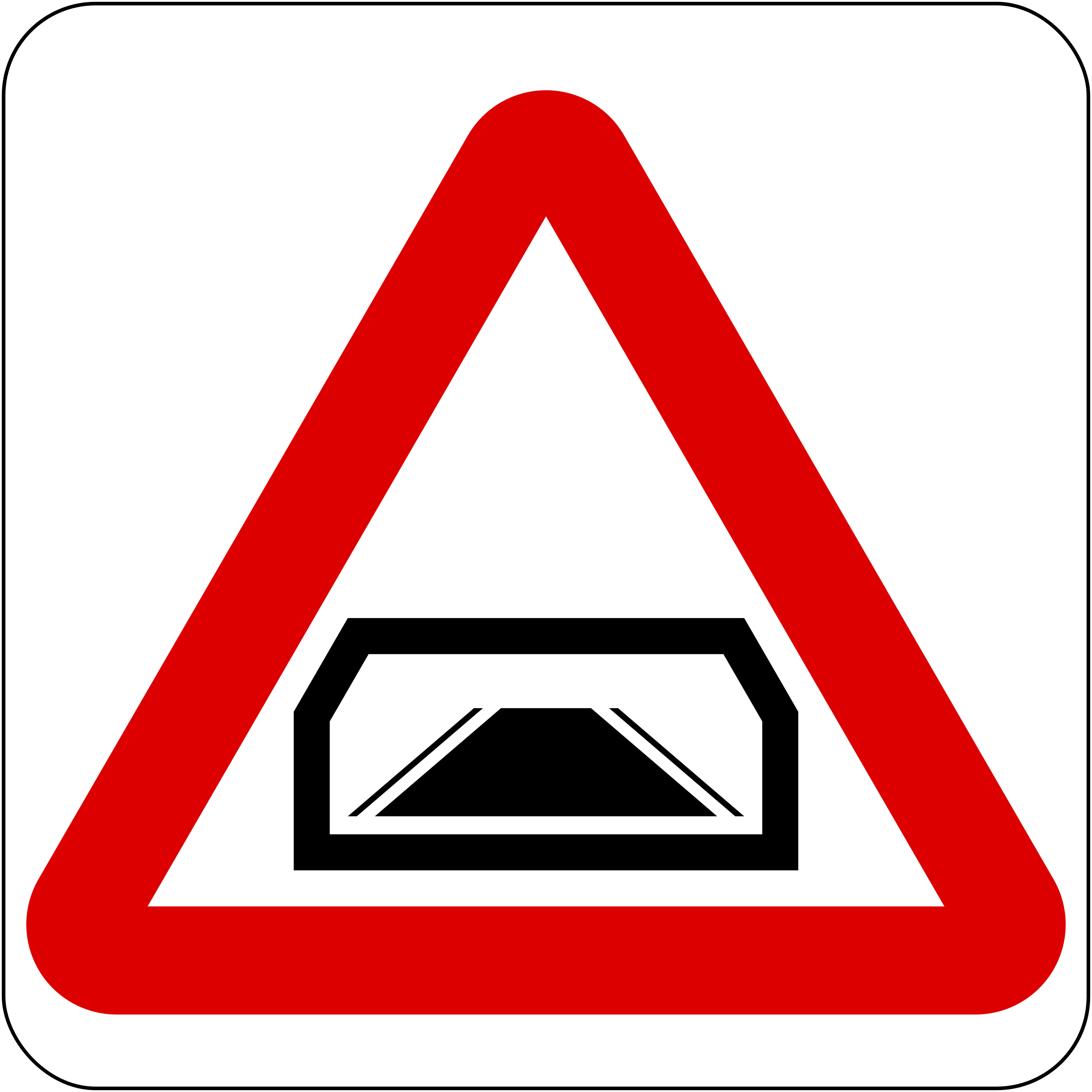
Tunnel ahead A tunnel is ahead. Switch on headlights; do not change lanes inside the tunnel.
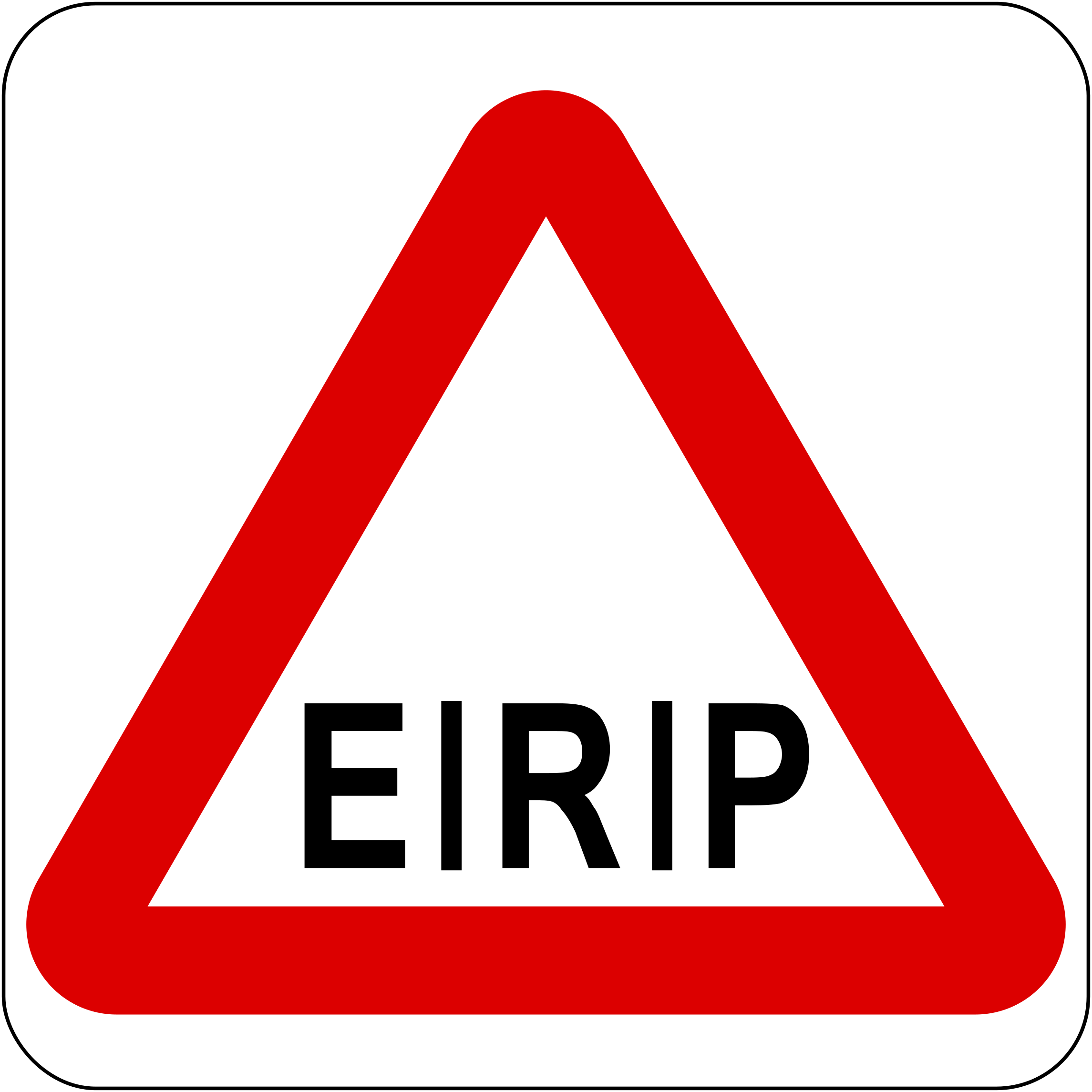
ERP zone ahead An Electronic Road Pricing (ERP) zone is ahead. Charges are deducted automatically at the gantry during operating hours.
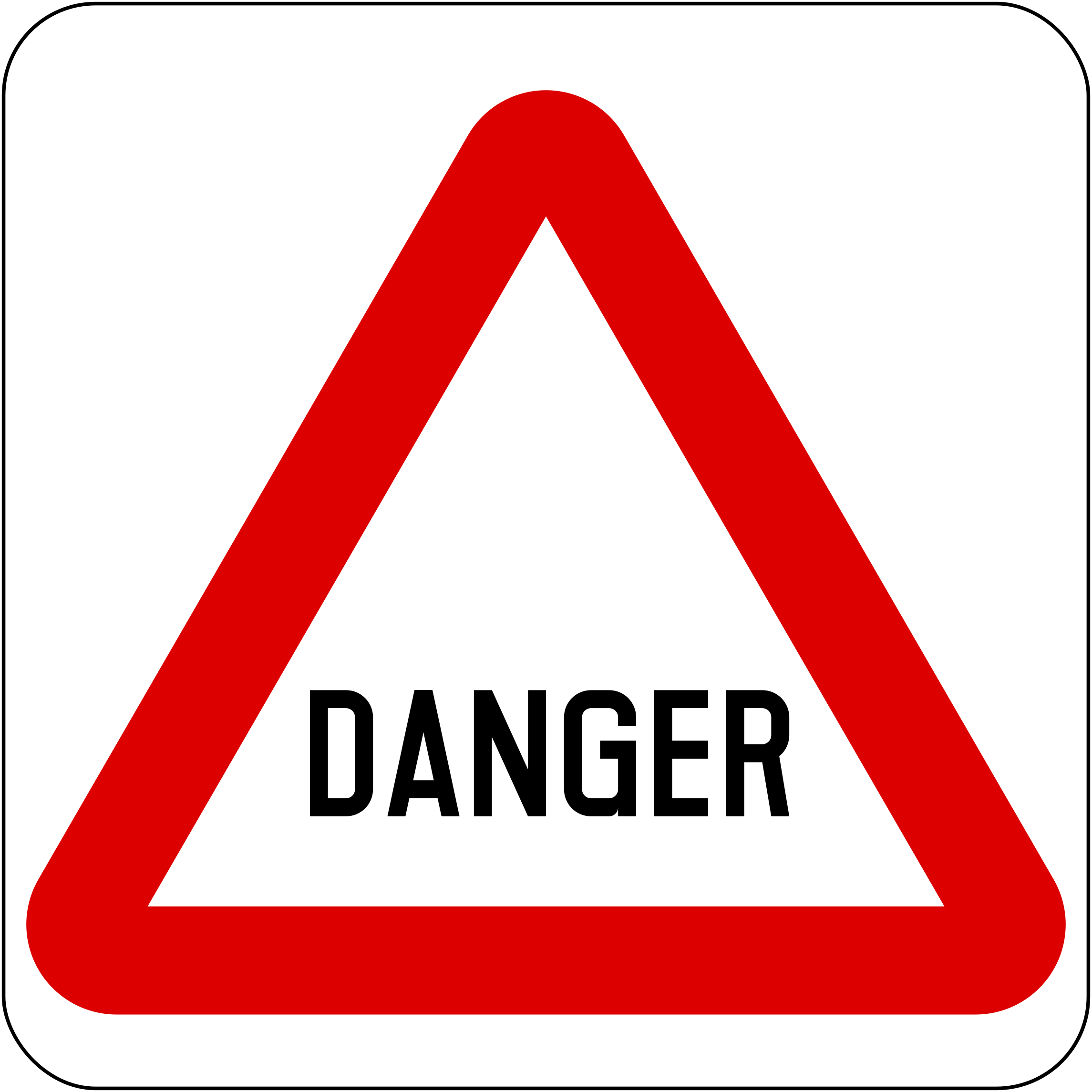
Danger ahead A hazard is ahead. Slow down and look for the danger.
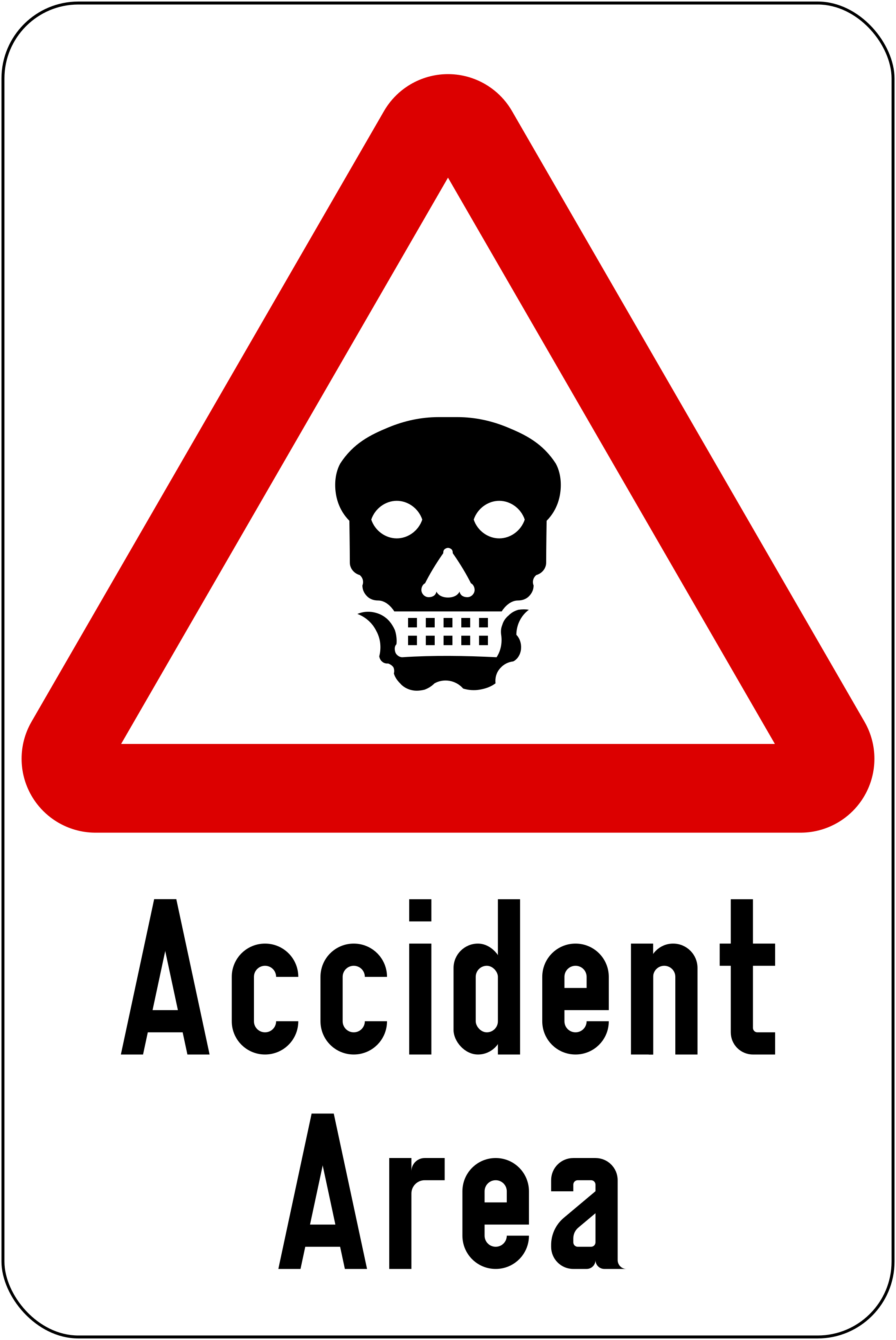
Accident area Accidents often happen on this stretch of road. Slow down and drive with extra care.
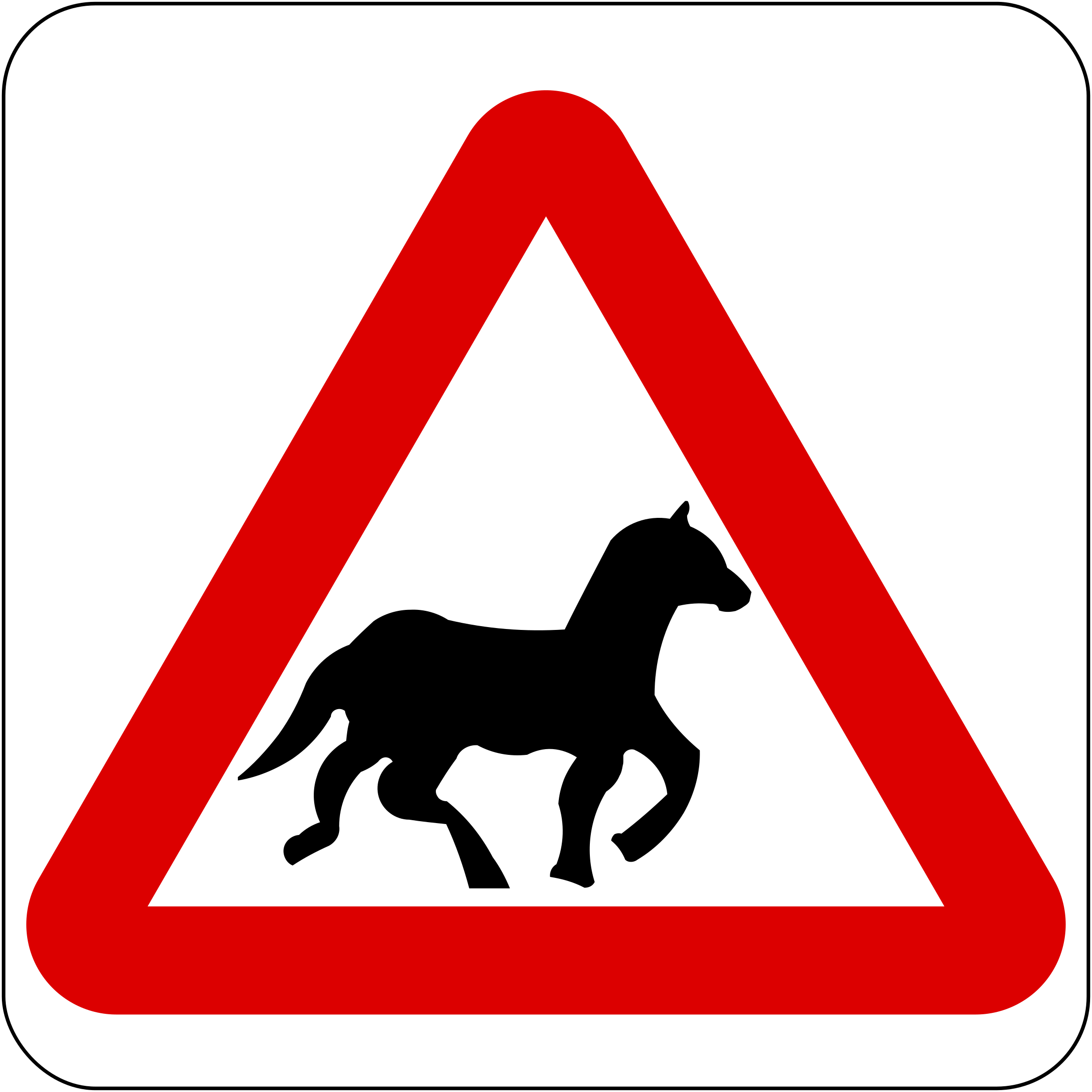
Animals Animals may be on the road ahead. Slow down and give them plenty of room.
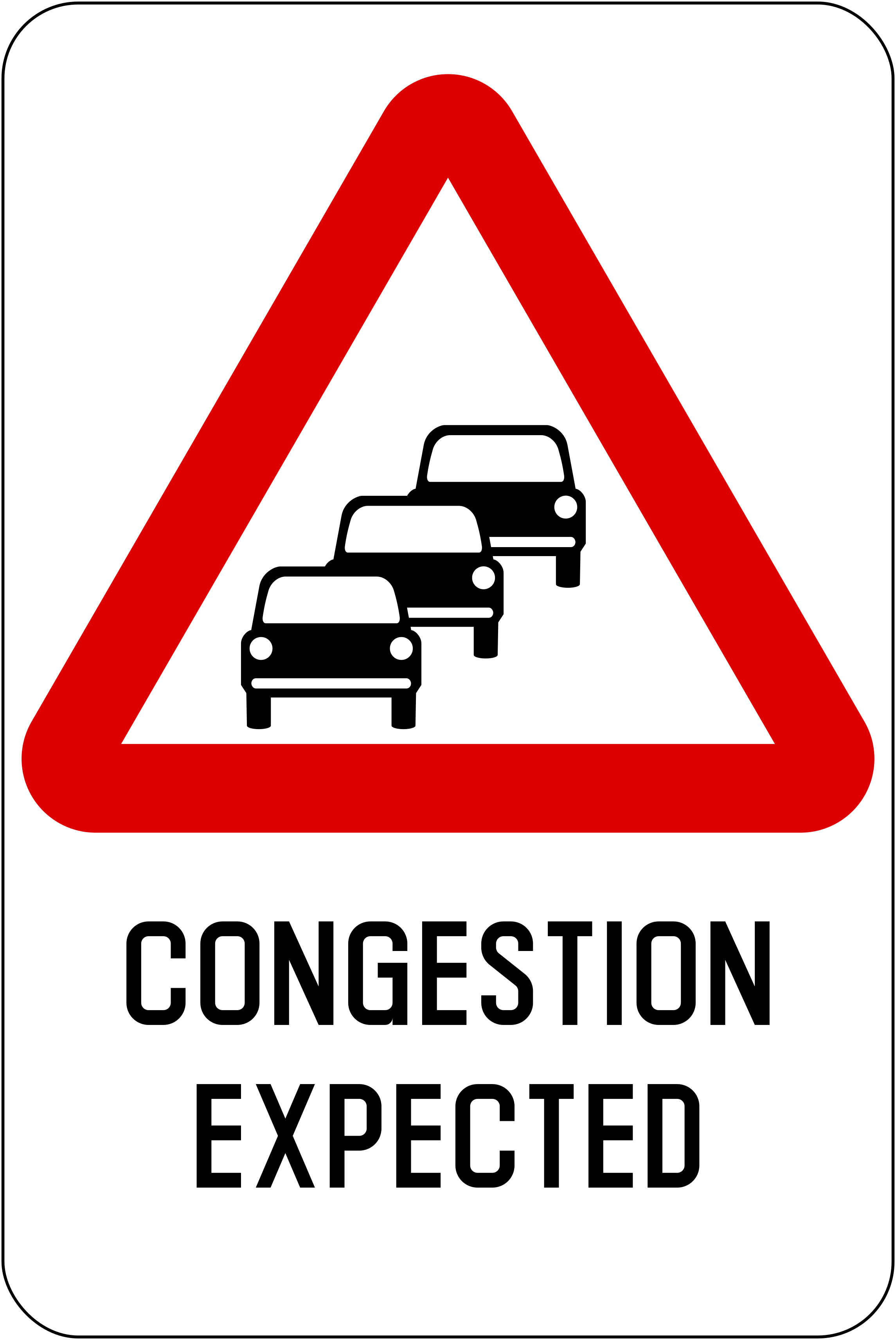
Congestion expected Traffic congestion is expected ahead. Slow down and be ready to stop.
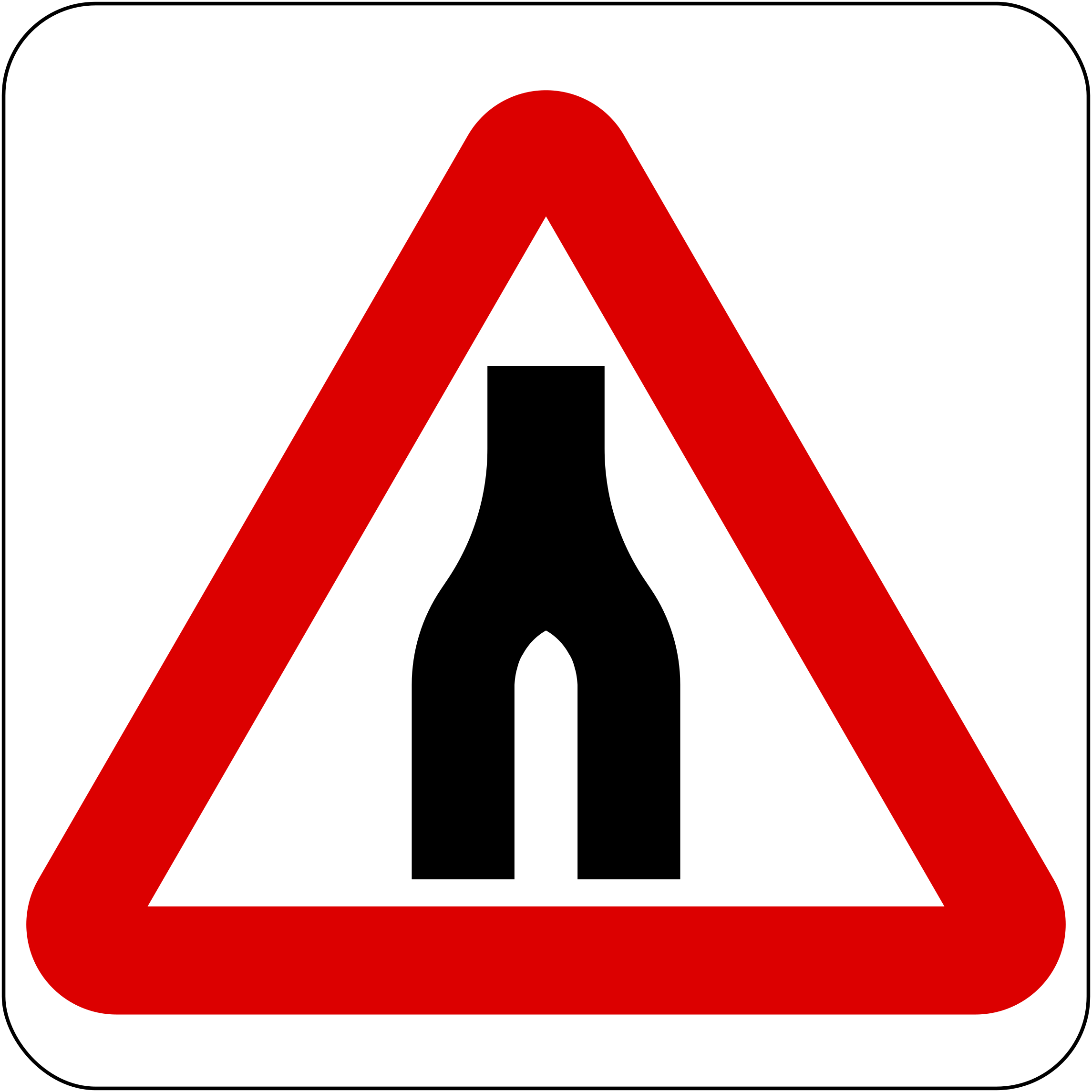
Dual carriageway ends The dual carriageway ends; two-way traffic ahead. Keep left; oncoming traffic will not be separated.
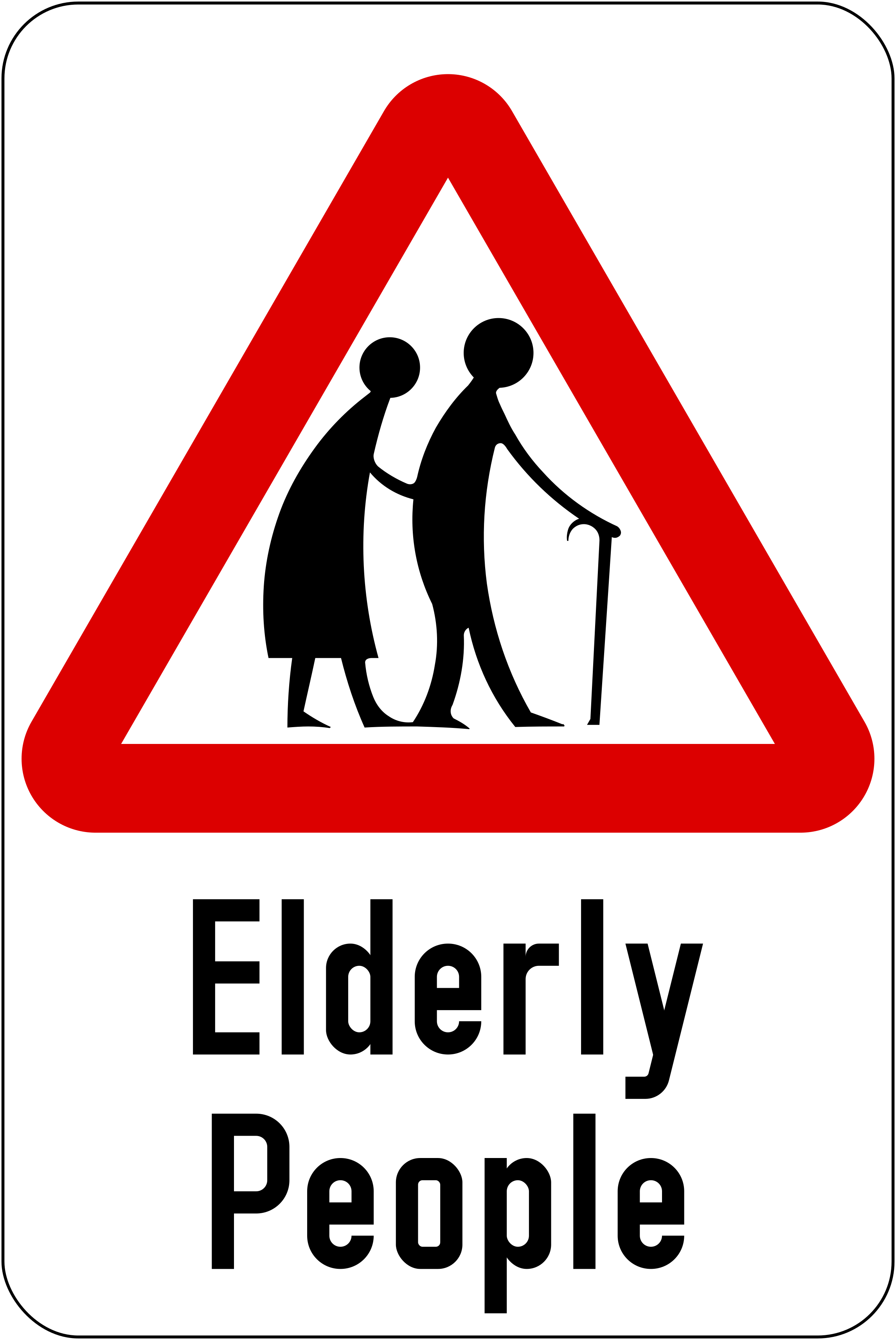
Elderly people Elderly people may be crossing ahead. Slow down and give them time to cross.
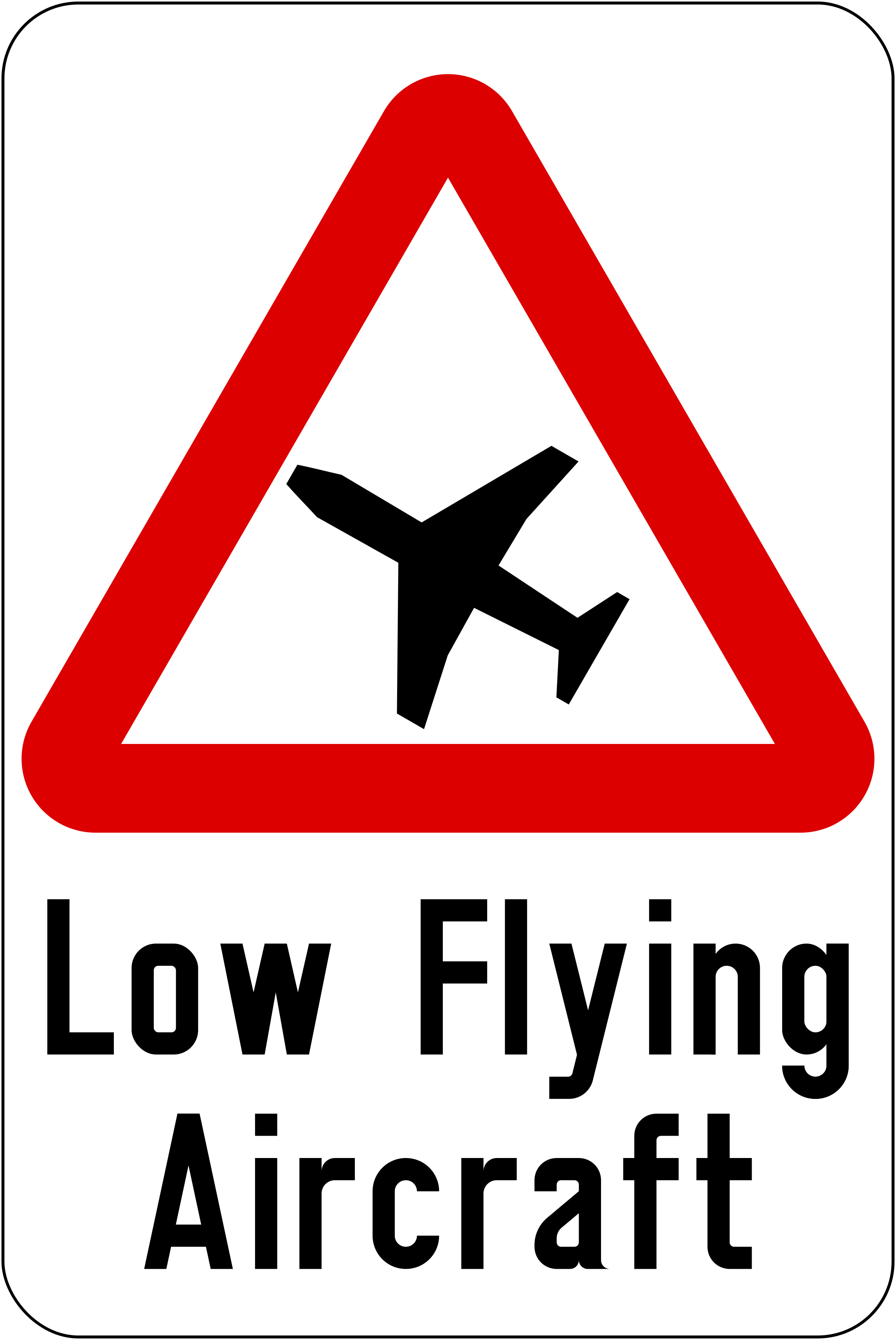
Low flying aircraft Low-flying aircraft or sudden noise ahead. Do not be startled; keep your attention on the road.
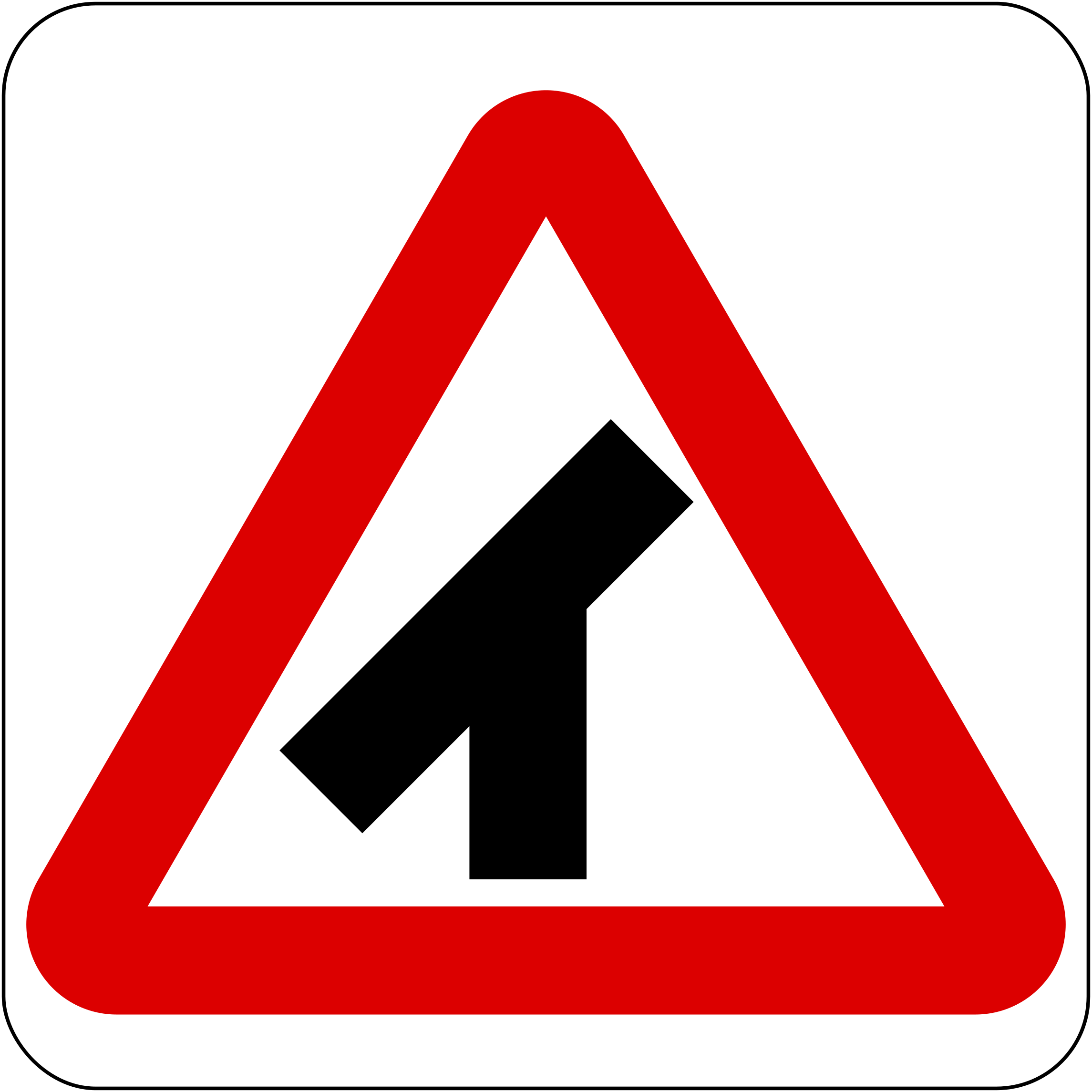
Merging into traffic on the left Your lane merges into traffic on the left ahead. Signal and merge when there is a safe gap.
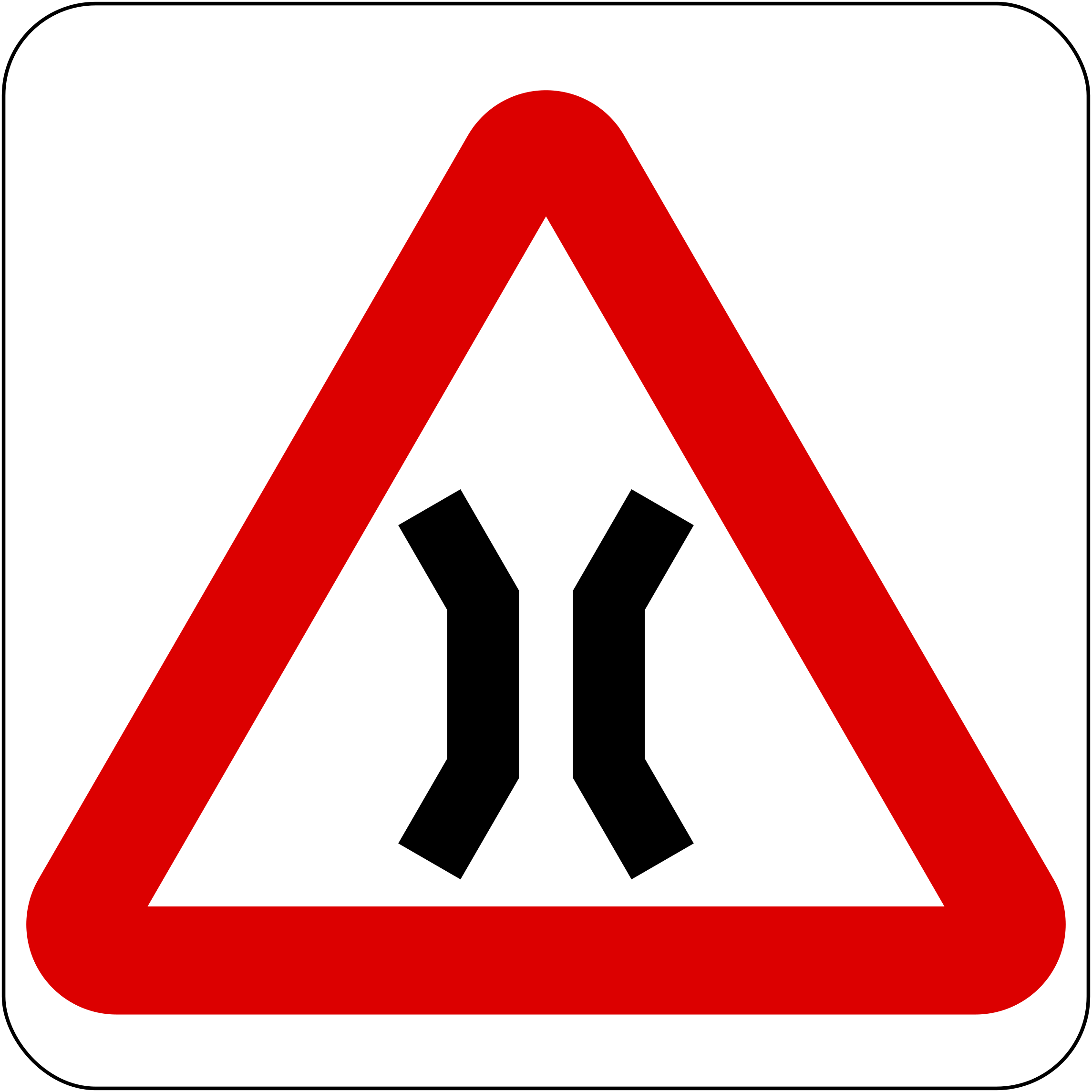
Narrow bridge A narrow bridge is ahead. Slow down and give way to oncoming traffic if needed.
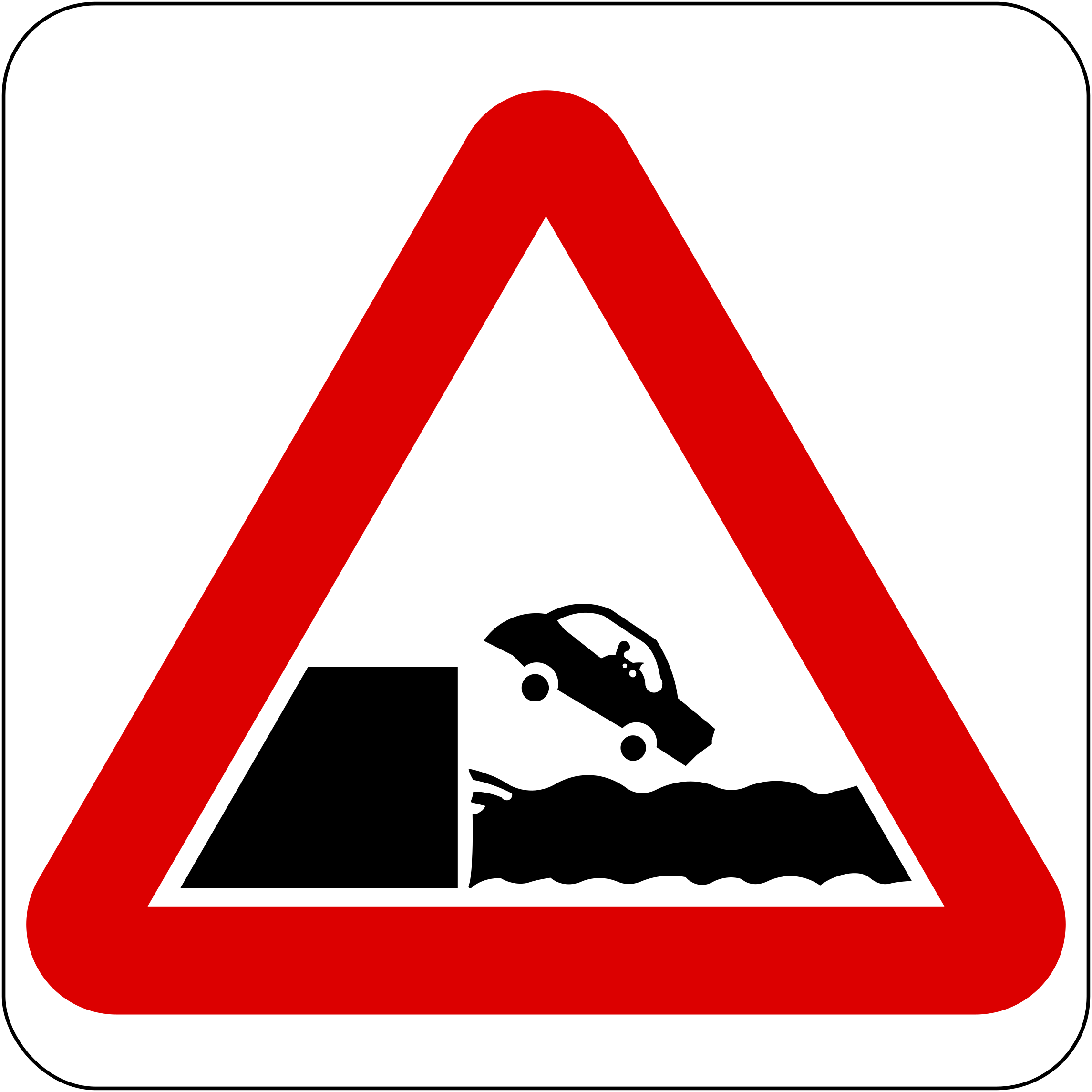
Quayside or river bank The road runs beside a quay or river bank. Take care, especially at night.
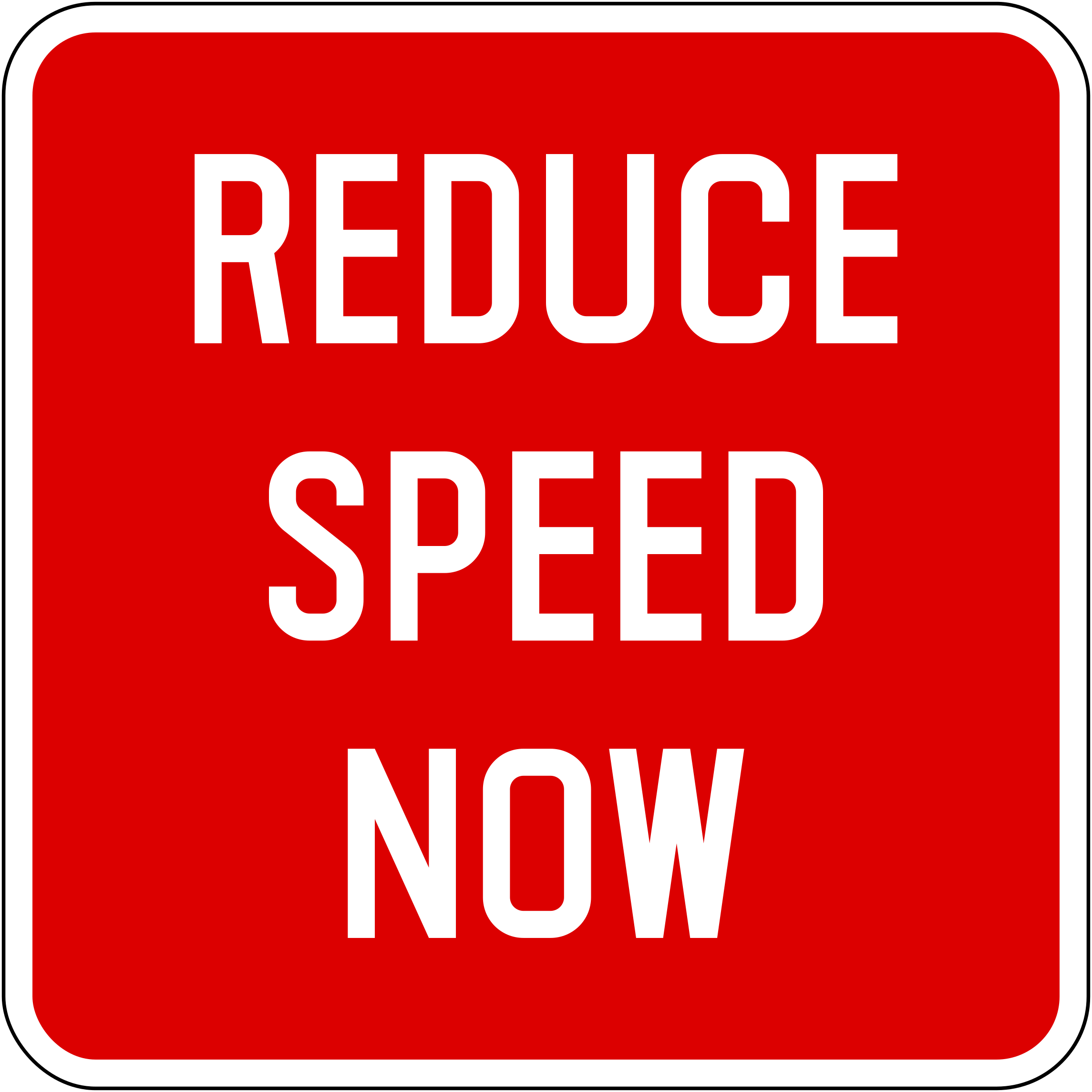
Reduce speed now Reduce your speed now. Always obey the 'Reduce Speed Now' sign.
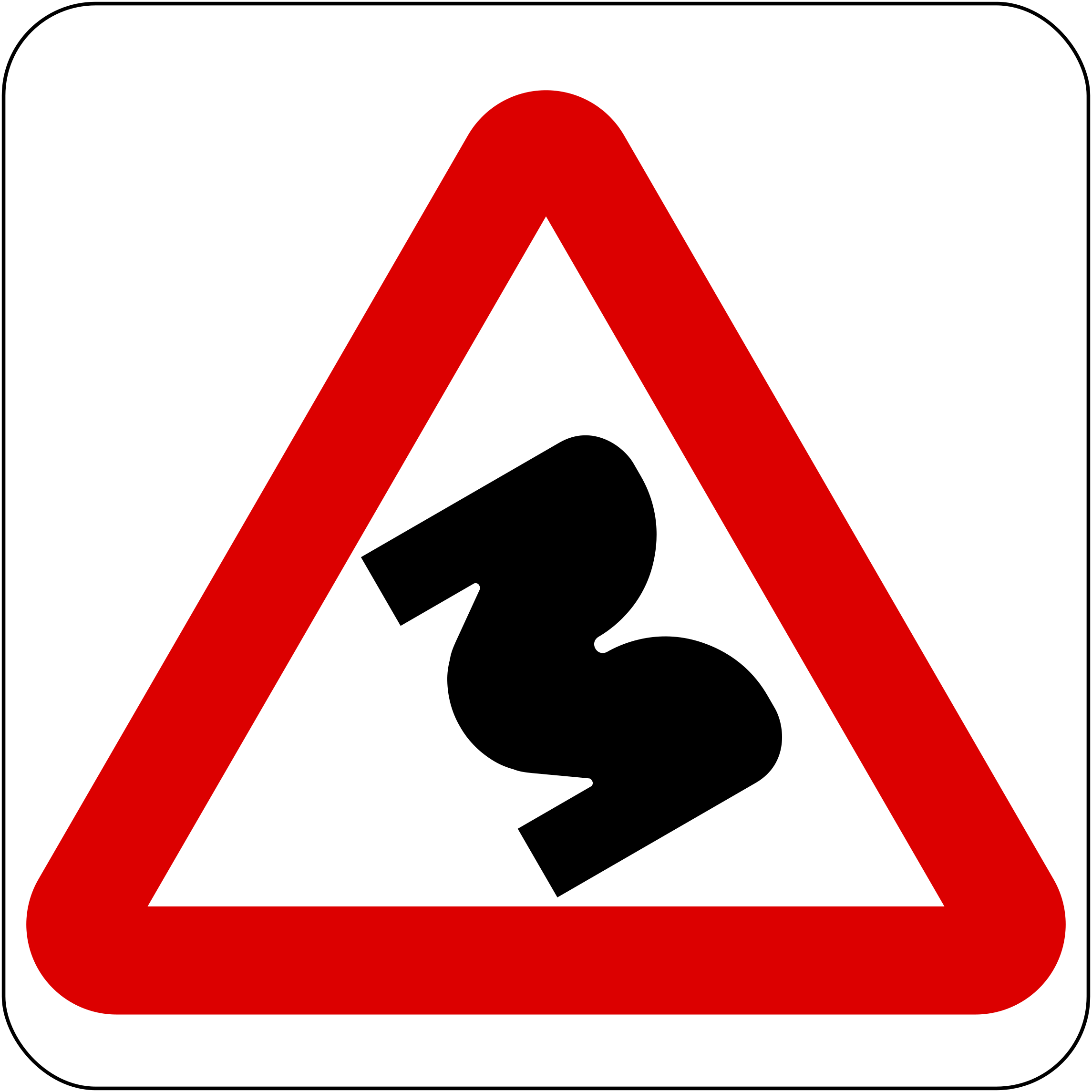
Series of bends A series of bends is ahead. Slow down; the first bend is in the direction shown.
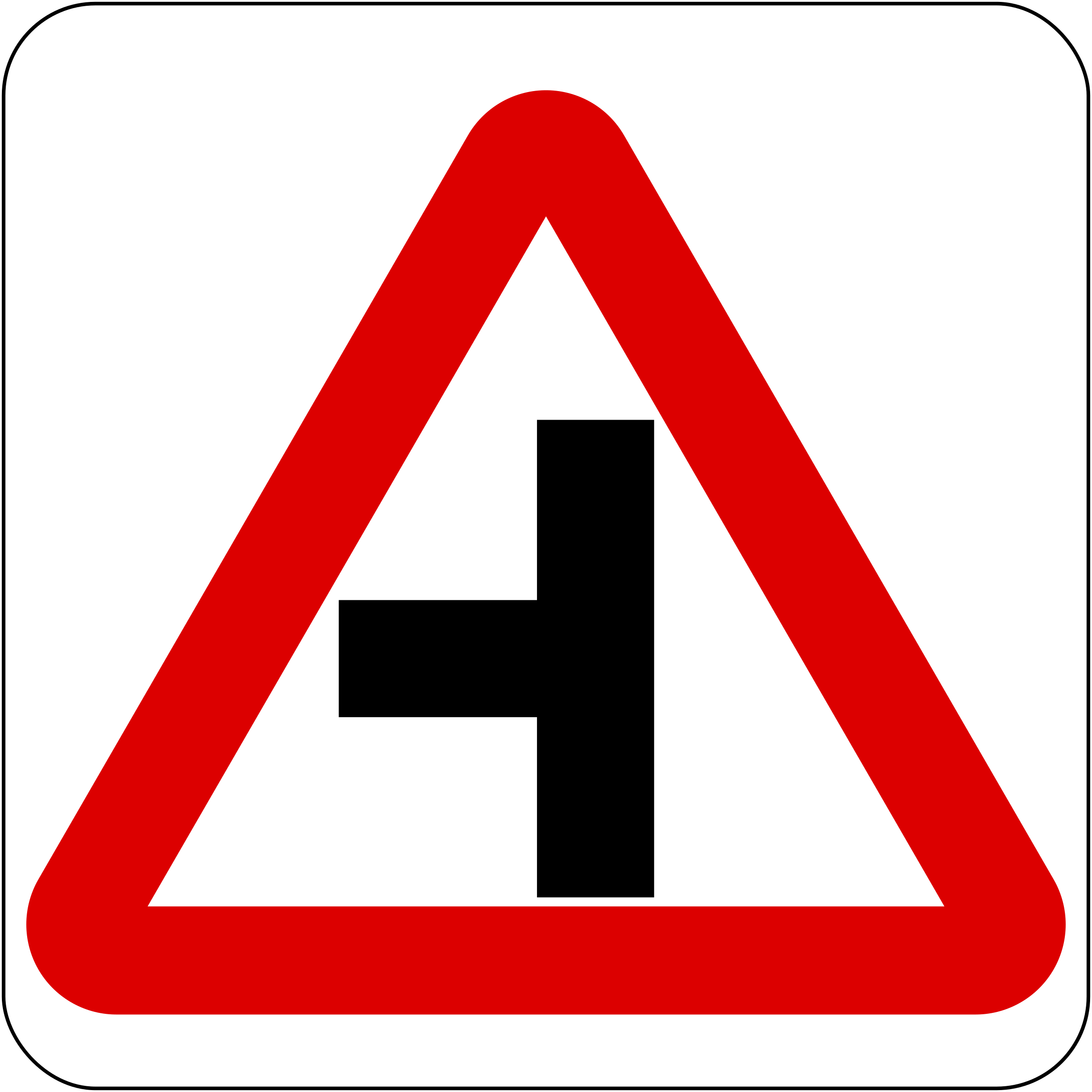
Side road junction on the left A side road joins from the left ahead. Watch for vehicles coming out.
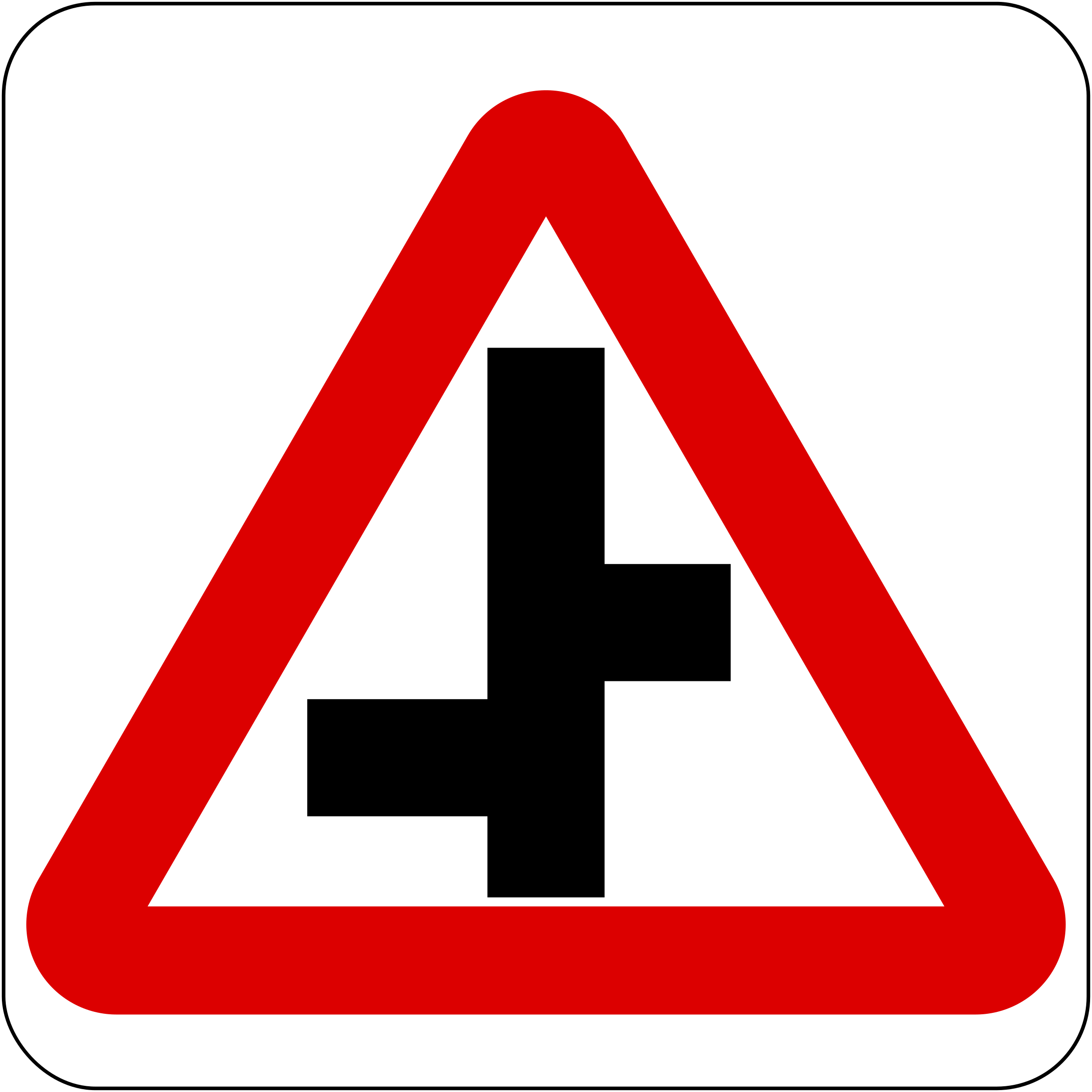
Staggered junction Side roads join from both sides, one after the other. Slow down and watch for traffic from both sides.
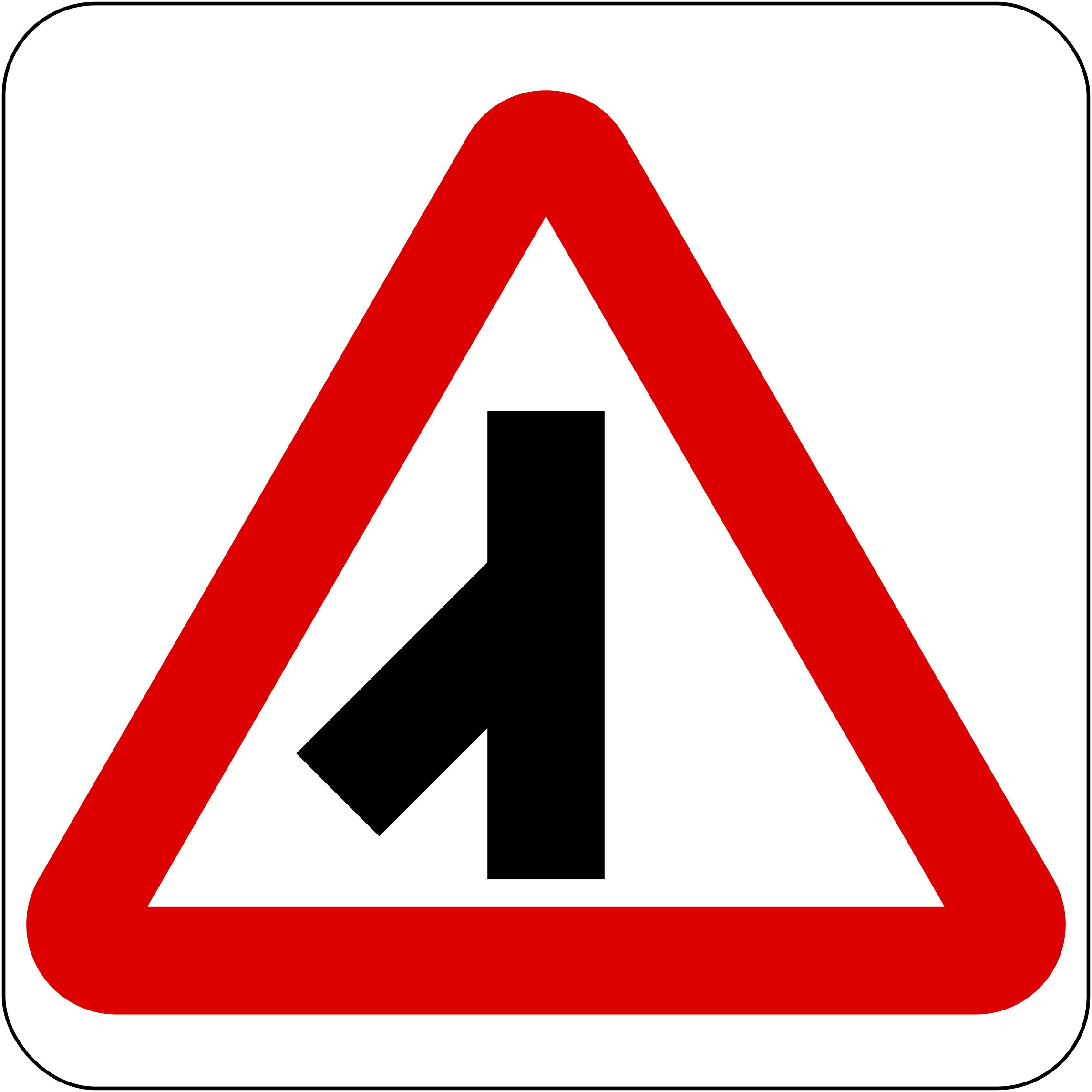
Traffic merging from the left Traffic will join from the left ahead. Be ready to let merging traffic in.
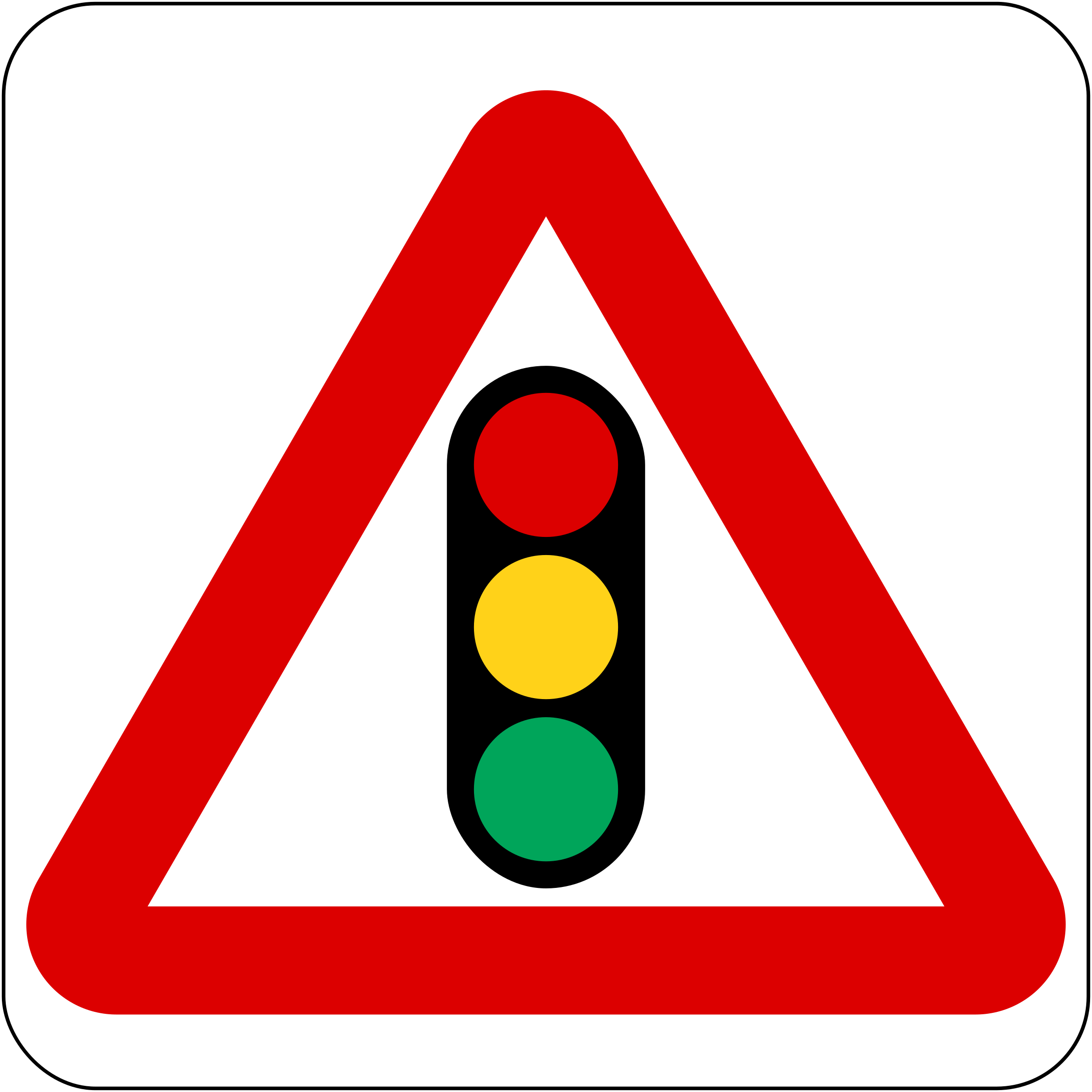
Traffic signals Traffic lights are ahead. Slow down and be prepared to stop.
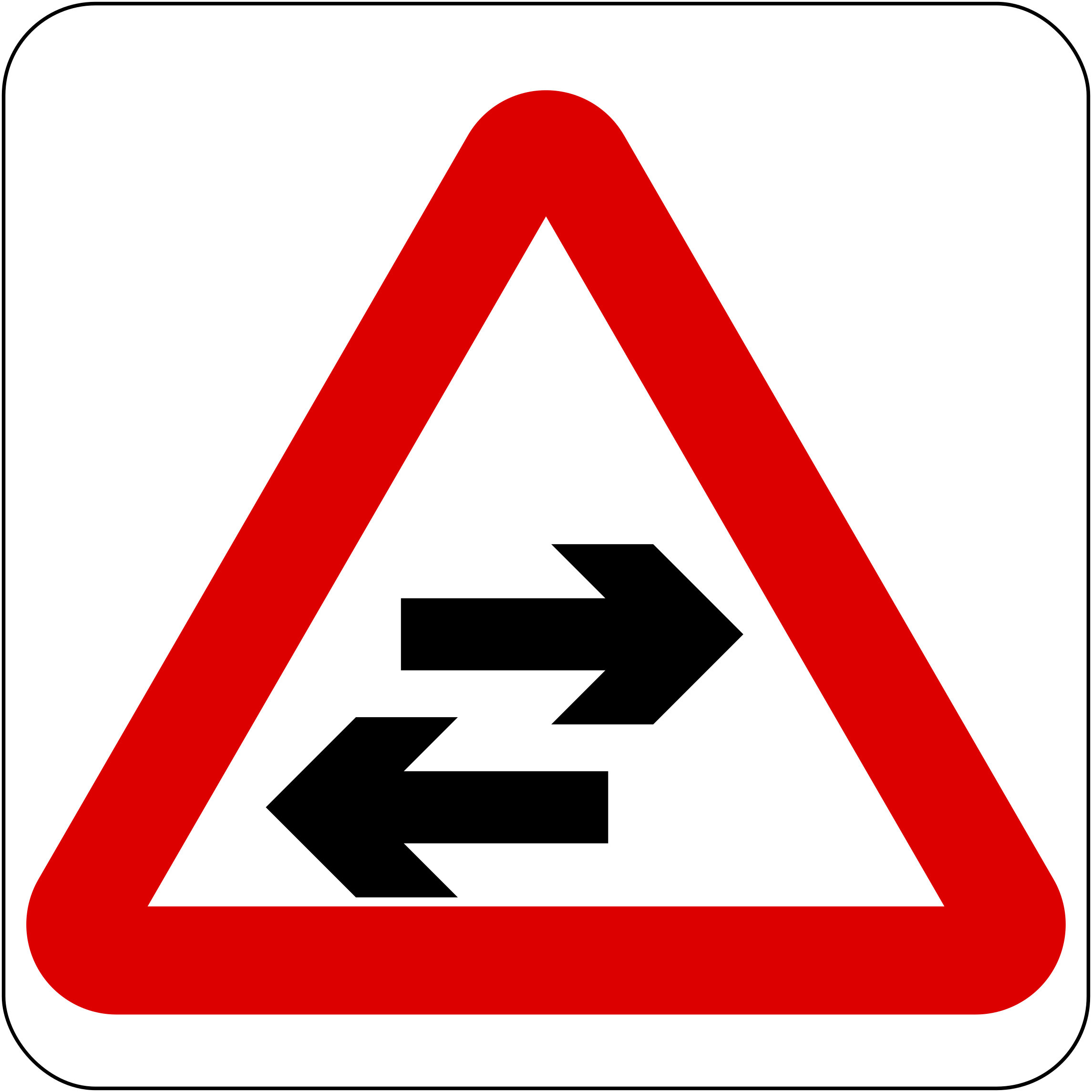
Two way traffic crossing Two-way traffic crosses the road ahead. Look both ways before crossing.
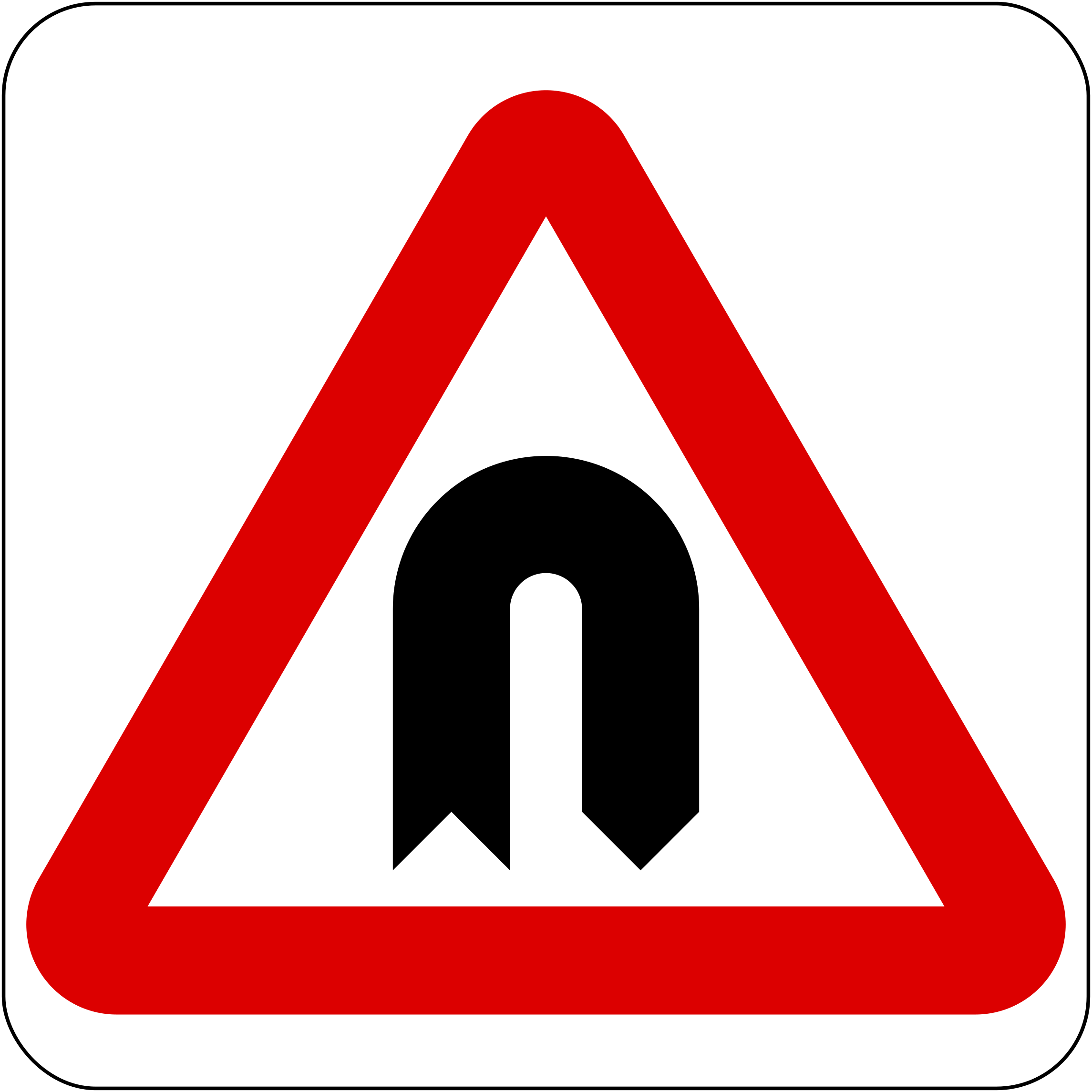
U-turning traffic ahead Vehicles may be making U-turns ahead. Slow down and be ready to stop.
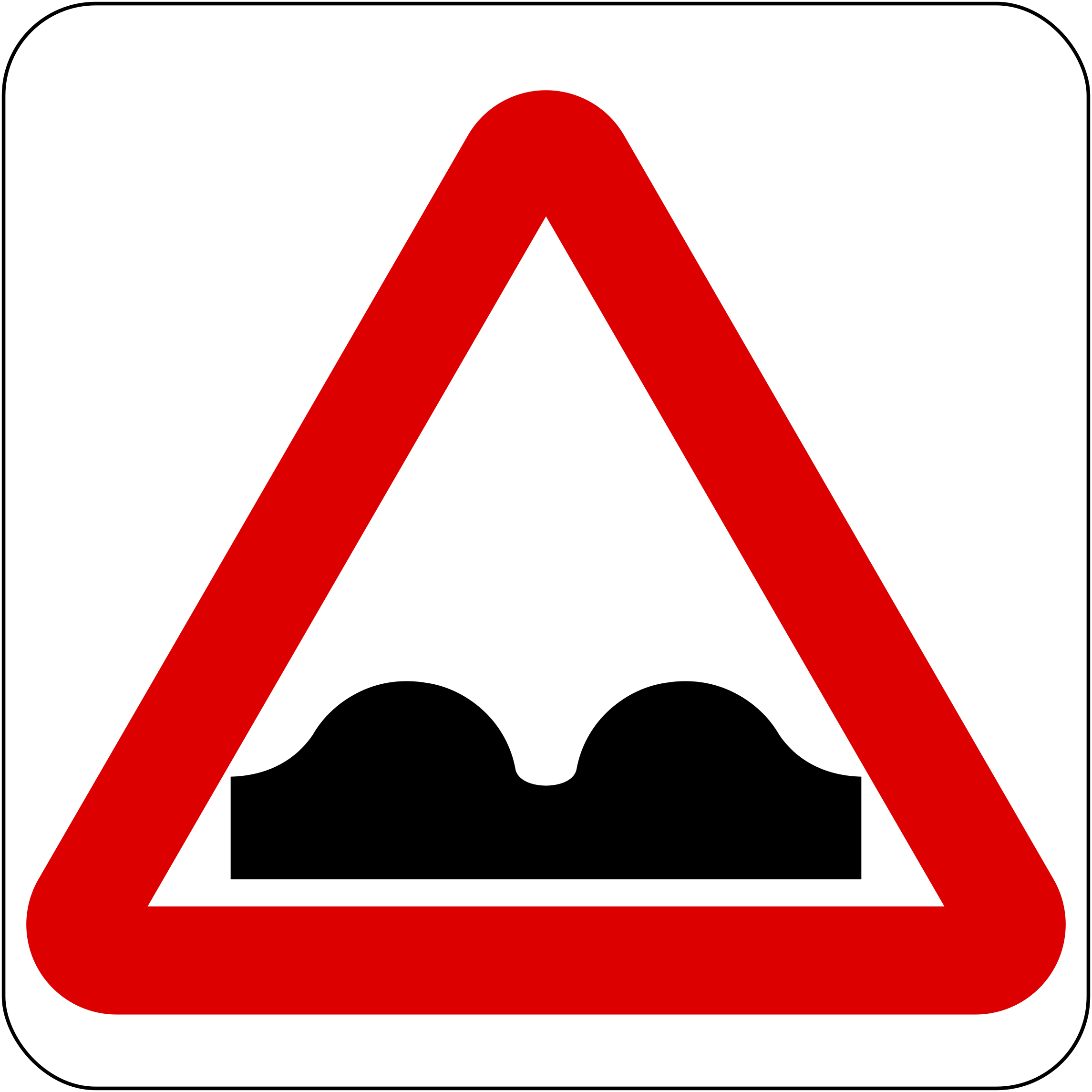
Uneven road The road surface ahead is uneven. Slow down to keep control.
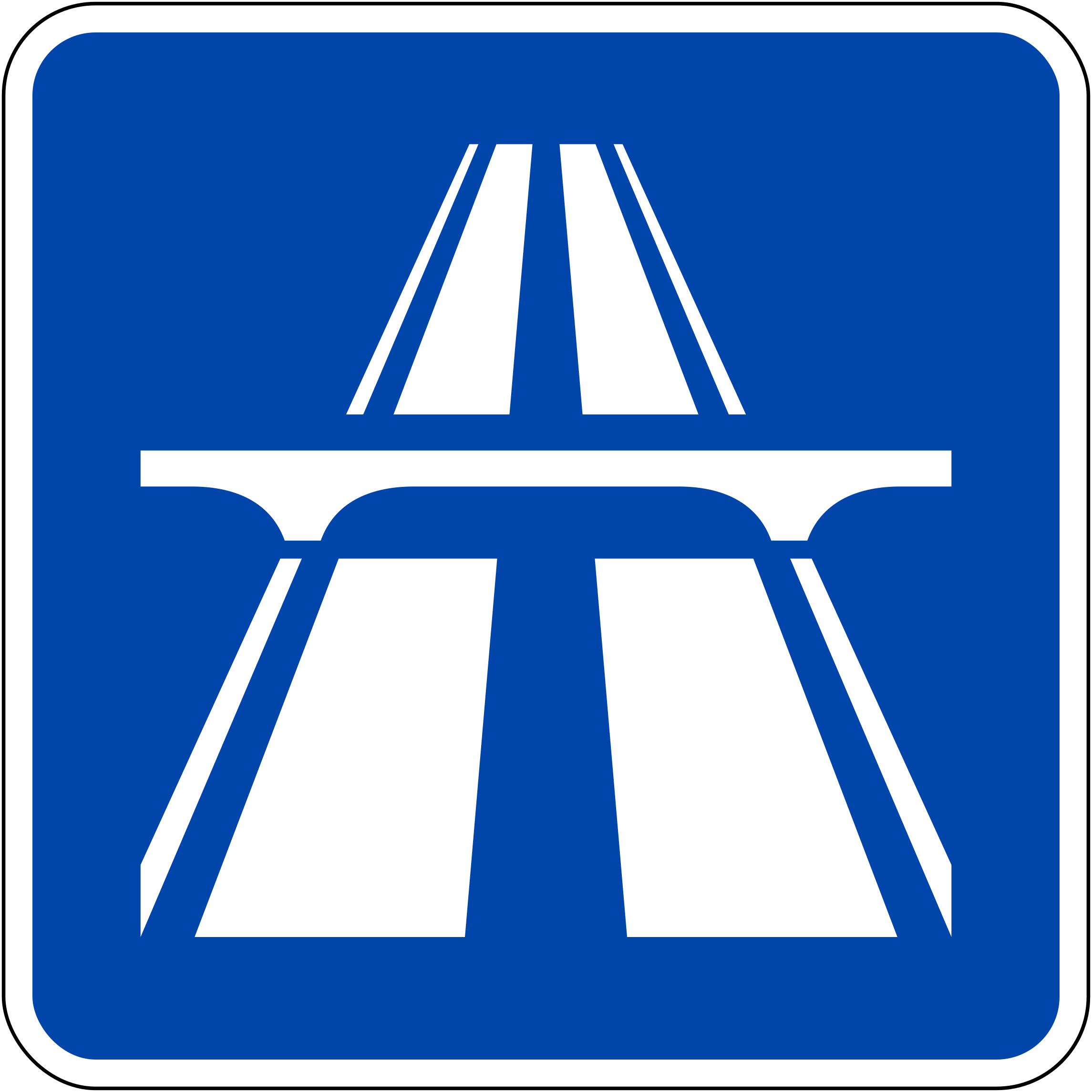
Expressway begins Start of an expressway. Expressway rules apply.
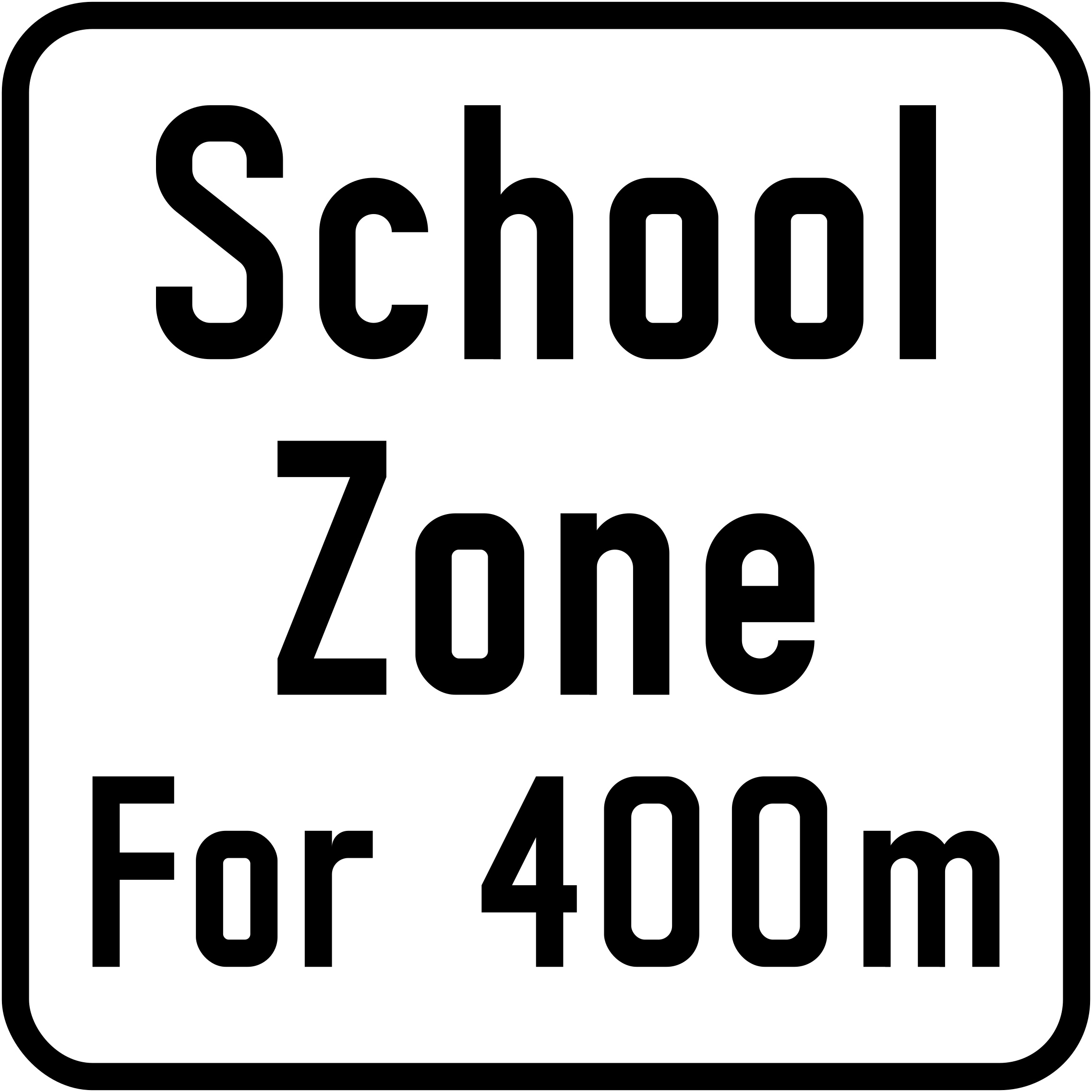
School zone A school zone for the next 400 metres. Keep to the school-zone limit during the signed hours.
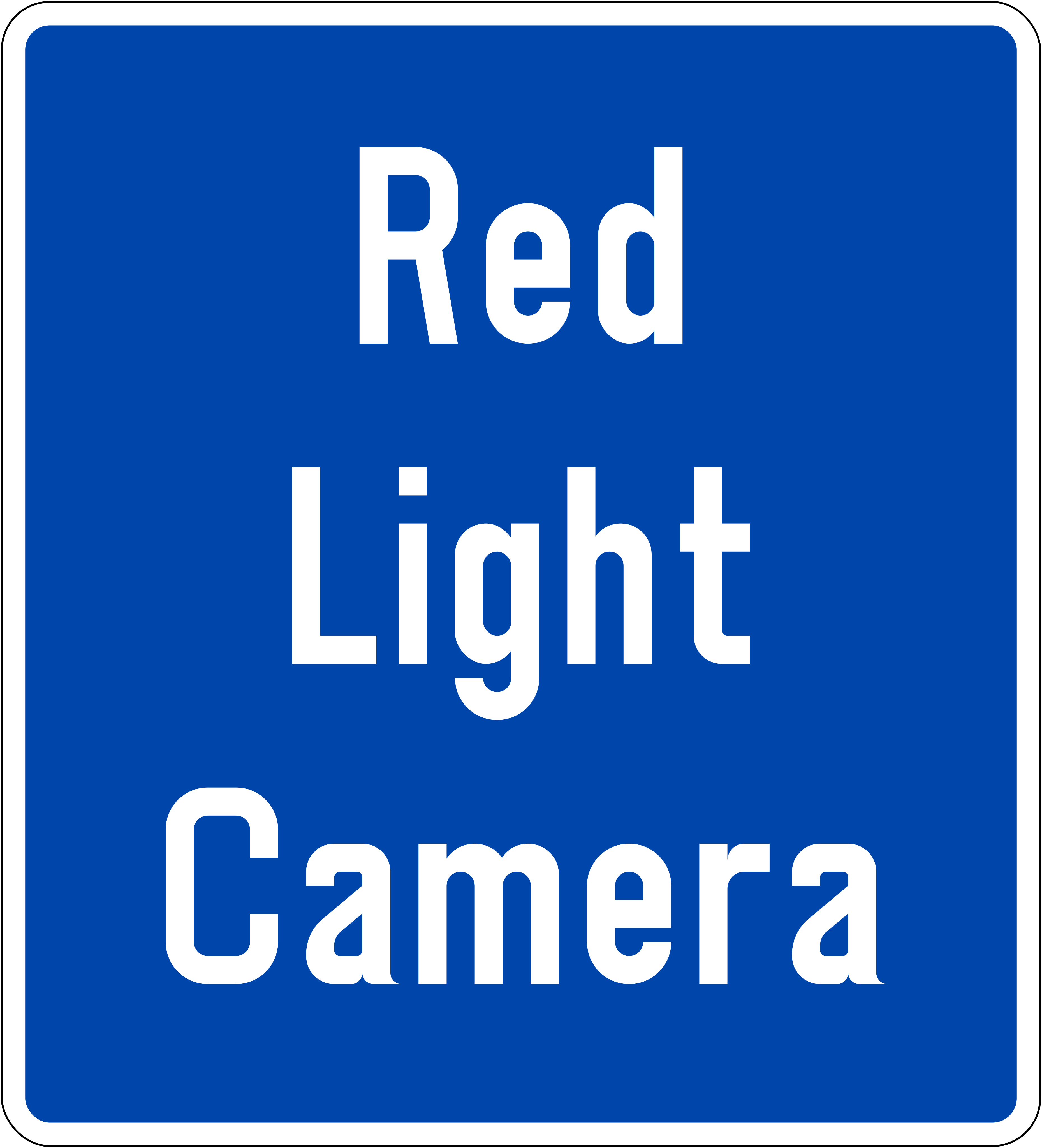
Red light camera A red light camera is ahead. Stop on amber if you can do so safely; never cross on red.
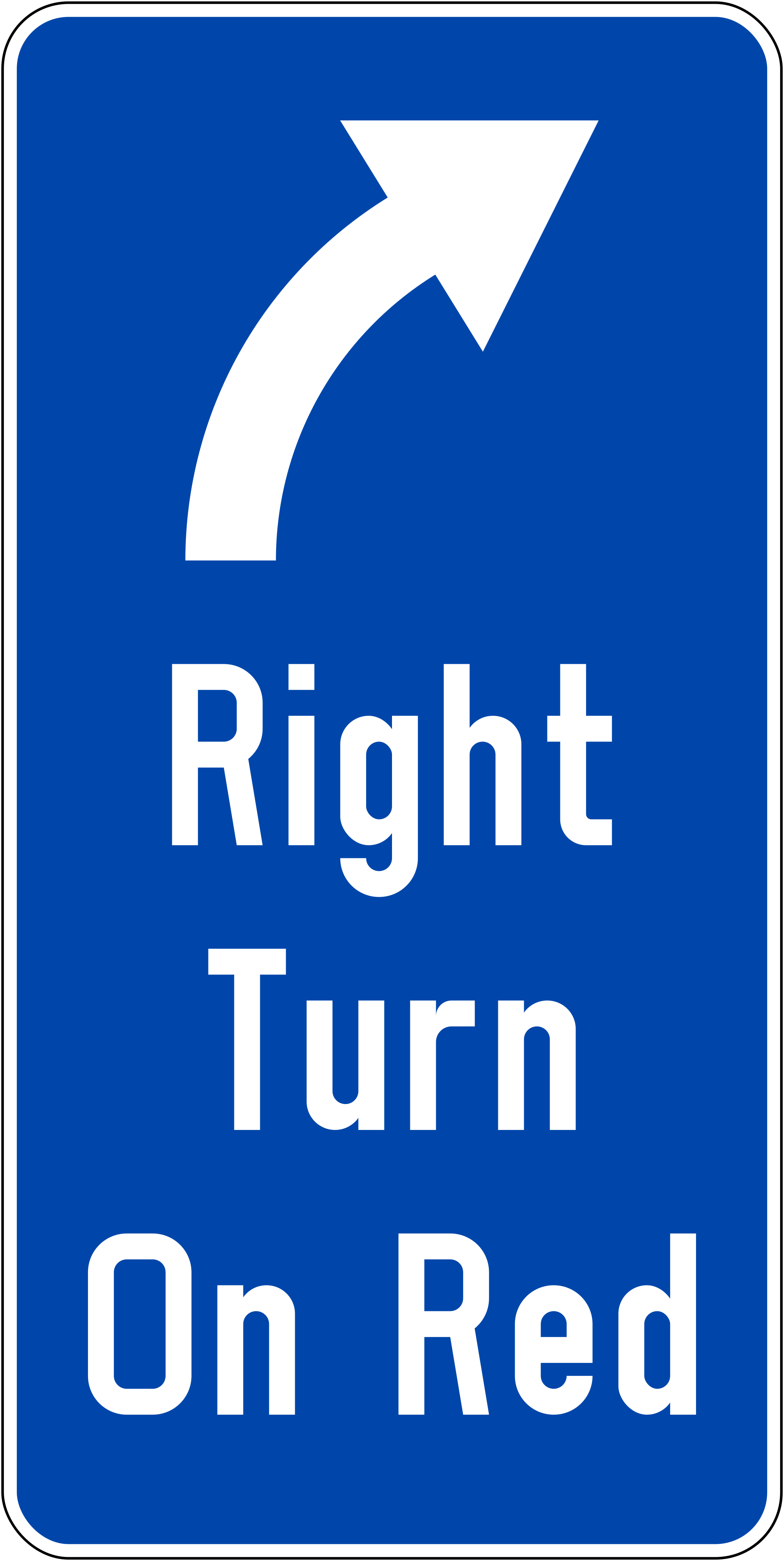
Right turn on red permitted You may turn right on red after stopping, if it is safe. Stop, give way to pedestrians and traffic, then turn.
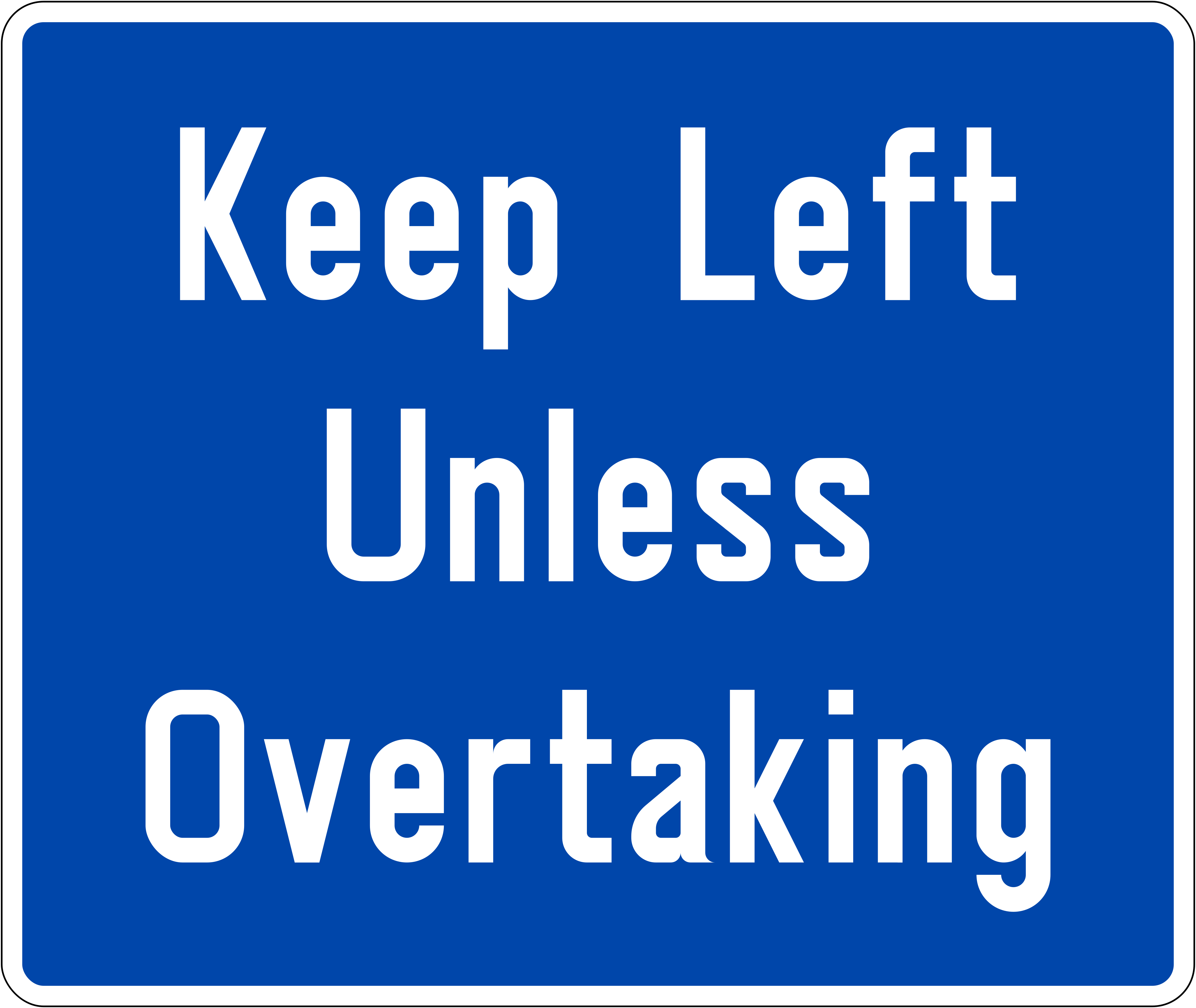
Keep left unless overtaking Keep to the left lane; use the right lane only to overtake. Move back left after overtaking.
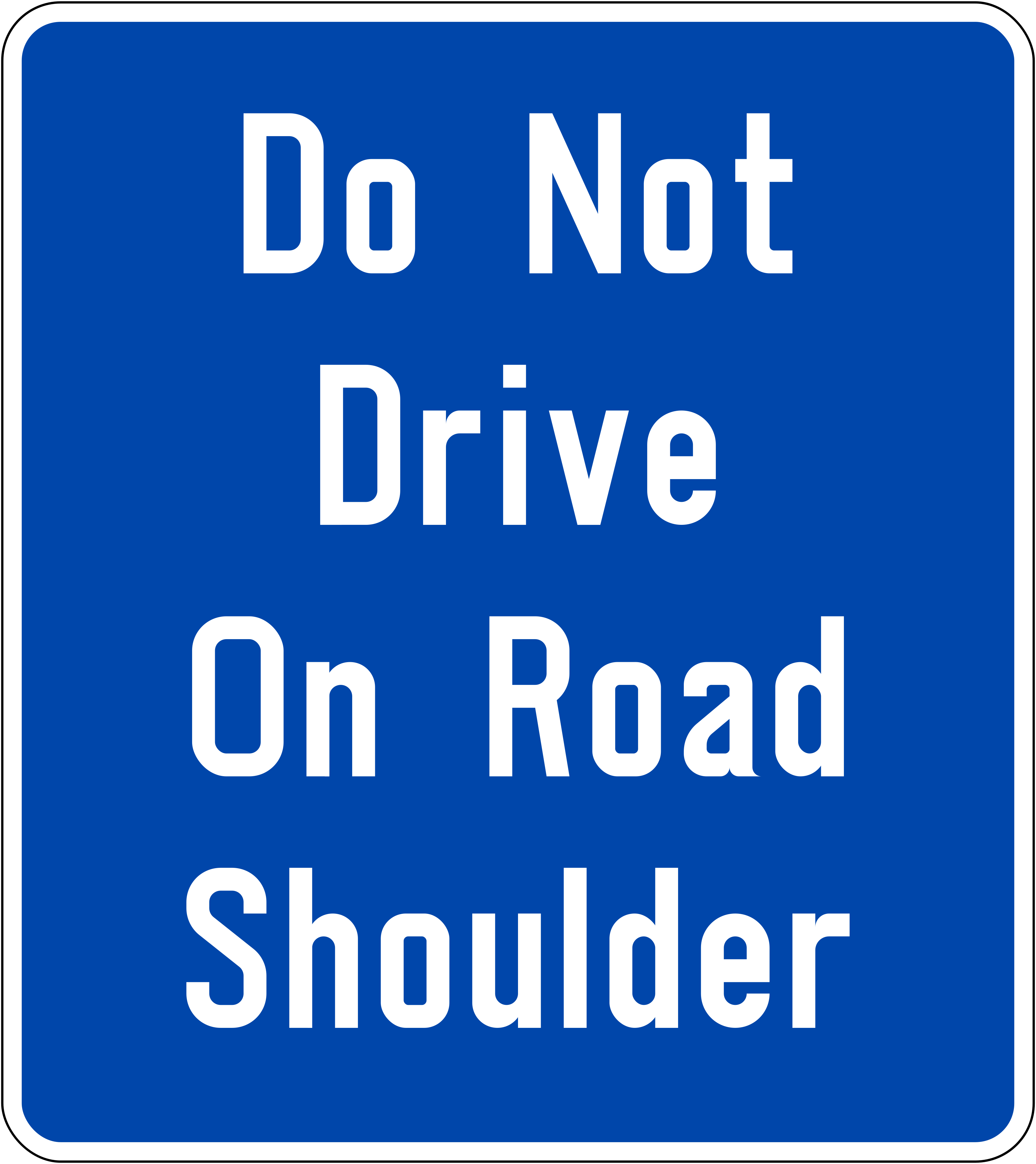
Do not drive on road shoulder Do not drive on the road shoulder. Use it only in an emergency.
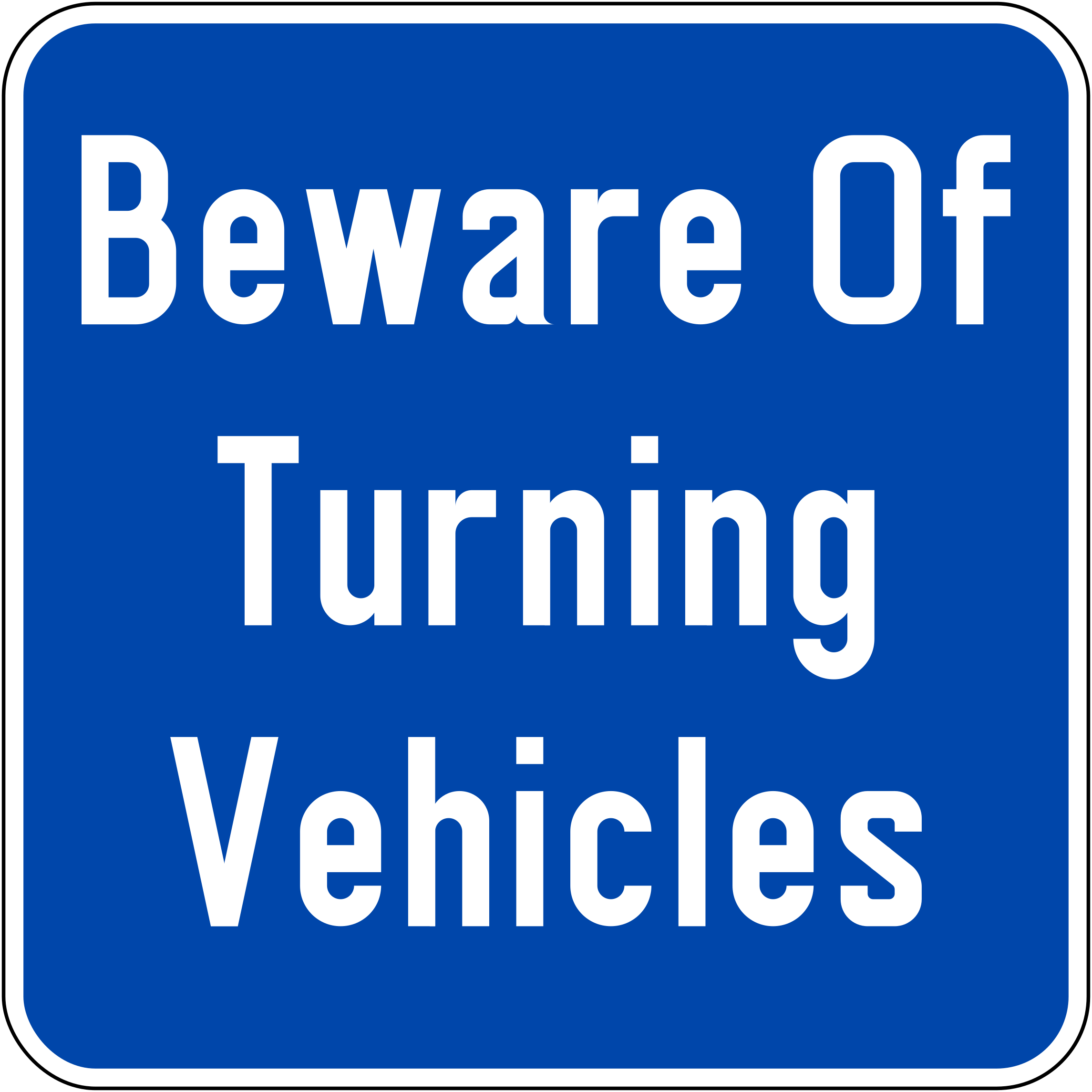
Beware of turning vehicles Watch out for vehicles turning across your path. Often near junctions and entrances.
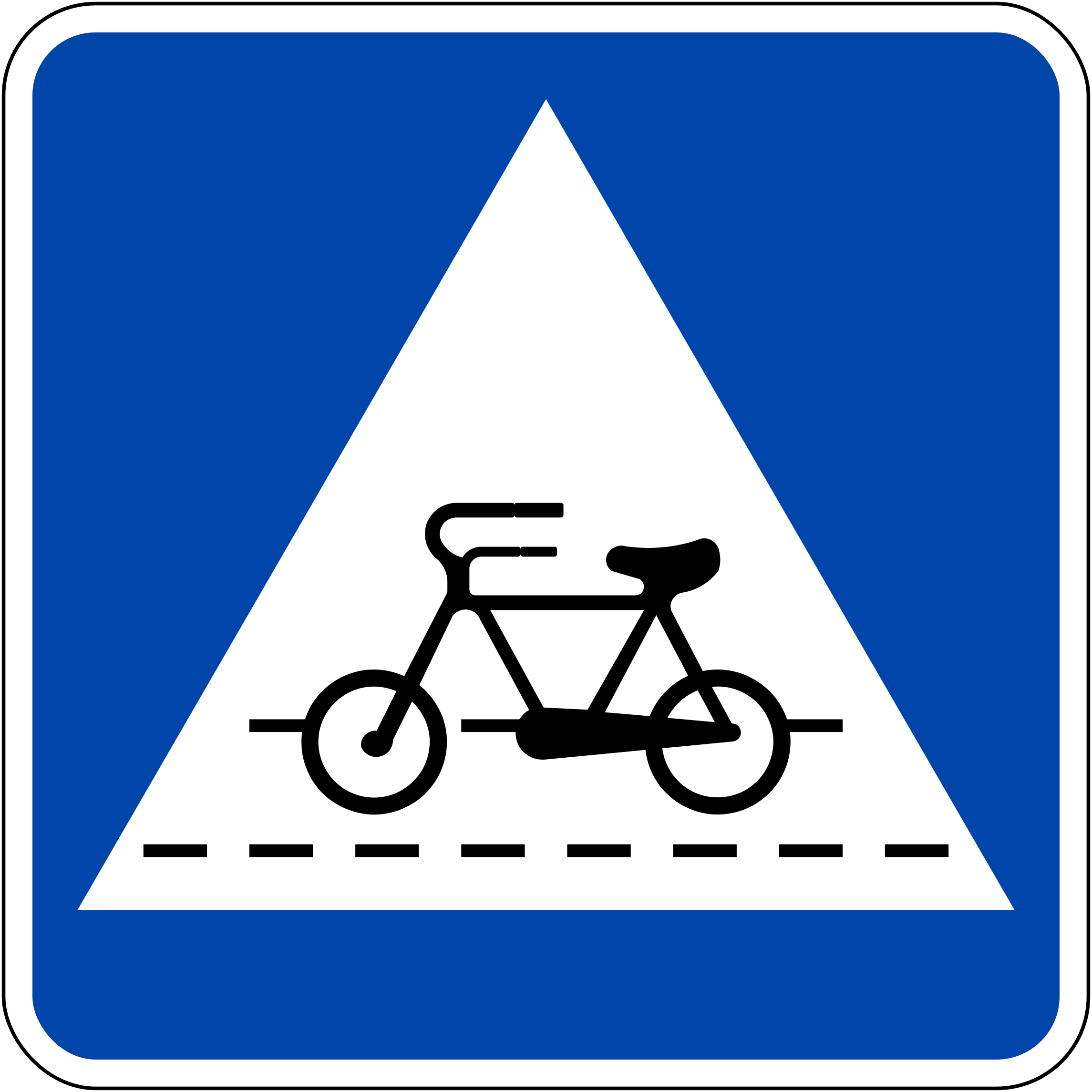
Bicycle crossing Cyclists may be crossing here. Slow down and give way to cyclists on the crossing.
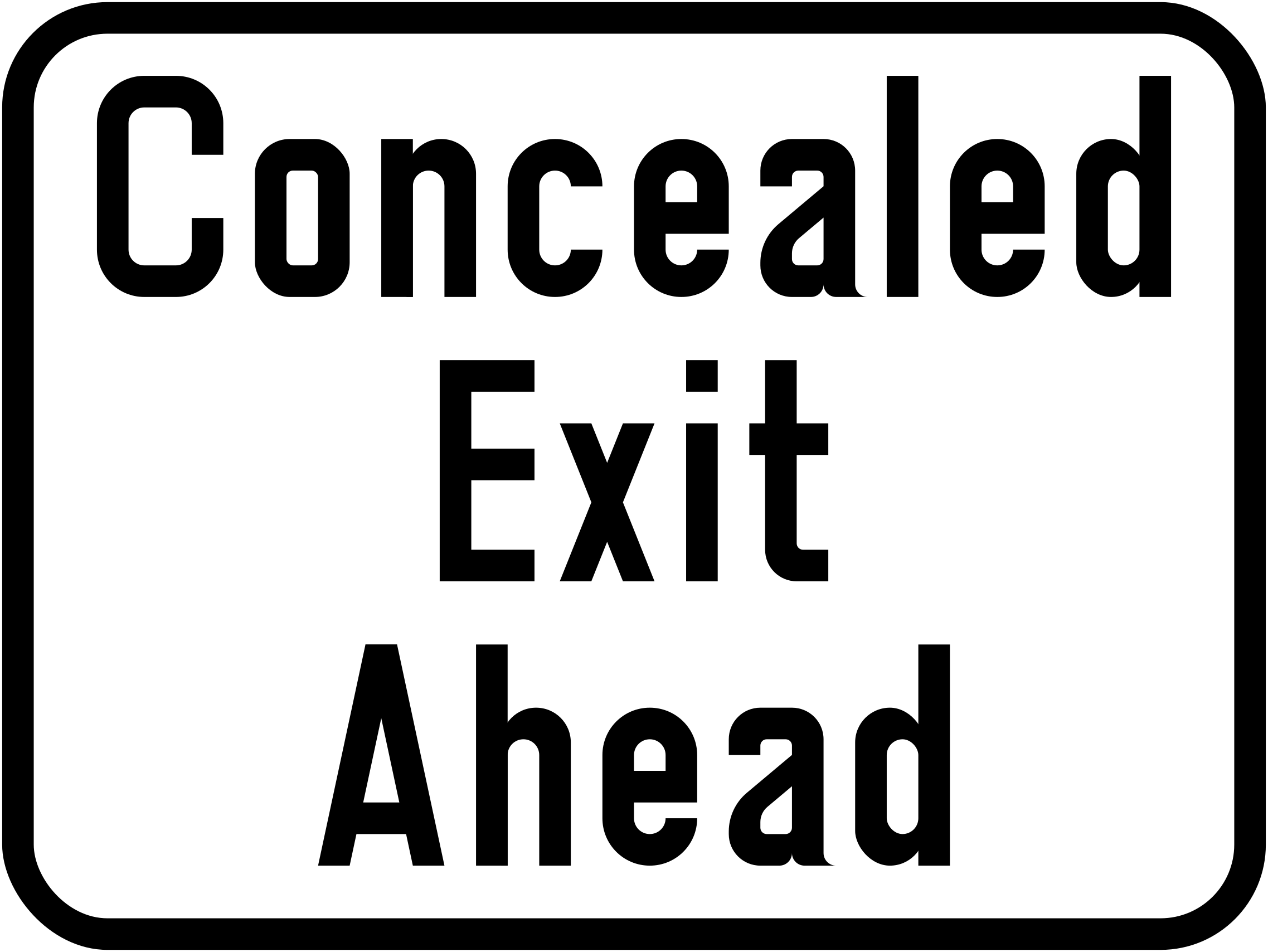
Concealed exit ahead Vehicles may come out from a hidden exit ahead. Slow down and be ready to stop.
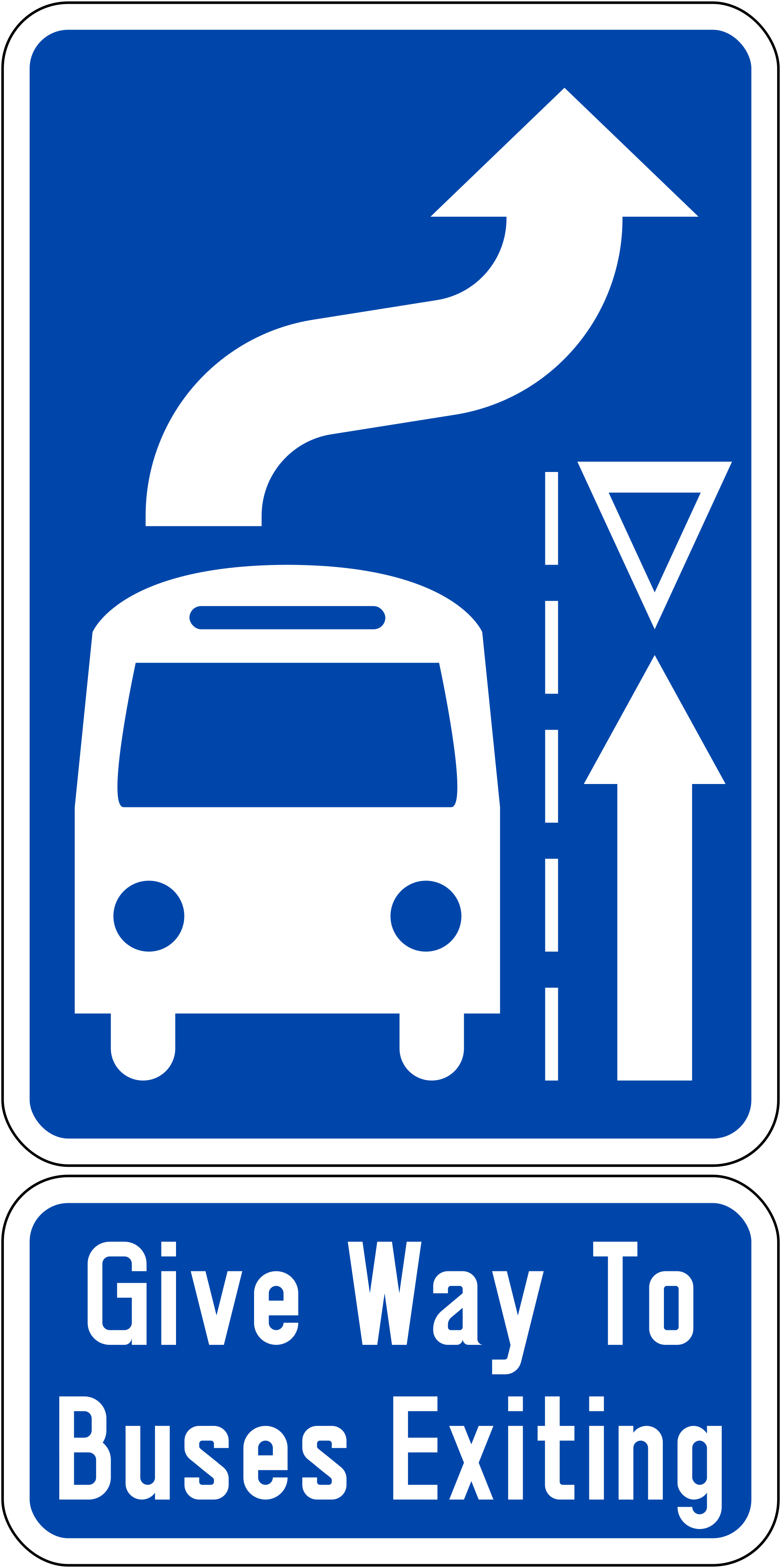
Mandatory give way to buses You must give way to buses moving out of the bus bay. Failing to give way here is an offence.
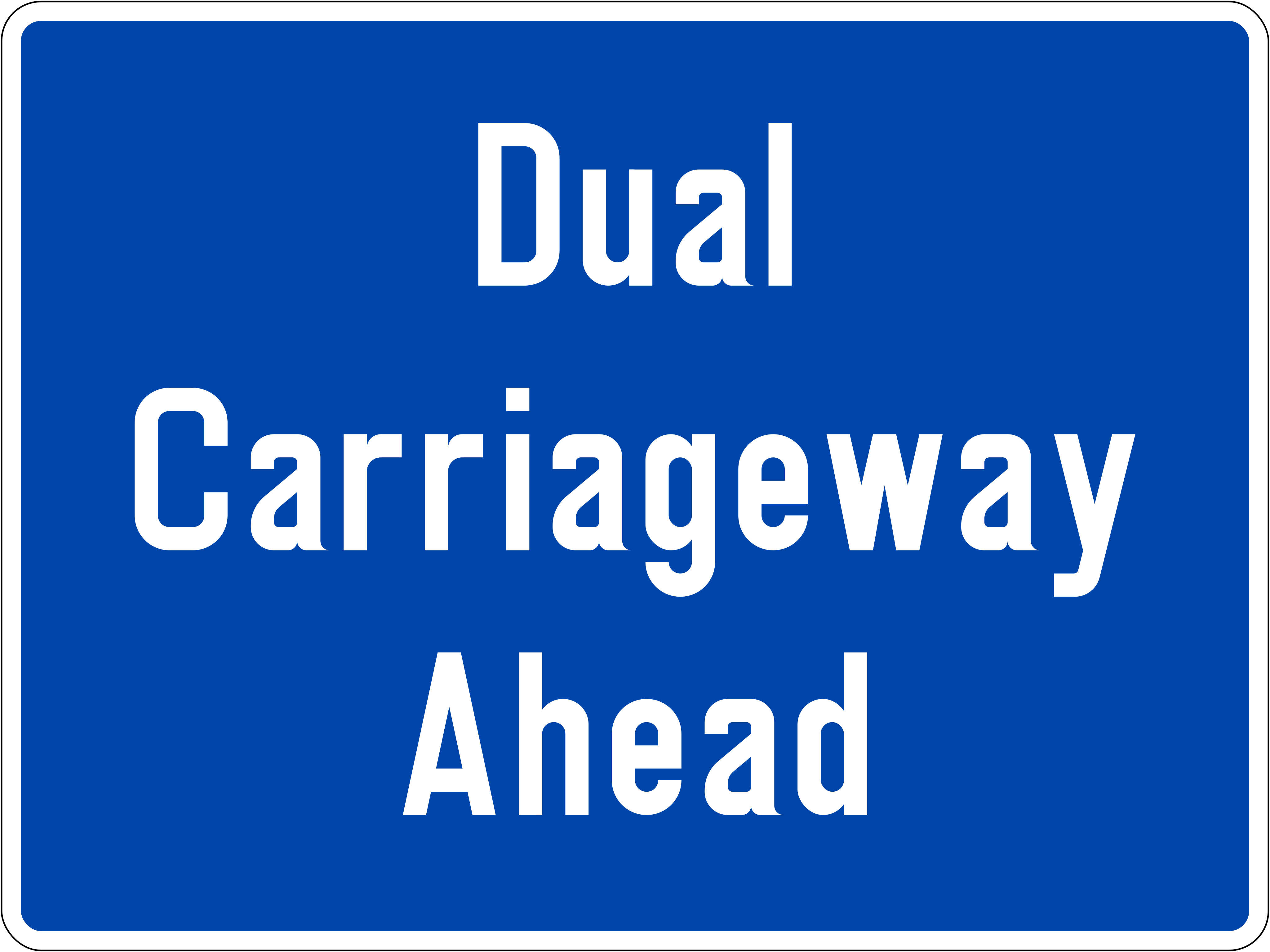
Dual carriageway ahead A dual carriageway begins ahead. Keep to the left of the divider.
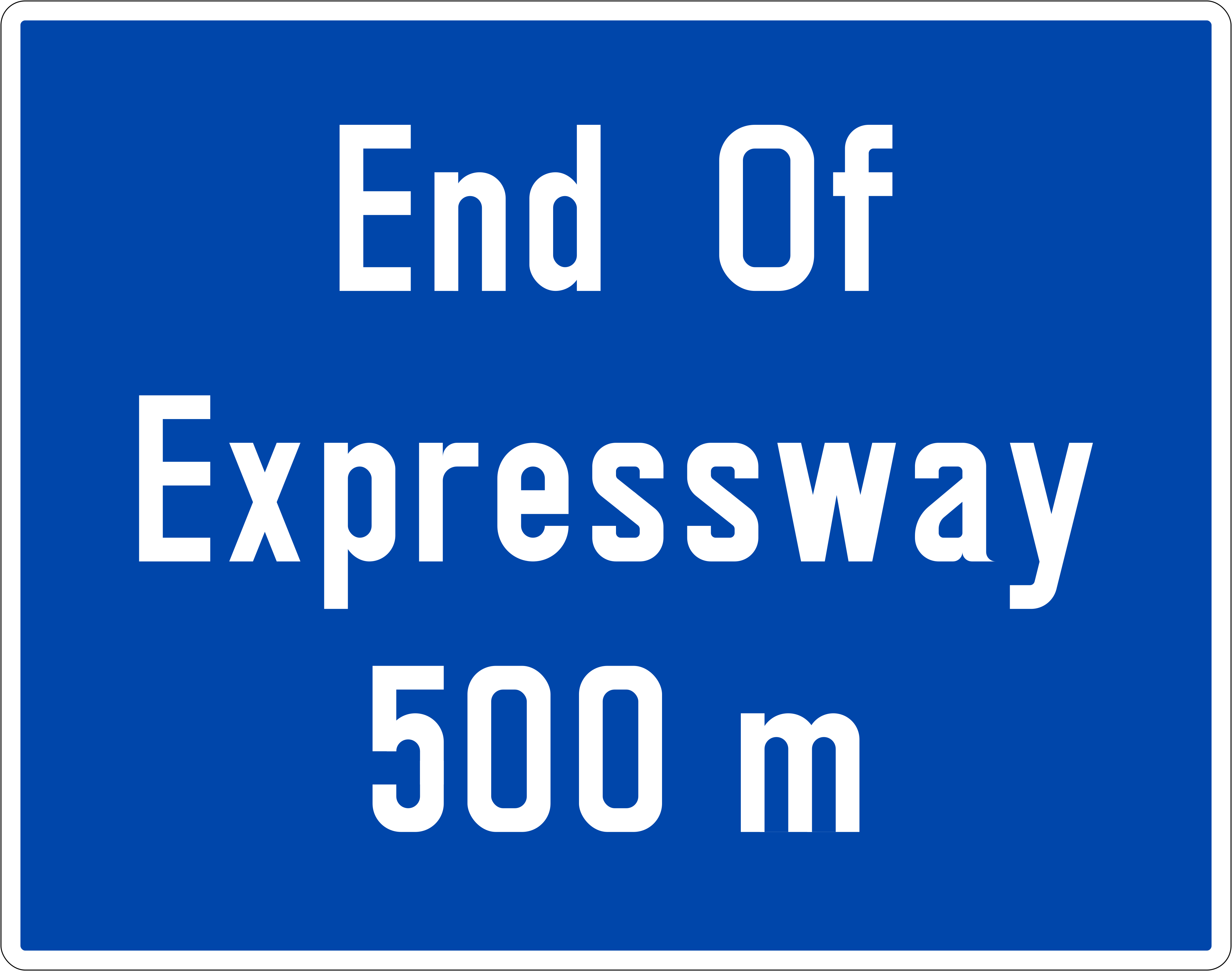
Expressway ends ahead The expressway ends ahead. Slow down to the speed limit of the road you are joining.
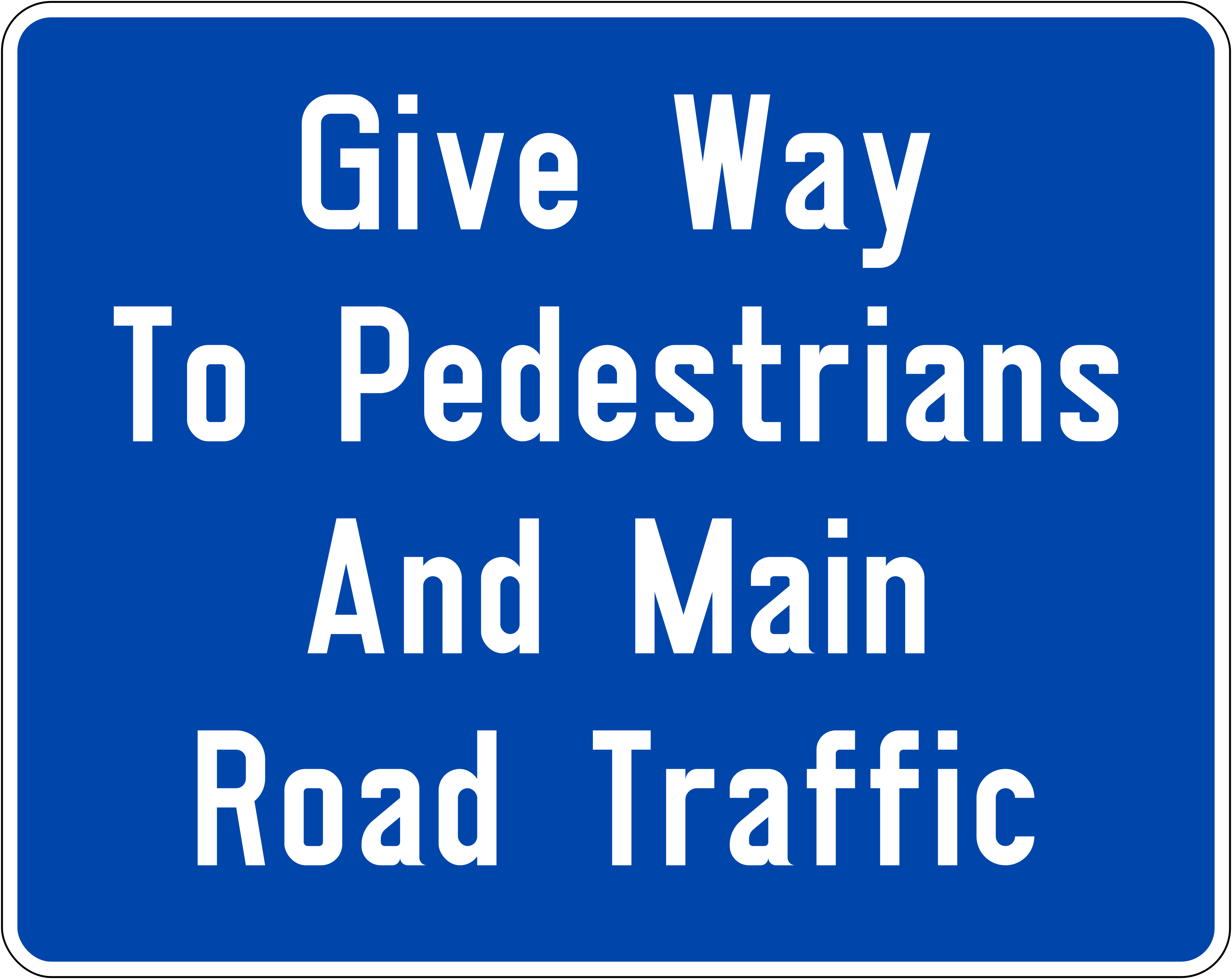
Give way to pedestrians and main road traffic Give way to pedestrians and to traffic on the main road. Common where a minor road or exit meets a main road.
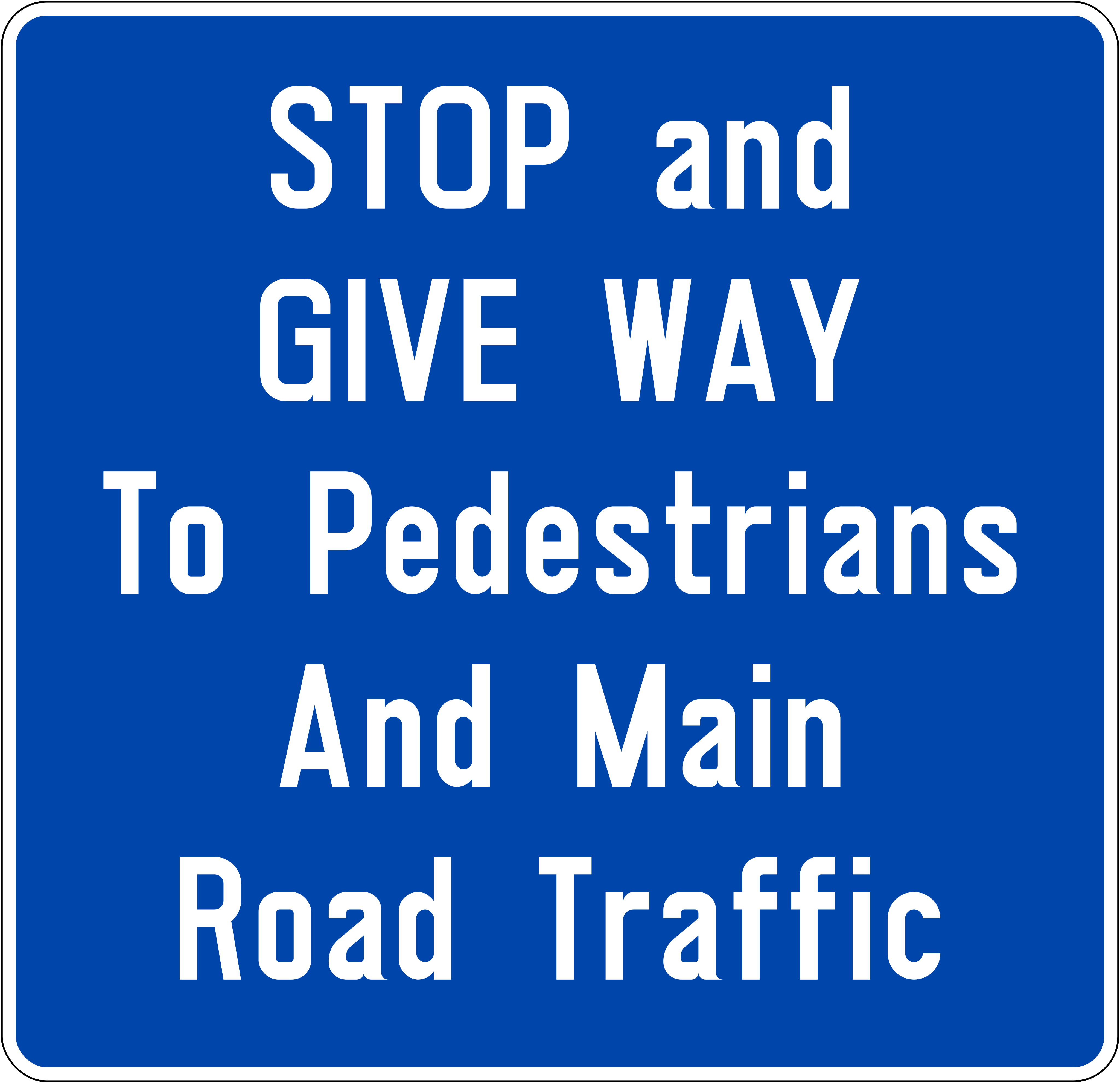
Stop and give way to pedestrians and main road traffic Stop, then give way to pedestrians and main road traffic. Used at exits with poor visibility.
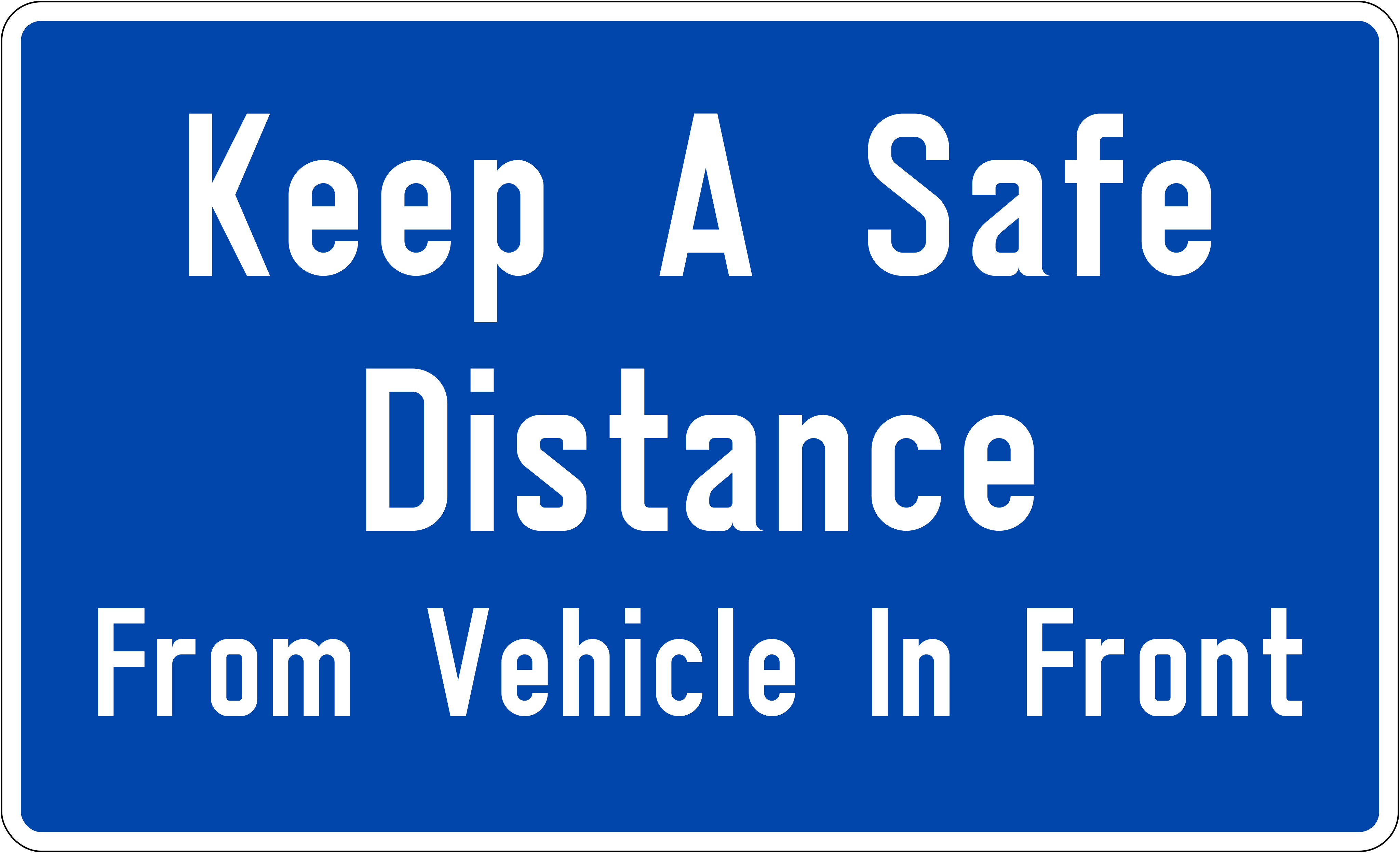
Keep a safe distance from vehicle in front Keep a safe following distance from the vehicle ahead. Leave at least one car length for every 16 km/h of speed.
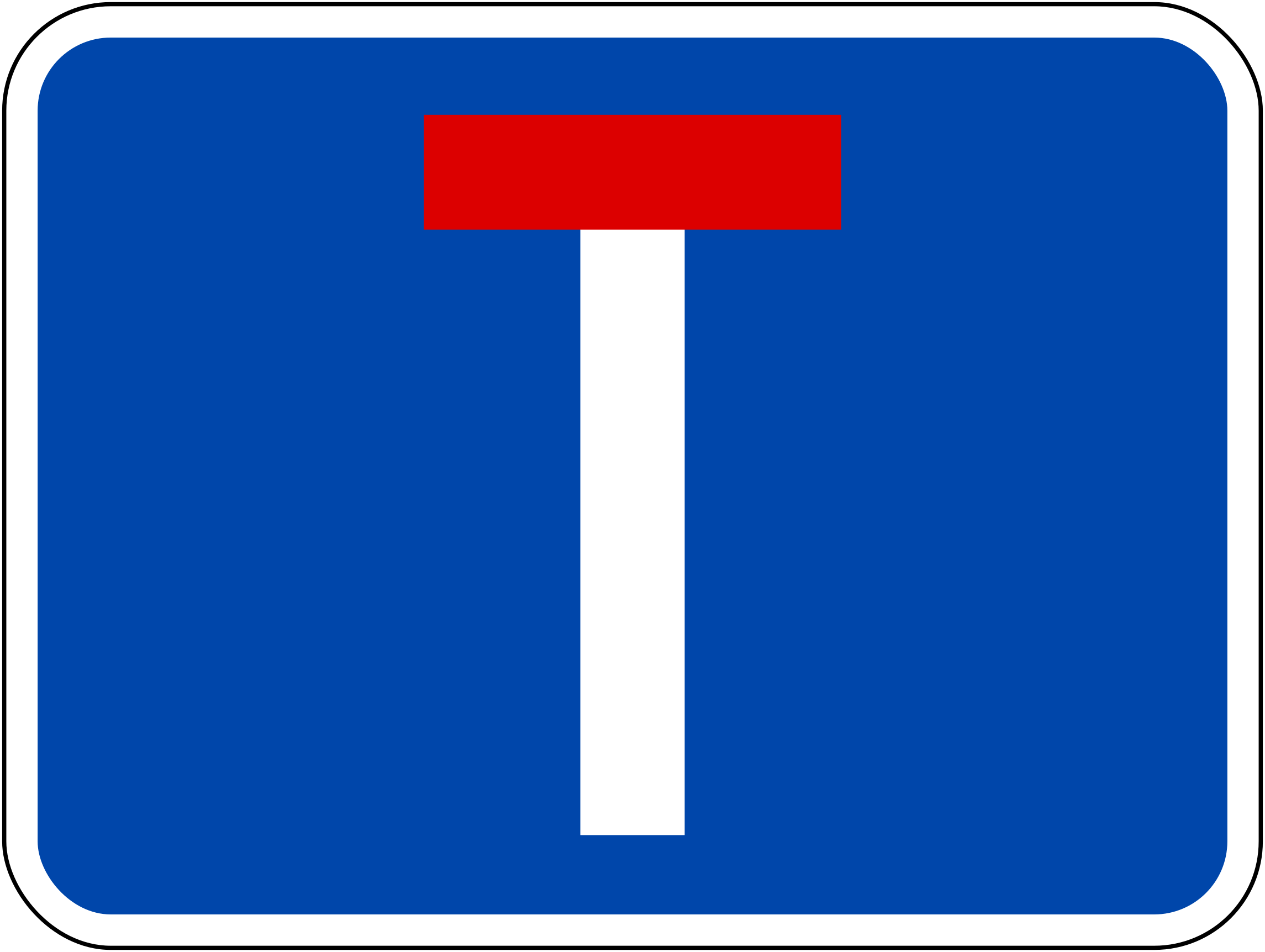
No through road There is no way through at the end of this road. You will have to turn around.
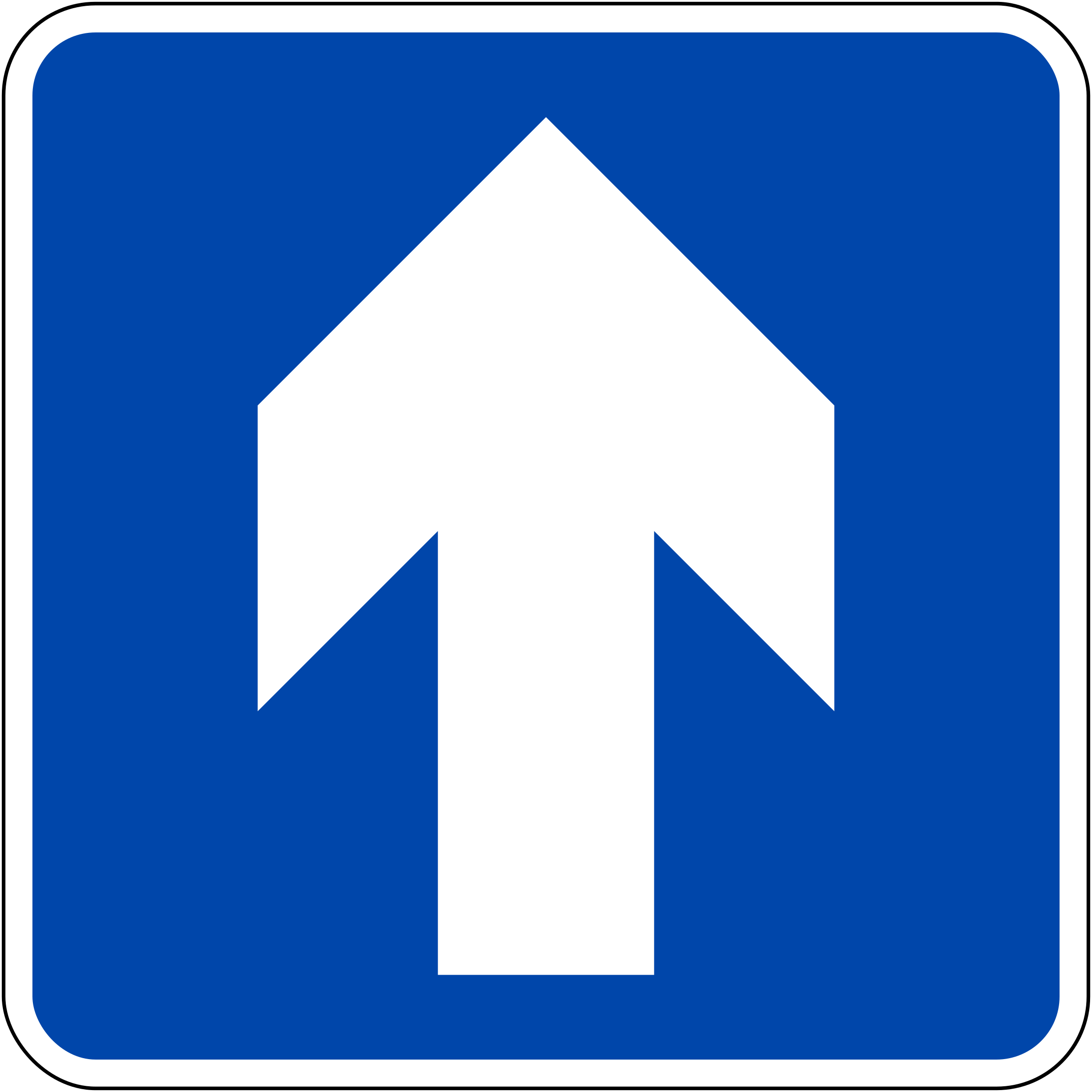
One way street Traffic on this street moves in one direction only. Do not drive against the direction shown.
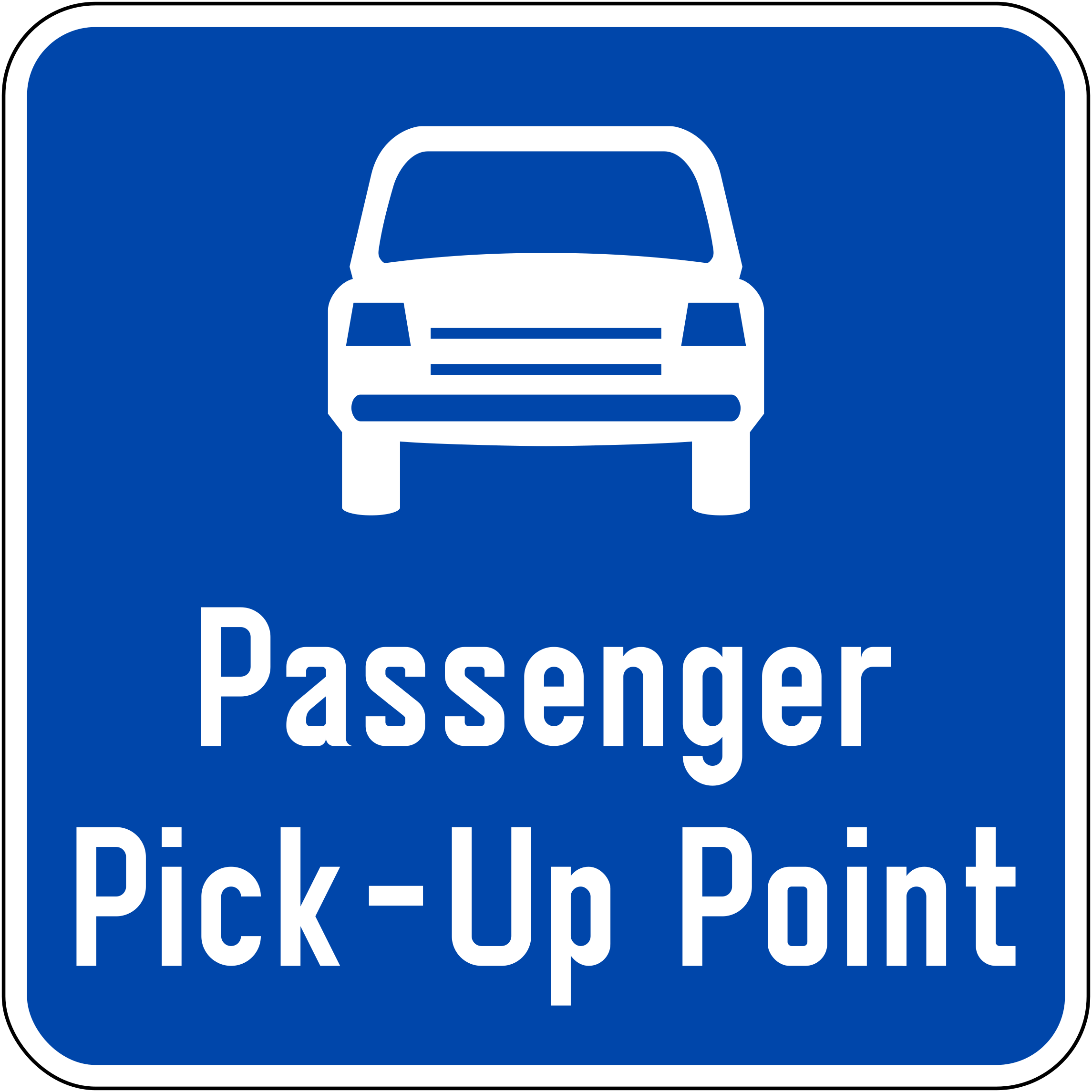
Passenger pick-up point A place set aside for picking up passengers. Stop only briefly to pick up.
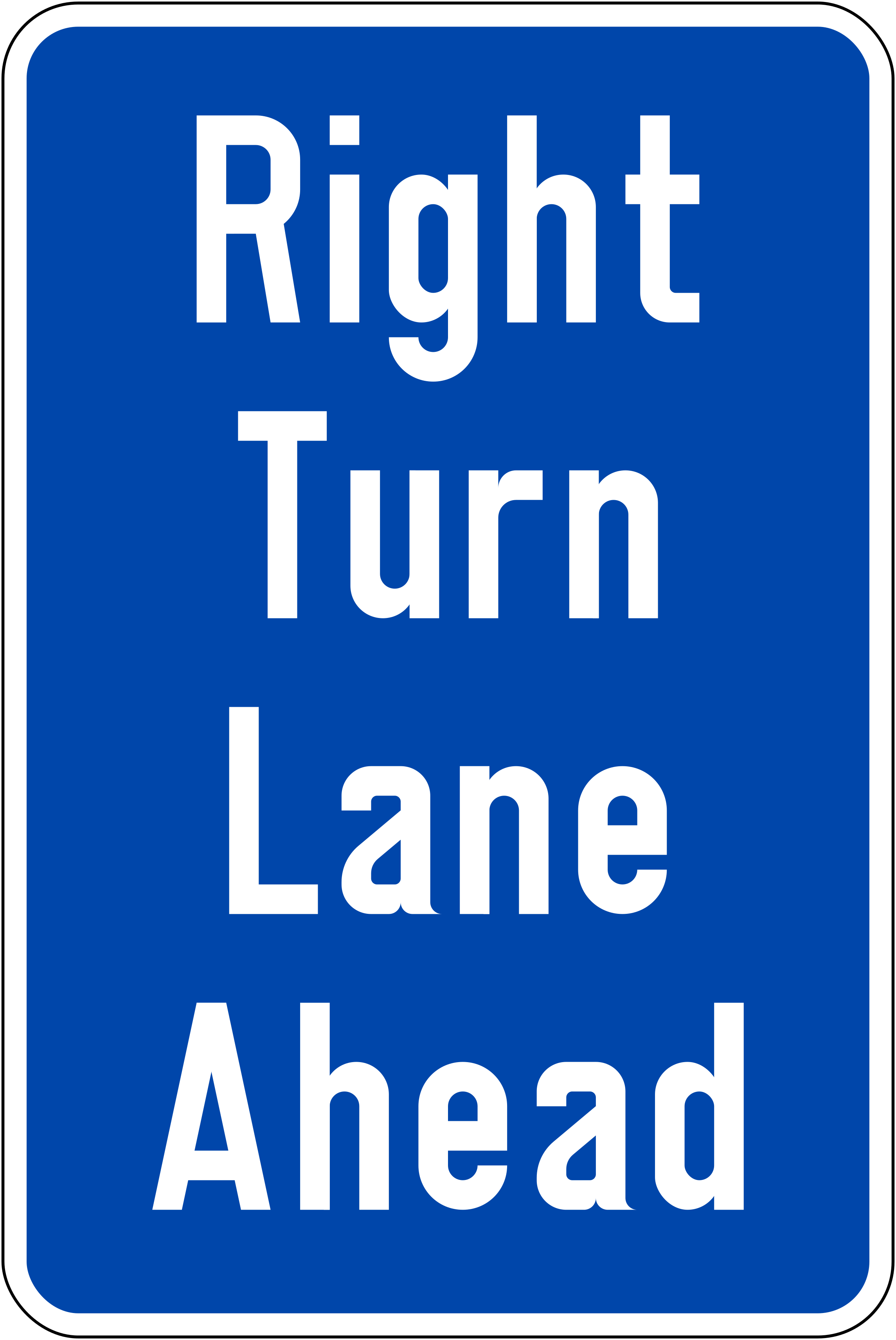
Right turn lane ahead A lane for right-turning traffic begins ahead. Move into it in good time if you are turning right.
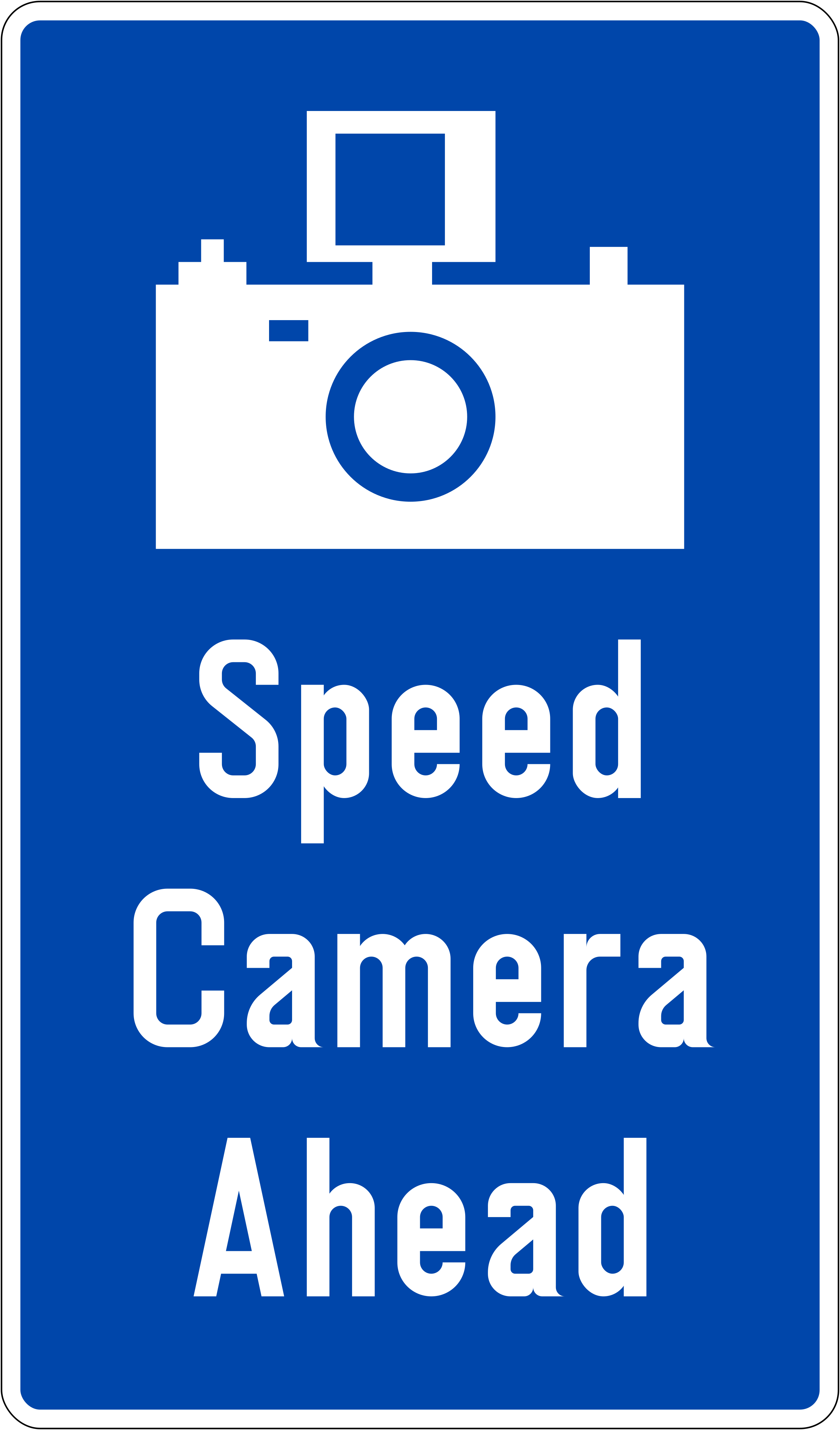
Speed camera ahead A speed camera is ahead. Keep to the speed limit.
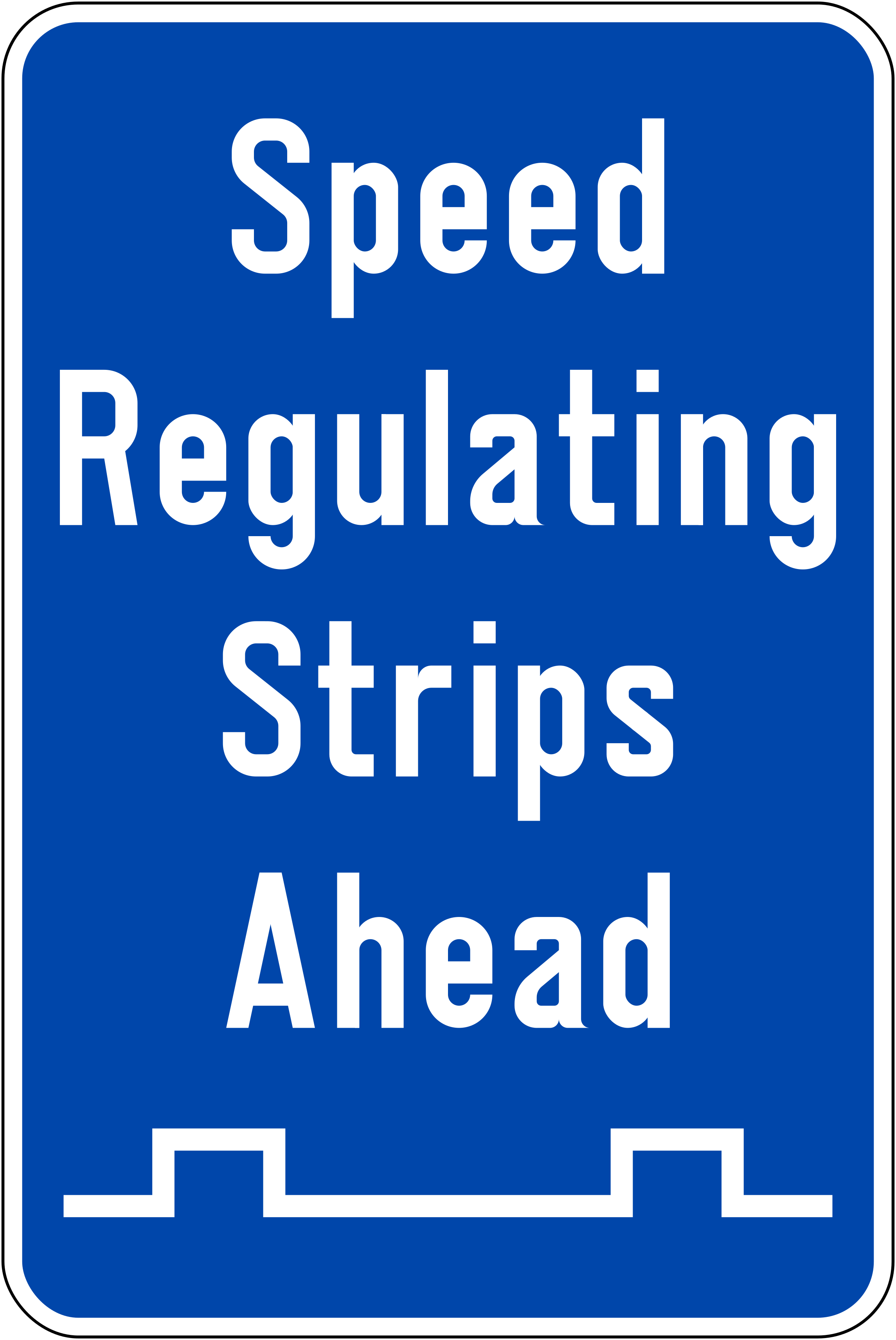
Speed regulating strips ahead Rumble strips to slow traffic are ahead. Slow down before you reach them.
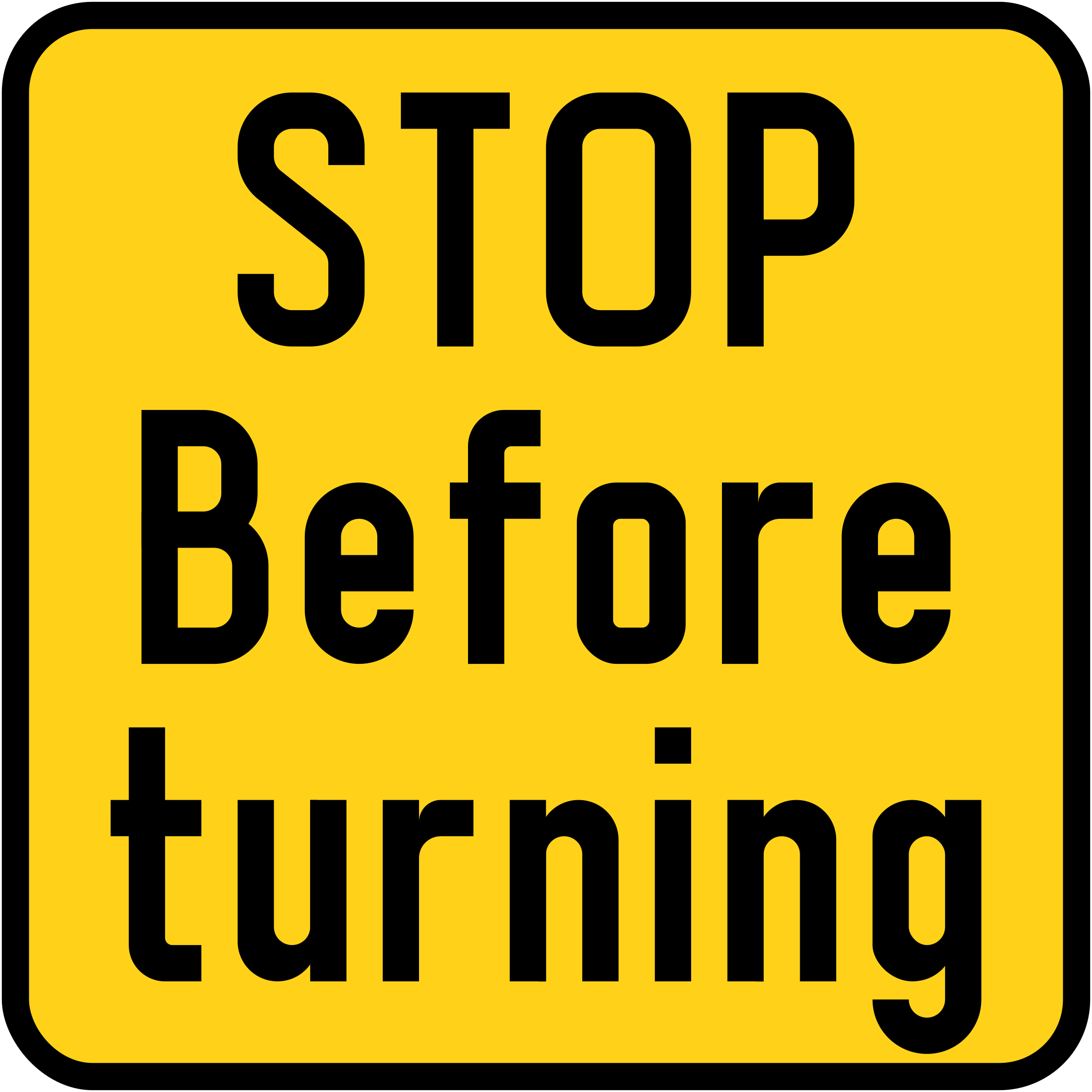
Stop before turning Stop before you make your turn. Check for pedestrians and other traffic before turning.
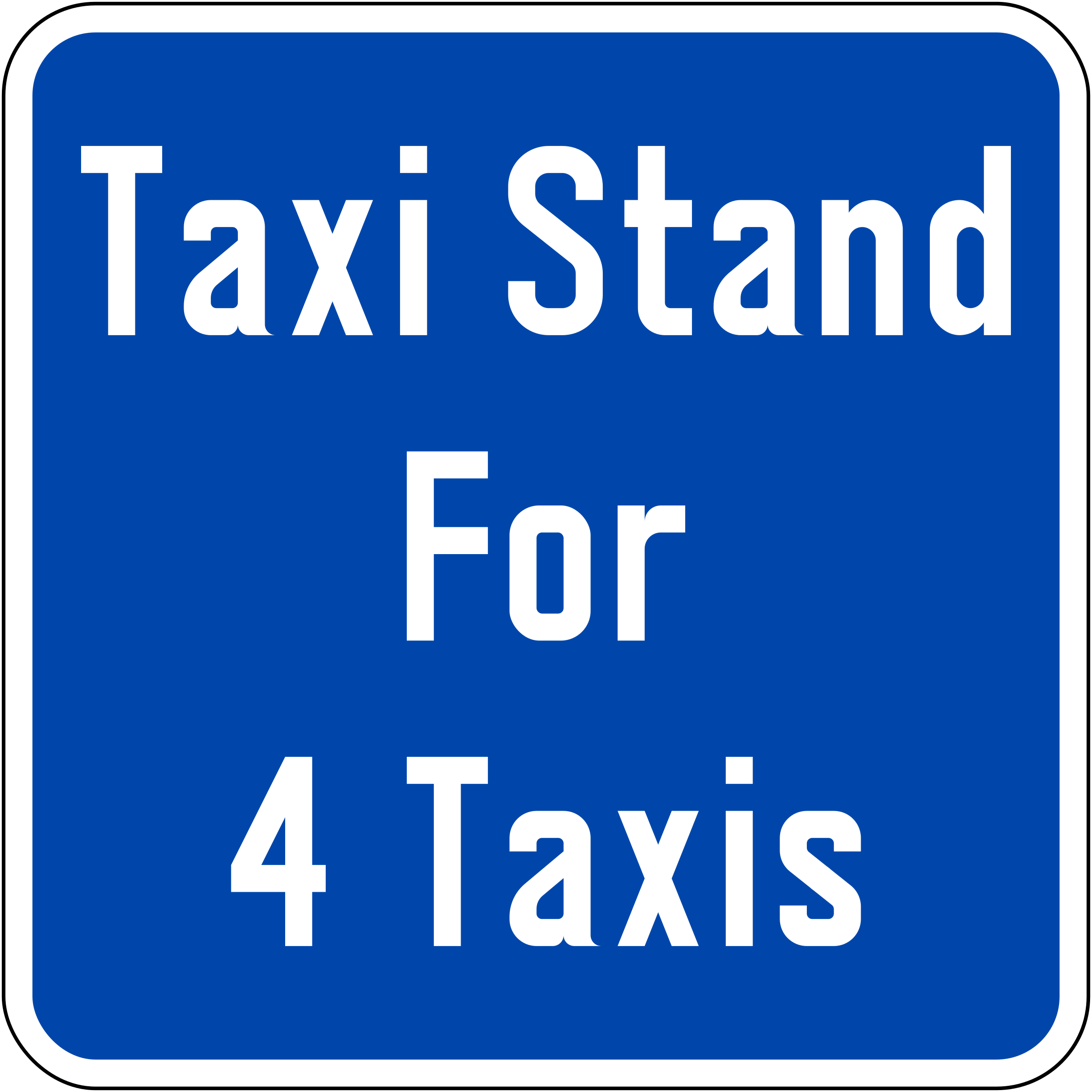
Taxi stand A place where taxis wait for passengers. Other vehicles must not stop here.
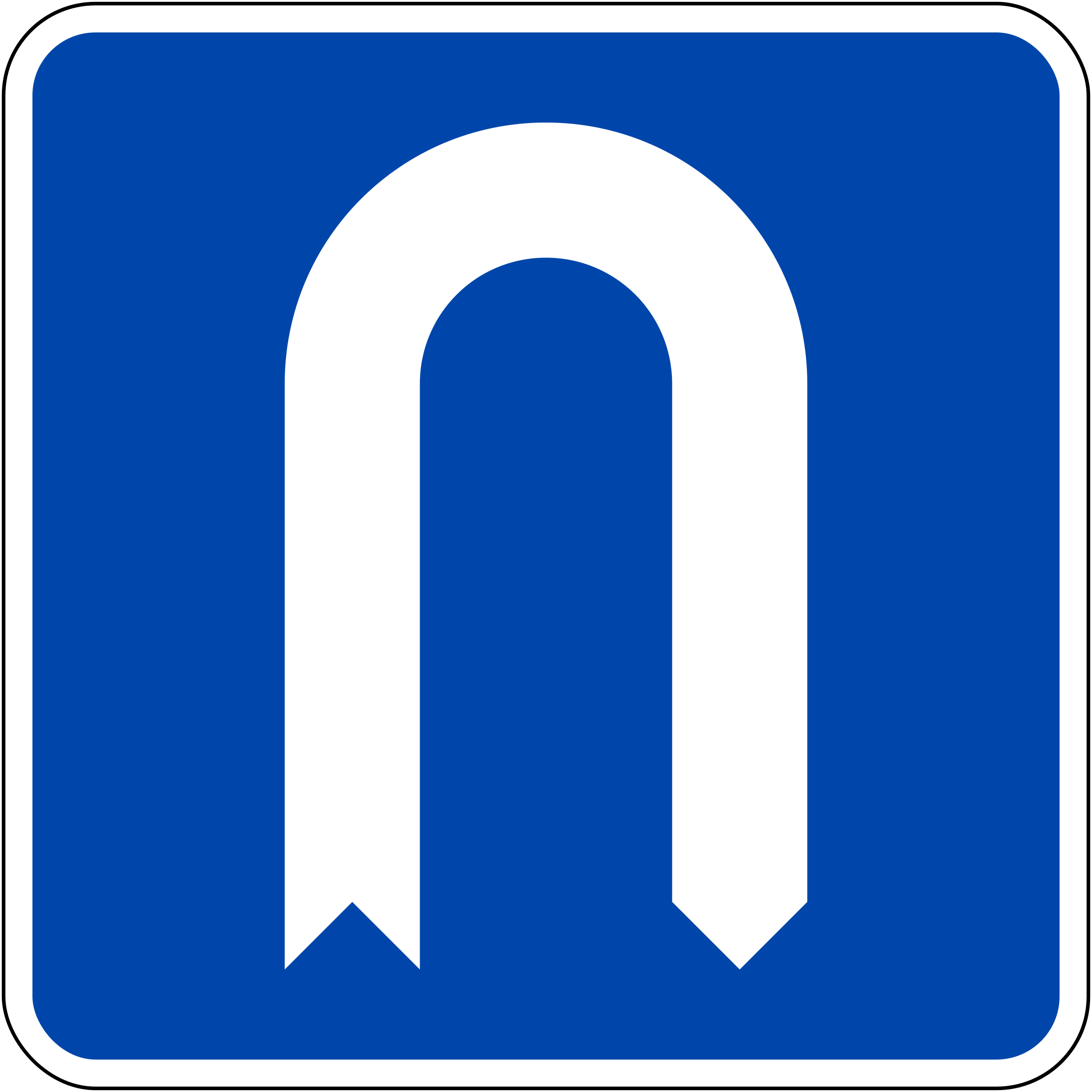
U-turn permitted You may make a U-turn here. Give way to all other traffic before turning.
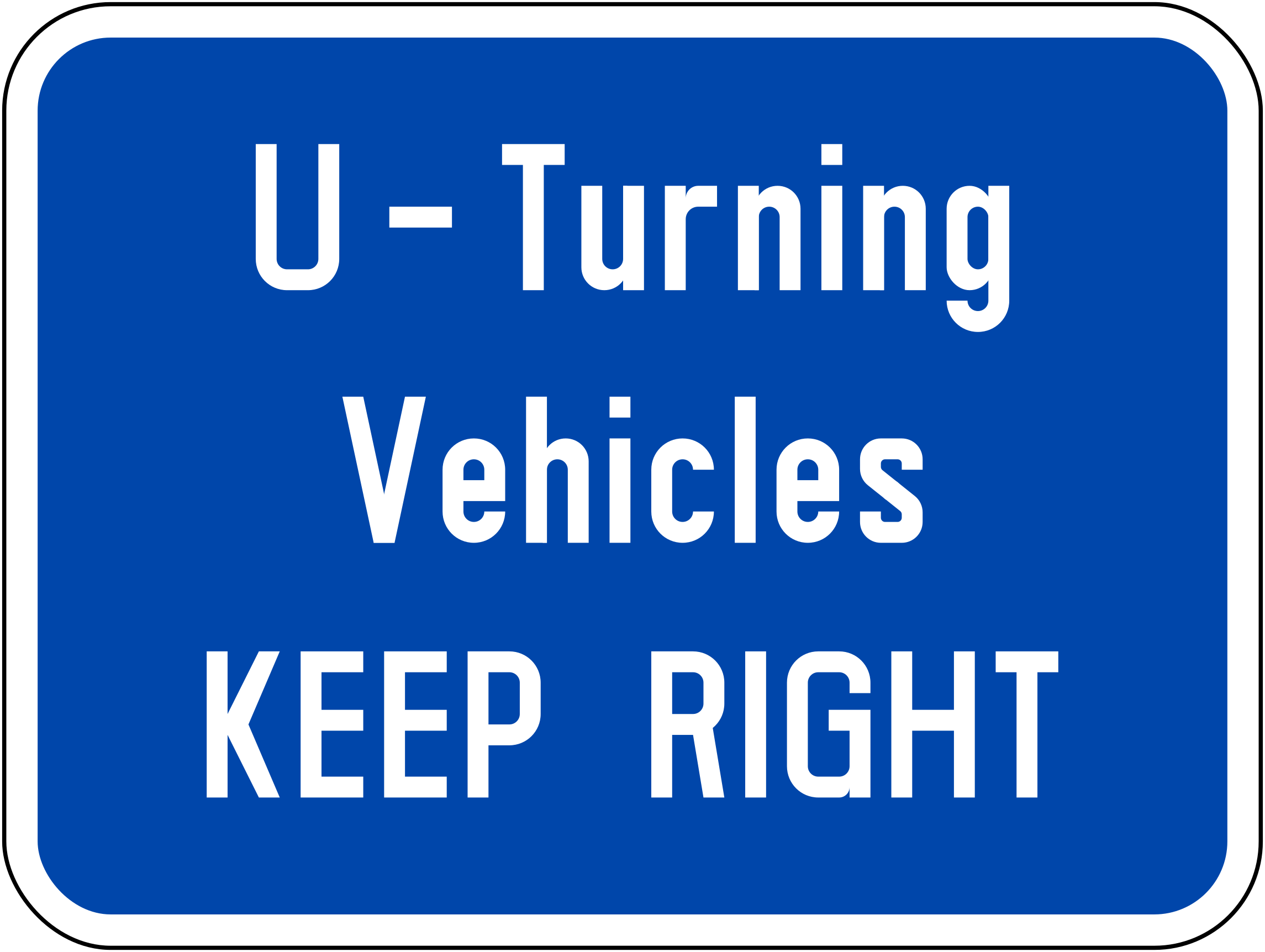
U-turning vehicles keep right Vehicles making a U-turn must keep to the right. Get into the right lane early.
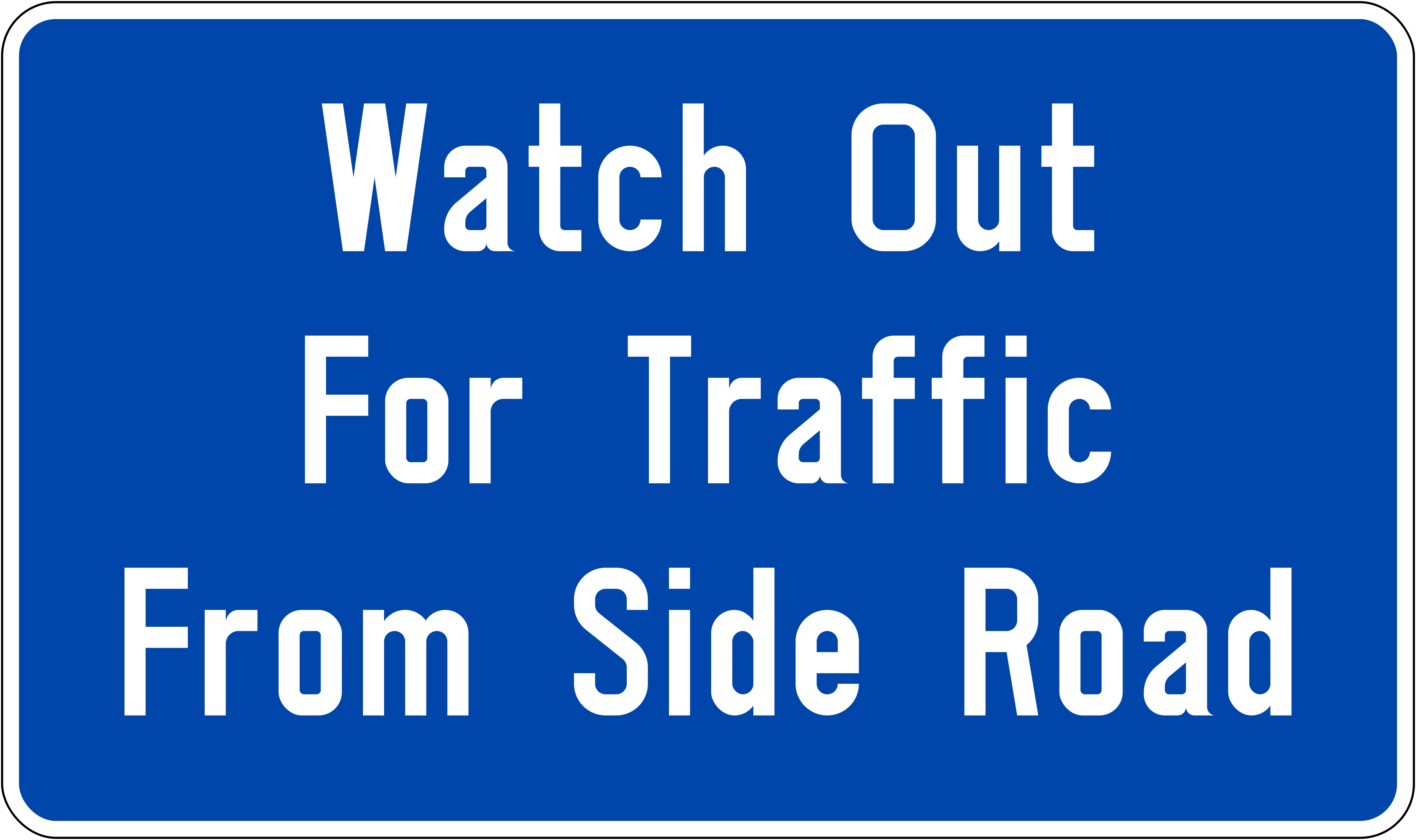
Watch out for traffic from side road Traffic may come out from a side road ahead. Slow down and be ready to stop.
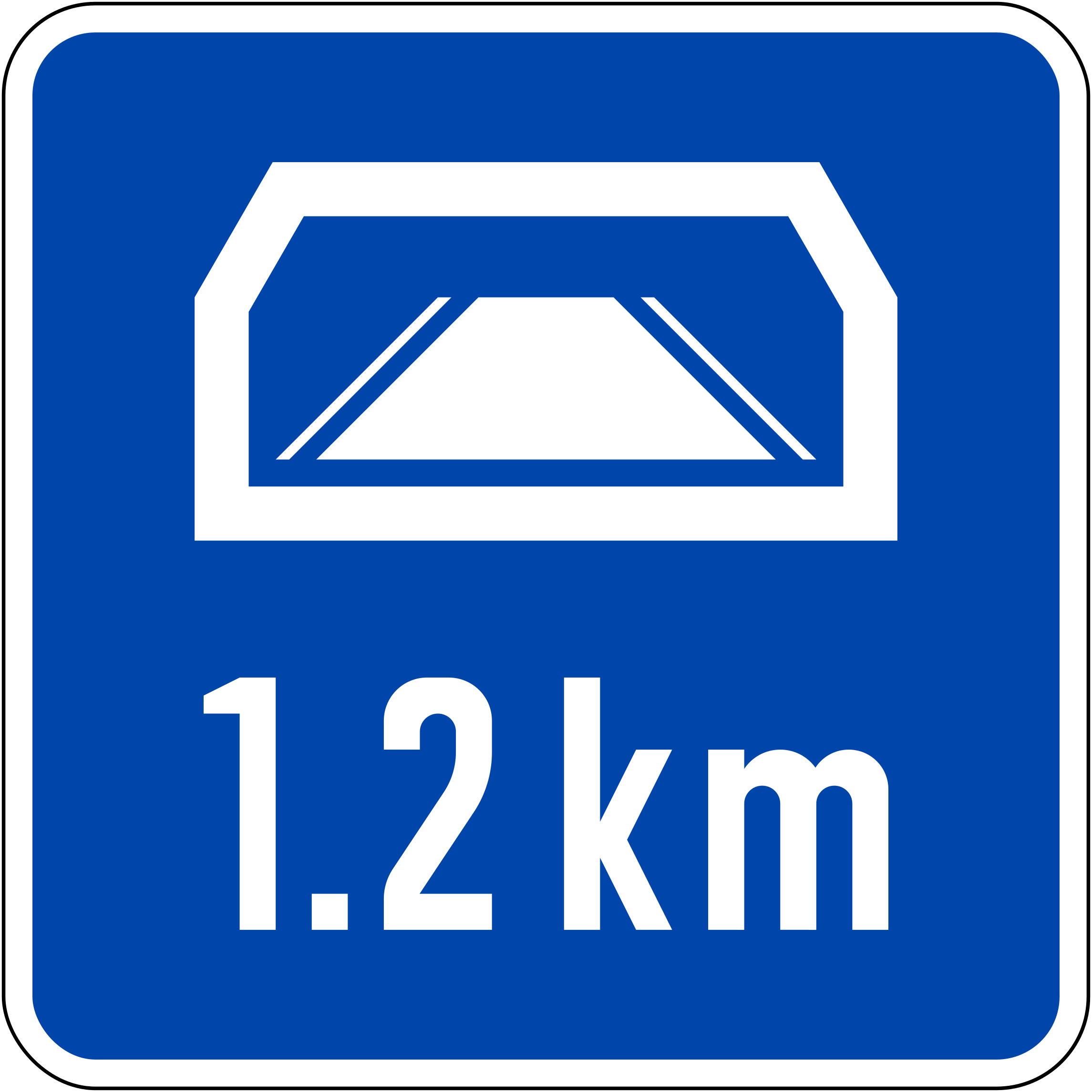
Tunnel length A tunnel ahead and its length. Switch on your headlights and keep your distance.
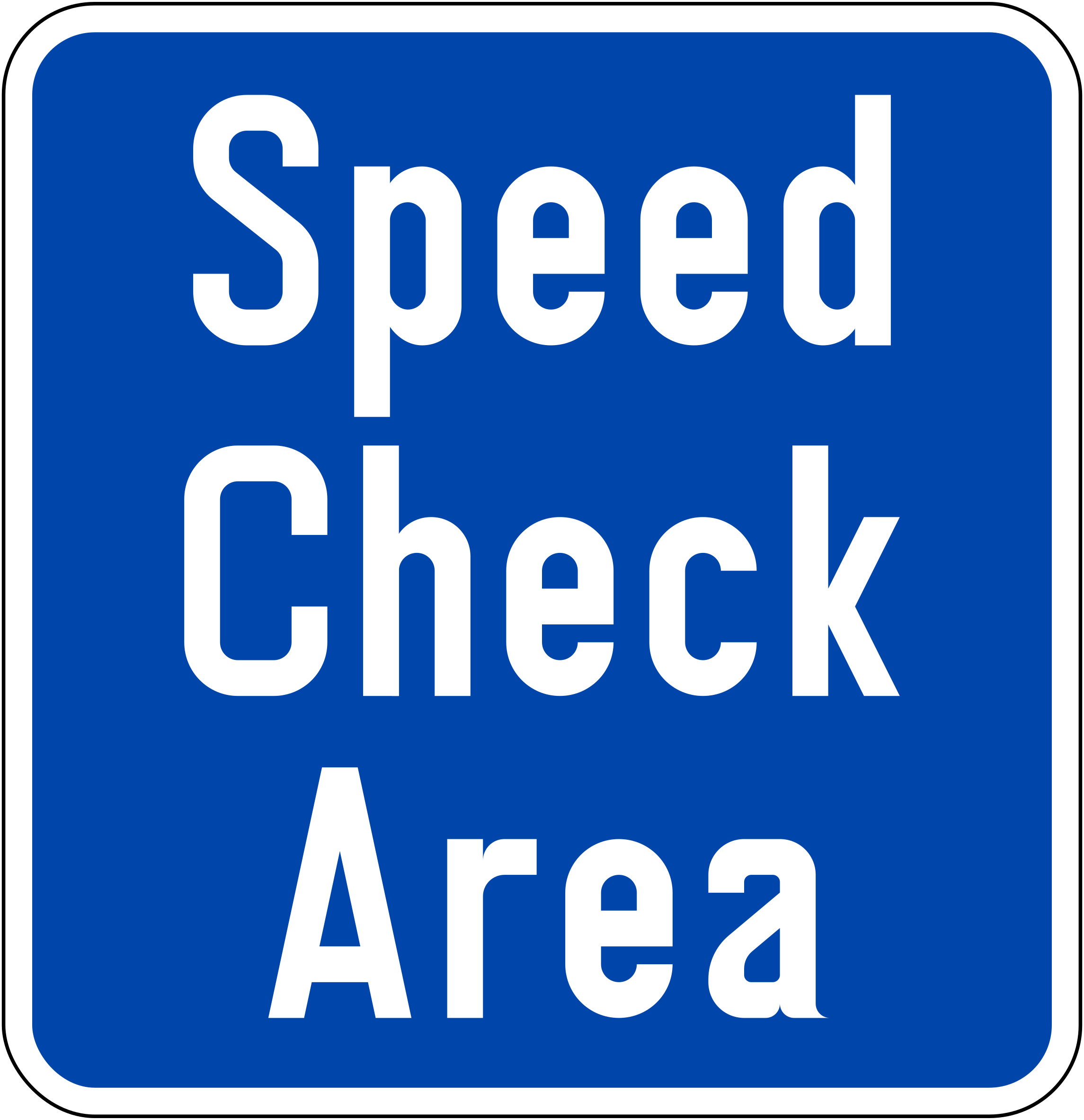
Speed check area Speed checks are carried out in this area. Keep to the speed limit.
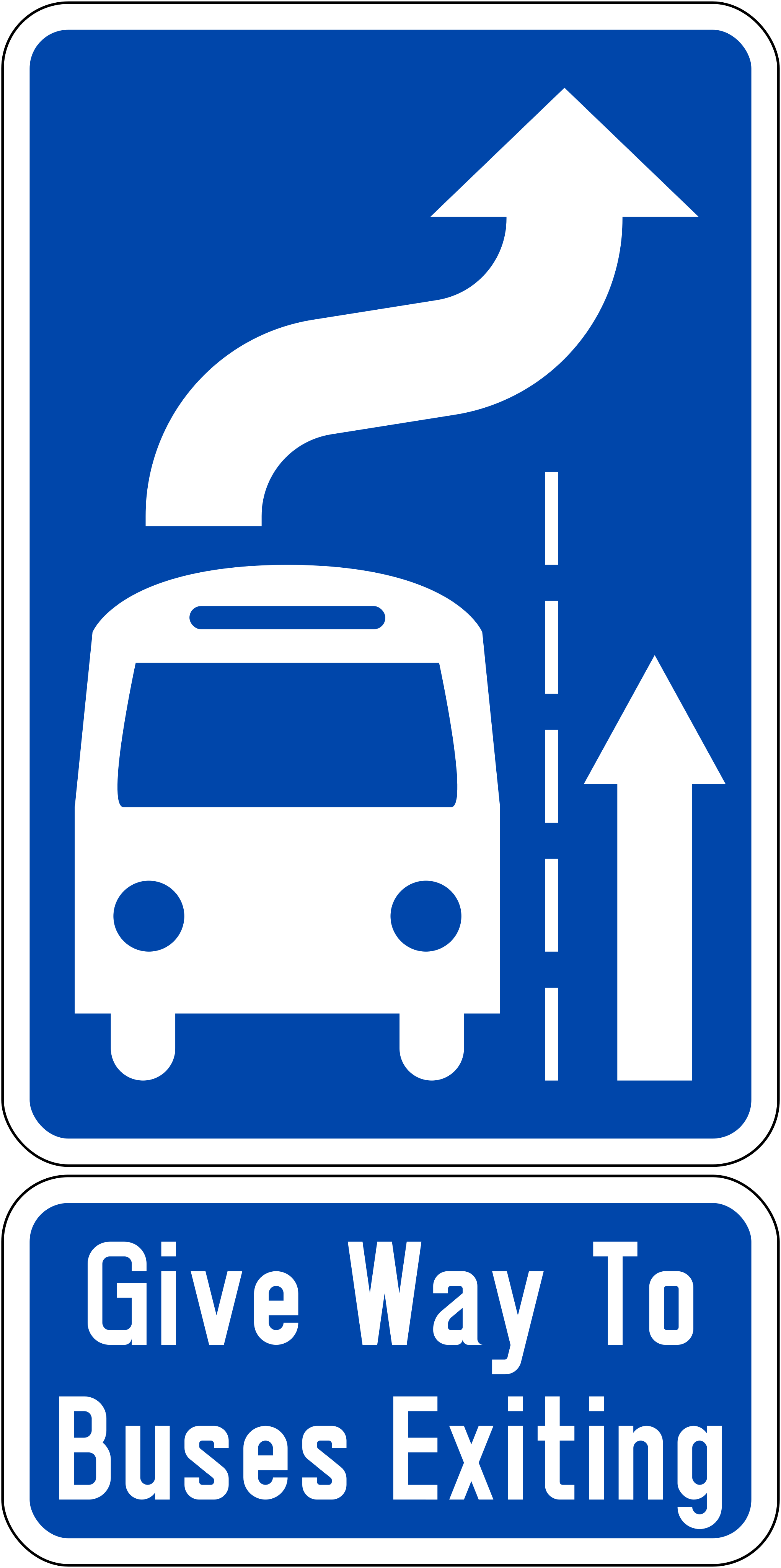
Courtesy give way to buses Please give way to buses leaving the bus bay. Let the bus move out when it signals.
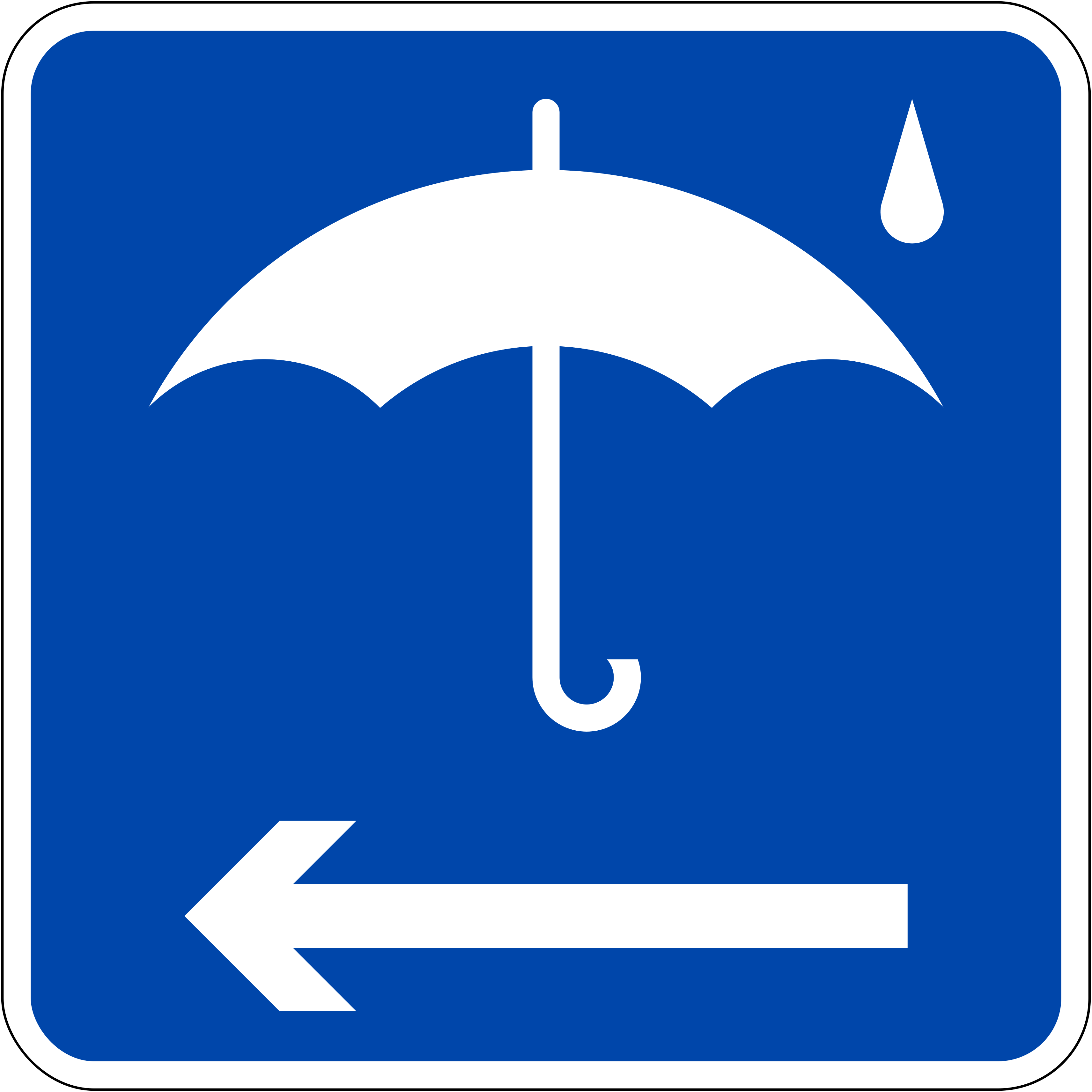
Rain shelter A shelter where motorcyclists may stop out of the rain. Pull in safely and do not block traffic.
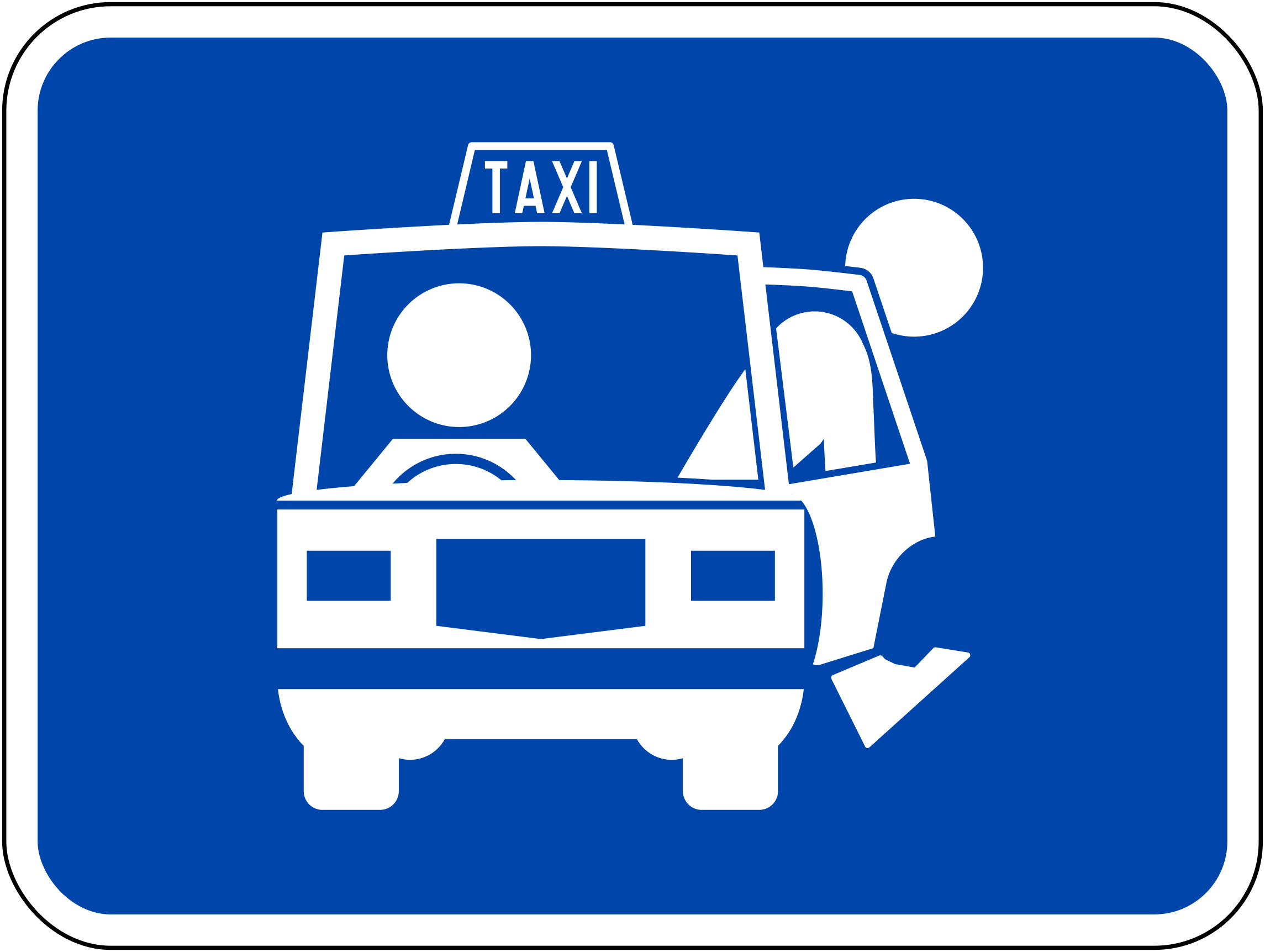
Taxi drop-off point A place for taxis to drop off passengers. Taxis may stop briefly to let passengers out.
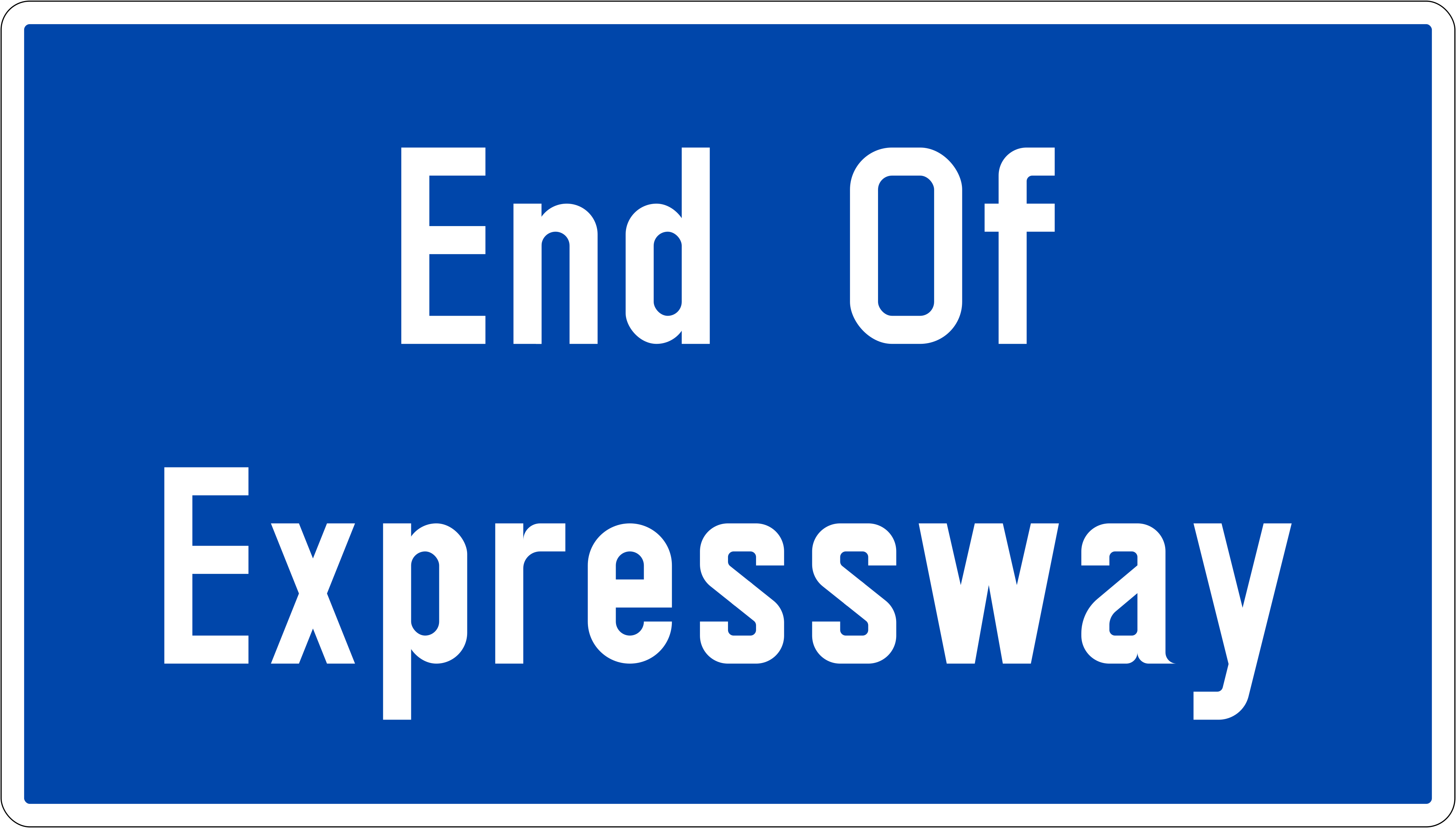
End of expressway The expressway ends here. Slow down to the new limit and watch for junctions and pedestrians.
Signs are easier to remember by group: the shape and colour tell you the kind of message before you read it. The Singapore signs on this page fall into these groups:
Pick an answer, then open "Show answer" to check it. For the real test format, take a free SPF practice test.
Turn on JavaScript to take the interactive mock tests.