The DVSA car theory test has two parts, taken at the same sitting. The multiple-choice part has 50 questions and you need at least 43 correct (86%). The hazard perception part uses 14 video clips and you need 44 of 75 points. You must pass both. PassDriveTest practises the multiple-choice part. Below is every UK sign we cover, with its official image and meaning. After the signs: the sign groups, a short quiz and study tips.
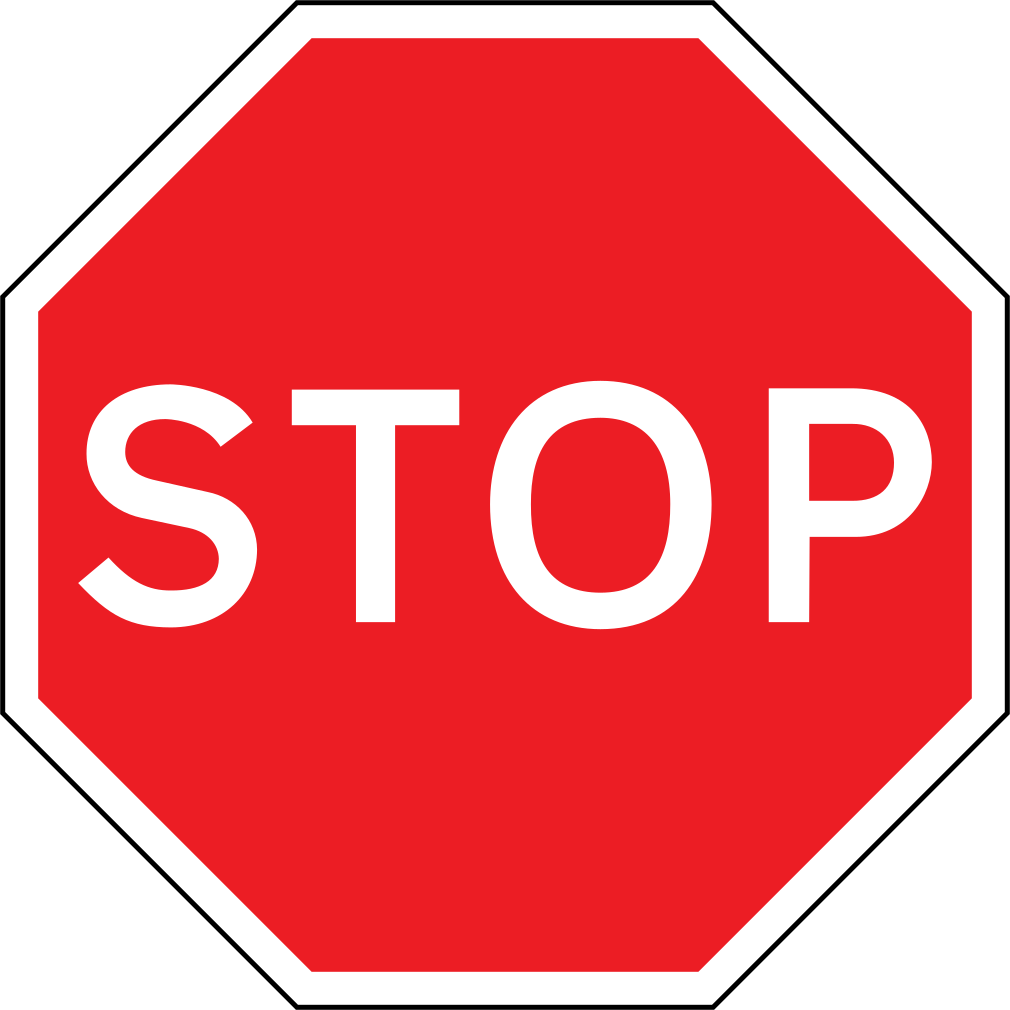
Stop and give way Stop at the line, then give way to traffic on the major road. Stop completely at the solid white line even if the road looks clear, then go only when it is safe.
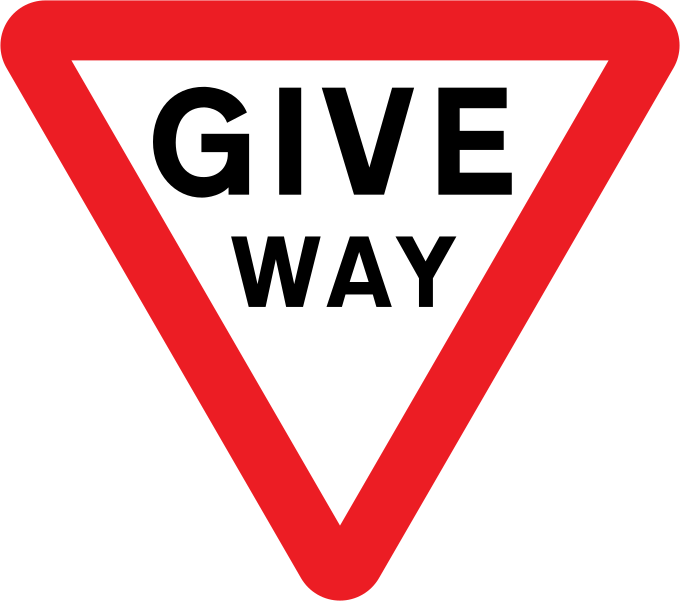
Give way Give way to traffic on the major road. Slow down and be ready to stop at the broken double white line.
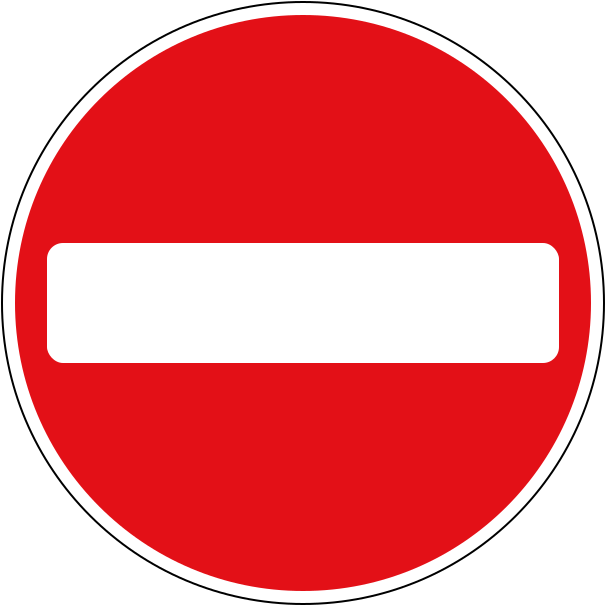
No entry No entry for vehicles. Do not drive past this sign. It often marks the exit end of a one-way street.
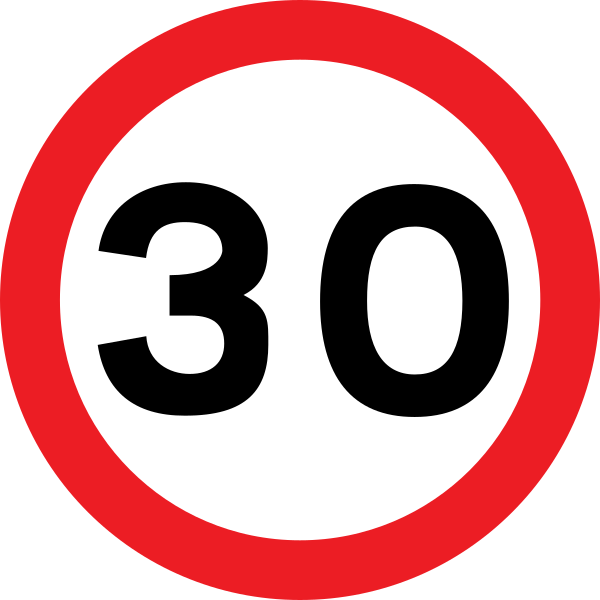
Maximum speed 30 mph You must not drive faster than 30 mph. Keep to or below the limit; drive slower when conditions need it.
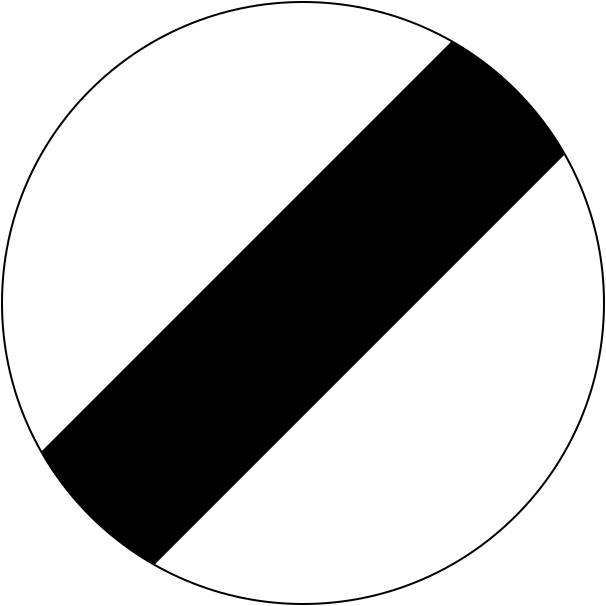
National speed limit The national speed limit applies. For cars: 60 mph on single carriageways, 70 mph on dual carriageways and motorways.
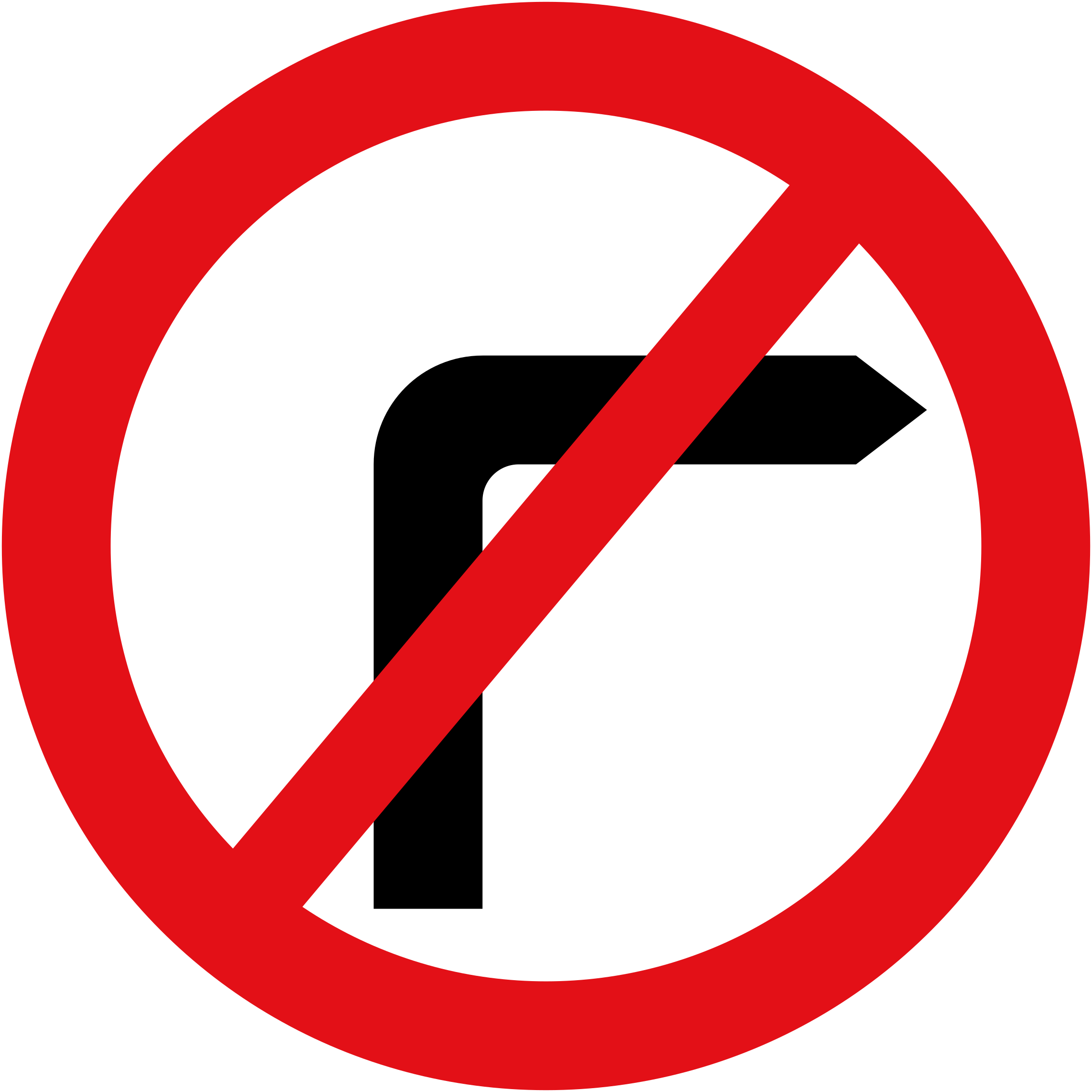
No right turn You must not turn right. Go ahead or turn left and find another route.
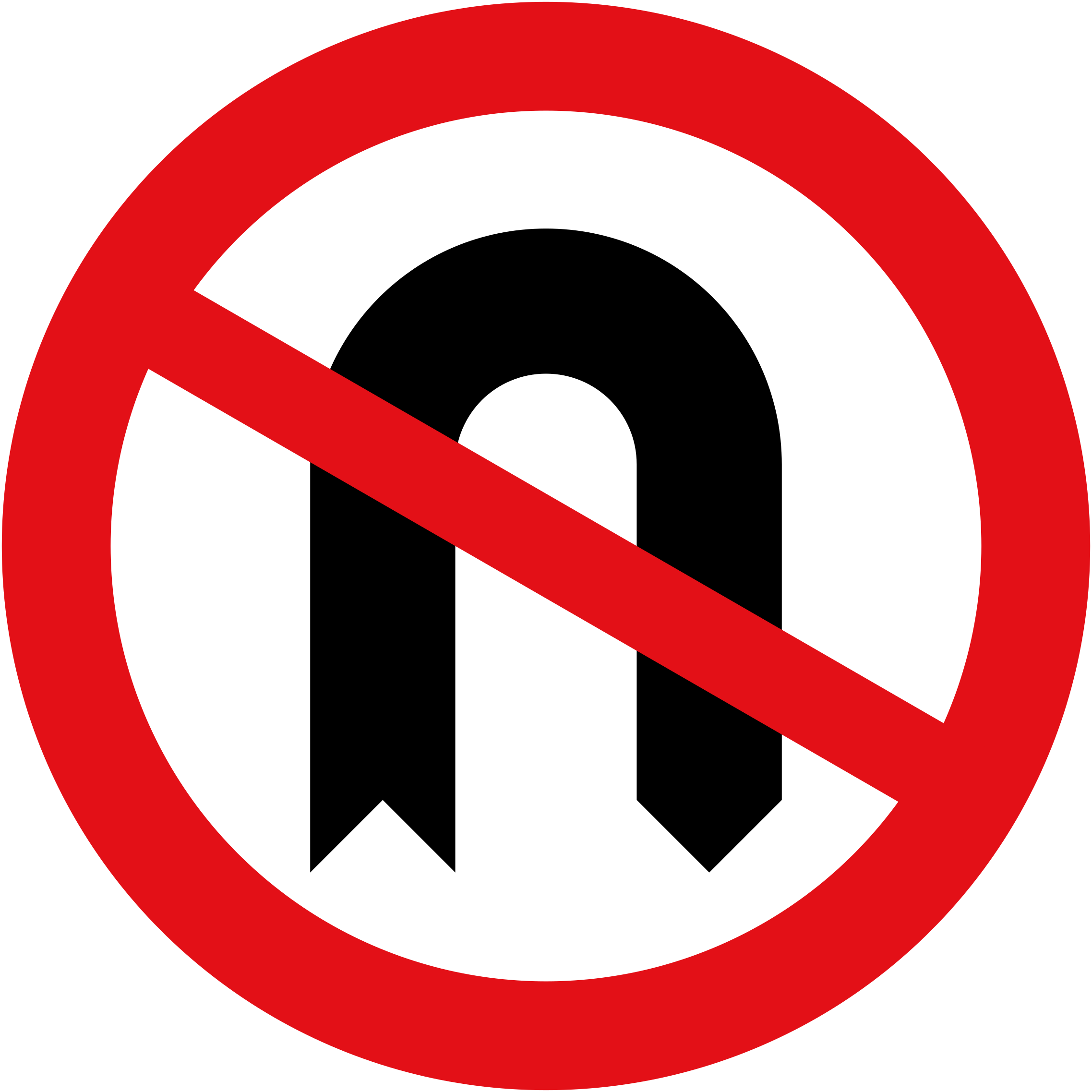
No U-turns You must not make a U-turn. Continue and turn safely elsewhere.
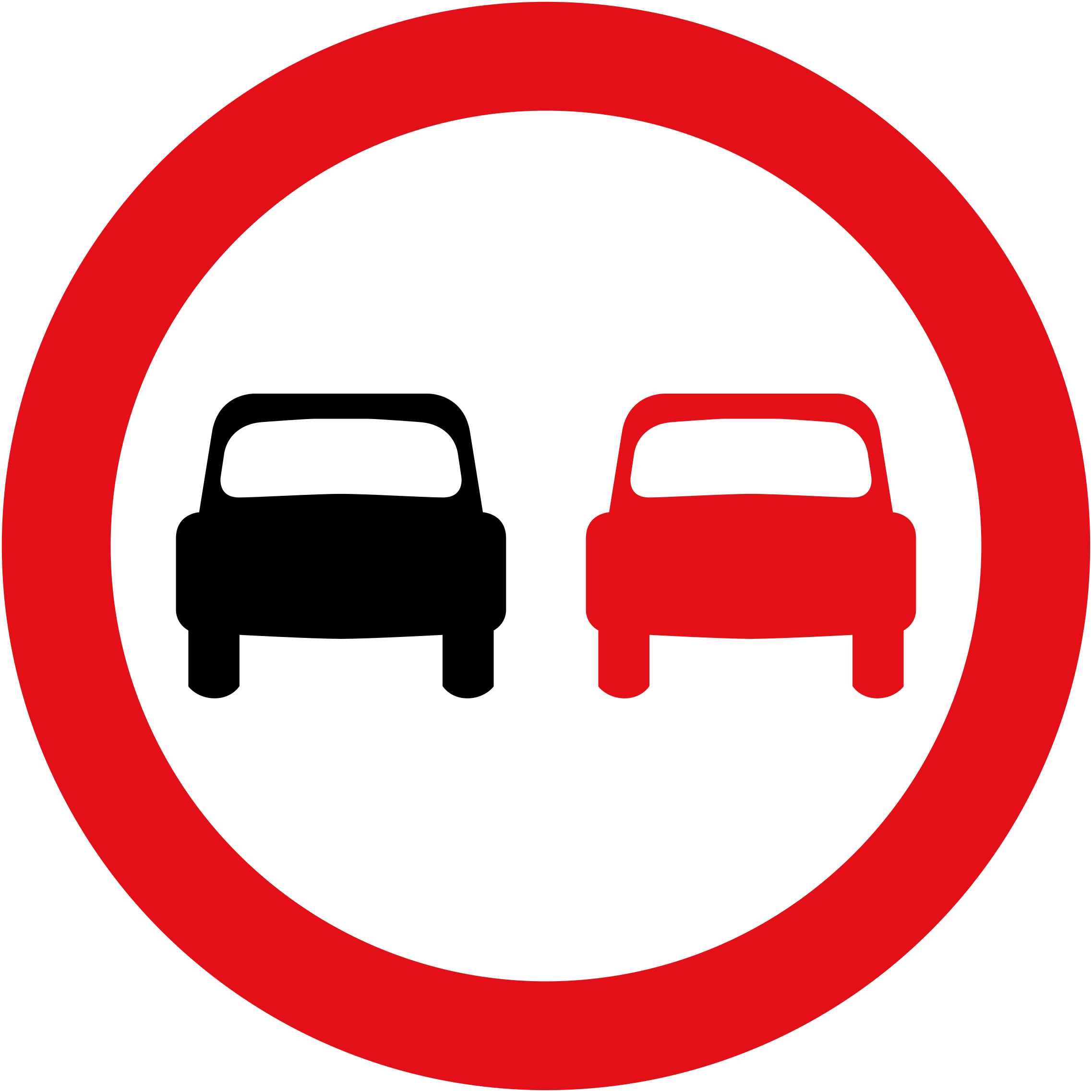
No overtaking You must not overtake. Stay behind the vehicle in front until the restriction ends.
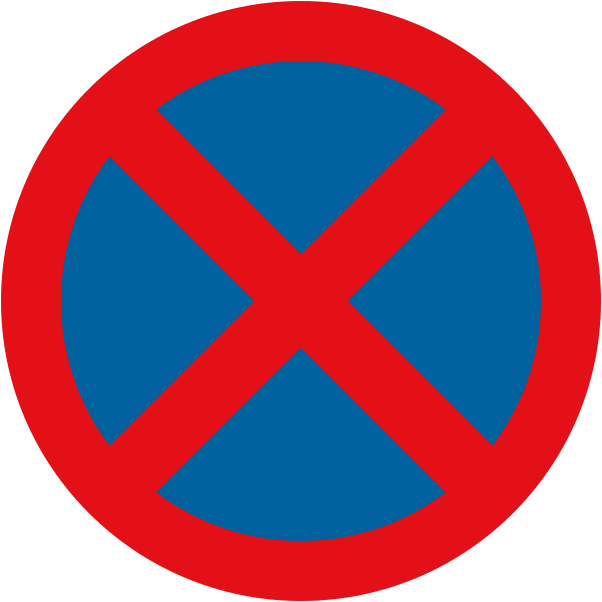
No stopping (clearway) No stopping at any time during the times shown. Do not stop, even to pick up or set down passengers.
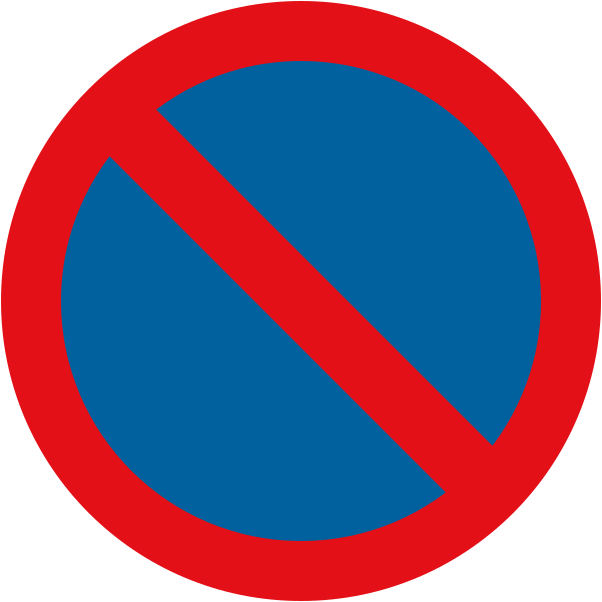
No waiting No waiting during the times shown. You may stop briefly to load or let passengers in or out, unless other signs say otherwise.
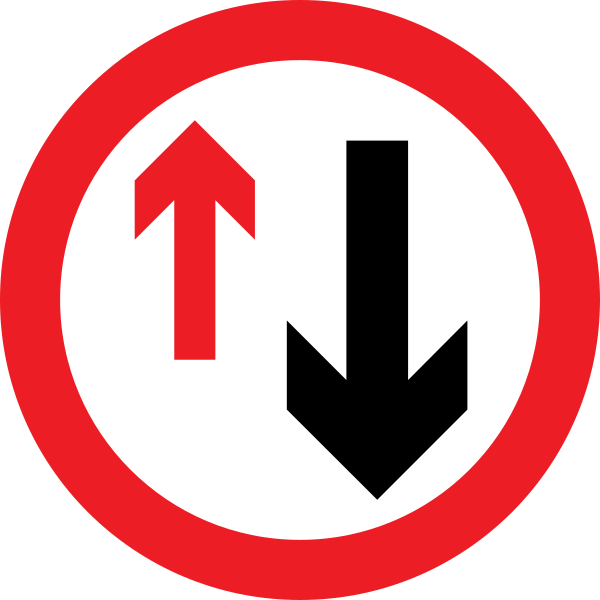
Give priority to oncoming vehicles Give way to vehicles coming from the opposite direction. At a narrow section or bridge, wait until oncoming traffic has passed.
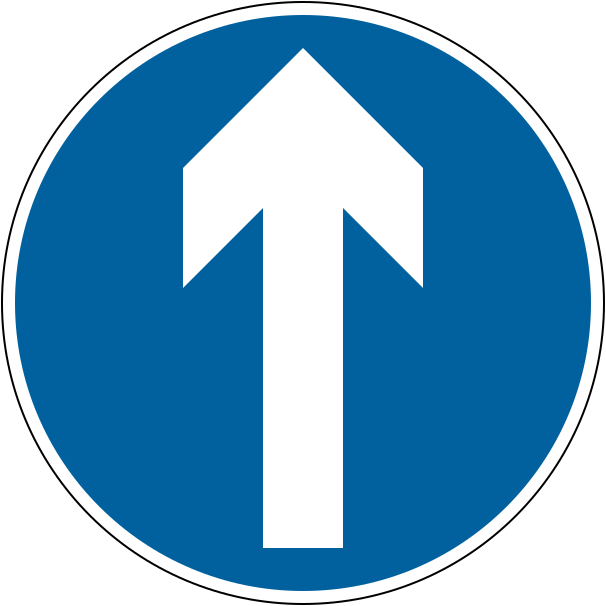
Ahead only You must go straight ahead. Do not turn left or right here.
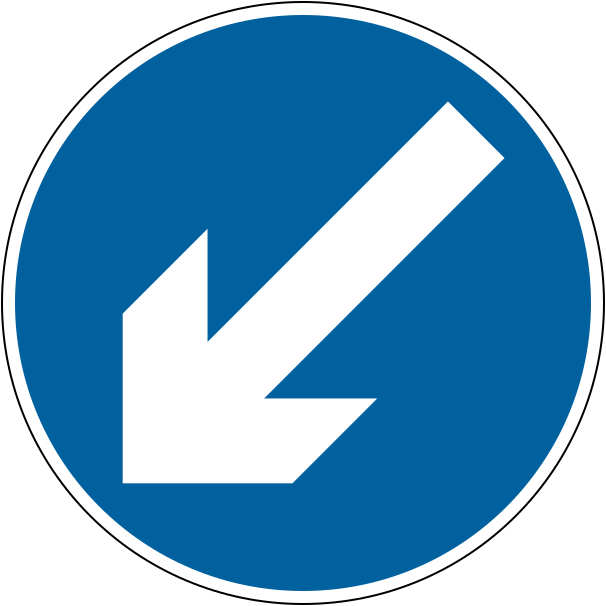
Keep left Keep to the left of the sign. Pass on the left side of the island or obstruction.
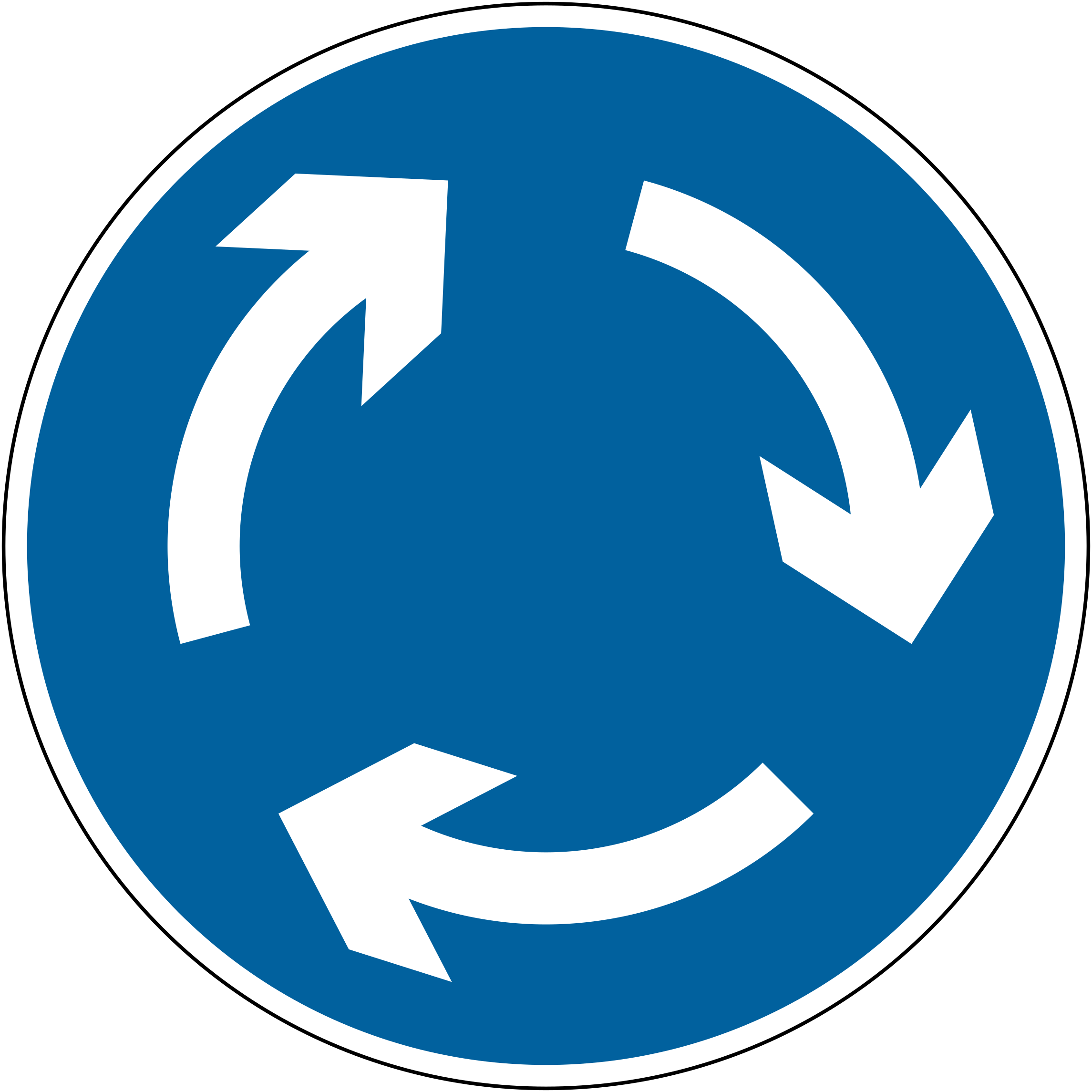
Mini-roundabout Mini-roundabout ahead: give way to traffic from the right. Go clockwise round the painted circle and avoid driving over it if you can.
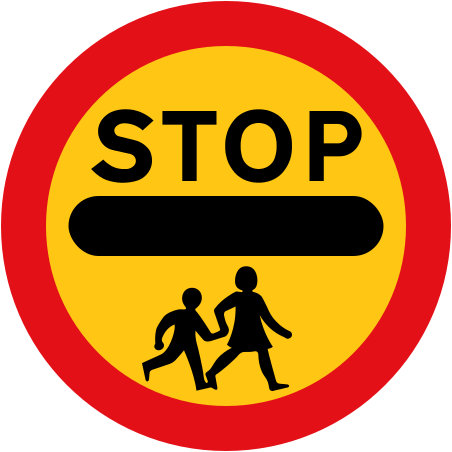
School crossing patrol Stop: a school crossing patrol is helping children cross. You must stop when the patrol shows this sign.
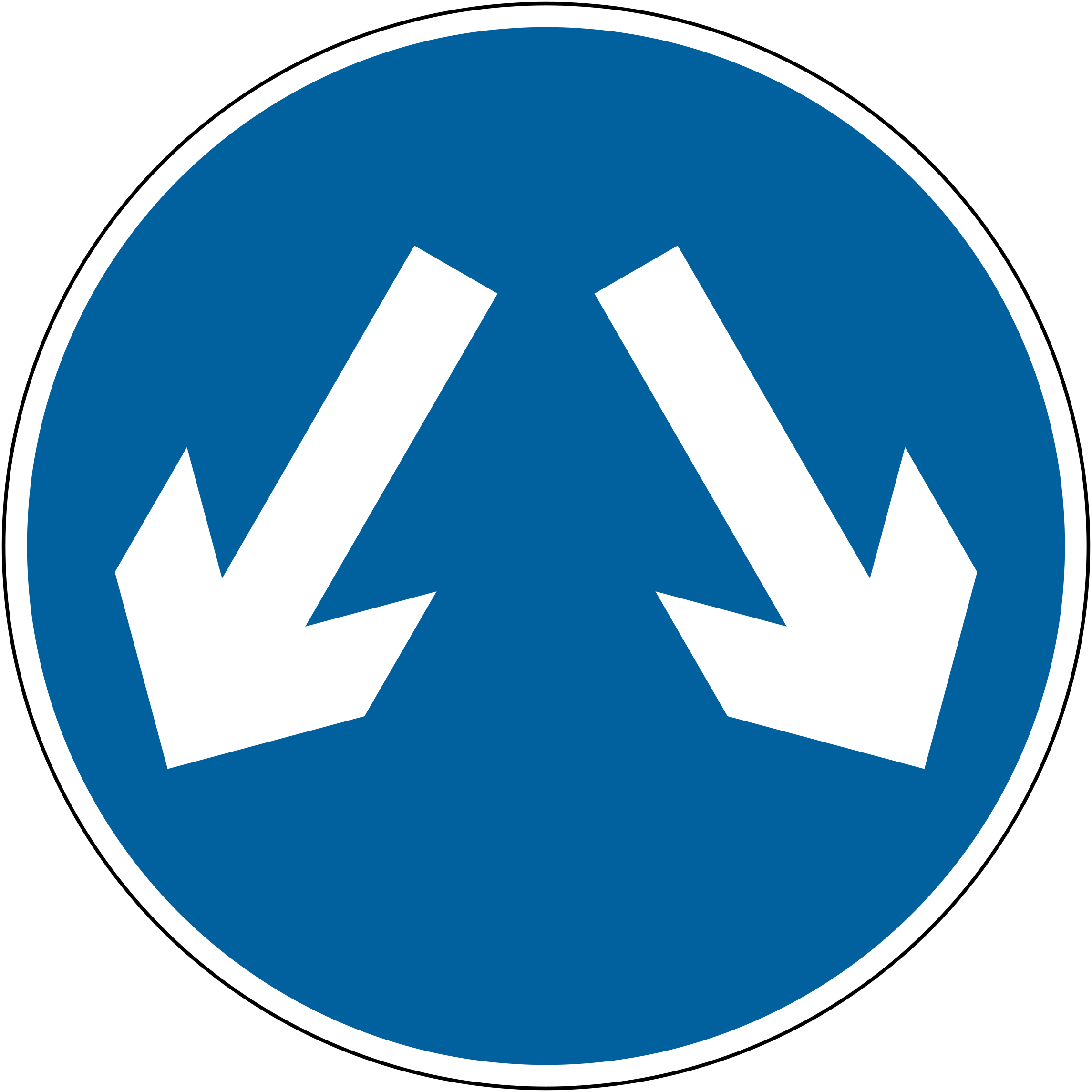
Vehicles may pass either side Vehicles may pass on either side to reach the same destination. Choose either side of the island or obstruction.
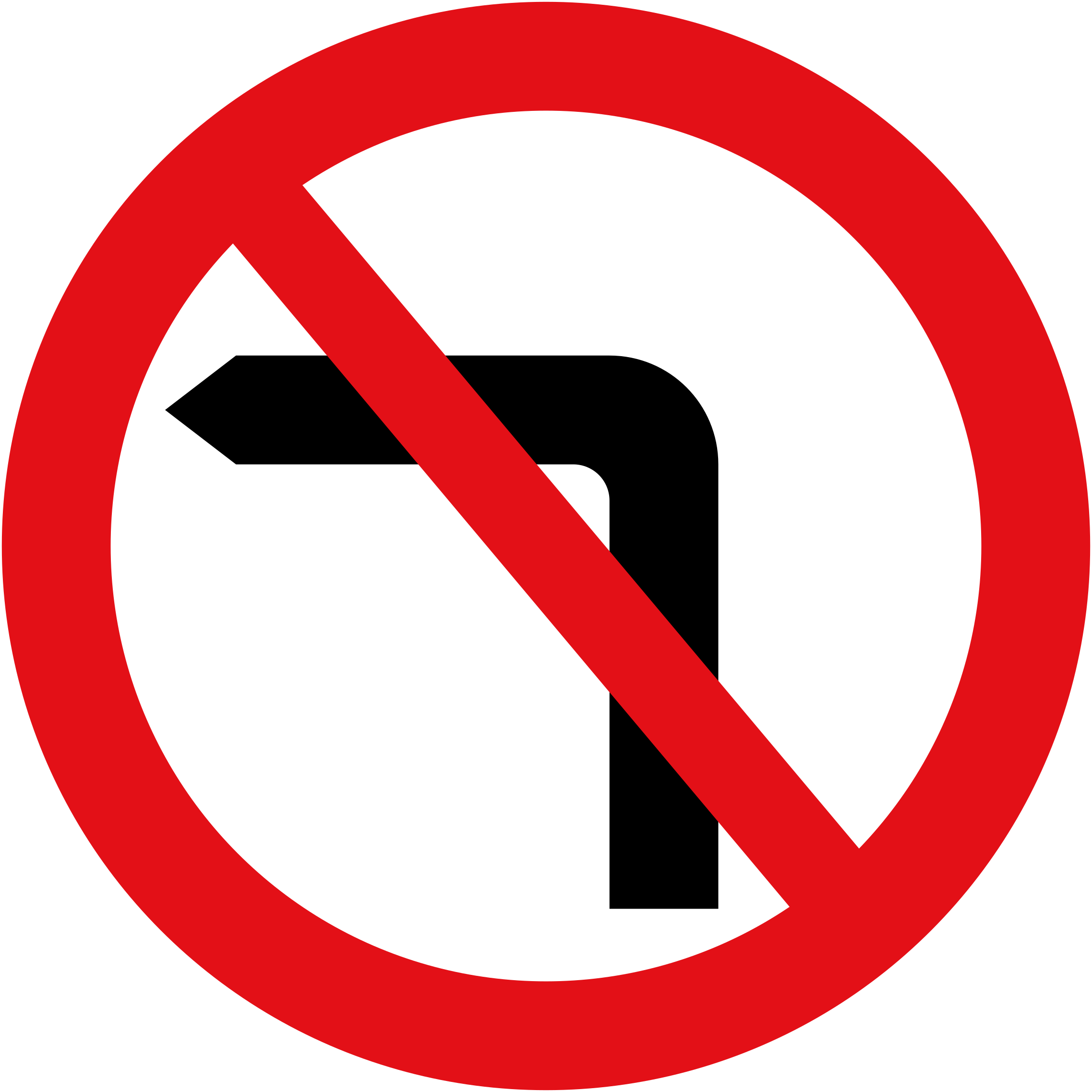
No left turn You must not turn left. The red ring means the movement is prohibited.
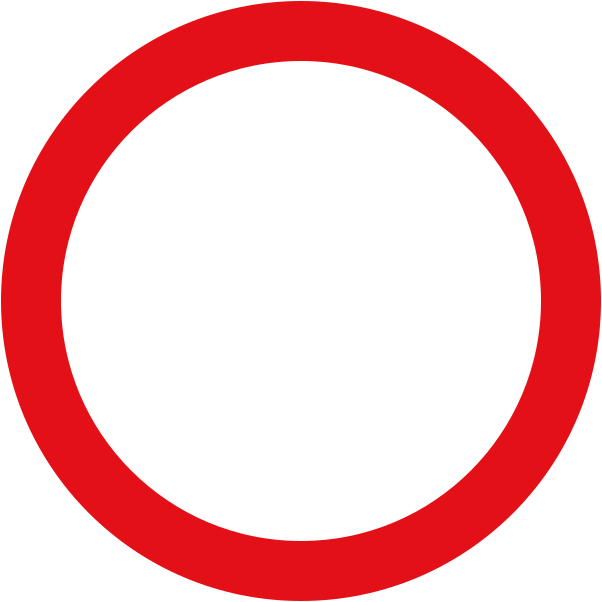
No vehicles No vehicles, except bicycles being pushed. The plain red ring means no vehicles may enter.
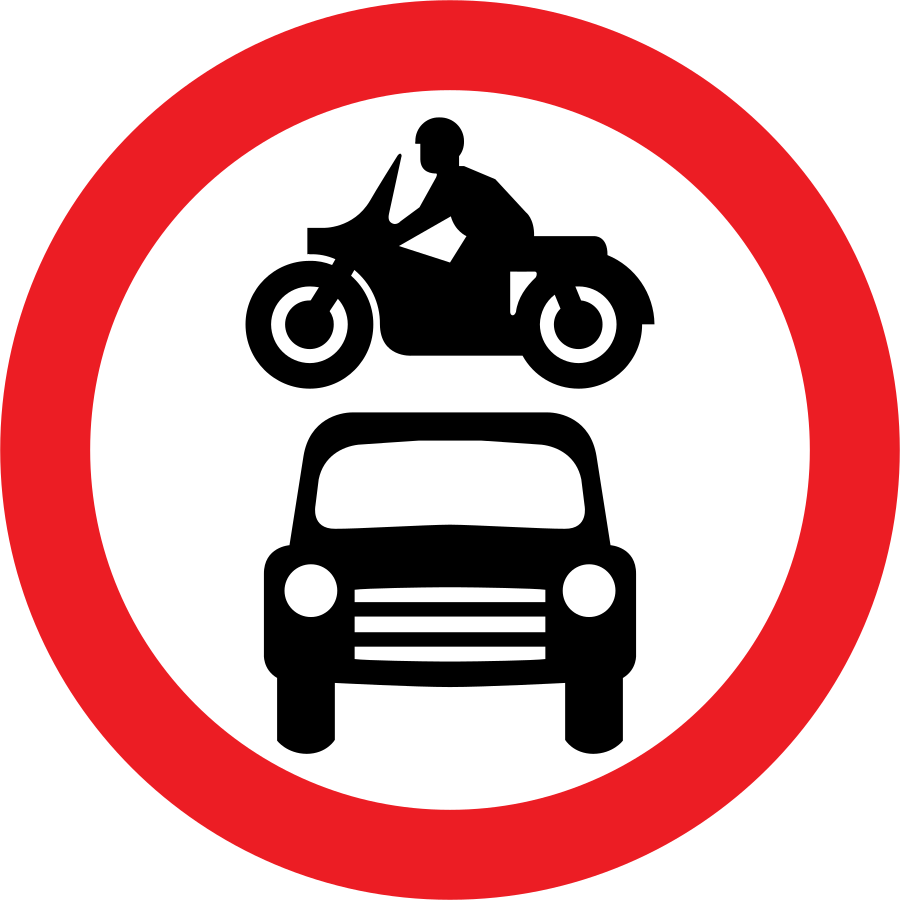
No motor vehicles No motor vehicles may use this road. Bicycles, horses and pedestrians may still use it.
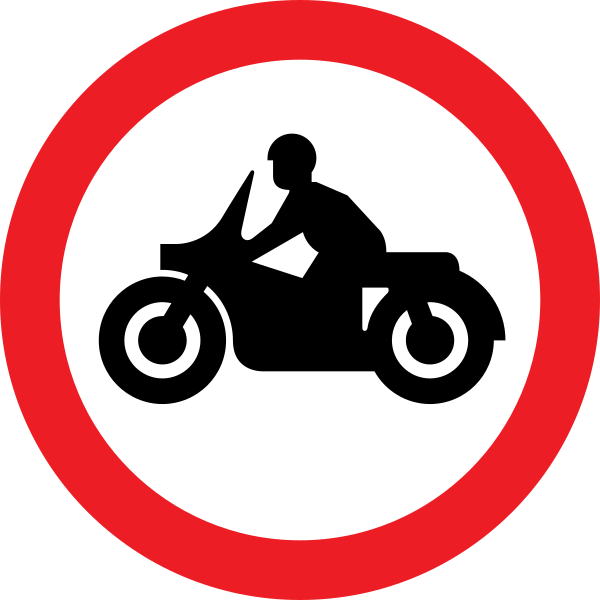
No motorcycles Motorcycles must not use this road. The red ring means prohibited.
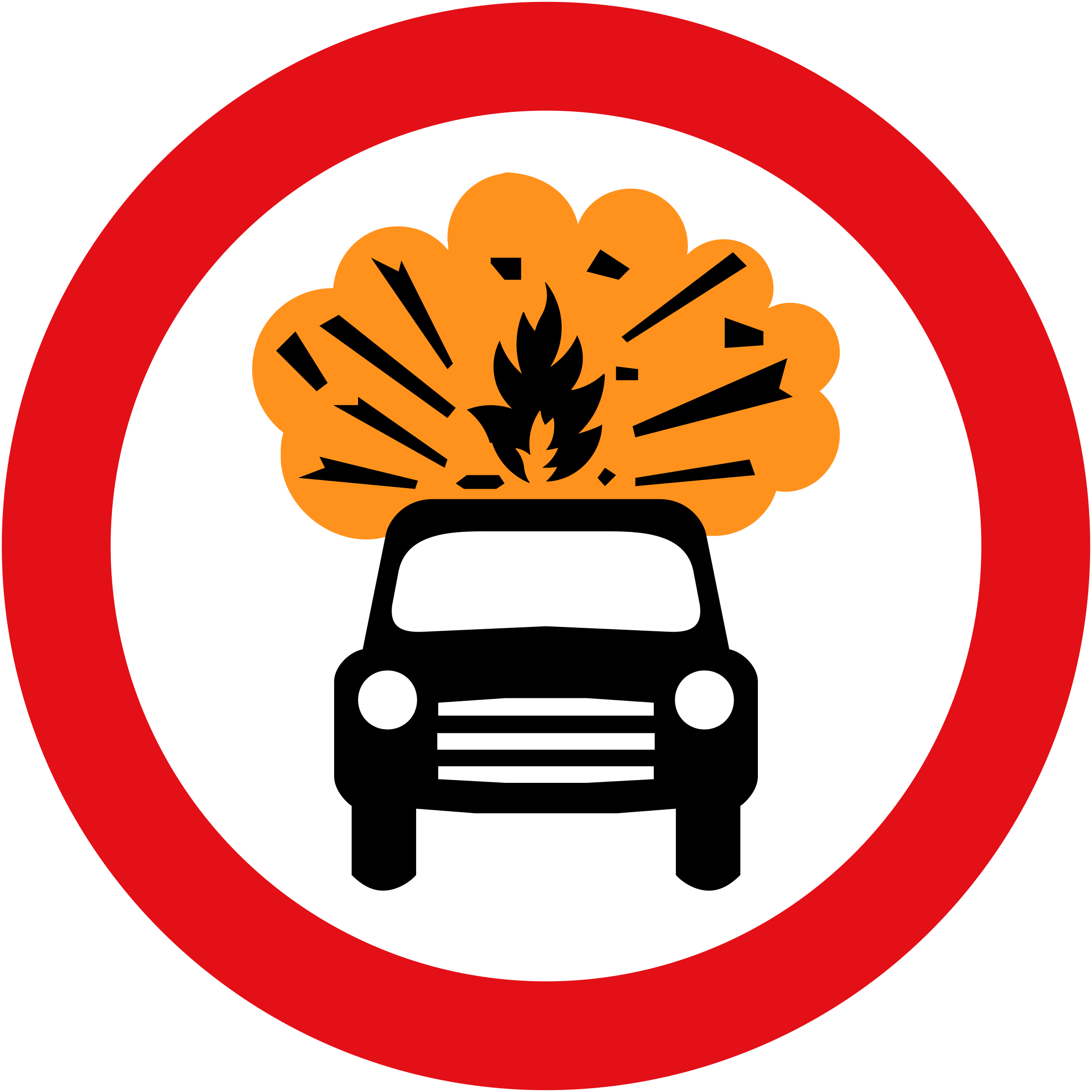
No vehicles carrying explosives Vehicles carrying explosives must not enter. Often at tunnels.
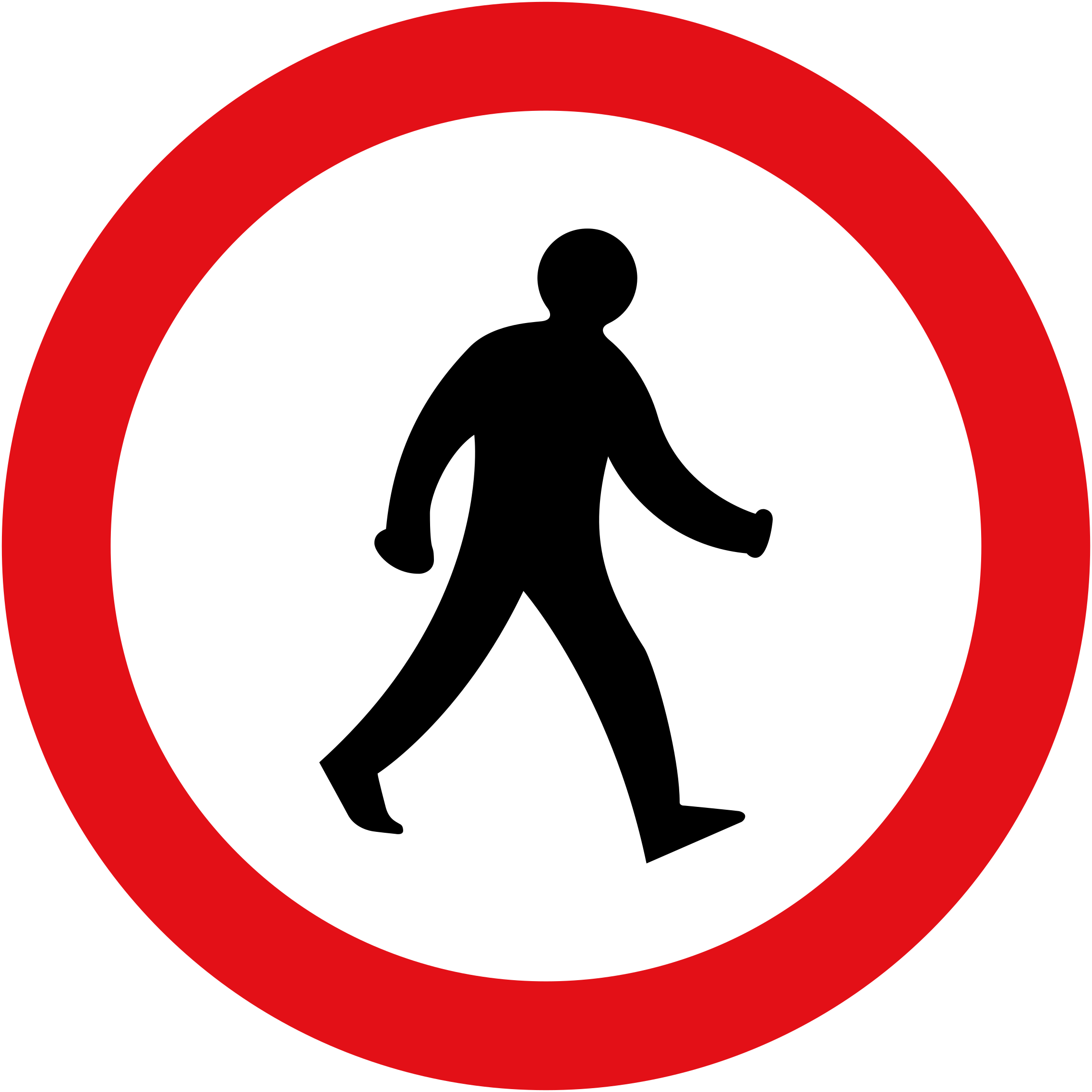
No pedestrians Pedestrians must not walk here. Usually at roads with no footway, such as some underpasses.
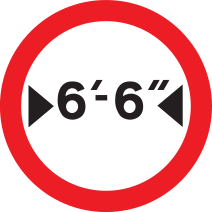
No vehicles over the width shown Vehicles wider than the width shown must not enter. Check the width of your vehicle before you go on.
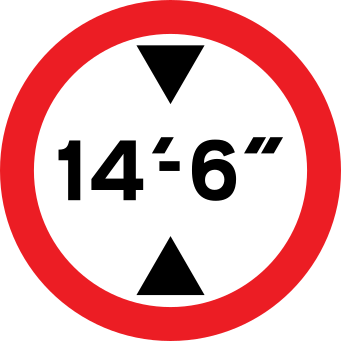
No vehicles over the height shown Vehicles taller than the height shown must not go on. Know the height of your vehicle and its load.
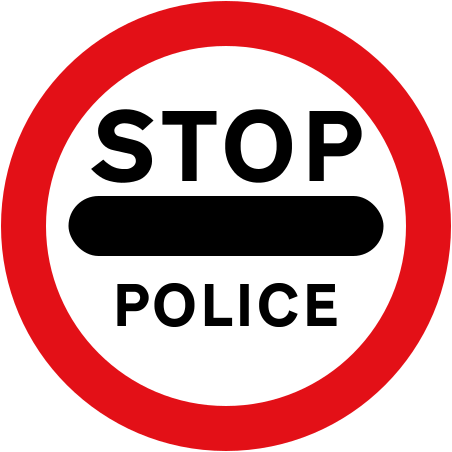
Stop - police Stop when told to by a police officer showing this sign. Used by police to control traffic.
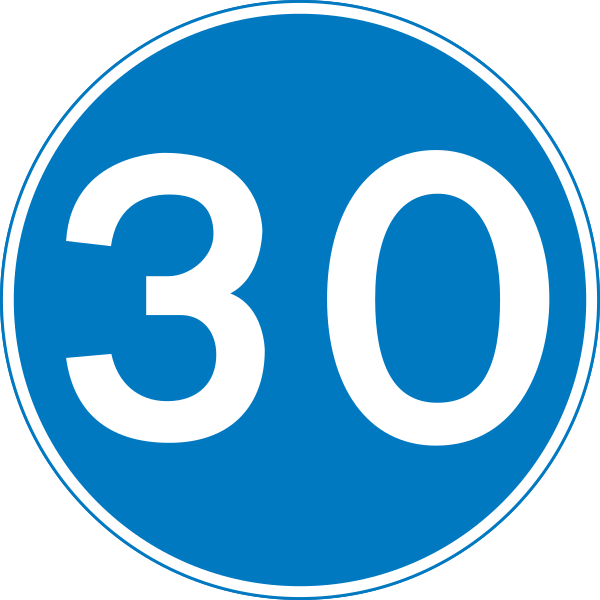
Minimum speed You must not drive slower than the speed shown unless it is unsafe. Blue circles give positive instructions.
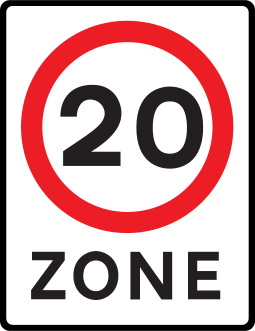
20 mph zone A 20 mph speed limit applies throughout the zone. The limit applies until you see a sign marking the end of the zone.
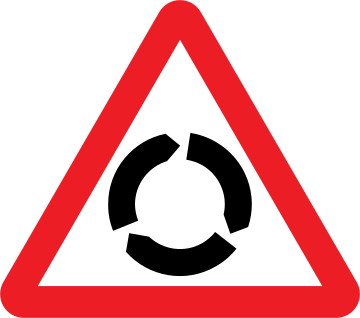
Roundabout ahead There is a roundabout ahead. Slow down, pick your lane early and give way to traffic from the right.
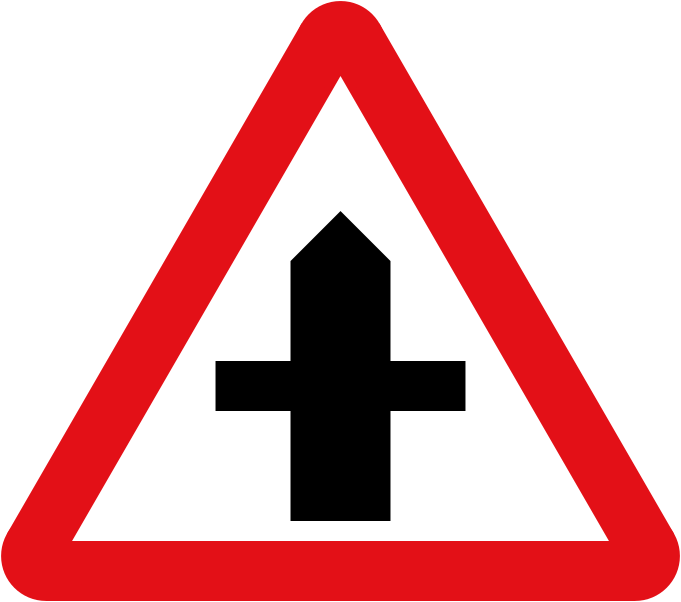
Crossroads Crossroads ahead. Slow down and look out for traffic joining or crossing.
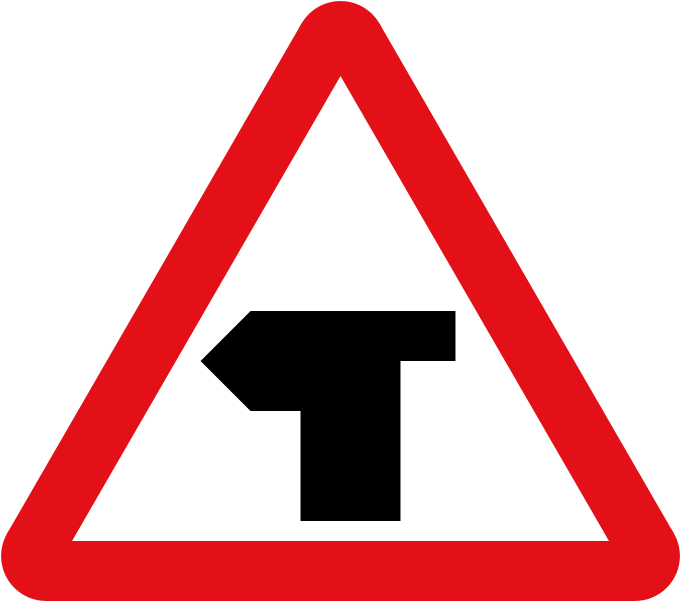
T-junction T-junction ahead. Your road ends at a junction; be ready to give way or stop.
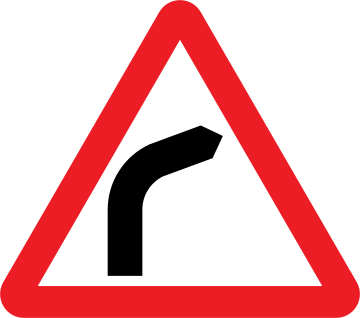
Bend to the right The road bends to the right ahead. Reduce speed before the bend, not in it.
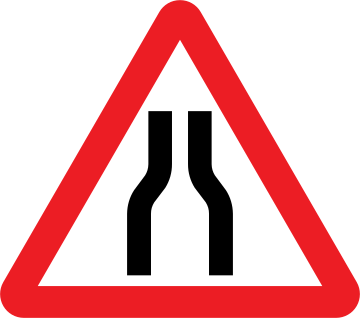
Road narrows on both sides The road gets narrower ahead. Slow down and be ready to give way to oncoming traffic.
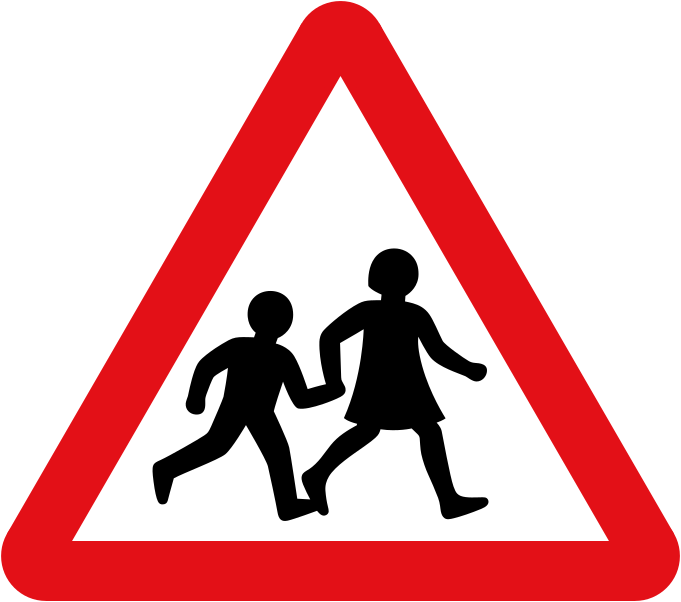
Children going to or from school Children may be crossing near a school. Slow down and watch for children and a school crossing patrol.
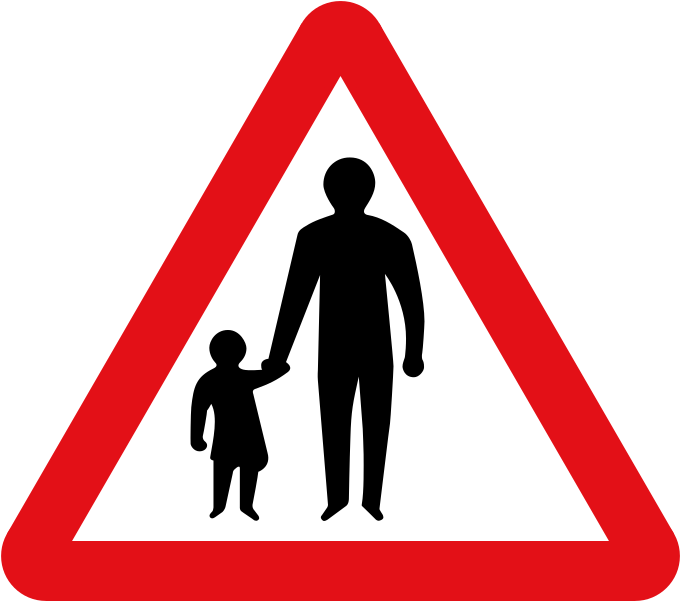
Pedestrians in the road ahead Pedestrians may be in the road. Slow down and be ready to stop.
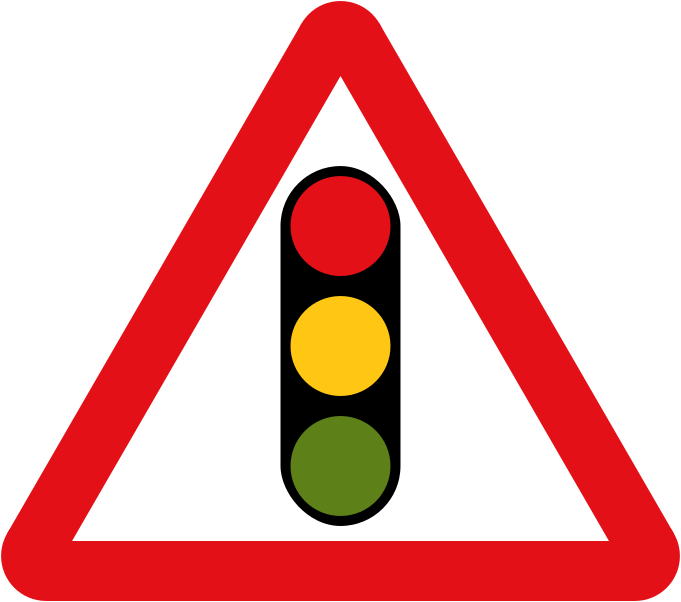
Traffic signals ahead Traffic lights ahead. Be ready to stop if the lights change.
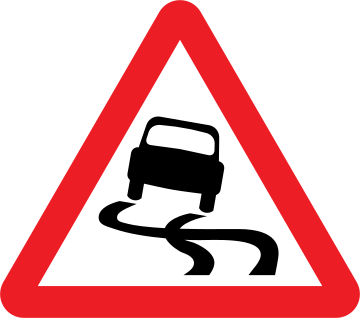
Slippery road The road may be slippery. Slow down, brake gently and avoid sudden steering.
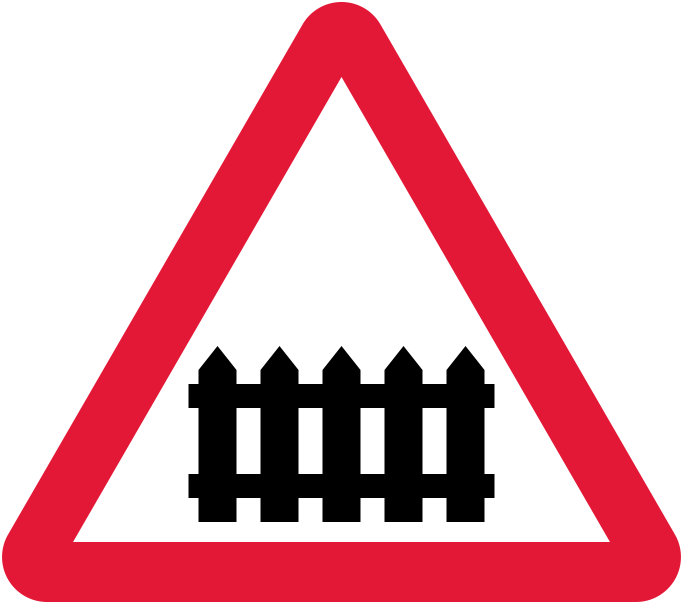
Level crossing with barrier or gate A level crossing with barriers or gates is ahead. Stop when the amber light and then the red lights flash.
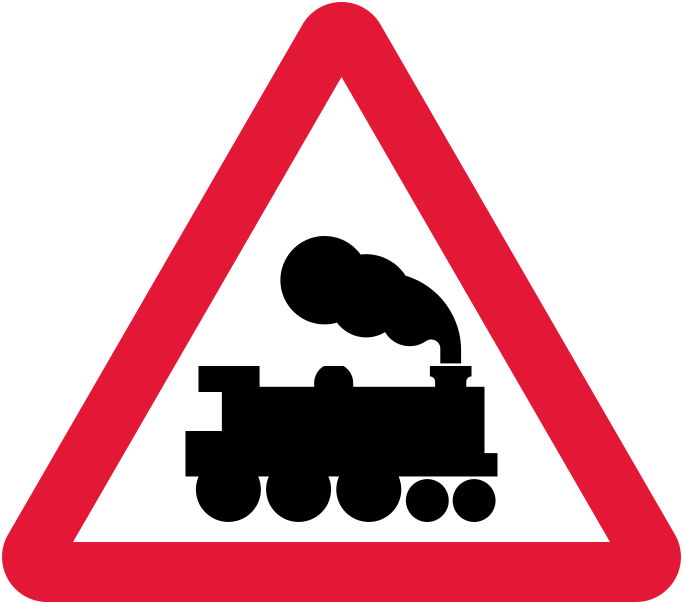
Level crossing without barrier A level crossing without barriers is ahead. Look both ways and listen before crossing.
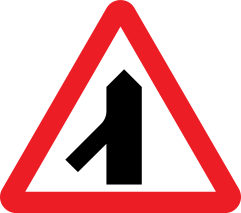
Traffic merging from the left Traffic will merge from the left ahead. Be ready to let merging traffic in.
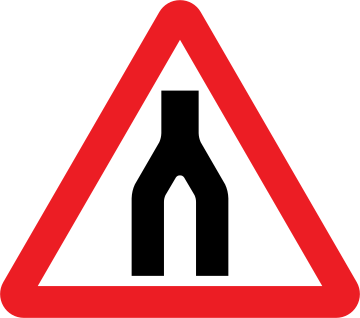
Dual carriageway ends The dual carriageway ends ahead. Two-way traffic follows on a single carriageway.
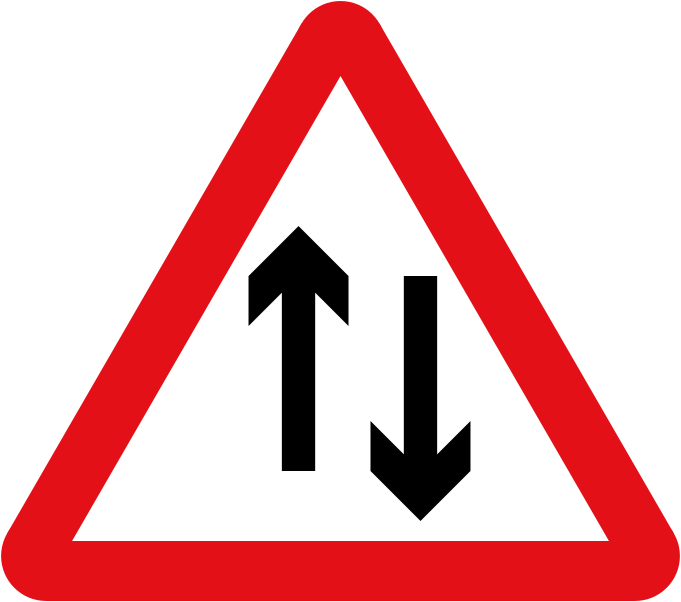
Two-way traffic straight ahead Two-way traffic ahead. Keep left; oncoming traffic will share the road.
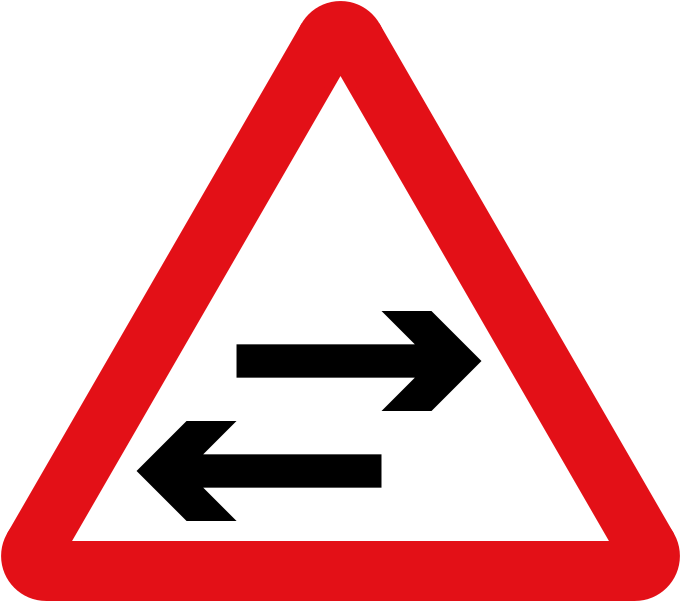
Two-way traffic crosses one-way road Two-way traffic crosses the one-way road ahead. Watch for traffic from both directions at the crossing.
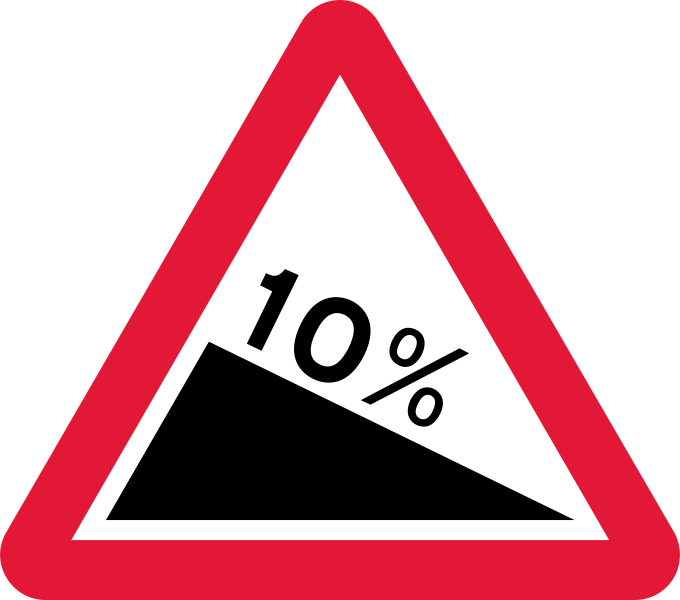
Steep hill downwards A steep downhill slope is ahead. Use a low gear to control your speed and avoid riding the brakes.
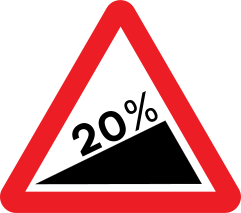
Steep hill upwards A steep uphill slope is ahead. Change down in good time.
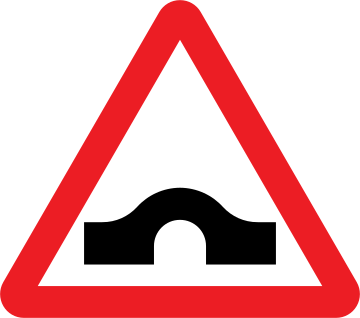
Hump bridge A hump bridge is ahead. Slow down; you may not see oncoming traffic over the top.
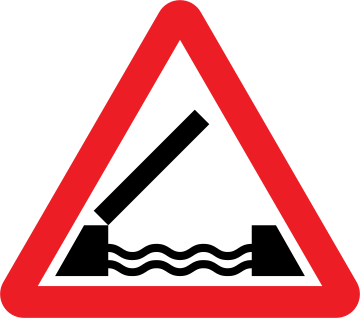
Opening or swing bridge ahead A bridge that opens or swings is ahead. Be ready to stop when the bridge is open.
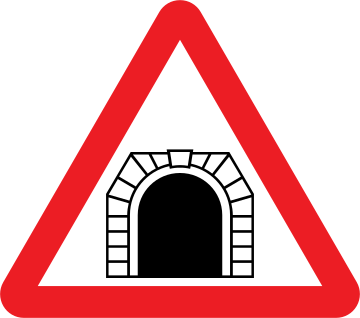
Tunnel ahead A tunnel is ahead. Switch on dipped headlights and keep your distance.
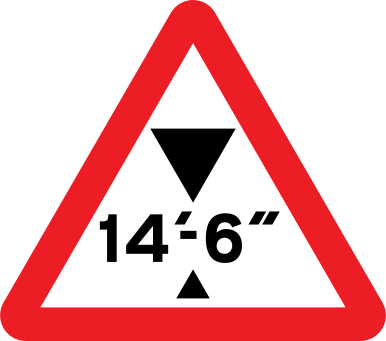
Available headroom indicated Warning of a low height ahead; the clearance is shown. Taller vehicles must not go under it.
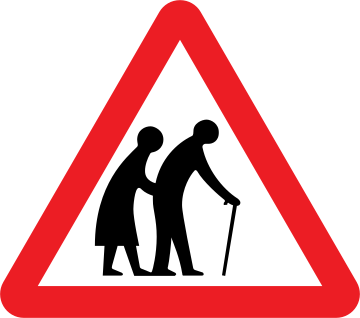
Elderly or vulnerable people likely to cross Elderly or vulnerable people may be crossing the road. Slow down and give them time.
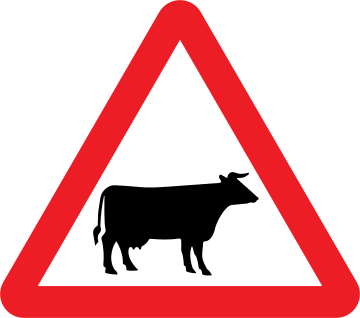
Cattle Cattle may be on the road ahead. Slow down and pass them slowly.
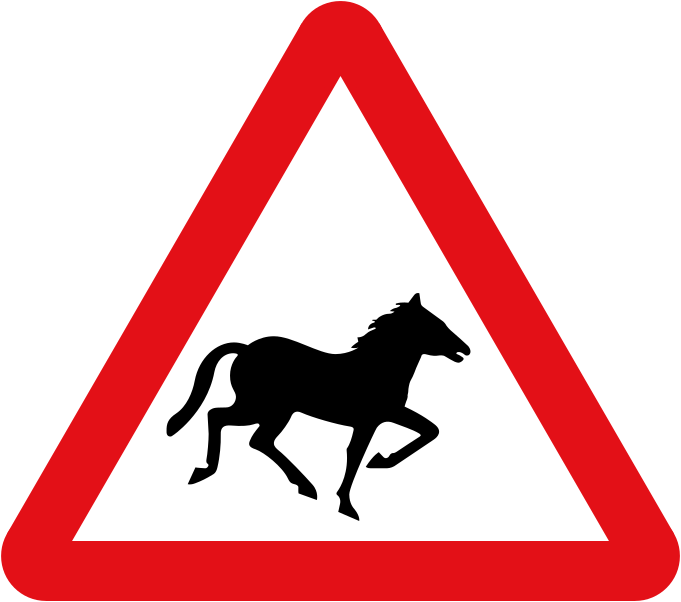
Wild horses or ponies Wild horses or ponies may be on the road. Slow down and be ready to stop.
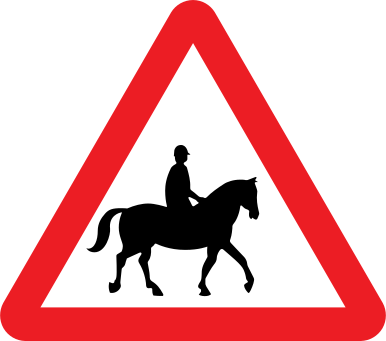
Accompanied horses or ponies Horse riders or led horses may be on the road. Slow down to no more than 10 mph and pass wide.
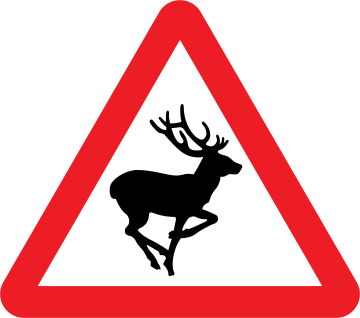
Wild animals Wild animals such as deer may be on the road. Slow down, especially at dawn and dusk.
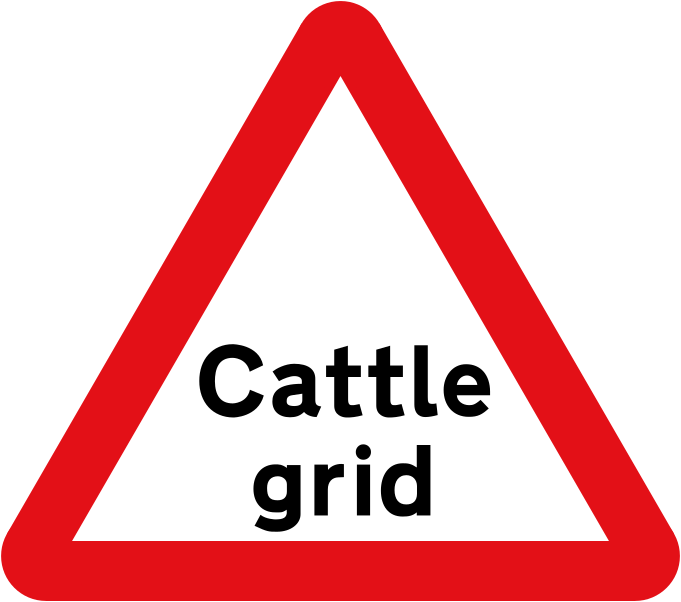
Cattle grid A cattle grid is ahead. Slow down; animals may be on the road beyond it.
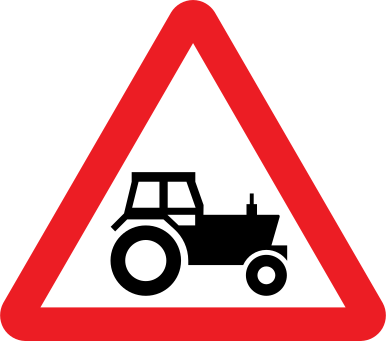
Agricultural vehicles Slow farm vehicles may be on the road. Be patient and overtake only when it is safe.
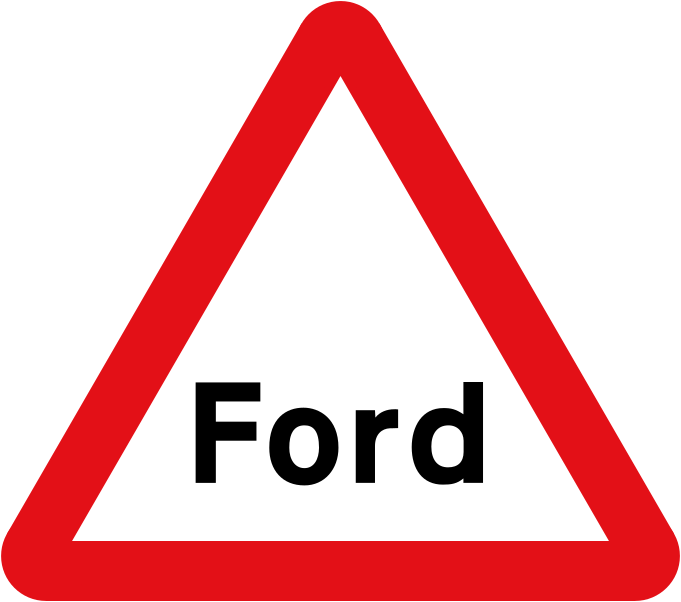
Ford The road crosses water ahead. Check the depth before driving through, then test your brakes afterwards.
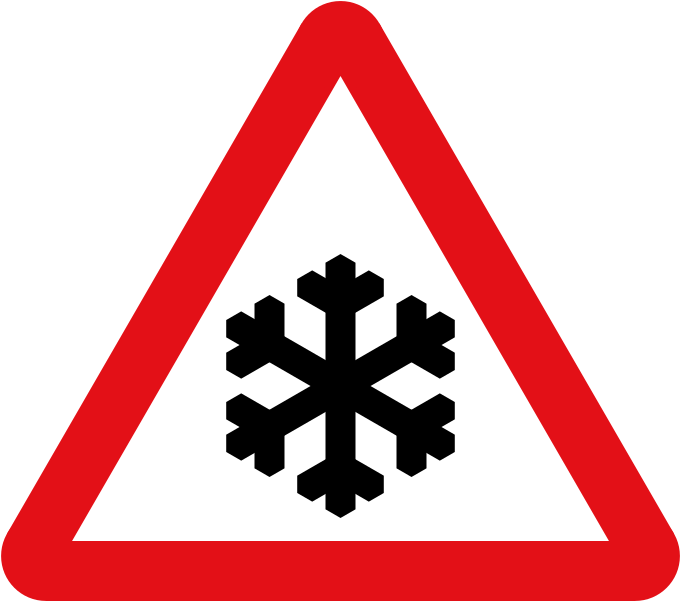
Risk of ice Ice may be on the road ahead. Drive slowly in as high a gear as possible and brake gently.
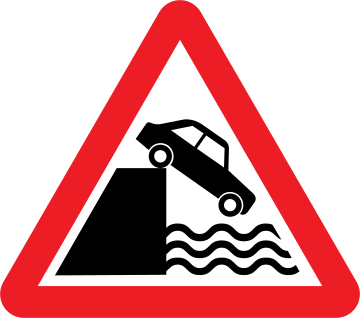
Quayside or river bank The road runs beside a quay or river bank. Take care, especially in poor visibility.
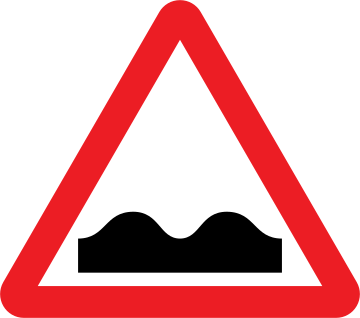
Uneven road The road surface ahead is uneven. Slow down to keep control.
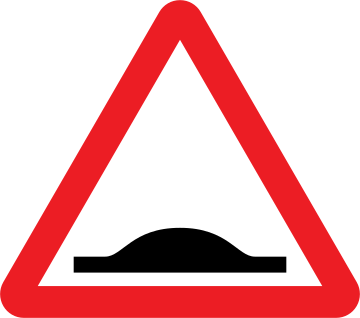
Road humps ahead Road humps are ahead. Slow down to drive over them.
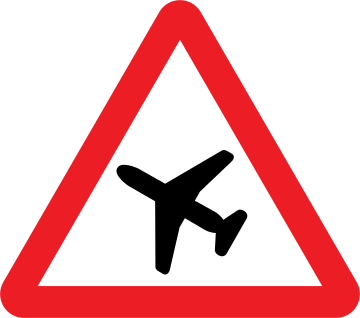
Low-flying aircraft or sudden aircraft noise Low-flying aircraft or sudden aircraft noise ahead. Do not be startled; keep your attention on the road.
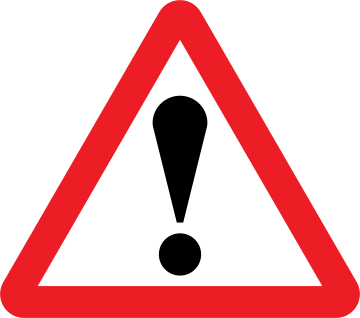
Other danger Other danger ahead; a plate below shows what it is. Slow down and look for the hazard.
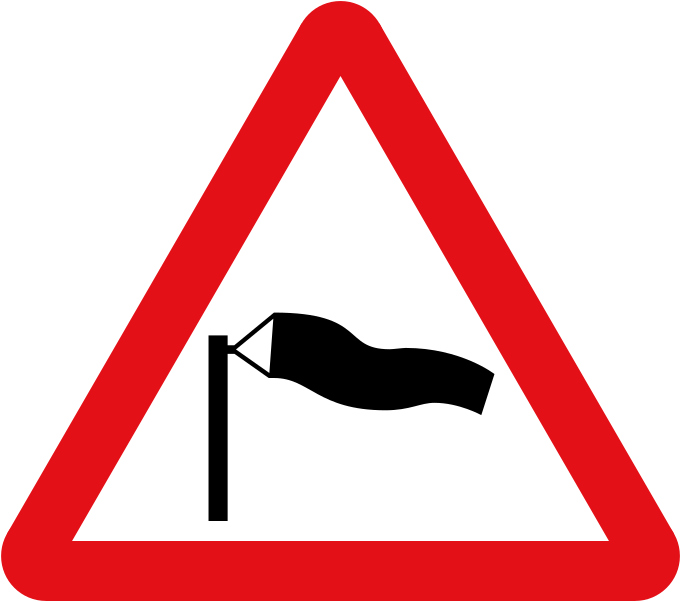
Side winds Strong side winds may affect your vehicle. Hold the steering firmly and slow down.
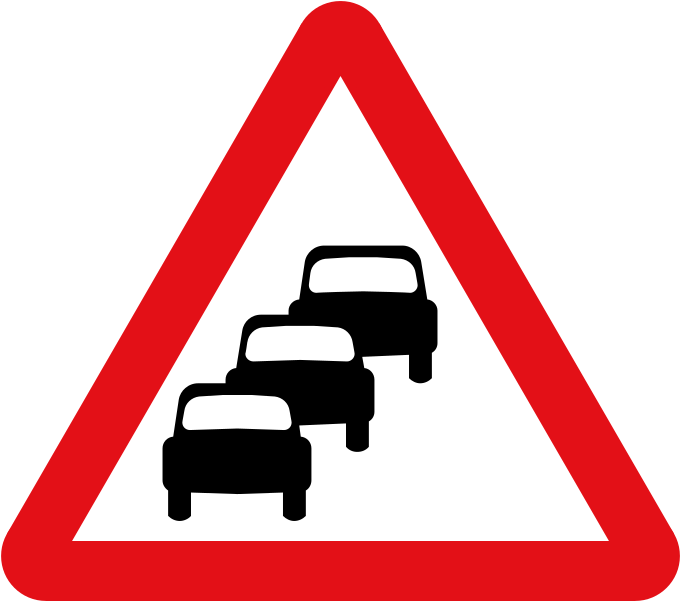
Queues likely There may be queuing traffic ahead. Slow down and be ready to stop.
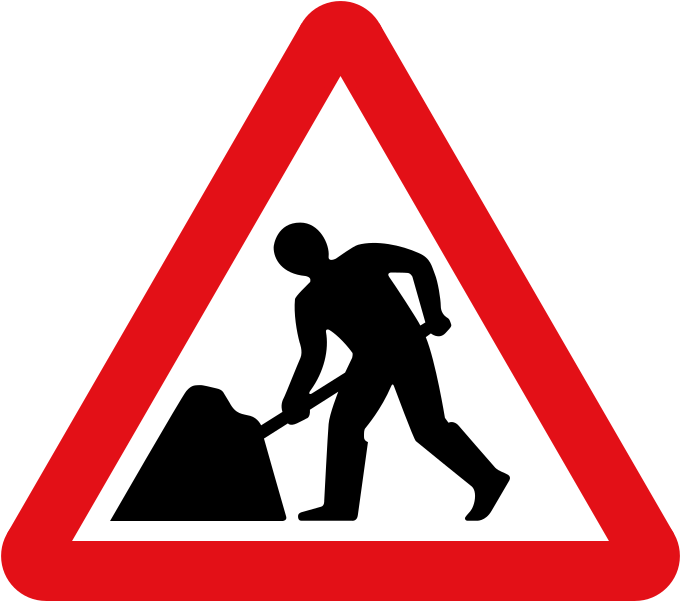
Road works Road works ahead. Slow down, obey any temporary speed limit and look for workers.
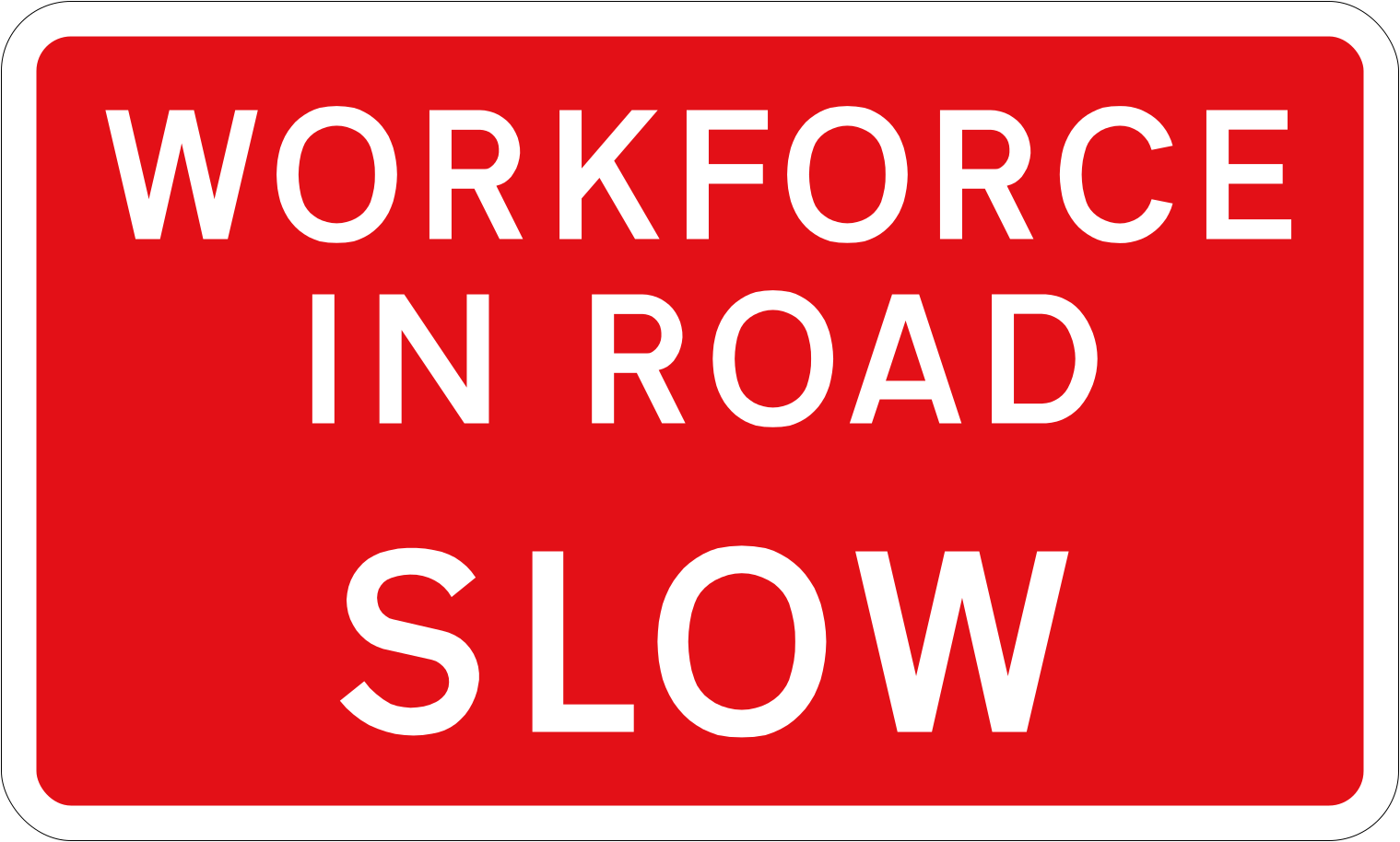
Workforce in road – slow People are working in the road ahead. Slow down and give them room.
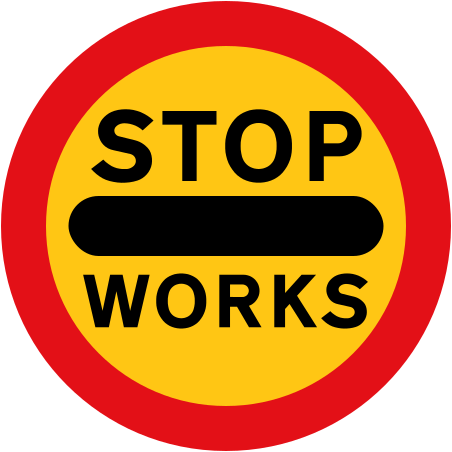
Stop – works A worker is holding a Stop board. Stop and wait until the board is turned to GO.
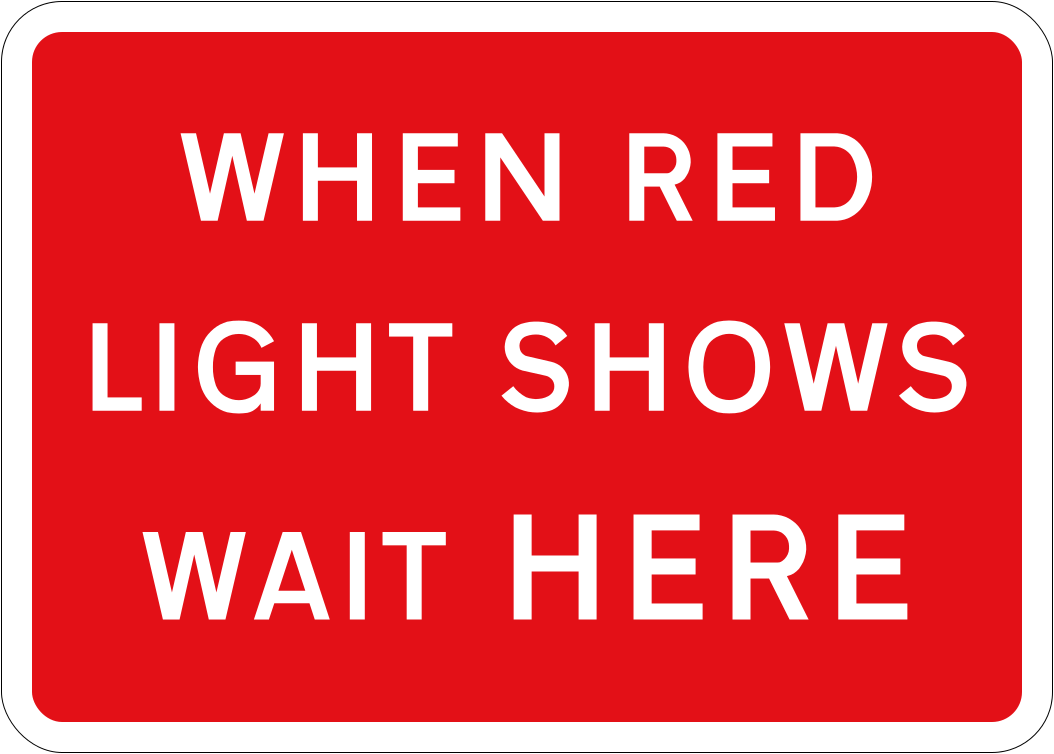
When red light shows wait here Temporary traffic lights control the road works. Stop at this sign when the light is red.
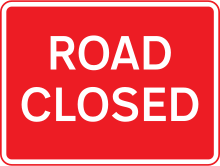
Road closed The road ahead is closed to traffic. Follow the diversion signs.
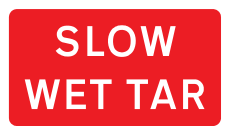
Slow – wet tar The road surface has fresh tar. Slow down to avoid skidding and damage.
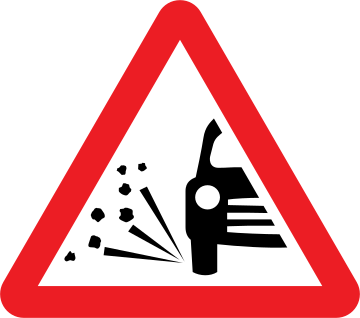
Loose chippings Loose stone chippings are on the road ahead. Slow down; flying chips can damage vehicles and hurt people.
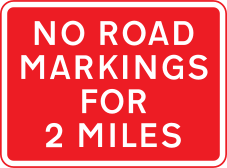
No road markings There are no road markings for the distance shown. Take extra care to keep to your side.
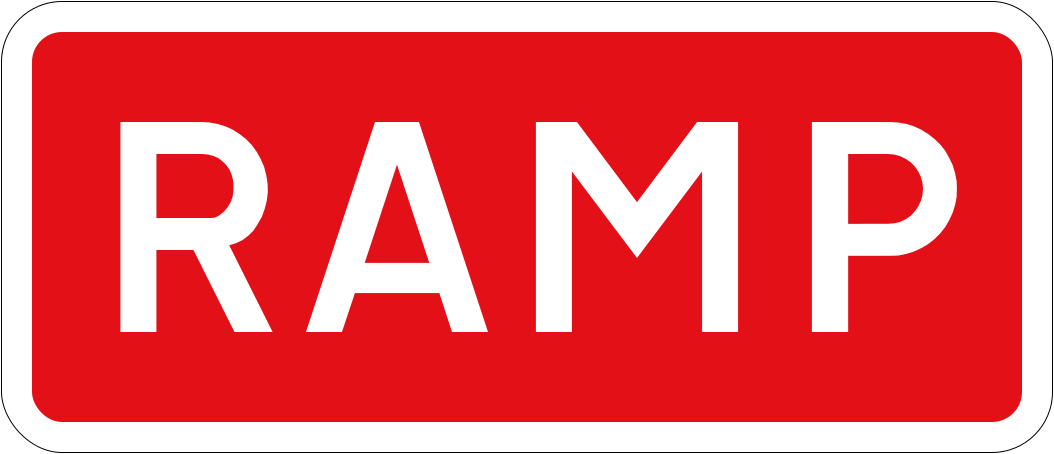
Ramp There is a temporary ramp on the road ahead. Slow down before you reach it.
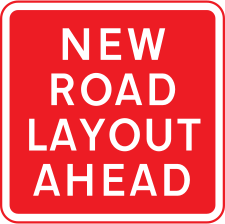
Changes in road layout ahead The road layout ahead has changed. Slow down and follow the new signs and markings.
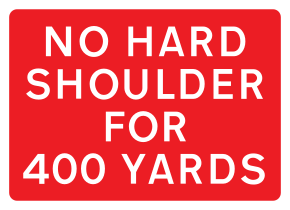
No hard shoulder There is no hard shoulder for the distance shown. If you break down, try to reach the end of the section or an emergency area.
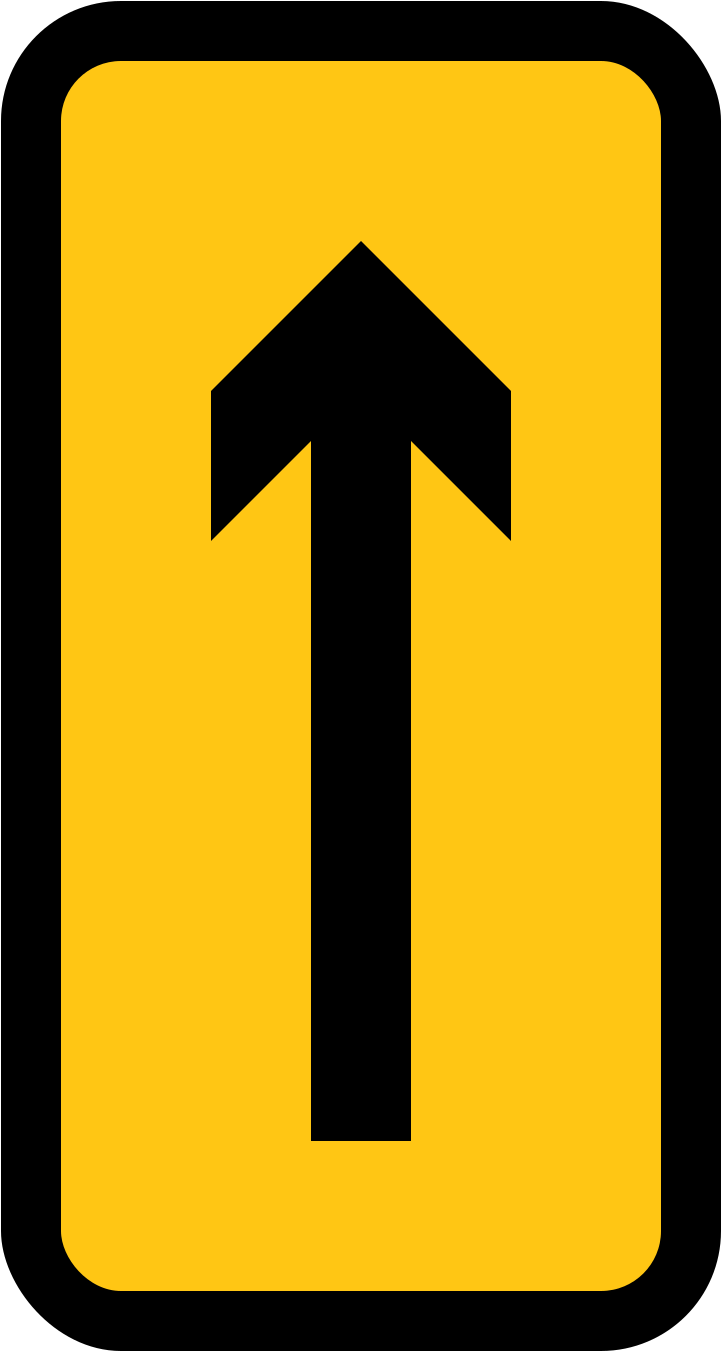
Lanes available at road works Shows how many lanes are open through the road works. Get into an open lane in good time.
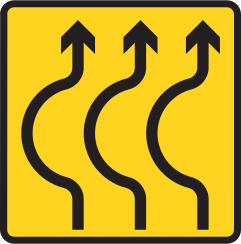
Temporary lane diversion Traffic is diverted onto a temporary road with sharp bends ahead. Slow down and stay in your lane.
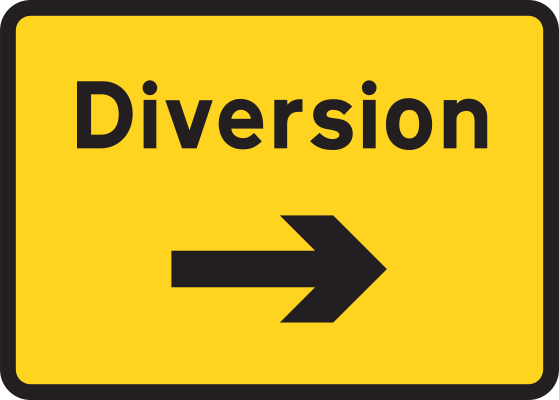
Diversion route Start of a temporary diversion route. Follow the yellow diversion signs.
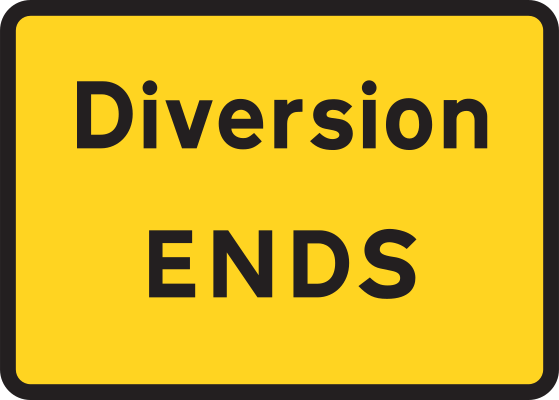
Diversion ends The temporary diversion route ends. Return to the normal signed route.
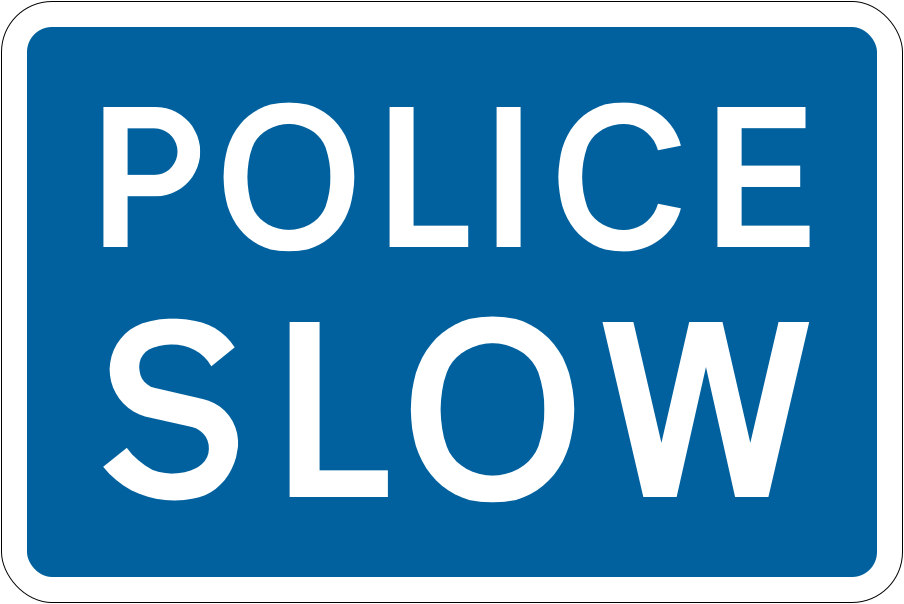
Police – slow Police are controlling traffic ahead. Slow down and follow police directions.
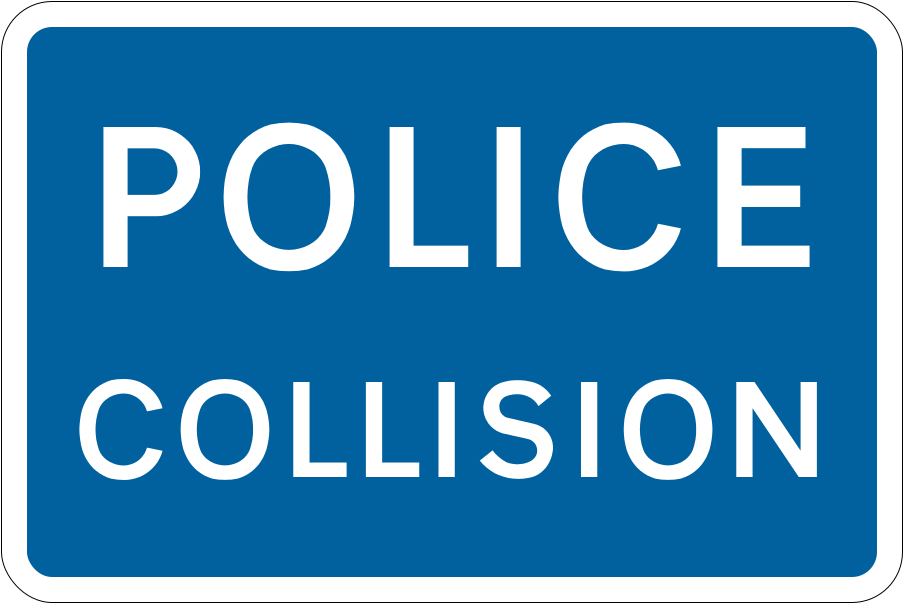
Police – collision There has been a collision ahead. Slow down and be ready to stop.
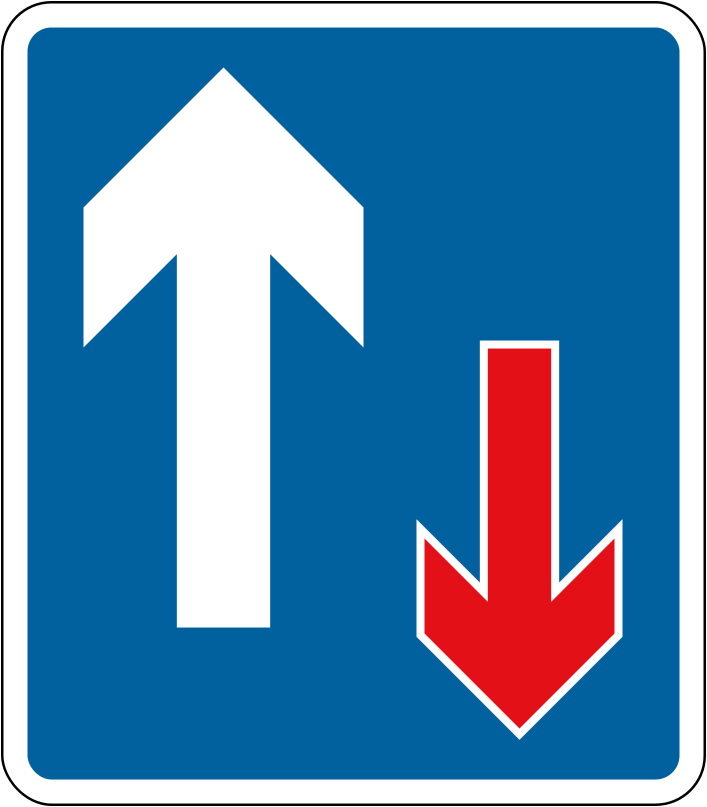
Priority over oncoming vehicles You have priority over vehicles coming from the opposite direction. Go ahead with care; oncoming drivers should wait.
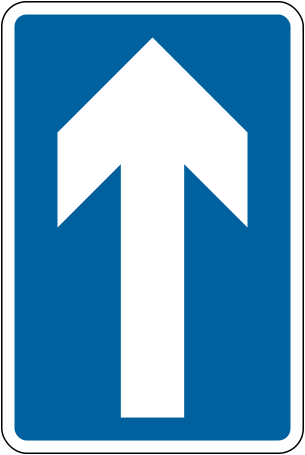
One-way traffic Traffic goes only in the direction of the arrow. Do not drive against the arrow.
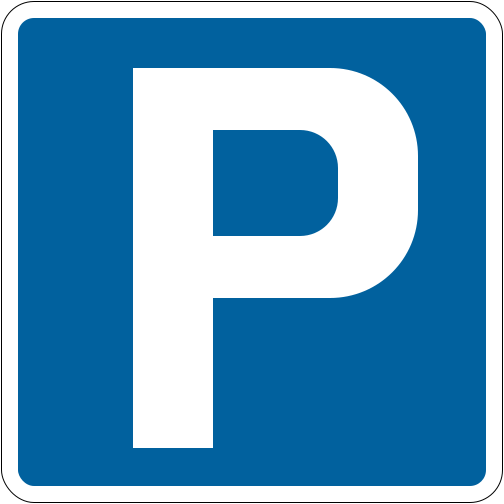
Parking place Parking is allowed here. Check nearby plates for time limits.
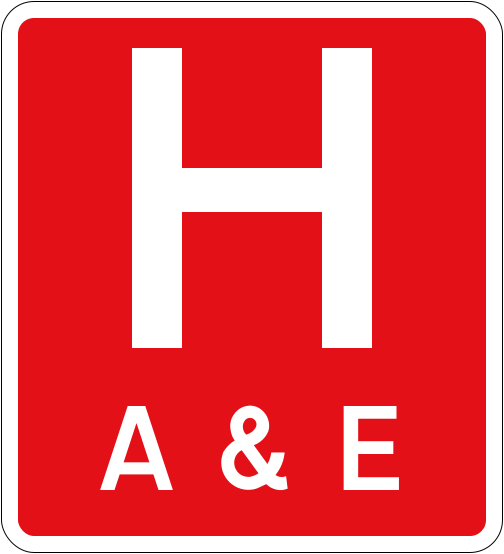
Hospital Hospital ahead. Follow the signs and keep the entrance clear.
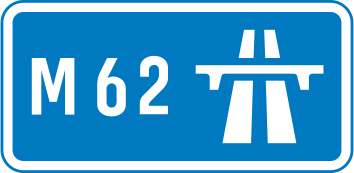
Start of motorway Motorway regulations start here. Pedestrians, cyclists, learner motorcyclists and slow vehicles may not use the motorway.
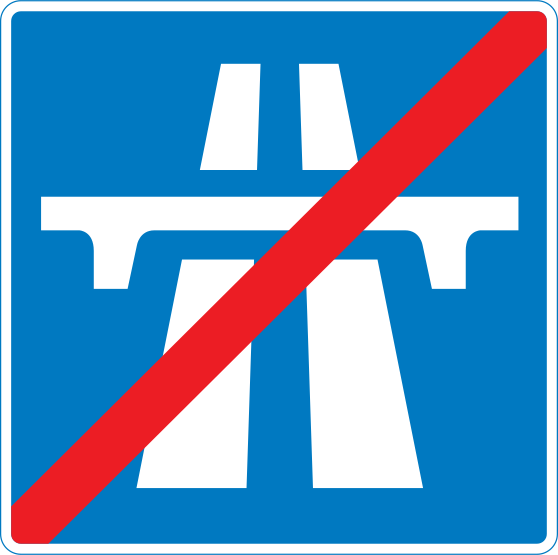
End of motorway Motorway regulations end here. Look for the new speed limit and expect junctions, pedestrians and cyclists.
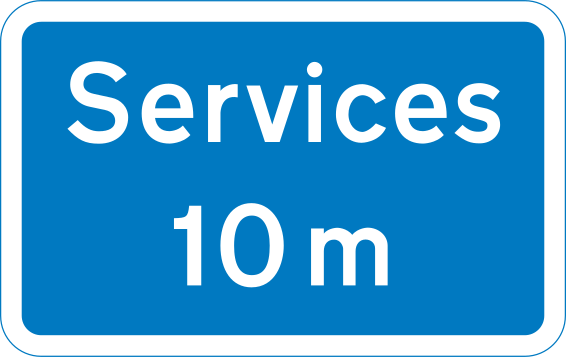
Services ahead The distance to the next motorway service area, in miles. Plan rest and fuel stops.
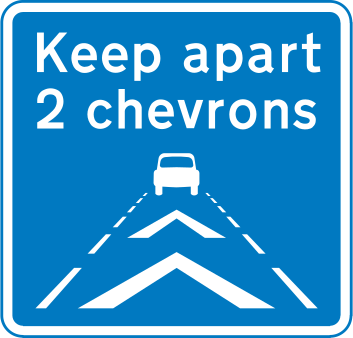
Keep apart 2 chevrons Keep at least two chevrons between you and the vehicle in front. This gives a safe gap at motorway speeds in good conditions.
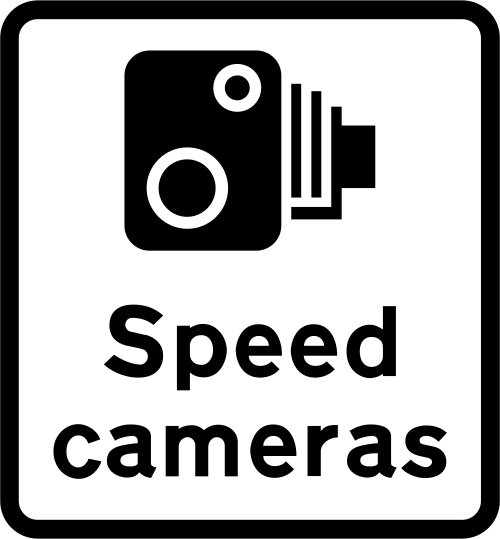
Speed cameras Speed cameras are used in this area. Keep to the speed limit.
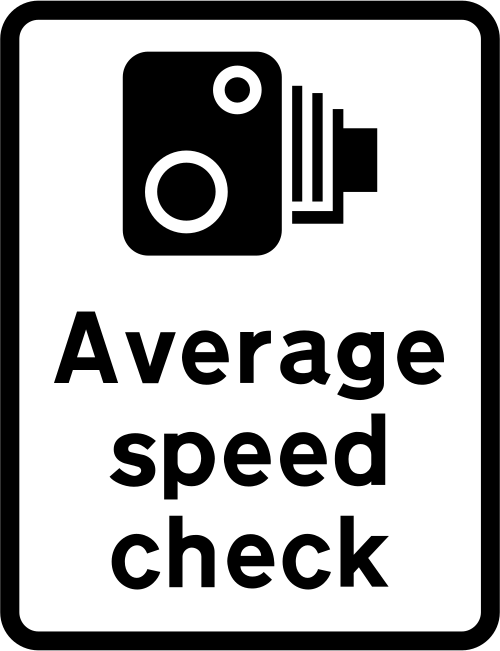
Average speed check Cameras measure your average speed between two points. Keep to the limit along the whole length, not just past a camera.
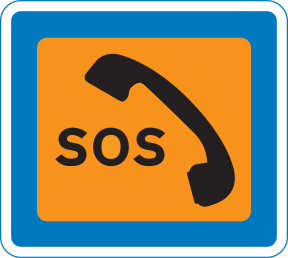
Emergency telephone An emergency telephone is available. On motorways, emergency phones connect you to the operator and tell them where you are.
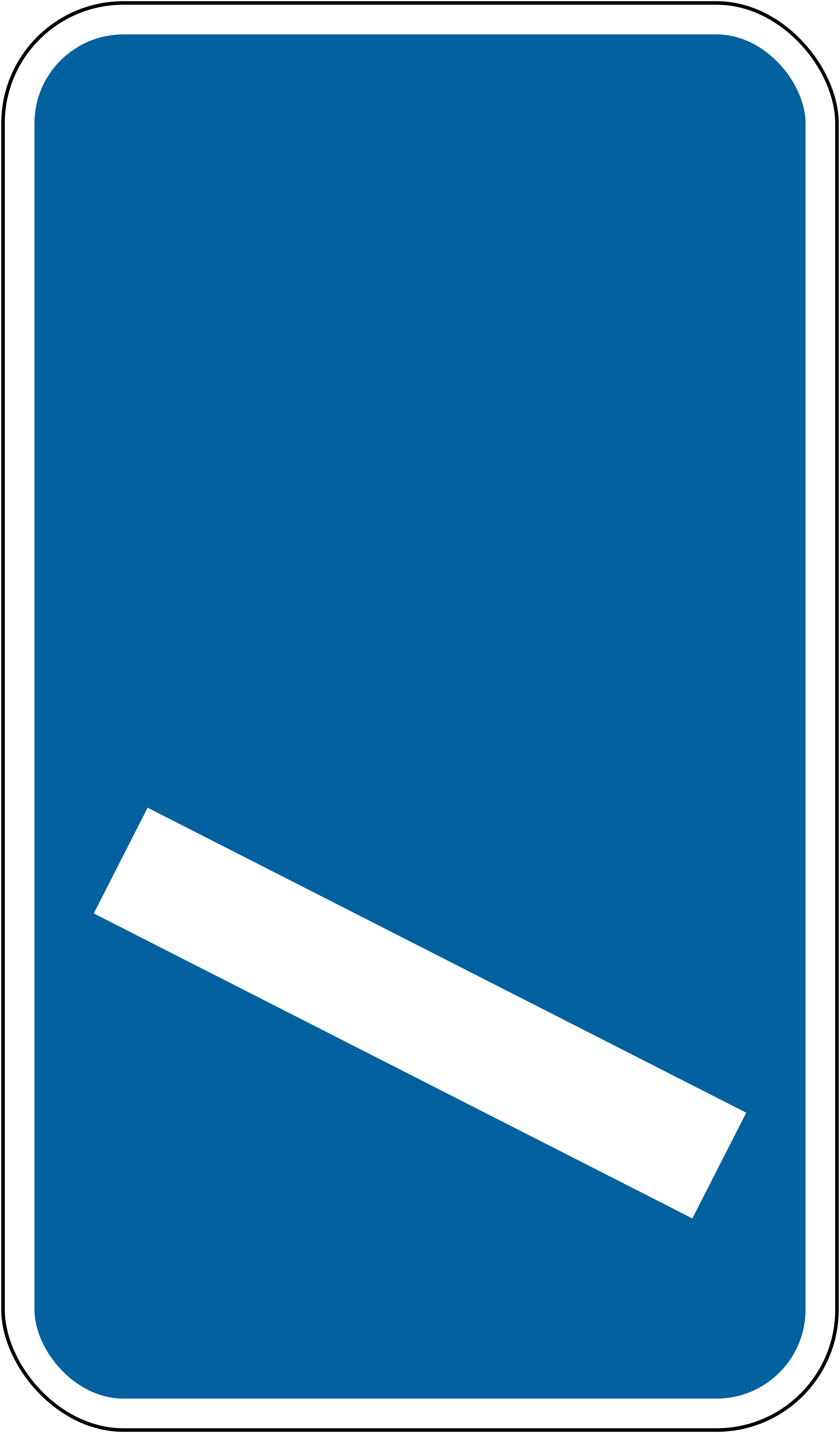
Countdown marker to exit 100 yards to the exit (one bar). Three bars mean 300 yards, two bars 200 yards. Be in the left lane in good time to leave.
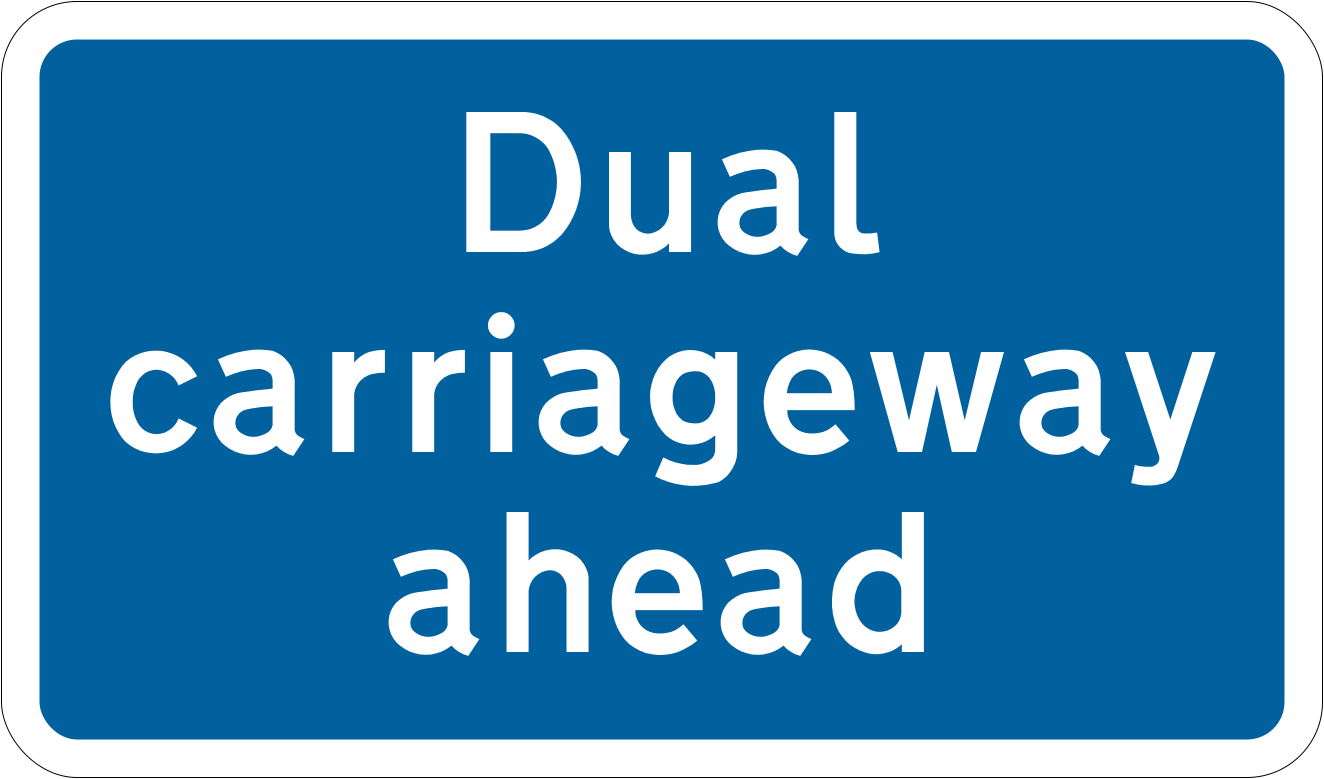
Dual carriageway ahead A dual carriageway starts ahead. Keep left unless overtaking.
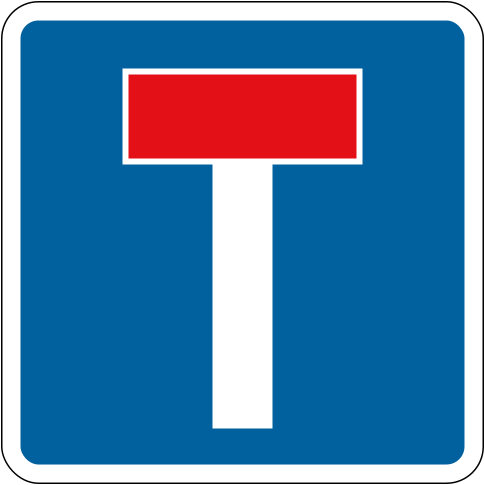
No through road There is no way through at the end of this road. You will need to turn round and come back.
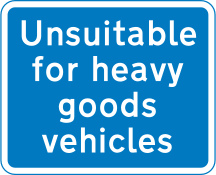
Unsuitable for heavy goods vehicles The road is not suitable for heavy goods vehicles. Lorry drivers should take another route.
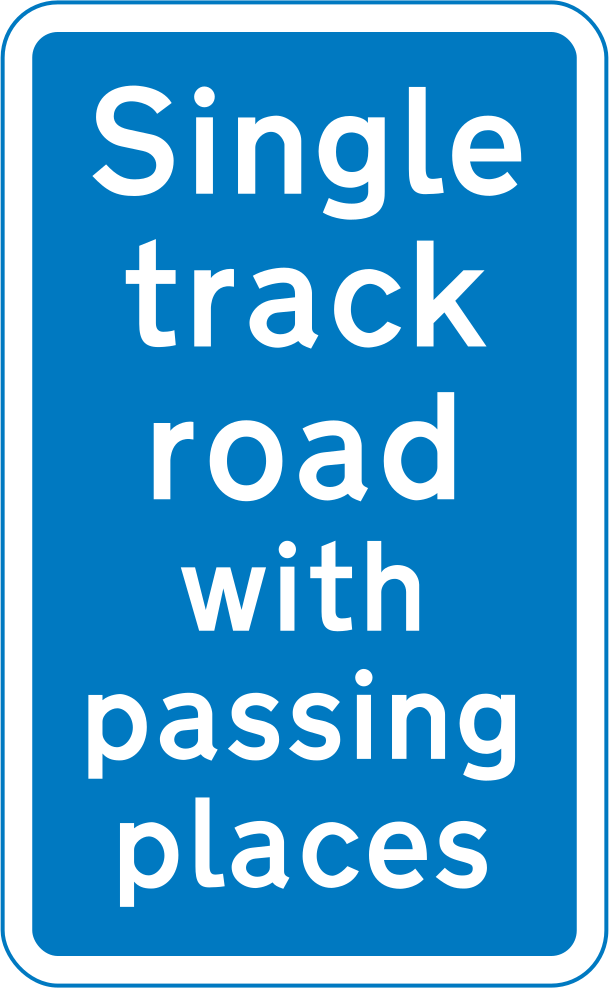
Single track road The road is only one vehicle wide, with passing places. Pull into a passing place on your left to let oncoming traffic pass, or wait opposite one on your right.
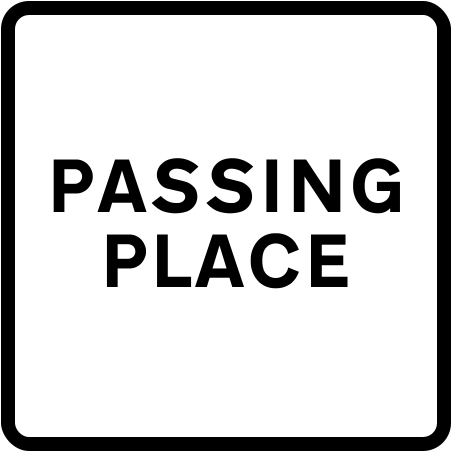
Passing place A passing place on a single track road. Use it to let oncoming vehicles pass or to let others overtake.
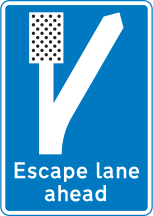
Escape lane ahead An escape lane for vehicles unable to stop on a steep hill. Use it only if your brakes fail.
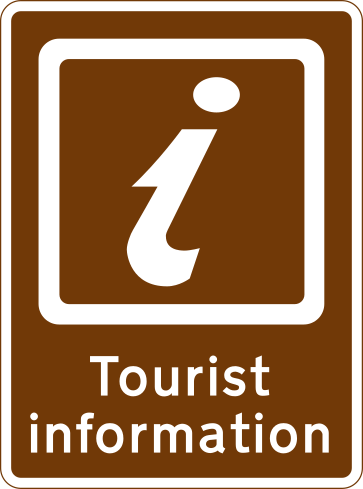
Tourist information A tourist information point is nearby. Brown signs show tourist attractions and facilities.
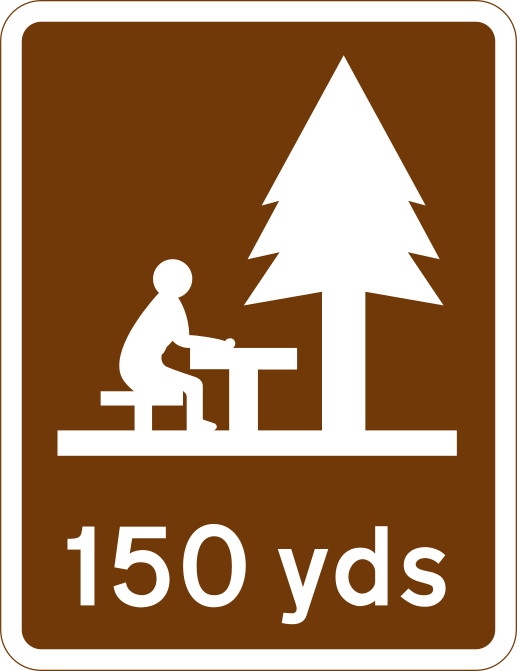
Picnic area A picnic area is ahead. Brown signs show tourist facilities.
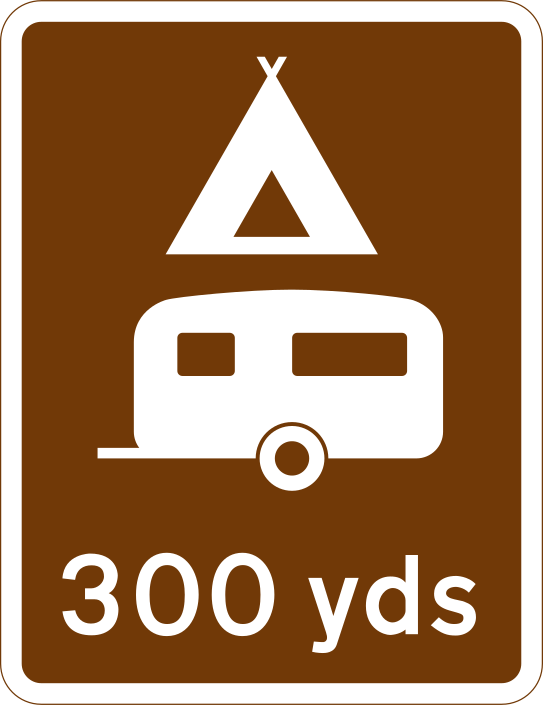
Camping and caravan site A camping and caravan site is ahead. Brown signs show tourist facilities.
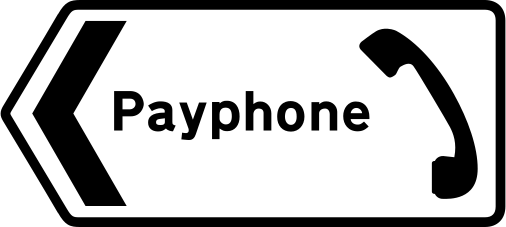
Public telephone Direction to a public telephone. White signs with a black border give local directions.
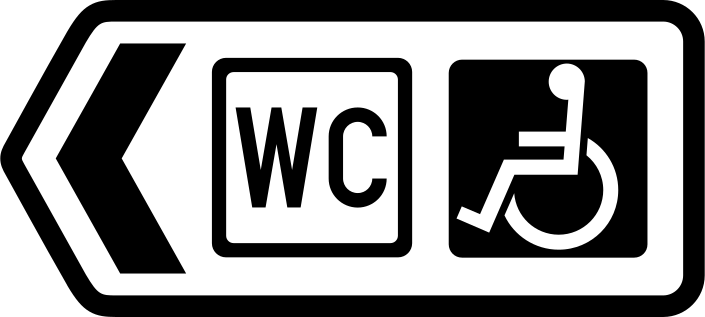
Public toilets (with disabled access) Direction to public toilets with facilities for disabled people. White signs with a black border give local directions.
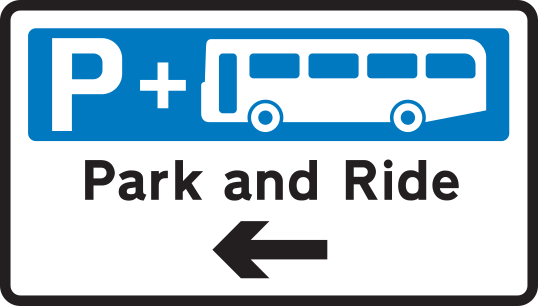
Park and Ride Direction to a car park served by buses into town. Park there and take the bus.
Signs are easier to remember by group: the shape and colour tell you the kind of message before you read it. The UK signs on this page fall into these groups:
Pick an answer, then open "Show answer" to check it. For the real test format, take a free DVSA practice test.
Turn on JavaScript to take the interactive mock tests.