The California DMV knowledge test is multiple choice, based on the California Driver Handbook, and you need 80% to pass. The DMV does not publish the number of questions: applicants under 18 have usually had 46 and adults 36. PassDriveTest's practice test uses 46 questions with at least 37 correct (80%). Below is every California sign we cover, with its official image and meaning. After the signs: the sign groups, a short quiz and study tips.
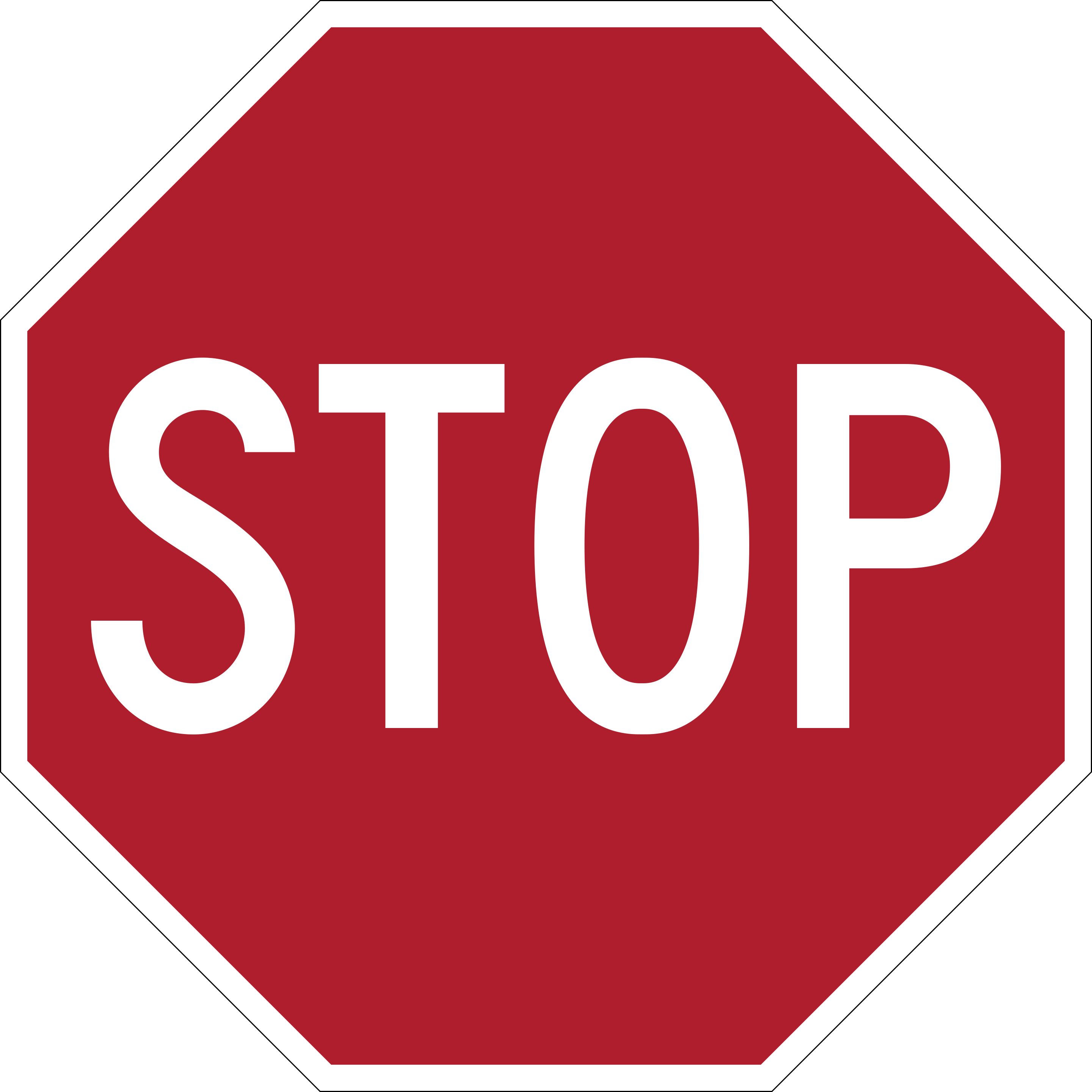
Stop Come to a complete stop. Stop at the line, before the crosswalk, or before the intersection. Go when safe.
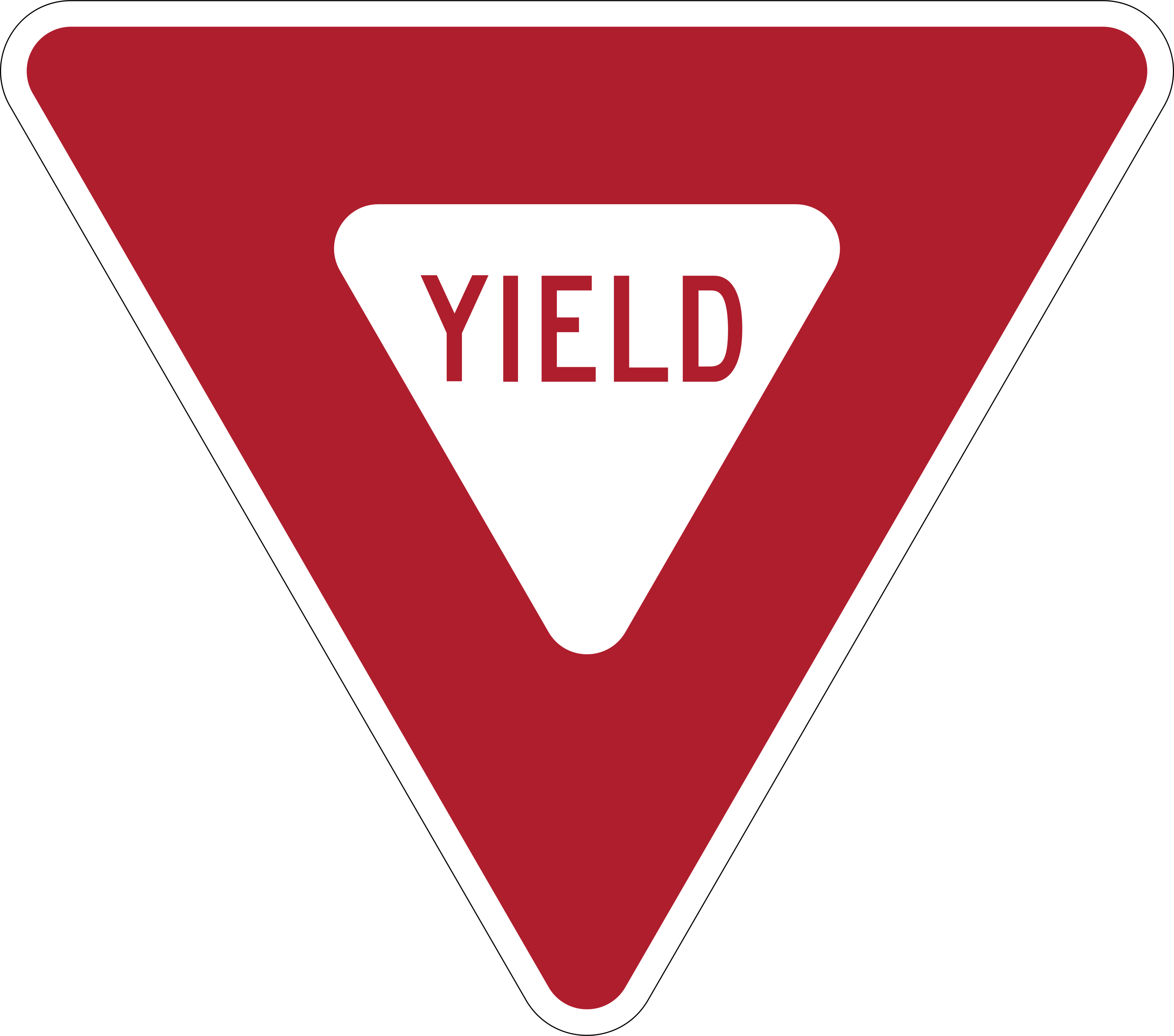
Yield Slow down and give way. Let traffic and pedestrians with the right-of-way go first.
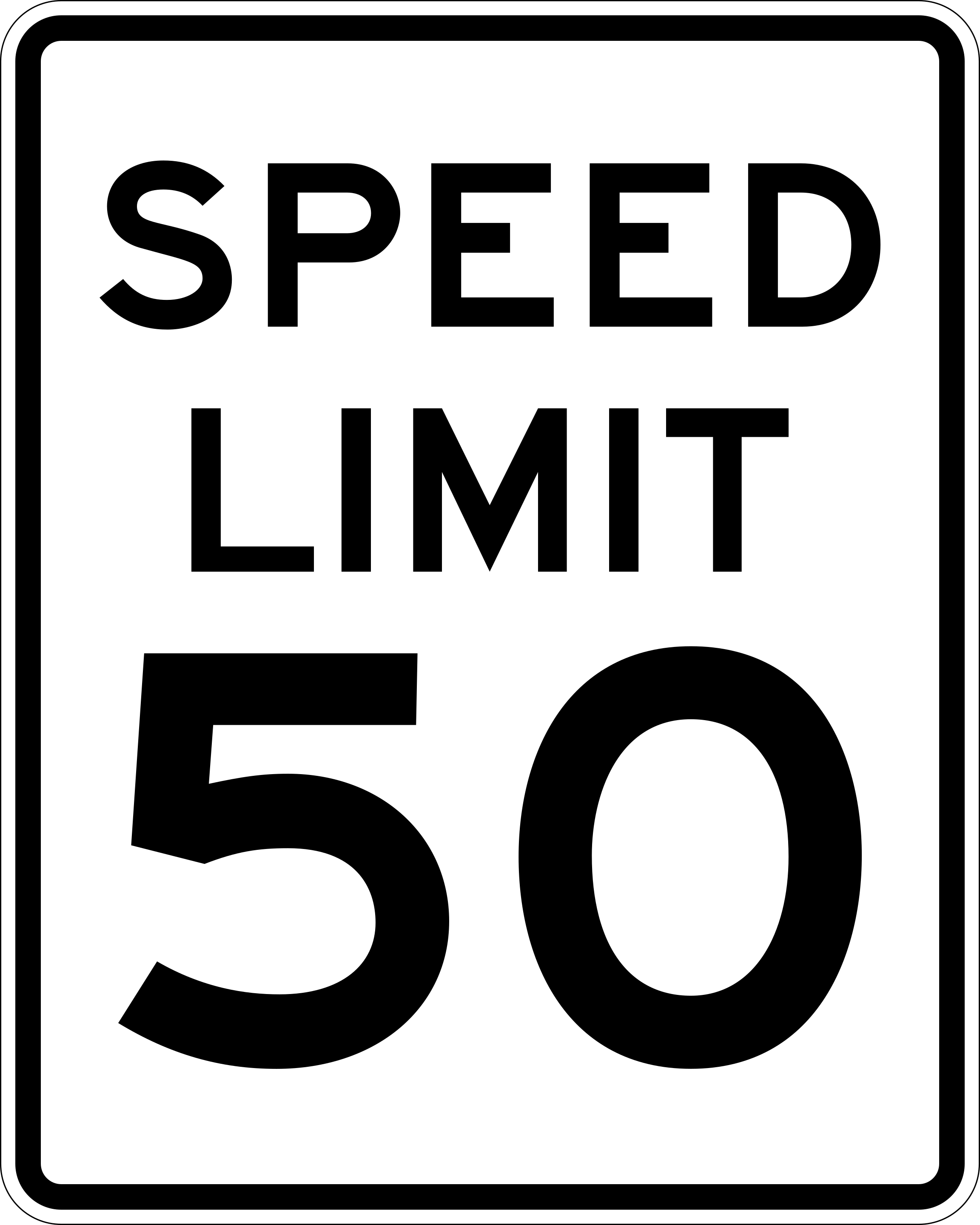
Speed limit Highest legal speed in good conditions. Drive slower when conditions require.
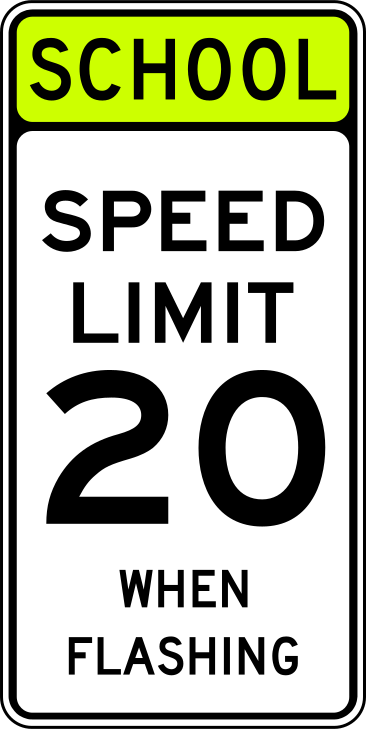
School speed limit Lower limit while lights flash or children are present. Obey the school limit whenever the beacons flash or the posted times apply.
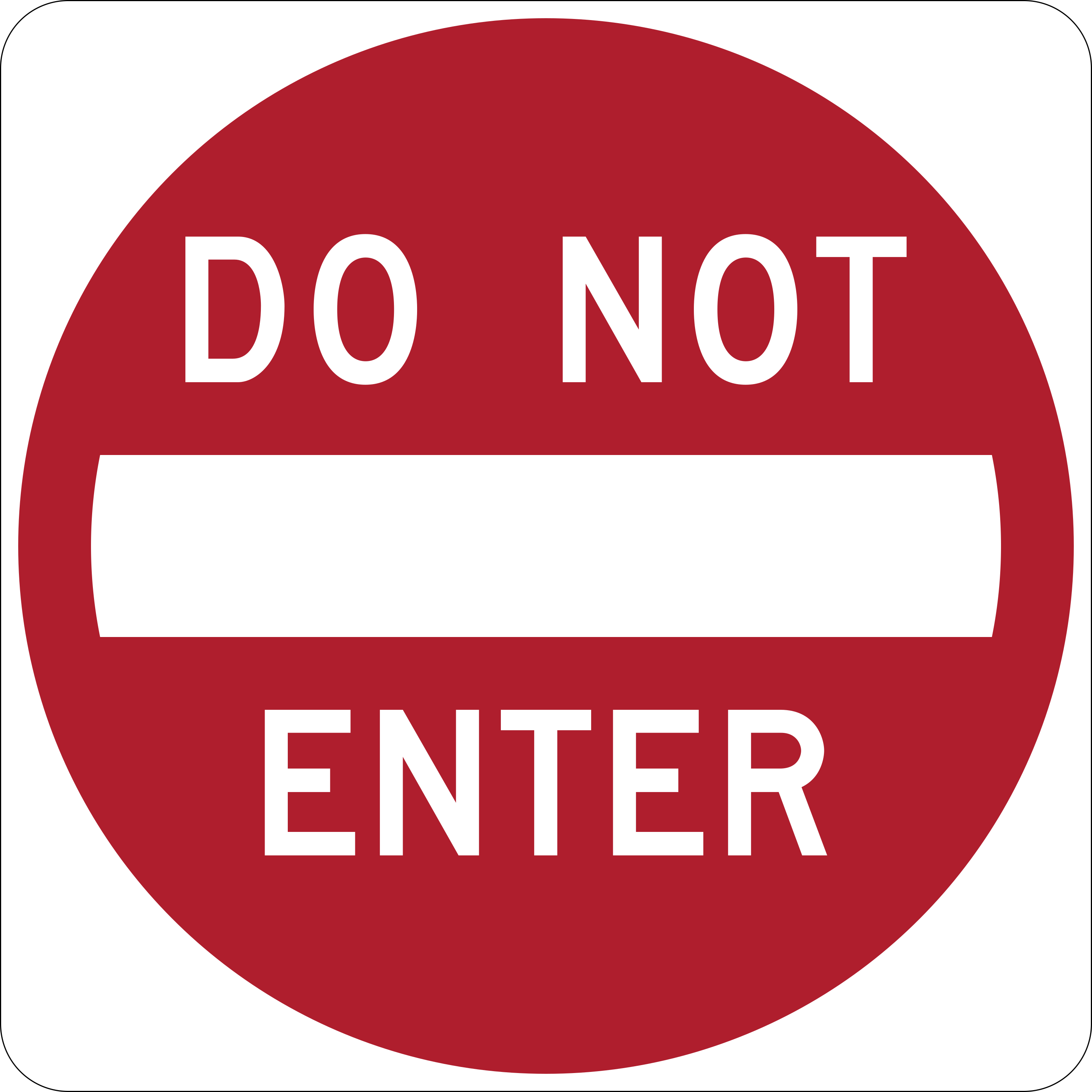
Do not enter You may not enter this road. Posted at the wrong end of one-way roads and ramps.
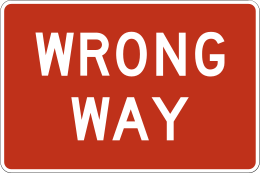
Wrong way You are driving against traffic. Pull over safely, turn around and leave the way you came.
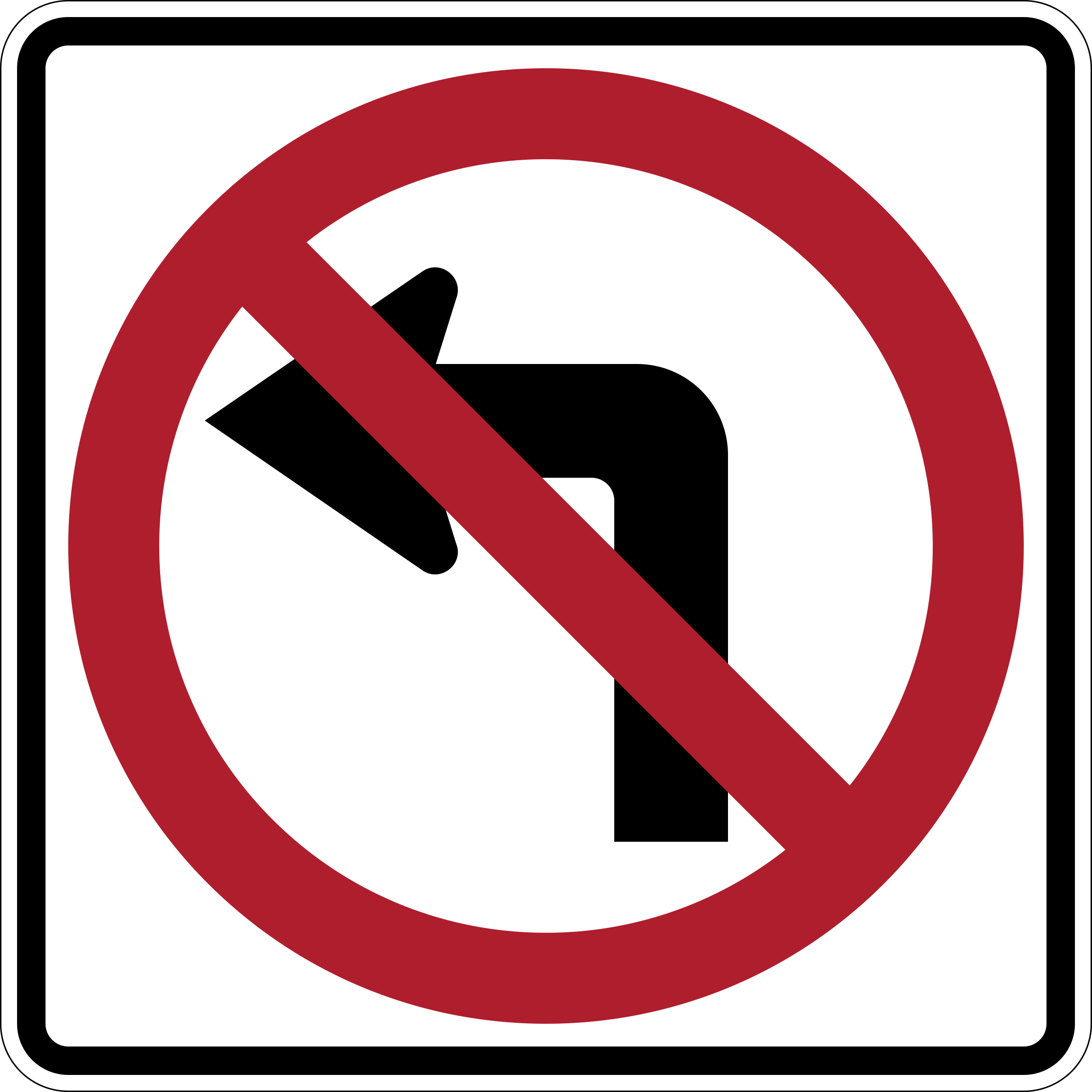
No left turn Left turns are not allowed. Red circle and slash = prohibited.
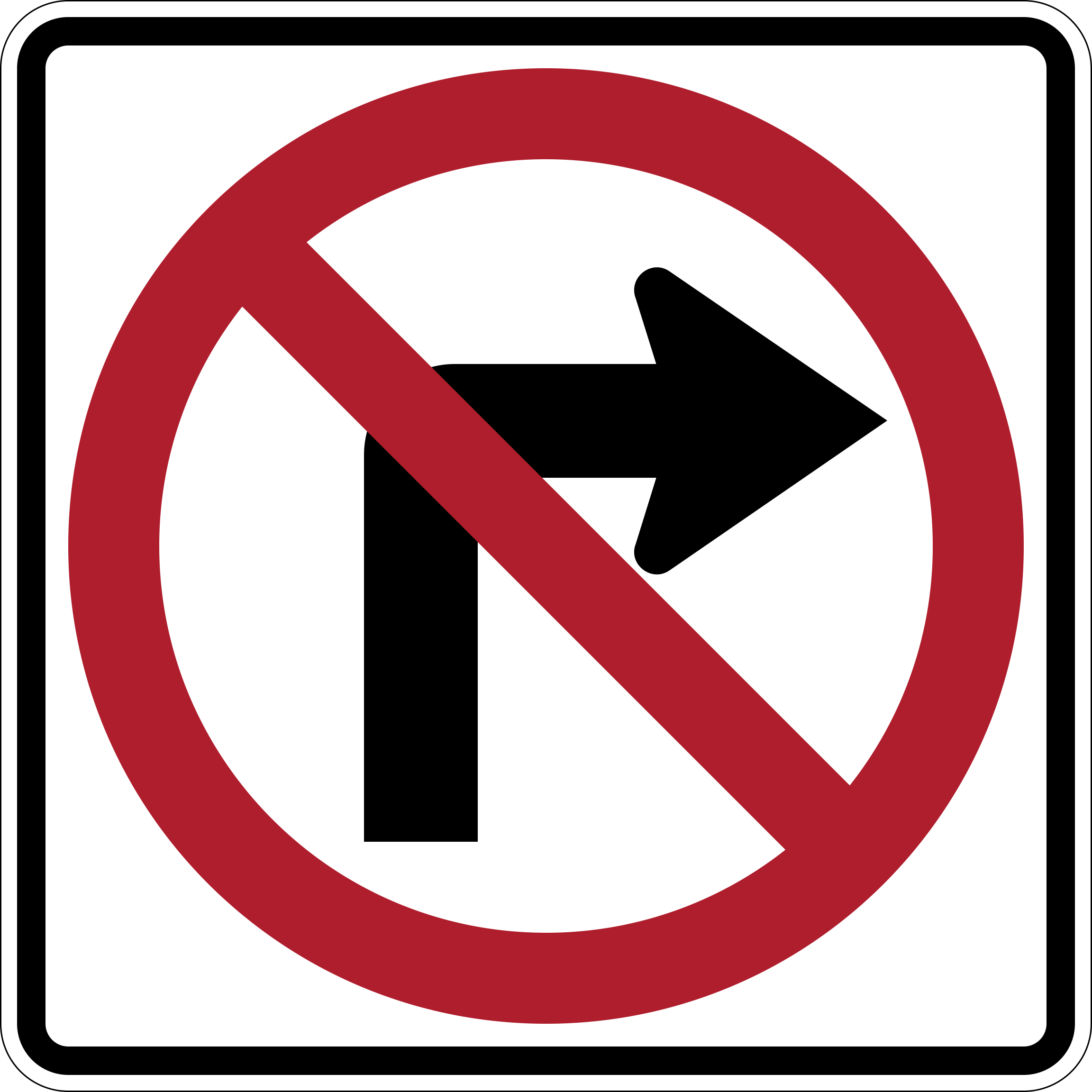
No right turn Right turns are not allowed. Includes right turns on red.
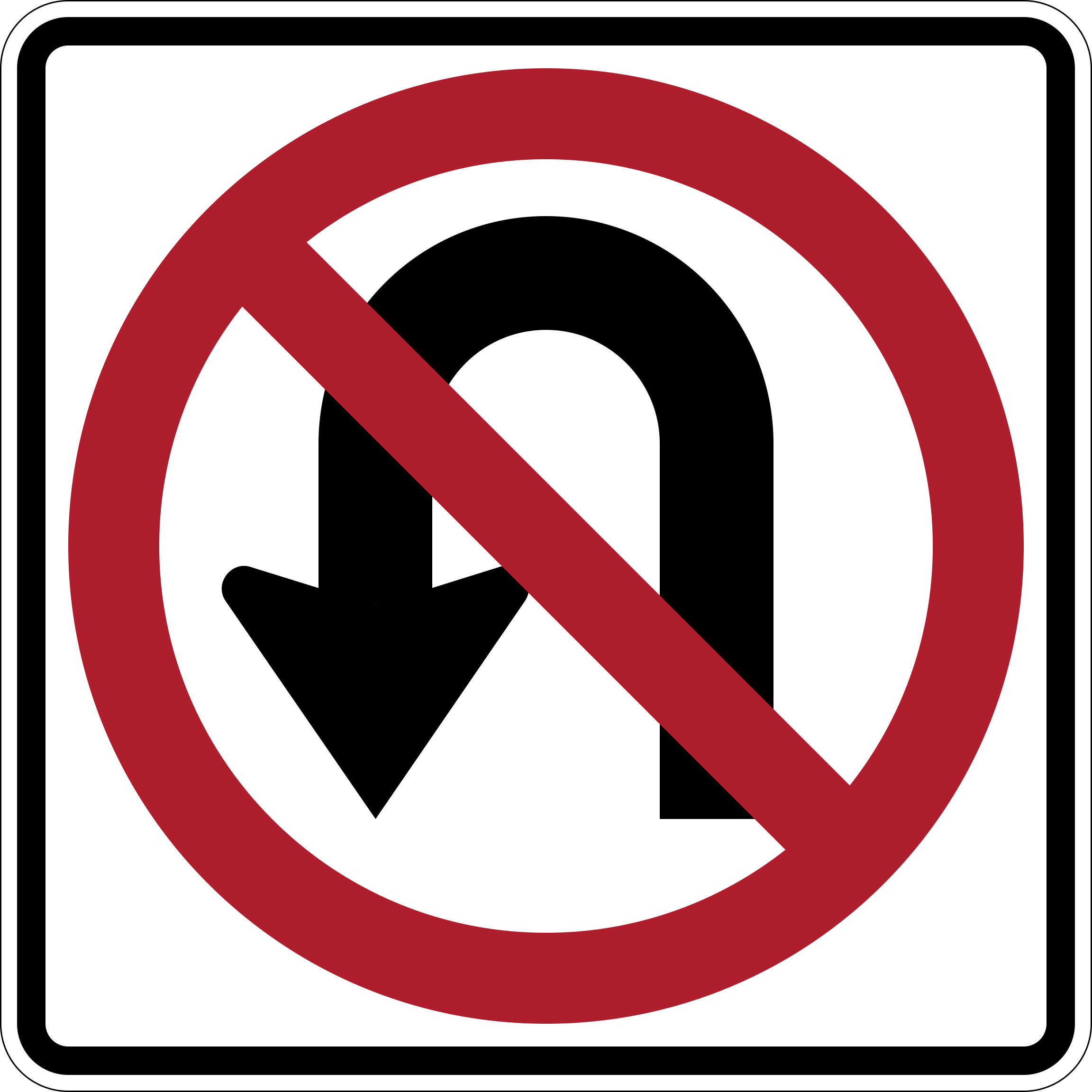
No U-turn U-turns are not allowed. Do not turn around here.
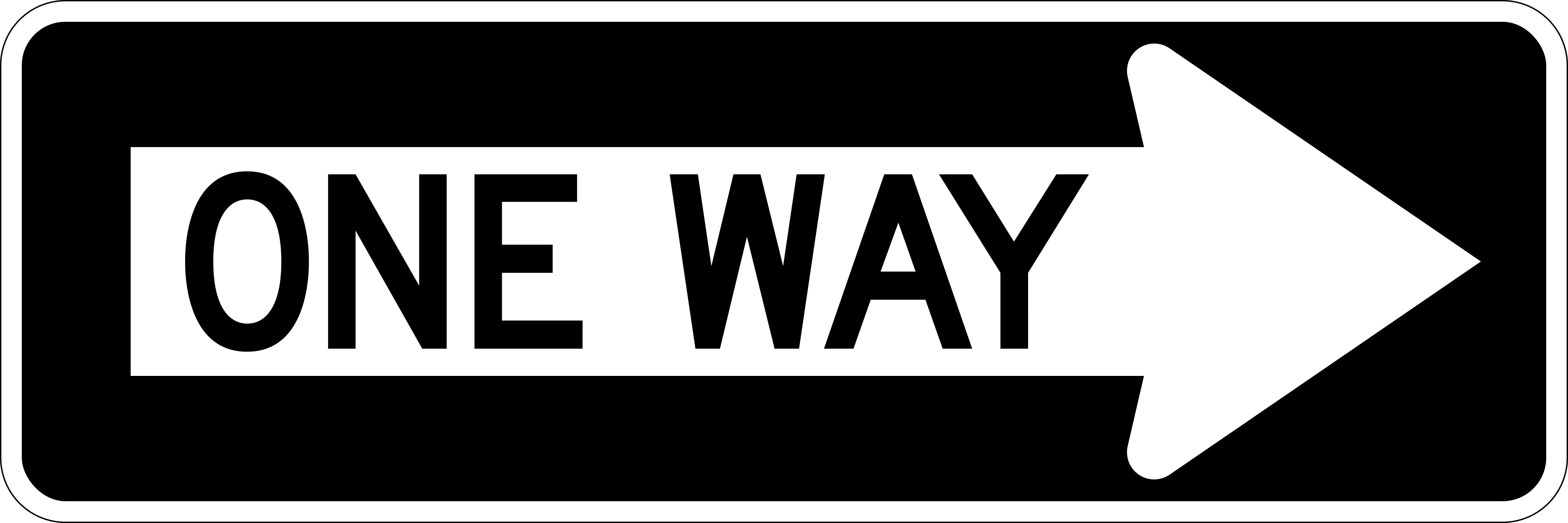
One way Traffic moves only in the arrow direction. Never enter against the arrow.
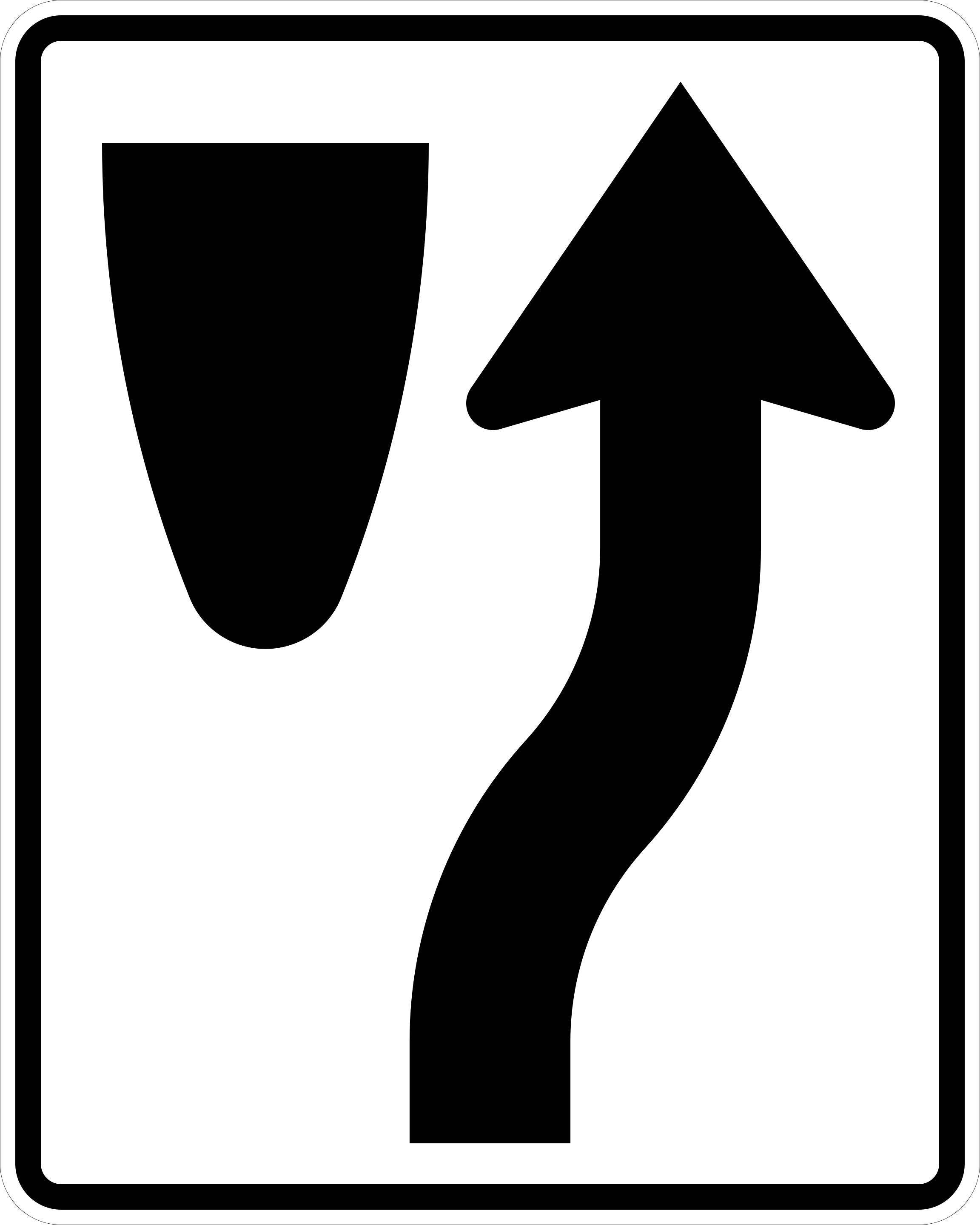
Keep right Pass to the right of the divider. Keep right of the median or obstruction.
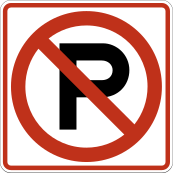
No parking Parking is not allowed. You may stop briefly to load or unload.
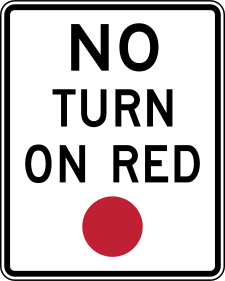
No turn on red Wait for green before turning. Removes the usual right-on-red permission.
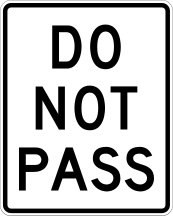
Do not pass Passing is not allowed. Stay behind slower vehicles until a passing zone begins.
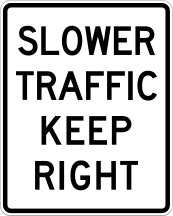
Slower traffic keep right Use the right lane unless passing. The left lane is for passing on multi-lane roads.
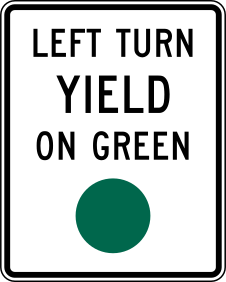
Left turn yield on green Left turns on a solid green ball must yield. Oncoming traffic and pedestrians go first.
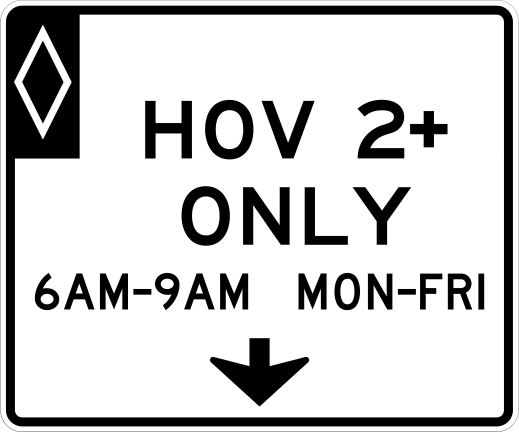
HOV lane Lane for vehicles with 2+ occupants (or as posted). Use only if you qualify during posted hours.
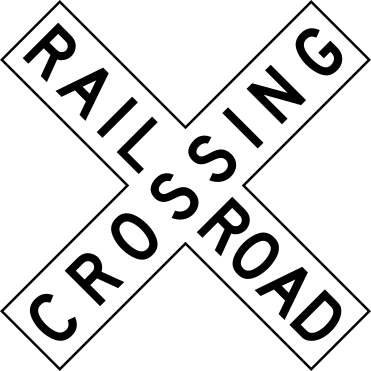
Railroad crossing Railroad tracks cross here. Stop 15–50 ft from the nearest rail when signals activate.
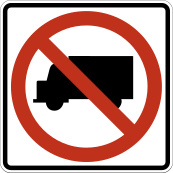
No trucks Trucks are not allowed on this road. Trucks must take another route; cars may continue.
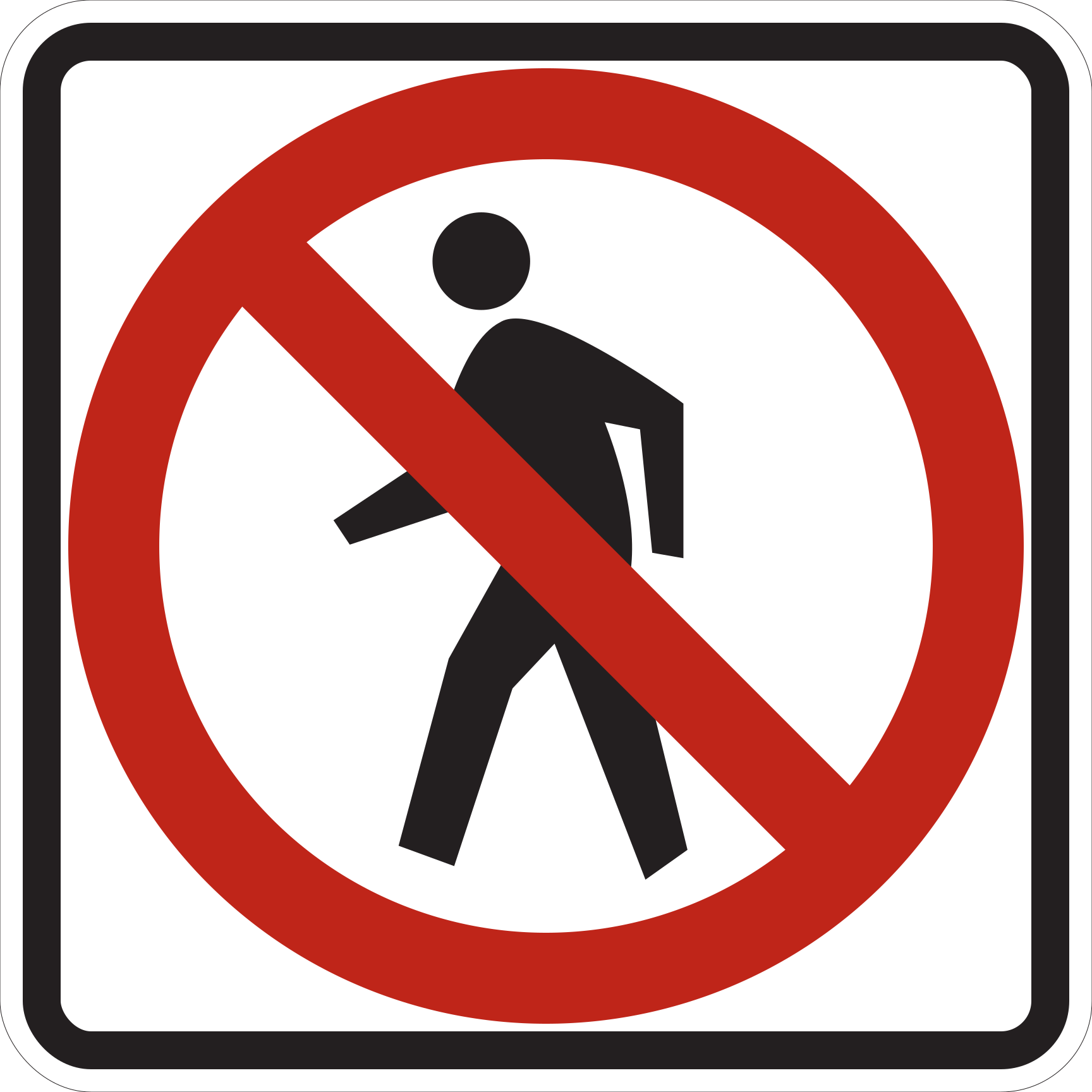
No pedestrian crossing Pedestrians may not cross here. Pedestrians must use another crossing, usually at the nearest signal or crosswalk.
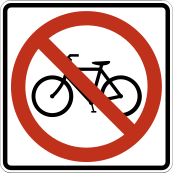
No bicycles Bicycles are not allowed on this road. Often posted at freeway entrance ramps.
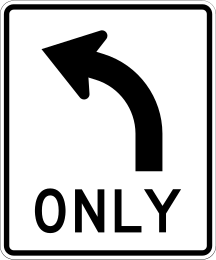
Left turn only Vehicles in this lane must turn left. You may not go straight from this lane.
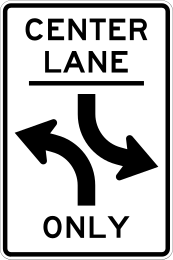
Center lane: left turns only The center lane is only for left turns, from either direction. Use it only to wait for and make a left turn, never to pass or to travel in.
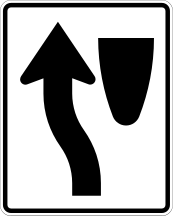
Keep left Pass to the left of the island or obstruction. Used where traffic must go left of a divider.
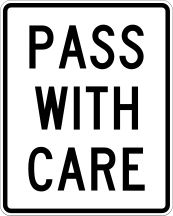
Pass with care The no-passing zone ends; you may pass when it is safe. Marks the end of a no-passing zone on a two-lane road.
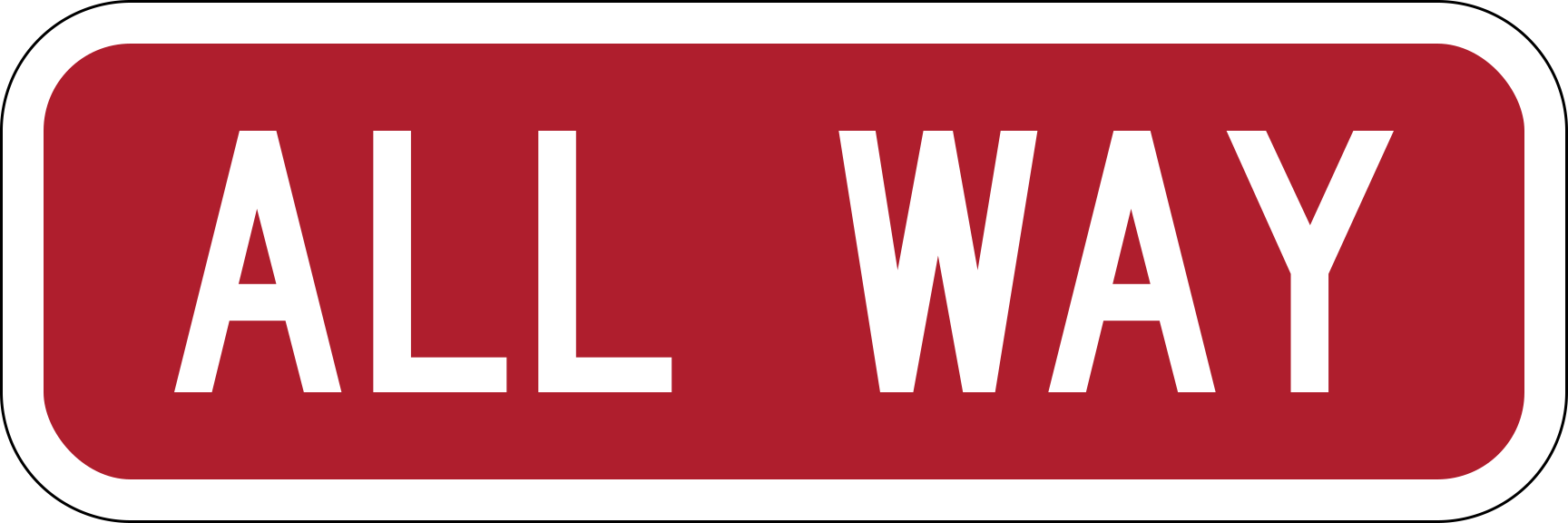
All-way stop plaque All traffic at this intersection must stop. Mounted below a STOP sign. The first to stop goes first; if two arrive together, yield to the driver on the right.
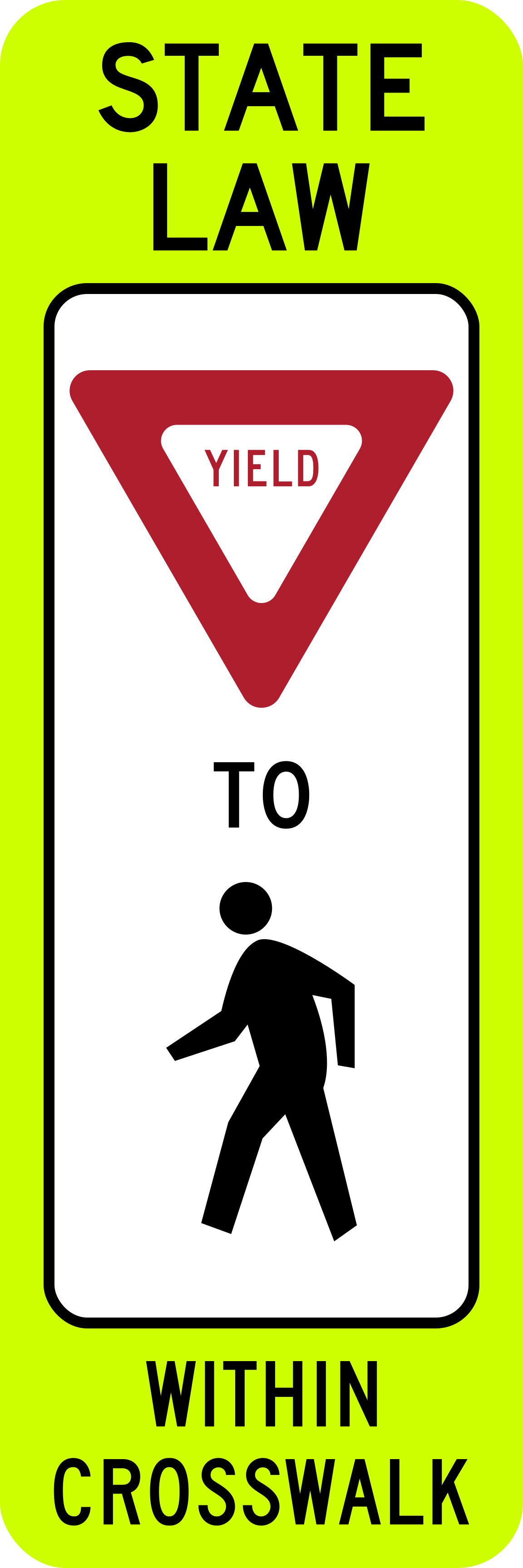
Yield to pedestrians in crosswalk State law: yield to pedestrians in the crosswalk. Placed in the street at crosswalks without a signal.
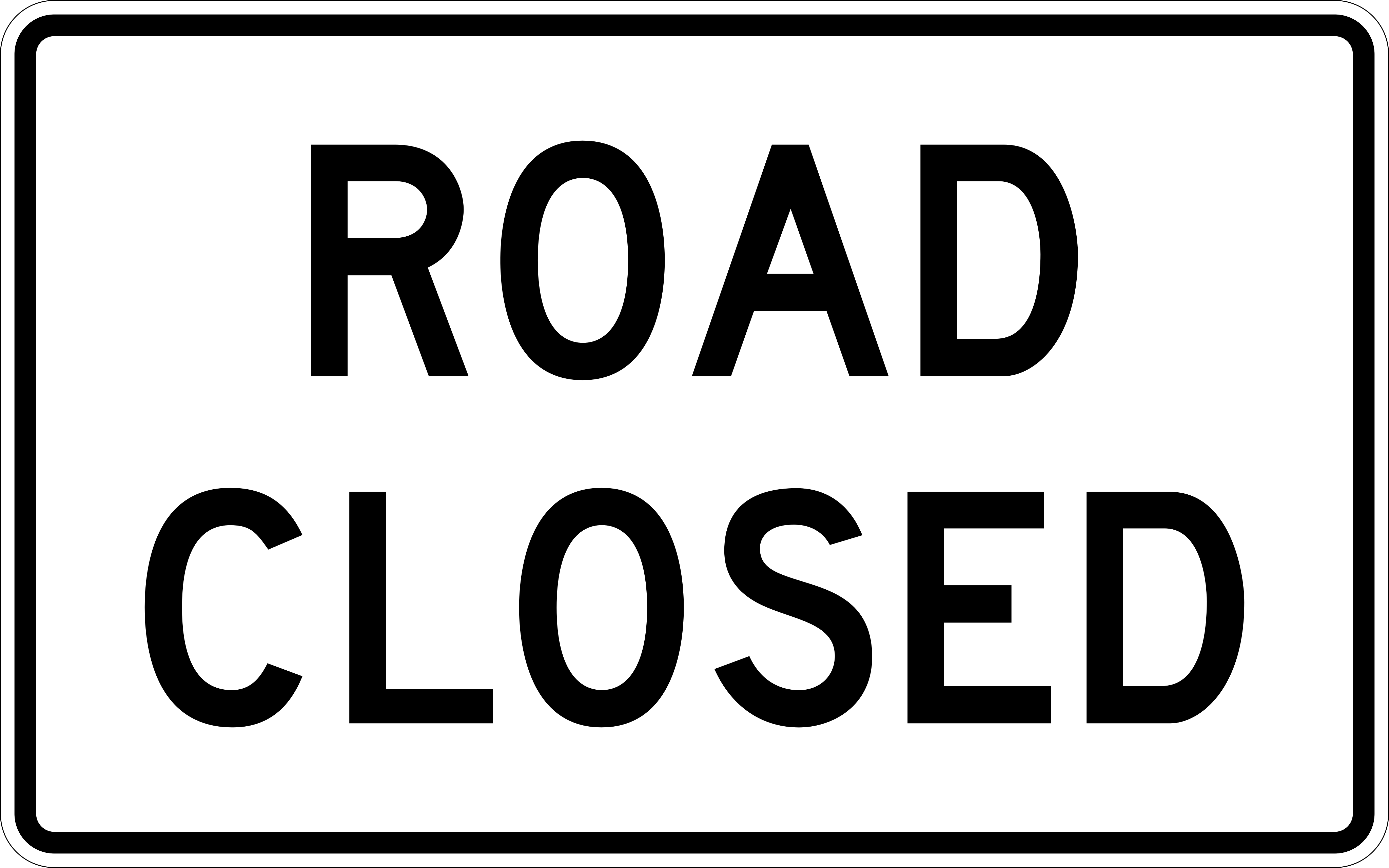
Road closed The road is closed to all traffic. Do not drive past the barricade; follow the detour.
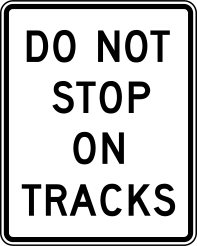
Do not stop on tracks Never stop with any part of your vehicle on the railroad tracks. Wait before the crossing until there is room for your whole vehicle on the other side.
Reserved parking for people with disabilities Parking only for vehicles with a disability placard or plate. Parking here without a valid placard or plate brings a heavy fine.
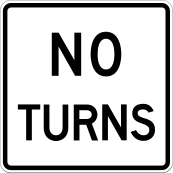
No turns No left or right turns are allowed here. Continue straight ahead.
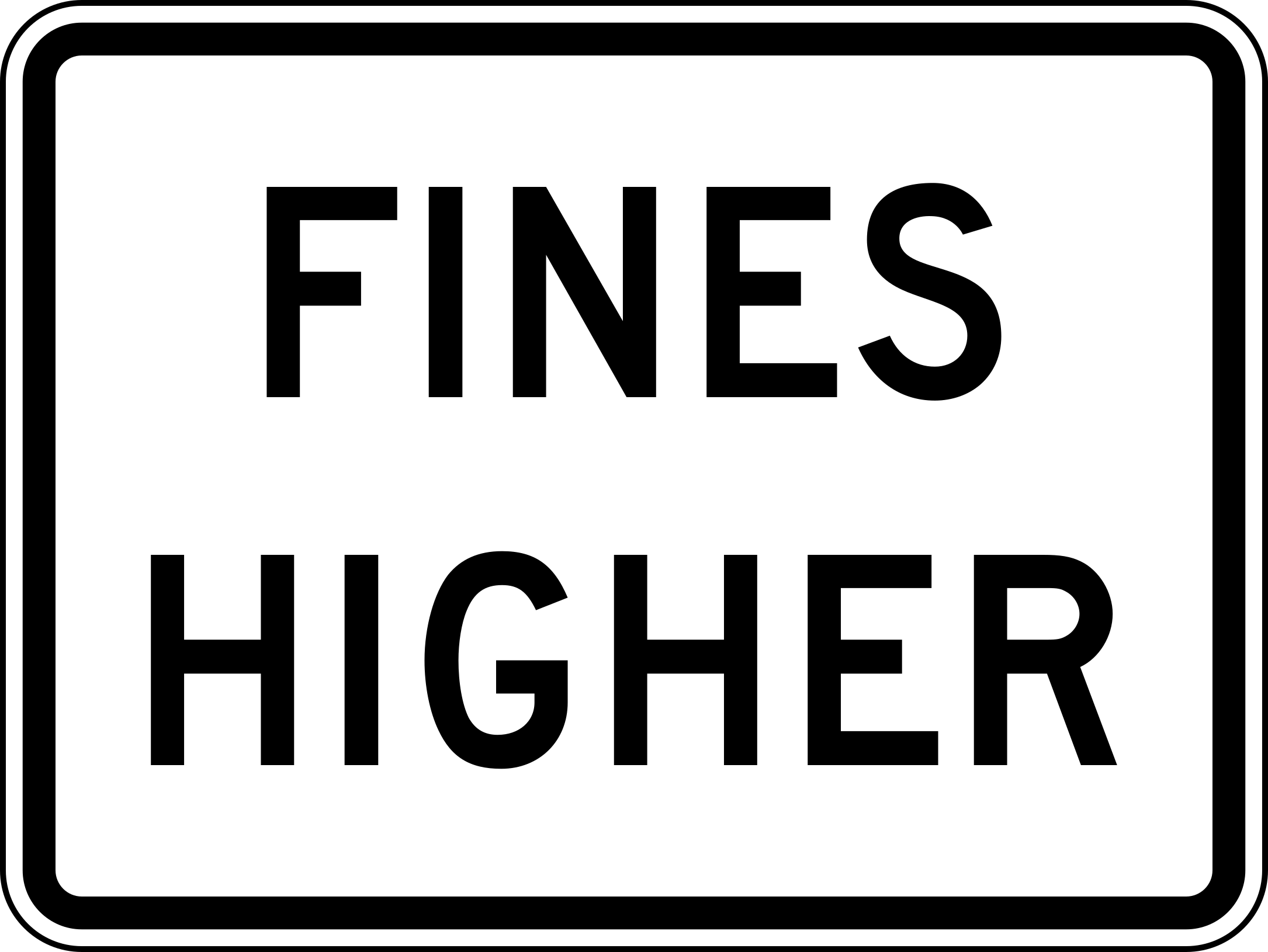
Fines higher Traffic fines are higher in this zone. Obey the speed limit and other rules carefully here.
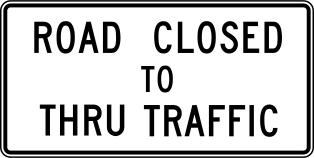
Road closed to thru traffic Only local traffic may use this road. Use the road only if your destination is on it.

School crossing School zone or crossing ahead. Slow down; watch for children and crossing guards.

Pedestrian crossing People may be crossing. Yield to pedestrians in crosswalks.

Curve to the right The road bends right. Slow before the curve.

Sharp turn to the right A sharp right turn ahead. Slow down well before it.

Winding road Several curves ahead. Reduce speed and stay in lane.

Chevron alignment Sharp change in direction. Follow the chevrons and slow down.

Merge Traffic merges from the side. Adjust speed to let traffic merge.

Lane ends Right lane ends ahead. Merge left when safe.

Divided highway begins Median ahead. Keep right of the median.

Divided highway ends Two-way traffic ahead. Keep right.
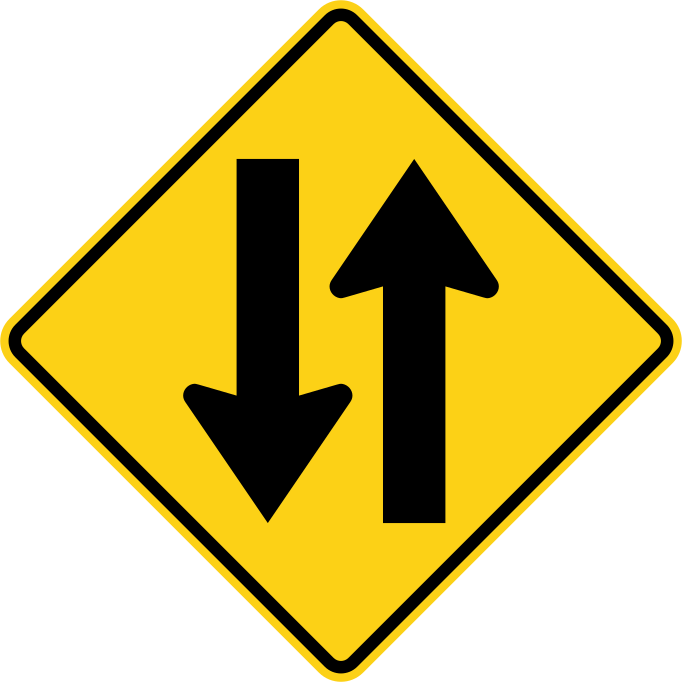
Two-way traffic Oncoming traffic ahead. Keep right.
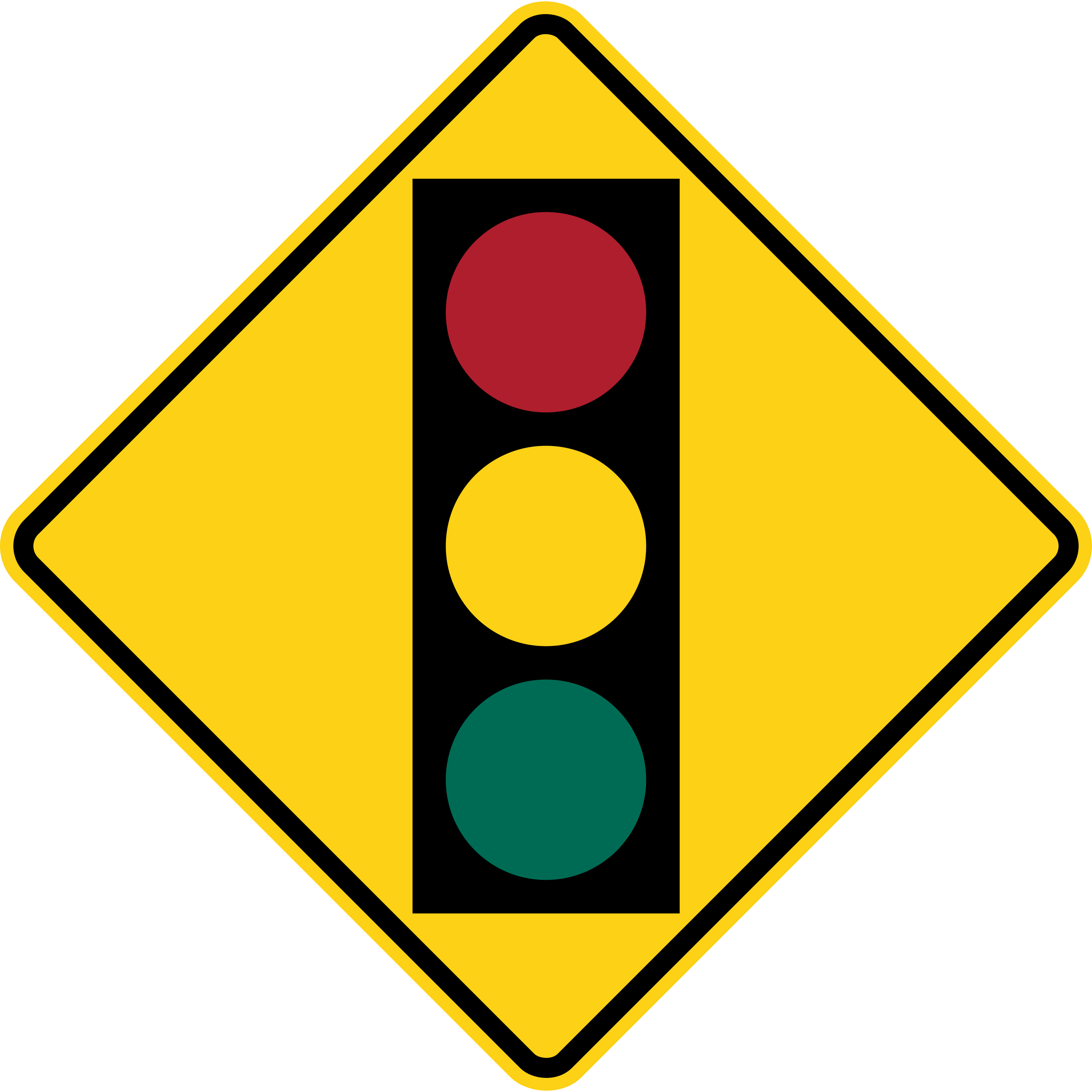
Signal ahead Traffic signal ahead. Be ready to stop.

Stop ahead Stop sign ahead. Start slowing.

Yield ahead Yield sign ahead. Prepare to give way.

Slippery when wet Slippery in rain. Slow down, avoid hard braking.

Deer crossing Deer cross here. Slow down at dawn and dusk.

Bump Bump in the road. Slow down.

Hill Steep downgrade. Use a lower gear.

Low clearance Low overhead clearance. Taller vehicles must not pass under.

Side road Road enters from the side. Watch for entering traffic.

T intersection Your road ends ahead. Prepare to turn left or right.

Cross road Intersection ahead. Watch for cross traffic.

Narrow bridge Bridge narrower than the road. Slow down; be ready to yield.

Railroad crossing ahead Railroad crossing ahead. Slow down, look and listen.
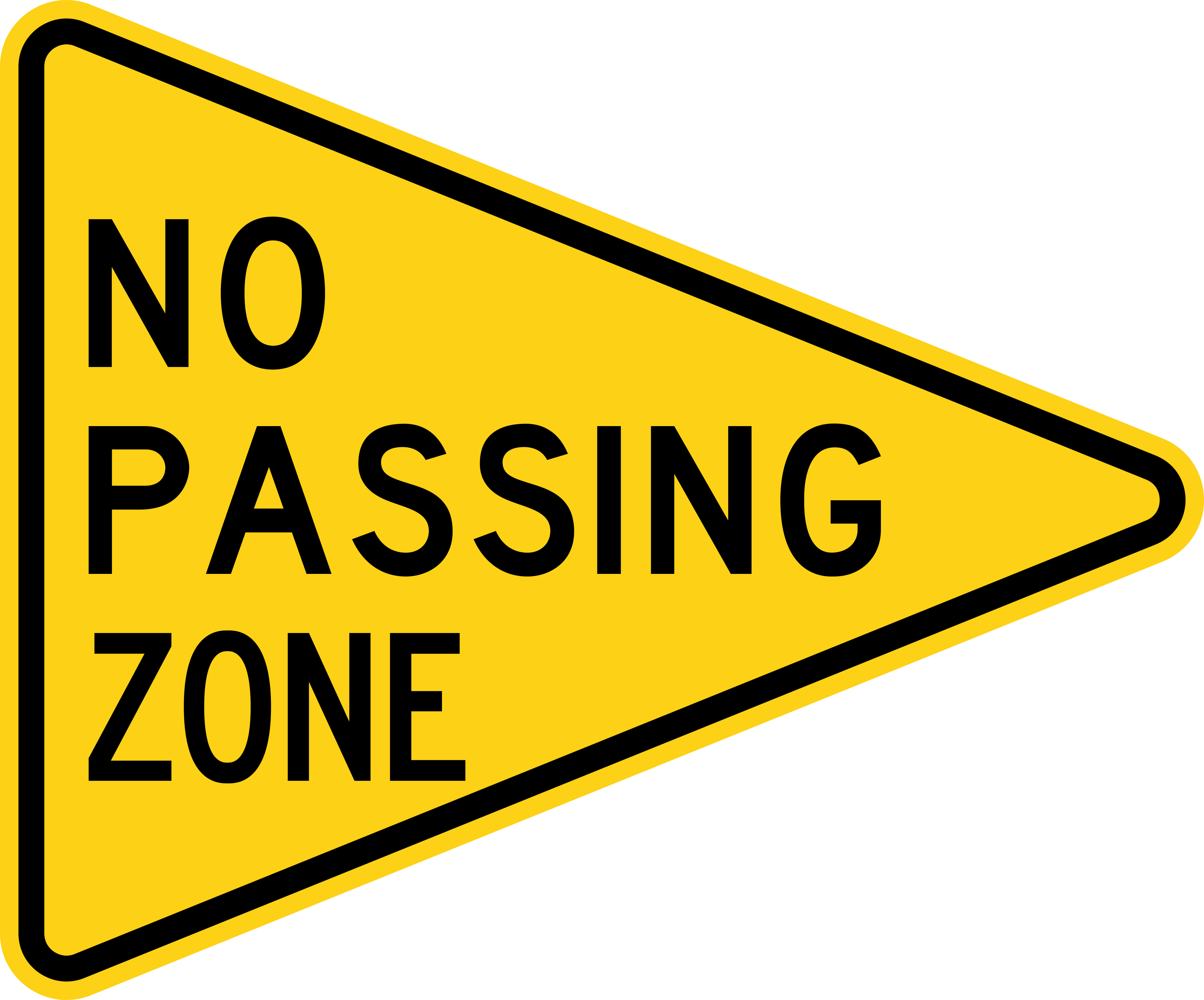
No passing zone A no-passing zone starts here. Do not begin a pass.

Slow-moving vehicle Vehicle under 25 mph. Slow early; pass only when legal.

Reverse turn Two sharp turns in opposite directions are ahead. Slow down before the first turn.

Reverse curve Two curves in opposite directions are ahead. Slow down and stay in your lane.

Hairpin curve The road turns back on itself in a very tight curve. Slow down well before the curve.
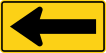
One-direction large arrow The road turns sharply in the direction of the arrow. Placed on the outside of a sharp turn or at the end of a T intersection.

Circular intersection ahead A roundabout is ahead; traffic in it moves counterclockwise. Slow down and yield to traffic already in the circle.

Added lane Another road joins with its own lane; no merging is needed. Watch for vehicles in the new lane beside you.

One-lane bridge The bridge ahead is only wide enough for one vehicle. Slow down and be ready to yield to oncoming traffic.

Road narrows The road gets narrower ahead. Slow down and watch for oncoming traffic.

Dip A sudden low place in the road is ahead. Slow down; water can collect in a dip.

Pavement ends The paved surface ends; the road becomes gravel or dirt. Slow down before the surface changes.

Soft shoulder The shoulder is soft; stay off it except in an emergency. A vehicle can sink or slide on a soft shoulder.

Loose gravel Loose gravel on the road reduces traction. Slow down and avoid sudden braking or steering.

Bridge ices before road The bridge may be icy even when the road is not. Slow down and avoid sudden moves on the bridge in cold weather.

Bicycle crossing Watch for bicycles crossing or sharing the road. Slow down and give cyclists room.

Truck crossing Trucks may be entering or crossing the road. Be ready to slow down for slow, turning trucks.

Farm vehicles Slow farm machinery may be on the road. Slow down and pass only where it is legal and safe.

Emergency vehicles Emergency vehicles may enter the road here. Posted near fire stations and similar entrances.

Playground A playground is nearby; watch for children. Slow down; children may run into the road.
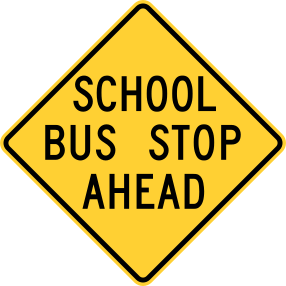
School bus stop ahead A school bus stops ahead; be ready to stop. Watch for flashing lights and children.

Dead end The road ends ahead with no way through. You will have to turn around.

No outlet The road leads only to other streets with no way out. You must come back the way you came.

Be prepared to stop Traffic ahead may be stopped; be ready to stop. Often used before signals or queues you cannot yet see.
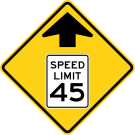
Reduced speed limit ahead A lower speed limit begins ahead; start slowing down. The new limit applies at the next speed limit sign.
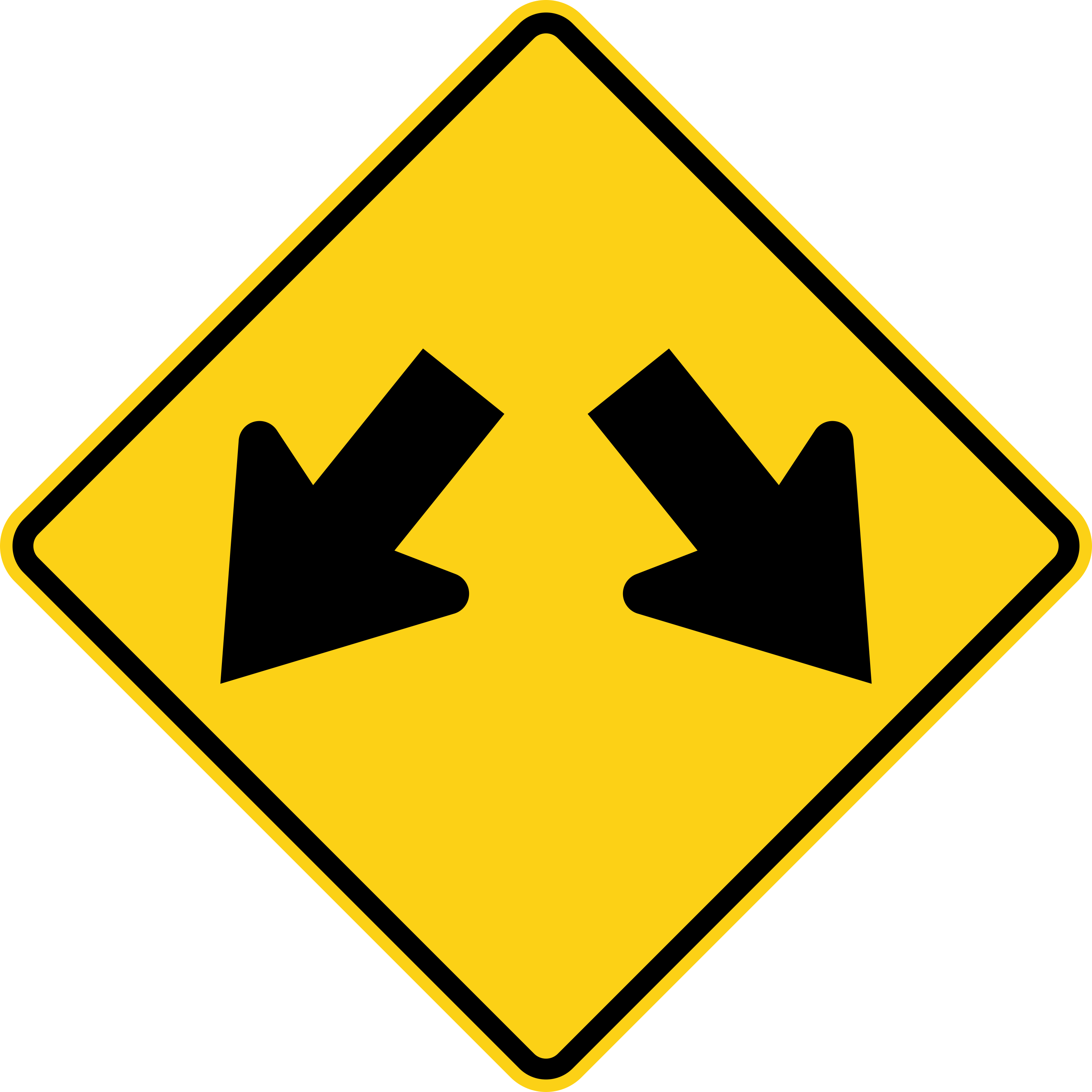
Double arrow You may pass on either side of the obstruction. Used at a divider or island in the middle of the road.
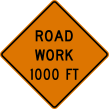
Road work ahead Work zone ahead. Slow down and follow work-zone signs.
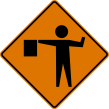
Flagger ahead Flagger directing traffic. Obey the flagger.
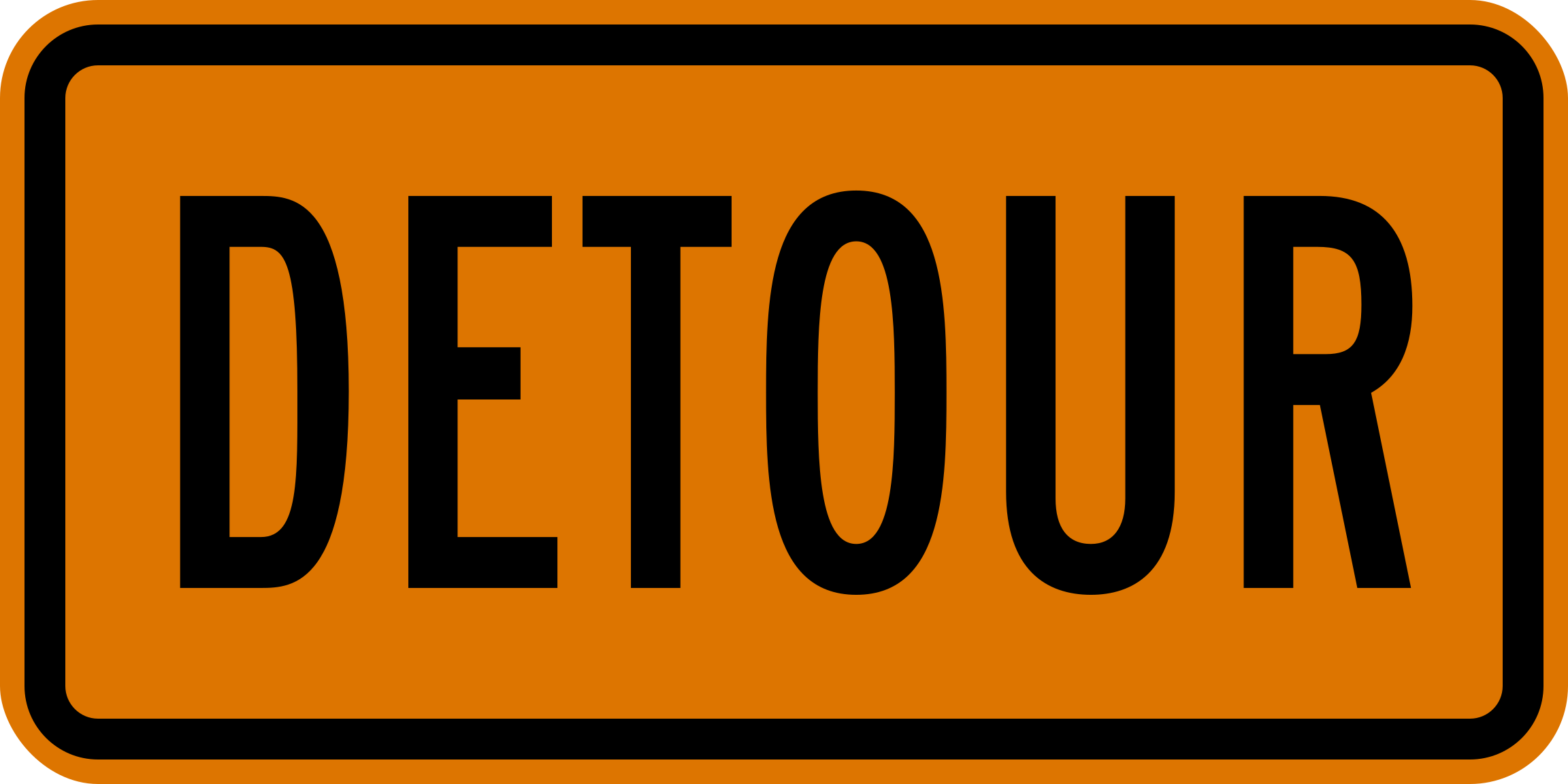
Detour Follow the detour. Follow orange detour signs.
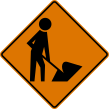
Workers ahead People are working on or near the road ahead. Slow down, stay alert and obey the flagger.
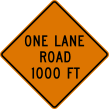
One lane road ahead Traffic will share a single lane ahead. Expect a flagger or a signal to control the lane.

Shoulder work Crews are working on the shoulder. Stay off the shoulder and move over if you can.

End road work The work zone ends; normal driving resumes. Watch for the posted speed limit again.
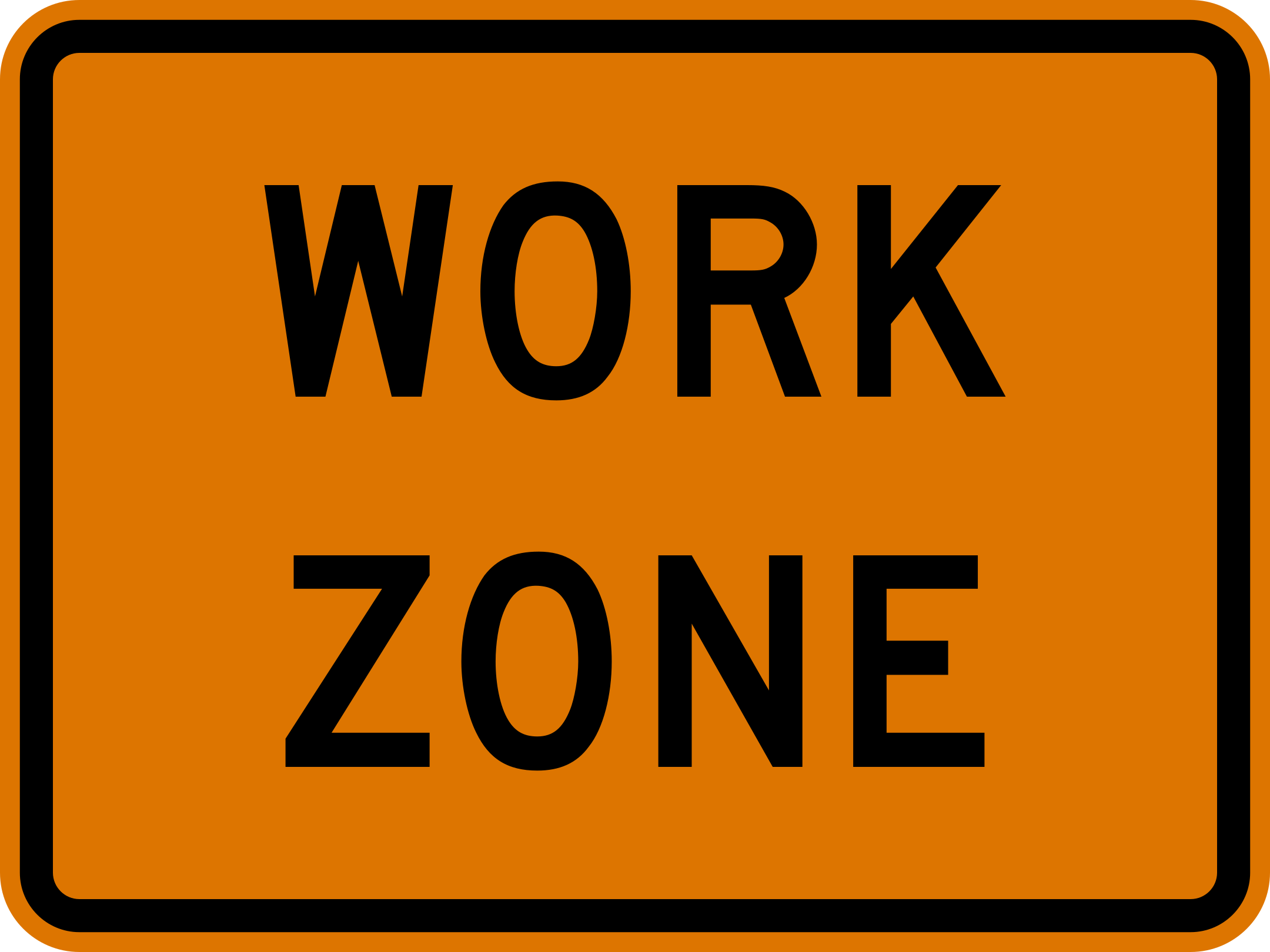
Work zone You are in a highway work zone. Slow down, stay alert and obey work zone speed limits.

Road work next miles Road work continues for the distance shown. Expect lane changes, slower traffic and workers for that stretch.
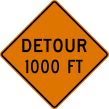
Detour ahead A detour begins at the distance shown. Get ready to follow the orange detour signs.
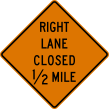
Right lane closed ahead The right lane is closed at the distance shown. Signal and merge left early when it is safe.
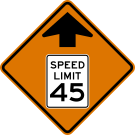
Reduced speed limit ahead (work zone) A lower speed limit begins ahead in the work zone. Start slowing down before you reach the new limit.
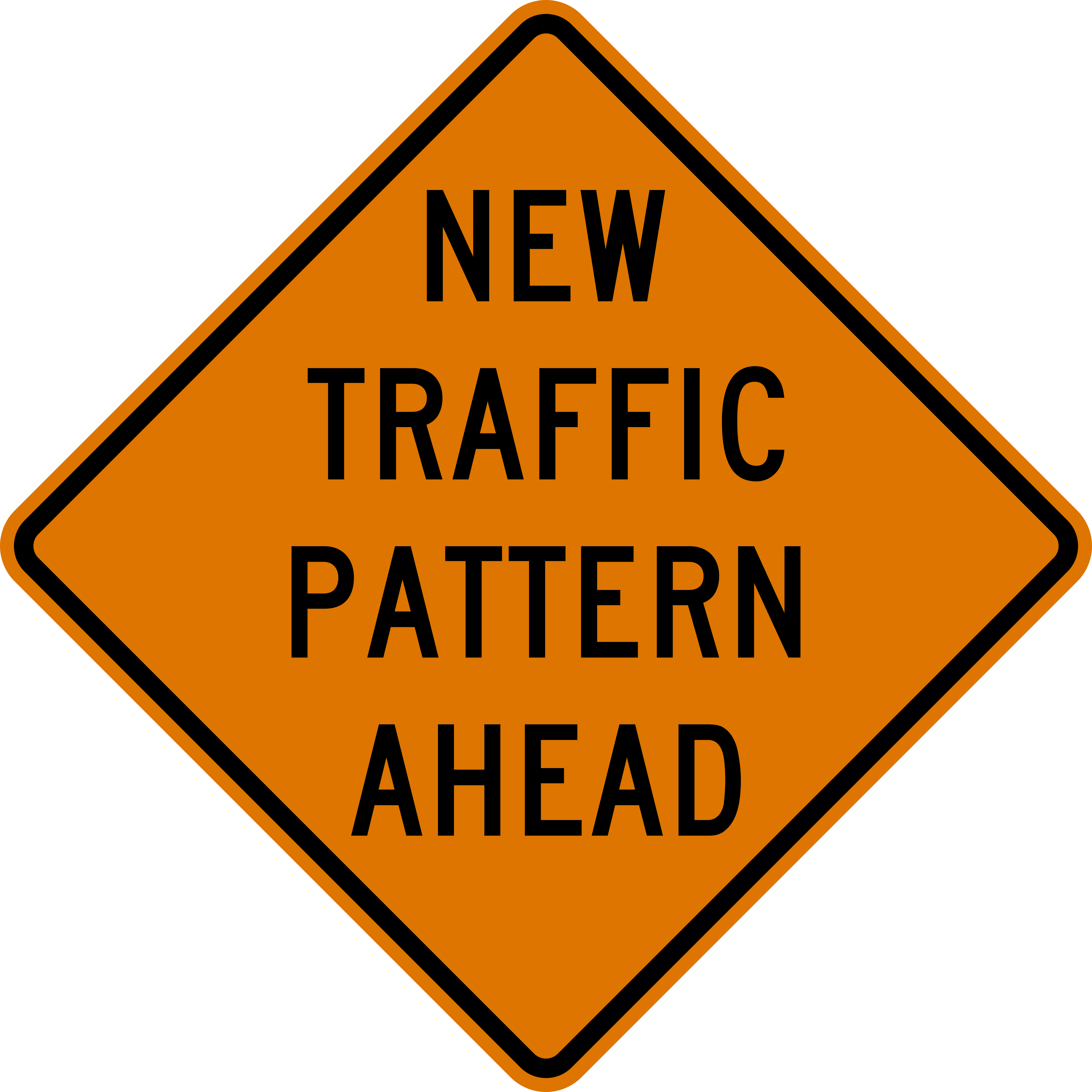
New traffic pattern ahead Lanes or turns ahead have changed from what you are used to. Slow down and read the signs and lane markings.

Uneven lanes One lane is higher than the next. Take care when you change lanes.

Low shoulder The shoulder is lower than the road surface. Keep your wheels on the pavement.
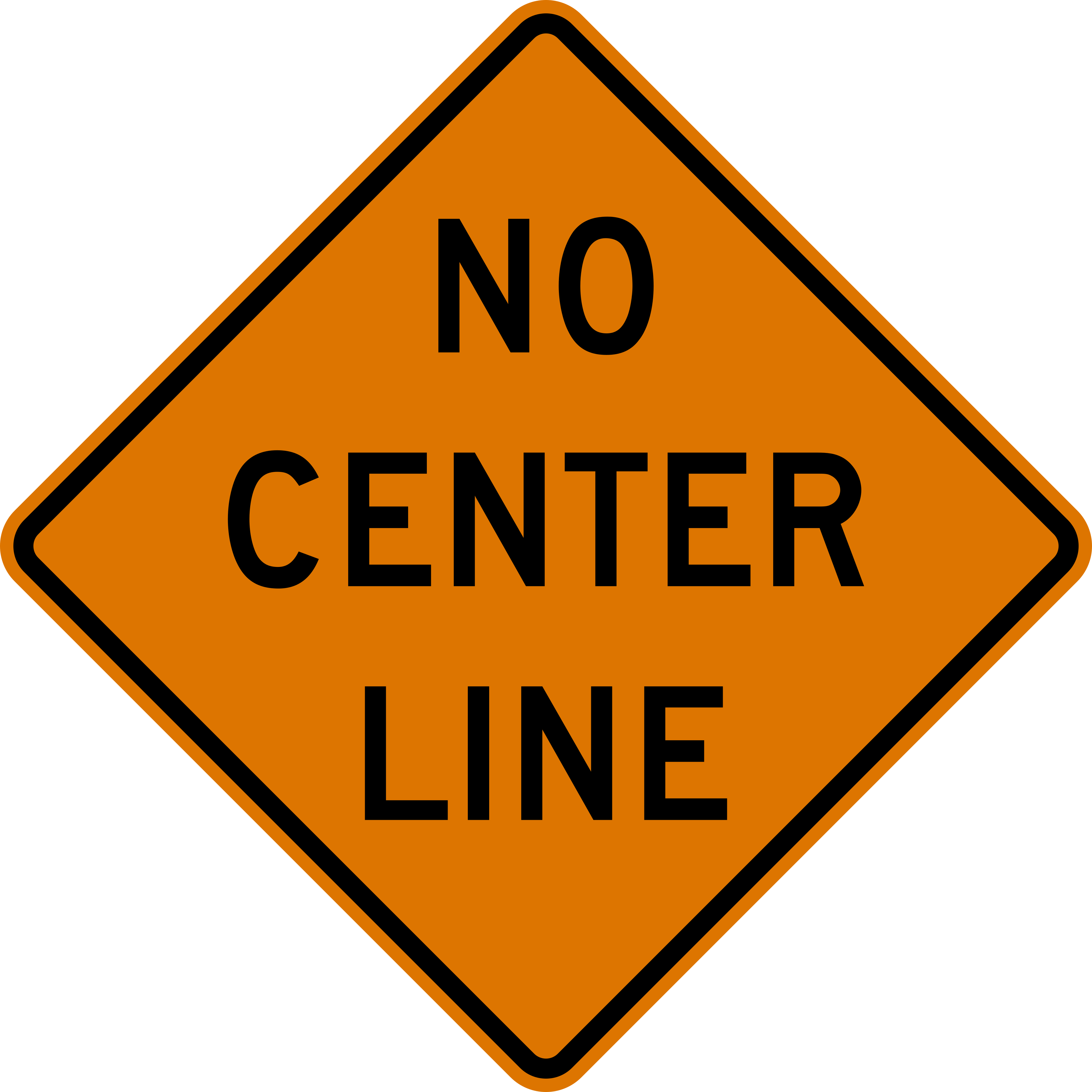
No center line The road has no center line markings ahead. Keep to the right of the middle of the road.

Fresh oil The road was just oiled or sealed. Slow down; the surface may be slippery and loose.
Road machinery ahead Road machinery is working ahead. Slow down and watch for equipment entering your lane.

Survey crew A survey crew is working on or near the road. Slow down and watch for workers.

Utility work ahead Utility crews are working ahead. Slow down and be ready to change lanes or stop.

Mowing ahead Mowing equipment is working beside the road. Slow down and pass only when it is safe.

Pilot car: follow me A pilot car leads traffic through the work zone. Follow the pilot car and do not pass it.
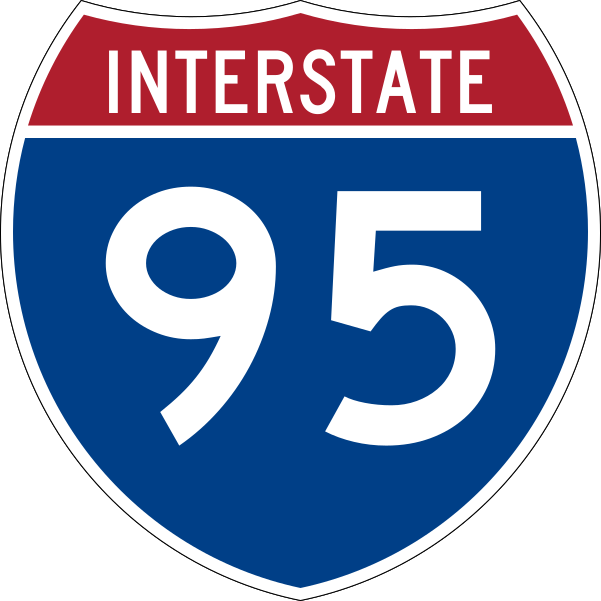
Interstate route marker Interstate highway. Odd numbers run north–south; even numbers run east–west.
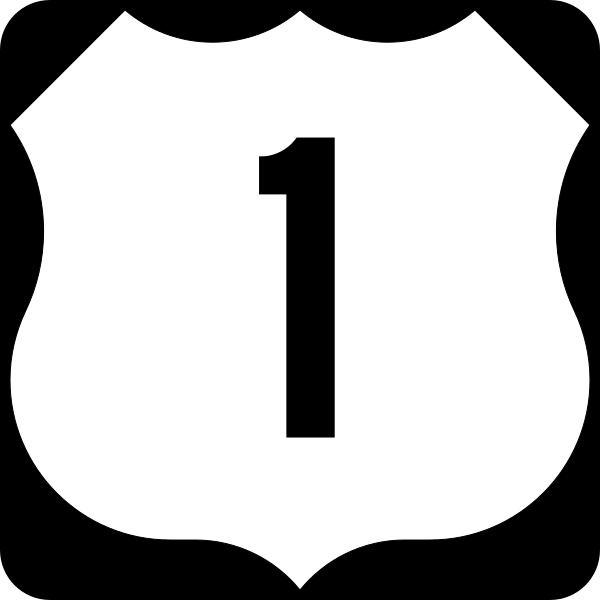
US route marker US numbered highway. Not a freeway; may have signals and crossings.
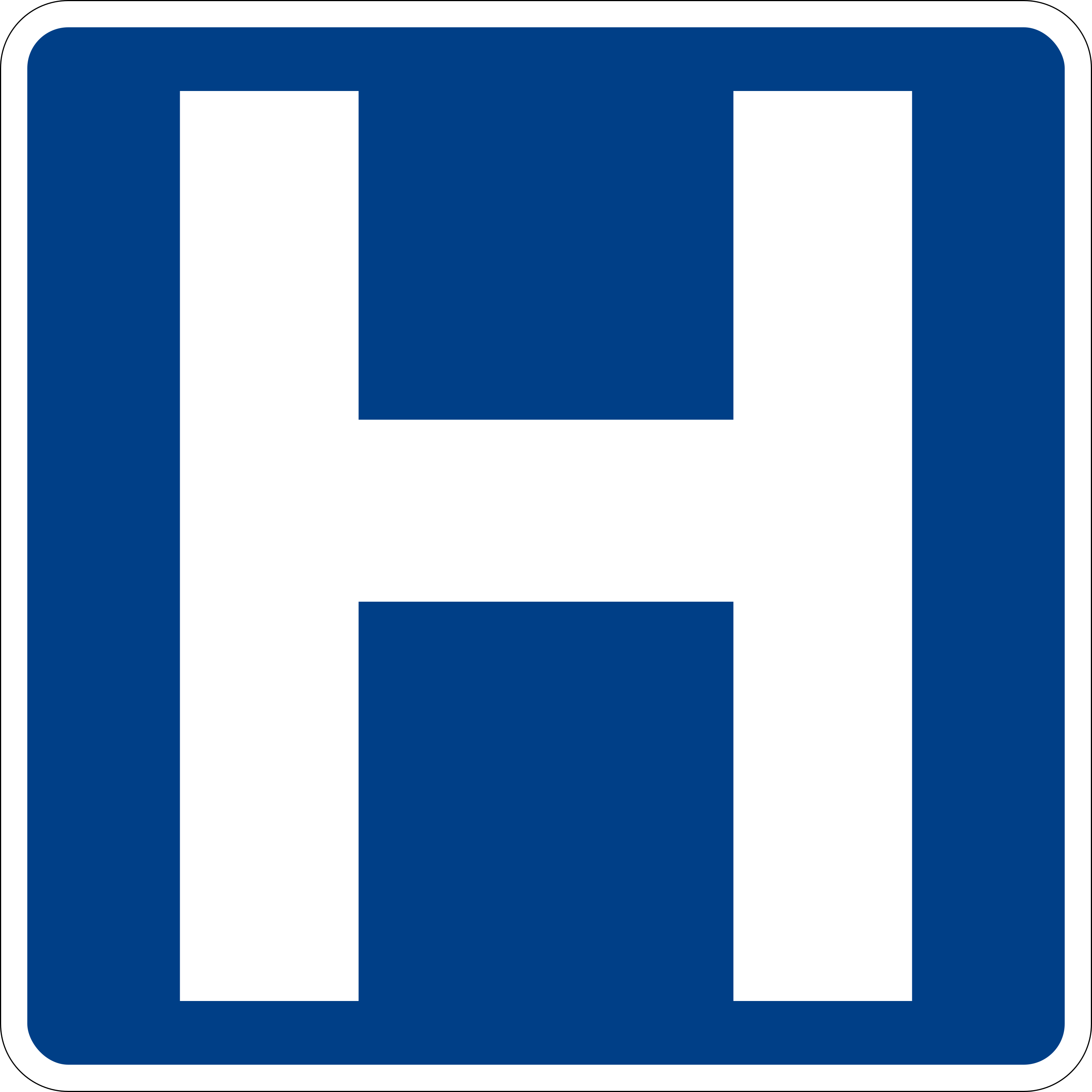
Hospital Hospital nearby. Blue = services.

Gas Fuel available. Often posted before an exit.
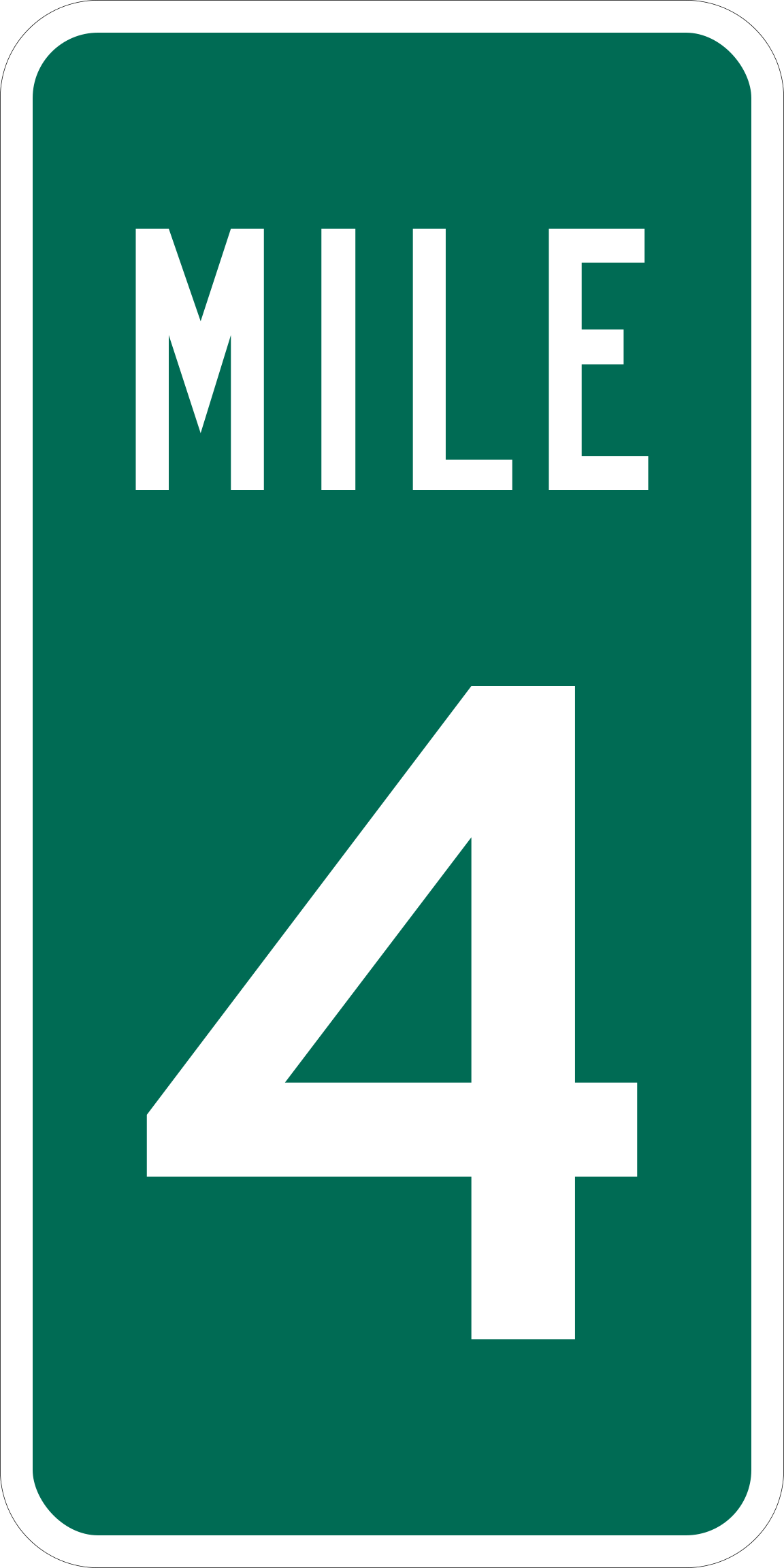
Mile marker Shows your location along the highway, in miles. Useful for telling 911 where you are.
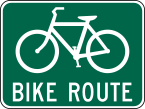
Bike route A signed route recommended for bicycles. Watch for cyclists along this route.
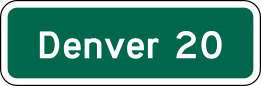
Distance sign Shows the distance to places ahead, in miles. Use it to plan your trip and your stops.
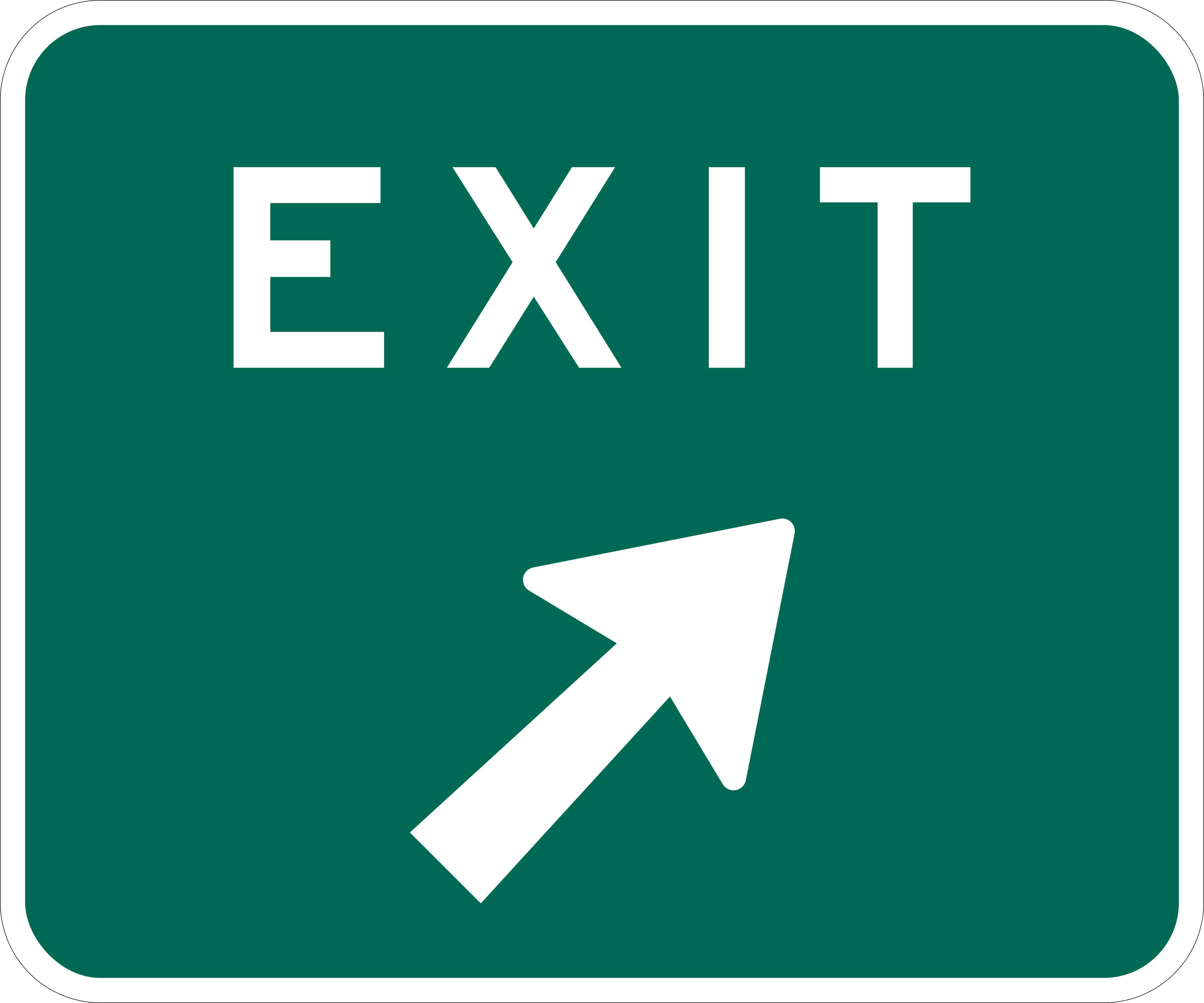
Exit The exit ramp leaves the highway here. Signal early and slow down on the ramp, not on the highway.
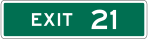
Exit number Shows the exit number. Exit numbers usually match the nearest mile marker.

Street name sign Shows the name of the cross street. Read it early so you can plan your turn.
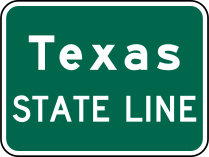
State line You are crossing into another state. Traffic laws may change at the state line.
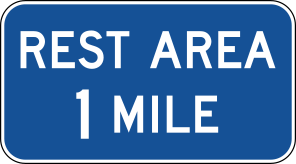
Rest area A rest area is ahead at the distance shown. Plan a stop if you are tired.
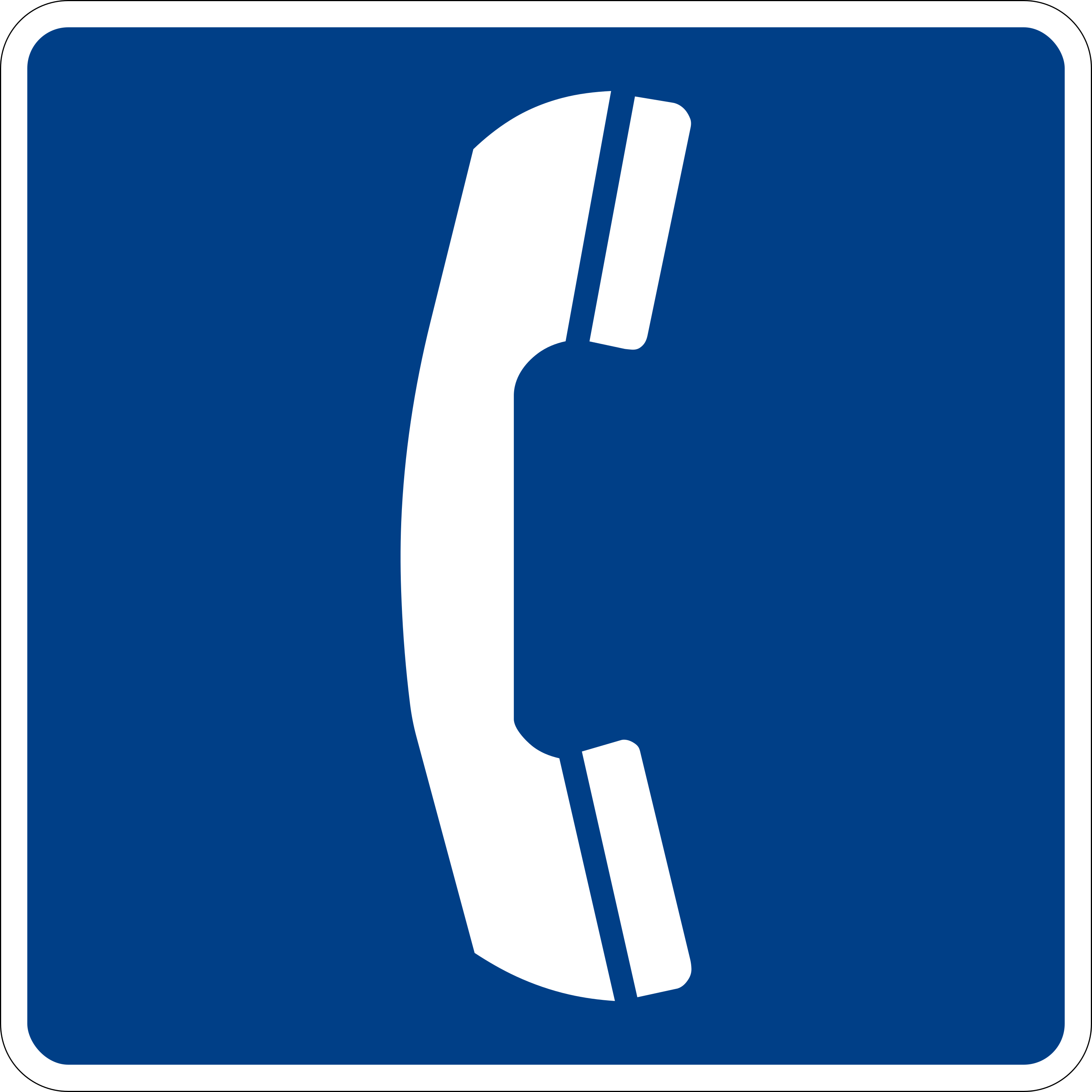
Telephone A telephone is available. Blue signs show motorist services.

Food Food is available at the next exit. Blue signs show motorist services.

Lodging A hotel or motel is available at the next exit. Blue signs show motorist services.

Camping A campground is nearby. Blue signs show motorist services.

Tourist information A tourist information center is nearby. Blue signs show motorist services.

Electric vehicle charging An electric vehicle charging station is available. Blue signs show motorist services.

Emergency medical services Emergency medical services are available nearby. Blue signs show motorist services.
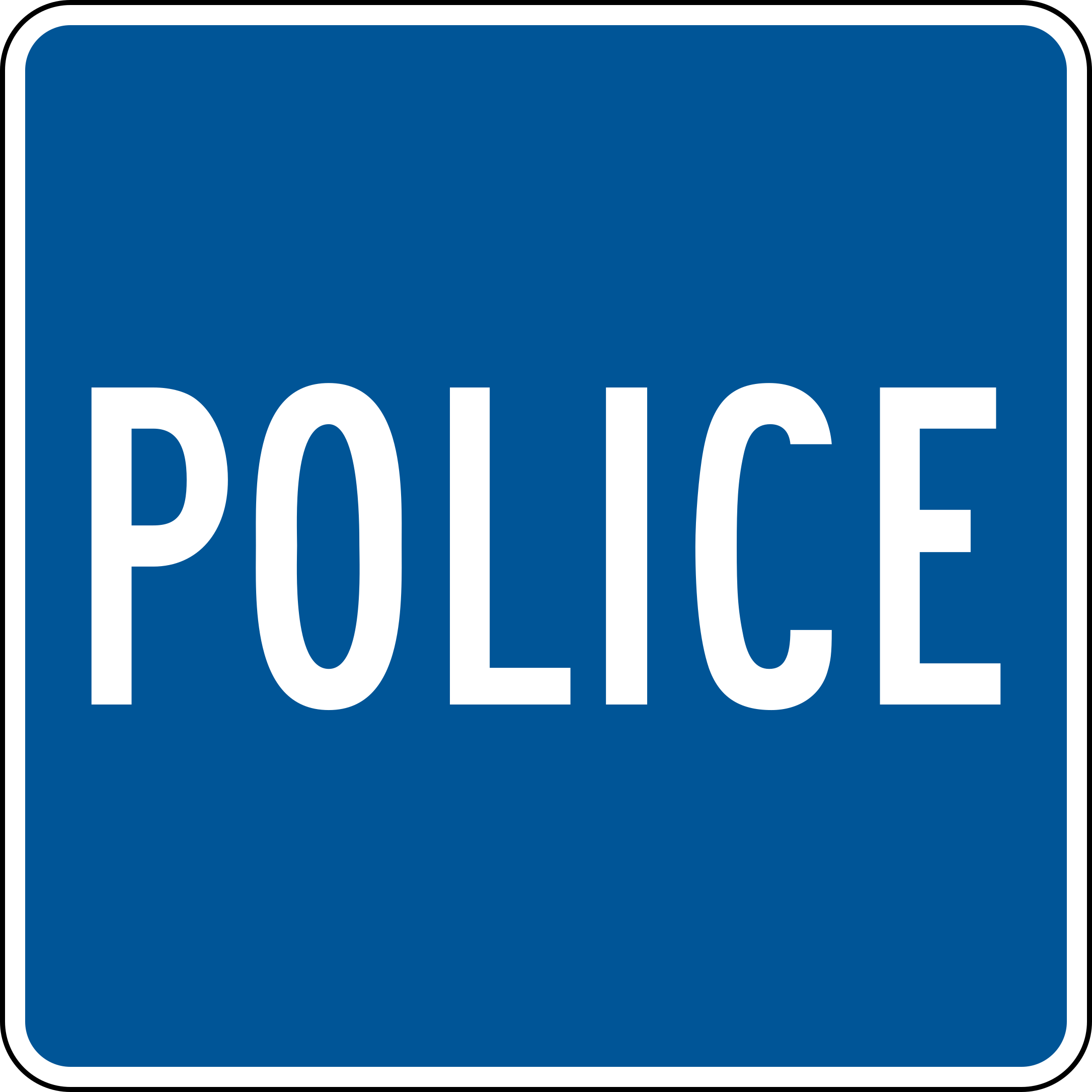
Police A police station is nearby. Blue signs show motorist services.
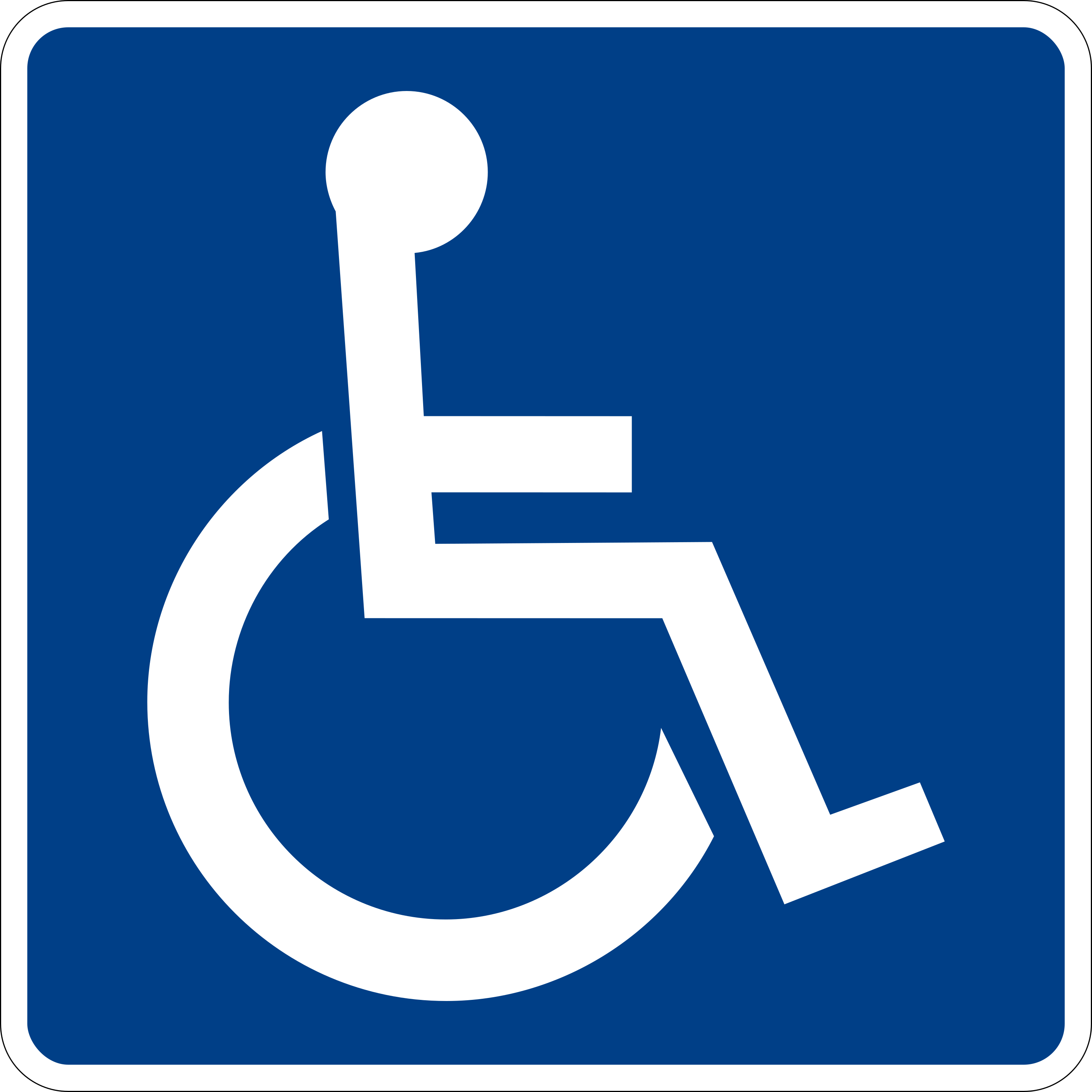
Accessible facilities Facilities ahead are accessible to people with disabilities. Blue signs show motorist services.

Truck parking Parking for trucks is available. Blue signs show motorist services.
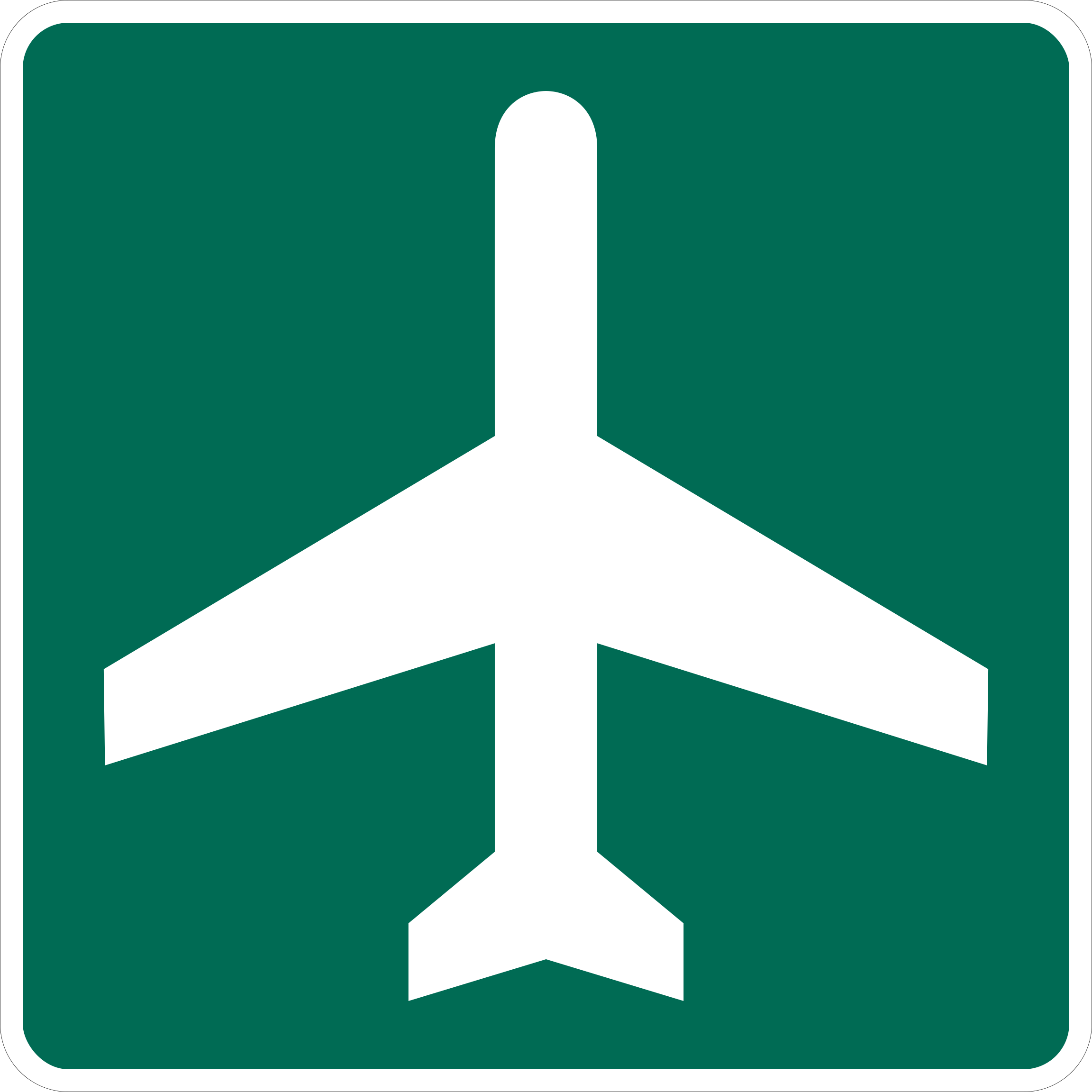
Airport An airport is nearby. Follow the signs to reach the airport.
Signs are easier to remember by group: the shape and colour tell you the kind of message before you read it. The California signs on this page fall into these groups:
Pick an answer, then open "Show answer" to check it. For the real test format, take a free DMV practice test.
Turn on JavaScript to take the interactive mock tests.